
Want to cut your puppy’s chance of allergies before they even start?
It’s possible with simple, natural habits during the first year when their immune system is still learning what’s safe.
This post shows practical, vet-friendly steps you can use right away: keep a steady diet, lower indoor and outdoor irritants, start gentle grooming, and use parasite prevention.
Do these routines early and consistently and you’ll lower allergy risk without bubble-wrapping your pup.
Core Strategies for Reducing Allergy Risks Early in Life
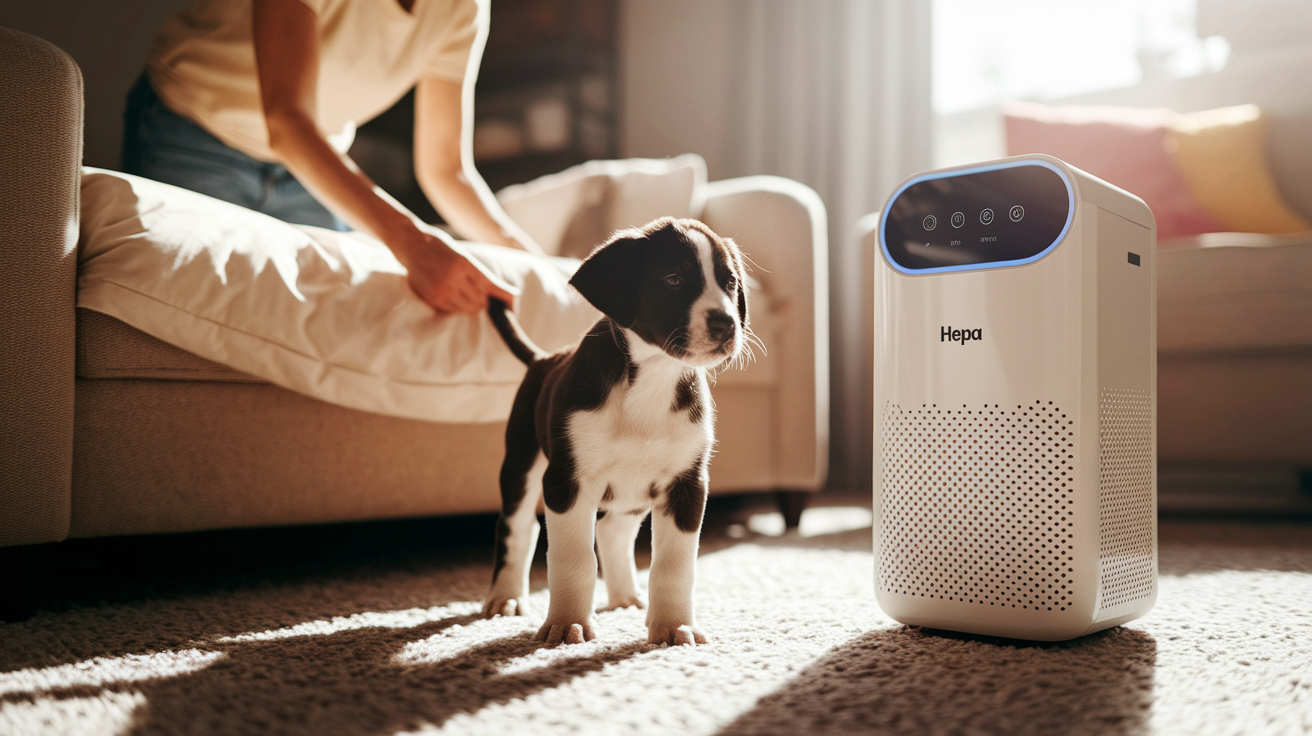
Preventing allergies in puppies starts simple. Lower the immune load during that first year while your puppy’s body learns what’s safe and what’s a threat. The first 4 to 12 months? That’s when everything gets wired. What your puppy eats, breathes, and bumps into during this time can shape how their immune system reacts for the rest of their life.
Your puppy isn’t born allergic. But repeated hits from certain proteins, chemicals, or irritants during vulnerable months can train their immune system to overreact. The goal isn’t bubble wrapping them. It’s smart prevention. Keep allergen exposure low, support gut health, and dodge obvious triggers while their defenses catch up.
Daily habits are easier than you’d think. Start as soon as your puppy comes home and keep them going through the first year.
- Wash bedding weekly in hot water to knock out dust mites and pollen.
- Vacuum high traffic areas twice a week with a HEPA vacuum.
- Feed one high quality puppy diet and don’t switch formulas constantly.
- Start monthly flea prevention at 8 weeks and stick with it year round.
- Wipe paws and belly after outdoor play to catch allergens before they spread.
- Stay on schedule with core vaccines and deworming to prevent parasite driven inflammation.
Nutritional Foundations That Support Low Allergy Development

What goes into your puppy’s bowl during the first six months matters. Pick one solid puppy diet that fits their size and breed, then resist the urge to rotate proteins or toss in table scraps. Frequent diet changes can confuse the immune system and open the door to food sensitivities. A stable, clean diet with a single animal protein, balanced omega 3 and omega 6 fatty acids, and minimal filler helps the gut lining mature without triggering unnecessary immune noise.
Good proteins like lamb, turkey, or salmon paired with whole grains or sweet potato give your puppy what they need for healthy skin and coat without loading them up with common triggers like beef, chicken, or soy. Omega 3 fatty acids from fish oil can support anti inflammatory pathways, but don’t just dump it in. Add fish oil only if your vet suggests it, and follow their dosing. Too much backfires. Probiotics made for puppies can help during weaning and after deworming or antibiotics. Once daily probiotic supplements are usually safe and may lower the risk of food reactions by keeping the microbiome balanced during critical immune development.
Reducing Environmental Irritants in Your Home and Yard
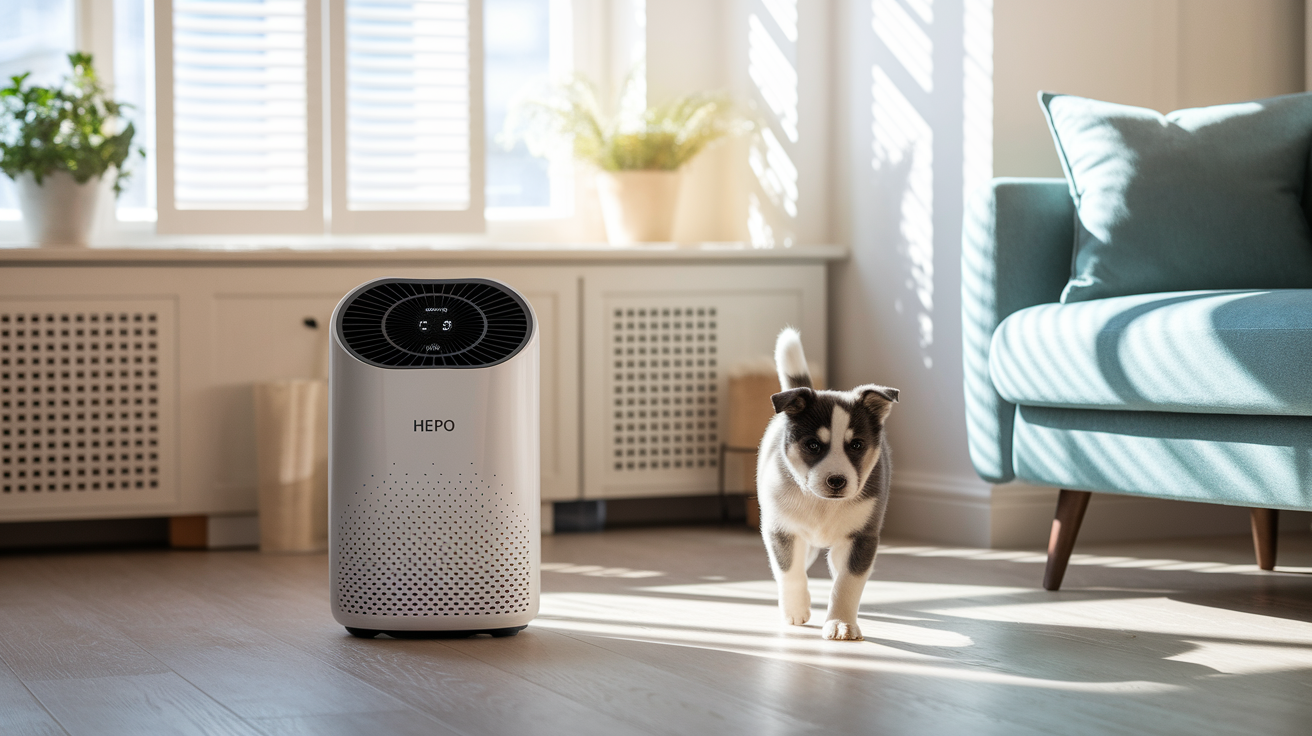
Puppies live close to the floor. Household dust, pollen tracked in on shoes, and residue from cleaning products land right on their skin and coat. Controlling indoor air quality and surface cleanliness cuts down the allergen load your puppy deals with every day. Run a HEPA air purifier in the main living space and swap the filters every six to twelve months. Replace HVAC filters every one to three months. Consider higher efficiency options if your system can handle it.
Keep windows shut during peak pollen season, especially early morning when tree and grass pollen spikes. Walk your puppy later in the day or after rain when pollen settles. Wipe their paws, belly, and face with a damp cloth after outdoor time to catch sticky pollen and dirt before it transfers to carpets and bedding. Don’t let puppies drink from puddles or roll in mulch piles. Both can harbor mold spores and bacteria that irritate sensitive skin.
Inside, cleaning habits matter as much as the products you use. Switch to fragrance free, pet safe cleaners and skip aerosol air fresheners or strong disinfectants near your puppy’s sleeping area. Vacuum at least twice per week and wash all soft surfaces your puppy contacts regularly. Small changes stack up.
- Use tightly woven, washable bedding and wash it weekly at 140°F or higher.
- Remove shoes at the door to cut down on tracked allergens.
- Store food in sealed containers to prevent dust mite contamination.
- Avoid scented candles, plug in air fresheners, and heavy perfumes in pet areas.
- Clean up water spills right away to prevent mold growth on floors and bedding.
Grooming and Skin Care Routines That Lower Allergy Risk
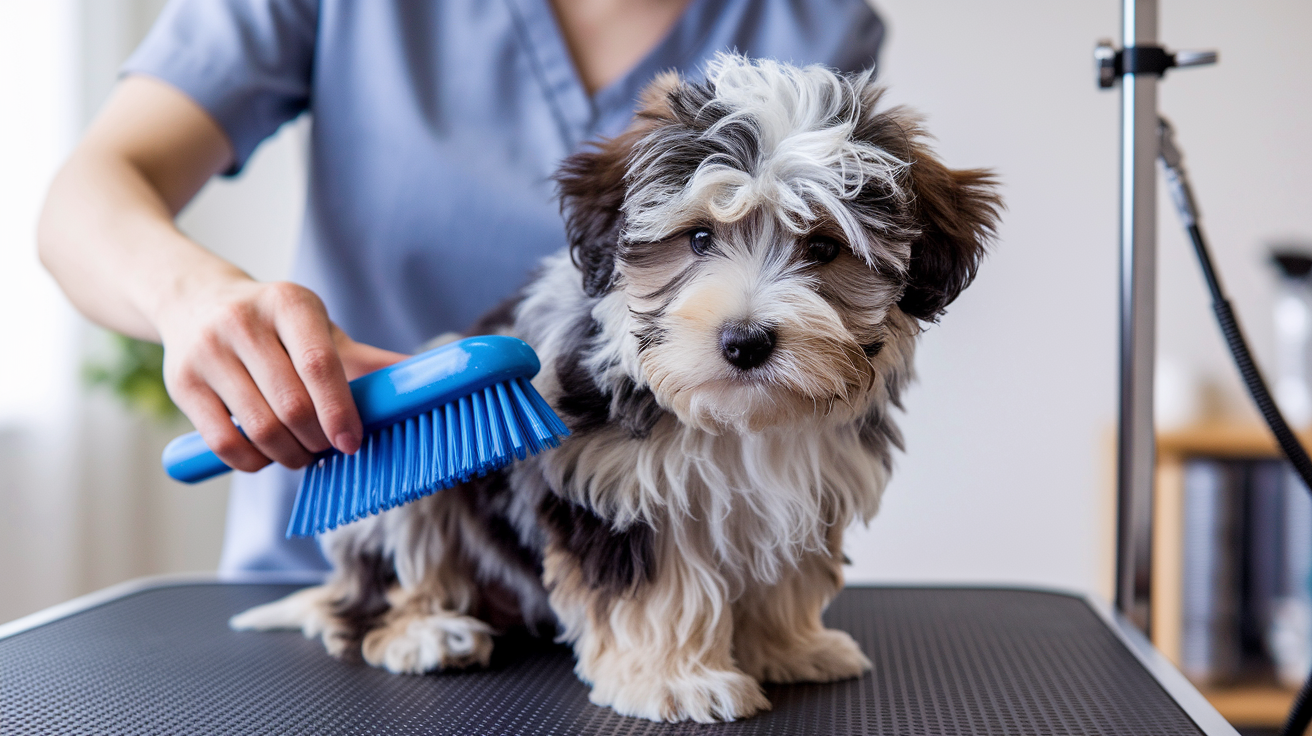
Regular grooming pulls out loose hair, dander, pollen, and skin oils before they pile up and trigger reactions. A clean coat also keeps the skin barrier strong, which is your puppy’s first defense against environmental allergens. Brush your puppy two to three times per week if they’ve got a medium or long coat, at least once a week for short haired breeds. Brushing spreads natural oils, cuts down shedding, and gives you a chance to catch early signs of trouble like redness, flaking, or hot spots.
Most puppies do well with a gentle bath every two to four weeks, depending on coat type and activity level. Use a vet recommended hypoallergenic or mild puppy shampoo. Skip human shampoos and heavily fragranced products. They strip protective oils and mess with skin pH. After outdoor adventures, especially in tall grass or wooded areas, wipe down your puppy’s paws, belly, and face to remove allergens without a full bath. Check ears weekly for redness or odor, and gently wipe the outer ear with a vet approved ear cleaner if needed. Moisture and wax buildup in floppy ears can lead to yeast infections, which make allergy prevention harder.
Early Allergy Identification and What Mild Symptoms Look Like
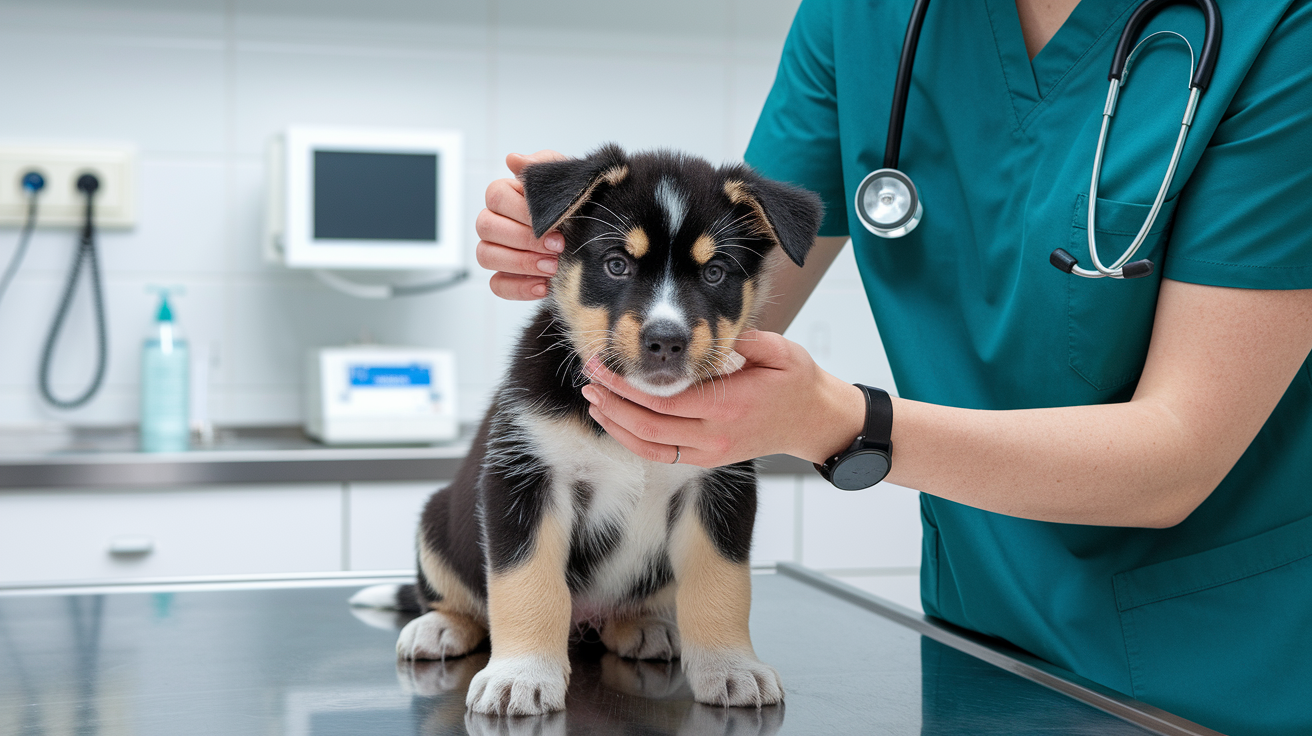
Catching allergy signs early gives you the best shot at tweaking prevention strategies before symptoms stick around. A lot of owners brush off the first signs as normal puppy behavior or minor irritation, but noticing subtle changes can save months of discomfort and pricey treatments.
- Frequent scratching, especially around the face, paws, belly, or ears.
- Red or irritated skin when you part the fur or check the belly.
- Persistent licking or chewing at paws, groin, or base of tail.
- Head shaking or rubbing ears on furniture or carpet.
- Watery eyes or clear nasal discharge without other illness signs.
- Recurring ear infections or a yeasty smell from the ears.
- Digestive upset like soft stools, intermittent vomiting, or excessive gas after meals.
If you spot one or two of these signs occasionally, start tracking when they happen. Does scratching spike after walks in the park? Does your puppy lick their paws more after eating a certain treat? Patterns help your vet narrow down triggers. If symptoms last more than two weeks or get worse, schedule a vet visit. Early intervention often means a simple diet tweak or environmental adjustment instead of long term medication or immunotherapy.
Breed Tendencies and Genetic Predispositions to Allergies
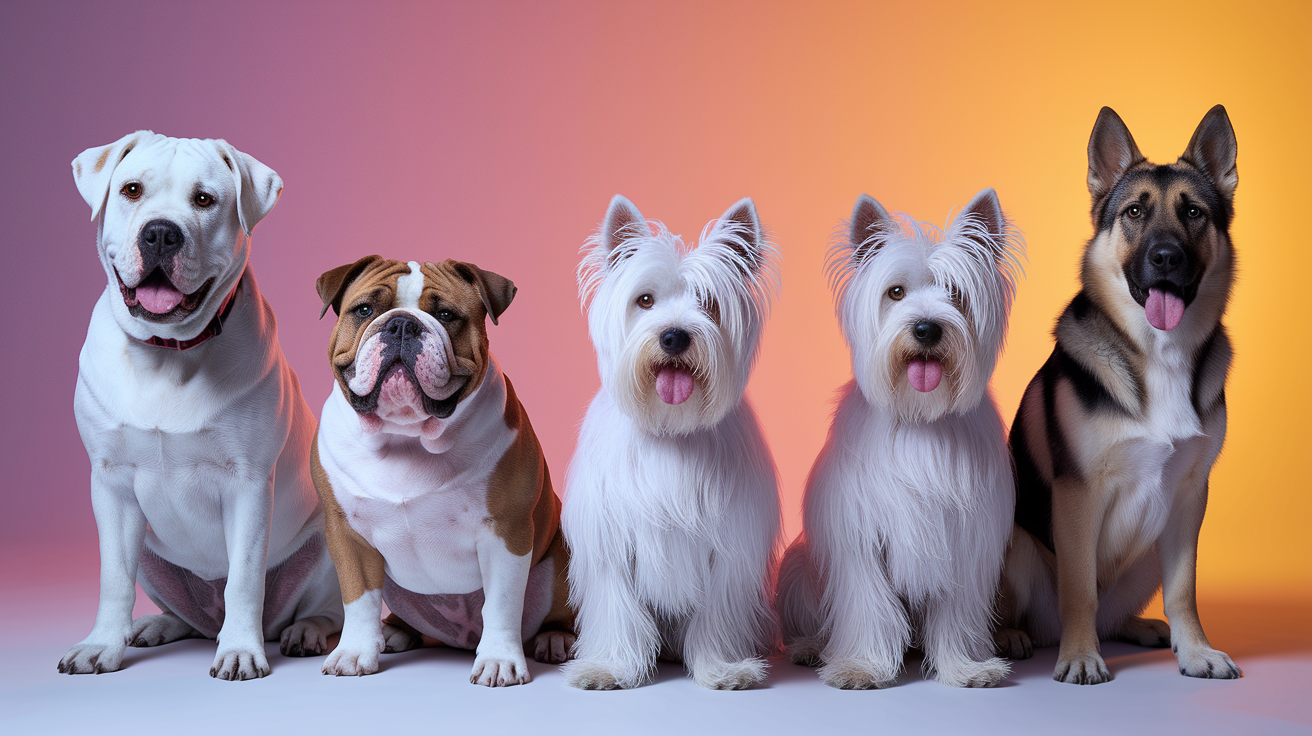
Some breeds carry higher genetic risk for developing allergic skin disease, food sensitivities, or environmental allergies. Labrador Retrievers, Golden Retrievers, Bulldogs, West Highland White Terriers, Boxers, and German Shepherds show up more often in allergy studies and veterinary dermatology clinics. If you’ve got one of these breeds, prevention becomes even more important because their immune systems may be built to overreact to common triggers.
Genetic predisposition doesn’t guarantee your puppy will develop allergies. But it does mean you should adjust prevention strategies to their risk profile. Talk about breed specific concerns with your vet at the first wellness visit. Ask about early diet choices, grooming routines, and whether your breed benefits from earlier allergy screening if symptoms appear. Dogs with deep skin folds, like Bulldogs or Shar Peis, need extra attention to keeping those areas clean and dry to prevent secondary yeast and bacterial infections that complicate allergic reactions. Brachycephalic breeds with short muzzles may have more respiratory sensitivity to airborne allergens like pollen and dust.
Age Based Timeline for Implementing Allergy Prevention
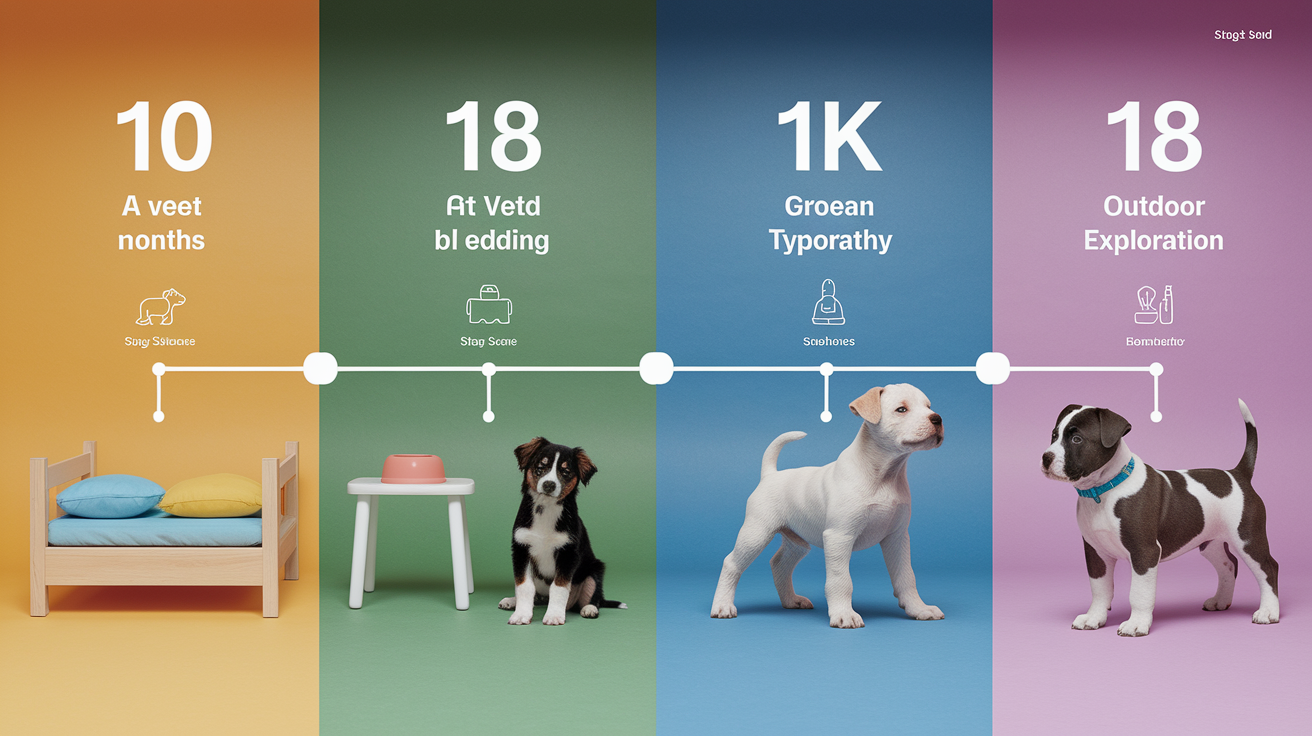
The first year of your puppy’s life unfolds in distinct stages. Each one offers specific opportunities to lower allergy risk. Following a timeline helps you stay ahead of immune challenges instead of reacting to problems after they develop.
| Age Range | Preventive Focus |
|---|---|
| 0–8 weeks | Maternal nutrition (if breeding); make sure dam gets whole food diet during lactation. Begin socialization in clean, controlled environments. Complete first deworming at breeder or vet. |
| 8–16 weeks | Start core vaccine series (6–8 weeks, then every 3–4 weeks). Begin monthly flea and heartworm prevention at 8 weeks. Establish single puppy diet, no rotating proteins. Introduce grooming routine (brushing, paw wiping). Wash bedding weekly. |
| 4–12 months | Complete vaccine boosters. Keep up monthly flea and parasite prevention. Stick with stable diet; avoid table scraps and unnecessary treats. Watch for early allergy signs (itching, ear infections). Increase outdoor exposure gradually while managing pollen contact. Run HEPA air purifier and vacuum twice weekly. |
| 12–18 months | Transition to adult food per vet guidance. Reassess environment and grooming routine. If allergy symptoms showed up during first year, pursue diagnostic workup (elimination diet trial, allergy testing). Consider allergen specific immunotherapy if environmental allergies confirmed. |
This timeline’s a guide, not a rulebook. Adjust based on your puppy’s individual health, breed, and environment. The key takeaway? Prevention is layered and builds over time. Small, consistent actions during each stage add up to resilience.
How Human Habits Influence Allergy Development in Puppies
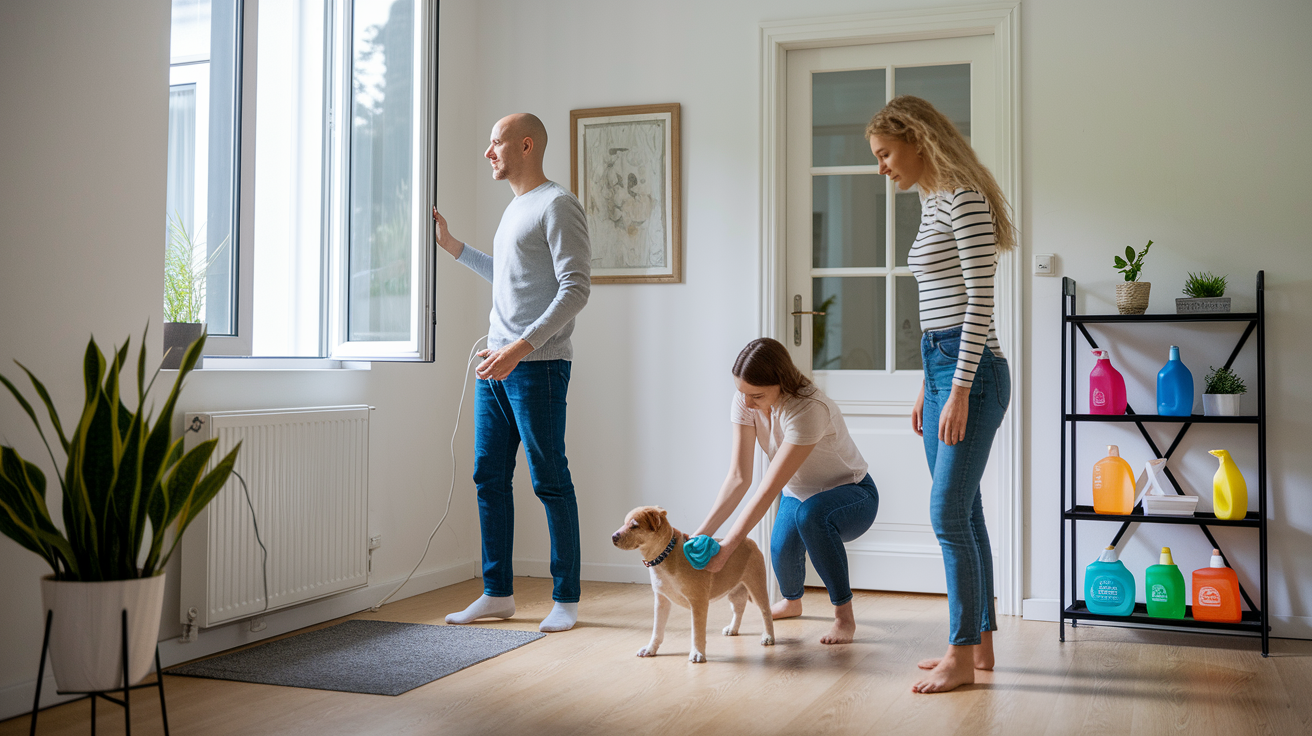
Your daily routines and household choices directly affect your puppy’s allergen exposure. Cigarette smoke, vaping aerosols, and even heavy perfume or cologne can irritate a puppy’s developing respiratory system and skin. Secondhand smoke has been linked to increased respiratory allergies and skin inflammation in dogs, especially during the first year when airways and immune pathways are still forming. If anyone in your house smokes, do it outdoors and away from your puppy. Wash your hands before handling them.
Cleaning products, air fresheners, and laundry detergents leave residues on floors, furniture, and fabrics that your puppy contacts all day. Swap heavily scented or chemical heavy cleaners for fragrance free, pet safe options. Rinse mop water thoroughly and let floors dry completely before your puppy gets back in the room. When you come home from work, outdoor allergens like pollen and mold cling to your clothes and shoes. Take shoes off at the door and change into indoor clothes if you’ve been in high pollen areas like parks or fields. These small habit shifts reduce the allergen load that settles into carpets, bedding, and your puppy’s coat, lowering the cumulative exposure that can trigger sensitization.
Final Words
Start by focusing on the simple routines from this post: clean environment, steady diet, gentle grooming, and controlled exposures during the 4–12 month window. These habits are where prevention begins.
Watch for early signs: itching, red skin, ear problems, watery eyes, or tummy changes, and note when they started and any recent changes. If symptoms persist or get worse, call your vet for guidance and possible testing.
Follow the daily steps above and you’ll understand how to prevent allergies in puppies and spot trouble early. With small, consistent actions your puppy can grow up healthier and more comfortable.
FAQ
Q: At what age do puppies get allergies?
A: Puppies most often show allergies between 4 and 12 months of age, when their immune system develops. Signs can start earlier or later; watch the first year and tell your vet if symptoms appear.
Q: What helps with puppy allergies?
A: Helping puppy allergies means limiting triggers, regular gentle grooming, a stable diet, and cleaner air; your vet can recommend safe medications or testing to find the cause and a tailored plan.
Q: Do puppy allergies go away / Do puppies grow out of allergies?
A: Puppy allergies often don’t fully go away and many dogs stay sensitive, though some outgrow early mild reactions. See your vet for testing and a long-term management plan.
