
Think baking soda is just for baking? It can actually calm some dogs’ itchy skin—when used the right way.
Baking soda helps neutralize smells, lift greasy build-up, and soothe mild surface irritation, but it won’t fix infections, allergies, or parasites.
This quick guide shows safe, practical methods—paste, bath rinse, dry shampoo, and paw soaks—exact ratios to use, what to watch for at home, and clear signs that mean you should call your vet.
Quick Guide to Using Baking Soda to Soothe Dog Itchy Skin
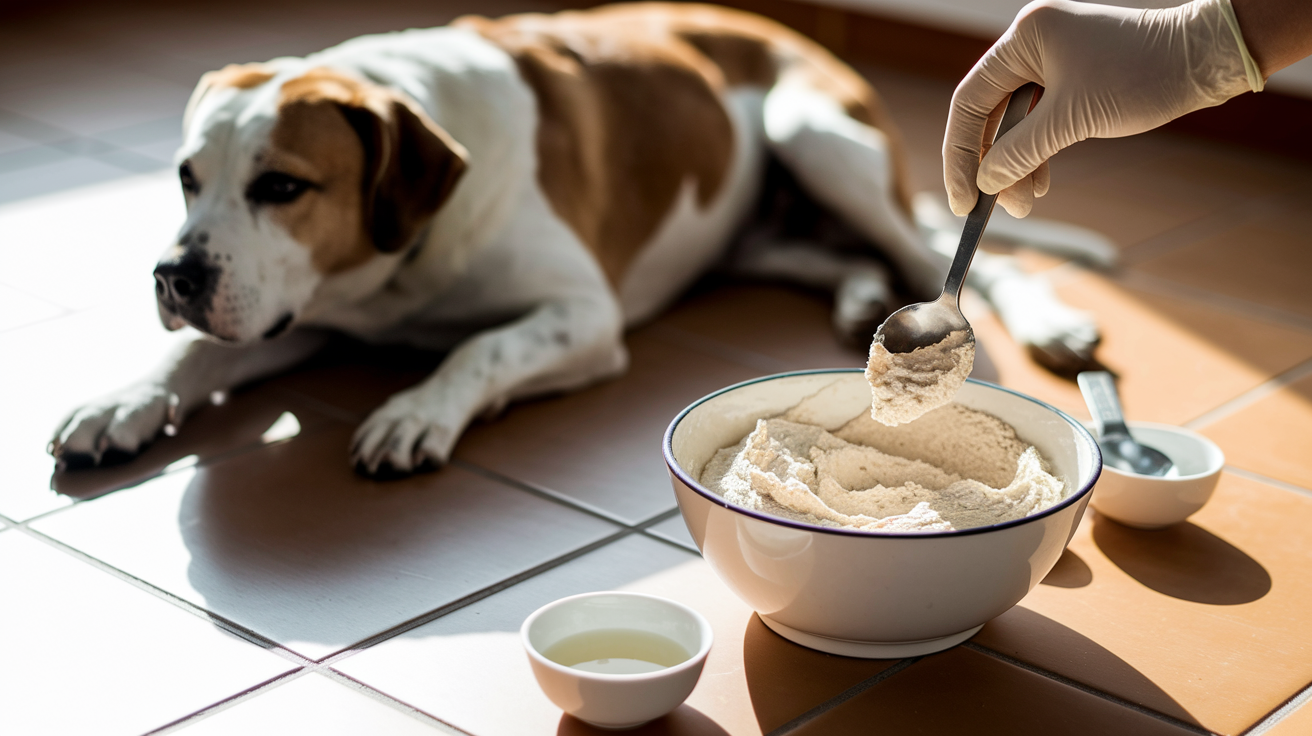
Baking soda can help with certain types of itchy skin by neutralizing odors, gently scrubbing away oily residue, and soothing mildly irritated patches. It works best for surface-level irritation, not for deeper infections, allergies, or parasites. When your dog’s scratching seems tied to a greasy coat, mild inflammation, or skin that just feels uncomfortable, baking soda offers a simple at-home starting point.
The most practical way to use it is choosing the method that matches the problem. A thick paste works well on small hot spots or insect bites. A diluted bath rinse covers larger itchy areas. Dry shampoo between baths tackles odor and grease without water. A paw soak targets irritated feet after walks.
Quick safe methods:
- Paste for hot spots – Mix baking soda with a few drops of water until thick, apply to the sore, let sit 3 to 5 minutes, rinse.
- Bath rinse – Add 1 tablespoon baking soda to 1 cup warm water or 3 tablespoons per quart, massage into wet coat, rinse thoroughly.
- Dry shampoo – Sprinkle onto coat, massage to skin, wait 5 minutes, brush out completely.
- Paw soak – Dissolve a tablespoon in warm water, soak each paw for 2 to 3 minutes, rinse and dry.
Keep ratios small. A typical safe DIY shampoo is 1 cup water to 1 tablespoon baking soda. Ingesting roughly 2 teaspoons per kilogram of body weight can be toxic, so small dogs face greater risk if they lick large amounts. Always avoid the eyes, nose, and mouth, rinse well after every use, and watch for any worsening itch or new irritation.
Understanding Baking Soda’s Role in Dog Skin Relief
Baking soda is sodium bicarbonate, a mild base that neutralizes acidic residues and odors sitting on the skin surface. When you massage it into the coat, it lifts oils and debris that can trap allergens or bacteria. That gives temporary relief from the itch those irritants cause.
But here’s what it doesn’t do. It won’t kill bacteria, fungi, or parasites. It can’t address the immune or hormonal imbalances driving chronic itching.
What baking soda can do is reduce surface-level discomfort. If your dog rolled in something smelly, has a small greasy patch, or a minor irritated spot that isn’t infected, baking soda may calm the area enough to reduce scratching for a few hours or days. Think of it as a maintenance tool, not a cure.
Baking soda won’t help if the itch comes from flea-bite hypersensitivity, atopic dermatitis, food allergies, mange mites, yeast overgrowth, or bacterial pyoderma. Those conditions need veterinary diagnosis and targeted treatment. Medicated shampoos, antibiotics, antifungals, prescription allergy management. Using baking soda on infected, weeping, or severely inflamed skin can delay proper care and sometimes worsen irritation by drying the tissue or leaving residue that your dog licks repeatedly.
Step-by-Step Baking Soda Paste for Targeted Itch Spots
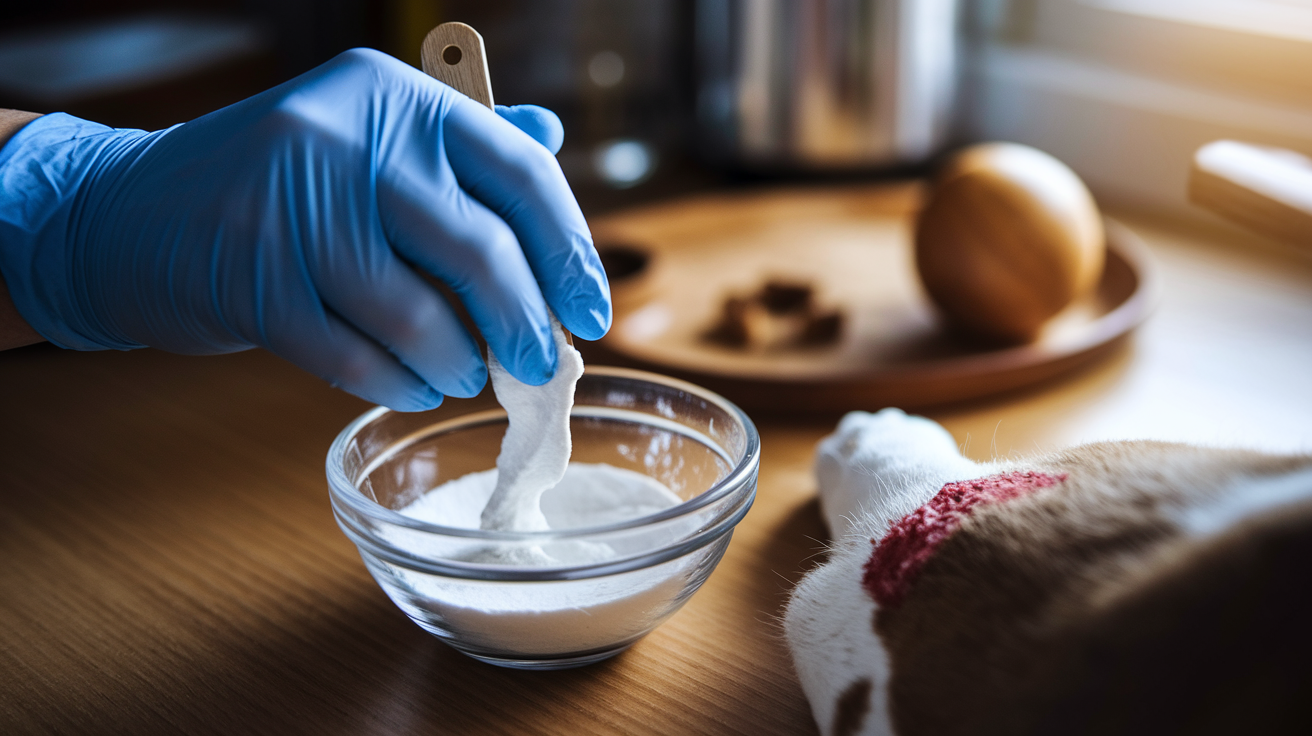
A thick paste is the easiest way to treat small, localized itchy areas like hot spots, minor insect bites, or irritated skin folds. The paste clings to the sore without running off, giving the baking soda time to absorb oils and soothe the surface.
- Gather supplies – You’ll need plain baking soda, a small bowl, clean water, and a clean cloth or paper towel.
- Mix the paste – Pour 2 tablespoons of baking soda into the bowl and add water one teaspoon at a time. Stir until you get a thick, spreadable consistency like toothpaste.
- Clean the spot first – Gently wipe away any dirt, dried discharge, or loose hair with a damp cloth so the paste touches clean skin.
- Apply the paste – Use your fingers or the cloth to spread a thin, even layer over the itchy spot, covering about a half inch beyond the reddened edge.
- Let it sit – Leave the paste on for 3 to 5 minutes. If your dog tries to lick it, distract with a treat or gently hold the area away from their mouth.
- Rinse thoroughly – Wash off the paste with lukewarm water and pat the area dry with a clean towel.
Use paste only on shallow surface irritation. Don’t apply it to open wounds, oozing sores, crusty lesions that suggest infection, or areas with missing hair and red, thickened skin. Those signs mean the skin barrier is compromised and needs veterinary attention, not a home remedy. If the spot looks worse, smells foul, or your dog shows pain when you touch it, skip the paste and call your vet.
How to Prepare a Safe Baking Soda Bath for Itchy Dogs
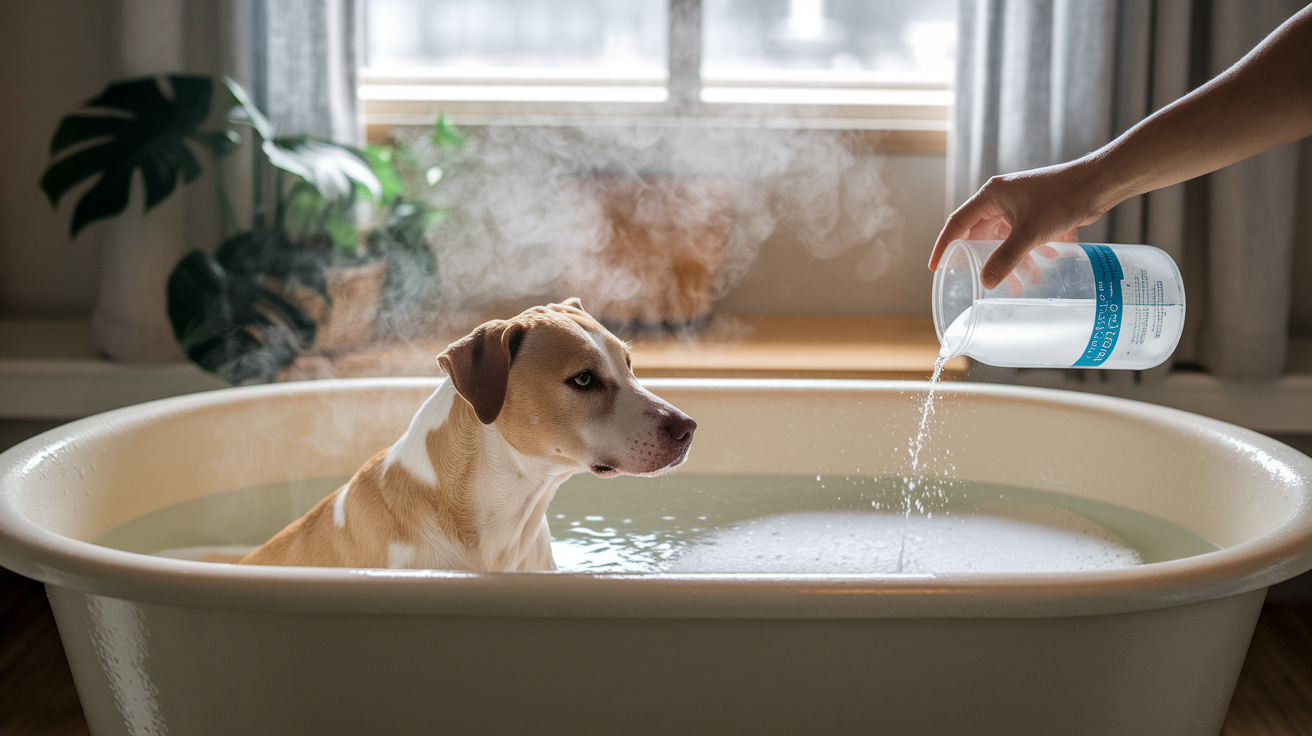
A baking soda bath can help when itching covers a large part of your dog’s body and seems tied to general oiliness, mild dry skin, or recent exposure to irritants like pollen or dust. The bath neutralizes odors and lifts surface debris without the harsh detergents found in some shampoos.
- Brush your dog first – Remove loose fur, mats, and surface dirt so the baking soda solution reaches the skin.
- Fill the tub or basin – Use enough warm water to wet your dog’s coat. For a full bath, aim for water that covers the legs and lower body when the dog stands.
- Mix the solution – Add 3 tablespoons of baking soda per quart of warm water. For a typical medium dog, 1 quart is a good starting volume. Stir until the powder dissolves. An alternative quick mix is 1 tablespoon baking soda in 1 cup of water if you prefer a smaller batch.
- Wet your dog thoroughly – Use a cup or handheld sprayer to soak the coat down to the skin, avoiding the face.
- Apply the baking soda rinse – Pour the mixture over your dog’s back, chest, belly, and legs, massaging it gently into the fur and skin with your fingers.
- Let it sit – Allow the solution to remain on the coat for 3 to 5 minutes so it can neutralize odors and soothe irritation.
- Rinse completely – Use clean lukewarm water to rinse away every trace of baking soda. Leftover residue can dry the skin and trigger more itching or prompt your dog to lick excessively.
- Dry carefully – Towel dry first, then air dry or use a low heat blow dryer if your dog tolerates it. Avoid rubbing irritated skin too hard.
Limit baking soda baths to once every two to three weeks unless your vet advises a different schedule. Over-bathing strips natural oils and can worsen dryness, making the itch worse instead of better. Between baths, spot clean dirty areas with plain water and a soft cloth.
Using Baking Soda as a Dry Shampoo for Dog Itchy Skin Relief
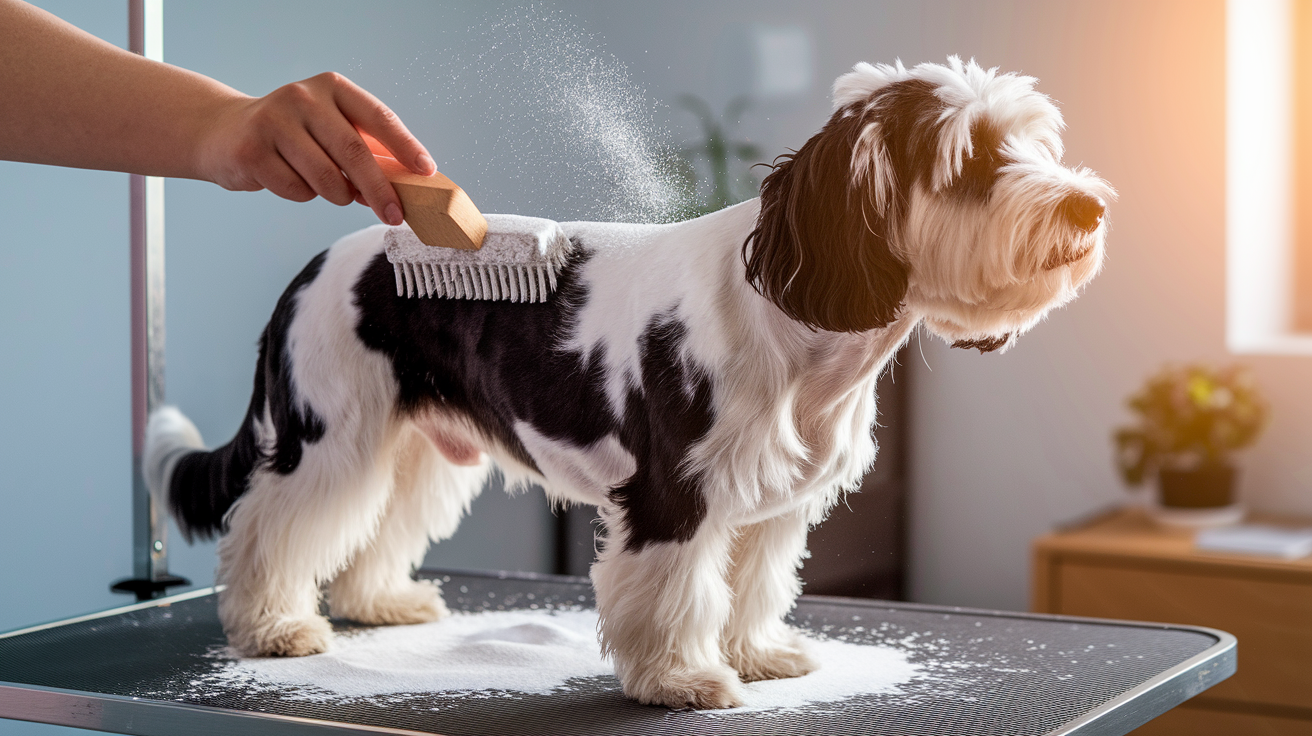
Dry shampoo with baking soda works well when your dog is itchy and smelly but a full bath isn’t practical. It absorbs oils, lifts dirt, and reduces odor without adding moisture that some dogs with skin issues can’t tolerate.
- Brush your dog outside or on a towel – This removes loose hair and prepares the coat. Doing it outside keeps the powder mess contained.
- Sprinkle baking soda liberally – Cover the itchy or smelly areas with a light, even layer of baking soda. Don’t just dust lightly, use enough to see white powder on the fur.
- Massage it in – Use your fingers to work the powder down to the skin, spending extra time on greasy or itchy spots. Avoid the face, eyes, nose, and mouth.
- Wait 5 minutes – Let the baking soda sit so it can absorb oils and neutralize odors.
- Brush out thoroughly – Use a slicker or pin brush to remove all the powder. Brush in the direction of hair growth and check that no white residue remains.
- Wipe with a damp towel (optional) – A quick wipe helps pick up any remaining powder and leaves the coat cleaner.
The main safety issue with dry shampoo is ingestion. Dogs lick their fur, and leftover baking soda can cause stomach upset or, in large amounts, more serious toxicity. Brush until you can’t see or feel any powder. If your dog has a habit of grooming right after you finish, consider a light rinse with plain water or use the wet method instead.
Baking Soda Paw Soaks for Itchy Paws

Paw pads and the skin between toes are common itch zones. Especially after walks on salted sidewalks, grassy fields with allergens, or hot pavement. A quick baking soda soak can calm mild irritation and remove irritants stuck to the paws.
- Prepare a shallow soak – Fill a small basin, bowl, or even a large mug with enough warm water to cover your dog’s paw up to the ankle. Add 1 tablespoon of baking soda per cup of water and stir.
- Soak one paw at a time – Gently place the paw in the water and hold it there for 2 to 3 minutes. Use treats and calm praise to keep your dog still.
- Massage lightly – Use your fingers to gently rub the paw pads and between the toes, helping the solution reach irritated skin.
- Rinse with clean water – After soaking, rinse the paw with plain lukewarm water to remove baking soda residue.
- Dry completely – Pat the paw dry with a clean towel, making sure to dry between the toes where moisture can lead to yeast or bacterial overgrowth.
Don’t soak paws that have open cuts, cracked pads, bleeding, or signs of infection like pus, swelling, or a foul smell. Those issues need veterinary care. If your dog pulls the paw away sharply, limps after soaking, or the redness spreads, stop and schedule a vet visit.
Safety Guidelines When Using Baking Soda on Itchy Dog Skin
Baking soda is generally safe in small, topical amounts, but it can cause problems when used incorrectly. Always avoid your dog’s eyes, nose, and mouth. Even a small amount in the eyes stings and can cause tearing or temporary redness. If powder or paste gets near the face, wipe it away immediately with a damp cloth.
Rinse thoroughly after every bath, paste, or soak. Residue left on the skin dries it out, which can increase itching instead of relieving it. Residue also tempts your dog to lick, and ingesting too much baking soda disrupts the stomach’s acid balance and can lead to electrolyte imbalances. Toxicity thresholds are roughly 2 teaspoons per kilogram of body weight. That means a small dog weighing 5 kilograms could show symptoms after eating just 10 teaspoons, and accidental ingestion of even less can cause vomiting or diarrhea.
Stop using baking soda immediately if you notice any of these signs:
- New redness, swelling, or rash at the application site
- Increased scratching or licking after treatment
- Dry, flaky, or peeling skin where baking soda was used
- Vomiting, diarrhea, or drooling after treatment
- Tremors, panting, disorientation, or trouble breathing
- Eye tearing, squinting, or pawing at the face
If your dog shows tremors, respiratory trouble, repeated vomiting, or seizures after ingesting baking soda, contact your veterinarian or an emergency clinic right away. Bring the baking soda box and note roughly how much might have been swallowed. Store baking soda in a secure cabinet out of reach, and supervise closely during any treatment to prevent licking or ingestion.
When Baking Soda Won’t Help Itchy Skin (and What to Do Instead)

Baking soda can’t treat the underlying causes of most chronic or severe itching. It doesn’t kill fleas, mites, or bacteria. It doesn’t stop allergic reactions or fix hormonal imbalances. If your dog has been scratching for more than a few days, has bald patches, red inflamed skin, crusty sores, a foul odor, or seems uncomfortable even after rest, baking soda isn’t the answer.
Conditions that need veterinary diagnosis and treatment include flea-bite hypersensitivity, atopic dermatitis, food allergies, sarcoptic or demodectic mange, bacterial pyoderma, yeast infections (Malassezia), seborrhea, and autoimmune skin diseases. Each of these requires specific therapies. Prescription flea control, medicated shampoos with chlorhexidine or ketoconazole, oral antibiotics or antifungals, immunosuppressive drugs, or dietary trials.
Schedule a vet visit if your dog shows any of these signs:
- Persistent scratching, licking, or chewing for more than 3 to 5 days
- Hair loss, scabs, or thickened skin
- Oozing, pus, or a bad smell from the skin
- Swelling, warmth, or pain when you touch itchy areas
Your vet will likely perform a physical exam, skin scrapings, tape preparations, or cultures to identify the cause. Treatment might include medicated baths two to three times a week, topical sprays, oral medications, or a referral to a veterinary dermatologist. Complementary options like oatmeal baths, hypoallergenic shampoos, omega-3 supplements, and environmental changes (frequent bedding washes, air purifiers) can support medical treatment but shouldn’t replace it.
Common Mistakes When Using Baking Soda for Dog Itchy Skin

Many pet owners use too much baking soda, leave it on too long, or apply it to skin that’s too damaged to tolerate it. These errors can turn a helpful remedy into a source of new irritation.
Common mistakes to avoid:
- Using baking soda on broken or infected skin – Open wounds, oozing sores, and infected areas need veterinary care, not home remedies.
- Skipping the rinse – Leaving baking soda residue on the coat dries the skin and increases licking and ingestion risk.
- Over-bathing – More than one baking soda bath every two weeks can strip protective oils and worsen dryness.
- Applying near the eyes or mouth – Baking soda stings mucous membranes and can cause irritation or accidental ingestion.
- Mixing with unsafe products – Don’t combine baking soda with essential oils unless you’ve confirmed the oil is dog-safe and used it in tiny amounts. Many oils are toxic to dogs.
- Ignoring worsening symptoms – If itching increases or new symptoms appear after using baking soda, stop immediately and consult your vet.
- Using large amounts on small dogs – Small dogs have lower toxic thresholds. Use the smallest effective amount and rinse extra carefully.
If you realize you made one of these mistakes, rinse your dog thoroughly with plain lukewarm water, towel dry gently, and monitor for signs of irritation or distress. If symptoms appear, contact your vet. Going forward, measure baking soda carefully, time applications with a phone timer, and always rinse until the water runs clear.
FAQs About Using Baking Soda for Dog Itchy Skin

Can baking soda cause an allergic reaction in dogs?
True allergies to baking soda are rare, but some dogs have sensitive skin that reacts to any new topical substance with redness or increased itching. Spot test on a small patch of skin before using it over large areas.
How does baking soda compare to oatmeal baths for itchy skin?
Oatmeal soothes and moisturizes irritated skin with natural anti-inflammatory compounds. Baking soda deodorizes and absorbs oils but can be drying. For very dry, flaky, itchy skin, oatmeal is often gentler and more effective.
How often can I safely use baking soda on my dog?
Limit baking soda baths or applications to once every two to three weeks. More frequent use can strip natural oils and worsen dryness. Dry shampoo can be used between baths but should be brushed out completely each time.
What happens if my dog licks baking soda off the fur?
Small amounts usually cause mild stomach upset like gas or loose stool. Larger amounts, roughly 2 teaspoons per kilogram of body weight, can cause vomiting, diarrhea, electrolyte imbalances, tremors, or seizures. Rinse thoroughly to minimize licking.
Is it safe to add baking soda to my dog’s drinking water?
No. Adding baking soda to water is hard to dose accurately, can deter your dog from drinking, and increases the risk of ingestion-related toxicity. Use baking soda only as a topical rinse or paste.
Can I use baking soda and medicated shampoo together?
It’s usually safer to use them separately. Apply baking soda on one day and medicated shampoo on another, or ask your vet whether combining them might reduce the effectiveness of the medication or cause irritation.
Will baking soda kill fleas or mites?
No. Baking soda may help remove some adult fleas during a bath by loosening them from the coat, but it doesn’t kill fleas, flea eggs, larvae, or mites. Use veterinary-approved flea and tick preventatives for real control.
When should I stop using baking soda and call my vet?
Stop and call if itching worsens, new redness or sores appear, your dog shows signs of pain or distress, or if itching persists for more than a few days despite treatment.
Final Words
When your dog starts scratching, this guide showed quick, safe ways to try baking soda at home — paste for small spots, simple baths, dry shampoo and paw soaks — and the safety steps to protect eyes and avoid swallowing.
Try the gentlest option tonight: a light dry rub or the shampoo mix (1 cup water + 1 tablespoon baking soda). Watch the spot, take a photo, and note any change over 24–48 hours.
If it’s worse, looks infected, or your dog seems sick, call your vet. Baking soda for dog itchy skin can help mild irritation and give fast relief when used carefully.
FAQ
Q: What is a natural anti itch for dogs? How do I help my dog stop itching and licking? What can I put on my dog for dry skin and itching?
A: Natural anti-itch options for dogs to stop itching, licking, and soothe dry skin include oatmeal or baking soda baths, a thick baking soda paste for small spots, cool rinses, and a vet-approved moisturizer; see your vet if it continues.
