
What if your indoor cat could avoid diabetes with a few simple daily changes?
About 1 to 2 percent of domestic cats develop diabetes, and most cases tie back to extra weight, too many carbs, and not enough activity, so prevention matters for every cat’s comfort and lifespan.
This post lays out vet-friendly steps you can start tonight, including portion control and set meal times, a higher-protein, lower-carb diet, short daily play sessions, and regular weight checks.
You’ll also learn what early signs to watch for and when to call your vet.
Core Actions That Prevent Diabetes in Cats

About 1 to 2 percent of domestic cats develop diabetes mellitus, and it can seriously affect their quality of life. The disease happens when a cat’s body doesn’t produce enough insulin or when their tissues resist what insulin does produce, leaving blood glucose levels too high. Overweight cats, older cats, neutered males, and Burmese cats face higher risk. But any cat can develop this condition, regardless of age or breed. Type 2 diabetes accounts for roughly 70 percent of feline cases and links directly to obesity and inactivity. The good news? Type 2 is often reversible when you catch it early and adjust how your cat lives day to day.
Early signs include increased thirst, more frequent urination, increased appetite despite weight loss, and visible weakness in the hind legs. Many cats show these symptoms gradually. It’s easy to miss the warning signs until the disease has already progressed. Blood or urine analysis performed by a veterinarian gives you a definitive diagnosis. Because diabetes can enter remission with proper management, prevention and early detection save time, money, and suffering.
Prevention centers on controlling the factors you can influence at home. Daily habits matter more than occasional effort. The following actions form the foundation:
- Maintain a healthy body weight through portion control and regular weighing.
- Choose a low-carbohydrate, high-protein diet that matches a carnivorous metabolism.
- Establish meal-based feeding rather than leaving food out all day.
- Support daily activity with interactive play and environmental enrichment.
- Monitor for early warning signs like increased water intake or urination changes.
- Schedule regular veterinary checkups that include blood or urine screening.
Dietary Strategies That Support Cat Diabetes Prevention
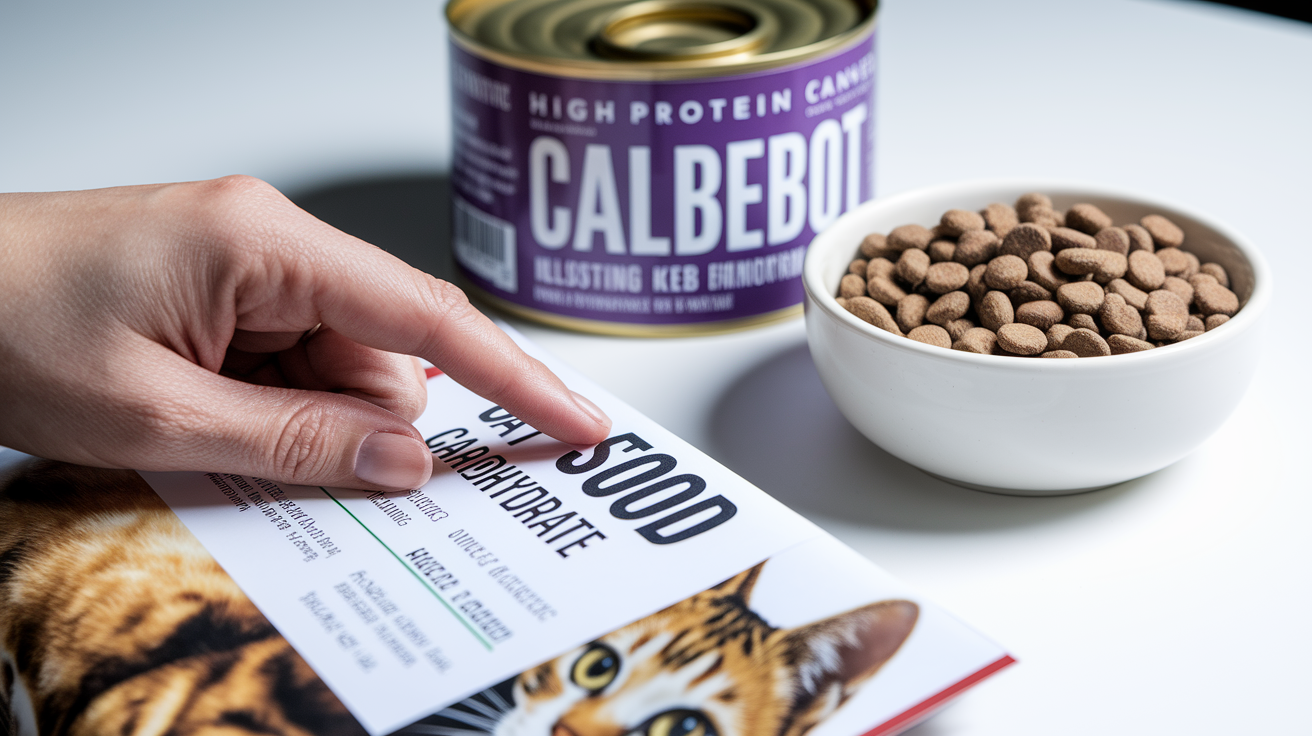
Cats are obligate carnivores. Their bodies evolved to process protein and fat, not large amounts of carbohydrates. When cats consume carb-heavy diets, insulin demand increases and cells may begin resisting insulin’s effects over time. This insulin resistance drives type 2 diabetes. Feeding a high-protein, low-carbohydrate diet reduces the metabolic stress that leads to diabetes and supports lean body mass.
Dry food typically contains more carbohydrates than canned food because plant-based starches are needed to form kibble. Canned formulations generally rely on animal protein and moisture instead. But carbohydrate content still varies widely by brand and recipe, so you’ll need to check labels even when choosing canned options. Occasional healthy snacks are fine, but high-sugar treats and carb-heavy rewards add up quickly.
How to Read Labels for Carbs
Most cat food labels list protein, fat, fiber, and moisture but leave carbohydrate content unlisted. You can estimate carbs by subtracting the listed percentages from 100. For example, if a label shows 10% protein, 5% fat, 3% fiber, and 78% moisture, the carbohydrate content is roughly 4%. Look for these details when comparing foods:
- Check the guaranteed analysis for protein and fat percentages first.
- Review the ingredient list and watch for grains, potatoes, peas, or tapioca in the top five ingredients.
- Prefer moisture levels above 70% when choosing canned food.
- Avoid added sugars, sweeteners, or syrups in any form.
| Food Type | Typical Carb Level |
|---|---|
| Dry (Kibble) | 25–50% carbohydrates |
| Canned (Standard) | 5–15% carbohydrates |
| Raw or Freeze-Dried | 1–5% carbohydrates |
Weight Management Habits That Help Prevent Feline Diabetes
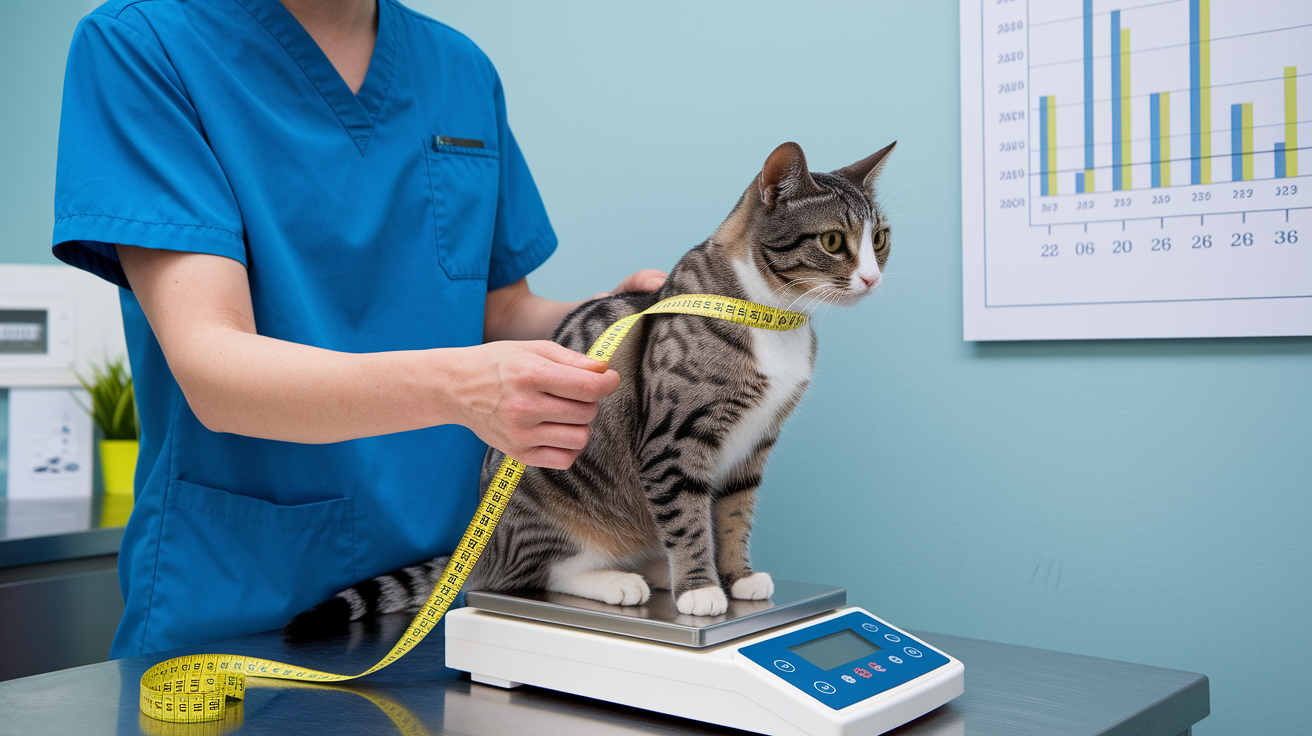
Obesity is the single biggest risk factor for feline diabetes. Excess body fat reduces insulin sensitivity and increases the workload on the pancreas. Overfeeding, high-calorie treats, and lack of exercise all contribute to weight gain. Indoor cats are especially vulnerable because they burn fewer calories than outdoor or active cats. Regular weighing and body condition scoring help you catch weight gain early, before it progresses to obesity and prediabetes.
Safe weight loss requires a slow, steady approach. Rapid weight loss can trigger hepatic lipidosis (a serious liver condition), especially in overweight cats. A healthy weight-loss plan removes about 1 to 2 percent of body weight per week and combines calorie reduction with increased activity. Work with your veterinarian to set a target weight and adjust portions based on weekly weigh-ins. Certified weight-loss cat foods provide balanced nutrition at lower calorie density, making portion control easier.
Long-term maintenance depends on consistent habits. Once your cat reaches a healthy weight, continue monitoring to prevent rebound weight gain. Small changes in portion size or treat frequency can shift the balance over weeks and months. At-home weighing every two weeks catches trends early.
- Weigh your cat every two weeks using a pet scale or a human scale (weigh yourself holding the cat, then subtract your weight).
- Assess body condition by feeling for ribs. You should feel them easily without pressing hard. Check for a visible waist when viewed from above.
- Reduce portions by 10 to 15 percent if weight begins to creep up.
- Limit treats to less than 10 percent of daily calories and subtract treat calories from meal portions.
- Keep a simple log with dates, weights, and any feeding or activity changes.
Feeding Schedules and Portion Control to Reduce Diabetes Risk

Free feeding (leaving food out all day) encourages overeating and makes it impossible to track daily intake. Many cats will graze constantly when food is available, consuming more calories than they need. Portion-controlled meals give you full visibility into how much your cat eats and make it easier to adjust calories based on weight trends. Indoor cats typically require fewer calories than active or outdoor cats. Even small daily overfeeding adds up to significant weight gain over months.
Measure every meal using a standard measuring cup or a kitchen scale. Guessing portions leads to calorie creep. Once you know your cat’s daily calorie target (your vet can calculate this based on ideal weight and activity level), divide that total into two or three meals spaced throughout the day. Timed feeding also supports a predictable routine, which reduces stress and helps regulate appetite and digestion.
Feeding tools like puzzle feeders or elevated feeding stations add activity to mealtime. Food-dispensing toys slow eating and require your cat to work for each bite, increasing calorie burn and mental stimulation. If you share your home with multiple cats, consider microchip-activated feeders that prevent food stealing and ensure each cat receives the correct portion.
- Set consistent meal times, ideally two to three meals per day spaced evenly.
- Measure portions using a cup or scale and record the amount you feed.
- Adjust daily calories if your cat gains or loses weight. Consult your vet for the new target.
- Use puzzle feeders or feed balls to slow eating and add movement.
- Monitor intake closely in multi-cat homes and separate feeding areas if needed.
Exercise and Indoor Enrichment That Lower Cat Diabetes Risk

Lack of physical activity contributes directly to type 2 diabetes by reducing muscle mass and increasing fat accumulation. Daily movement keeps muscles insulin-sensitive and burns calories that would otherwise be stored as fat. Even short bursts of play support lean body mass and metabolic health. Interactive play that mimics hunting behavior (stalking, pouncing, chasing) is especially effective because it engages natural instincts and burns energy quickly.
Indoor cats need structured enrichment to stay active. Elevated resting spots, climbing shelves, scratching posts, and perches encourage vertical movement throughout the day. Rotate toys weekly to keep your cat interested. Food-dispensing toys and puzzle feeders combine feeding with exercise, requiring your cat to bat, roll, or manipulate the toy to access food. Short, frequent play sessions (5 to 10 minutes, two or three times daily) are more effective than one long session because they match a cat’s natural activity pattern.
Daily Play Plan
Schedule play into your daily routine the same way you schedule meals. Use wand toys, laser pointers, or small chase toys that mimic prey movement. Let your cat “catch” the toy occasionally to keep the game rewarding. Senior cats or cats with reduced mobility still benefit from gentler play and enrichment adjusted to their comfort level.
- Schedule two or three play sessions each day, 5 to 10 minutes each.
- Use wand toys or feather toys to encourage pouncing and jumping.
- Roll small balls or toy mice down hallways to trigger chasing and running.
- Place climbing shelves or cat trees near windows to encourage vertical movement and exploration.
Veterinary Screening and Medical Factors in Diabetes Prevention
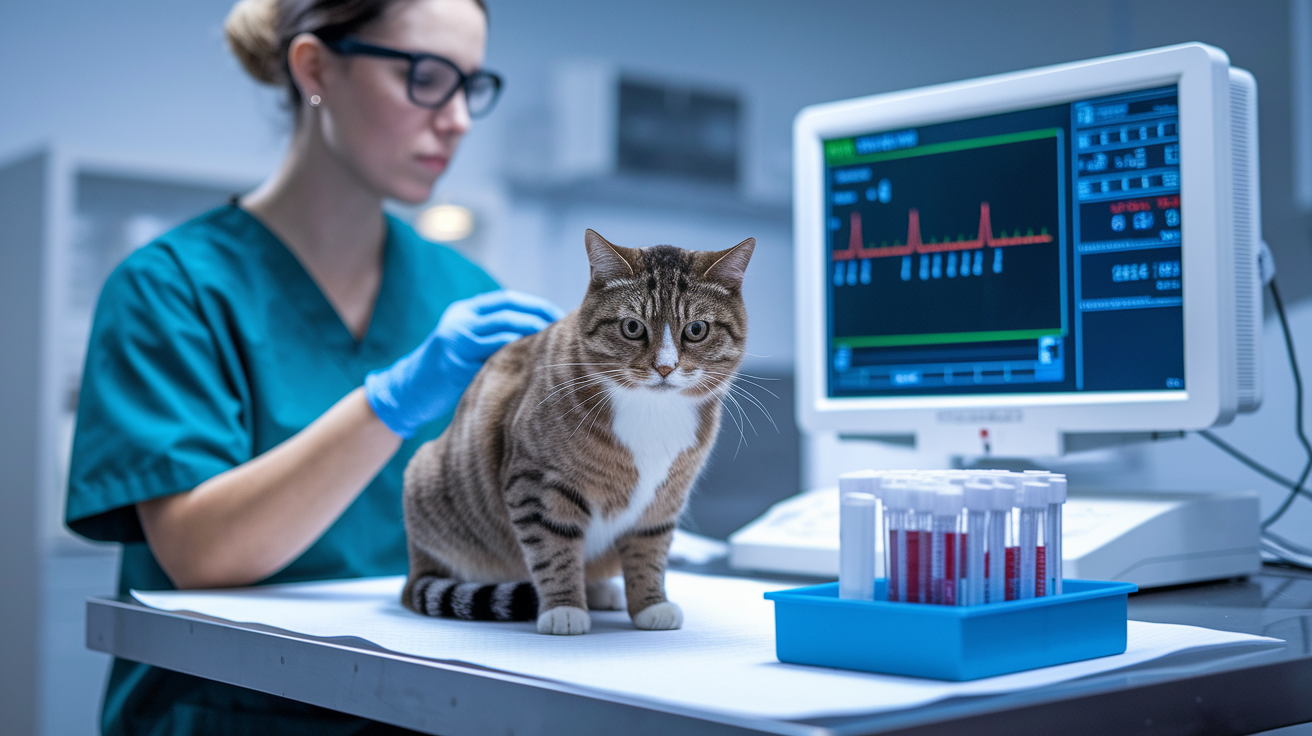
Blood or urine analysis is required to diagnose diabetes. Routine screening during annual or biannual checkups allows your veterinarian to detect elevated glucose or other warning signs before symptoms develop. Fructosamine testing measures average blood glucose over the previous two to three weeks, helping identify cats with early insulin resistance. Early detection improves outcomes significantly because type 2 diabetes can be reversible with timely lifestyle changes and veterinary guidance.
Certain medications and illnesses raise diabetes risk by reducing insulin sensitivity or damaging the pancreas. Steroids (commonly prescribed for allergies, asthma, inflammatory conditions, and some cancers) can trigger insulin resistance and should be minimized when possible. Always discuss steroid use with your veterinarian and ask about alternative treatments if your cat requires long-term management. If steroids are necessary, increased monitoring and lifestyle adjustments can help offset the risk.
Other medical conditions increase diabetes risk. Pancreatitis damages insulin-producing cells and raises the likelihood of diabetes developing later. Hormonal disorders like hyperthyroidism or Cushing’s syndrome alter metabolism and insulin sensitivity. Older cats face higher risk simply due to age-related metabolic changes. If your cat has any of these conditions, work closely with your veterinarian to manage the underlying illness and monitor for diabetes warning signs.
| Risk Factor | Why It Matters |
|---|---|
| Steroid use | Reduces insulin sensitivity and can trigger insulin resistance over time |
| Pancreatitis | Damages pancreatic cells that produce insulin, increasing diabetes risk |
| Hormonal disorders | Alter metabolism and insulin function, raising glucose levels |
| Age (senior cats) | Metabolic changes and reduced activity increase diabetes susceptibility |
Lifestyle Routines That Support Long-Term Feline Diabetes Prevention
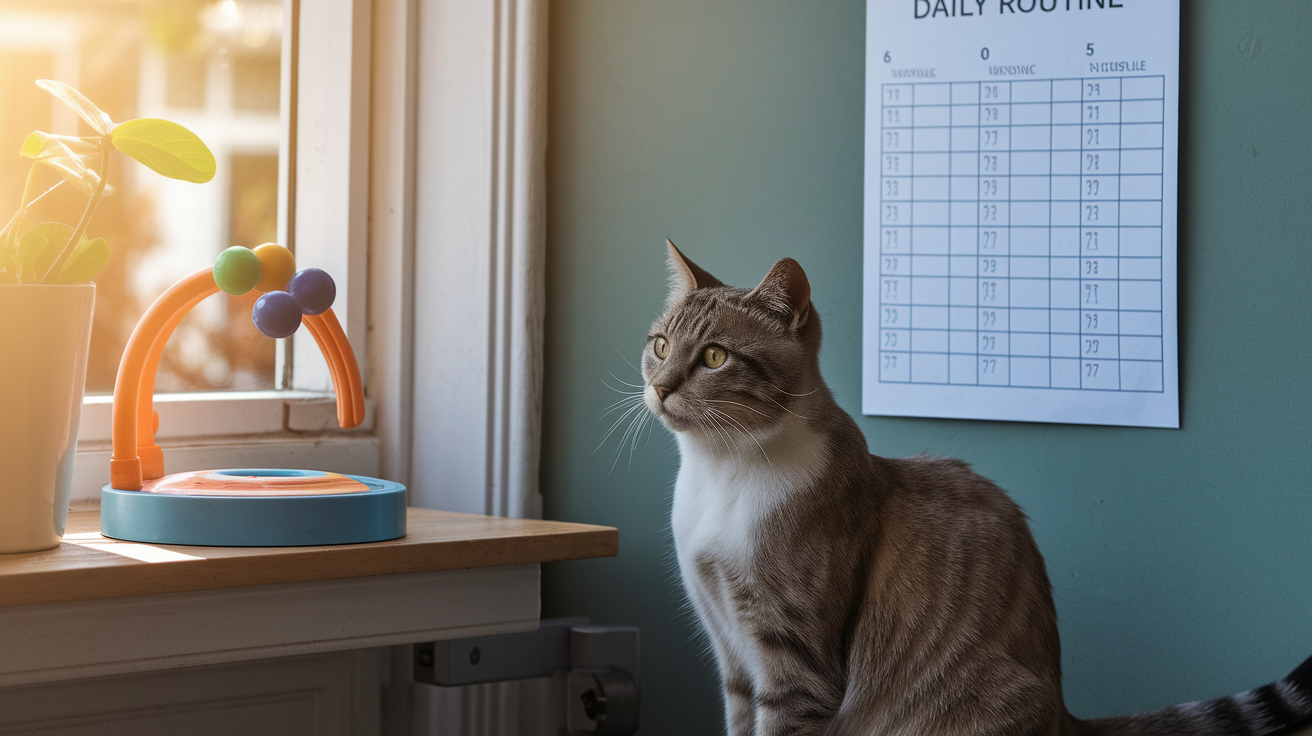
Stress and routine disruptions affect metabolism and appetite. Cats thrive on predictable daily schedules for feeding, play, and rest. Sudden changes (moves, new pets, travel, or household disruptions) can trigger stress-related eating changes and reduced activity. Environmental enrichment reduces stress by providing mental stimulation and opportunities for natural behaviors. Scratching posts, hiding spots, perches, and puzzle feeders all support a calm, engaged cat.
Record-keeping helps you spot trends early. A simple log tracking weight, water intake, litter box habits, appetite, and activity level makes it easier to notice gradual changes that might signal a problem. For example, if your cat begins drinking slightly more water each week, you’ll catch the pattern long before it becomes obvious. Early lifestyle changes improve the chances of preventing type 2 diabetes or catching it in a reversible stage.
- Keep a monthly log with your cat’s weight, any changes in eating or drinking, and notes on activity or behavior shifts.
- Maintain a consistent daily routine for feeding, play, and enrichment to reduce stress.
- Rotate enrichment tools (new toys, puzzle feeders, climbing configurations) every few weeks to keep your cat engaged.
- Manage travel and household changes carefully, providing extra attention and familiar items during transitions.
Final Words
Start with the basics: healthy weight, low‑carb food, portion control, daily play, and regular vet checks. Those practical steps are what the article focused on.
Obesity and inactivity raise insulin resistance, so spotting early signs like extra thirst or peeing matters. Small, steady habits shift risk more than quick fixes.
Use this as your short plan for how to prevent diabetes in cats: weigh, watch food, play, and schedule screenings. With consistent care, many cats stay well and active.
FAQ
Q: How long will a cat with diabetes live?
A: A cat with diabetes can live many years with proper treatment. Well-controlled cats often live 3–5+ years, while uncontrolled or complicated cases have shorter lifespans—regular vet care and weight control matter most.
Q: What are the first signs of diabetes in cats?
A: The first signs of diabetes in cats are increased thirst, increased urination, a bigger appetite with weight loss, and sometimes hind-leg weakness. Watch litter box visits and how often they drink.
Q: What foods should diabetic cats avoid?
A: Diabetic cats should avoid high-carbohydrate and sugary foods, especially many dry kibbles, starchy treats, and human sweets. Choose low-carb, high-protein canned diets and check changes with your vet.
Q: At what age do cats get diabetes?
A: Cats most often get diabetes in middle age to older years, typically around 8–13 years, though overweight cats, neutered males, and some breeds like Burmese can develop it younger or older.
