
Can a human allergy pill really stop your dog from scratching?
Many pet owners try over-the-counter antihistamines for mild itching and get relief with the right choice.
Diphenhydramine (Benadryl), cetirizine (Zyrtec), and loratadine (Claritin) are the common picks, but dose, formulation, and your dog’s health matter.
This quick guide explains which antihistamines are usually safe, how dosing works, what side effects to watch for, and when antihistamines won’t help.
Read on so you can try a smart, vet-confirmed option without making itching worse.
Safe Antihistamines for Dogs (Quick Guide)
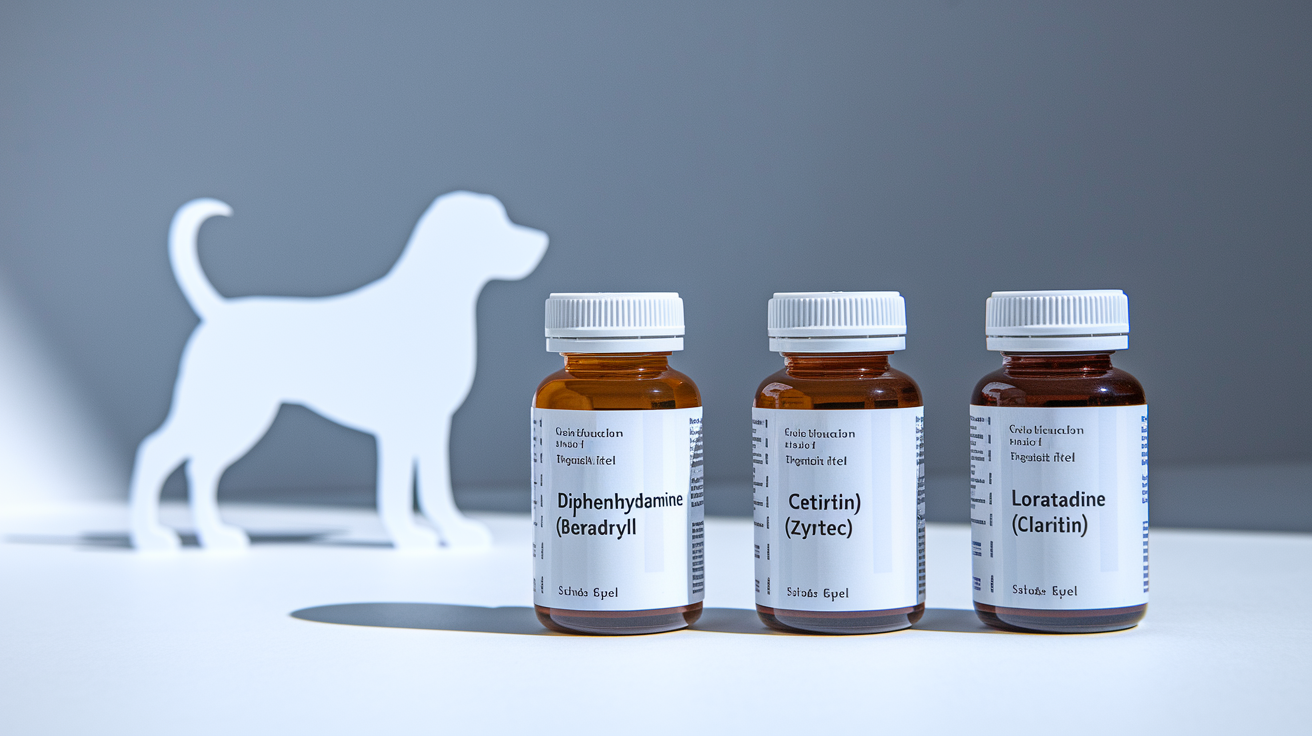
Three over-the-counter antihistamines get used pretty often for dogs dealing with mild allergy symptoms: diphenhydramine (Benadryl), cetirizine (Zyrtec), and loratadine (Claritin). Check with your vet before giving any of these. They’ll confirm which one works for your dog’s weight, health background, and anything else they’re taking. Antihistamines block histamine receptors, which can dial down itching, sneezing, and watery eyes when environmental allergens kick off a mild reaction.
Diphenhydramine usually starts working within 30 minutes to an hour and lasts 8 to 12 hours. Cetirizine and loratadine stick around longer and typically get dosed once a day. Always grab the plain versions without added stuff like decongestants, pain relievers, or caffeine. Products with a “D” on the label (like Claritin-D) contain pseudoephedrine, which is toxic to dogs. It can cause seizures, a racing heart, and other serious trouble.
Here are the three safe picks:
- Diphenhydramine (Benadryl) – First-generation type, makes dogs drowsier, good for short-term situations like mild reactions or travel stress.
- Cetirizine (Zyrtec) – Second-generation, less sedating, once-daily dosing, often used for seasonal allergies.
- Loratadine (Claritin) – Second-generation, less sedating, once daily. Double-check the label to make sure there’s no pseudoephedrine.
| Antihistamine | Standard Dosage | Notes |
|---|---|---|
| Diphenhydramine (Benadryl) | 1 mg per pound every 8–12 hours | Most sedating; works quickly; short duration |
| Cetirizine (Zyrtec) | 1 mg per kg once daily | Less sedating; longer-acting; once-daily dosing |
| Loratadine (Claritin) | 0.5 mg per kg once daily | Less sedating; check label for pseudoephedrine |
Dosing’s based on your dog’s current weight. A 20-pound dog would get around 20 mg of diphenhydramine every 8 to 12 hours. A 10-kilogram (22-pound) dog would get about 10 mg of cetirizine once daily. Verify your dog’s weight, the tablet or liquid concentration, and do the math before the first dose. Your vet can nail down the exact amount and frequency that fits your dog.
Why Dogs Itch: Common Causes
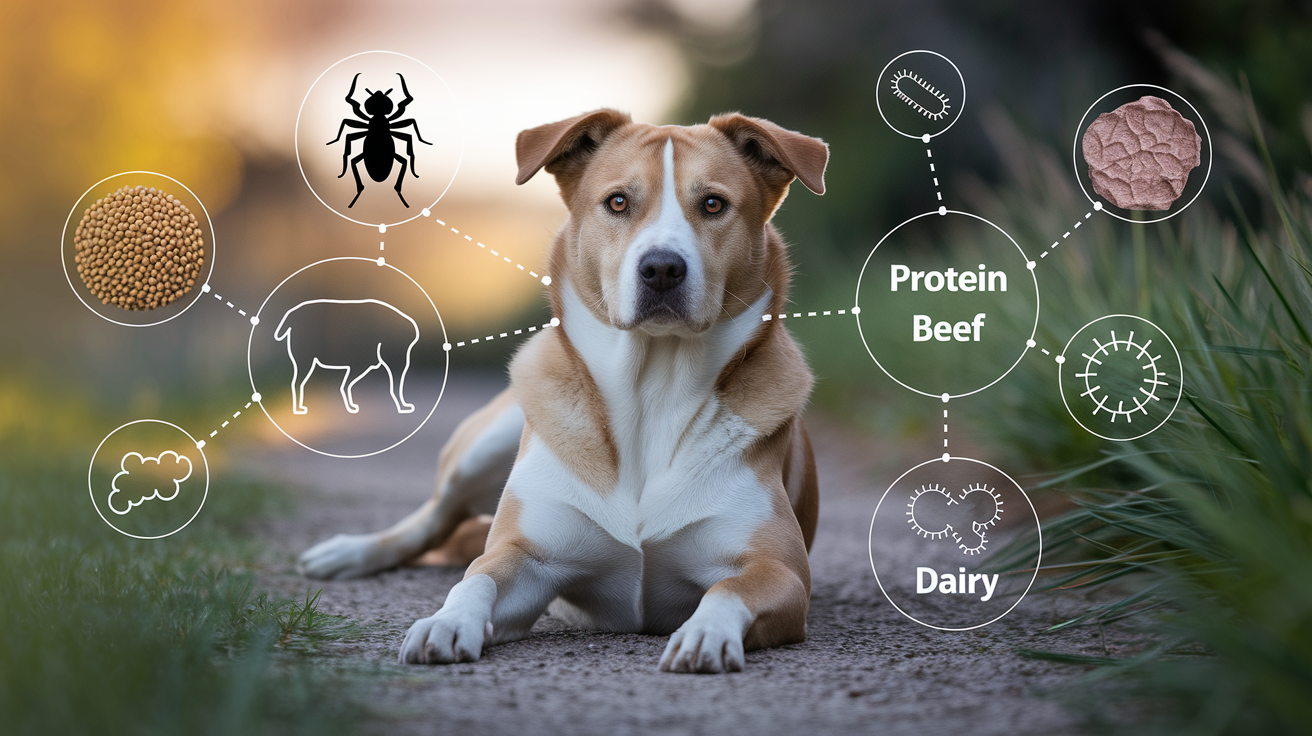
Dogs itch for lots of reasons. Figuring out the root cause helps you pick the right fix. Seasonal allergies to pollen, mold, or grass are common triggers. When a dog breathes in or touches these environmental allergens, the immune system can release histamine and other chemicals that cause itching, redness, and discomfort. Food allergies, often to proteins like chicken, beef, or dairy, can also bring on chronic itching, especially around the face, paws, and ears.
Flea bites are another frequent problem. Even one or two fleas can cause intense itching in dogs with flea allergy dermatitis. Skin infections, whether bacterial or yeast-based, often show up as secondary issues when a dog scratches and damages the skin barrier. Other causes include contact irritants (certain shampoos or lawn chemicals), dry skin, and parasites like mites.
Antihistamines can help with itching from environmental allergens, but they don’t do much for food allergies, flea allergies, and skin infections. If your dog’s itching started suddenly after a walk through tall grass or during high pollen season, an antihistamine might bring relief. If the itching’s year-round, focused on specific spots, or comes with hair loss, odor, or sores, the underlying cause probably needs veterinary diagnosis and a different treatment.
When Antihistamines Work (and When They Don’t)
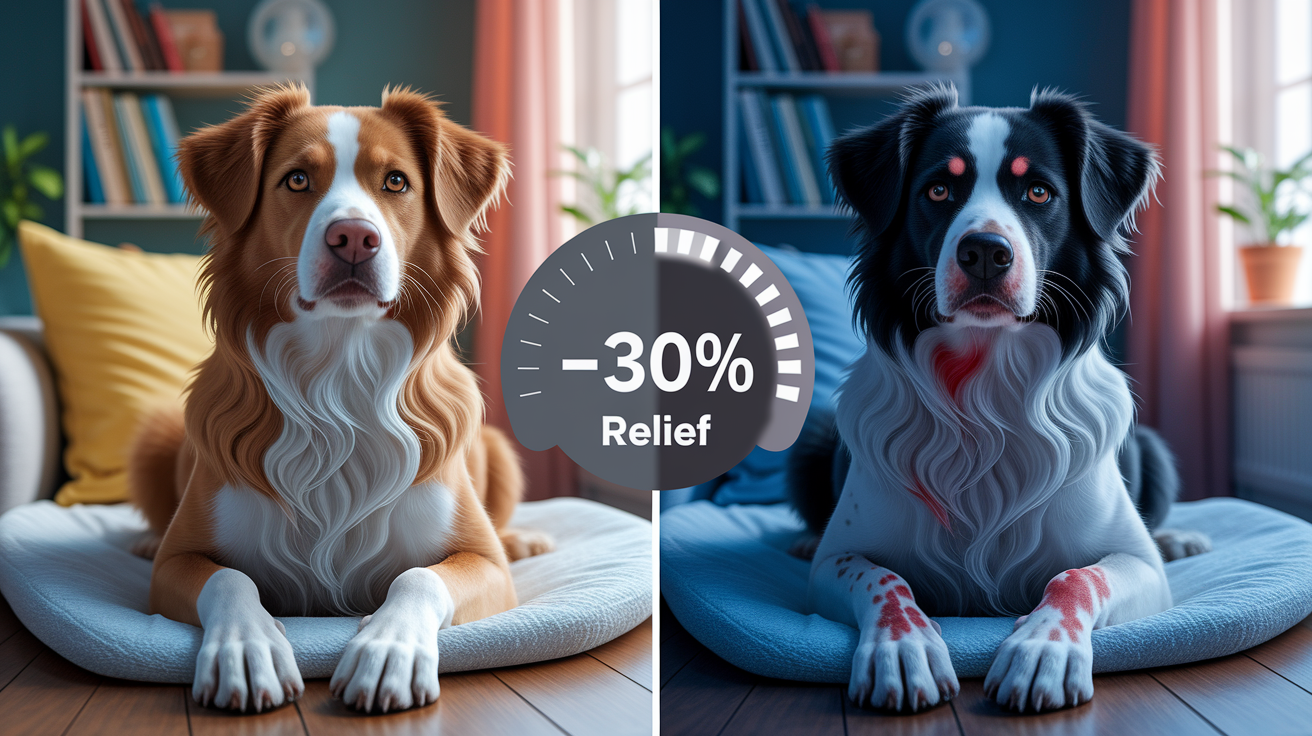
Antihistamines are most helpful for dogs with mild environmental allergies that cause occasional itching, sneezing, or watery eyes. Studies suggest antihistamines provide noticeable relief in about 30 percent of dogs with atopic dermatitis, a skin condition triggered by inhaled or contact allergens. The response varies a lot from dog to dog. Some owners see improvement within a day or two. Others notice no change after a week of consistent dosing.
Antihistamines are less likely to work when the itching’s driven by causes other than histamine release. Food allergies, for example, involve a different immune pathway. Antihistamines don’t address the protein sensitivity. Flea allergy dermatitis is triggered by flea saliva, not environmental pollen, and the most effective treatment is strict flea prevention. Secondary skin infections produce itching through inflammation and bacterial or yeast overgrowth, which antihistamines can’t resolve.
Situations where antihistamines aren’t effective include:
- Chronic itching from food allergies or protein sensitivities.
- Itching from flea bites or flea allergy dermatitis (flea prevention is the primary fix).
- Skin infections (bacterial or yeast) that need antibiotics or antifungal medications.
- Severe allergic reactions with hives, facial swelling, or difficulty breathing (these require emergency veterinary care, not at-home antihistamines).
Side Effects and Safety Considerations
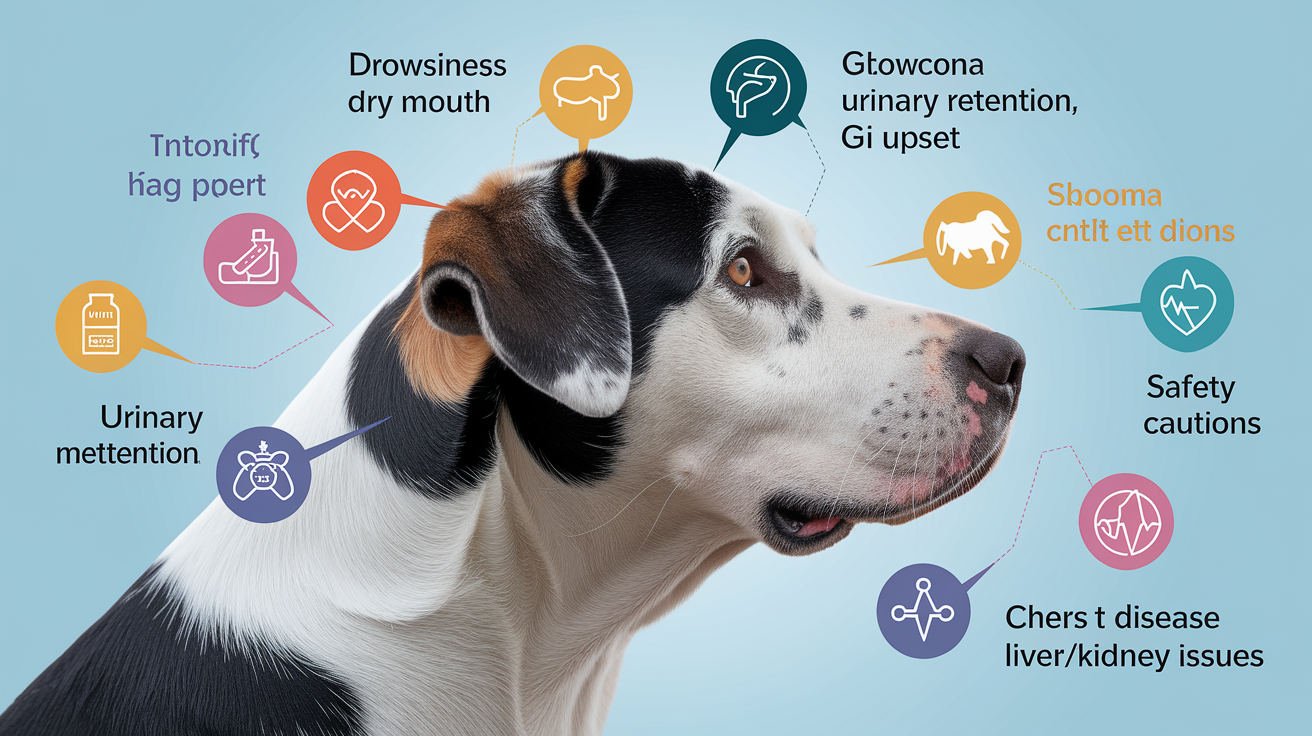
The most common side effect of antihistamines in dogs is drowsiness. Diphenhydramine is especially sedating, which is why some owners use it for travel stress or mild anxiety. Cetirizine and loratadine cause less sedation but can still make some dogs sleepy. Other side effects include dry mouth, increased thirst, urinary retention (difficulty peeing), and gastrointestinal upset like nausea, vomiting, or diarrhea.
Certain health conditions require extra caution. Dogs with glaucoma can experience increased eye pressure from antihistamines. Dogs with heart disease, high blood pressure, or an overactive thyroid may have worsening symptoms. Urinary retention can be a problem for dogs with bladder or prostate issues. If your dog has a history of seizures, liver disease, or kidney disease, talk to your vet about antihistamine use before starting.
Drug interactions are possible. Antihistamines can amplify the sedative effects of other medications, including pain relievers, anti-anxiety drugs, and certain supplements. Always share a complete list of your dog’s current medications, over-the-counter products, and supplements with your vet to avoid unsafe combinations.
Common side effects to watch for:
- Drowsiness or lethargy, especially with diphenhydramine.
- Dry mouth and increased thirst or water intake.
- Urinary retention or difficulty peeing.
- Gastrointestinal upset (vomiting, diarrhea, or loss of appetite).
- Hyperactivity or restlessness in some dogs (a paradoxical reaction to sedating medications).
When to See a Veterinarian
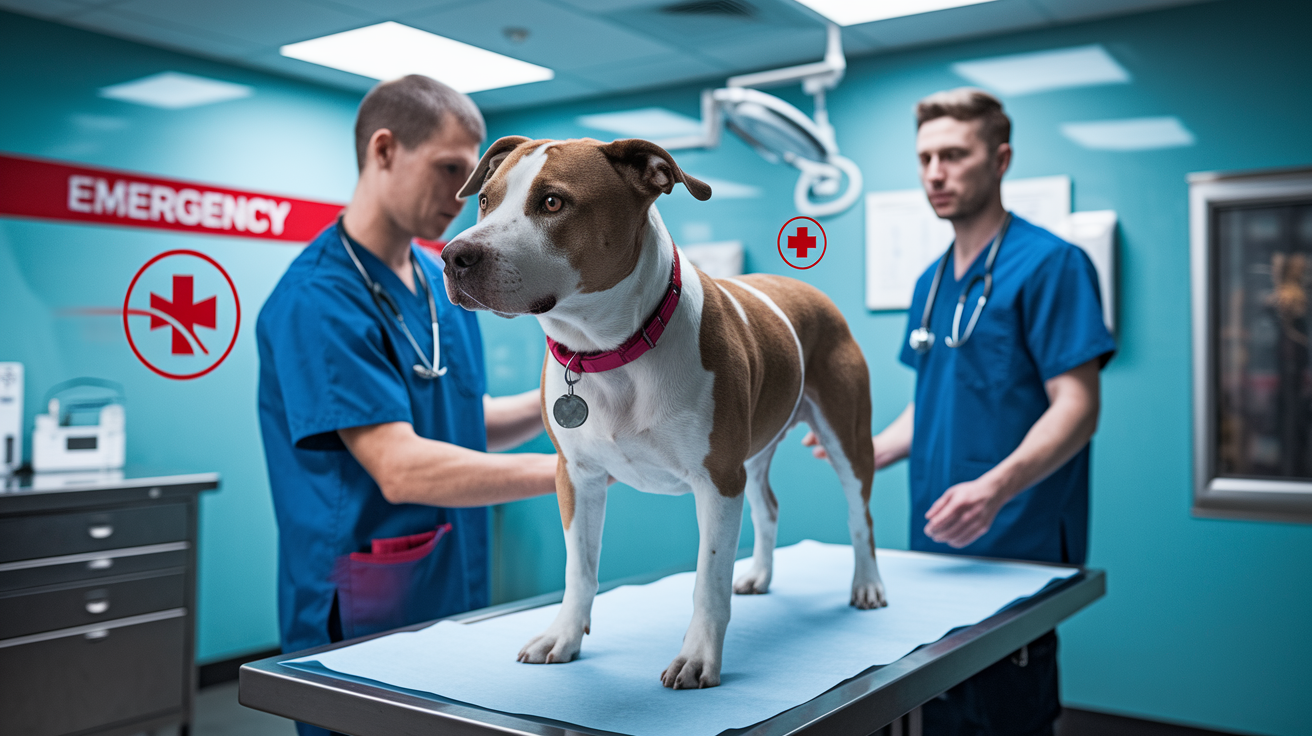
Call your vet if your dog’s itching sticks around for more than a few days despite antihistamine use, or if the itching gets worse. Chronic scratching breaks the skin barrier and invites bacterial or yeast infections, which show up as red, inflamed patches, a bad smell, or oozing sores. These secondary infections need prescription antibiotics or antifungal medications and can’t be cleared with antihistamines alone.
Get immediate veterinary care if your dog develops hives, facial swelling, difficulty breathing, or signs of a severe allergic reaction. Swelling around the eyes, muzzle, or throat can move fast and block the airway. Pale gums, collapse, vomiting, or diarrhea after a new food, medication, or bee sting are also emergencies. Antihistamines aren’t strong enough or fast enough to treat anaphylaxis, and delays can be life-threatening.
Alternatives to Antihistamines
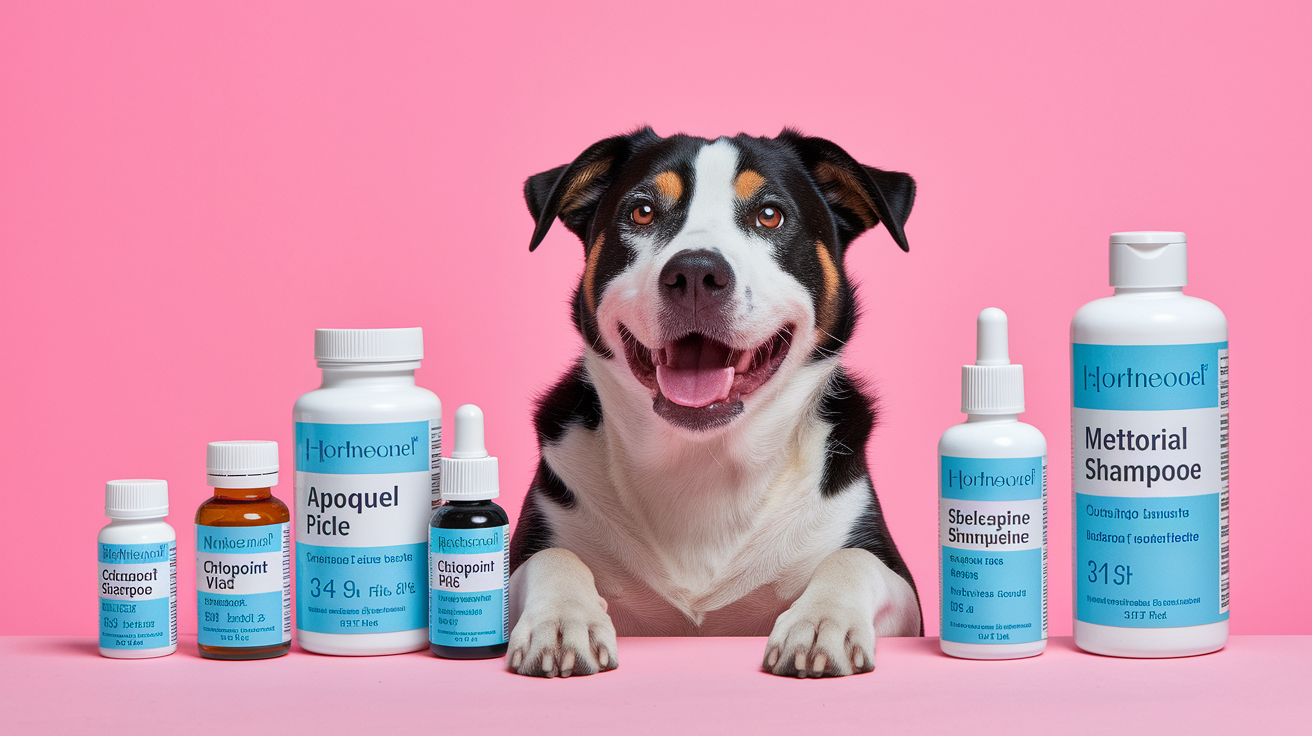
If antihistamines don’t reduce your dog’s itching, several evidence-based alternatives can help. Omega-3 fatty acid supplements, especially those high in EPA and DHA from fish oil, support skin health and reduce inflammation. Many vets recommend omega-3s alongside other treatments because they improve the skin barrier and may reduce the overall itch response. Results take several weeks, so consistency matters.
Medicated shampoos with ingredients like chlorhexidine, ketoconazole, or colloidal oatmeal can soothe irritated skin and remove allergens from the coat. Bathing once or twice a week during allergy season helps rinse away pollen and other environmental triggers. Shampoos also treat mild surface infections and provide temporary relief while you work on the underlying cause.
Prescription medications offer stronger itch control for dogs who don’t respond to over-the-counter options. Apoquel (oclacitinib) is a daily tablet that blocks itch signals within hours. Cytopoint (lokivetmab) is an injection given every four to eight weeks that targets a specific itch protein. Both are commonly used for atopic dermatitis and provide relief when antihistamines fail. Your vet will recommend the best option based on your dog’s symptoms, health history, and lifestyle.
Four evidence-based alternatives to antihistamines:
- Omega-3 fatty acid supplements (fish oil) to support skin health and reduce inflammation.
- Medicated shampoos with chlorhexidine or ketoconazole for surface allergen removal and mild infection control.
- Prescription medications like Apoquel or Cytopoint for moderate to severe allergic itching.
- Year-round flea and tick prevention to eliminate flea allergy dermatitis and related itching.
Final Words
If your dog is scratching right now, this guide gives clear next steps: safe antihistamines to try (diphenhydramine, cetirizine, loratadine), exact dosing rules, why itching happens, and when these meds actually help.
Watch for side effects like drowsiness, and for red flags—facial swelling, nonstop scratching, or signs of infection—that mean a vet visit.
If you try an antihistamine for dogs itching, track dose and response, and call your vet if it doesn’t improve. You’re taking smart, helpful steps.
FAQ
Q: Is Benadryl or Zyrtec better for dogs? Is Claritin or Zyrtec better for itchy dogs?
A: The best choice between Benadryl (diphenhydramine), Zyrtec (cetirizine), and Claritin (loratadine) depends on the dog. Zyrtec often helps environmental itching best, Benadryl is sedating, and loratadine must lack pseudoephedrine.
Q: What human medicine can I give my dog for itching? Can I use human antihistamines for my dog?
A: Human antihistamines like diphenhydramine, cetirizine, and loratadine can be used for dogs but only in dog-safe doses and formulations; check dosage and get your vet’s approval first.
