
Did you know more than 6 million dogs in the U.S. get a cancer diagnosis every year?
The good news is many risk factors are things you can control at home.
This post lays out essential, vet-backed steps you can start today, keeping a healthy weight, improving diet, avoiding tobacco smoke and yard chemicals, doing monthly body checks, protecting light-coated skin from sun, and making informed spay and neuter choices.
Follow these practical actions to lower your dog’s cancer risk and spot trouble early, when treatment is most likely to help.
Key Actions That Reduce Cancer Risk in Dogs

More than 6 million dogs in the U.S. get a cancer diagnosis every year. Early detection through monthly checks at home and yearly vet exams really improves outcomes. The risks you can actually control? Obesity, chemical exposure, and tobacco smoke.
Keeping your dog at a healthy weight is one of the most powerful tools you’ve got. Overweight dogs face higher risk for several tumor types, and extra fat creates inflammation that can push abnormal cell growth forward. Feed measured portions based on your dog’s ideal weight, not what the bag says. Regular exercise keeps metabolism steady and supports immune function. Even 20 minutes of walking most days makes a difference.
A smoke-free home protects everyone, your dog included. Indoor smoking increases cancer risk for pets, and smoke residue sticks to floors, fur, toys, and water bowls long after the cigarette’s out. If you or someone in your household smokes, take it outside and wash your hands before you touch your dog. Monthly checks at home let you spot lumps, skin changes, or behavior shifts early, when treatment works best. Run your hands over your dog’s entire body once a month, check inside the mouth and ears, and note any new bumps or sores. Schedule at least one full vet exam every year to catch problems you might miss.
Daily and weekly habits that lower cancer risk:
- Measure meals to prevent weight gain and skip free-feeding.
- Walk or play with your dog most days to keep weight lean and energy balanced.
- No smoking indoors or near your pet.
- Wipe your dog’s paws and coat after walks through treated lawns or areas with chemicals.
- Quick body check weekly, thorough monthly exam for lumps or changes.
- Book your dog’s annual vet visit now if it’s been more than 12 months.
Understanding Genetic and Breed-Related Cancer Risks in Dogs
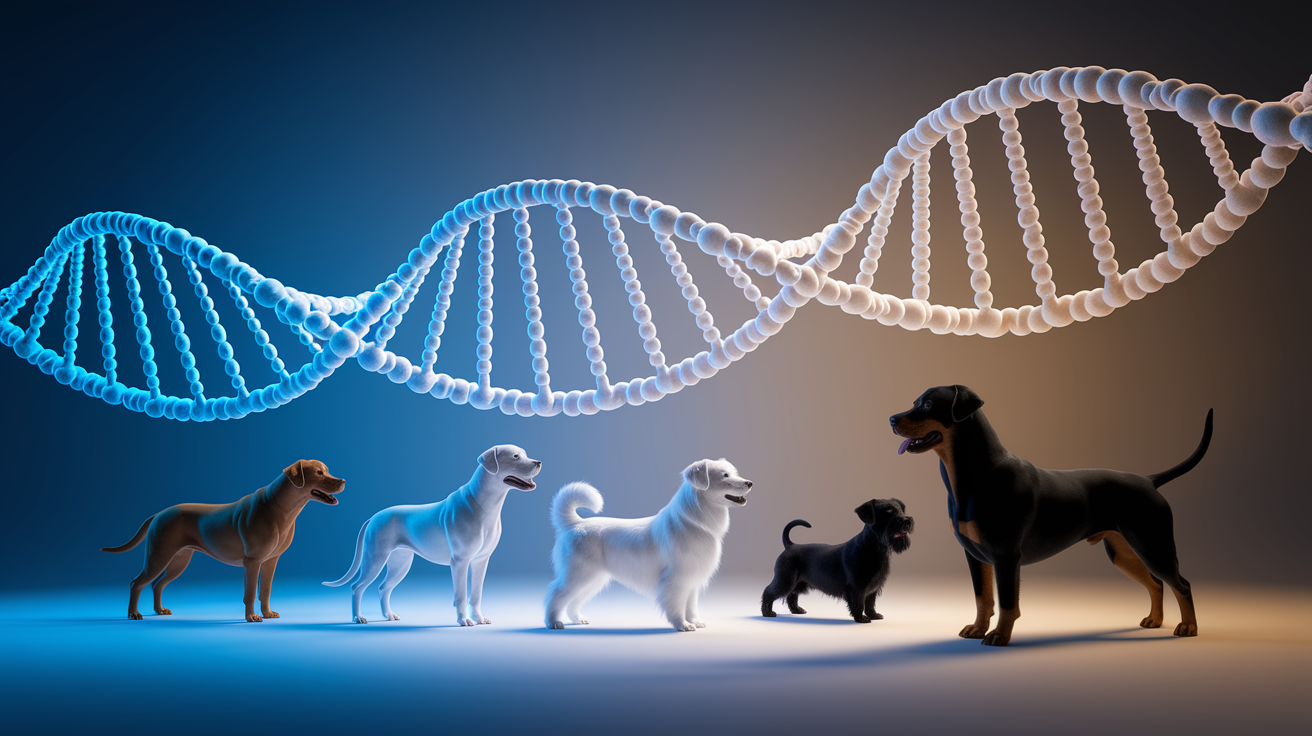
Genetics play a big role in cancer development. Golden Retrievers and Boxers have high cancer susceptibility, and responsible breeders screen breeding stock to reduce inherited risk. Long-nosed breeds like Labradors, Collies, and Dachshunds face elevated nasal cancer risk, especially with secondhand smoke exposure. Scottish Terriers and Rottweilers show increased lymphoma rates. Knowing your dog’s breed history helps you watch for early warning signs and adjust prevention efforts.
If you’re choosing a puppy, ask breeders about health testing and cancer rates in their lines. For dogs you already have, research which cancers are common in their breed and talk through a monitoring plan with your vet. Breed risks don’t guarantee cancer, but they guide where you focus. A Boxer owner might watch lymph nodes more closely, while a light-coated breed needs extra sun protection.
Breed considerations for cancer prevention:
- Research your dog’s breed or mix to learn which cancers happen most often.
- Ask your vet which screenings or checks are recommended for your dog’s background.
- Watch for breed-typical warning signs like unexplained weight loss, enlarged lymph nodes, or persistent coughing.
- If choosing a breeder, request documentation of health testing for parents and grandparents.
Nutrition and Weight Management to Help Prevent Cancer in Dogs

Overweight dogs face increased risk of lipomas and mammary tumors, especially females. Extra fat contributes to inflammation and hormone imbalance that can promote cancer growth. Keeping your dog lean throughout life reduces stress on the body. Portion control matters more than most owners think. Use a measuring cup, not a scoop or your best guess, and adjust portions if your dog’s ribs become hard to feel or you see a sagging belly.
Anti-inflammatory nutrients may reduce cell damage and support immune health, particularly in senior dogs. Antioxidants like EPA and DHA from fish oils show effectiveness mainly in older dogs, not younger ones. Adding vegetables to meals may reduce cancer risk, though the evidence is still emerging. Medium-chain triglycerides and certain omega-3 sources improve cognitive function and may protect aging cells. Talk to your vet before starting any supplement, because dosing varies widely by size and health status.
Commercial diets vary in quality. Reading labels helps you avoid unnecessary additives, artificial colors, and low-grade fillers. A high-quality, balanced diet tailored to your dog’s breed, age, and activity level is the foundation. If your dog is overweight now, work with your vet to create a gradual weight-loss plan. Crash diets and sudden changes can cause other health problems.
Steps to improve your dog’s diet and lower cancer risk:
- Switch to measured meals twice daily instead of free-feeding.
- Choose foods with named protein sources and minimal artificial additives.
- Add vet-approved omega-3 supplements if your dog is over seven years old.
- Include small amounts of safe vegetables like carrots, green beans, or broccoli as treats or meal toppers.
- Track your dog’s body condition monthly and adjust portions if ribs become hard to feel.
| Food Component | Cancer-Prevention Role |
|---|---|
| Omega-3 fatty acids (EPA, DHA) | May reduce inflammation and protect aging cells in senior dogs |
| Lean protein and controlled calories | Maintains healthy weight and reduces fat-related inflammation |
| Vegetables and antioxidants | Possible decrease in cancer risk, supports immune function |
Reducing Environmental and Household Carcinogen Exposure
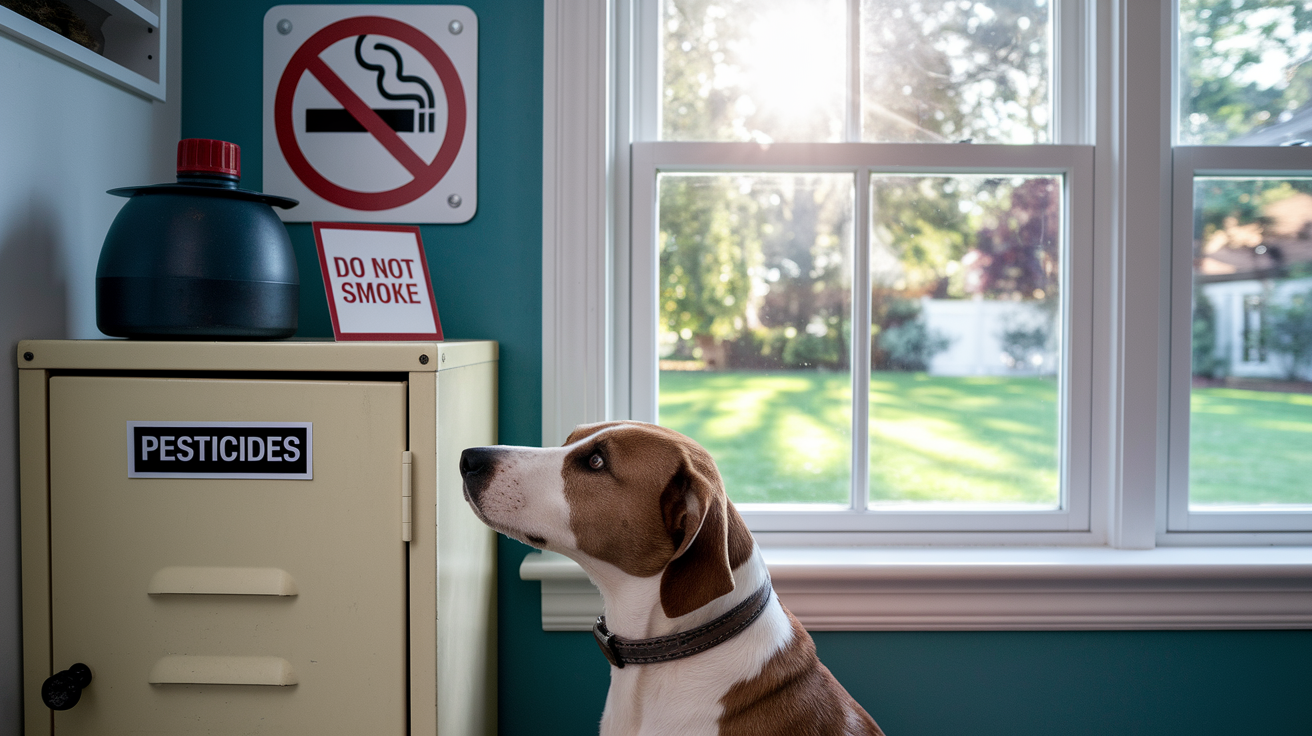
Lawn products containing 2,4-dichlorophenoxyacetic acid herbicide are linked to malignant lymphoma and transitional cell cancer in dogs. Keep your dog off treated lawns until the application is completely dry, and be aware that chemical drift or runoff from neighbors or nearby farmland can reach your yard. If you use lawn treatments, choose the least toxic options and follow label instructions exactly. Consider natural weed control methods or designated untreated play areas for your dog.
Secondhand and thirdhand smoke elevate nasal and lung cancer risk depending on breed type. Short-nosed breeds like Pugs, Bulldogs, and Shih Tzus face higher lung cancer risk when living with smokers, while long-nosed breeds develop more nasal cancers from smoke exposure. Thirdhand smoke residues can stick around on floors, pet fur, toys, food bowls, and water dishes long after the air clears. If anyone in your home smokes, make it a firm outdoor-only rule and wash hands before handling your dog or their belongings.
Paints, solvents, and pool water with high chlorine levels show associations with increased cancer likelihood. Asbestos exposure during renovations is also linked with cancer in animals. When painting or using strong cleaning products, keep your dog in another room or outside until fumes clear. Limit your dog’s time in chlorinated pools and rinse them with fresh water afterward. During home renovations, especially in older buildings, keep pets away from work areas until debris and dust are fully cleaned.
Steps to reduce toxin exposure at home and in your yard:
- No indoor smoking and ask guests to smoke away from your property.
- Wait at least 24 to 48 hours after lawn treatments before letting your dog outside, longer if it rains.
- Store paints, solvents, pesticides, and harsh cleaners in sealed containers out of your dog’s reach.
- Rinse your dog’s paws and coat after walks through treated grass or construction zones.
- Avoid high-chlorine pools or limit swim time, and always rinse thoroughly with fresh water.
- During renovations, confine your dog to an unaffected area or arrange temporary boarding if asbestos or lead is present.
Cancer Prevention Through Safe Sun Exposure and Skin Protection
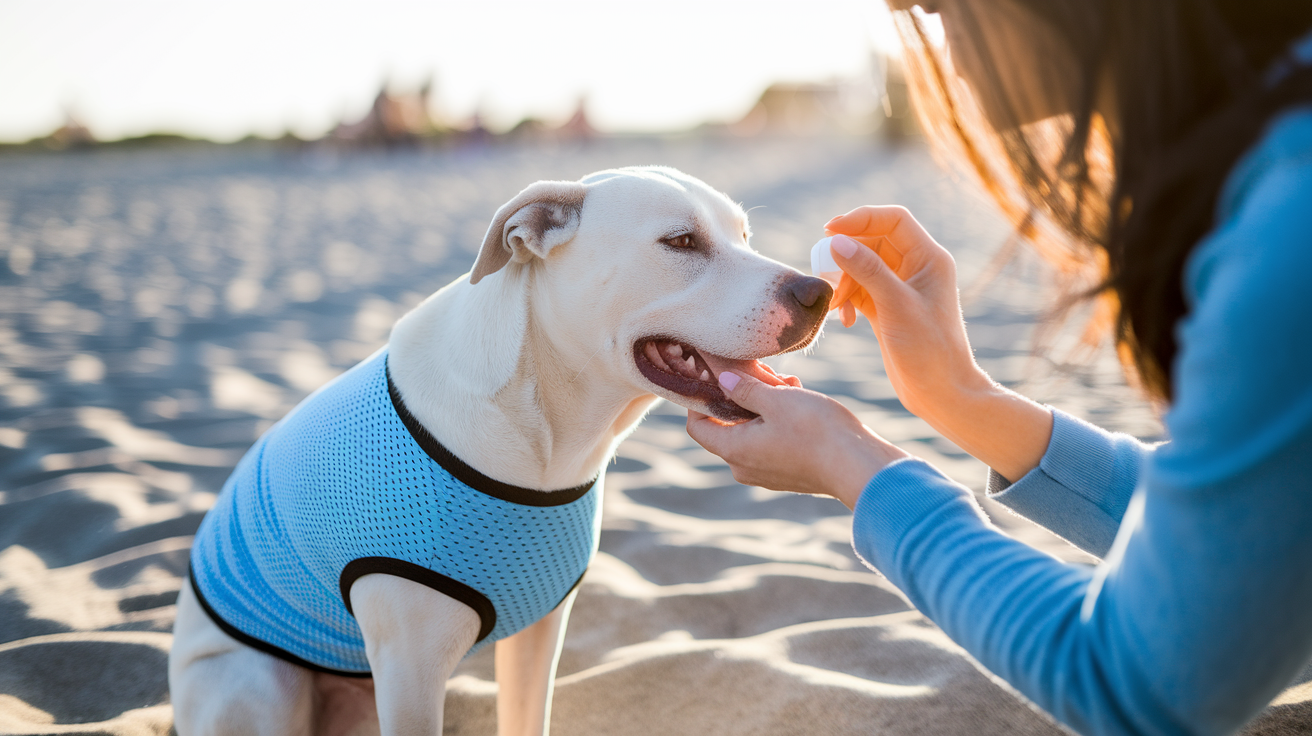
Light-pigmented dogs need sun avoidance during peak UV hours, typically between 10 a.m. and 4 p.m. Prolonged ultraviolet exposure can cause solar-induced cancers like squamous cell carcinoma, especially on the nose, ears, and thinly haired areas. Breeds with white or light coats, pink noses, and sparse fur are most vulnerable. Shade and protective clothing help prevent skin damage that builds up over years.
Zinc oxide sunscreen is toxic if ingested, so only use vet-approved, pet-safe sunscreens if your dog will tolerate application without licking it off. Apply sunscreen to exposed areas like the nose, ear tips, and belly if your dog lies in the sun. Reapply every few hours during extended outdoor time. For dogs that won’t accept sunscreen, focus on limiting direct sun exposure and providing shaded rest areas.
Safe sun practices to protect your dog from skin cancer:
- Keep outdoor playtime before 10 a.m. or after 4 p.m. during summer months.
- Provide shaded areas in your yard with tarps, umbrellas, or natural tree cover.
- Use a vet-approved, non-zinc-oxide sunscreen on light-pigmented noses, ears, and bellies.
- Consider lightweight, UV-protective dog shirts for beach trips or long hikes in open terrain.
Reproductive Health Decisions and Their Role in Cancer Prevention
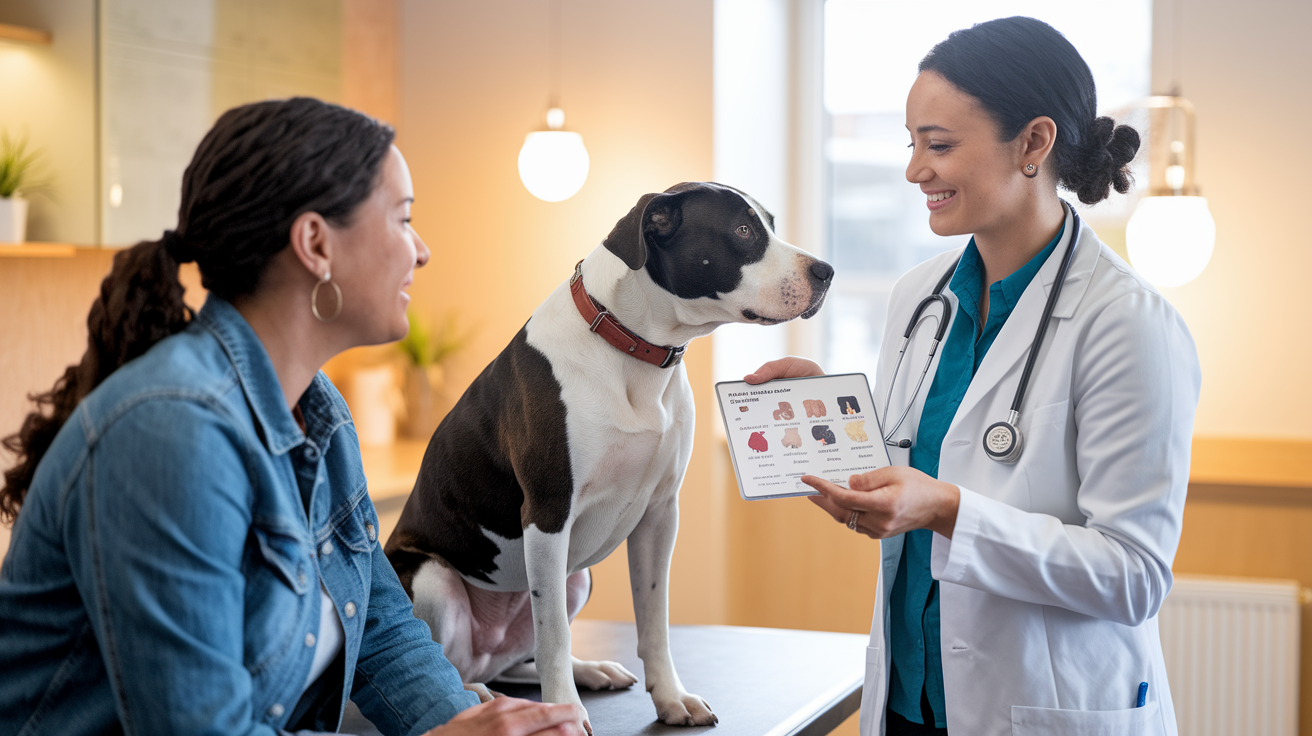
Spaying and neutering effects vary widely by breed and sex, and timing matters more than many owners think. Early spay or neuter in Golden Retrievers before sexual maturity may triple or quadruple cancer risk, according to 2013 research by Dr. Benjamin Hart. Spaying reduces mammary tumor risk in some female dogs, especially when performed before the first heat cycle, but the decision isn’t one-size-fits-all. Short-nosed breeds, giant breeds, and dogs with joint or orthopedic concerns may benefit from delayed surgery.
You’ll need to talk with your vet to time surgery appropriately for your dog’s breed, size, and health profile. Discuss your dog’s specific cancer risks, including mammary tumors, lymphoma, and bone cancers that may be influenced by reproductive hormones. Some dogs benefit from early spaying, while others are safer waiting until skeletal maturity. The goal is balancing cancer prevention with orthopedic health and overall longevity.
Hormone-related cancers include mammary tumors in females and some prostate issues in males, but removing reproductive organs too early can increase risk of other cancers in certain breeds. This complexity means you and your vet need to create an individualized plan. Ask about breed-specific studies and recent research that applies to your dog.
Timing considerations for spay and neuter decisions:
- Discuss breed-specific cancer and joint-disease risks with your vet before scheduling surgery.
- For Golden Retrievers, Rottweilers, and other high-risk breeds, consider waiting until after sexual maturity unless mammary tumor risk is the greater concern.
- Female dogs spayed before their first heat cycle have significantly lower mammary tumor risk compared to those spayed later or left intact.
At-Home Screening and Early Detection Habits to Reduce Cancer Severity

Monthly checks at home help identify lumps, skin changes, or new symptoms before they get serious. Behavior changes often signal underlying illness, and smaller tumors are easier to remove before metastasis. At-home screening takes less than ten minutes once you develop a routine. The earlier you find something unusual, the more treatment options your vet will have.
Start by running your hands slowly over your dog’s entire body, feeling for lumps, bumps, or areas of heat and swelling. Check inside the mouth for growths, discolored gums, or bad breath that appears suddenly. Look inside the ears for unusual discharge, redness, or odor. Watch your dog’s energy, appetite, and bathroom habits throughout the month, not just during the exam. Persistent coughing, unexplained weight loss, limping, or trouble breathing are reasons to call your vet even if your scheduled exam isn’t due yet.
Step-by-step at-home examination routine:
- Run both hands over your dog’s head, neck, shoulders, chest, and back, feeling for lumps or sensitive spots.
- Check all four legs, paws, and joints for swelling, heat, or lumps along the bones and muscles.
- Gently press along the belly and ribcage, feeling for any masses or tenderness.
- Lift your dog’s lips and check gums, teeth, tongue, and the roof of the mouth for growths or color changes.
- Look inside both ears for redness, discharge, or foul odor that wasn’t there last month.
- Monitor daily habits all month and note changes in eating, drinking, urination, stool consistency, energy, or sleep patterns.
Veterinary Exams and Diagnostic Screening for Canine Cancer
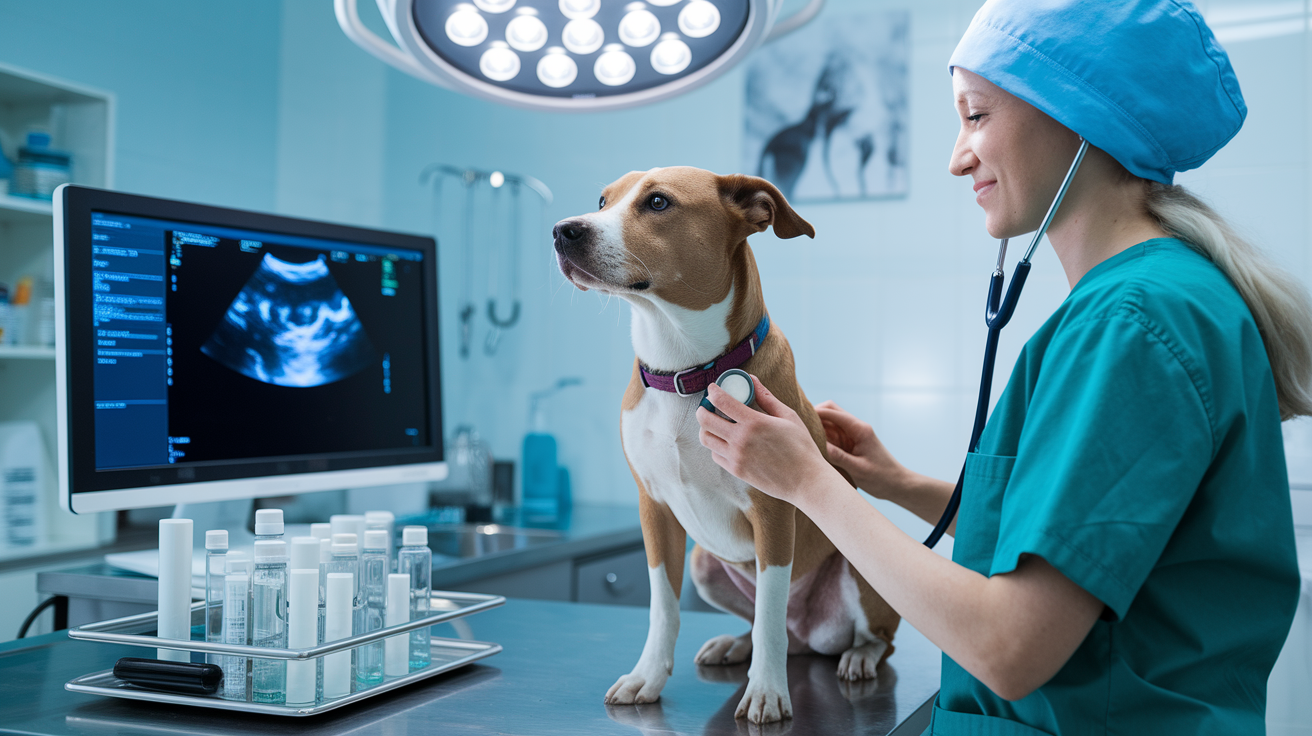
Dogs need at least one full veterinary exam yearly, and senior dogs benefit from twice-yearly visits. Examinations should include a complete physical exam, rectal exam, bloodwork, and urinalysis. These tests set a baseline so your vet can spot changes over time. Imaging like X-rays or ultrasound helps detect hidden tumors in the chest, abdomen, or bones. Biopsies provide definitive diagnosis when a lump or abnormal tissue is found.
Early veterinary detection increases treatment options and survival because smaller, localized cancers respond better to surgery, radiation, or chemotherapy. Bloodwork can reveal anemia, abnormal white blood cell counts, or organ changes that suggest cancer before outward symptoms appear. Urinalysis sometimes picks up bladder or kidney issues early. A rectal exam checks for masses near the anus, prostate, or pelvic area that you can’t feel from the outside.
If your vet finds something suspicious during a routine visit, they may recommend additional imaging or a fine-needle aspirate to examine cells under a microscope. Waiting to “see if it gets bigger” often gives cancer time to spread. Ask your vet which tests are appropriate for your dog’s age, breed, and risk factors, and keep a record of results so you can track trends.
| Test Type | What It Detects | When It’s Recommended |
|---|---|---|
| Complete blood count and chemistry panel | Anemia, infection, organ function changes, abnormal cell counts | Annually for all dogs, twice yearly for dogs over age seven |
| Urinalysis | Bladder cancer markers, kidney issues, infections | Annually, or when urination changes occur |
| Imaging (X-ray, ultrasound) | Tumors in chest, abdomen, bones, or soft tissues | When lumps are found, for high-risk breeds, or during senior wellness exams |
Creating a Personalized Cancer Prevention Plan for Your Dog

Prevention requires combining weight control, toxin reduction, breed-specific awareness, and stress reduction into a consistent long-term routine. Enrichment activities like puzzle toys, scent games, and regular social interaction support immune health and reduce chronic stress that can weaken the body’s defenses. Older dogs require more frequent monitoring because cancer is more common in senior pets, and some antioxidants benefit only older dogs. Start prevention habits early in your dog’s life, and adjust as they age.
A personalized plan considers your dog’s breed risks, current weight, home environment, and age. If your dog is a Golden Retriever, you’ll watch lymph nodes closely and discuss spay-neuter timing carefully. If you have a light-coated dog, sun protection becomes a daily priority. If you live near farms or use lawn treatments, chemical exposure moves to the top of your prevention list. Write down your dog’s specific risks and create monthly reminders for at-home checks, twice-yearly weight assessments, and annual vet visits.
Components of a long-term cancer prevention routine:
- Schedule and keep annual veterinary exams, moving to twice yearly after age seven.
- Perform a thorough at-home body check on the same date each month.
- Maintain lean body weight through portion control and daily exercise tailored to your dog’s age and joints.
- No smoke exposure, minimize lawn chemicals, and avoid high-toxin household products.
- Research your dog’s breed risks and adjust monitoring focus accordingly, such as checking lymph nodes monthly in high-risk breeds.
Final Words
in the action, we covered four high-impact steps you can use now: keep your dog at a healthy weight, make your home smoke-free, do monthly at-home checks, and book yearly vet exams. These actions lower risk and help catch problems sooner.
We also looked at breed risks, smart nutrition, reducing household toxins, sun protection, and timing spay/neuter so prevention fits your dog.
Start small, keep a simple routine, and talk with your vet. Learning how to prevent cancer in dogs is about steady care, and that’s something to feel hopeful about.
FAQ
Q: How can I stop my dog from getting cancer?
A: Stopping your dog from getting cancer can’t be guaranteed, but you can lower risk by keeping a healthy weight, banning household smoke, avoiding lawn chemicals, doing monthly home checks, and scheduling annual vet exams.
Q: What are the first signs of cancer in dogs?
A: The first signs of cancer in dogs are lumps or bumps, unexplained weight loss, loss of appetite, persistent sores or bleeding, coughing, changes in toilet habits, and low energy—note when they started and see your vet.
Q: How common is cancer in dogs?
A: Cancer in dogs is common: over six million U.S. dogs are diagnosed each year, and risk rises with age—older dogs and certain breeds face a higher likelihood.
Q: How long can a dog live with cancer untreated?
A: A dog can live with cancer untreated for a few weeks to more than a year depending on cancer type, location, and stage; aggressive cancers worsen quickly—contact your vet for diagnosis and guidance now.
