
Could your cat be quietly losing more water than you think?
Cats hide illness, so dehydration can sneak up fast.
This post gives three quick, no-stress checks you can do at home, like the skin tent, gum feel, and simple behavior signs, so you can spot trouble tonight.
You’ll learn what each sign suggests, what to try safely at home, and the clear warning signs that mean call your vet now or go to emergency care.
Spotting dehydration early can keep a mild problem from becoming an emergency.
Key Signs That Help You Identify Cat Dehydration at Home
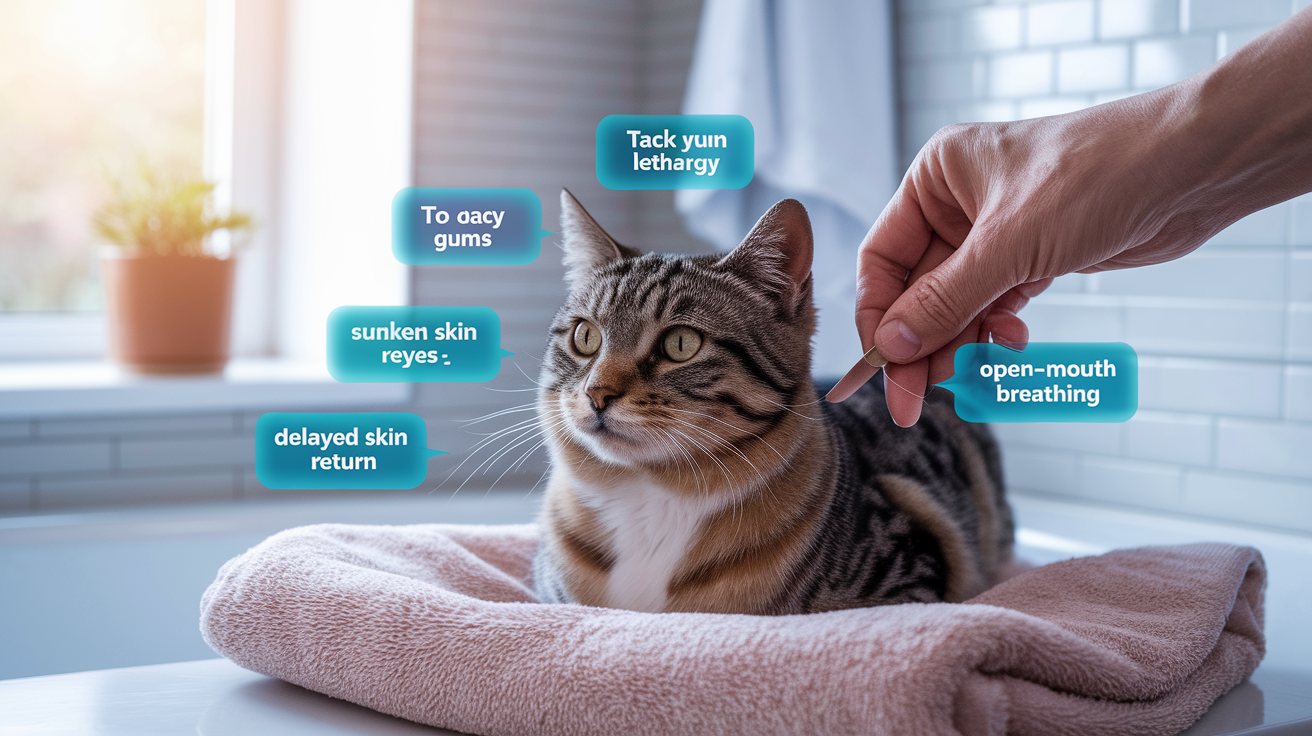
Start with the skin tent test and then check your cat’s gums. Gently lift a small fold of loose skin between your cat’s shoulder blades, release it, and watch how fast it returns. Healthy skin snaps back right away. If the skin stays tented or takes more than one or two seconds to flatten, your cat may be dehydrated. Next, run a clean finger along your cat’s gumline. Normal gums feel moist and slick. Tacky or dry gums mean fluid levels are dropping.
Beyond those two quick checks, watch for changes in behavior and appearance that appear over hours or a day. Notice whether your cat seems unusually tired, refuses meals, or stops playing. Look at the eyes. Sunken or dull eyes are a worry. Listen to breathing. Cats almost never pant, so open‑mouth breathing is a red flag. Feel your cat’s heart rate by resting your hand gently on the left side of the chest just behind the front leg. A rapid or pounding pulse paired with other signs suggests dehydration or stress.
Here are the five primary signs to monitor:
- Dry or sticky gums that feel tacky instead of moist
- Loss of appetite and lethargy when your cat won’t eat or barely moves
- Decreased skin elasticity shown by slow skin return in the tent test
- Sunken or dull‑looking eyes that have lost their bright appearance
- Increased heart rate that feels fast or irregular under your palm
Catching these signs early gives you time to offer water, contact your vet, and prevent a mild problem from turning severe. Dehydration can progress quickly, especially in cats who are already sick, very young, very old, or living in hot weather. The sooner you spot the warning, the faster your vet can guide your next step.
Understanding Physical Hydration Indicators in Cats
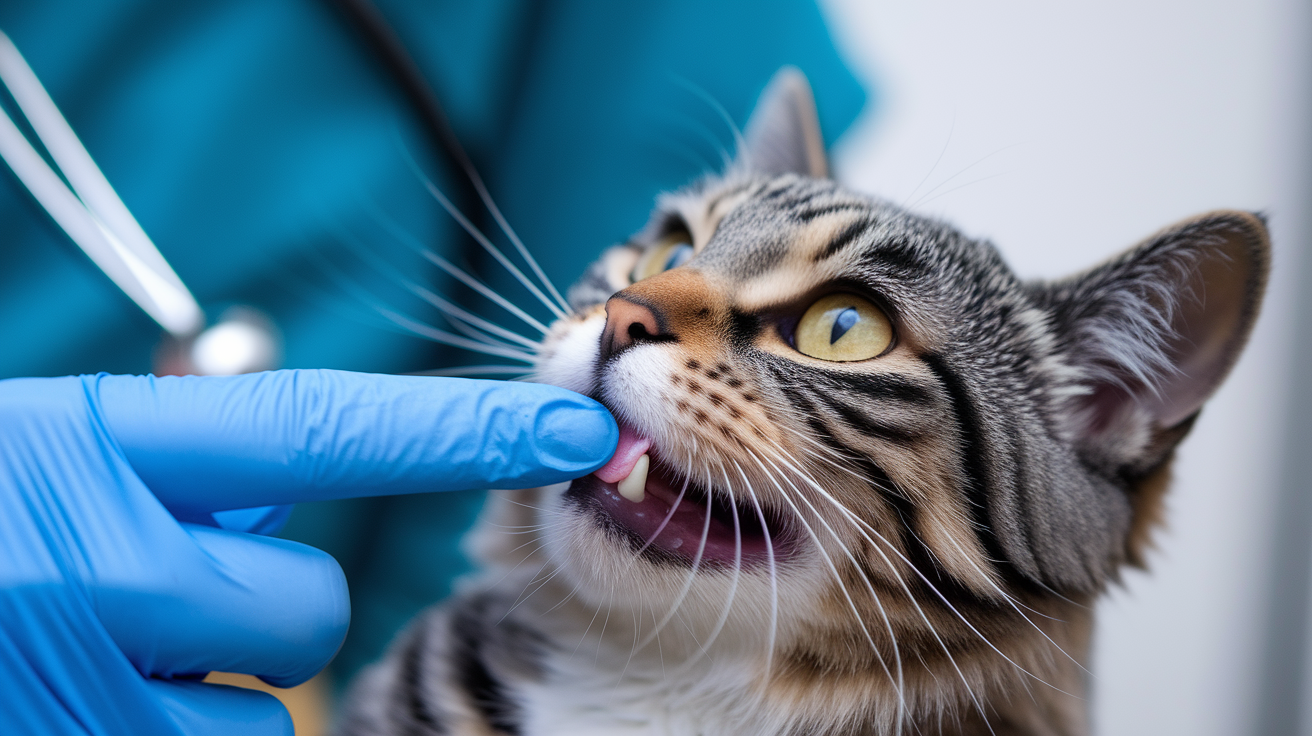
When you check your cat’s gums, lift the upper lip gently and press one finger against the gum tissue for a second or two. Healthy gums are pink and spring back with a wet, slippery feel. If the surface feels sticky or looks pale or bright red instead of pink, hydration or circulation may be off. Pay attention to texture more than just color. A tacky feel is often the earliest sign, appearing before gums turn visibly pale.
Capillary refill time measures how fast blood returns to the gum after you press it. Press your finger against a gum until the spot turns white, then release and count the seconds until the color floods back. Normal capillary refill takes less than two seconds. If color returns slowly, two seconds or longer, blood flow may be sluggish, often because fluid volume has dropped. This test is simple but powerful. It gives you a number to track and share with your vet, especially when paired with skin elasticity and heart rate findings.
How to Use the Skin Tent Test to Assess Dehydration
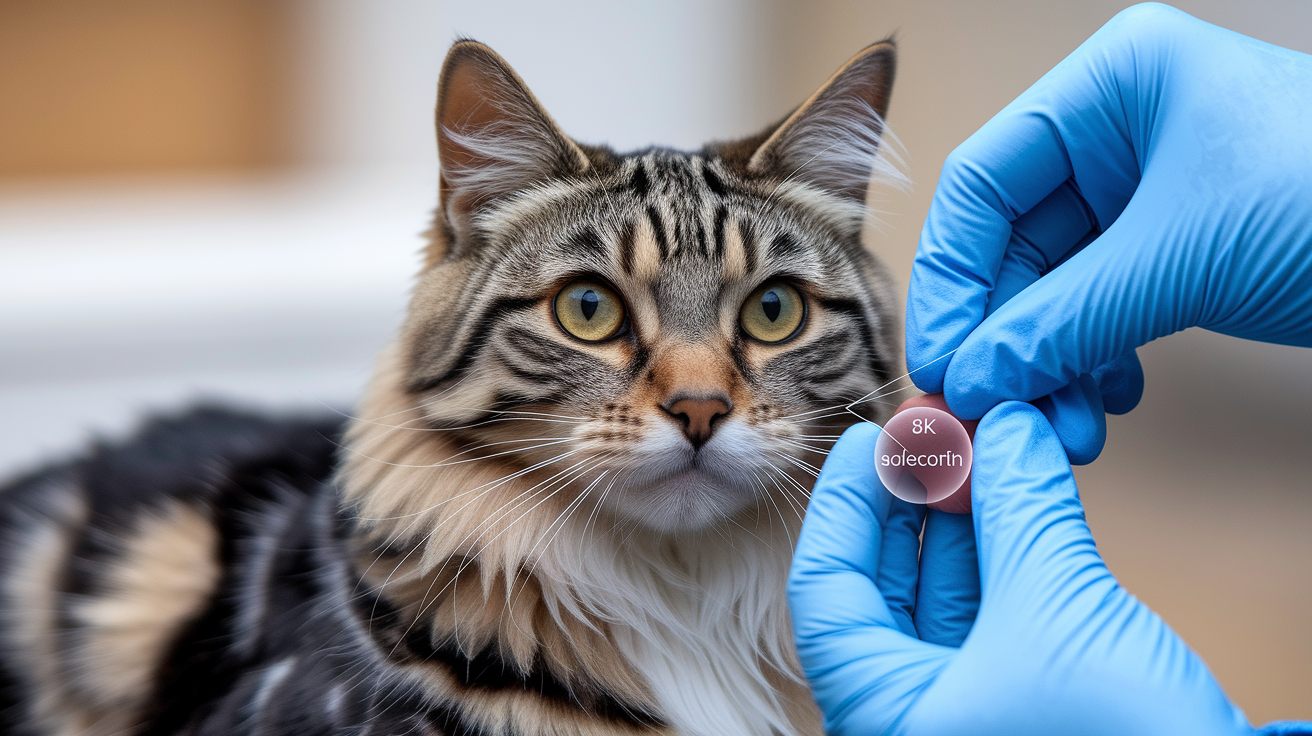
The skin tent test is your fastest home tool for checking hydration. It works because hydrated skin has enough moisture and elasticity to bounce back immediately.
- Position your cat comfortably. Sit or stand your cat on a stable surface where you both feel calm.
- Lift a small fold of skin at the scruff. Use two fingers to gently pinch a fold of loose skin between the shoulder blades. Don’t squeeze hard, just lift it an inch or so.
- Release and watch the return. Let go and observe how the skin moves. Hydrated skin snaps flat in less than a second. Skin that stays tented or slowly slides back over one to two seconds signals possible dehydration.
- Repeat if unsure. If the result feels unclear, wait a minute and try again in a slightly different spot along the back.
Age and body condition change skin elasticity. Older cats and very thin cats naturally have looser, less elastic skin, so a slower return doesn’t always mean dehydration in those groups. Compare the result with other signs. Gum texture, energy level, urine output. Those give you a clearer picture. Mild dehydration around five percent may show only a slight delay and tacky gums. Moderate dehydration in the six to eight percent range produces obvious tenting, dry membranes, and reduced litter box trips. Timing the skin return gives you a rough severity gauge and a concrete detail to report when you call your vet.
Checking Your Cat’s Eyes, Saliva, and Heart Rate for Hydration Clues
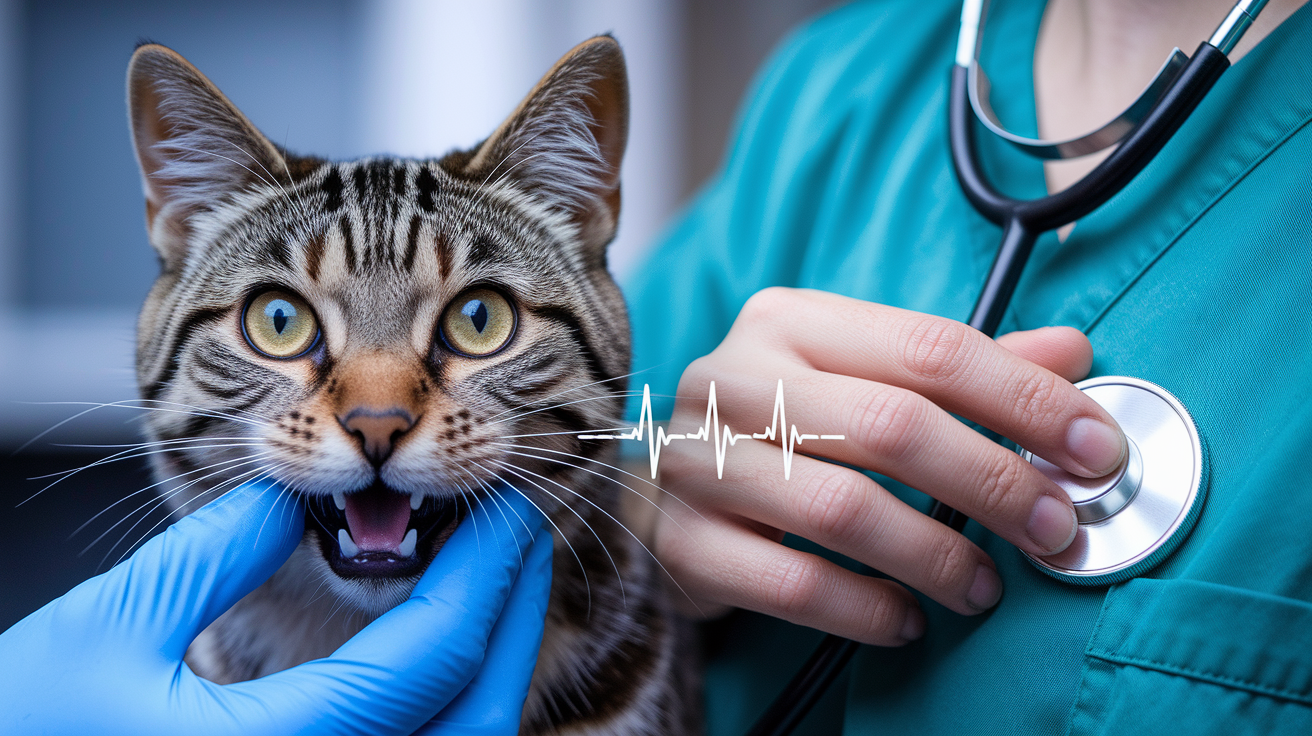
Look directly at your cat’s eyes in good light. Healthy eyes sit full in the socket and have a bright, alert shine. When fluid volume drops, the eyeball can sink slightly, leaving a hollow or dull appearance. Sunken eyes usually appear alongside other moderate to severe signs and mean your cat needs veterinary fluids soon. If the eyes look normal but your cat seems off, keep monitoring the other checks every few hours.
Open your cat’s mouth gently and look at the saliva on the tongue and gums. Normal saliva is thin and clear. Dehydrated saliva turns thick, stringy, and sometimes rope‑like. You might see strands between the teeth or a paste‑like coating on the tongue. This texture change happens because the body conserves water by producing less saliva, so what remains becomes concentrated. Thick saliva paired with tacky gums is a strong signal to act.
Measure your cat’s heart rate by placing your hand flat against the left side of the chest, just behind the front leg, and counting beats for fifteen seconds. Multiply by four to get beats per minute. Normal resting heart rate in cats runs between 140 and 220 beats per minute. A heart rate at the high end of that range or above it, especially if paired with weak pulses, lethargy, or other hydration signs, can indicate dehydration or shock. Elevated heart rate alone isn’t diagnostic, but it adds weight to your overall assessment and helps your vet understand urgency.
Dehydration Severity Levels and What They Mean
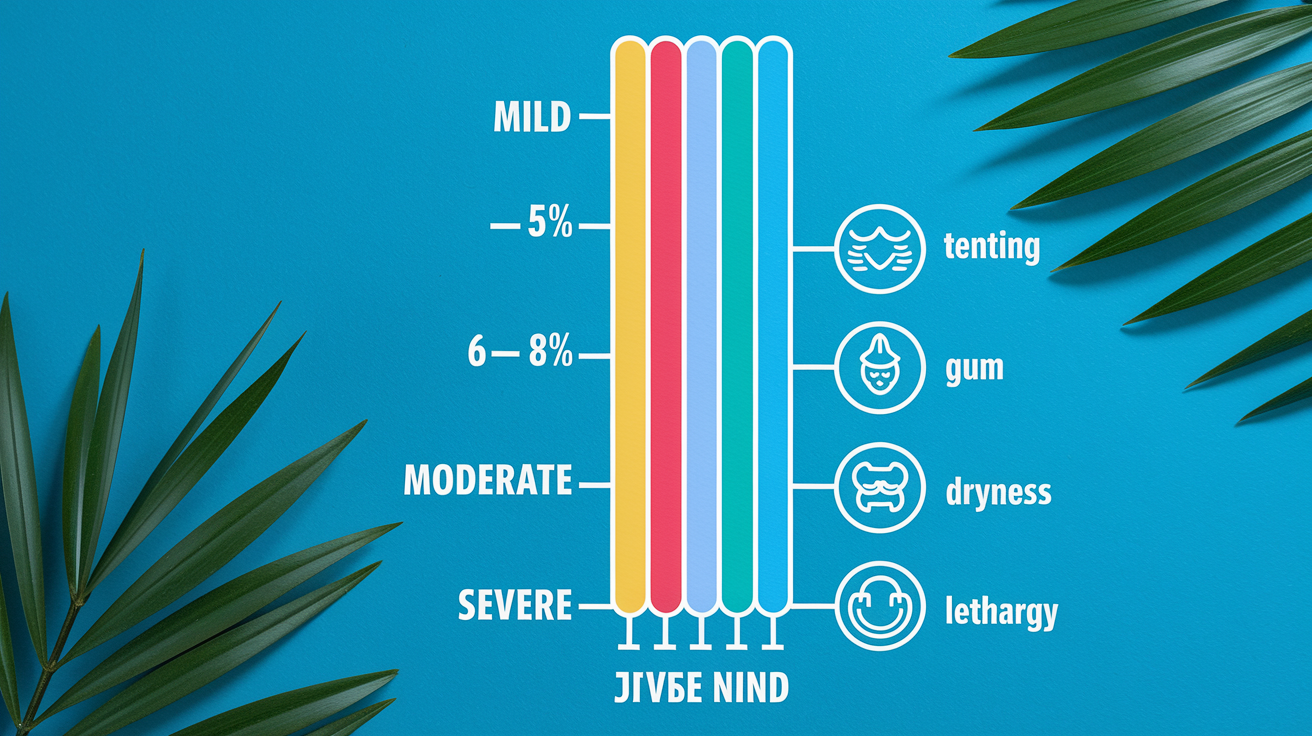
Veterinarians estimate dehydration by percentage of body weight lost as fluid. Each percentage point corresponds to a set of physical findings you can observe at home.
Clinical dehydration starts around five percent. At that level, signs are subtle. You might notice slightly tacky gums and minimal skin tenting, but your cat may still eat, drink a little, and move around. Many owners miss mild dehydration because cats hide discomfort well. As fluid loss climbs to six or eight percent, signs become obvious. Skin tents noticeably, mucous membranes dry out, urine volume drops, and lethargy sets in. This is moderate dehydration, and your cat needs veterinary fluids within hours.
| Severity Level | Approx. % | Common Signs |
|---|---|---|
| Mild | ~5% | Slight tackiness, minimal tenting, subtle lethargy |
| Moderate | 6–8% | Obvious tenting, dry gums, reduced urine, clear lethargy |
| Severe | ≥10% | Sunken eyes, collapse, very weak pulse, shock risk |
Severe dehydration at ten percent or higher is life‑threatening. The cat may collapse, show profound weakness, stop urinating, and enter shock. At this stage, intravenous fluids and intensive monitoring are critical. Time matters because the heart, kidneys, and brain all depend on adequate blood volume. Even a few hours of delay can worsen outcomes. Understanding these thresholds helps you judge whether you have time to monitor at home overnight or need to head to an emergency clinic right now.
Why Cats Become Dehydrated: Common Causes Owners Should Know
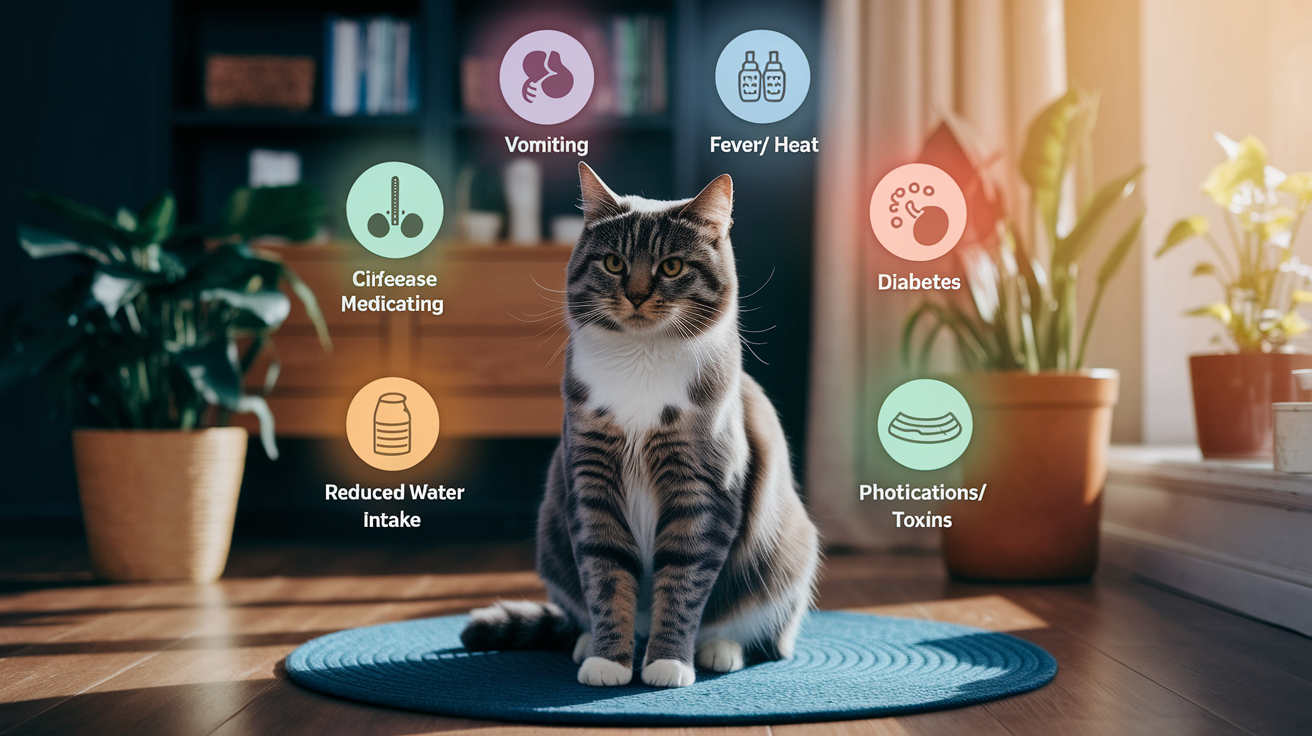
Dehydration happens when fluid loss outpaces intake or when the body can’t hold onto water properly. Acute vomiting and diarrhea top the list because they dump large volumes of fluid and electrolytes in a short time. A cat who vomits repeatedly or has watery diarrhea for even half a day can slide from normal hydration into moderate dehydration quickly.
Fever and heatstroke drive fluid loss through panting and increased metabolic rate. Cats don’t sweat like humans, so they lose heat by breathing faster and through their paw pads. When environmental heat is extreme or a cat has a high fever from infection, that respiratory water loss adds up. Reduced fluid intake is another common trigger. A cat who stops drinking because of nausea, mouth pain, stress, or simply because the water bowl is empty will become dehydrated over one to two days.
Chronic illnesses shift the balance more gradually. Kidney disease reduces the kidneys’ ability to concentrate urine, so affected cats lose more water than healthy cats and need to drink more to stay even. Diabetes causes excessive urination as the body tries to flush out high blood sugar, pulling water with it. Urinary obstructions and certain medications also interfere with normal fluid balance. Watch for these underlying causes:
- Vomiting or diarrhea from infections, toxins, or dietary indiscretion
- Fever or heatstroke in hot weather or during illness
- Kidney disease that increases urine output
- Diabetes mellitus causing sugar‑driven fluid loss
- Reduced water intake from nausea, pain, or environmental stress
- Medications or toxins that alter kidney function or increase urination
Identifying the cause helps your vet treat the root problem, not just the dehydration symptom. Always mention recent diet changes, possible toxin exposures, travel, new pets, and any medications when you call.
When Cat Dehydration Becomes an Emergency
Some situations require immediate veterinary care, not home monitoring. If your cat’s skin stays tented and won’t return to normal, that signals moderate to severe dehydration and the need for professional fluids within hours. Sunken eyes, collapse, or an inability to stand mean your cat is in crisis. Continuous vomiting or diarrhea that prevents any fluid intake also demands urgent intervention because the cat is losing more than you can replace at home.
Shock signs appear when dehydration becomes severe enough to compromise circulation. The heart beats very fast but feels weak under your hand. Gums turn pale, white, or grayish instead of pink. Capillary refill time stretches beyond two seconds or stops altogether. The cat feels cold to the touch, especially at the ears and paws. Breathing may become rapid or labored. These signs mean blood isn’t reaching tissues properly, and organs are at risk.
Get emergency help if you see any of these red flags:
- Skin tent that does not return or returns extremely slowly
- Sunken eyes, collapse, or severe weakness that prevents normal movement
- Persistent vomiting or diarrhea with no ability to keep water down
- Pale or white gums with capillary refill time over two seconds
- Rapid breathing, panting, or cold extremities suggesting shock
Even if only one or two of these signs are present, call your vet or an emergency clinic right away. Severe dehydration can progress to organ failure in hours. Early fluid therapy saves lives and prevents permanent kidney or heart damage.
What Vets Do to Diagnose and Treat Dehydration
When you bring your cat in, your veterinarian will start with a hands‑on exam. They’ll perform the same skin tent test and gum check you did at home, but with the experience to grade severity accurately. They’ll listen to the heart and lungs, feel the abdomen for pain or masses, check body temperature, and assess mental alertness. Based on physical findings, they’ll estimate the percentage of dehydration and decide whether outpatient or hospitalized care is needed.
Bloodwork and urine tests confirm the diagnosis and uncover underlying causes. A complete blood count can reveal infection or anemia. A chemistry panel measures kidney values like blood urea nitrogen and creatinine, which rise when dehydration reduces kidney blood flow. Electrolyte levels, sodium, potassium, chloride, show imbalances that need correction. Urine specific gravity measures how concentrated the urine is. High specific gravity suggests the kidneys are working to conserve water. Low specific gravity in a dehydrated cat points to kidney disease that’s preventing normal concentration.
Fluid therapy is the cornerstone of dehydration treatment. For mild to moderate cases, your vet may administer subcutaneous fluids, a bolus of sterile saline injected under the skin, usually between the shoulder blades. The fluid absorbs over several hours, rehydrating your cat gradually. For moderate to severe dehydration, intravenous fluids are necessary. An IV catheter placed in a front leg allows precise, rapid fluid delivery. Your vet calculates the volume based on body weight, dehydration percentage, and ongoing losses. Cats receiving IV fluids are monitored closely for heart rate, urine output, and hydration signs every few hours.
Recovery speed depends on severity and cause. Mild dehydration often resolves within 12 to 24 hours with fluids and supportive care. Moderate cases may require one to two days of hospitalization and IV therapy. Severe dehydration with organ involvement can take several days and may need intensive care, oxygen support, and medications to protect the kidneys. Once your cat is rehydrated, your vet will address the underlying problem. Antibiotics for infection, anti‑nausea drugs for vomiting, dietary changes for kidney disease. All to prevent recurrence.
Safe At‑Home Steps for Mild Dehydration
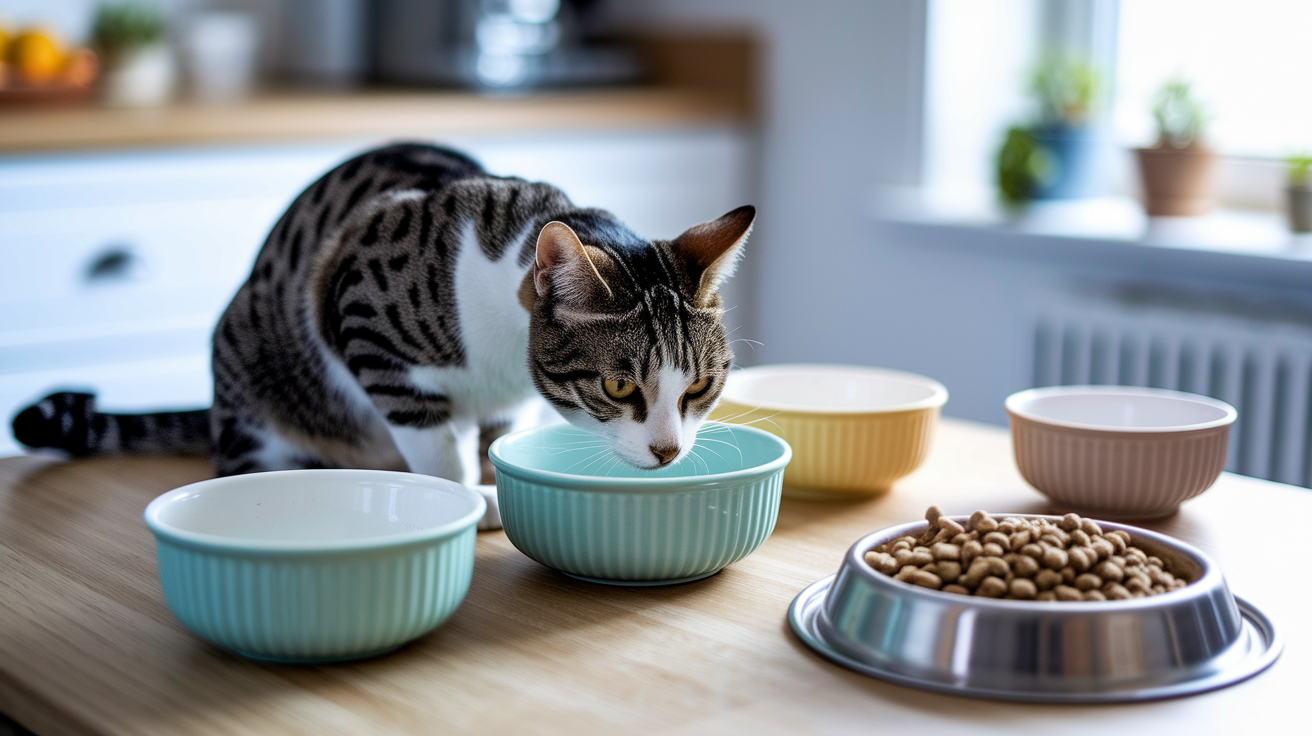
If your cat shows only mild signs, slightly tacky gums, minimal skin tenting, normal energy, and your vet advises home care, your goal is to boost fluid intake gently over the next 12 to 24 hours. Offer fresh, cool water in a clean bowl and place multiple bowls around the house so your cat doesn’t have to walk far. Some cats prefer wide, shallow dishes that don’t touch their whiskers. Others like deep bowls or running water from a tap.
Switch to wet food if your cat normally eats dry kibble. Canned food contains 70 to 80 percent water, compared to dry food’s 5 to 10 percent. Even one or two meals of wet food can significantly increase daily fluid intake. If your cat is picky, try warming the food slightly to release aroma, or mix in a teaspoon of low‑sodium chicken broth. Always check with your vet before adding broth, especially if your cat has kidney disease or heart issues that require sodium restriction.
In some cases, your vet may guide you through syringe feeding small amounts of water. Use a needleless syringe to deliver one to two milliliters at a time into the side of your cat’s mouth, allowing time to swallow between squirts. Never force large volumes quickly. Aspiration into the lungs is a serious risk. Syringe feeding works best as a temporary bridge while you’re arranging veterinary care or if your cat won’t drink voluntarily but can swallow safely.
Safe at‑home actions for mild dehydration include:
- Provide fresh water in multiple clean bowls throughout the home
- Offer wet canned food or add water to dry food to increase moisture
- Use low‑sodium chicken broth sparingly to entice drinking, with vet approval
- Try syringe feeding one to two mL at a time only if your vet instructs you and your cat can swallow safely
Monitor your cat closely. If gum tackiness worsens, skin tenting becomes obvious, or your cat stops eating and drinking entirely within 12 hours, contact your vet immediately. Home care works only for the mildest cases and should never replace professional evaluation when signs progress.
Daily Hydration Habits to Prevent Dehydration in Cats
Cats evolved in desert environments and have a naturally low thirst drive, so they often don’t drink enough water on their own. A typical cat needs about 50 milliliters of water per kilogram of body weight each day. For a 10‑pound cat, that’s roughly 225 milliliters, or just under one cup. Cats eating wet food get most of that from their meals. Cats on dry kibble must drink the full amount, and many fall short without prompting.
Feed wet food as the primary diet or mix it with dry to boost moisture intake. Wet food delivers 70 to 80 percent water in every bite, turning mealtime into a hydration session. If your cat refuses wet food, try different proteins, textures, or brands. Some cats prefer pate. Others like chunks in gravy. Gradually transition by mixing small amounts of wet food into the dry over a week. If diet change isn’t possible, add a tablespoon of water or low‑sodium broth to dry kibble and let it soak for a few minutes before serving.
Water presentation matters. Cats have preferences, and finding the right setup can double intake overnight. Clean the water bowl daily with soap and water to remove biofilm and odors. Cats have a strong sense of smell and may avoid stale or dirty water. Place bowls away from the litter box and food dish. Cats instinctively avoid drinking near waste or food sources. Offer water in different materials: ceramic, stainless steel, glass. Some cats dislike plastic because it holds odors.
Many cats prefer moving water. A pet water fountain with a gentle flow or bubbling feature can entice reluctant drinkers. Keep the fountain clean by washing the reservoir and pump weekly and replacing filters as directed. Stagnant fountain water or clogged pumps turn cats off quickly. If a fountain isn’t an option, try leaving a tap dripping slowly in a sink or tub during the day. Supervise to prevent accidents and water waste.
Daily prevention habits that support hydration:
- Feed wet food as the main diet or mix it with dry to increase moisture intake
- Clean water bowls daily and experiment with bowl size, shape, and material
- Use a pet water fountain if your cat prefers moving water, and maintain it regularly
- Place multiple water stations in different rooms, away from litter and food
- Monitor water bowl levels each day to estimate intake and catch early decreases
Track your cat’s weight every few weeks and note litter box habits. Fewer trips to the box, smaller clumps, or darker urine suggest reduced fluid intake. Catch those changes early and adjust your hydration strategy before dehydration develops. Routine veterinary check‑ups, especially for senior cats or those with kidney disease or diabetes, help detect metabolic causes before they cause a crisis.
Final Words
Check your cat now with the skin tent test and a quick gum check. Those two simple steps spot trouble fast.
Also note eyes, saliva, and pulse. The guide showed when dehydration is an emergency, what vets do, safe home steps for mild cases, and prevention tips to keep water intake up.
If you’ve been asking how to tell if my cat is dehydrated, use these checks, track any change, and call your vet if needed. You’ll feel more confident and your cat will be safer.
FAQ
Q: How do you rehydrate a cat?
A: Rehydrating a cat means offering fresh water, wet food, and small, frequent sips; if it won’t drink, use a vet‑approved syringe or get subcutaneous/IV fluids from your veterinarian.
Q: How do you check a cat for dehydration?
A: Checking a cat for dehydration starts with a skin tent test and gum check; also look for sunken eyes, thick saliva, or fast heart rate—skin returning >1–2 seconds or tacky gums is concerning.
Q: What is the silent killer of cats?
A: The silent killer of cats is chronic kidney disease, which often causes subtle signs like reduced appetite or increased drinking; ask your vet for blood and urine tests if you notice changes.
Q: How long can a cat survive dehydration?
A: How long a cat can survive dehydration varies; mild cases respond to home care, but severe dehydration can cause shock and fatal decline within 24–48 hours without veterinary fluids.
