
Vets are split: witch hazel for dogs, helpful home remedy or risky DIY fix?
Used the right way, alcohol-free witch hazel can calm mild, surface skin irritation like flea bites, hot spots, and small rashes.
It tightens skin slightly, dries weeping spots, and cools itchy patches.
But products with isopropyl alcohol or fragrances can be harmful if your dog licks them.
This post shows safe product choices, simple application steps, gentle mixes to try, and clear signs that mean you should call your vet.
Understanding When Witch Hazel Helps With Dog Skin Irritation

Witch hazel comes from the leaves and bark of Hamamelis virginiana, a shrub that grows in North America. The active ingredients are tannins, which tighten skin tissue and calm inflammation when you apply them directly to irritated spots. Once it’s on the skin, witch hazel creates a mild constriction in blood vessels and pores. This can reduce redness and help dry out moist, weeping lesions.
Some holistic and integrative vets use it for dogs with surface irritation. But a lot of conventional veterinarians want to see stronger clinical studies before they recommend it regularly. You should always check with your vet before starting any at-home treatment.
Witch hazel works best for mild, surface-level skin problems where gentle astringent action can bring relief. It may soothe the itch from flea and insect bites, reduce swelling from minor stings, and help manage the moisture that makes hot spots worse. The tannins also create a slightly acidic environment that can discourage bacterial overgrowth on minor scrapes and irritated patches. Because it evaporates quickly and leaves skin feeling cool and dry, many owners find it useful for dogs who lick or scratch at damp, uncomfortable spots.
The biggest safety consideration is product type. Alcohol-free witch hazel, formulated with vegetable glycerin instead of isopropyl or ethyl alcohol, is much safer if your dog licks the treated area. Products labeled for animal use are typically gentler and free from additives that can irritate pet skin. If you must use a human product, choose one that lists alcohol-free or grain-alcohol-based rather than isopropyl alcohol, which is toxic when ingested. Always select witch hazel without added fragrances, essential oils, or harsh preservatives unless your vet has specifically approved them.
Common conditions where witch hazel may help:
- Itching from flea bites or insect stings
- Minor hot spots and moist dermatitis
- Superficial rashes and skin irritation
- Localized swelling from bites or allergens
- Minor scrapes and surface wounds that need gentle cleaning
Safety Guidelines for Using Witch Hazel on Dogs

Alcohol-free witch hazel is the safest choice for dogs because it reduces the risk of toxicity if your pet licks the treated area. Standard witch hazel sold in drugstores often contains 14 to 15 percent isopropyl alcohol, which can cause drooling, vomiting, and stomach upset if swallowed. Look for products that use vegetable glycerin as the preservative, or choose formulas specifically labeled for pets.
High-dose internal exposure to witch hazel, especially alcohol-based versions, has been linked to kidney and liver damage in some reports. Topical use is generally considered safe, but accidental ingestion is a real concern with dogs who groom themselves or lick irritated skin. Watch for hypersalivation, pawing at the mouth or nose, vomiting, diarrhea, oral pain, and redness or burns around the lips or tongue. If you see these signs, contact your vet right away.
Don’t use witch hazel on dogs with chronically dry or flaky skin. Because it’s an astringent, witch hazel tightens and slightly dehydrates tissue, which can worsen existing dryness and lead to more itching and cracking. Avoid applying it to deep wounds, open sores, or areas with heavy bleeding, as the tannins can irritate exposed tissue. If your dog has a known allergy to witch hazel or any plant in the Hamamelidaceae family, skip this remedy entirely. Always test a small patch of skin first, and stop using it if redness, swelling, or itching increases after application.
How to Apply Witch Hazel to Soothe Dog Skin Irritation
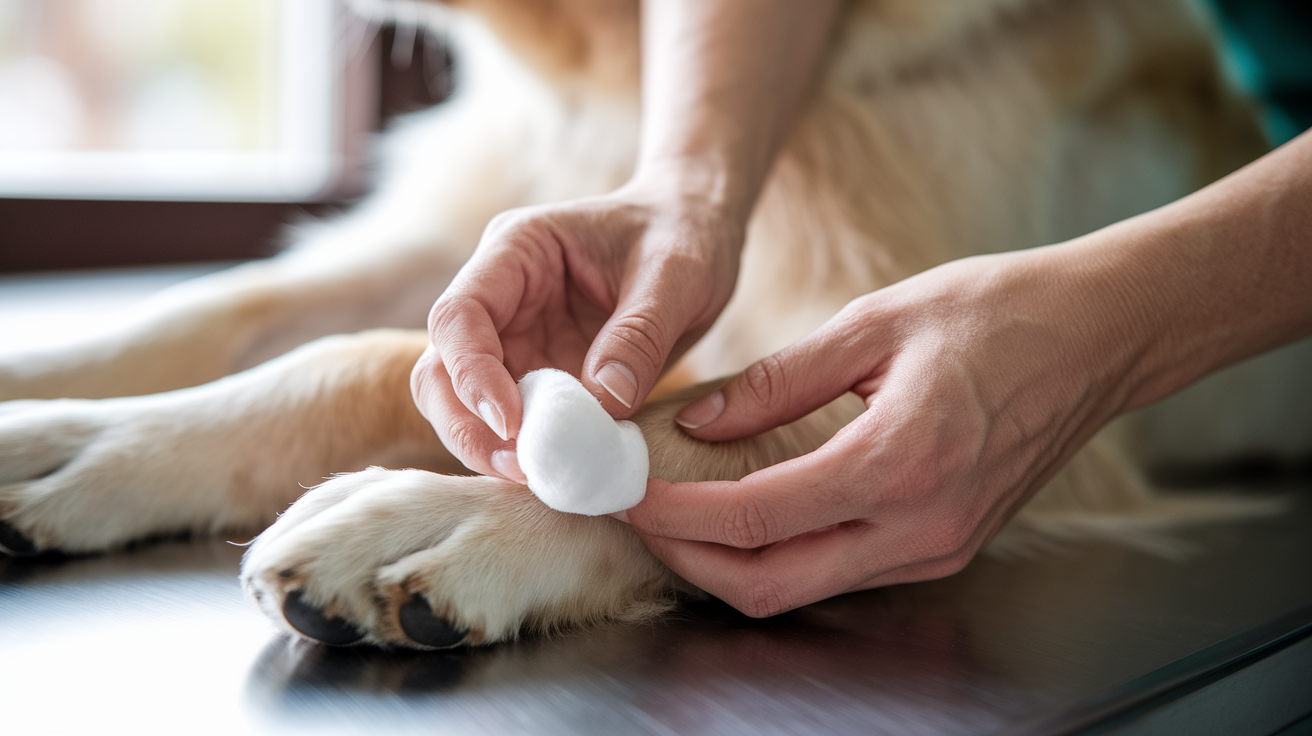
Applying witch hazel is straightforward, but a few precautions will keep the process safe and effective. Use a clean cotton ball or gauze square soaked with a small amount of witch hazel, then gently dab or wipe the irritated area. The goal is to apply a thin layer without saturating your dog’s coat or skin. Most vets and holistic practitioners suggest using witch hazel once or twice daily, depending on the severity of the irritation and how your dog responds.
Follow these steps for safe application:
- Clean the affected area with lukewarm water and a mild, pet-safe cleanser to remove dirt, dried discharge, or crusted debris.
- Test a small patch of healthy skin near the irritated spot by applying a dab of witch hazel and waiting 10 to 15 minutes for any reaction.
- Soak a cotton ball or gauze square with alcohol-free witch hazel, then gently press and dab the irritated skin without rubbing hard.
- Prevent your dog from licking the area for at least 5 to 10 minutes while the witch hazel dries, using a cone collar or distraction if needed.
- Allow the treated skin to air-dry completely before letting your dog lie down on bedding or go outside.
- Monitor the area over the next 24 hours for increased redness, swelling, or signs of discomfort, and stop use if symptoms worsen.
For paw pads and between toes, where dogs often lick, use minimal witch hazel and apply it quickly with a cotton ball, then distract your dog with a treat or short walk while it dries. For larger patches on the body or legs, a diluted spray can cover more surface area evenly, but always keep the bottle at least six inches away from your dog’s skin and avoid the face and eyes.
Dilution Ratios and Dog-Safe Witch Hazel Mixtures
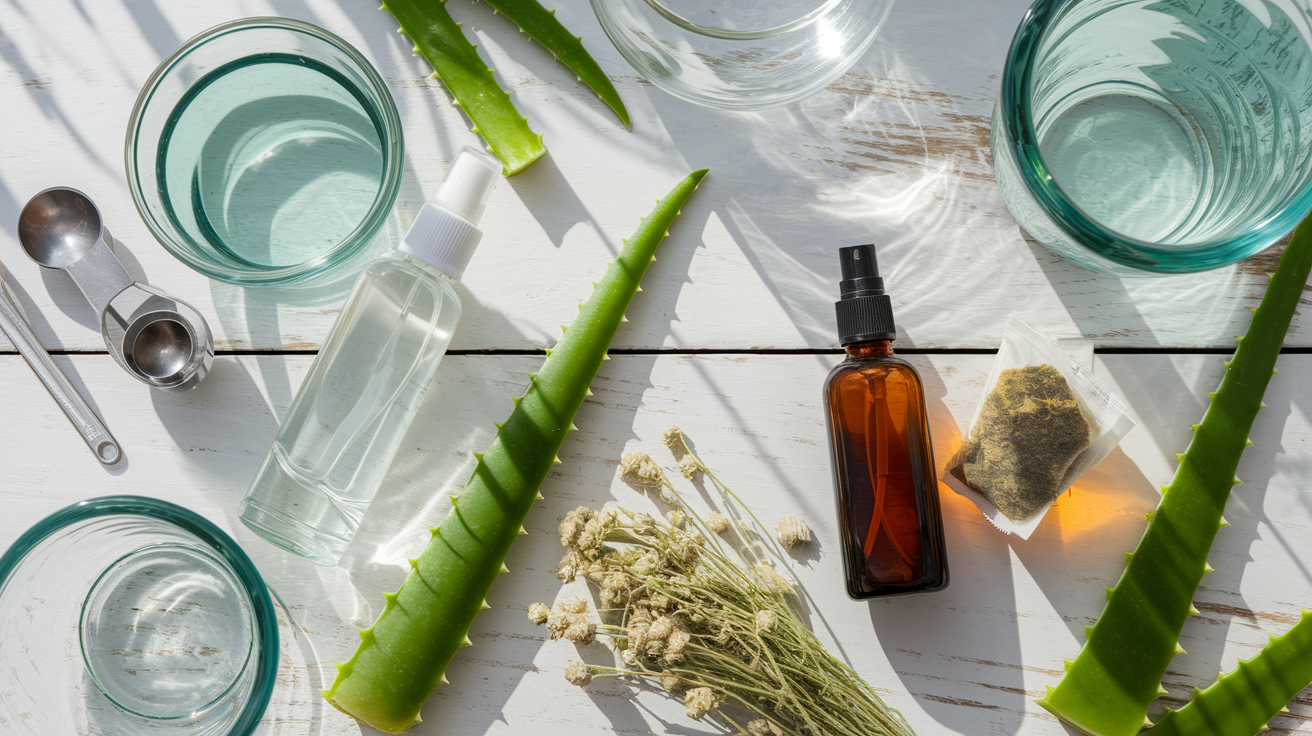
Witch hazel doesn’t strictly require dilution for most dogs, but mixing it with a soothing agent can make it gentler on sensitive or already inflamed skin. Dilution also stretches the product and reduces the drying effect that can sometimes make itching worse. If your dog has thin or irritated skin, or if you’re treating a large area, dilution is a smart precaution.
A common and vet-recommended mixture combines witch hazel with aloe vera juice at a one-to-one ratio, which balances the astringent action of witch hazel with the cooling, moisturizing properties of aloe. Mix only small batches that you’ll use within a few days, and store the mixture in a clean, airtight spray bottle in the refrigerator to keep it fresh.
| Mixture | Ratio | Best For | Notes |
|---|---|---|---|
| Witch hazel + aloe vera juice | 1:1 | Itchy skin, minor rashes | Balances drying with moisture; keeps skin calm |
| Witch hazel + distilled water | 1:1 or 1:2 | Sensitive or thin skin | Reduces astringent strength; safe for frequent use |
| Witch hazel + chamomile tea (cooled) | 1:1 | Hot spots, inflamed patches | Adds anti-inflammatory benefit; discard after 48 hours |
| Witch hazel + saline solution | 1:1 | Minor wounds, cleaning crusty areas | Gentle cleansing action; safe around eyes and ears (external only) |
Don’t add essential oils, tea tree oil, or fragrance to homemade witch hazel mixtures unless your vet has specifically approved the ingredient and concentration. Many essential oils are toxic to dogs, even in small amounts, and can cause skin burns, drooling, or respiratory distress if inhaled or ingested.
Witch Hazel for Specific Dog Skin Issues
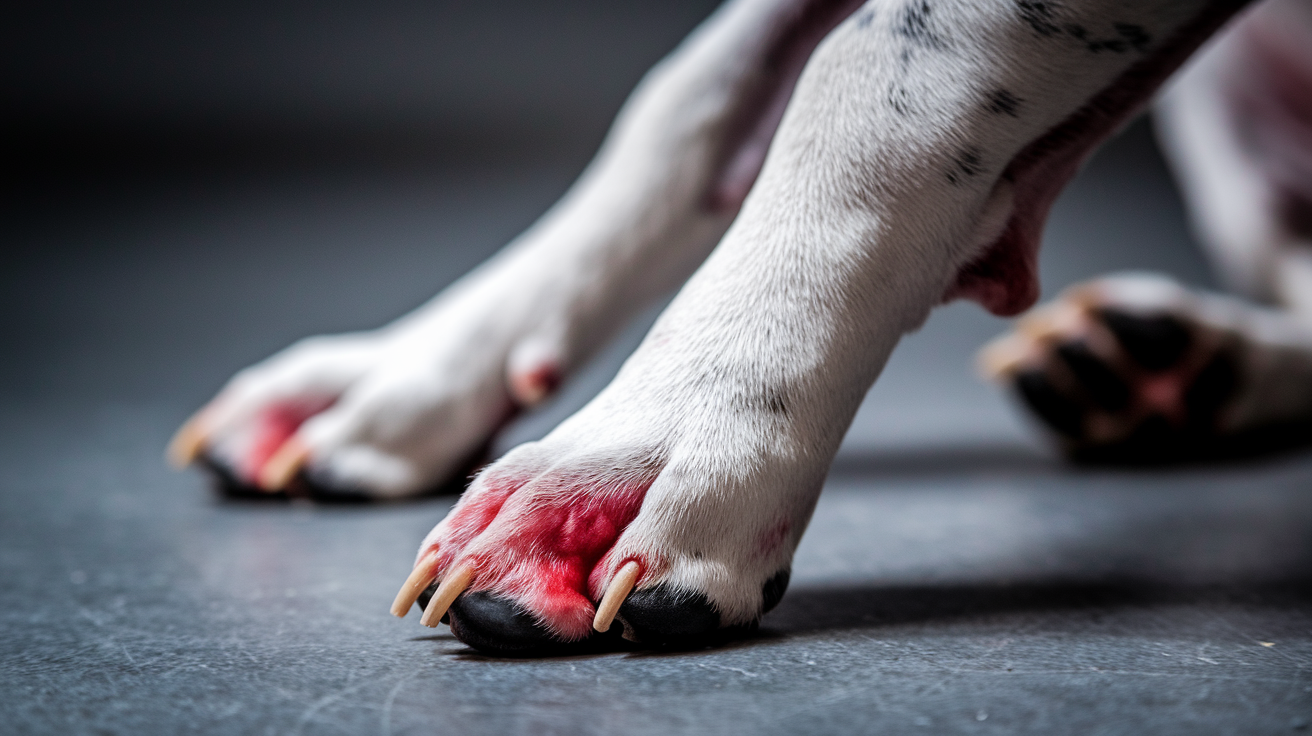
Witch hazel’s astringent and anti-inflammatory properties make it especially helpful for conditions where excess moisture, mild swelling, or surface-level irritation is the main problem. The tannins tighten tissue and reduce the fluid leakage that keeps hot spots weeping, while the cooling evaporation can interrupt the itch-scratch cycle that makes many skin problems worse. Each type of irritation responds a little differently, so it helps to know what to expect and when to adjust your approach.
Hot Spots
Hot spots, also called moist dermatitis, are inflamed patches that ooze fluid and become more irritated with licking and scratching. Witch hazel can help dry the surface and reduce the sticky, weeping discharge that bacteria love. Apply it gently with a cotton ball once or twice daily after trimming any matted fur around the spot. If the hot spot spreads, smells foul, or doesn’t start to dry out within 48 hours, your dog likely needs veterinary care for infection control and possibly oral antibiotics.
Itchy Paws
Paw pads and the webbing between toes often become red and itchy from allergens, lawn chemicals, or irritants picked up during walks. A quick wipe with diluted witch hazel after outdoor time can rinse away irritants and soothe the itch. Because dogs lick their paws constantly, use only alcohol-free witch hazel and distract your dog for a few minutes while it dries. Persistent paw licking or swelling usually signals allergies or a deeper issue that needs a vet’s diagnosis.
Minor Rashes
Surface rashes from contact irritants, mild food reactions, or environmental allergens may improve with witch hazel’s gentle astringent action. Dab the rash lightly once daily and monitor for reduced redness over two to three days. If the rash spreads, develops blisters, or your dog shows signs of discomfort like whining or restlessness, stop using witch hazel and schedule a vet visit to rule out infection or a more serious allergic reaction.
Insect or Mite Bites
Witch hazel can reduce the local swelling and itch from flea bites, mosquito bites, and bee stings by constricting blood vessels at the bite site. Apply a small amount with a cotton ball as soon as you notice the bite. Watch for increased swelling, hives, or difficulty breathing, which are signs of an allergic reaction requiring emergency care. For suspected mite infestations like sarcoptic mange, witch hazel isn’t a treatment and your dog needs veterinary diagnosis and prescription medication.
Scabs or Minor Scrapes
Light scrapes and scabs can be gently cleaned with diluted witch hazel to remove dried blood and reduce the chance of bacterial growth. Don’t scrub or try to pull off scabs, as this can reopen the wound and cause bleeding. If a scrape is deep, bleeding heavily, or shows pus or a bad smell, skip the witch hazel and go straight to your vet for proper wound care.
When Witch Hazel Is NOT Appropriate for Dog Skin Irritation

Witch hazel can make certain skin conditions worse instead of better. Its astringent action tightens and dehydrates tissue, which is helpful for moist, weeping problems but harmful for dry, flaky, or chronically itchy skin. Dogs with seborrhea, dandruff, or skin that already looks cracked and rough will feel more uncomfortable after witch hazel application. In these cases, moisturizing treatments like oatmeal baths or vet-prescribed emollients are better choices.
Adverse reactions are uncommon but can happen, especially with alcohol-based products or in dogs with sensitive skin. Signs that witch hazel is irritating your dog include increased redness at the application site, new or worsening itching, swelling that appears within minutes to hours, or visible hives and welts. If your dog becomes more restless, starts licking or scratching more intensely, or shows any sign of pain when you touch the treated area, stop using witch hazel immediately and rinse the skin gently with lukewarm water.
Warning signs to stop use:
- Redness or rash that spreads beyond the original irritated area
- Swelling, hives, or raised welts appearing after application
- Increased scratching, licking, or biting at the treated spot
- Any sign of pain, whining, or avoidance when you touch the area
Natural Alternatives to Witch Hazel for Dog Skin Irritation

If your dog can’t tolerate witch hazel, or if you prefer a different natural approach, several plant-based options offer gentle relief for mild skin irritation. These alternatives work through slightly different mechanisms, so you can match the remedy to your dog’s specific symptoms and skin type.
Safe and commonly used natural remedies:
- Aloe vera gel (pure, without added alcohol or fragrance) cools and moisturizes irritated skin, making it ideal for dry, inflamed patches and minor burns. It’s gentle enough for frequent use and rarely causes reactions.
- Chamomile tea, cooled and applied as a compress or rinse, has mild anti-inflammatory and soothing properties that calm itching and redness. Brew a strong tea, let it cool completely, and dab it on with a cotton ball or spray lightly over irritated areas.
- Calendula (marigold) extract or ointment supports skin healing and has gentle antimicrobial action, useful for minor scrapes, rashes, and hot spots. Look for pet-safe formulations without added essential oils.
- Colloidal oatmeal baths or rinses coat and protect inflamed skin, reducing itch and dryness. These are especially helpful for dogs with widespread irritation or allergic skin reactions.
- Coconut oil, applied in very thin layers, can moisturize and create a light barrier on dry or cracked skin, though it may be too greasy for hot spots or moist dermatitis.
Witch hazel and aloe vera are often compared because both are widely available and easy to use at home. Witch hazel is better for drying out moist, weeping problems like hot spots, while aloe vera is better for soothing dry, tight, or sunburned skin. Some owners and vets combine the two in a one-to-one mixture to get both astringent and moisturizing benefits. If you’re unsure which option fits your dog’s symptoms, ask your vet to examine the irritation and recommend the safest starting treatment.
How to Know When Dog Skin Irritation Needs a Veterinarian

Mild surface irritation often improves within two to three days of gentle home care, but some skin problems signal deeper issues that witch hazel and other natural remedies can’t fix. If your dog’s irritation is spreading, getting worse despite treatment, or accompanied by other symptoms like fever, lethargy, loss of appetite, or foul-smelling discharge, stop home treatment and schedule a veterinary exam. Many skin conditions, including bacterial or fungal infections, mange, autoimmune diseases, and severe allergies, require prescription medication and diagnostic testing to resolve.
Persistent hot spots that don’t dry out or begin healing within 48 hours often have an underlying infection or are being kept moist by constant licking driven by pain or anxiety. Wounds that show pus, increased swelling, heat, or red streaks radiating outward need immediate attention to prevent systemic infection. If your dog has been scratching intensely for more than a few days, check for fleas, ticks, or other parasites, and bring your dog in for a skin scraping or allergy workup if the itching continues.
Scenarios requiring urgent veterinary care:
- Difficulty breathing, facial swelling, or collapse after topical application, which may indicate an allergic reaction or accidental ingestion of a toxic product.
- Deep wounds, heavy bleeding, or puncture injuries that need cleaning, suturing, or antibiotic coverage.
- Systemic signs like vomiting, diarrhea, drooling, stumbling, or seizures following suspected ingestion of witch hazel or any topical product.
Final Words
When your dog starts scratching, licking, or a red, moist spot appears, witch hazel can sometimes calm inflammation and dry up minor irritations fast. We covered what witch hazel is, where it helps (itching, hot spots, bites), how to apply it, safe dilutions, and when to avoid it.
Use an alcohol-free product, test a small patch, and keep your dog from licking the area. If symptoms worsen, spread, or your dog seems unwell, see your vet.
Used carefully, witch hazel for dog skin irritation can be a simple, helpful tool that often brings relief.
FAQ
Q: Can I use witch hazel on my dog’s irritated skin?
A: You can use witch hazel on your dog’s irritated skin for minor itching, hot spots, or insect bites, but choose alcohol-free, test a small patch, avoid deep wounds, and stop if irritation worsens.
Q: What can I put on a dog’s irritated skin?
A: You can put alcohol-free witch hazel, pure aloe vera, cooled chamomile compresses, or vet-approved topical sprays; avoid alcohol formulas and essential oils and ask your vet for persistent or spreading problems.
Q: Is it okay if my dog licks witch hazel?
A: It’s not okay if your dog licks witch hazel, especially alcohol-based types—ingestion can cause drooling, vomiting, or diarrhea; prevent licking until dry and call your vet if signs develop.
