
Is your dog constantly scratching and suddenly covered in red spots?
It can be anything from a flea bite or dry skin to a severe allergic reaction that needs urgent care.
This post walks you through the most likely causes, simple home steps to try tonight, and clear signs that mean you should call the vet now.
You’ll also get what to photograph, what to track, and the right questions to bring to the clinic so your pup gets the fastest, safest help.
Immediate Help for Itchy Skin and Red Spots on Dogs

When raised red welts, oozing patches, or clusters of bumps show up suddenly on your dog’s belly, paws, or face, you need to know whether this is an emergency. If your dog’s face starts to swell (especially around the eyes, muzzle, or throat) or breathing becomes difficult, get to the nearest emergency vet clinic right now. These signs can point to a severe allergic reaction that threatens the airway in minutes. Same urgency if your dog suddenly collapses, vomits and has diarrhea along with skin changes, or develops widespread pustules that break open and smell terrible. On the flip side, many mild red spots and itchiness cases stabilize within 12 to 48 hours once you remove the trigger. But that’s only true if there aren’t any danger signals and you’re watching closely.
Start by getting rid of anything new your dog recently touched. Rinse off shampoo residue with plain lukewarm water, take off a new collar, or move your dog away from a freshly treated lawn. A clean, cool damp cloth pressed against itchy areas for a few minutes can ease discomfort. Don’t give human medications like ibuprofen or acetaminophen, even if the label says “pain reliever.” Many are toxic to dogs. Check your dog every 10 to 30 minutes. If redness spreads, if your dog starts pawing at the face or drooling heavily, or if new swollen lumps pop up, call your vet or emergency clinic immediately.
Go to the vet or emergency clinic now if you notice:
• Swelling of the face, lips, eyelids, or throat
• Difficulty breathing, wheezing, or blue gums
• Sudden collapse or extreme weakness
• Foul discharge with open wounds or pustules
• Rapid spread of welts or redness across large areas within an hour
Overview of Major Causes of Itchy Skin and Red Spots
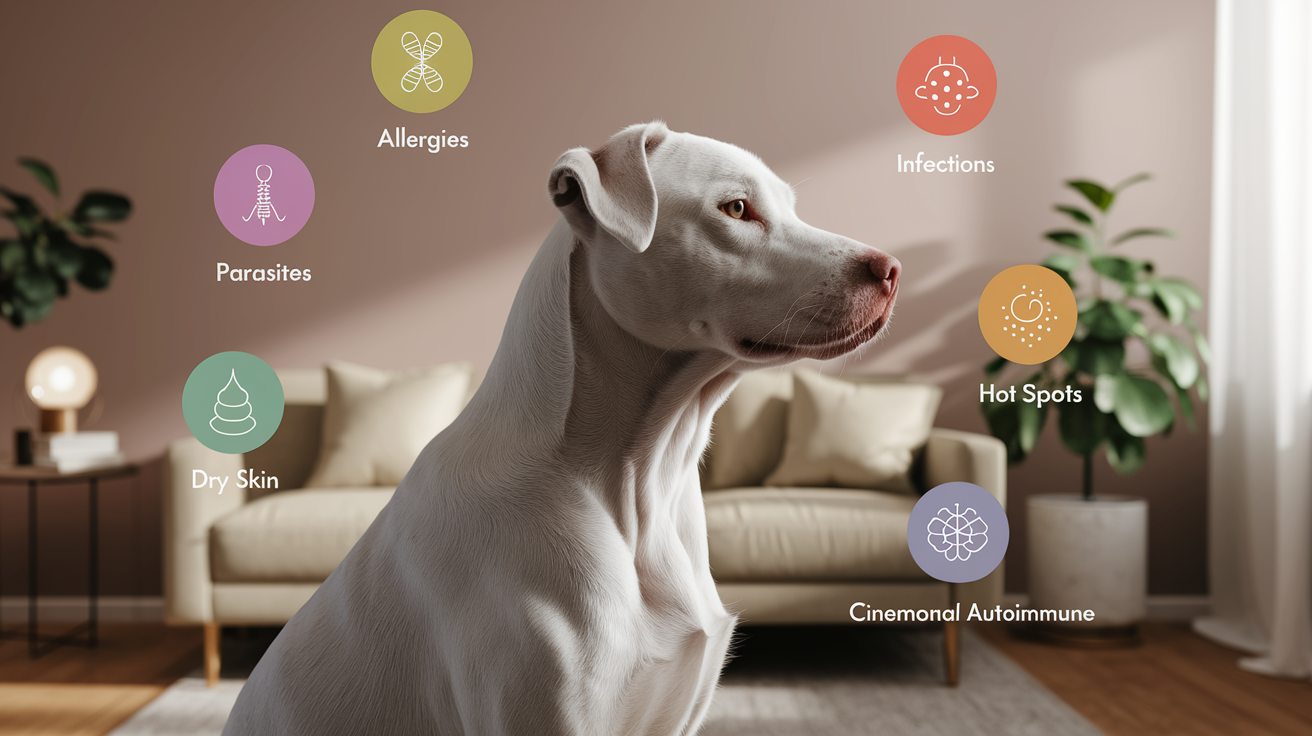
Itchiness and red spots stem from a lot of different triggers, and figuring out the right one makes all the difference in treatment. The usual suspects are allergic reactions to pollen, food, or grooming products, flea bites and flea allergy dermatitis, dry skin from low humidity or too many baths, bacterial and yeast infections that take hold when skin’s already irritated, mites and mange that burrow into hair follicles, contact dermatitis from bedding or cleaning chemicals, hot spots from repetitive licking, stress licking or chewing, and hormonal or autoimmune diseases that weaken skin health. Less often, insect stings, sunburn, poor nutrition, or toxic plant exposure also trigger red, itchy patches.
The major cause categories are:
• Allergies (environmental allergens like pollen and dust mites, food ingredients, or grooming products that spark immune responses)
• Parasites (fleas, ticks, mites including sarcoptic and demodectic mange, and lice)
• Infections (bacterial overgrowth, yeast overgrowth in warm moist areas, and fungal infections like ringworm)
• Dry skin (cold weather, low humidity, too many baths, or not enough omega-3)
• Hot spots (moist, inflamed wounds from intense licking or scratching in one spot)
• Hormonal and autoimmune diseases (endocrine imbalances or immune system attacks on skin tissue)
• Contact and stress triggers (irritants that touch the skin directly or behavioral licking from anxiety)
Allergic reactions often follow a seasonal pattern or show up shortly after introducing a new product or food. Parasite problems usually start in warm months but can stick around year-round in climates without hard freezes. Infections typically develop after the skin barrier is already damaged by scratching or moisture. Dry skin produces flakiness alongside redness, while hot spots form localized moist lesions instead of widespread bumps. Hormonal causes tend to produce thinning fur and slow healing sores rather than acute itchiness. Understanding these differences helps you describe what you’re seeing to your vet and guides the diagnostic plan.
Spotting the Difference: What Dog Skin Redness, Spots, and Rashes Look Like
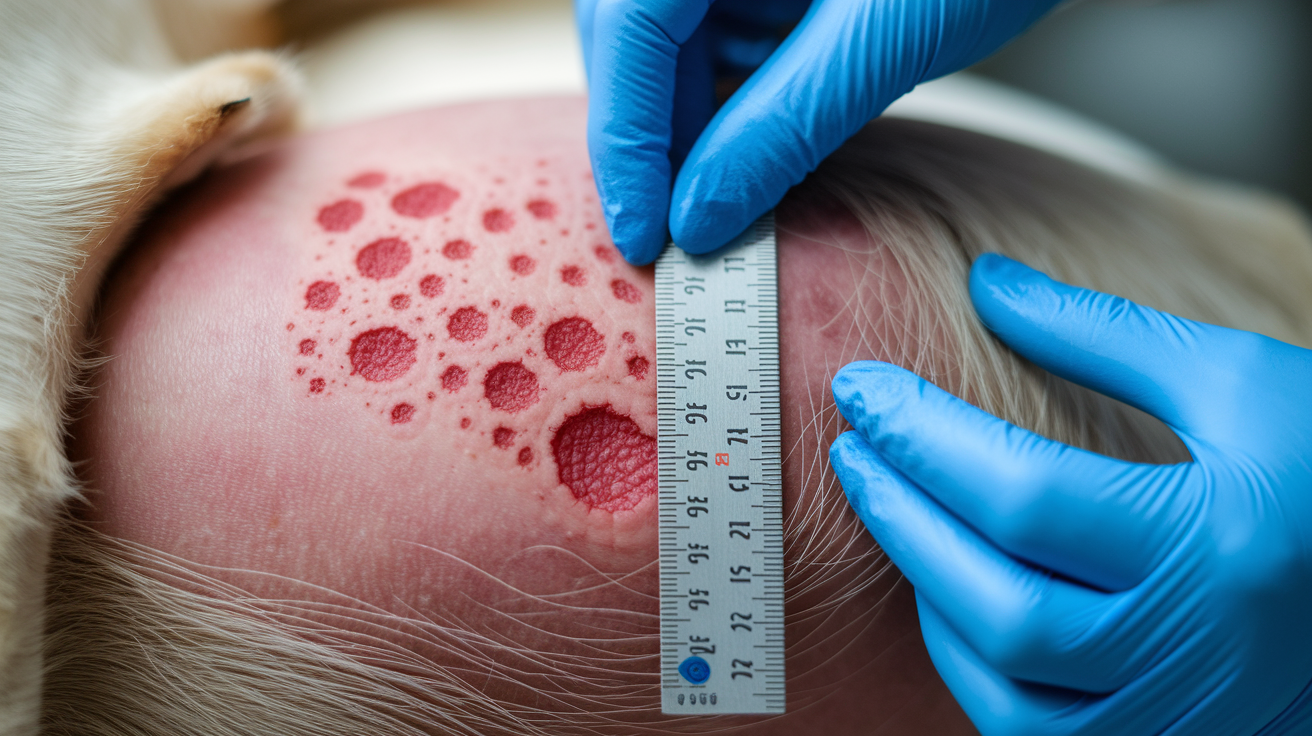
Red spots on a dog can appear as small raised bumps (papules), fluid filled blisters (pustules), crusty scabs, flat red patches, or moist oozing wounds. Hives (urticaria) present as individual welts measuring roughly 5 millimeters (about the size of a pencil eraser) up to several centimeters across. Many welts can merge into one large puffy patch. Flea bites often cluster near the base of the tail, lower back, and belly, leaving tiny red dots surrounded by irritated skin. Yeast infections create greasy red patches with a distinct musty or sweet bad smell, especially between toes and in skin folds. Bacterial infections produce scabs, crusts, and sometimes ring shaped lesions with hair loss in the center. Chronic scratching or licking leads to thickened, darkened skin over time, and fur may not grow back in those areas.
To help your vet diagnose the problem accurately, photograph the affected areas before they change. Follow these steps:
- Use natural daylight or bright indoor light so the true color shows.
- Take one wide shot showing where the lesions are on the body (belly, flank, paws, ears).
- Take a close up shot with a coin or ruler next to a lesion to show size.
- If your dog is scratching or licking a particular spot repeatedly, take a short video to capture the behavior.
These images give your vet a baseline and show whether the rash is spreading, shrinking, or changing between the time you call and the time you arrive at the clinic.
Allergic Skin Reactions and Red Spots on Dogs
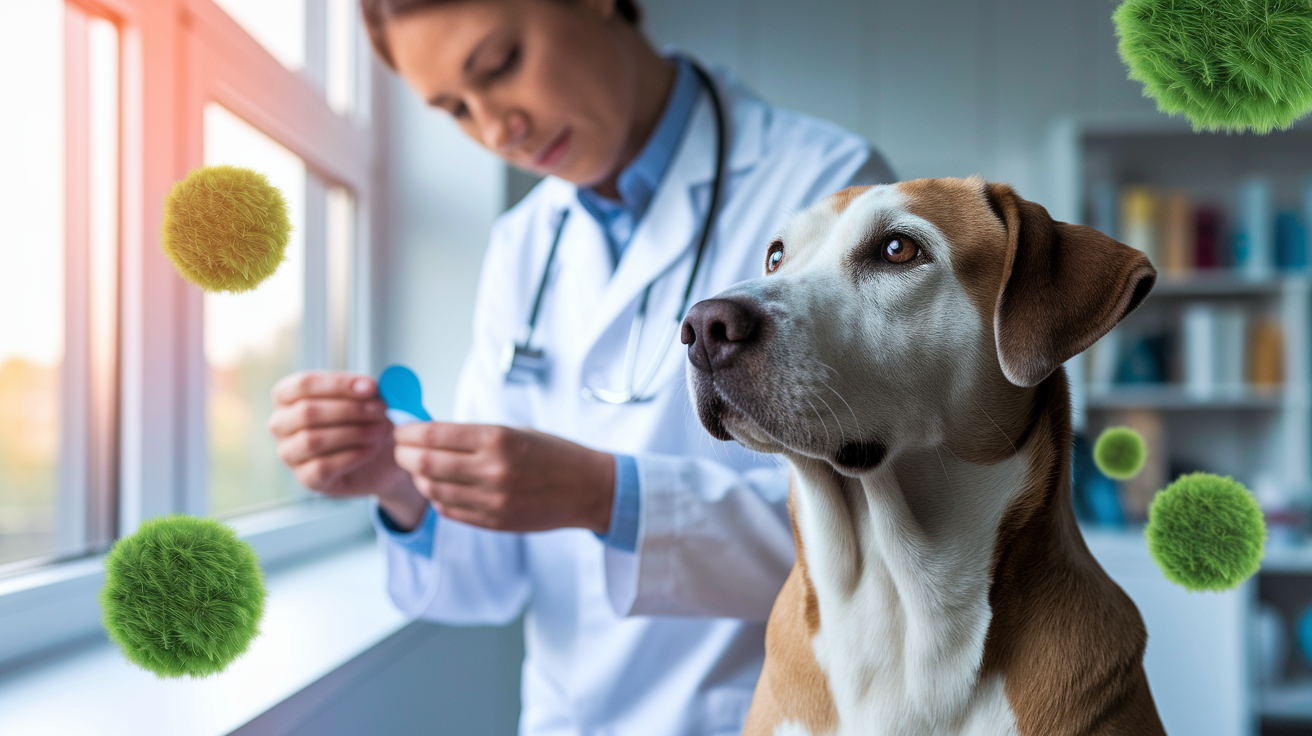
Allergic dermatitis in dogs happens when the immune system overreacts to something in the environment, in food, or on the skin. Environmental allergens like tree pollen, grass pollen, mold spores, and dust mites trigger seasonal or year round itching, most often on the face, paws, belly, and ears. Dogs lick their paws, rub their faces on furniture, scratch their ears, and develop red, irritated skin wherever the allergen makes contact. Food allergies usually cause itching around the face, ears, paws, and rear end, and they don’t follow a seasonal pattern. Grooming product allergies appear shortly after a bath or topical treatment and affect the areas where the product was applied.
Diagnosis starts with a detailed history. Your vet will ask when the itching began, whether it comes and goes with the seasons, what foods and treats your dog eats, and what shampoos or topical products you use. If a food allergy is suspected, your vet will design a strict elimination diet trial lasting 8 to 12 weeks, during which your dog eats only a novel protein and carbohydrate source (or a prescription hydrolyzed diet) with no treats, table scraps, or flavored medications. Environmental allergies can be confirmed with blood tests or intradermal skin testing performed under sedation. Once triggers are identified, treatment may include anti itch medications, topical sprays, medicated shampoos, or allergen specific immunotherapy (allergy shots or oral drops) to reduce sensitivity over time.
Atopic Dermatitis and Its Evaluation
Atopic dermatitis is the most common form of environmental allergy in dogs. It usually starts between six months and three years of age and often gets worse over time. Dogs with atopy scratch year round or during specific pollen seasons, and they’re prone to secondary bacterial and yeast infections because the skin barrier is weakened. Your vet will rule out parasites and infections first, then consider allergy testing if symptoms persist despite treatment. Managing atopy is a long term commitment that combines medications, bathing routines, dietary omega-3 supplements, and sometimes immunotherapy to keep flare ups under control.
Common allergens that trigger skin reactions in dogs:
• Tree, grass, and weed pollens (seasonal peaks vary by region)
• Dust mites and storage mites in bedding and carpets
• Mold spores in damp indoor and outdoor areas
• Specific proteins in beef, chicken, dairy, wheat, soy, or eggs (food allergies)
• Fragrances, dyes, or preservatives in shampoos, conditioners, and household cleaners
Parasites That Cause Itching and Red Spots in Dogs

Flea allergy dermatitis is one of the most common causes of intense itching and red spots in dogs. A single flea bite injects saliva that triggers an allergic reaction, and the dog scratches, bites, and licks the lower back, base of the tail, belly, and inner thighs until the skin becomes raw. You may see tiny black specks (flea dirt) in the fur, or you may see live fleas hopping. Ticks attach to the skin and cause localized red swelling where they feed. Sarcoptic mange mites burrow into the skin, causing extreme itchiness, crusting, and hair loss, often starting on the ear edges, elbows, and belly. Demodectic mange mites live in hair follicles and multiply when the immune system is weakened, leading to patchy hair loss and red, scaly skin. Lice are less common but cause itching and visible white nits attached to hair shafts.
Diagnosis involves a thorough physical exam, skin scrapings viewed under a microscope to detect mites, and sometimes flea comb checks for flea dirt. Treatment depends on the parasite. Fleas require vet recommended oral or topical preventatives applied monthly or every three months, plus washing all bedding, vacuuming carpets, and treating the yard if needed. Sarcoptic and demodectic mange are treated with prescription medications like moxidectin, afoxolaner, or lime sulfur dips. Lice are treated with topical antiparasitic products.
Indicators that parasites are involved:
• Intense scratching focused on the lower back, tail base, belly, or ears
• Black specks (flea dirt) that turn red when moistened on a damp paper towel
• Visible nits, mites, or live fleas on the skin or fur
• Crusty ear edges, elbows, or hocks with patchy hair loss (sarcoptic mange pattern)
Infections Behind Dog Itchy Skin and Red Spots

Bacterial and fungal infections often develop after the skin barrier is damaged by scratching, moisture, or allergies. These secondary infections make itching worse and delay healing. The most common types are yeast (fungal) infections and bacterial infections. Less commonly, ringworm (a true fungal pathogen) causes circular red patches.
Yeast Infections
Yeast infections happen in warm, moist areas like the ears, paw pads, skin folds, armpits, and groin. The skin becomes greasy, red, and inflamed, and it smells musty, sweet, or like corn chips. Dogs lick their paws obsessively, shake their heads, or rub their faces. Your vet will take a swab or tape impression and examine it under a microscope to confirm yeast overgrowth. Treatment includes medicated antifungal shampoos, topical sprays or creams, oral antifungal medications for severe cases, and addressing the underlying cause (allergies, moisture, hormonal disease) to prevent it from coming back.
Bacterial Infections
Bacterial skin infections (pyoderma) present as red bumps, pustules filled with white or yellow pus, crusts, and scabs. The skin may feel warm and painful to the touch, and some areas ooze or bleed when scratched. Common bacteria include Staphylococcus species that normally live on the skin but overgrow when the skin is damaged. Diagnosis is confirmed with cytology (microscopic exam of a swab or impression smear) or bacterial culture if the infection doesn’t respond to initial treatment. Treatment includes oral antibiotics for 3 to 6 weeks, medicated shampoos containing chlorhexidine or benzoyl peroxide, and addressing the root cause to prevent relapse.
Fungal Infections (Ringworm)
Ringworm is caused by dermatophyte fungi that invade hair shafts and skin. It produces circular patches of hair loss with red, scaly borders, and it can spread to people and other pets. Diagnosis is made with a fungal culture, microscopic examination of plucked hairs, or a Wood’s lamp (some species fluoresce under ultraviolet light). Treatment includes oral antifungal medications, medicated shampoos or dips, and environmental decontamination (washing bedding, vacuuming, disinfecting surfaces) to get rid of fungal spores.
| Infection Type | Typical Signs |
|---|---|
| Yeast (Malassezia) | Greasy, red, musty smelling skin; intense licking of paws and ears |
| Bacterial (Pyoderma) | Red bumps, pustules, crusts, scabs; warm painful areas |
| Ringworm (Dermatophytes) | Circular hair loss patches with scaly red borders; contagious |
Hot Spots and Moist Dermatitis in Dogs
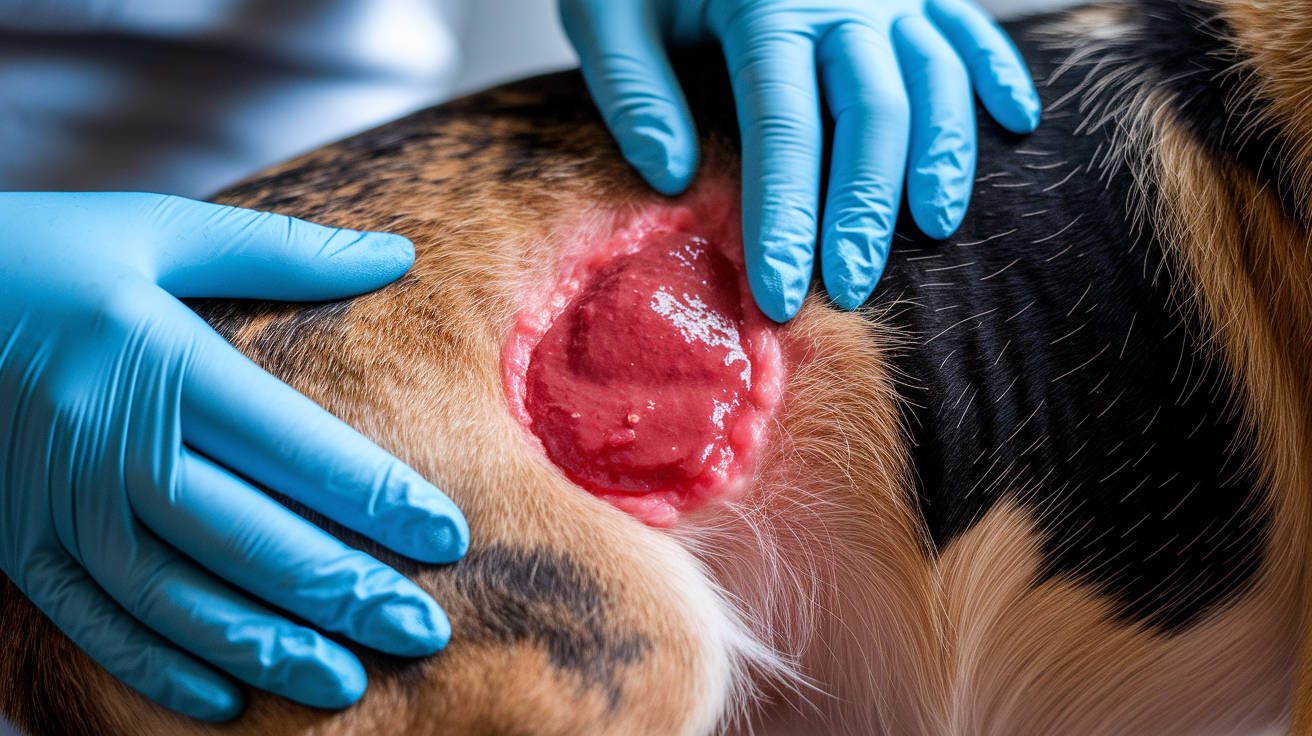
Hot spots (acute moist dermatitis) are localized, inflamed, oozing wounds that appear suddenly and spread fast, sometimes within hours. They form when a dog licks, scratches, or chews one spot obsessively in response to an insect bite, allergen, matted fur, or irritation. The constant moisture from saliva and the friction from scratching damage the skin, letting bacteria multiply. Hot spots are most common in thick coated breeds and during warm, humid weather. They appear as red, moist, painful patches with hair loss, and the surrounding fur often becomes matted with discharge.
Early action stops a hot spot from getting bigger. If you catch it within the first few hours, gently clip the fur around the lesion with blunt tip scissors to let air circulate and reduce moisture. Clean the area once with dilute chlorhexidine solution or plain saline, pat it dry with a clean towel, and keep your dog from licking the spot with an Elizabethan collar or recovery suit. If the hot spot is larger than a quarter, very painful, or keeps spreading despite these steps, schedule a vet appointment the same day. Your vet may prescribe topical antibacterial sprays, oral antibiotics, anti inflammatory medications, and treatment for the underlying trigger (flea control, allergy management).
Safe home care steps for early hot spots:
• Trim fur around the lesion to expose it to air and reduce matting
• Gently clean once with dilute antiseptic or saline; don’t scrub
• Pat dry with a clean towel and don’t apply ointments or creams unless vet approved
• Use an Elizabethan collar or recovery suit to prevent licking and further damage
When Hormones or Medical Conditions Cause Itchy Skin and Red Spots

Hormonal imbalances like hypothyroidism (low thyroid hormone) and Cushing’s disease (excess cortisol) weaken the skin’s ability to heal and fight infection. Dogs with these conditions develop thinning fur, dry flaky skin, recurrent bacterial or yeast infections, and slow growing hair that doesn’t regrow after clipping. The skin may feel cool and appear dull or darkened. Diagnosis requires bloodwork to measure hormone levels, and treatment involves lifelong hormone replacement therapy or medications to control cortisol production. Once the hormone imbalance is corrected, skin health usually improves, though it may take several months.
Autoimmune skin diseases occur when the immune system mistakenly attacks the dog’s own skin cells. These conditions produce ulcers, crusts, blisters, and red erosions that don’t respond to antibiotics or antifungals. Common autoimmune disorders include pemphigus complex and lupus erythematosus. Diagnosis requires skin biopsies and specialized testing. Treatment involves immunosuppressive medications like corticosteroids, azathioprine, or cyclosporine, and long term management is usually needed to control flare ups.
Home Remedies for Dog Itchy Skin and Red Spots (Used Safely)

Home remedies work best for mild itching and redness when the cause is known and not severe. They can soothe irritated skin and support healing, but they should never replace vet care for spreading rashes, painful lesions, or signs of infection. Safe options include moisturizing oatmeal shampoos that calm inflamed skin and remove allergens from the coat, omega-3 fatty acid supplements (fish oil or algae oil) that strengthen the skin barrier and reduce inflammation, and aloe vera gel (100% pure, no additives) applied to small clean areas to cool and moisturize.
Coconut oil can be rubbed into dry, flaky patches in small amounts, but watch that your dog doesn’t lick it off immediately. A cool mist humidifier helps in dry climates or during winter when indoor heating lowers humidity. After outdoor walks, wipe your dog’s paws and belly with a damp cloth or pet safe wipes to remove pollen, grass, and environmental allergens before they cause itching. Never use human medications (Benadryl, hydrocortisone, or others) without checking the dose and safety with your vet first, because many are toxic or don’t work at the wrong dose.
Evidence supported home remedies for mild cases:
• Oatmeal based dog shampoo or oatmeal bath soaks to reduce itching
• Omega-3 supplements (fish oil or algae oil) at vet recommended doses
• 100% pure aloe vera gel for small clean areas (no alcohol or additives)
• Coconut oil in small amounts for dry patches (monitor for licking)
• Cool mist humidifier in the room where your dog sleeps
• Wiping paws and belly after outdoor exposure to remove allergens
Safely Cleaning Red Spots
If a red spot isn’t oozing or infected, you can gently clean it once daily with a soft cloth dampened with plain lukewarm water or dilute saline solution. Pat the area dry with a clean towel. Don’t scrub, pick at scabs, or apply ointments or creams unless your vet has approved them. Many human topical products contain ingredients that are toxic if licked, and ointments can trap moisture and make hot spots worse. If the spot begins to ooze, smell bad, or spread, stop home care and call your vet.
Veterinary Treatments for Itchy Skin and Red Spots in Dogs

Vet treatment targets both the underlying cause and the symptoms. For allergic reactions, your vet may prescribe oral antihistamines (diphenhydramine, cetirizine, hydroxyzine) to reduce histamine release, corticosteroids (prednisone, prednisolone) to quickly control inflammation, or newer immunomodulatory drugs (oclacitinib, lokivetmab) that block itch signals without the side effects of long term steroids. Bacterial infections are treated with oral antibiotics like cephalexin, amoxicillin clavulanate, or clindamycin for 3 to 6 weeks, often combined with medicated shampoos. Yeast infections require oral antifungals (ketoconazole, fluconazole, itraconazole) and topical antifungal shampoos or sprays.
Parasite control includes prescription flea and tick preventatives (afoxolaner, fluralaner, sarolaner, spinosad, selamectin) given monthly or every three months. For dogs with confirmed environmental allergies, allergen specific immunotherapy (allergy shots or sublingual drops) gradually desensitizes the immune system over 6 to 12 months. Medicated shampoos play a supporting role. Chlorhexidine shampoos kill bacteria, miconazole or ketoconazole shampoos control yeast, benzoyl peroxide shampoos flush hair follicles and reduce oiliness, and moisturizing shampoos with ceramides or colloidal oatmeal soothe dry skin.
Questions to ask your vet at the appointment:
- What diagnostic tests do you recommend, and what will each test tell us?
- How long should treatment last, and when should we expect to see improvement?
- What signs would mean the condition is getting worse or not responding to treatment?
- Are there any side effects or safety concerns with the prescribed medications?
Medicated Shampoo Types
Medicated shampoos are an important part of treatment for many skin conditions. Antibacterial shampoos (chlorhexidine, benzoyl peroxide) reduce bacterial counts on the skin and help open clogged pores. Antifungal shampoos (miconazole, ketoconazole) control yeast overgrowth. Moisturizing shampoos with ceramides, oatmeal, or aloe restore the skin barrier and reduce dryness. Your vet will recommend a specific type based on your dog’s diagnosis and may tell you to leave the lather on the skin for 5 to 10 minutes before rinsing to let the active ingredients work.
When to See a Vet for Dog Itchy Skin and Red Spots
Schedule a vet appointment within 24 hours if your dog’s redness and itching appeared suddenly and are severe, if the spots are spreading rapidly, if there’s a foul odor or visible pus, if your dog is in obvious pain when you touch the area, or if your dog stops eating or becomes lethargic. Mild itching and redness that don’t improve after 3 to 5 days of safe home care also need a vet visit. Chronic or recurring skin problems that flare up every few weeks or months require a thorough diagnostic workup and possibly referral to a vet dermatologist for advanced testing and management.
For acute emergencies, go to the nearest emergency clinic immediately if your dog shows facial swelling (especially around the eyes, lips, or muzzle), difficulty breathing or wheezing, sudden collapse, persistent vomiting and diarrhea along with skin changes, or widespread hives that appear within minutes and worsen rapidly. These signs can point to anaphylaxis or a severe systemic reaction that requires injectable medications, intravenous fluids, and oxygen support.
Situations that require immediate vet care:
• Facial or throat swelling with difficulty breathing
• Sudden collapse or extreme weakness
• Open wounds with heavy bleeding or foul smelling discharge
• Rapidly spreading rash or hives covering large areas of the body within an hour
Preventing Future Skin Flare Ups and Red Spots in Dogs
Prevention starts with consistent parasite control. Use vet recommended flea and tick preventatives year round or as advised for your region, and treat all pets in the household. Regular grooming removes loose fur, distributes natural oils, and lets you spot new rashes early. Bathe your dog every 2 to 4 weeks with a gentle, vet approved shampoo, or more frequently if your dog has allergies and your vet recommends medicated baths. Wipe your dog’s paws and belly with a damp cloth or pet safe wipes after walks to remove pollen, grass, and other allergens before they cause itching.
Switch to hypoallergenic, fragrance free laundry detergent for washing dog bedding, blankets, and toys. Vacuum carpets and furniture weekly to reduce dust mites and environmental allergens. If your dog has confirmed food allergies, feed only the prescribed diet and avoid all treats, table scraps, and flavored medications that contain the trigger ingredient. For dogs prone to dry skin, add omega-3 fatty acid supplements at the dose recommended by your vet, and use a humidifier in dry climates or during winter. Dogs with chronic allergies may benefit from long term immunotherapy to reduce the frequency and severity of flare ups.
Environmental and dietary prevention steps:
• Year round flea and tick prevention for all household pets
• Regular grooming and bathing with vet approved shampoos
• Wipe paws and belly after outdoor exposure to remove allergens
• Wash bedding, blankets, and toys weekly in hypoallergenic detergent
• Use a humidifier in dry climates and add omega-3 supplements if advised by your vet
Final Words
If your dog is itching and has red spots, check for emergency signs first: facial swelling, breathing trouble, sudden welts, severe pain, or a foul odor.
This post covered quick action steps, common causes, how to tell types of rashes, safe at‑home care, and what to expect at the vet.
Take photos, note when it started, and try gentle home options for mild cases. Call your vet now if emergency signs appear or the rash spreads. With steady care and simple prevention, dogs with dog itchy skin and red spots often improve fast.
FAQ
Q: What can I put on my dog’s itchy red spots?
A: You can put a cool, damp compress, a pet-safe oatmeal or aloe-based shampoo or spray, or a vet-prescribed topical ointment. Stop home treatment and see your vet if the area swells, smells, or worsens.
Q: Why does my dog keep scratching and has red bumps?
A: Your dog keeps scratching and has red bumps because of fleas, allergies, mites, contact irritants, or secondary infection. Check for fleas, clean the area, prevent licking, and see your vet if the spots spread, bleed, or your dog is unwell.
Q: What are the first signs of Cushing’s disease in dogs?
A: The first signs of Cushing’s disease in dogs are increased thirst and urination, increased appetite, a pot-bellied appearance, thinning hair, and recurrent skin infections; your vet can confirm with blood or urine tests.
