
Is Benadryl the quick fix every itchy dog needs—or a bandage that hides a bigger problem?
You can give most healthy dogs diphenhydramine (Benadryl) for short-term itching or mild allergic reactions, but it won’t fix chronic skin disease.
I’ll show safe dose ranges, when it actually helps, and the warning signs that mean you should call your vet.
Read on to learn how to use Benadryl tonight and what to watch for over the next 24 hours.
Immediate Guidance on Giving Benadryl for Dog Itching
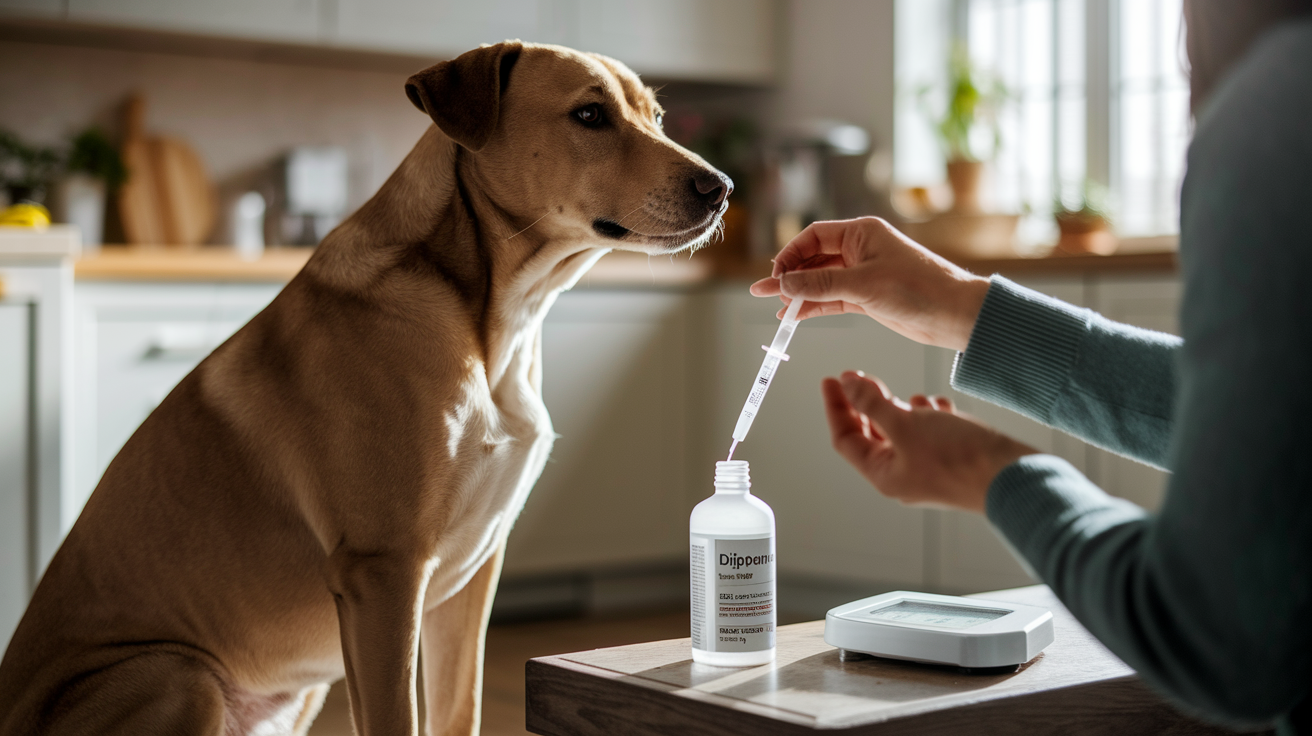
Yes, you can give your dog Benadryl for itching. It’s relatively safe for most healthy dogs. Diphenhydramine (the active ingredient in Benadryl) is an over-the-counter antihistamine that vets sometimes recommend for temporary itch relief or short-term allergic reactions.
The standard dose is 1 to 2 mg per pound of your dog’s body weight, given every 8 to 12 hours. Always confirm the product contains only diphenhydramine before you give it.
But here’s the thing: whether it works depends entirely on what’s causing the itch. Benadryl can help with sudden allergic reactions like hives or facial swelling. For long-term skin allergies (flea allergy dermatitis, environmental allergies), it usually doesn’t do much.
How Benadryl Works for Itching and Why It Often Fails
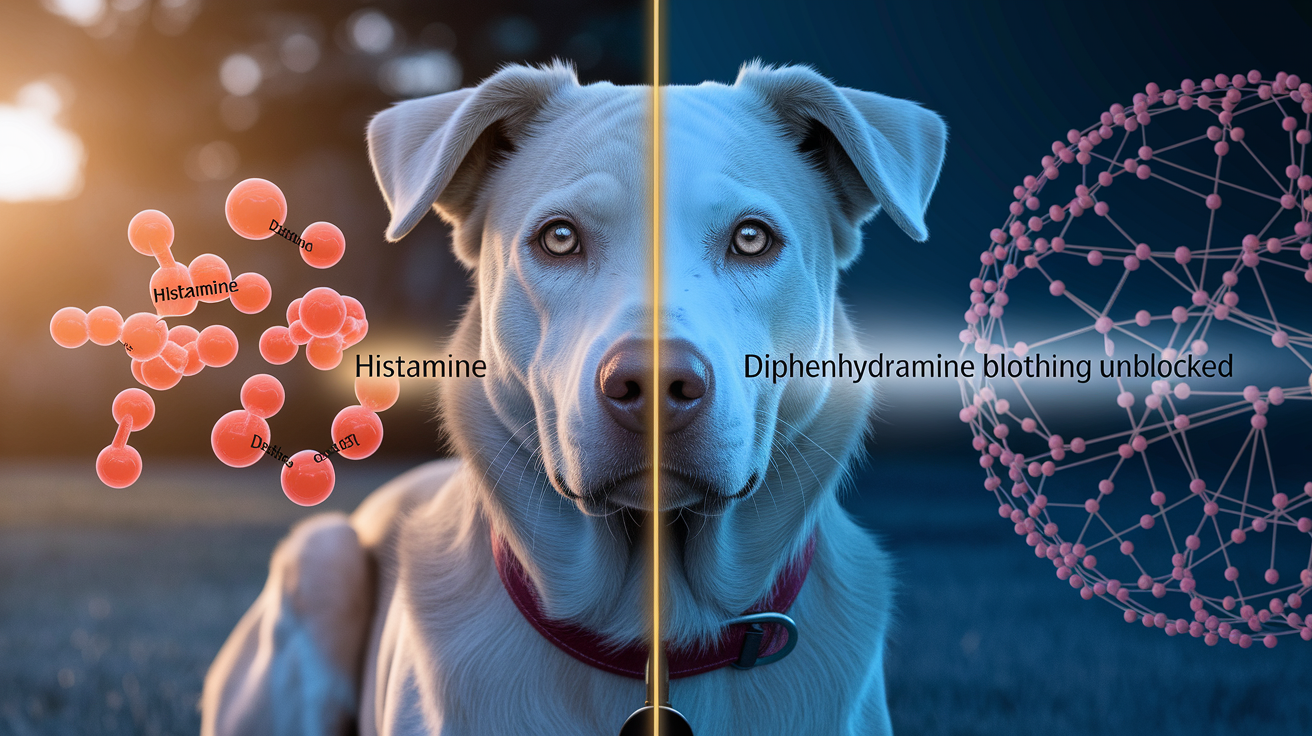
Benadryl blocks histamine receptors. When an allergen enters the body, mast cells release histamine, which triggers swelling, hives, and itching. By blocking those histamine signals, Benadryl can reduce mild acute reactions.
The problem? Most chronic allergic itching in dogs isn’t driven by histamine. It relies on other chemical messengers, particularly a signaling protein called IL-31. Benadryl does nothing to block IL-31, so it rarely stops persistent scratching. Many owners report that Benadryl helps their dog sleep or feel calmer, which reduces scratching simply because the dog is drowsy, not because the underlying itch has disappeared.
| Trigger | Chemical Driver | Benadryl Impact |
|---|---|---|
| Insect bite or sting | Histamine | Often effective |
| Chronic skin allergy | IL-31 and other mediators | Usually minimal to none |
| Food allergy | IL-31 and other mediators | Usually minimal to none |
Safe Benadryl Dosage Guidelines Based on Dog Weight

The recommended dosing range is 1 to 2 mg of diphenhydramine per pound of body weight, given every 8 to 12 hours. A 25-pound dog would receive between 25 and 50 mg per dose. Start at the lower end and watch your dog for drowsiness or side effects before increasing.
| Dog Weight | Dose Range (per dose) | Max Daily Dose | Notes |
|---|---|---|---|
| 10 lb | 10–20 mg | 60 mg | Every 8–12 hours |
| 25 lb | 25–50 mg | 150 mg | Every 8–12 hours |
| 50 lb | 50–100 mg | 300 mg | Every 8–12 hours |
| 75 lb | 75–150 mg | 450 mg | Every 8–12 hours |
If you’re using liquid Benadryl, check the concentration on the label. Most children’s formulations contain 12.5 mg per 5 mL (one teaspoon), but some newer products contain different strengths. Use a syringe or dosing cup to measure accurately. Never use flavored liquids without confirming they’re free of xylitol, an artificial sweetener that’s extremely toxic to dogs.
Safe dosing starts with these steps:
- Weigh your dog at home or at the vet to confirm their current weight.
- Check the Benadryl label to confirm it contains only diphenhydramine and no added decongestants or pain relievers.
- Start at the low end of the dose range and give the medication with food if your dog has a sensitive stomach.
Side Effects and Safety Risks of Using Benadryl for Dog Itching
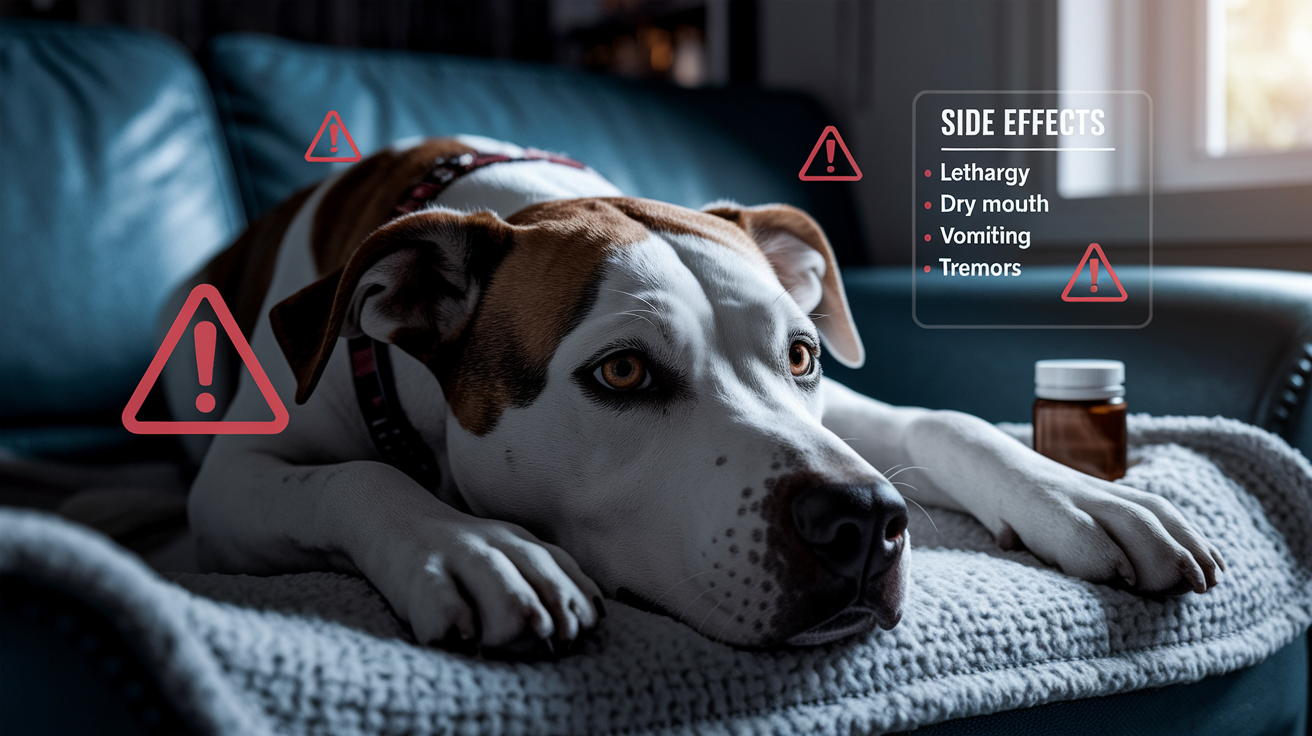
Most dogs tolerate Benadryl well, especially when used for a few days or less. The most common side effects are mild lethargy, dry mouth, and decreased appetite. Some dogs become drowsy enough that they sleep for several hours after each dose. You may also notice your dog drinking less water because of dry mouth, or having difficulty urinating due to urinary retention.
Less common but more serious reactions include vomiting, diarrhea, tremors, rapid heart rate, dilated pupils, and elevated body temperature. Overdose is uncommon but can be life-threatening. Watch for these severe signs, especially if you accidentally gave too much or your dog got into the bottle:
- Extreme lethargy or agitation
- Trembling or seizures
- Very rapid heartbeat
- High body temperature (hyperthermia)
- Difficulty breathing
- Collapse
If you see any of those symptoms, stop the medication and call your veterinarian or an emergency clinic right away.
When Benadryl Helps vs When It Does Not for Dog Itching

Benadryl works best for sudden, short-term allergic reactions that involve histamine. It can reduce hives, puffy swelling of the lips or muzzle, and itching from insect bites or stings. Some veterinarians recommend it as a short-term aid before a vet appointment, not because it eliminates the itch but because it can make the dog drowsy enough to stop clawing at their skin overnight.
Benadryl is usually not effective for chronic itching caused by environmental allergies (pollen, dust mites, mold), flea allergy dermatitis, food allergies, or contact dermatitis. Those conditions trigger itch pathways that histamine doesn’t control. Long-term scratching, hair loss, red skin, ear infections, and self-trauma typically require a multimodal treatment plan that includes flea prevention, prescription anti-itch medications, special diets, medicated shampoos, and sometimes allergy shots.
Scenarios where Benadryl is most helpful:
- Acute hives after an insect sting or unknown exposure
- Sudden facial or muzzle swelling from a mild allergic reaction
- Short-term sedation to reduce self-trauma while waiting for a vet visit
- Mild vaccine reaction that your vet has approved for home monitoring
Treatment Alternatives When Benadryl Doesn’t Stop Dog Itching
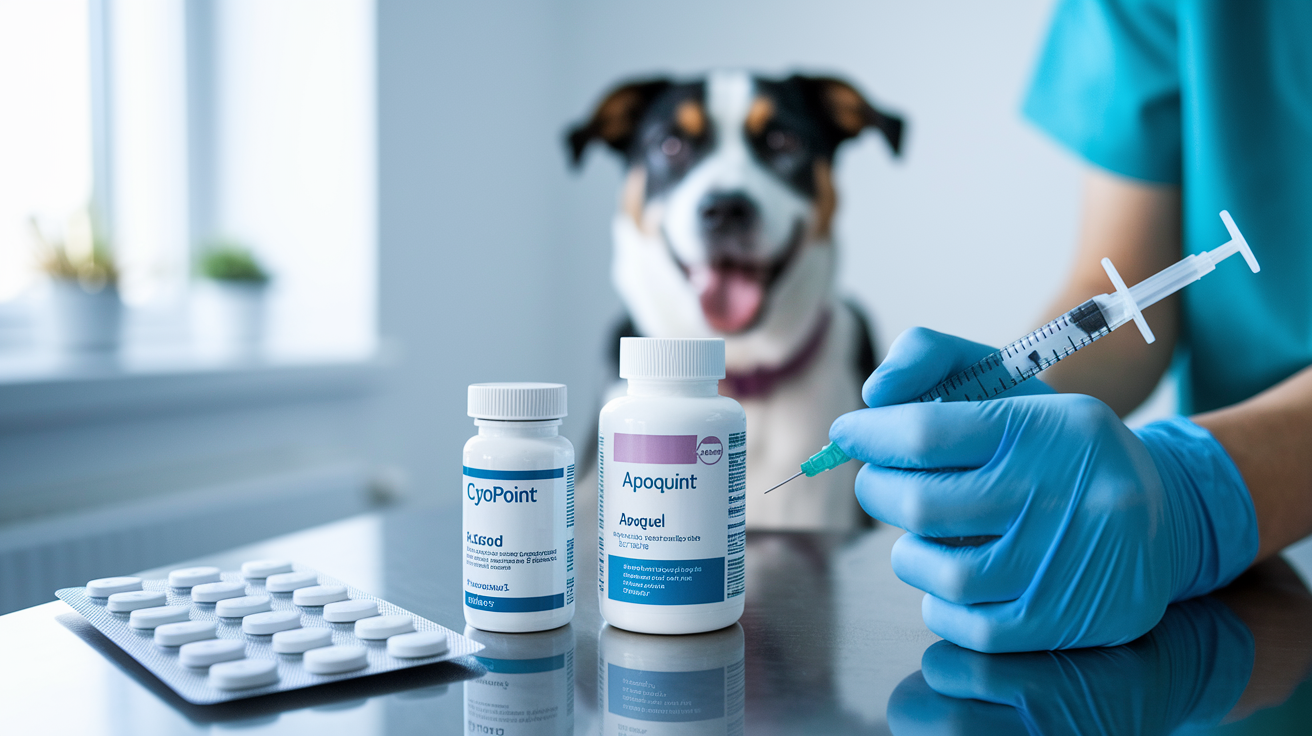
When Benadryl fails to control your dog’s itching, several prescription options target the chemical pathways that drive chronic allergic itch. These medications are more effective for long-term skin disease, but each comes with trade-offs in cost, side effects, and how quickly they work.
Cytopoint
Cytopoint is a single-dose injection given at the vet every four to eight weeks. It contains an antibody that blocks IL-31, the protein responsible for most allergic itch in dogs. Most dogs feel relief within one to two days, and the effect lasts about one month. Side effects are rare because the antibody is highly targeted. Cytopoint doesn’t suppress the immune system or interfere with other medications. Cost varies by dog size, but many owners find the convenience of monthly visits worth the expense.
Apoquel
Apoquel is an oral tablet that inhibits enzymes called JAK kinases, which play a role in inflammation and itch. Dosing typically starts at twice daily for two weeks, then drops to once daily for maintenance. Apoquel works quickly, often within hours to days. Common side effects include vomiting and diarrhea, usually mild. Long-term use may carry a small risk of immune suppression, and the product insert warns it may worsen existing cancers. Apoquel is labeled only for dogs over one year old.
Steroids
Steroids like prednisone are the fastest, most powerful, and least expensive option for severe itching. They reduce inflammation and itch within hours. Many vets prescribe a short two to three-day course while waiting for slower treatments to take effect. Long-term steroid use causes significant side effects, including ravenous appetite, increased thirst and urination, muscle wasting, elevated infection risk, and the development of iatrogenic Cushing’s disease. Long-acting steroid injections should be avoided because they can’t be reversed if side effects occur.
All three options outperform Benadryl for chronic itch. The choice depends on your dog’s health status, your budget, and whether you prefer injections or daily pills. Most veterinarians combine one of these prescription medications with other supportive therapies like flea control, medicated shampoos, or dietary changes.
Important Precautions Before Giving Benadryl to a Dog

Not every dog is a safe candidate for Benadryl, even at standard doses. Dogs with certain medical conditions should avoid diphenhydramine entirely, or use it only under close veterinary supervision. Heart disease and high blood pressure can worsen with antihistamines. Dogs with urinary retention, glaucoma, or hyperthyroidism may experience dangerous complications.
Benadryl can also interact with other medications, especially monoamine oxidase inhibitors (MAOIs), tricyclic antidepressants, and sedatives. If your dog is already taking any prescription medication or supplement, ask your veterinarian before adding Benadryl. Some human Benadryl products contain additional active ingredients that are toxic to dogs.
Never give your dog any of the following:
- Benadryl combined with decongestants (such as pseudoephedrine or phenylephrine)
- Benadryl products containing acetaminophen (Tylenol)
- Flavored liquids sweetened with xylitol
- Combination cold or allergy formulas with multiple active ingredients
- Any product labeled with a “D” after the name (such as Benadryl-D), which indicates a decongestant
When to Call the Vet After Giving Benadryl for Itching

Some reactions require immediate veterinary or emergency care, even if you’ve already given Benadryl. Anaphylaxis is the most serious concern. Watch for pale gums, difficulty breathing, severe facial or throat swelling, collapse, or seizures. If your dog shows any of those signs, go to an emergency clinic right away. Benadryl may buy you a few minutes, but it’s not a substitute for emergency treatment.
| Symptom | Likely Cause | Action Needed | Timeframe |
|---|---|---|---|
| Pale gums and labored breathing | Anaphylaxis | Emergency care | Immediate |
| Tremors or seizures after Benadryl | Overdose or adverse reaction | Emergency care | Immediate |
| Chronic itching, hair loss, red skin | Underlying allergy or infection | Veterinary exam | Within 1–2 weeks |
| Mild hives that resolve in 24 hours | Minor allergic reaction | Monitor at home | Observe; call if worsens |
For chronic itching that doesn’t respond to Benadryl, schedule a regular veterinary appointment. Your vet will perform a full exam, look for fleas and skin infections, and discuss whether prescription medications, food trials, or allergy testing are appropriate.
Practical Tips for Giving Benadryl to Dogs at Home

Giving Benadryl at home is straightforward once you know the dose and have confirmed the product is safe. Most dogs accept tablets hidden in a treat like peanut butter, cheese, or a pill pocket. Liquid formulations can be squirted into the side of the mouth using a syringe. Give the medication with a small meal if your dog has a sensitive stomach, or offer it on an empty stomach if vomiting has been an issue in the past.
Follow these steps for safe administration:
- Measure the dose carefully using a kitchen scale for tablets or a dosing syringe for liquids.
- Hide tablets in a soft treat or wrap them in lunch meat. Don’t crush tablets unless your vet approves, as some formulations are time-release.
- For liquids, draw the correct dose into a syringe, gently lift your dog’s lip, and squirt the liquid slowly between the cheek and gums.
- Offer water immediately after to help with dry mouth and ensure the medication reaches the stomach.
- Store Benadryl in a secure cabinet out of your dog’s reach. Accidental ingestion of a full bottle can cause life-threatening overdose.
Track the time and dose each time you give Benadryl so you don’t accidentally repeat a dose too soon. If you miss a dose, give it as soon as you remember unless it’s almost time for the next one. Never double up doses.
Final Words
If your dog is itchy and otherwise healthy, you can usually give Benadryl at 1-2 mg per pound every 8-12 hours. Start with that dose and watch for drowsiness or other reactions.
This post explained how Benadryl works and its limits, gave a simple dosing chart, listed common side effects and precautions, and covered when to call the vet plus alternative treatments.
If you’re asking can i give my dog benadryl for itching, use the dosing rule, monitor your pet closely, and contact your vet if symptoms persist. Many dogs find relief with careful use.
FAQ
Q: How much Benadryl can my dog take for itching? Can you give human Benadryl to dogs?
A: The amount of Benadryl a dog can take for itching is 1 to 2 mg per pound every 8 to 12 hours; human Benadryl (diphenhydramine) is commonly used, but check with your vet first.
Q: What human medicine can I give my dog for itching? Which antihistamine is best for itching in dogs?
A: The human medicines you can give a dog for itching include OTC antihistamines like diphenhydramine, cetirizine, or loratadine. Effectiveness varies; avoid combo products with decongestants or sweeteners and ask your vet.
