
If your dog is limping but not crying, don’t assume it’s nothing.
Dogs hide pain, so a quiet limp can still mean real trouble.
It might be a sprain, early arthritis, a stuck thorn, or something more serious.
Read on to learn quick home checks, what to track, and when to call your vet.
Tonight, watch them walk, inspect the paws, and note when the limp appears.
Call your vet now if they won’t bear weight, have swelling or heat, or the limp lasts over a day.
Understanding Limping Without Crying in Dogs

Dogs hide pain because that’s what kept their ancestors alive. Show weakness in the wild and you become a target. So your dog can be hurting without making a sound about it.
Here’s the thing. Four legs give dogs options we don’t have. They shift weight off an injured limb and keep moving almost normally. You might catch a subtle change when they stand up from a nap or take the stairs, but no crying, no yelping. That quiet limp is still a signal something’s wrong, whether it’s a mild sprain, early arthritis, or worse.
Don’t assume silent limping means minor. Plenty of conditions start quiet and get worse without treatment. Common causes include:
- Overexertion or mild sprains from play or hiking that strain muscles and ligaments
- Early arthritis or degenerative joint disease that causes stiffness after rest and worsens in cold weather
- Paw pad problems like burns from hot pavement, ice melt irritation, or burrs stuck between toes
- Partial ligament tears such as cranial cruciate ligament (CCL) damage that changes gait without obvious pain
- Disc or back issues that cause subtle shifts in movement without vocalization
Watch for urgent red flags. Swelling, warmth or heat on the limb, open wounds, inability to put any weight on the leg, trembling, or heavy panting. These mean you need a vet now, crying or not.
Common Orthopedic Causes of Limping Without Crying
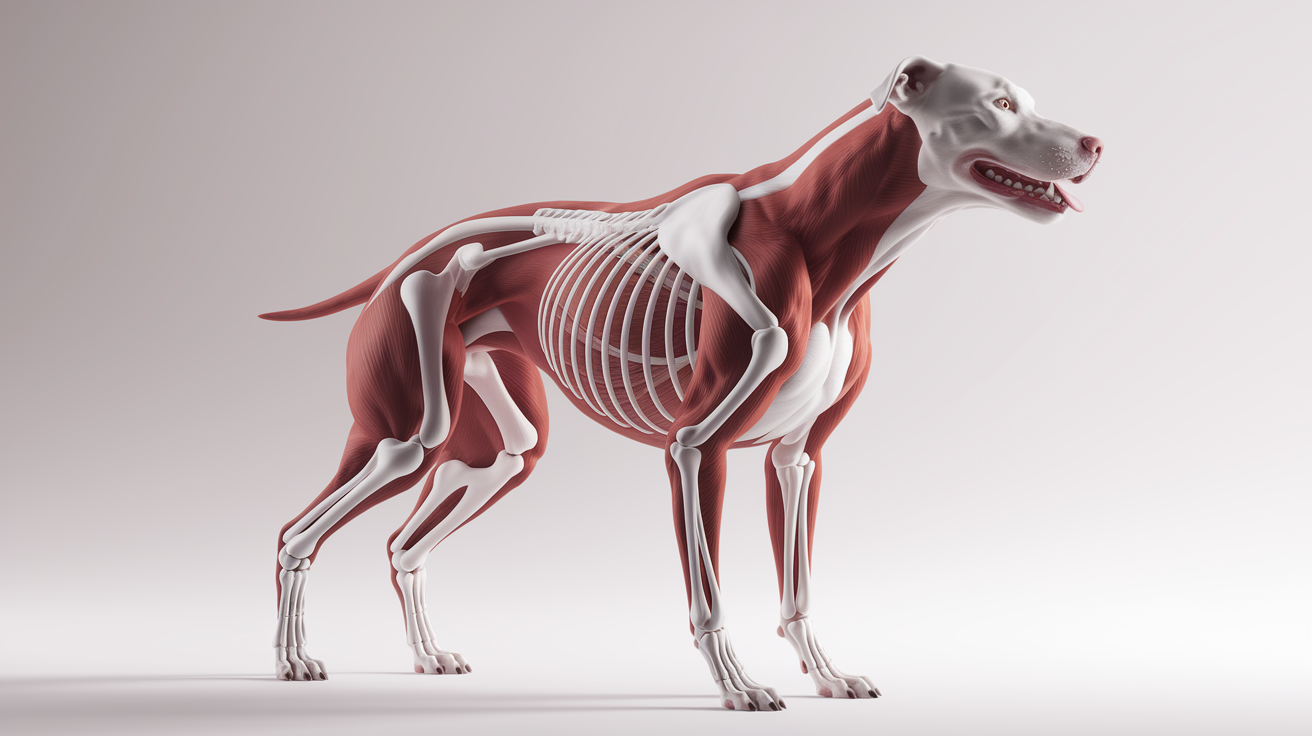
Overuse injuries top the list for silent limping. After a long hike, a weekend of fetch, or rough play at the dog park, your dog may strain a muscle or tweak a ligament. This shows up hours later. The limp worsens after activity, improves with rest, and may come and go for days. Dogs rarely vocalize during mild sprains because the pain level’s low or fluctuates.
Chronic arthritis and early degenerative joint disease are frequent culprits too. You might notice your dog’s slow to rise after a nap, stiff in the morning, or reluctant to jump into the car. These changes develop gradually, so many dogs adapt without crying. Cold weather makes arthritis worse. You’ll see more limping on chilly mornings. Treating these issues early helps slow the progression to more painful osteoarthritis later.
Common orthopedic causes of limping without vocal pain:
- Overexertion sprains and strains that worsen after activity but improve with rest
- Early osteoarthritis in hips, knees, or elbows causing stiffness after inactivity
- Subtle joint instability from old injuries that were never fully addressed
- Compensatory gait changes where the dog shifts weight to protect one limb and stresses another
- Muscle fatigue or minor tears from repetitive motion or sudden exertion
- Undiagnosed hip or elbow dysplasia that dogs have quietly lived with for months or years
Hind Leg and Knee Problems That Cause Silent Limping

Cranial cruciate ligament injuries are one of the most common causes of hind leg limping in dogs. A partial CCL tear often produces a subtle or intermittent limp that gets worse after exercise, like a walk or playing in the yard. The dog may hold the leg differently or avoid putting full weight on it, but many don’t cry because the pain builds slowly or comes and goes. Left untreated, partial tears often progress to complete ruptures and significant arthritis.
Luxating patellas, especially in small breeds like Chihuahuas and Yorkshire Terriers, cause a characteristic skipping gait. The kneecap slips out of place, the dog hops on three legs for a few steps, then it pops back and they walk normally again. This can happen for years without any vocal distress because the dog adapts to the instability.
Hip dysplasia is another condition that develops gradually, often starting in puppyhood or young adulthood. Large breeds like German Shepherds, Labrador Retrievers, and Golden Retrievers are most at risk. Because the joint has never fit together correctly, many dogs learn to live with the discomfort and never cry, even though they’re experiencing long term pain and compensating with altered movement.
| Condition | Typical Signs | Why No Crying |
|---|---|---|
| Partial CCL tear | Intermittent limp, worse after exercise, altered gait | Pain is mild or comes and goes; dogs adapt to instability |
| Luxating patella | Skipping or hopping on hind leg, kneecap pops in and out | Brief discomfort that resolves when kneecap returns to place |
| Hip dysplasia | Bunny hopping gait, difficulty rising, reluctance to jump | Lifelong gradual onset; dog adapts over time |
| Early degenerative joint disease | Stiffness after rest, slow to warm up on walks | Low grade chronic discomfort; instinct to hide weakness |
Front Leg Limping Causes That Don’t Trigger Crying
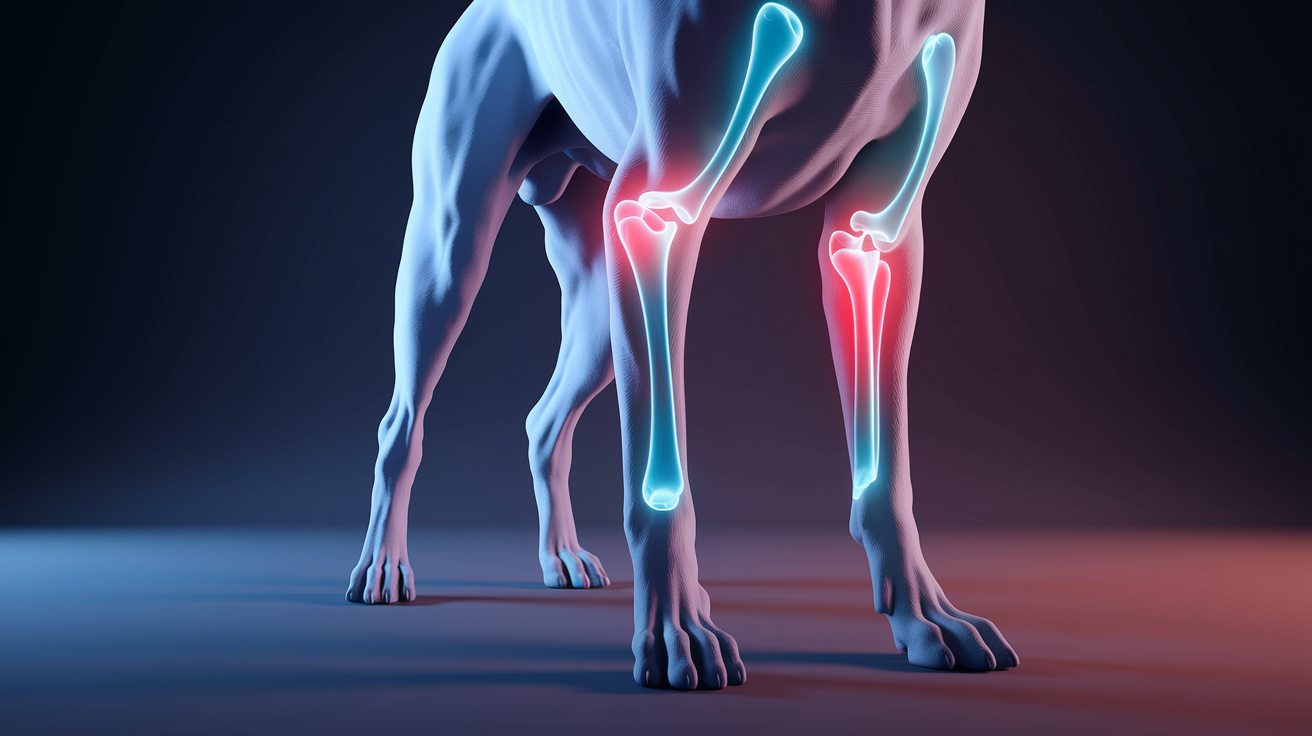
Elbow dysplasia is a common developmental problem in large and giant breeds like Rottweilers, Bernese Mountain Dogs, and Labrador Retrievers. The elbow joint doesn’t form correctly, leading to cartilage damage and arthritis over time. Many dogs with elbow dysplasia show a quiet, persistent front leg limp without vocal pain because the condition develops slowly and the discomfort level stays below their pain threshold.
Panosteitis, sometimes called “growing pains,” affects young, rapidly growing dogs, especially German Shepherds, Great Danes, and other large breeds between 5 and 18 months old. It causes inflammation in the long bones of the legs. The hallmark sign is shifting leg lameness. The limp moves from one leg to another over days or weeks. Dogs with panosteitis may seem uncomfortable but rarely cry because the pain is dull and diffuse rather than sharp.
Common front leg limping causes without vocalization:
- Elbow dysplasia causing subtle stiffness and reluctance to extend the leg fully
- Panosteitis with shifting lameness that moves between legs over time
- Growth plate injuries in puppies from trauma or overexertion during critical development periods
- Osteochondritis dissecans (OCD) in the shoulder, causing intermittent limping in young, fast growing large breed dogs
Paw, Pad, and Nail Issues Causing Limping Without Crying
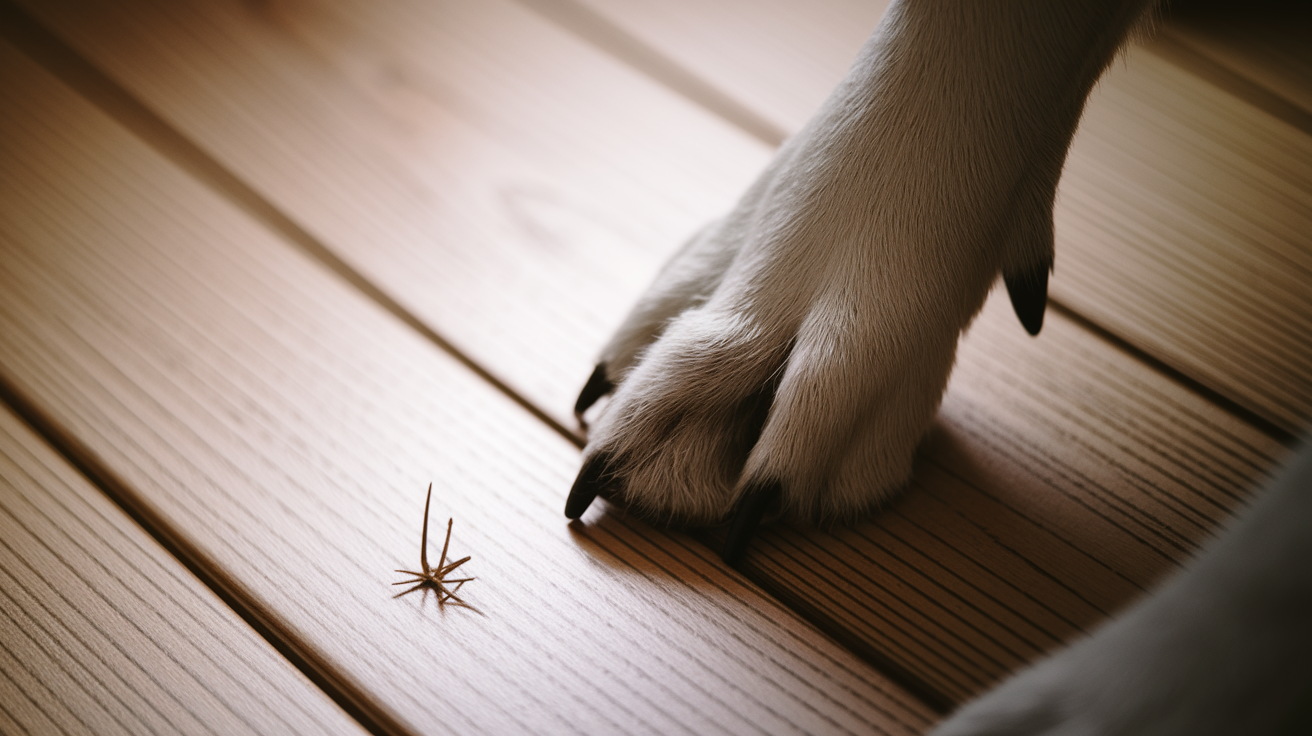
Paw problems are easy to overlook but very common. Dogs step on burrs, thorns, or small splinters that lodge between their toes. They walk on hot pavement in summer or ice melt chemicals in winter, causing burns or irritation. A cracked or torn nail can hurt with every step, but many dogs simply favor the paw without crying. You’ll often notice excessive licking of the paw, localized sensitivity when you touch the area, or a reluctance to walk on certain surfaces.
Interdigital cysts, small infections or abscesses between the toes, can also cause limping. These may appear as red, swollen bumps that your dog licks constantly. Foreign objects like foxtails or grass seeds can work their way into the skin and migrate, causing pain and swelling without any vocal signs.
Five signs that point to a paw or pad problem:
- Excessive licking or chewing at one paw
- Visible cuts, cracks, or foreign objects stuck in the pad or between toes
- Swelling or redness around the nail bed or between toes
- Reluctance to walk on hard or hot surfaces
- Holding the paw up slightly or tip toeing on that leg
When a “No Cry” Limp Signals Something Serious

Some conditions that cause quiet limping are urgent and need prompt veterinary attention. Osteosarcoma, an aggressive bone cancer, often appears as a hard lump on the leg bone and causes progressive limping. Dogs with bone cancer may not cry early on because the pain builds gradually, but the condition is life threatening and requires immediate diagnosis and treatment.
Lyme disease, spread by ticks, is another cause of shifting leg lameness. If your dog’s limp moves from one leg to another over a period of days, and especially if you live in an area with high tick exposure, Lyme disease should be on your list of concerns. Immune mediated polyarthritis, where the immune system attacks the joints, can also cause subtle stiffness and limping without obvious pain signals.
Neurological problems like intervertebral disc disease (IVDD) or degenerative myelopathy may cause hind leg weakness, dragging, or uncoordinated movement that looks like limping but originates in the spine or nervous system. Dogs with these conditions often don’t vocalize because the issue affects nerve signals rather than causing sharp pain.
Red flags that a quiet limp may be serious:
- Limping that persists more than 1 to 4 days without improvement
- Shifting lameness that moves between different legs
- A hard lump or swelling on a leg bone
- Inability to bear any weight on the leg (non weight bearing)
- Trembling, heavy panting, fever, or loss of appetite alongside the limp
How to Check a Limping Dog at Home Safely
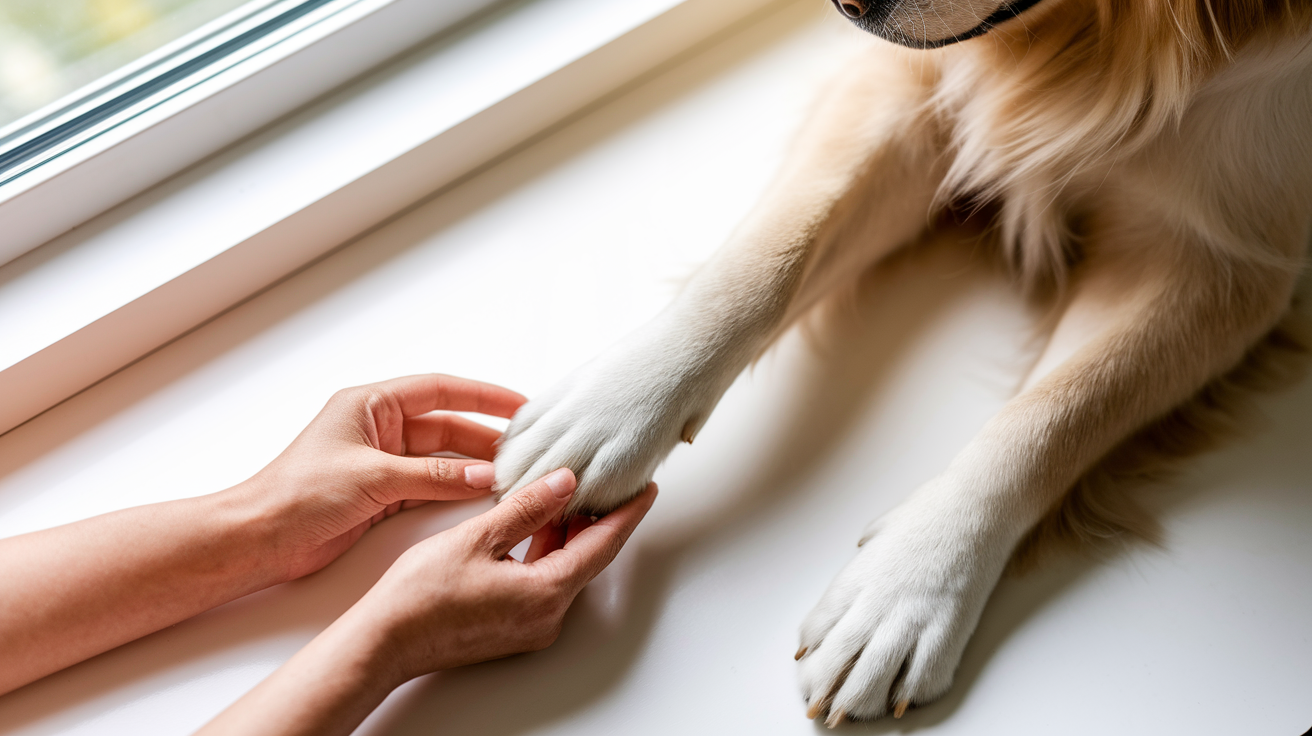
Before you call the vet, it helps to do a gentle at home exam to gather information. Start by observing how your dog moves. Watch them walk across the room, turn, sit, and stand. Note which leg they favor, whether the limp is constant or comes and goes, and if it’s worse after activity or rest.
- Inspect the paw and pads first. Look for cuts, cracks, thorns, burrs, or anything stuck between the toes. Check each nail for breaks or damage to the nail bed.
- Gently palpate up the leg. Start at the paw and work your way up, feeling for swelling, heat, or areas where your dog flinches or pulls away. Compare the injured leg to the opposite leg.
- Check for open wounds or obvious trauma. Look for punctures, scrapes, or swelling that wasn’t there before.
- Limit activity immediately. No running, jumping, stairs, or rough play. Rest helps prevent a mild injury from becoming worse.
- Apply a cold compress if you see swelling. Wrap ice or a cold pack in a towel and hold it gently on the swollen area for 10 to 15 minutes. Don’t apply ice directly to skin.
- Monitor for 24 hours. If the limp improves with rest and you see no red flags, continue home care and gradual return to activity. If it persists, worsens, or new symptoms appear, contact your vet.
Veterinary Diagnostics for Limping Without Obvious Pain

When you bring your dog to the vet for a limp without crying, they’ll start with a thorough physical exam. The vet will watch your dog walk, observing for subtle gait changes, weight shifting, or asymmetry. Filming your dog walking at home can be helpful, especially if the limp is intermittent. The vet will palpate each limb, checking for swelling, heat, joint instability, muscle atrophy, or areas of discomfort your dog tries to hide.
Range of motion testing helps identify stiffness or pain in specific joints. The vet will gently flex and extend each joint, feeling for crepitus (a grinding or popping sensation) or resistance. If your dog has adapted to chronic pain, they may not react much during this exam, which is why imaging is often needed.
X-rays are the first line imaging tool for most limping cases. They show bone structure, joint spaces, fractures, arthritis, and some soft tissue changes. If X-rays don’t explain the limp, or if a soft tissue injury like a ligament tear is suspected, your vet may recommend advanced imaging like CT or MRI. Neurological exams, including reflex testing and assessment of limb coordination, help diagnose spinal or nerve related causes of limping.
| Test | What It Detects |
|---|---|
| Gait analysis and filmed walking | Subtle asymmetries, weight shifting, compensatory movement patterns |
| Palpation and range of motion testing | Joint instability, crepitus, muscle atrophy, localized pain or stiffness |
| X-rays | Bone fractures, arthritis, joint space changes, bone tumors, hip/elbow dysplasia |
| CT or MRI | Soft tissue injuries (ligament/tendon tears), spinal disc problems, detailed joint damage |
When to See a Vet vs When to Monitor at Home
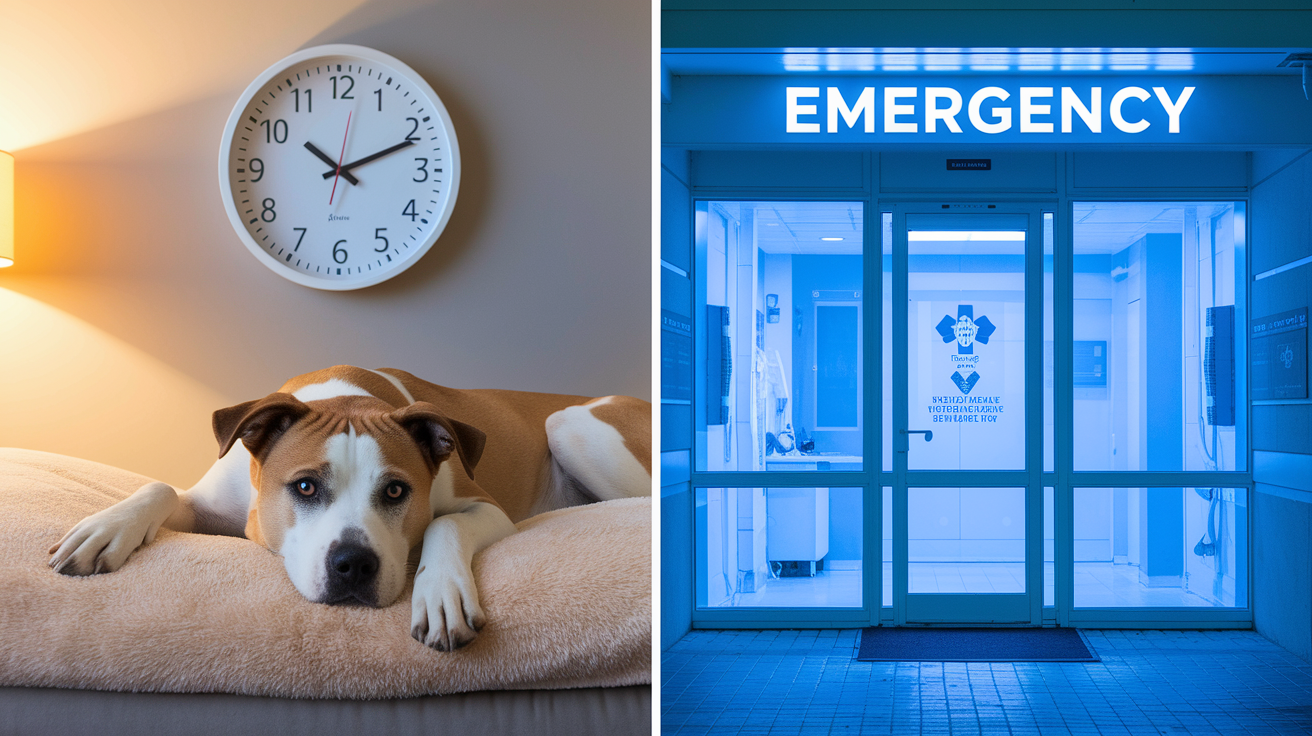
If your dog has a mild limp with no other symptoms, it’s reasonable to monitor at home for 24 to 48 hours with strict rest. Limit all activity. No stairs, no jumping, and short leash walks only for bathroom breaks. Many minor sprains or strains improve noticeably within this window. If the limp gets better and your dog returns to normal movement, you’ve likely dealt with a minor overuse injury.
Seek veterinary attention if the limp persists beyond 48 hours, worsens, or comes back after initially improving. Also contact your vet if the limp is intermittent but keeps recurring after specific activities like walks or play. Keeping a log of when the limp happens and what your dog was doing beforehand helps your vet narrow down the cause.
Emergency veterinary care is needed immediately if you see any of these signs:
- Inability to bear any weight on the leg (holding it completely off the ground)
- Obvious swelling, heat, or an open wound on the limb
- Trembling, heavy panting, or other clear signs of distress
- Sudden severe limping after a fall, collision, or known trauma
- Limping with fever, lethargy, or loss of appetite
- Dragging a hind leg or signs of paralysis
Home Treatment Options for Silent Limping

Rest is the foundation of home care for a limping dog. Restrict all exercise, confine your dog to a small area or crate if needed, and eliminate stairs and jumping. For most mild injuries, 24 to 48 hours of rest allows inflammation to settle and soft tissues to begin healing. Short, controlled bathroom breaks on a leash are fine, but no regular walks until you know the cause.
Cold compresses help reduce swelling and inflammation in the first 48 hours after an injury. Wrap ice or a cold pack in a towel and apply it to the affected area for 10 to 15 minutes, two to three times a day. After the first two days, if stiffness is the main problem, a warm compress can help relax tight muscles. Use a warm (not hot) damp towel for about 10 to 15 minutes.
Non invasive rehab options can support recovery and prevent future problems:
- Gentle stretching and controlled range of motion exercises to maintain flexibility
- Therapeutic massage to relax tight muscles and improve circulation (many dogs fall asleep during massage)
- Laser therapy to reduce inflammation and promote tissue healing
- Pulsed electromagnetic field therapy (PEMF) to support cellular repair
- Neuromuscular electrical stimulation to reactivate weakened muscles and improve joint stability
Soft, supportive bedding and non slip surfaces like area rugs or yoga mats help your dog move safely while recovering. Supportive devices like slings or harnesses can assist dogs with hind end weakness or difficulty standing. Never give your dog human pain medications. Many are toxic to dogs. Only use medications prescribed by your veterinarian.
Long Term Management and Prevention of Limping in Dogs
Treating mild problems early reduces the risk of long term complications like osteoarthritis. A small ligament tear that’s addressed with rest, rehab, and controlled return to activity is much less likely to progress to chronic joint disease than one that’s ignored. Early, non invasive rehab is easier, less costly, and less stressful for your dog than managing chronic pain later.
Weight management is one of the most effective ways to prevent joint problems. Extra pounds put extra stress on hips, knees, elbows, and the spine. Keeping your dog lean reduces the load on joints and slows the progression of arthritis. Joint supplements like glucosamine and chondroitin support cartilage health, and omega 3 fatty acids from fish oil help reduce inflammation throughout the body.
Four practical prevention strategies:
- Maintain a healthy weight through portion control and regular, appropriate exercise
- Warm up before intense activity with a slow walk before running or playing fetch
- Avoid overexertion in young, growing dogs and senior dogs with known joint issues
- Consider early screening like hip X-rays at spay or neuter for breeds prone to dysplasia
Final Words
We explained why dogs may limp without crying — they often hide pain. Causes range from paw problems and sprains to early arthritis or partial ligament tears. A limp alone means something is off.
Do a quick home check, limit activity 24-48 hours, take photos or a short video, and watch for swelling or refusal to bear weight. Call your vet now if it worsens, they won’t use the leg, or it lasts more than a few days.
If you’re still asking why is my dog limping but not crying, follow these steps and share your notes with your vet — most dogs do well with early care.
FAQ
Q: When should I take my dog to the vet for limping?
A: You should take your dog to the vet for limping if the limp lasts more than 24–48 hours, gets worse, or shows swelling, heat, an open wound, or refusal to bear weight; ask about pain relief and imaging.
Q: Can a dog be in pain and not cry?
A: A dog can be in pain and not cry because many hide pain; watch for limping, licking a spot, less play, stiffness, appetite change, or altered gait, and have a vet check persistent or worsening signs.
Q: How to tell if a dog’s leg is broken or just sprained?
A: To tell a broken leg from a sprain, a break often causes obvious deformity, severe swelling, or refusal to put weight, while sprains may still bear weight and hurt more after activity; X-rays by your vet confirm diagnosis.
Q: What to do when a dog is suddenly limping?
A: When a dog is suddenly limping, check the paw for cuts, thorns, or broken nails, limit activity, apply a cold compress for 10–15 minutes, take a photo or video, and see your vet if it worsens or the dog won’t bear weight.
