
Why does my dog keep licking his paws nonstop, even after you clean them?
A little paw-licking is normal.
But constant, focused licking that causes redness, hair loss, or a smell means something’s up.
This post walks you through the five most common causes—injury, allergies, parasites and infections, pain, and stress—and shows what to check at home tonight.
You’ll get simple signs to watch, one or two safe steps to try, and clear cues for when to call your vet.
Understanding What Excessive Paw Licking Means for Your Dog
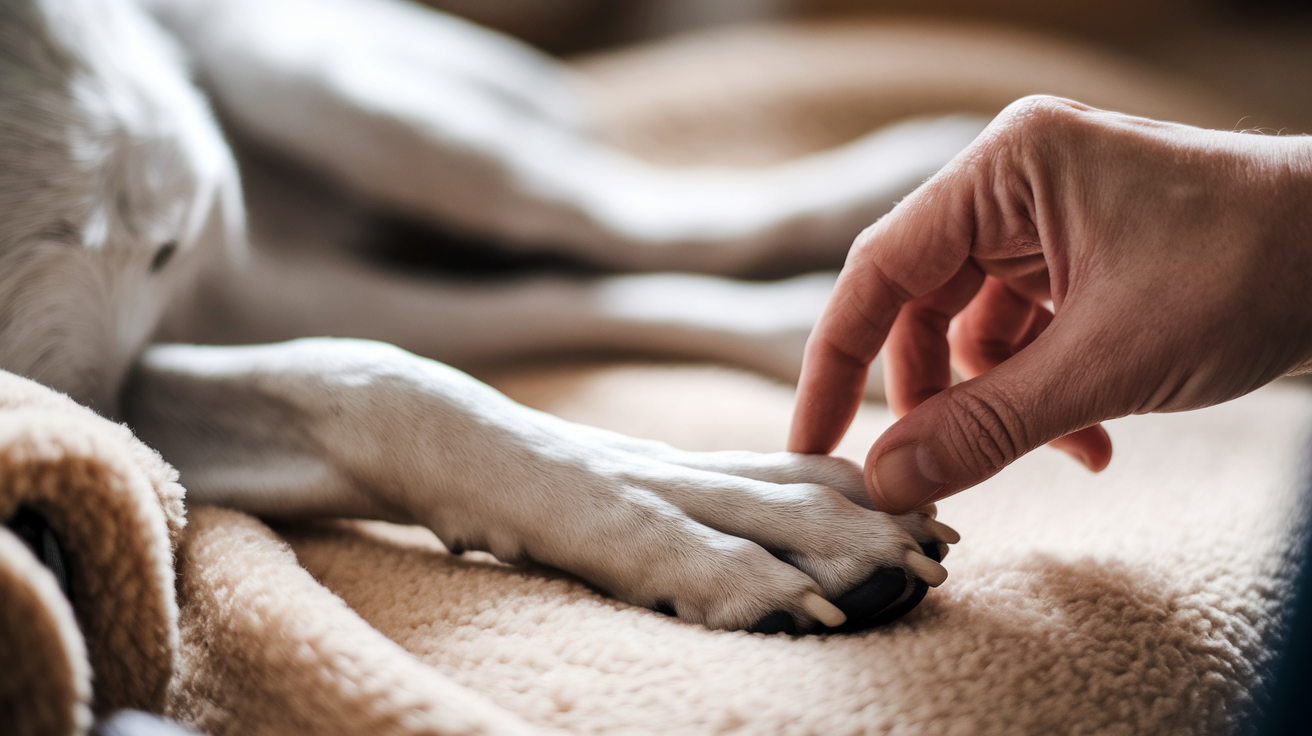
Most dogs lick their paws from time to time. Quick cleaning after a walk or a grooming session after a nap? Totally normal. But when licking becomes persistent, focused on one spot, or happens so often it messes with your dog’s comfort, that’s when you need to pay attention. Excessive paw licking means your dog’s doing it constantly throughout the day, targeting the same paw over and over, or going at it hard enough to cause redness, hair loss, or moisture building up between the toes.
There are five main reasons behind excessive paw licking. Injuries like cuts, torn nails, burns, or something stuck in the paw often trigger sudden, intense licking of a single spot. Allergies, whether from food, pollen, grass, or household chemicals, commonly affect the paws and cause chronic itching and inflammation. Parasites like fleas, ticks, and mites hide between toes and drive relentless scratching and licking. Pain from arthritis, especially in older dogs, or discomfort somewhere else in the limb can lead to focused paw licking. And sometimes it’s behavioral. Boredom, anxiety, or compulsive habits can make dogs lick their paws even when nothing’s physically wrong.
Watch for these signs that licking’s become a problem:
• Redness, swelling, or moisture between the toes or on the paw pads
• Discharge, pus, or a foul smell coming from the paw
• Limping, favoring one leg, or not wanting to walk
• Sudden licking focused on one paw
• Hair loss, darkened fur from saliva staining, or visible sores
Catching the cause early prevents bigger problems. Constant moisture from licking creates the perfect setup for bacterial or yeast infections, a painful condition called pododermatitis. Once that develops, the infection itself causes more itching and licking. It’s a cycle that gets harder to break. Early action, whether at home or with your vet, keeps a manageable issue from turning chronic.
Dog Paw Licking Causes: How to Identify Injuries and Irritations

Injuries are one of the most common reasons for sudden, focused paw licking. If your dog wasn’t licking yesterday but today won’t leave one paw alone, there’s a good chance something painful happened. A thorn, splinter, grass awn, or small stone can get lodged between the toes or pads. Hot pavement in summer or chemical de-icers in winter can burn or irritate sensitive paw pads. Torn nails, cuts from sharp objects, insect stings, blisters from long hikes. All of these trigger immediate licking as your dog tries to soothe the pain.
How to Perform a Paw Check at Home
- Have your dog sit or lie down somewhere with good lighting.
- Gently lift one paw and spread the toes apart to inspect between each toe and pad.
- Check the paw pads for cuts, cracks, burns, blisters, or embedded objects like thorns or gravel.
- Inspect each nail for breaks, tears, or signs of an ingrown nail pressing into the pad.
- Look at the tops of the feet and ankles for swelling, redness, or puncture wounds.
- Gently press on different parts of the paw and watch for flinching, whimpering, or pulling away. That signals pain.
Contact your vet the same day if you find bleeding that won’t stop with gentle pressure, deep cuts that might need stitches, significant swelling, or an embedded object you can’t safely remove. Persistent limping, refusal to put weight on the paw, or your dog crying when you touch the area all need professional evaluation. Even if the injury looks minor, a vet visit makes sure there’s no deeper damage, infection risk, or hidden material left behind.
Dog Paw Licking from Allergies: Environmental, Seasonal, and Food Triggers
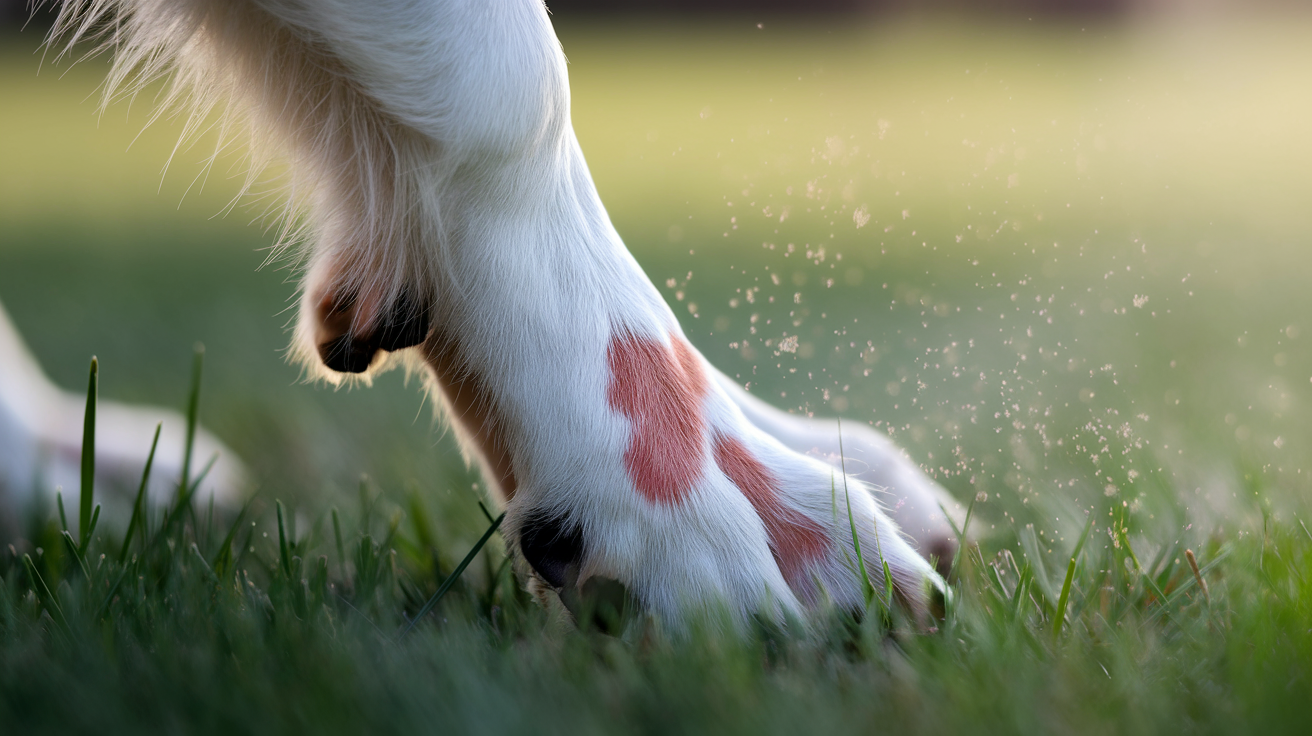
Allergies are a leading cause of chronic paw licking in dogs. Unlike injuries that show up suddenly, allergies build over time and often affect multiple paws, the face, ears, and belly. Seasonal allergies flare during spring and summer when pollen counts rise. Year-round allergies come from dust mites, mold, household cleaners, or certain fabrics. Dogs with environmental allergies often lick their paws after outdoor time, trying to relieve the itch from grasses, weeds, or pollens they walked through. Contact irritants like lawn chemicals, de-icing salts, or harsh floor cleaners can also inflame paw pads, causing redness and immediate licking.
Common environmental triggers include:
• Pollen from trees, grasses, and weeds during peak seasons
• De-icing salts and chemical sidewalk treatments in winter
• Lawn fertilizers, pesticides, or weed killers applied to yards
• Laundry detergents, floor cleaners, or scented sprays used indoors
Food Allergies and Paw Licking
Food allergies often show up as chronic itchy paws even when there’s no outdoor irritant. Common food proteins like chicken, beef, pork, dairy, and eggs can trigger immune reactions in sensitive dogs. Unlike seasonal flares, food-related paw licking happens year-round and might come with ear infections, stomach upset, or skin issues elsewhere on the body. Diagnosing a food allergy requires a vet-guided elimination diet. You’ll feed a novel protein like salmon, venison, or duck, or a hydrolyzed protein diet for 8 to 12 weeks while monitoring symptoms. Examples include Blue Buffalo Basics Skin & Stomach Care Adult Salmon & Potato Recipe or Blue Buffalo Basics Skin & Stomach Grain-Free formula.
Allergic paws create a secondary problem. The constant licking introduces moisture and bacteria, leading to yeast or bacterial infections that worsen the itch and drive even more licking. Breaking this cycle requires both allergy management and treatment of the infection.
Parasites and Infections Behind Dog Paw Licking
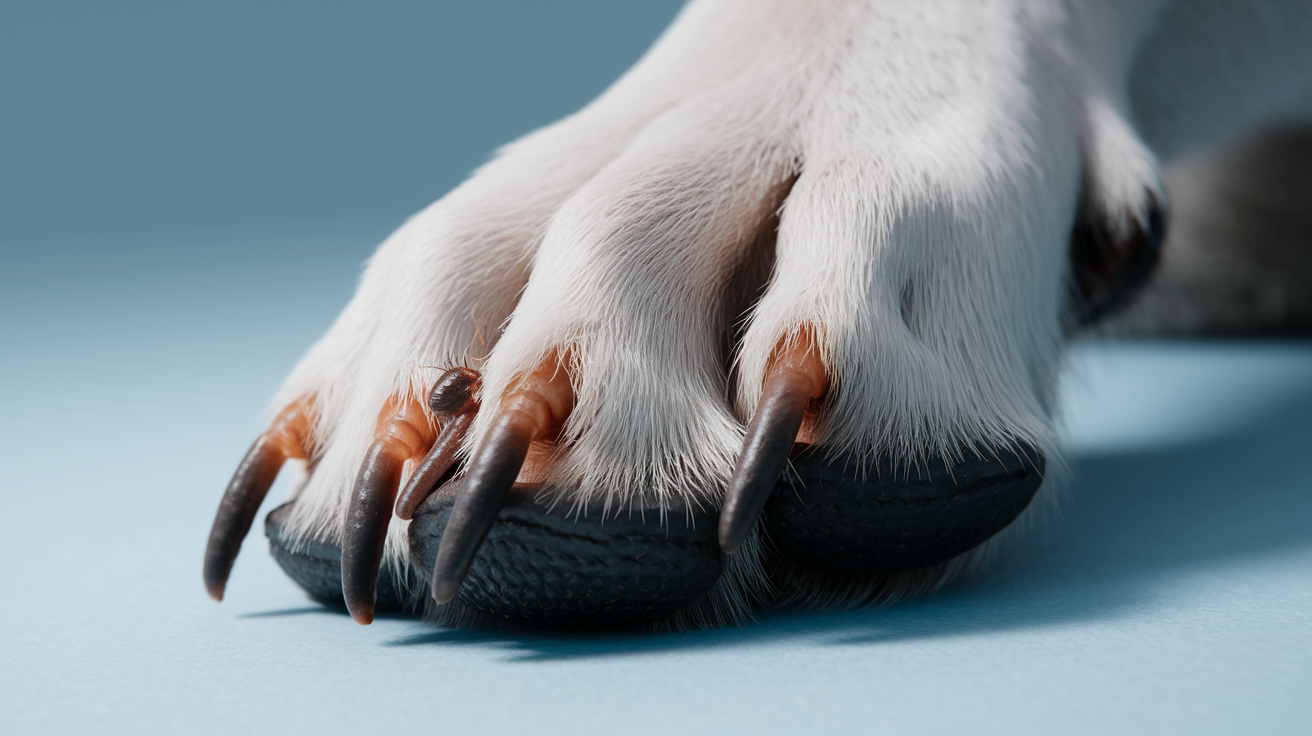
Fleas, ticks, and mites are tiny but powerful drivers of paw licking. Fleas don’t just bite. They trigger intense allergic reactions in sensitive dogs, a condition called flea allergy dermatitis. Even a single flea bite can cause days of itching. Fleas and flea dirt, those black specks that turn red when moistened, often hide between the toes where fur is thick and inspection is harder. Ticks prefer warm, hidden spots and commonly attach between toes, under the legs, or behind the ears. Mange mites, including demodex and sarcoptic types, burrow into the skin and cause severe itching, hair loss, and crusty sores.
Bacterial and yeast infections develop when moisture from licking disrupts the skin’s natural balance. Yeast infections often smell musty or sour, and the skin between the toes appears red, swollen, and greasy. Bacterial infections cause pus, discharge, and a foul odor. Both types worsen the itching, creating a feedback loop where licking fuels more infection.
| Parasite or Infection | Key Signs | Typical Treatment |
|---|---|---|
| Fleas | Intense itching, flea dirt, visible fleas on comb | Vet-recommended flea preventatives |
| Ticks | Visible tick between toes or under leg | Safe removal with tweezers, tick preventatives |
| Yeast infection | Musty odor, red greasy skin, swelling | Antifungal medications (topical or oral) |
| Bacterial infection | Pus, discharge, foul smell, heat | Antibiotics (topical or oral) |
Infections need immediate veterinary attention when you see pus, spreading redness, significant swelling, or if your dog develops a fever or becomes lethargic. Untreated infections can spread deeper into the tissue, turning a surface problem into a painful, slow-healing condition that’s much harder to resolve.
Pain-Related Dog Paw Licking: Arthritis and Orthopedic Discomfort
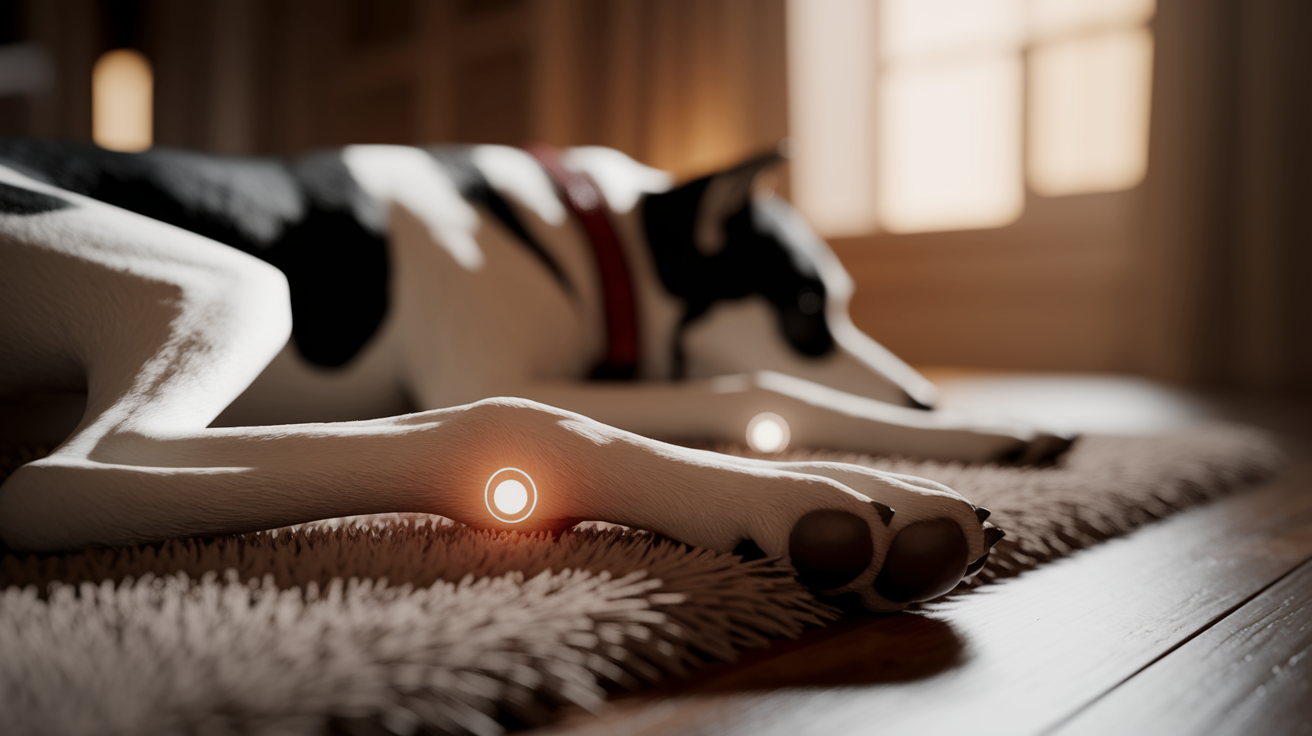
Pain anywhere in the leg, shoulder, hip, or spine can cause a dog to lick a front paw. Arthritis commonly affects the small joints in the toes, especially in senior dogs or larger breeds. The discomfort may be subtle at first. Stiffness after rest, reluctance to jump, a slight change in gait. As arthritis progresses, the persistent ache drives licking as the dog tries to soothe the joint. Pain may also come from old injuries, ligament strain, or nerve issues that radiate down the limb.
Managing arthritis-related paw licking involves a combination of lifestyle changes and veterinary treatments. Weight control reduces stress on joints, so switching to a weight-management diet like Blue Buffalo Natural Veterinary Diet Weight Management + Mobility Support can help. Low-impact exercise like short, frequent walks and swimming keeps joints mobile without causing flare-ups. Environmental changes matter too. Rugs on slippery floors, blocked stairs, an orthopedic bed. These make movement easier and less painful. Vets may prescribe Librela, the first FDA-approved injectable medication for canine osteoarthritis pain, given monthly at the clinic. Galliprant is a commonly prescribed oral medication for arthritis pain. Supplements like glucosamine may also support joint health when used as part of a broader plan.
Watch for these clear signs of pain:
- Reluctance to use stairs or jump onto furniture
- Stiffness or slow movement after lying down
- Reduced interest in play, walks, or favorite activities
When pain drives licking, treating the underlying discomfort is the only way to stop the behavior. Bandaging or blocking the paw won’t help if the real problem is an aching joint higher up the leg.
Anxiety, Stress, and Compulsive Licking in Dogs
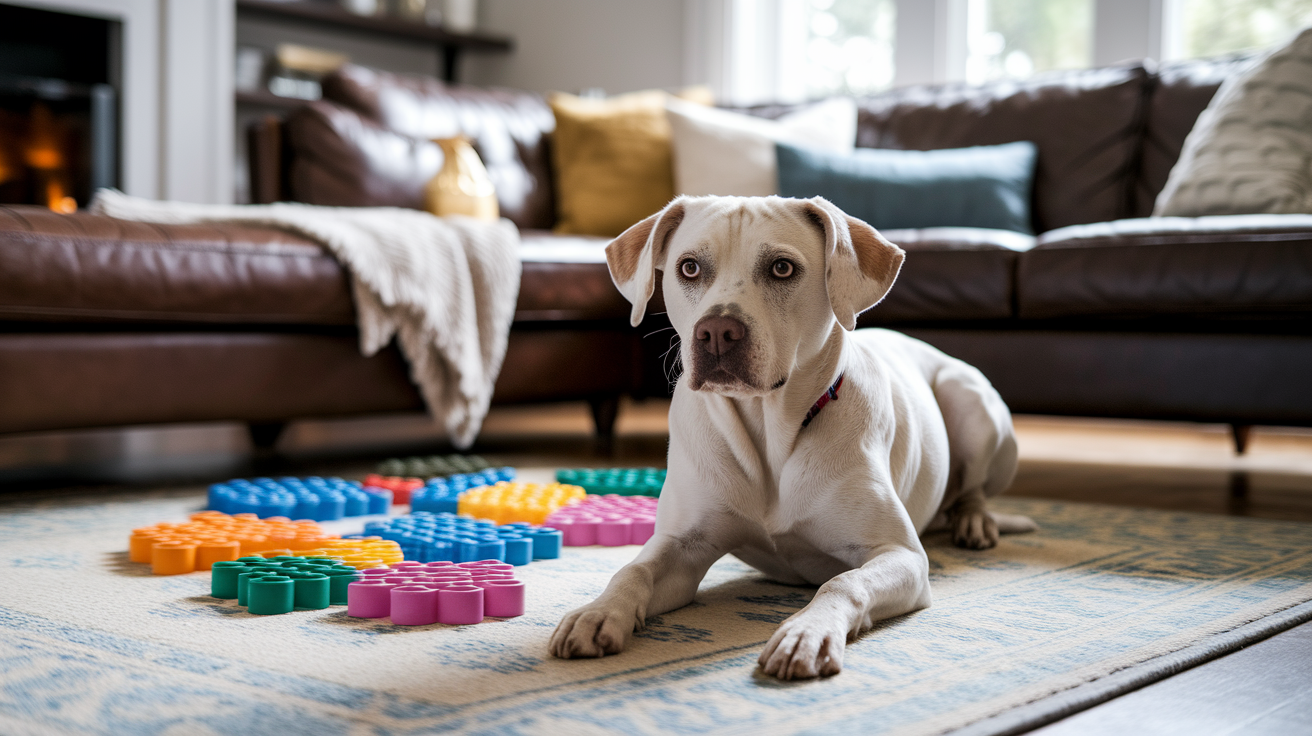
Some dogs lick their paws not because of a physical problem, but because they’re bored, anxious, or stressed. Behavioral licking often starts as a response to a temporary itch or minor irritation, but the repetitive motion becomes soothing. Like a nervous habit. Over time, the licking continues even after the original trigger is gone. Separation anxiety, fear of loud noises, lack of mental stimulation, or major changes in routine can all fuel this behavior. Dogs left alone for long hours with nothing to do may lick their paws simply to pass the time or self-soothe.
Practical Behavior Solutions
• Increase daily exercise with longer walks, play sessions, or off-leash time in a safe area.
• Provide mental enrichment through puzzle toys, treat-dispensing balls, or scent games.
• Teach new commands or tricks to engage your dog’s mind and build confidence.
• Stick to a consistent daily schedule for meals, walks, and rest to reduce anxiety.
• Consult a certified animal behaviorist or veterinary behaviorist if licking is severe, obsessive, or doesn’t improve with basic changes.
Behavioral licking often persists despite medical treatment because the underlying stress or boredom remains unaddressed. In severe cases, vets may prescribe anti-anxiety medication to help your dog relax while behavior modification takes effect. Combining medical support, environmental enrichment, and training gives the best chance of breaking the cycle. Professional guidance is especially important when licking has become compulsive, if your dog licks until the skin bleeds, or if the behavior gets in the way of eating, sleeping, or normal activity.
When Dog Paw Licking Requires a Veterinary Examination
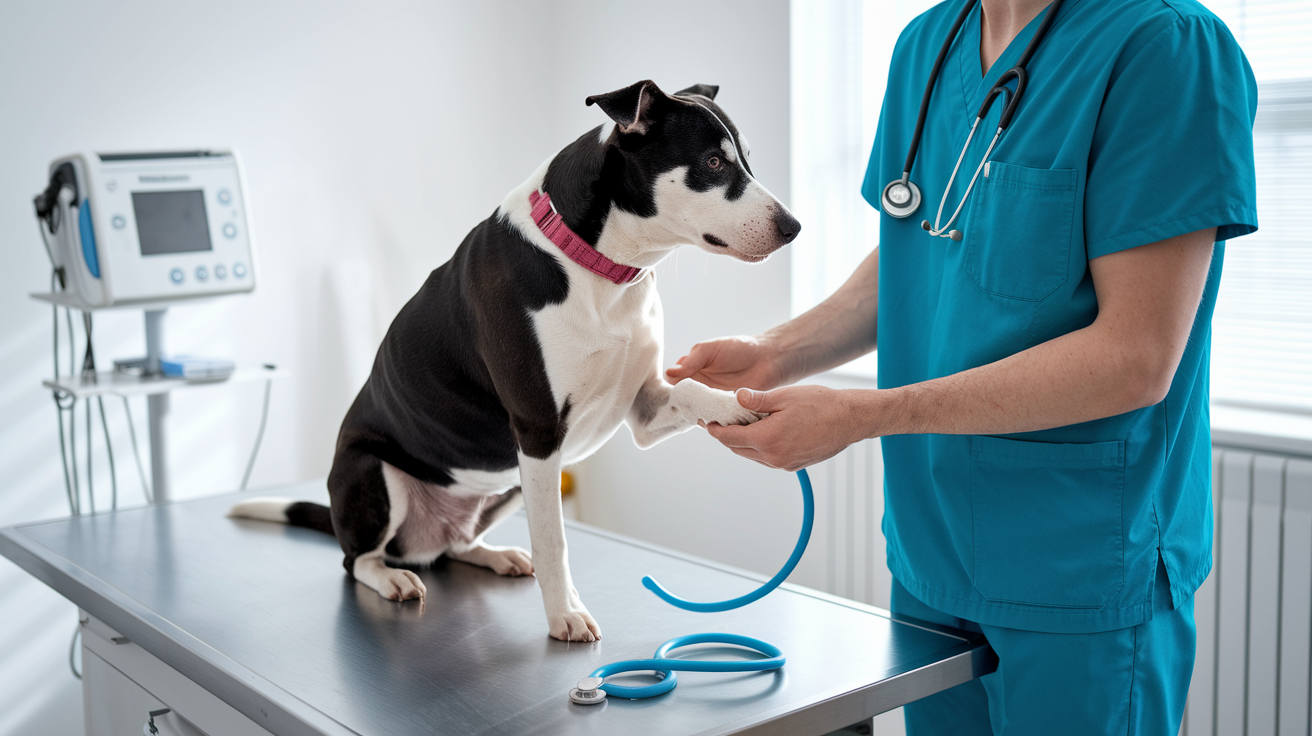
Some signs mean it’s time to pick up the phone and schedule a vet visit. Or in urgent cases, head to the clinic right away. Bleeding from the paw, especially if it won’t stop after a few minutes of gentle pressure, needs immediate attention. Pus or any abnormal discharge signals an active infection that requires antibiotics or antifungals. Swelling that’s warm to the touch, spreading redness, or a foul odor all point to infections that can worsen quickly without treatment. If your dog whimpers, cries, or pulls away sharply when you touch the paw, the pain level is high enough to need professional pain management and diagnosis.
Get veterinary care promptly if you notice:
• Bleeding that continues after applying pressure
• Pus, discharge, or a strong foul smell
• Significant swelling or heat in the paw
• Limping or refusal to put weight on the leg
• Fever, lethargy, or loss of appetite alongside paw licking
• Licking that’s persisted for more than a few days despite basic home care
During the exam, your vet will perform a physical assessment, checking the paws, nails, skin, and joints. Common diagnostic steps include skin scraping to check for mites, cytology (a microscope slide test) to identify bacteria or yeast, fungal cultures if ringworm is suspected, and orthopedic evaluation if pain or arthritis is likely. Allergy testing or an elimination diet trial may be recommended for chronic cases. Early diagnosis makes treatment simpler, faster, and more effective.
Treatments for Dog Paw Licking: Medical, At-Home, and Preventive Care
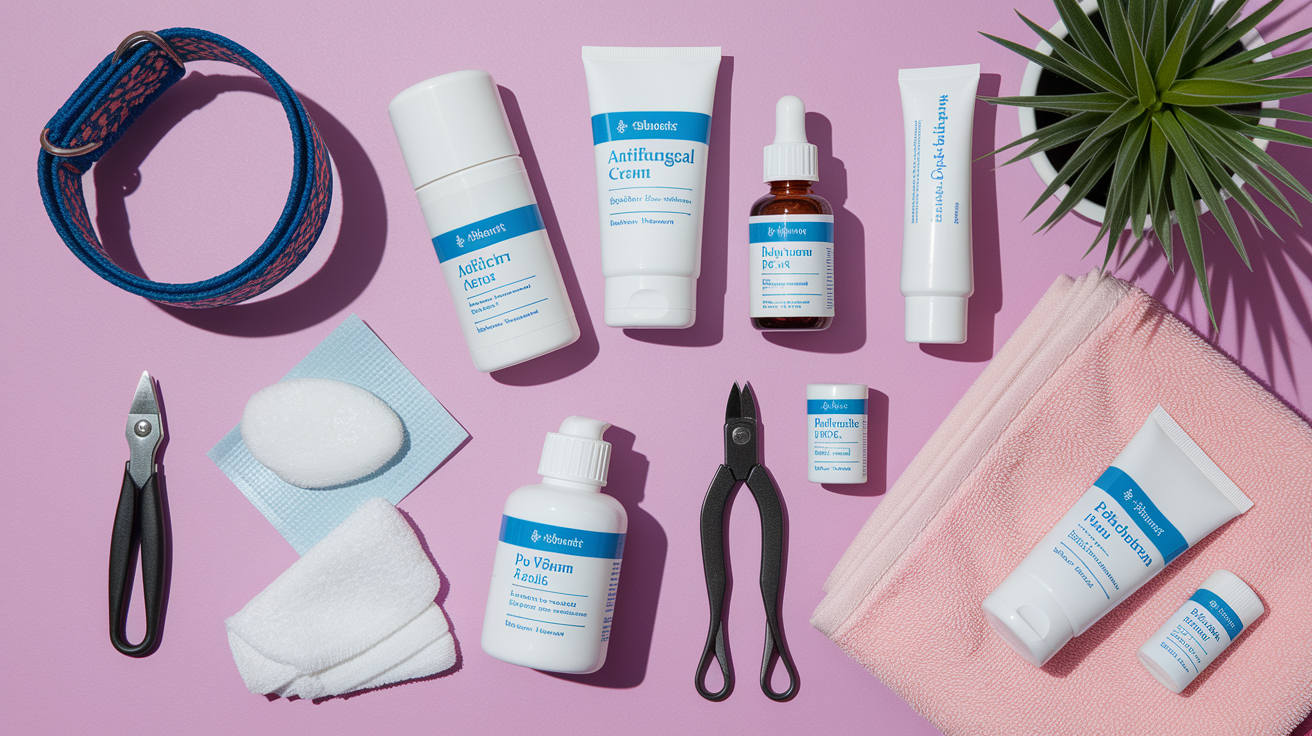
Treatment depends entirely on what’s causing the licking. A cut needs cleaning and possibly stitches. An allergy needs trigger avoidance and medication. An infection needs antibiotics or antifungals. Arthritis needs pain control and joint support. Matching the treatment to the diagnosed cause is what stops the licking and prevents it from coming back.
Common Veterinary Treatments
- Topical or oral antibiotics for bacterial infections causing redness, pus, or discharge.
- Antifungal medications, creams, shampoos, or pills, for yeast infections with a musty smell and greasy skin.
- Allergy medications including antihistamines, steroids for short-term relief, or immunotherapy (allergy shots) for long-term management.
- Parasite control with vet-recommended flea and tick preventatives to eliminate mites, fleas, or ticks.
- Pain medications like Galliprant (oral) or Librela (injectable) to manage arthritis or orthopedic discomfort.
At-Home Care Options
• Paw soaks in lukewarm water or diluted Epsom salt solution to reduce swelling and clean minor irritation.
• Paw balms or moisturizers (pet-safe only) to protect cracked or dry pads.
• Elizabethan collars, e-collars or recovery cones, to prevent licking while wounds or infections heal.
• Dog booties to protect paws from hot pavement, salt, or rough terrain during walks.
Combining veterinary treatment with at-home support gives the best results. For example, if your vet prescribes antibiotics for a bacterial infection, using a cone at home stops your dog from licking off the medication or reintroducing bacteria. Paw soaks after outdoor time remove allergens and irritants before they trigger more licking. Regular use of paw balm in winter prevents the cracking and dryness that lead to discomfort. When medical care addresses the root cause and home routines reduce exposure and irritation, chronic licking often resolves within a few weeks.
Long-Term Prevention and Daily Paw Care Routines

Preventing paw problems is easier than treating them. A few simple habits built into your daily and weekly routine keep paws healthy and reduce the risk of injuries, infections, burns, and allergic flare-ups. The most effective prevention step? Inspecting and cleaning your dog’s paws after every outdoor walk. Keep a bowl of lukewarm water and a towel near the door. A quick rinse removes dirt, pollen, grass seeds, de-icing chemicals, and other irritants before they cause itching or irritation.
The best long-term prevention habits include:
- Rinse and dry paws after walks, especially in spring (pollen season) and winter (salt and de-icers).
- Trim the hair between your dog’s toes every few weeks to prevent matting and debris buildup.
- Keep nails trimmed short to avoid pressure on pads and reduce the risk of torn or ingrown nails.
- Avoid walking on very hot pavement in summer or heavily salted sidewalks in winter.
- Maintain year-round flea and tick prevention as recommended by your vet.
Regular grooming sessions give you a chance to check for early warning signs. Redness, small cuts, the start of a yeast smell. Catching issues early means simpler fixes. A small crack treated with paw balm today won’t become a painful infection next week. A tiny thorn removed during a routine check won’t turn into days of limping and licking. Routine care, combined with quick action when something feels off, keeps most dogs comfortable and their paws healthy year-round.
Final Words
If your dog is licking their paws right now, this guide stepped through what to look for, normal grooming versus worrying behavior, injuries, allergies, parasites, pain, and stress. You also learned safe paw checks, treatment options, and simple daily routines to reduce repeat licking.
If you’re still asking why does my dog keep licking his paws, start by checking for redness, swelling, limping, or discharge and try basic home care. If signs are severe, see your vet. Small steps now often bring quick improvement.
FAQ
Q: How do I stop my dog from constantly licking his paws?
A: To stop constant paw licking, inspect and clean the paws, remove debris, apply vet-approved soaks or paw balm, offer enrichment and extra walks, use a cone or booties temporarily, and see your vet if it continues beyond 48 hours.
Q: When should I be concerned about my dog licking their paws?
A: Be concerned when paw licking comes with redness, swelling, bleeding, pus or a bad odor, severe limping, sudden intense licking, fever, or lethargy. Seek vet care promptly; go to emergency care for severe bleeding or breathing problems.
Q: Why does my dog keep licking his paws but nothing there?
A: If your dog licks paws but nothing is visible, causes can be allergies, early infection, pain, tiny foreign material, or stress. Try a close inspection, photo or video, gentle rinse, and see your vet if it continues.
Q: Could parasites be causing paw licking?
A: Parasites can cause paw licking, with fleas, ticks, or mites producing intense itching, flea dirt, hair loss, or scabs. Check between the toes, use vet-recommended preventatives, and see your vet for diagnosis and treatment.
