
Think diarrhea means your dog is seriously sick? Not always.
Many dogs have loose stool but keep eating, playing, and sleeping like usual.
Often the issue is limited to the gut—things like a quick food change, grabbing trash on a walk, stress from a move, or mild parasites can cause loose stool without changing behavior.
Read on to learn the common causes, simple checks you can do at home tonight, and clear signs that mean it’s time to call your vet.
Immediate Answers to Why a Dog May Have Diarrhea but Act Normal
Your dog can have diarrhea and still act totally normal because the issue’s mild and mostly contained to the gut. The digestive system’s sensitive. A small irritation in the stomach or intestines often creates loose stool without making the rest of the body feel sick. Plenty of dogs keep playing, wagging their tails, eating meals, and sleeping just fine even when their bowel movements aren’t quite right. This combo’s actually reassuring. It suggests the problem’s limited to digestive stuff rather than something affecting their whole system.
The usual reasons for loose stools paired with normal behavior are pretty straightforward. Sudden food changes, eating garbage or table scraps they’re not used to, stress from routine shifts, or trying a new treat can all mess with digestive balance without touching energy or appetite. These causes typically clear up on their own within a day or two as the gut settles.
Most of the time, it’s one of these:
- Switching to new dog food without a gradual transition
- Eating sticks, mulch, or compost during walks
- Stress from travel, moving, or a new pet joining the household
- New treats, supplements, or chew toys that don’t sit well
Short term loose stool with normal behavior usually isn’t an emergency. You can monitor at home for 24 hours, watching for changes in energy, appetite, or what the stool looks like. If diarrhea continues past a day or new symptoms show up, then it’s time to contact your vet.
Understanding What Happens Inside the Digestive System
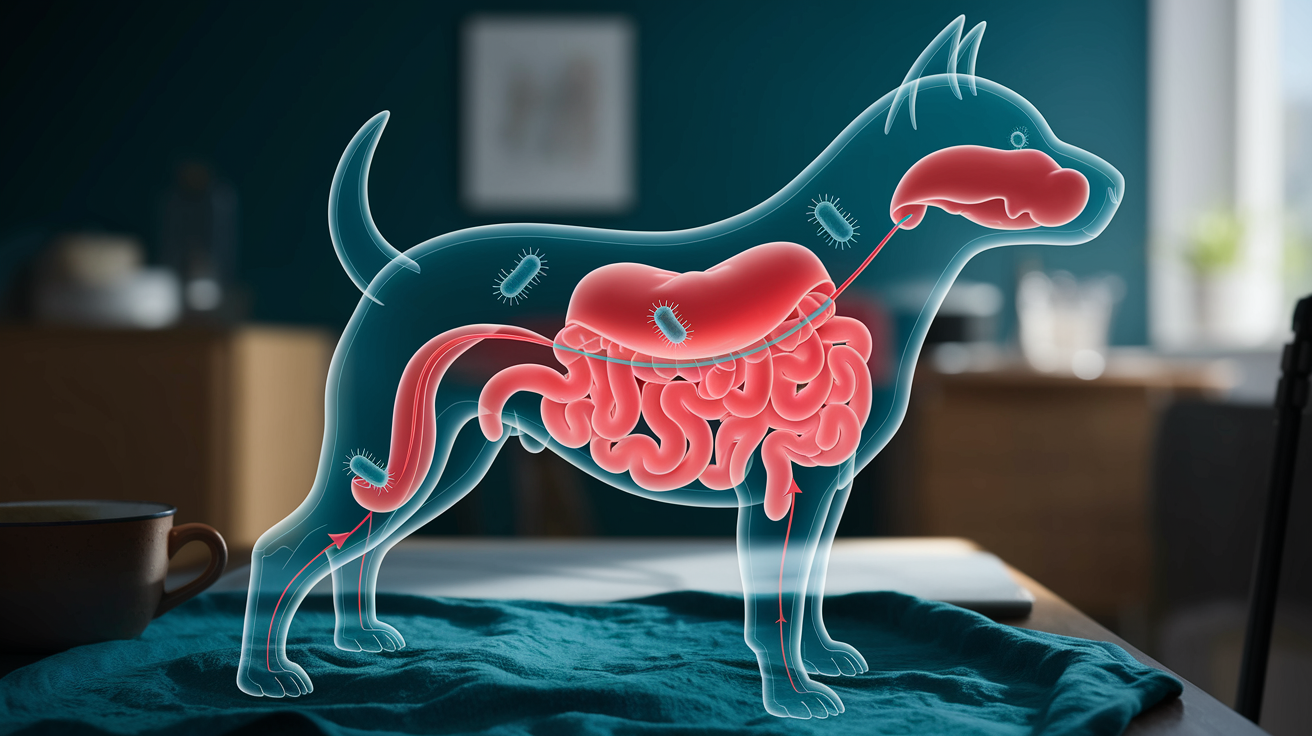
Mild intestinal irritation, gut bacteria imbalance, or trouble breaking down a new ingredient can cause loose stools without making a dog feel bad overall. The intestinal lining might become slightly inflamed, producing extra fluid that softens stool and increases frequency. At the same time, the stomach may be fine, appetite stays normal, and energy levels don’t drop. This disconnect between gut function and general health is why you’ll see diarrhea in a dog that acts completely fine.
Stress hits the colon directly through nerve signals and hormones, creating something called stress colitis. Food sensitivities trigger mild inflammation in the gut wall, changing how water gets absorbed and making stool looser. A sudden diet shift can introduce unfamiliar proteins or fibers that gut bacteria haven’t adapted to yet, causing temporary upset. These internal mechanisms rarely touch a dog’s mood, play drive, or willingness to eat because they don’t cause pain severe enough to shift behavior.
What’s happening inside:
- Slight inflammation of intestinal lining from new food
- Imbalance in healthy gut bacteria
- Poor digestion of certain proteins, fats, or fibers
- Increased gut motility triggered by stress hormones
- Temporary reduction in water absorption in the colon
How to Monitor Dog Diarrhea at Home When Your Dog Seems Normal
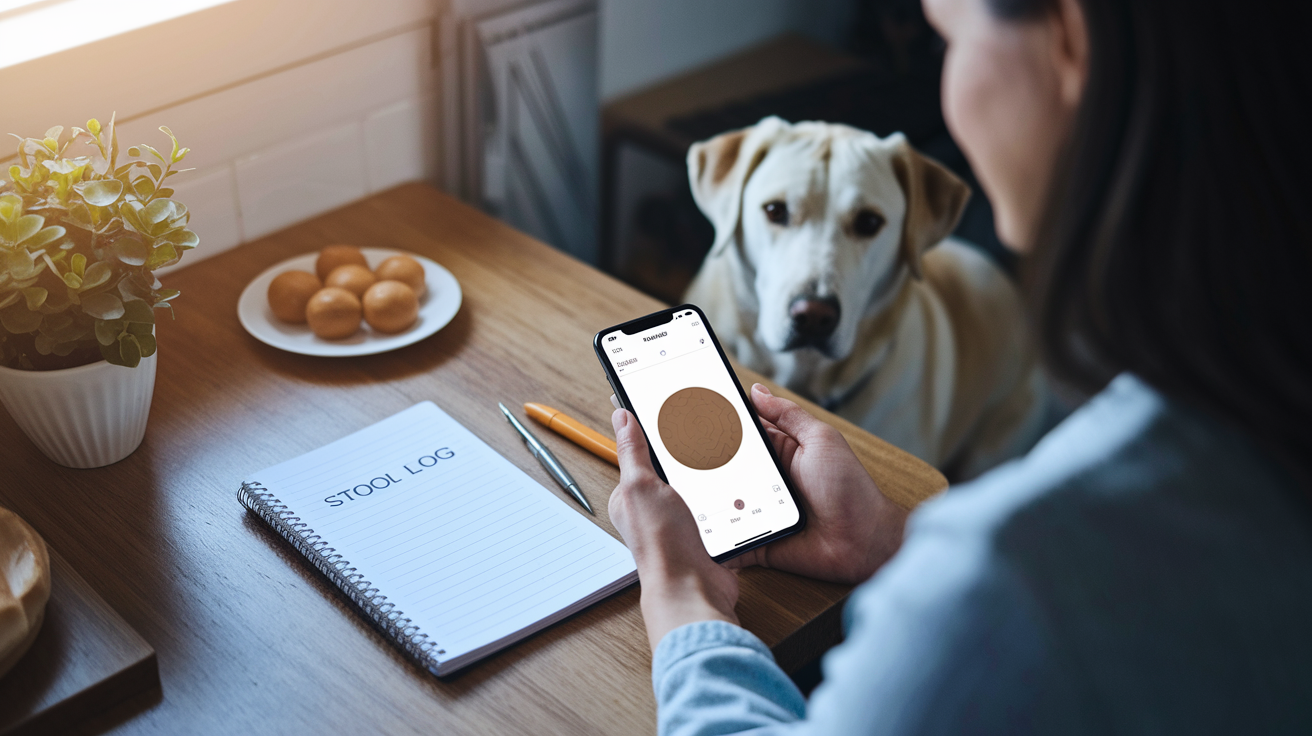
Close observation over the first 24 hours helps you spot early warning signs and figure out whether home care’s enough or if you need to call the vet. Even when your dog acts fine, subtle shifts in stool consistency, hydration, or frequency give clues about what’s happening. Watching carefully also lets you gather details to share with your vet if things don’t improve.
Stool appearance matters more than you’d think. Watery stool that looks like brown liquid is different from a soft pile that holds some shape. Mucus coating the stool, which looks like clear or yellowish jelly, can signal irritation lower in the intestine. Color changes are important too. Very pale, bright red, or black tarry stool should be noted and photographed if you can. Frequency counts as well. One loose bowel movement is very different from five or six in a few hours.
What to watch for:
- Gum color and moisture (should be pink and wet, not pale or tacky)
- Number of episodes and time between each one
- Mucus, blood, or unusual color in the stool
- Water intake and any refusal to drink
- Energy level, appetite, and new symptoms like vomiting or panting
Changes suggesting things are getting worse include multiple episodes in a short time, visible blood or mucus, decreased water intake, or any new lethargy or appetite loss. If you see these shifts, contact your vet right away even if your dog seemed normal earlier.
Safe Home Care for Mild Canine Diarrhea When Behavior Is Normal
Fasting for 12 to 24 hours can give the digestive system a break and help cut down irritation, but this only works for healthy adult dogs. Don’t fast puppies, senior dogs, small breeds at risk for low blood sugar, or any dog with underlying health conditions like diabetes. Always provide fresh water during a fast to prevent dehydration. After fasting, introduce food slowly instead of offering a full meal right away.
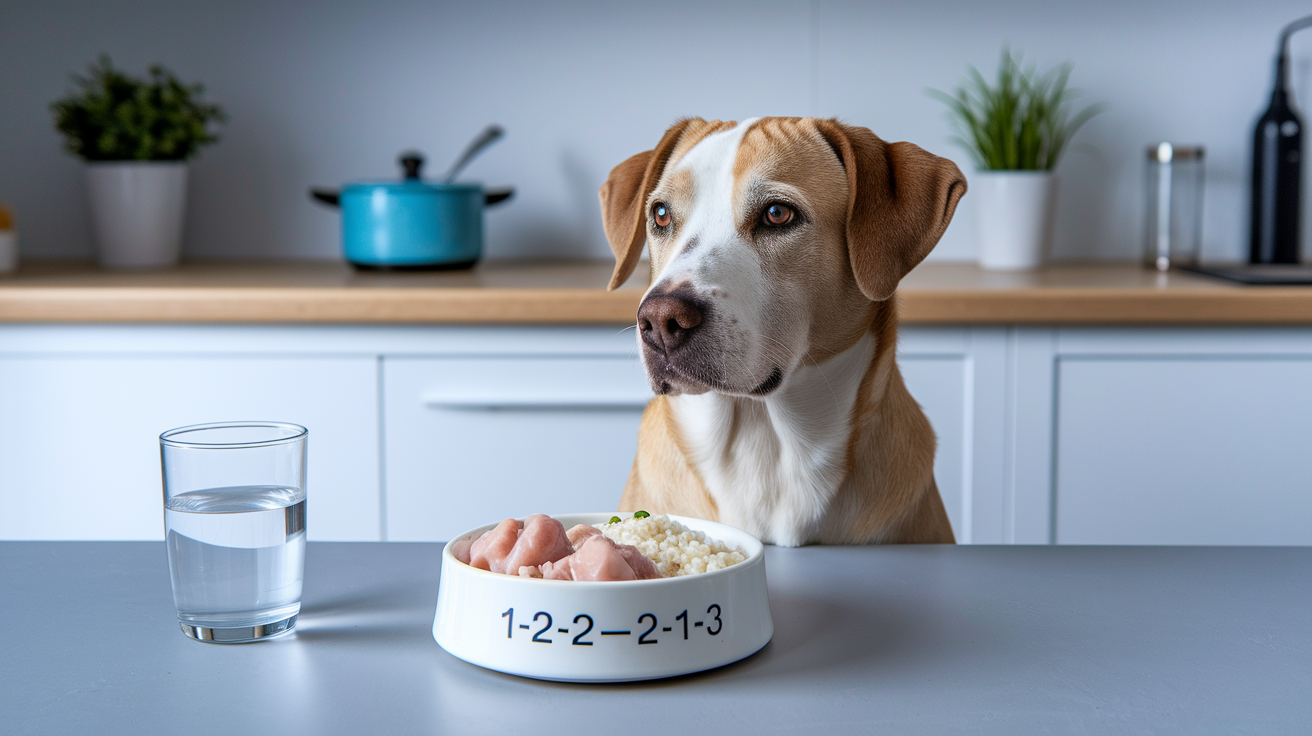
A bland diet’s the safest first step once you start feeding again. Use plain boiled chicken breast or lean ground turkey paired with plain white rice, mixed roughly 1 part protein to 2 parts rice. Cook the chicken thoroughly with no seasoning, oil, or butter. Offer 3 to 4 small meals throughout the day instead of 1 or 2 large portions. Small, frequent feedings are easier on an irritated gut and reduce the chance of triggering more diarrhea. Once stool firms up, gradually mix regular food back in over 3 to 5 days.
Probiotics help restore healthy bacteria balance in the gut. Fiber supplements like canned plain pumpkin (not pie filling) can firm loose stool. Bone broth with no onions, garlic, or high salt encourages drinking and adds nutrition without overwhelming the stomach. Make sure your dog has constant access to fresh water, since diarrhea pulls fluid out and increases dehydration risk.
| Home Care Method | Purpose |
|---|---|
| 12–24 hour fast (healthy adults only) | Gives the gut time to rest and reduce inflammation |
| Bland diet (boiled chicken + white rice, 1:2 ratio) | Easy to digest, gentle on irritated intestines |
| Probiotics and fiber (pumpkin) | Restore gut bacteria and firm stool consistency |
| Bone broth and constant water access | Encourage hydration and prevent dehydration |
When Diarrhea Requires a Vet Visit Even If Your Dog Acts Normal
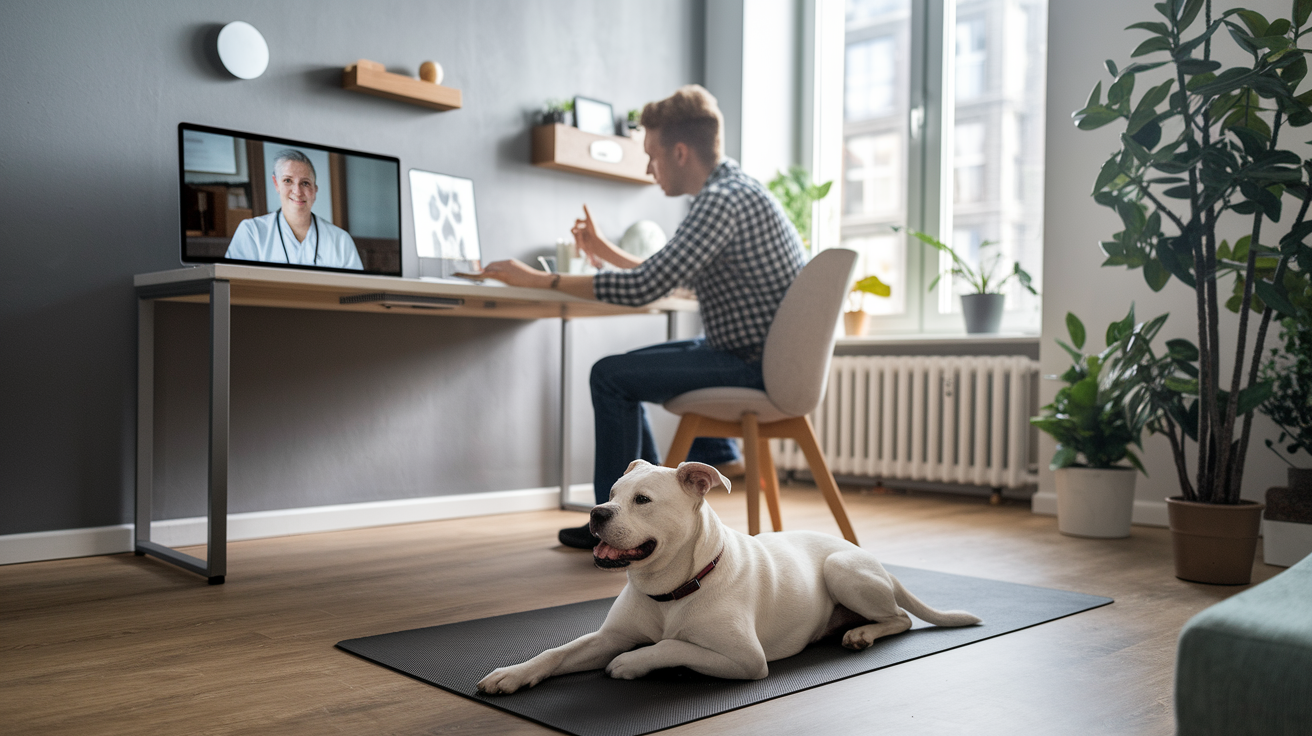
Time matters when deciding whether to call your vet. If diarrhea lasts more than 48 hours despite home care and a bland diet, it’s no longer a simple upset and needs professional evaluation. Recurring episodes over several weeks, even if they come and go, also need a vet visit. They suggest ongoing problems like parasites, food sensitivities, or inflammatory bowel disease. Puppies, senior dogs, and dogs with known health conditions should be seen sooner, within 24 hours of diarrhea starting, because they’re more vulnerable to dehydration and complications.
Certain symptoms mean you should get immediate veterinary attention, even if your dog seemed fine hours before. Blood in stool, whether bright red or dark and tarry, signals bleeding somewhere in the digestive tract. Repeated vomiting plus diarrhea raises severe dehydration risk quickly. Dehydration signs include dry or tacky gums, sunken eyes, skin that doesn’t snap back when you gently pinch it, and excessive panting. Abdominal bloating, pain when you touch the belly, refusal to eat or drink, or suspected toxin ingestion all require emergency care.
When to contact your vet immediately:
- Diarrhea lasting more than 48 hours despite bland diet and home care
- Blood in stool (bright red or black and tarry)
- Repeated vomiting alongside loose stool
- Dehydration signs like dry gums, sunken eyes, or skin tenting
- Abdominal pain, bloating, or vocalizing when touched
- Refusal to eat or drink, or suspected toxin ingestion
Parasites, Infections, and More Serious Causes of Dog Diarrhea
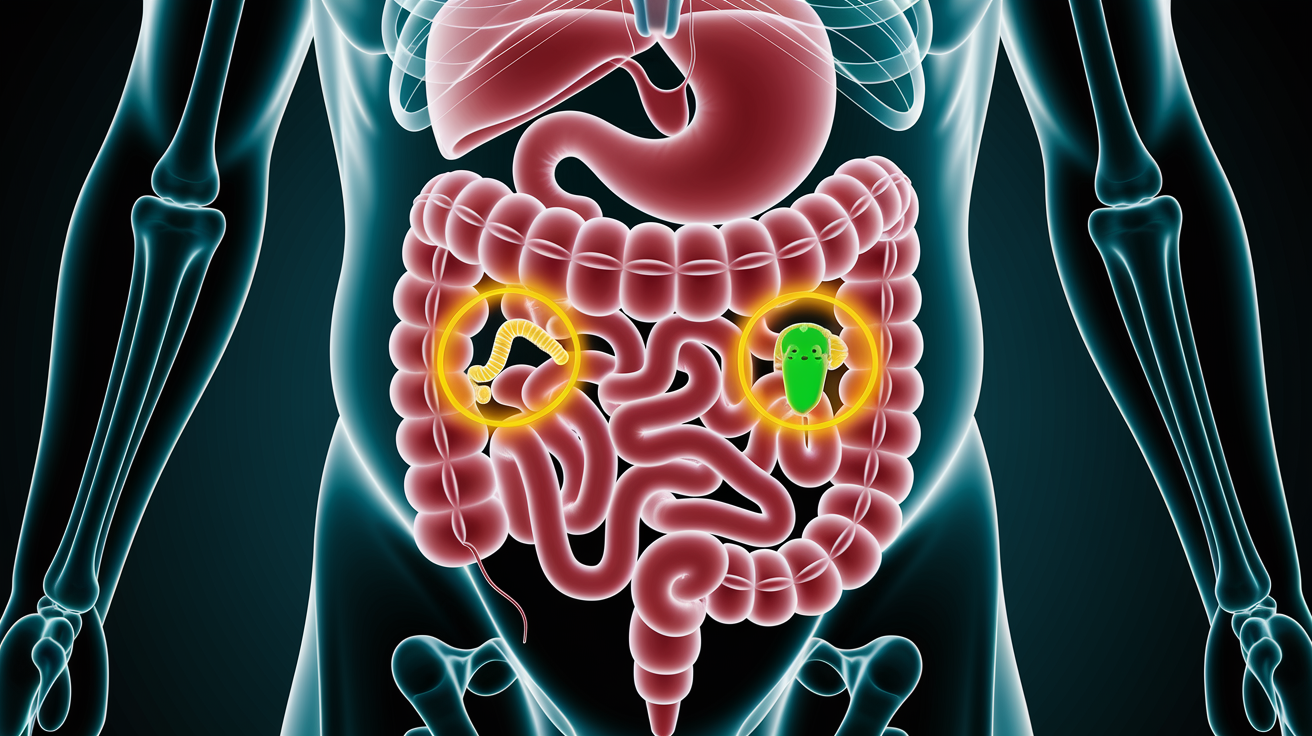
Intestinal parasites are one of the most common medical causes of diarrhea in dogs that otherwise act normal. Roundworms, hookworms, whipworms, and giardia can all live in the gut and produce loose, sometimes mucus coated stool without causing dramatic symptoms early on. Puppies and dogs that spend time outdoors, drink from puddles or streams, or visit dog parks face higher risk. A fecal test can detect most parasites and guide targeted treatment with deworming medications.
Bacterial and viral infections can also cause diarrhea while a dog’s energy and appetite stay fairly stable, at least early on. Salmonella from contaminated food or raw diets, campylobacter from undercooked meat, and mild viral infections can irritate the intestines and produce loose stool. More serious viral causes like parvovirus typically progress quickly and add severe symptoms, but early on a dog may still seem relatively normal. If diarrhea’s paired with a recent diet change to raw food, exposure to other sick dogs, or a known outbreak in your area, consider infection as a possible cause.
Common medical causes:
- Intestinal parasites like roundworms, hookworms, whipworms, and giardia
- Bacterial infections including salmonella or campylobacter from contaminated food
- Mild viral infections that irritate the gut lining
- Chronic conditions like inflammatory bowel disease, kidney disease, or liver disease
Diagnostic Steps Vets Use for Dogs with Diarrhea but Normal Behavior
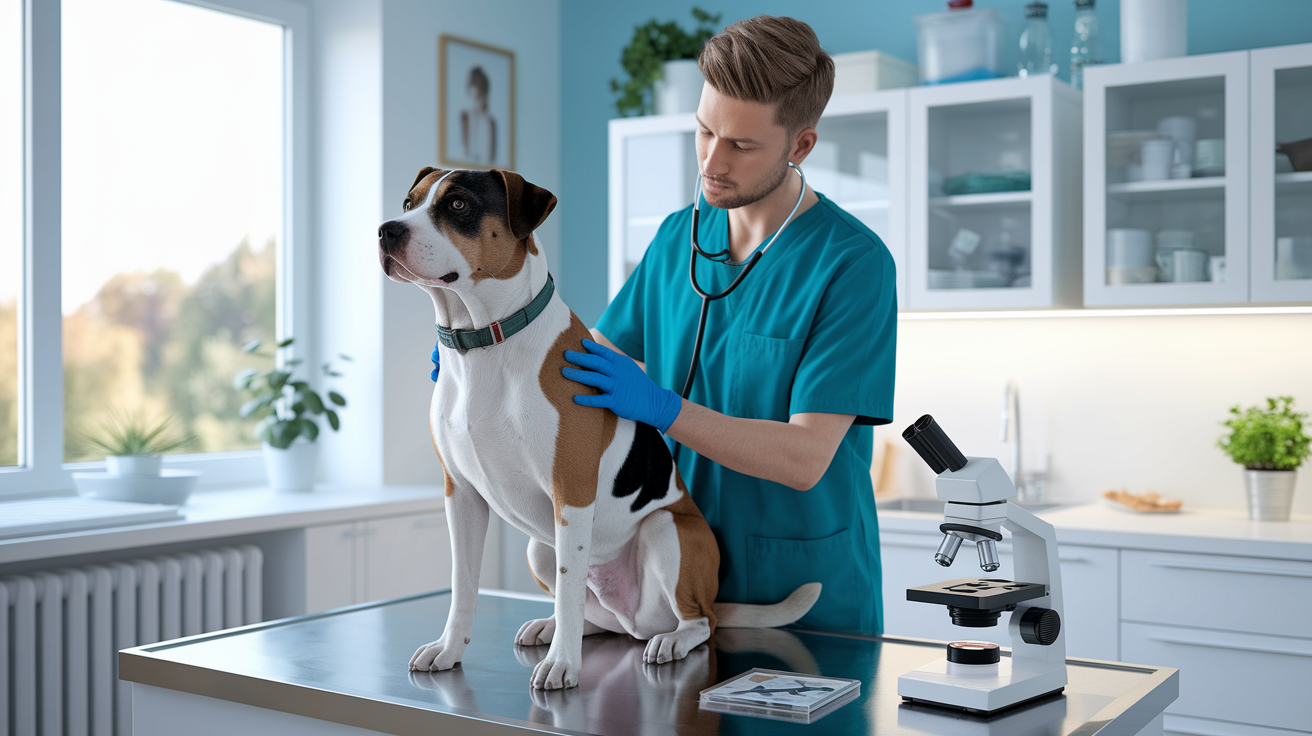
When you bring your dog to the vet, the first step’s a thorough physical exam and detailed history. Your vet will ask about diet changes, possible garbage or toxin ingestion, stress events, medication history, and the exact timeline and appearance of the diarrhea. They’ll check hydration status, listen to gut sounds, palpate the abdomen for pain or bloating, and assess overall body condition. This clinical picture helps narrow down whether the cause is dietary, infectious, or something more complex.
Fecal flotation’s the most common diagnostic test for diarrhea. A fresh stool sample gets mixed with a solution that causes parasite eggs to float to the surface, making them easy to see under a microscope. If parasites are found, your vet will prescribe the appropriate dewormer. Bloodwork may be recommended if the vet suspects kidney disease, liver problems, pancreatitis, or electrolyte imbalances. Imaging like X-rays or ultrasound is useful when there’s concern about a foreign object, intestinal blockage, or abnormal organ size. Your vet may also run additional stool tests to check for bacterial infections or inflammatory markers if initial tests don’t reveal a clear cause.
Collecting a fresh stool sample before your vet visit saves time and speeds up diagnosis. Use a clean plastic bag or container, keep the sample cool if you can’t get to the clinic right away, and bring it within a few hours of collection. If you see mucus or blood, try to include that portion because it gives your vet extra diagnostic clues.
Long Term Prevention of Recurrent Loose Stools in Dogs
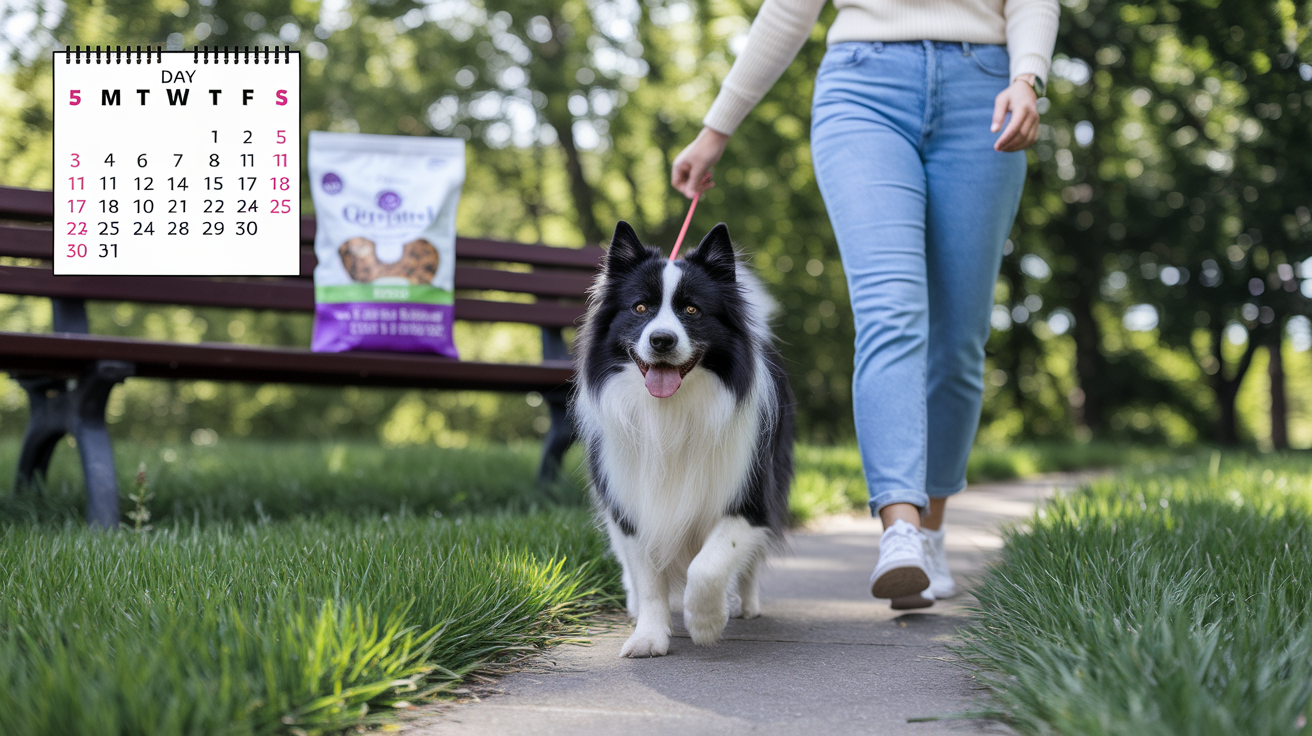
Dietary consistency’s the single most effective way to prevent recurring loose stools. Avoid abrupt food changes. Always transition from one food to another gradually over 5 to 7 days, mixing increasing amounts of new food with decreasing amounts of old. Choose a high quality commercial diet that matches your dog’s age, size, and activity level. If your dog has a history of sensitive digestion, consider a gastrointestinal formula or limited ingredient diet that reduces the chance of triggering irritation. Dogs with confirmed food allergies or intolerances may benefit from a prescription hypoallergenic diet using hydrolyzed proteins or novel protein sources.
Stress management, parasite prevention, and routine veterinary care all play a role in keeping the digestive system stable. Maintain a consistent daily routine for feeding, walks, and playtime to reduce stress related colitis. Keep garbage cans secure, avoid giving table scraps, and supervise your dog on walks to prevent scavenging. Stay current on veterinary prescribed parasite prevention medications, including monthly heartworm and intestinal parasite treatments. Schedule annual or more frequent checkups if your dog’s prone to gastrointestinal problems, and bring up any recurring symptoms even if they seem minor.
Prevention strategies:
- Transition all food changes slowly over 5 to 7 days
- Secure garbage and prevent access to table scraps or foreign objects
- Maintain consistent daily routine to reduce stress
- Use monthly parasite prevention as recommended by your vet
- Choose high quality, age appropriate commercial diets
- Schedule regular veterinary exams and address recurring symptoms early
Final Words
If your dog has loose stool but seems fine, this guide showed how mild gut irritation, sudden diet changes, stress, or short-lived shifts in gut bacteria can cause diarrhea without other worrying signs.
Monitor hydration, appetite, and stool shape for 24 hours, offer small bland meals if needed, and save a fresh stool sample before a vet visit.
If you ask why does my dog have diarrhea but acting normal, most dogs improve within a day or two. Call your vet for blood, repeated vomiting, or dehydration. You’ve got this—simple care and timely checks usually help.
FAQ
Q: Should I be worried if my dog has diarrhea but is acting normal, and how long should I be concerned?
A: If your dog has diarrhea but is acting normal, worry if it lasts more than 24 hours or you see blood, repeated vomiting, dullness, or dehydration; otherwise monitor, hydrate, and offer bland food.
Q: What is a silent killer for dogs?
A: A silent killer for dogs is gastric dilatation-volvulus (bloat), a sudden twisted stomach causing a distended belly, unproductive retching, and rapid collapse. Go to an emergency clinic immediately.
Q: What is the fastest way to cure diarrhea in dogs?
A: The fastest way to help dog diarrhea is short fasting (12 to 24 hours for healthy adults only), small bland meals (boiled protein and rice), keeping fluids up, and a vet-recommended probiotic if needed.
