
Is your cat hiding in closets and under beds to be mysterious, or because she’s truly scared?
Hiding is one of the oldest survival moves cats use when they feel stressed, sick, or out of control.
This post explains common triggers, how to tell stress from illness, and simple steps you can try tonight to help her feel safer.
You’ll learn what hiding spots mean, which signs need a vet, and easy household changes that lower anxiety.
That makes it easier to act calmly, keep her comfortable, and know when to call for medical help.
Understanding Why Cats Hide During Stressful Moments

Hiding is one of the oldest survival behaviors in the feline playbook. Cats are both predators and prey in the wild, so seeking enclosed, dark spaces helps them stay invisible to threats while keeping visual tabs on what’s happening around them. A hiding spot with walls or a roof on three sides and an open front gives your cat the perfect balance. They can watch without being seen. When stress hits, that ancient wiring kicks in automatically. Your cat isn’t being difficult or antisocial. She’s doing exactly what her biology tells her to do: find cover, stay quiet, wait until the danger passes.
Fear and anxiety are powerful psychological drivers of hiding behavior. When your cat feels overwhelmed, uncertain, or threatened by something in her environment, hiding becomes her primary coping mechanism. It’s not about punishing you or sulking. It’s about regaining a sense of control and safety. Hiding lets a stressed cat self-soothe, lower her heart rate, and process whatever triggered the fear response. Some cats are naturally more confident and bounce back quickly. Others are more sensitive and need longer periods of solitude to calm down. Both responses are normal variations in feline temperament and stress tolerance.
Illness can also drive hiding, even when no obvious trigger exists. Cats are wired to mask pain and vulnerability. Showing weakness in the wild invites predators. When a cat doesn’t feel well, she often retreats to a quiet, hidden place where she can rest without interference. This instinct makes it hard to tell whether your cat is hiding from stress or because something hurts. If hiding appears suddenly or lasts longer than usual, a medical cause should always be on your radar, even if no other symptoms are immediately visible.
Stress Triggers That Increase Cat Hiding Behavior

Environmental changes rank among the most common stressors that send cats into hiding. Cats thrive on routine and predictability, so even small shifts can feel unsettling. Loud noises startle cats and push them toward the safety of a closet or under the bed. Fireworks, thunderstorms, construction. Unfamiliar visitors disrupt the scent landscape of the home and introduce unpredictable movement and voices. Tension between pets in a multi-cat household creates chronic low-level anxiety that many owners miss until hiding becomes the cat’s default behavior.
Social and lifestyle changes also trigger hiding. A new baby, a new partner moving in, or the loss of a family member alters household dynamics in ways that feel threatening to a sensitive cat. Rearranged furniture can disorient a cat who navigates by scent and visual landmarks. Even a change in your work schedule, coming home at different times or being home all day when you used to leave, can throw off a cat’s sense of security.
Here are five typical home changes that commonly cause hiding:
- Moving to a new house or apartment, where every scent and layout detail is unfamiliar.
- Introducing a new pet before the resident cat has adjusted. Dog, cat, or even a small animal in a cage.
- Major home renovations or repairs that bring strangers, tools, and loud banging into the cat’s territory.
- Hosting overnight guests who sleep in spaces the cat normally considers her own.
- Changing the location of the litter box, food bowls, or favorite sleeping spot without a gradual transition.
Recognizing Feline Stress Signs Beyond Hiding
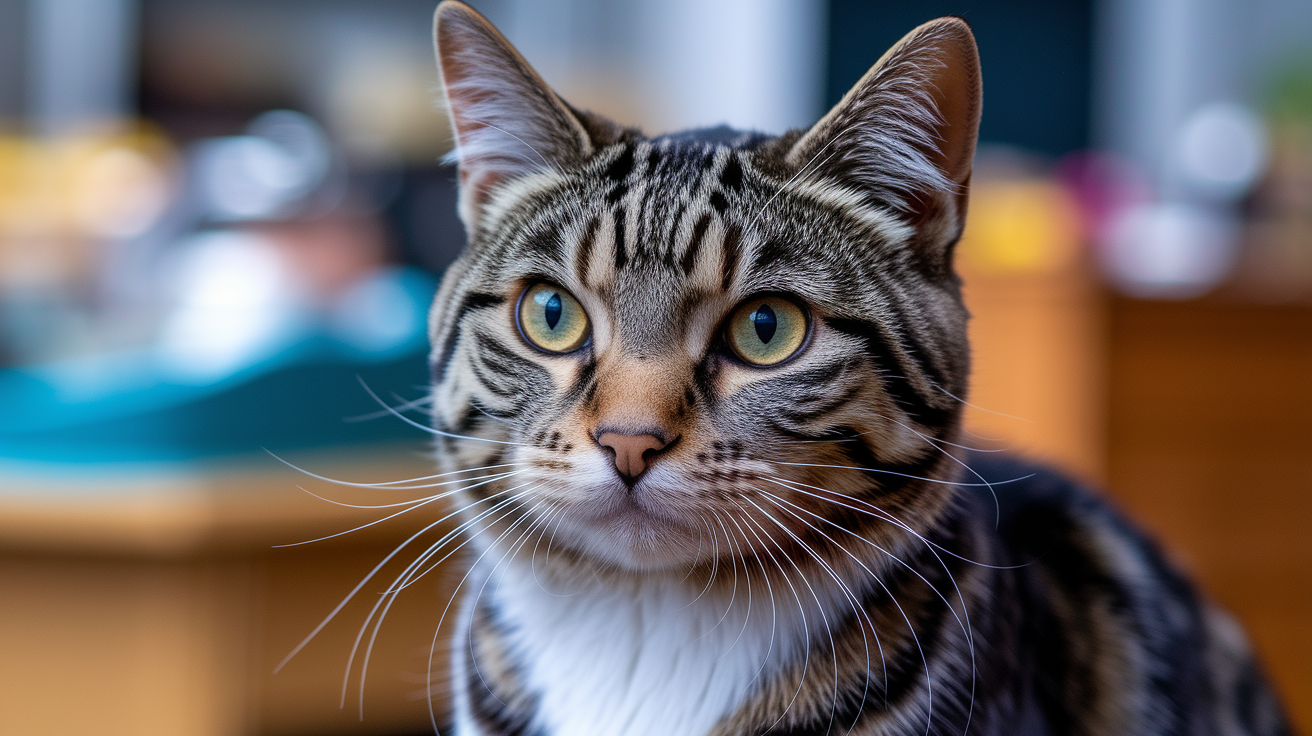
Hiding rarely happens in isolation. When stress levels climb, you’ll often notice a cluster of behavioral changes that paint a fuller picture. Appetite shifts are one of the earliest clues. Your cat may eat less, pick at food, or stop eating entirely for a day or more. On the flip side, some stressed cats overeat as a form of comfort. Changes in grooming tell a similar story. An anxious cat might overgroom until bald patches appear on her belly or legs, or she might stop grooming altogether, leaving her coat greasy and matted.
Physical stress signals show up in litter box habits and body language. Urinating or defecating outside the litter box is a red flag, especially if it starts suddenly. Decreased interest in play, toys, or interaction with family members signals withdrawal. Some cats become unusually clingy, following you from room to room and meowing more than normal. Others turn aggressive. Hissing, swatting, or biting when approached. Pacing, excessive vocalization, and being easily startled by normal household sounds all point to a cat on edge.
Subtle stress signals are easy to overlook but worth tracking:
• Dilated pupils that stay wide even in bright light.
• Tail held low or tucked tightly against the body.
• Ears flattened or rotated backward more often than usual.
• Crouching with the body low to the ground, ready to bolt.
• Whiskers pulled back flat against the face.
• Rapid breathing or panting when no physical exertion has occurred.
When Cat Hiding Signals a Possible Medical Issue

Pain, illness, and discomfort drive many cats into hiding because they instinctively seek quiet, protected spaces when they feel vulnerable. Urinary tract infections cause painful, frequent attempts to urinate, and many cats retreat to dark corners rather than face the litter box. Gastrointestinal upset makes a cat feel miserable and more likely to isolate. Nausea, constipation, diarrhea. Dental pain from broken teeth or gum disease can be severe, yet cats often continue eating just enough to avoid detection. Joint pain from arthritis is common in older cats and makes jumping, climbing, and normal movement uncomfortable, so hiding on ground level becomes easier than navigating the house.
Cats are masters at masking symptoms until a condition becomes serious. By the time you notice obvious signs like vomiting, lethargy, or limping, the problem has usually been brewing for days or weeks. Early warning signs are often behavioral rather than physical. A cat who hides more, sleeps in new locations, moves more stiffly, or avoids favorite activities. Subtle changes in how your cat sits, grooms, or responds to touch can all hint at underlying pain. If your cat flinches when you pet a certain spot, hesitates before jumping, or suddenly prefers the floor to her usual perch, something may hurt.
Veterinarians approach hiding behavior with a thorough medical workup. Your vet will ask when the hiding started, how often it happens, and whether any other changes coincide. Diet, litter, household routine, or new symptoms. A full physical exam checks body condition, temperature, heart rate, and palpates the abdomen for pain, masses, or abnormalities. Depending on findings and history, your vet may recommend diagnostic tests such as bloodwork to assess organ function, urinalysis to rule out infection or crystals, or imaging like X-rays or ultrasound to visualize internal structures. If medical causes are ruled out, the focus shifts to behavioral and environmental stressors.
| Symptom | Possible Cause | When to Call the Vet |
|---|---|---|
| Hiding + not eating for 24 hours | Nausea, pain, infection, organ disease | Same day or next morning |
| Hiding + straining in litter box or crying | Urinary blockage, infection, constipation | Immediately—blockage is life-threatening |
| Hiding + vomiting or diarrhea for more than 12 hours | Gastrointestinal upset, toxin, infection | Within 24 hours, sooner if severe |
Preferred Hiding Spots and What They Reveal About Cat Stress
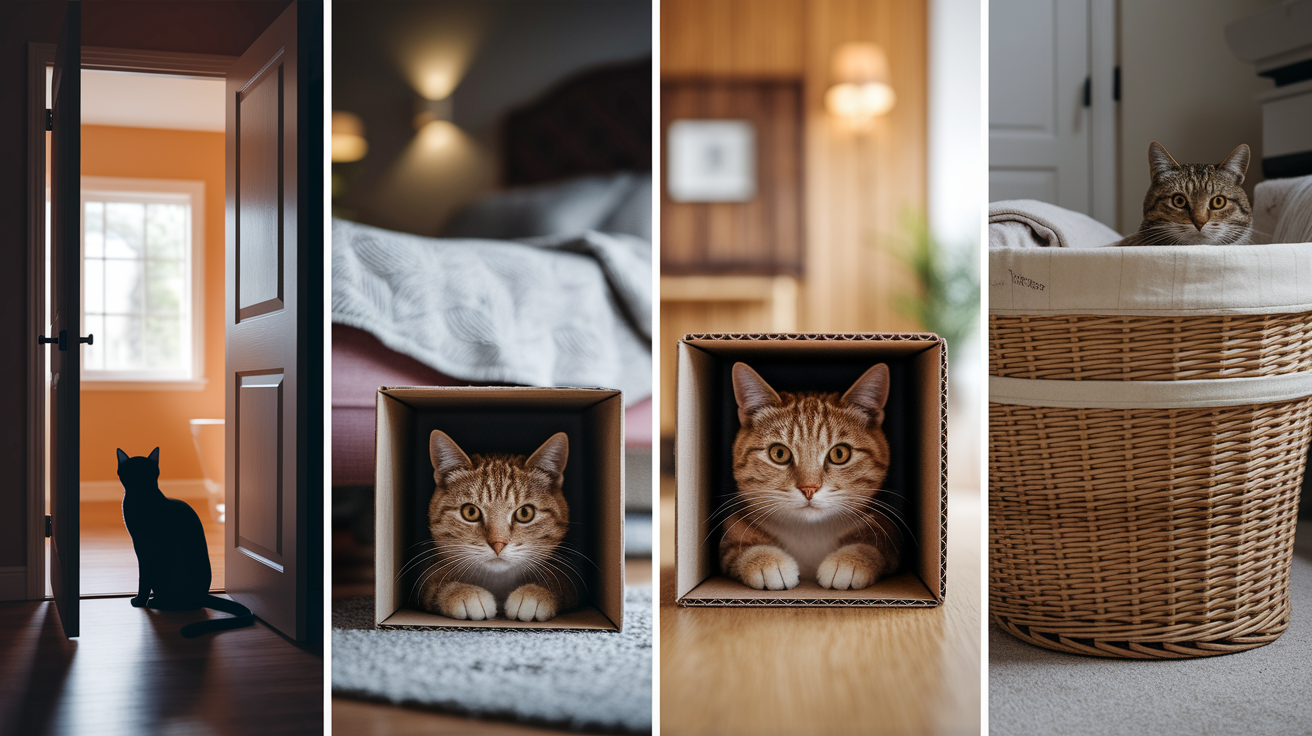
Cats gravitate toward hiding places that offer warmth, darkness, and protection from behind. Closets rank high because they’re enclosed, quiet, and often filled with soft fabric that muffles sound. Under the bed or a low chair gives a cat a ceiling overhead and walls on multiple sides, creating the den-like environment that feels safest. Cardboard boxes are classic favorites. Cheap, disposable, and perfectly sized for a curled-up cat. Open drawers, laundry baskets, and even bathroom cabinets become hideouts when stress levels spike. The key feature all these spots share is limited access. A cat can tuck herself into the back corner, watch the single entry point, and know nothing can sneak up from behind.
The hiding spot your cat chooses can reveal how threatened she feels. A cat who hides in her usual favorite spot, a cat tree cubby or a familiar closet, may simply need routine downtime or a short escape from household activity. A cat who suddenly hides in hard-to-reach places like behind the washer, inside a wall cavity, or under heavy furniture is signaling higher distress. She’s seeking the most inaccessible, enclosed space available because the perceived threat feels serious.
Common stress-indicating hiding locations include:
• Behind or under large appliances (washer, dryer, refrigerator) where access is difficult and the space is tight.
• Inside walls, ceiling spaces, or ductwork if the cat finds an opening during construction or repairs.
• Deep inside closets, burrowed under piles of clothes or blankets, avoiding any open sightlines.
• In the farthest corner of a basement, garage, or storage room away from family activity.
How to Help a Cat That Hides When Stressed

The first and most important rule is to let your cat hide. Forcing her out, reaching in to grab her, or repeatedly calling and coaxing increases anxiety and teaches her that hiding isn’t safe. Respect her need for space. She will come out when she feels ready, and that process can’t be rushed. Your role is to make the environment feel safer and give her reasons to emerge on her own timeline.
Start by placing a synthetic pheromone diffuser near the hiding area. Feliway is a common option that releases a calming scent similar to the pheromones mother cats produce when nursing. It won’t sedate your cat, but it can take the edge off anxiety and help her relax. Plug it in a nearby outlet and let it run continuously. If your vet approves, consider adding a probiotic supplement designed to support calm behavior. Purina Pro Plan Veterinary Diets Calming Care is one example. It’s a powder you mix into food, and some cats show improvement in stress responses within a few weeks.
Sit near the hiding spot without crowding or staring directly at your cat. Bring a book, your phone, or a quiet activity and just be present. Speak softly if you talk, but silence is fine too. After ten or fifteen minutes, place a few high-value treats within reach. Churu lickable treats, Temptations crunchy snacks, or small pieces of plain boiled chicken work well. Don’t try to lure her out. Just leave the treats as an option and walk away. Repeat this a few times a day. Patience is the cornerstone of this process.
Here are six steps to help a hiding cat feel safe again:
- Stop all attempts to physically remove or coax the cat out of the hiding spot.
- Set up a pheromone diffuser in the same room and let it run day and night.
- Provide easy access to fresh water and a small dish of food nearby, but not directly in front of the hiding spot.
- Sit quietly near the area once or twice a day, offering calm presence without pressure.
- Drop high-value treats within reach and leave without waiting for the cat to take them.
- Monitor for signs of illness. If hiding continues beyond 48 hours with no food or water intake, call your vet.
Acute vs. Chronic Cat Hiding: Knowing When to Seek Help
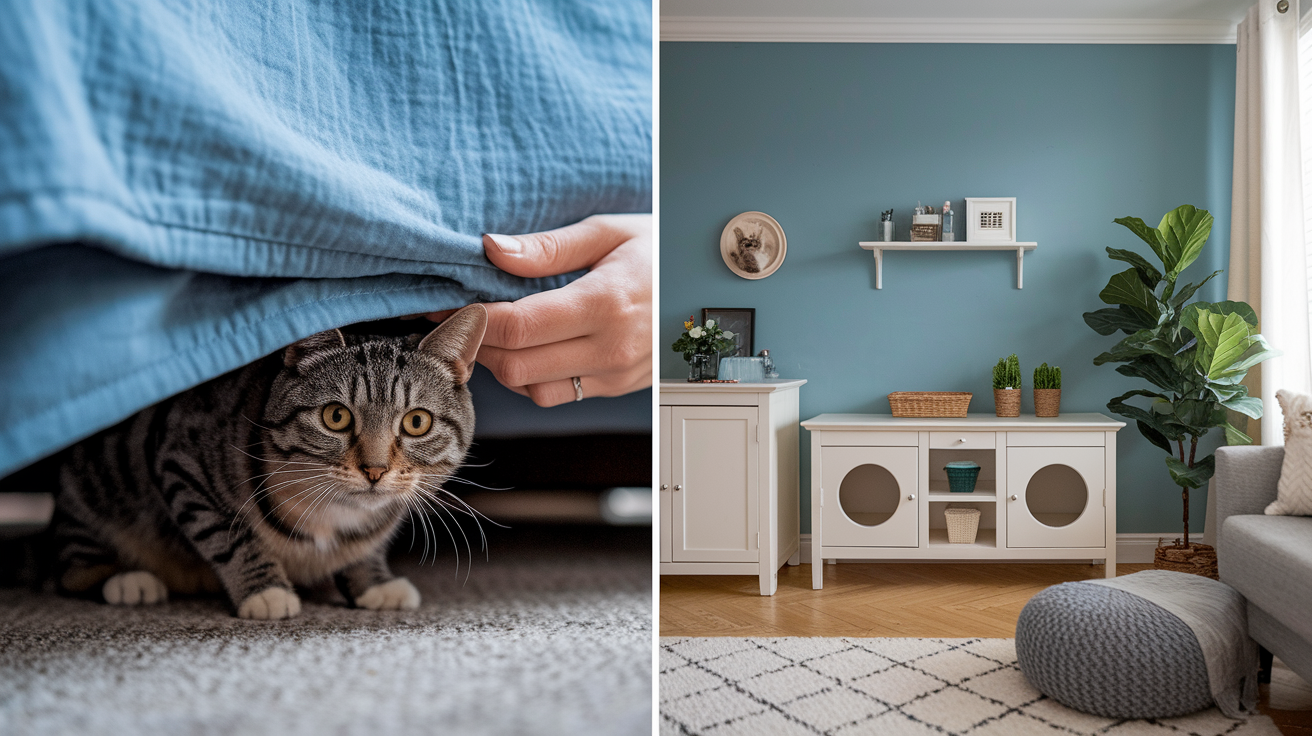
Acute hiding happens suddenly in response to a clear trigger and typically resolves within hours or a couple of days. A thunderstorm rolls through, your cat hides under the bed, and by the next morning she’s back to her usual routine. That’s normal acute stress. Chronic hiding is different. It’s a pattern that lasts for weeks, happens daily, or steadily worsens over time. Chronic hiding suggests either an unresolved stressor in the home or an underlying medical issue that hasn’t been diagnosed. Both types of hiding deserve attention, but chronic hiding requires a more structured intervention.
Acute hiding becomes a concern when it’s paired with other symptoms or when the cat doesn’t emerge to eat, drink, or use the litter box. A cat who hides for more than 24 hours without eating is at risk for hepatic lipidosis, a serious liver condition. A cat who hides and stops using the litter box may have a urinary blockage, which is a medical emergency. If your cat’s personality shifts dramatically, she was social and suddenly won’t come near you, or she was independent and now hides constantly, that change signals something more than a passing stressor.
Red flags that hiding requires prompt veterinary care include:
• Hiding continuously for more than 48 hours with no breaks for food, water, or the litter box.
• Vomiting or diarrhea that lasts more than 12 hours alongside hiding behavior.
• Straining to urinate, crying in the litter box, or blood in the urine.
• Sudden weight loss, visible lethargy, or difficulty breathing while hiding.
• Hiding combined with aggression, disorientation, or inability to walk normally.
Reducing Long-Term Stress to Prevent Future Hiding
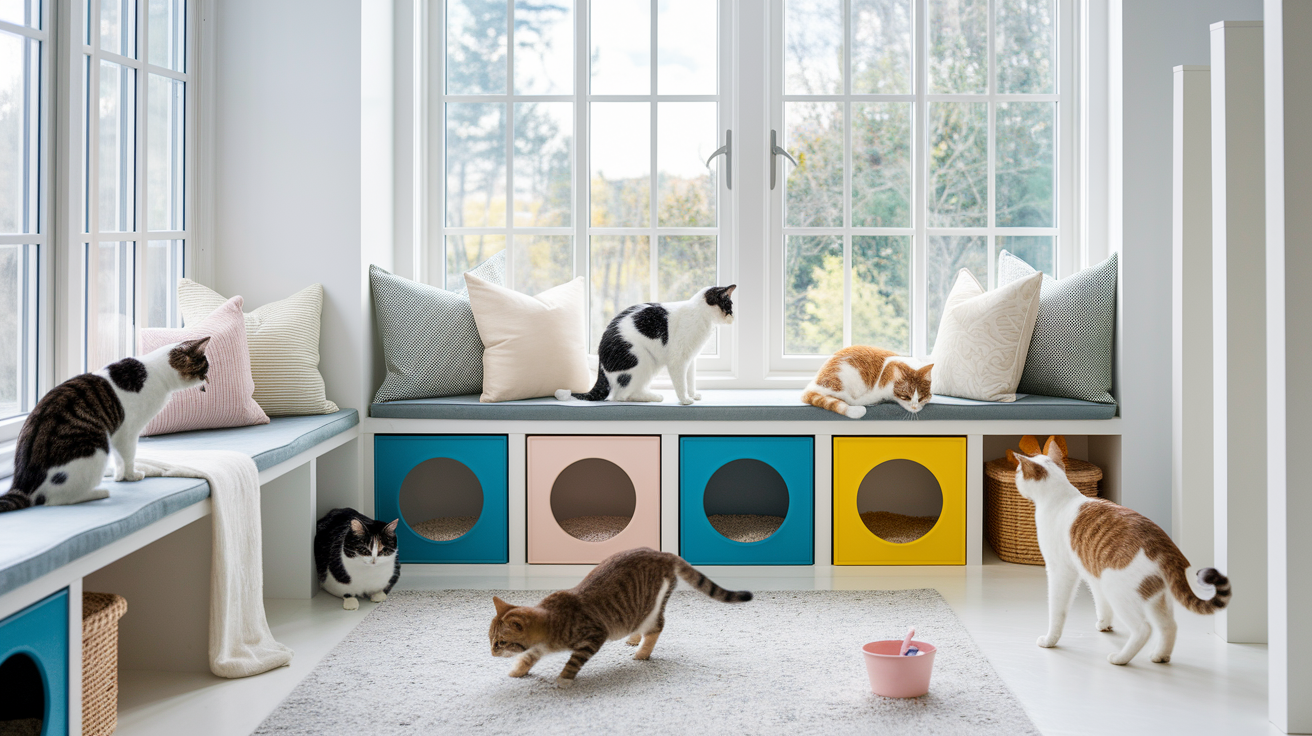
Building a low-stress environment starts with predictable routines. Feed your cat at the same times every day, keep litter boxes in consistent locations, and try to maintain regular sleep and wake schedules. Cats are creatures of habit, and knowing what to expect each day lowers baseline anxiety. When changes are unavoidable, moving furniture, introducing a new pet, or traveling, make them gradual. Move one piece of furniture at a time. Let your cat investigate the new pet’s scent on a towel before a face-to-face meeting. Small, slow steps give your cat time to adjust without triggering a full retreat into hiding.
Environmental enrichment gives your cat safe outlets for energy and curiosity, which reduces the urge to hide from boredom or frustration. Provide vertical spaces like cat trees, shelves, or window perches so your cat can observe the household from above, a position that feels naturally secure. Rotate interactive toys to keep play interesting, and schedule short daily play sessions with wand toys or laser pointers to burn off nervous energy. Scratching posts let your cat mark territory with scent glands in her paws, reinforcing that the space belongs to her. The more ways your cat can engage with her environment on her own terms, the less she’ll rely on hiding as her only coping tool.
If you live in a multi-cat home, make sure each cat has her own resources and retreat options. Conflict between cats is one of the most common causes of chronic stress and hiding. Provide at least one litter box per cat plus one extra, and space them throughout the house. Offer multiple feeding stations so no cat has to compete or feel cornered. Give each cat access to her own hiding spot that other cats can’t invade. A separate room, a tall cat tree with private cubbies, or even a cardboard box with a blanket inside.
Four long-term strategies to reduce stress and prevent hiding:
• Keep a consistent daily schedule for feeding, play, and quiet time.
• Add vertical territory and safe perches so your cat can observe without feeling trapped on the ground.
• Offer environmental enrichment. Puzzle feeders, scent games, new textures to keep your cat mentally engaged.
• Minimize household chaos by controlling noise levels, limiting unfamiliar visitors, and creating quiet zones your cat can claim as her own.
Final Words
When your cat ducks under the bed, this article covered why it happens and what to try. We looked at instincts, stress triggers, illness, signs to watch, quick ways to help, and longer-term fixes.
Tonight, make a quiet safe spot, note when hiding started, take photos, and track appetite and litter box use.
Call your vet if hiding is sudden, lasts more than 48 hours, or comes with reduced eating or vomiting. Asking why does my cat hide when stressed is a smart first step. With patience and simple changes, most cats settle back to normal.
FAQ
Q: How long will a stressed cat hide?
A: A stressed cat will hide anywhere from a few hours to several weeks, depending on the trigger and the cat’s personality. If hiding lasts more than 48–72 hours or includes poor appetite, call your vet.
Q: What is the 3-3-3 rule for cats?
A: The 3-3-3 rule for cats means three days to start adjusting, three weeks to feel comfortable, and three months to be fully settled. Use slow introductions and a steady routine during each stage.
Q: How to get an anxious cat out of hiding?
A: To get an anxious cat out of hiding, don’t force them, sit quietly nearby, offer high-value treats or a favorite toy, use a pheromone diffuser, and provide a safe exit. See your vet if they refuse food.
Q: What are the signs of a depressed cat?
A: Signs of a depressed cat include decreased appetite or grooming, less play or vocalizing, more hiding or sleep, litter box changes, and increased irritability. If these last more than a few days, see your vet.
