
Controversial idea.
Older dogs really do need a lot more sleep.
Most seniors rest 12 to 18 hours a day, and some hit 20 when you count naps.
That shift often starts around age 5 to 8, and sleep becomes scattered into short dozes instead of long nights.
Read on to learn the normal sleeping pattern, which changes are simple aging, and which signs mean you should call your vet.
Normal Sleep Duration and Patterns in Older Dogs
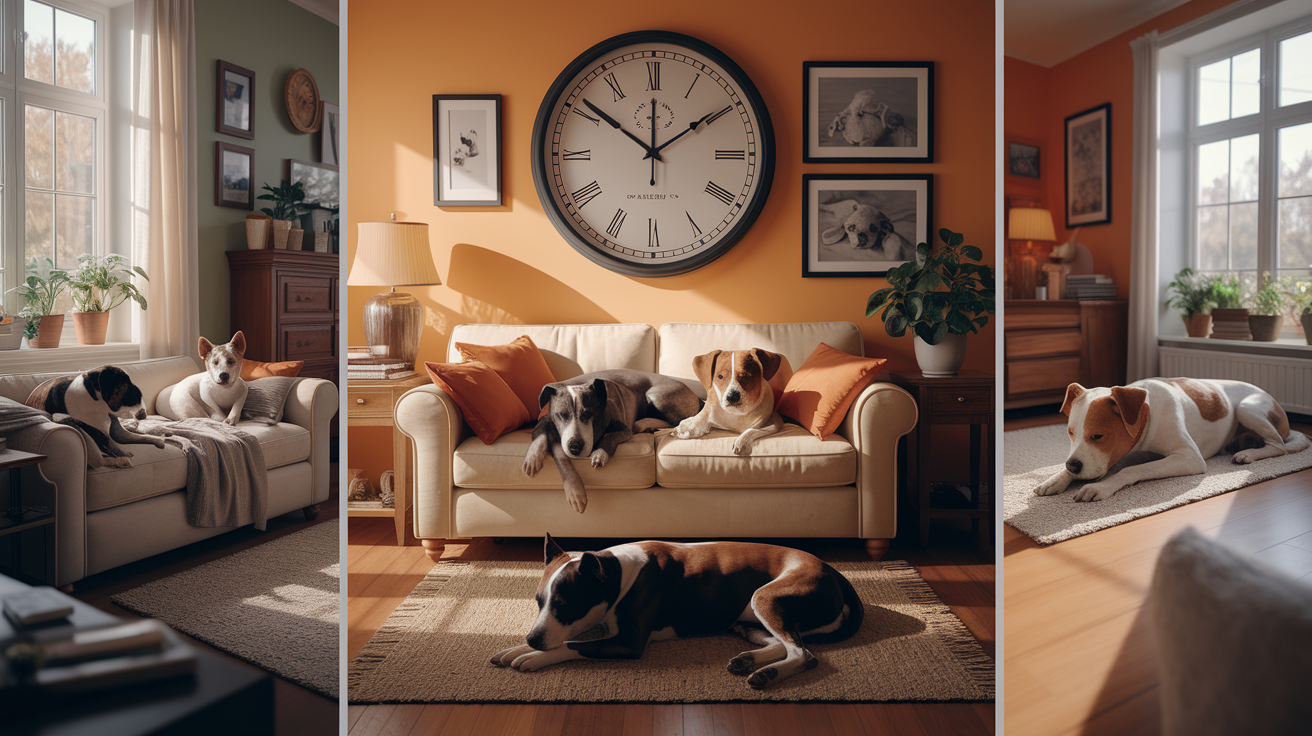
Most senior dogs sleep between 12 and 18 hours per day. Some healthy elderly dogs can hit 20 hours when you count all the naps and nighttime rest combined. Sleep patterns usually start shifting around ages 5 to 7, though breed size matters. Large and giant breeds like Great Danes and St. Bernards often enter senior status by age 5 or 6. Small and medium breeds typically cross that threshold closer to age 7 or 8. Bigger dogs tend to rack up more total sleep hours each day, while smaller breeds might stay more alert but still need plenty of rest as they get older.
Older dogs move away from long stretches of activity broken up by single long sleeps. Instead, they shift to a more scattered pattern. They’ll take frequent naps throughout the day and night, often waking and resettling multiple times. A senior dog might doze for an hour, relocate to a new spot, nap again, wake up for water or a bathroom trip, then go back to sleep. Active periods get shorter and less intense. This fragmented rhythm is normal. It reflects reduced stamina and changing internal clocks, not illness.
Lifestyle factors shape how much sleep an individual dog needs. A moderately active senior who takes short daily walks may sleep 14 hours. A low mobility dog with arthritis or a solitary dog left home all day might sleep closer to 18 or even 20 hours. Dogs living in busy households with children or other pets may nap less during the day but crash harder at night. Healthy, well stimulated seniors usually balance their rest with brief bursts of play, meals, and outdoor time.
Most common normal sleep behaviors in older dogs include:
- Longer, uninterrupted morning naps after breakfast
- Deep midday sleep with occasional twitching or dreaming
- Slower transitions from sleep to waking, sometimes appearing groggy
- Earlier evening fatigue, settling down well before the household goes to bed
Age Related Changes That Influence Senior Dog Sleep Patterns
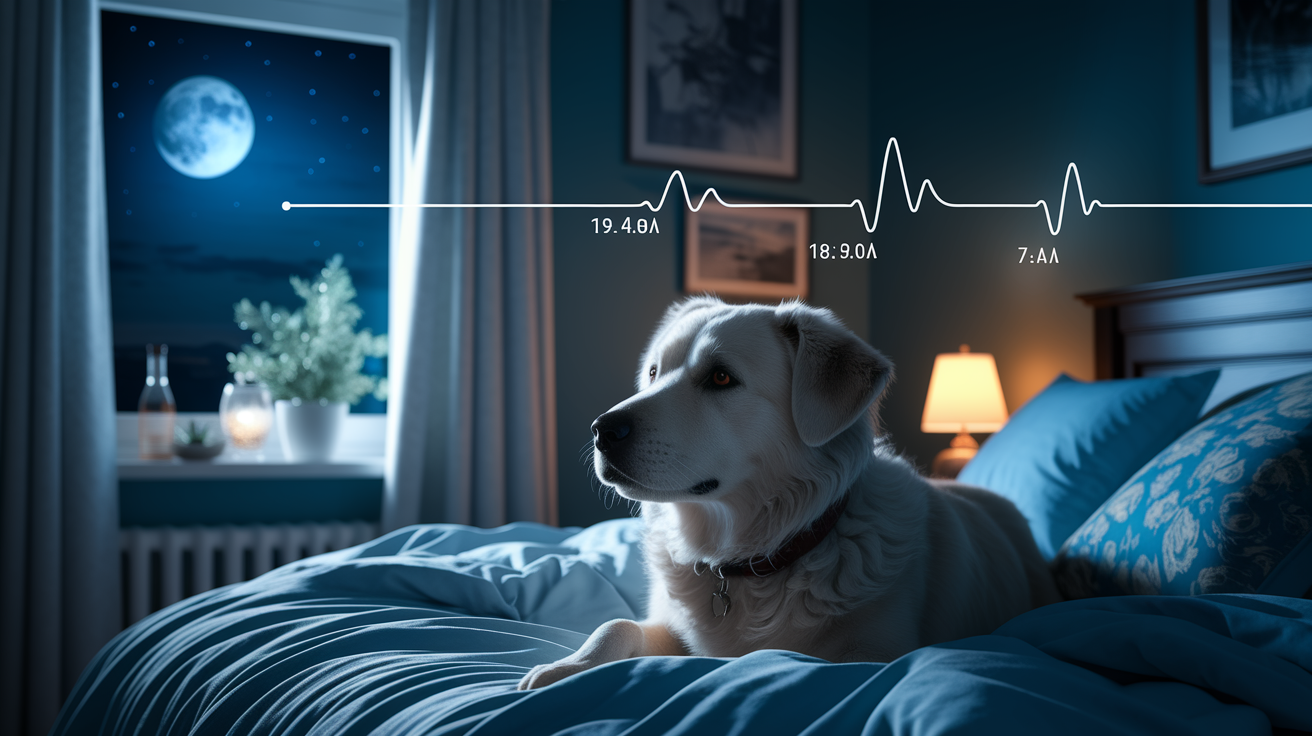
As dogs age, their metabolism slows and their bodies need less fuel for daily activity. Stamina decreases, so even a short walk or play session can tire an older dog enough to trigger a long nap. The circadian rhythm, the internal clock that regulates sleep and wake cycles, becomes less precise with age. Seniors may wake during the night more often, struggle to settle back down, or begin their day unusually early. These shifts are part of normal aging. Not always signs of disease.
Nighttime sleep often becomes lighter and more fragmented. Older dogs may wake to reposition themselves, relieve joint stiffness, drink water, or simply because their sleep isn’t as deep as it once was. Daytime napping increases to make up for lost nighttime rest. Many seniors develop a pattern of several short naps scattered across the day rather than one or two long blocks of sleep.
Five main reasons older dogs sleep more:
- Lower energy and faster tiring – Reduced stamina means seniors need more frequent naps to recharge after even gentle activity.
- Sleep supports immune health – Older immune systems may rely on longer rest periods to maintain normal function and repair.
- Sleep disruptions and nighttime anxiety – Disrupted sleep wake cycles and increased nighttime restlessness can make seniors sleepier during the day.
- Poor sleep quality from pain – Osteoarthritis, hip dysplasia, and other joint pain reduce deep sleep and force dogs to nap more often to feel rested.
- Underlying medical diseases – Endocrine disorders, kidney or heart disease, neurologic conditions, and cancer all cause lethargy and drive up total sleep hours.
Medical Conditions That Can Disrupt or Increase Senior Dog Sleep
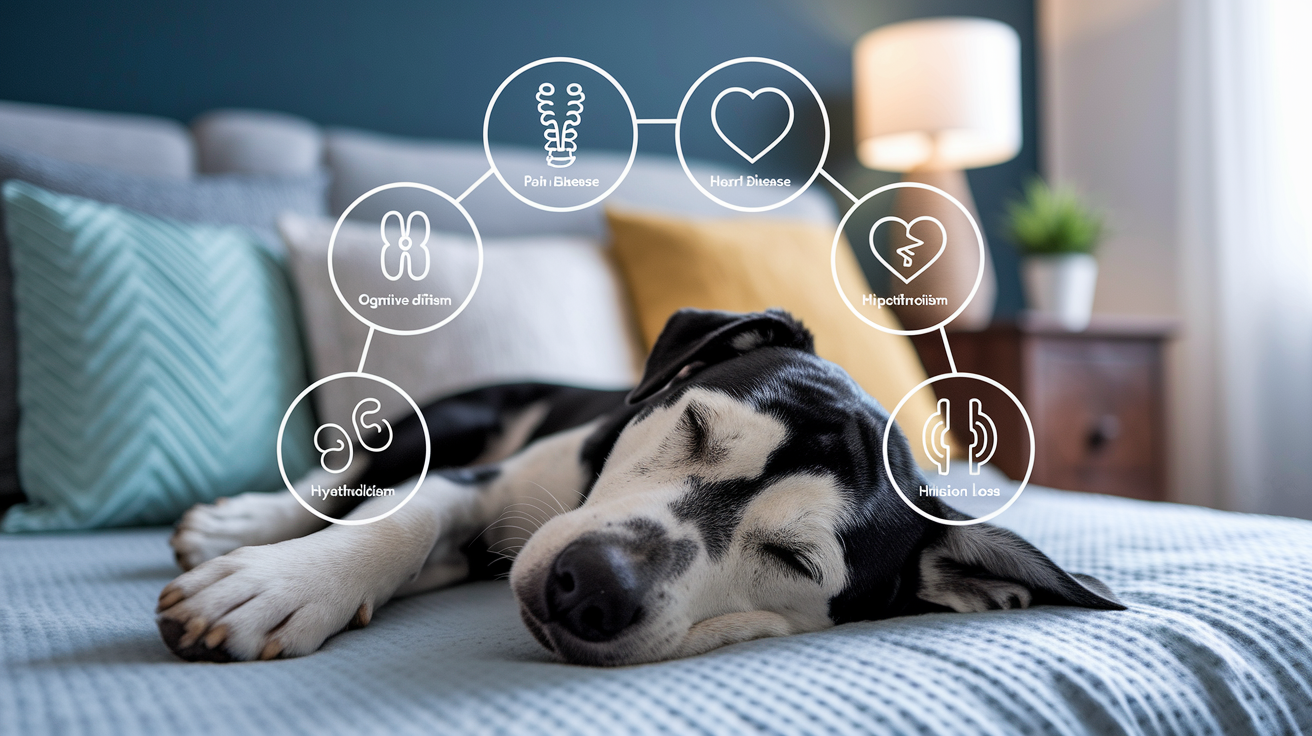
Pain is one of the most common sleep disruptors in older dogs. Osteoarthritis, hip dysplasia, intervertebral disc disease, and torn cruciate ligaments make it hard for a dog to find a comfortable position. Dogs with joint pain may lie down, stand back up, circle, and lie down again repeatedly. They wake more often during the night and compensate by napping more during the day. Even when they appear to be sleeping, the sleep may be shallow and unrestorative because discomfort prevents them from reaching deeper sleep stages.
Cognitive dysfunction syndrome, sometimes called canine dementia, changes how older dogs sleep. Affected dogs may pace at night, vocalize, become disoriented in familiar rooms, or experience sundowning, a pattern of increased confusion and restlessness in the evening. These dogs often sleep less at night and then nap excessively during the day to make up for it. The nighttime wakefulness and wandering can be stressful for both dog and owner.
Systemic diseases and sensory decline also contribute to changes in sleep. Kidney disease, heart disease, hypothyroidism, diabetes, and Cushing’s disease all cause fatigue and lethargy that increase total sleep time. Cancer can drain energy and make a dog sleep far more than normal. Hearing loss and vision decline may make a dog sleep more soundly because they no longer react to every noise or movement in the house. Or conversely, they may startle and wake more easily if they can’t anticipate activity around them.
| Condition | How It Affects Sleep |
|---|---|
| Osteoarthritis and joint pain | Difficulty settling, frequent repositioning, shallow sleep, increased daytime napping to compensate |
| Cognitive dysfunction (canine dementia) | Nighttime pacing, sundowning, disorientation, reduced nighttime sleep, excessive daytime sleep |
| Kidney or heart disease | General fatigue, lethargy, increased total sleep hours, possible nighttime waking for bathroom needs |
| Hypothyroidism | Low energy, dullness, extended sleep periods, mental sluggishness |
| Hearing or vision loss | Deeper sleep (less reactive to stimuli) or startled waking (inability to anticipate activity) |
Red Flags: When an Older Dog’s Sleep Pattern Is Not Normal
A gradual increase in sleep over a year or two is usually normal aging. If your senior dog slowly adds an extra nap each day and otherwise acts like herself, eats well, moves comfortably, and responds to you, that’s typically nothing to worry about. A sudden change is different. If your dog goes from 14 hours of sleep to 18 or 20 hours within a few days or a week, or if sleep becomes erratic and unpredictable, something may be wrong. Single day spikes in sleep after a big adventure or a heavy meal are usually harmless, but persistent or recurring abrupt changes lasting about a week should prompt a veterinary visit.
Co-occurring symptoms often point to underlying disease rather than simple aging. If your dog is sleeping much more and also having accidents in the house, drinking significantly more or less water, losing appetite, vocalizing as if in pain, struggling to get comfortable, or showing abdominal bloating, those combinations are red flags. Changes in mobility, such as reluctance to jump, limping, or stiffness that doesn’t improve after rest, often go hand in hand with abnormal sleep. Breathing changes, including rapid, labored, or noisy respiration, coughing, or gagging, are urgent warning signs.
Top red flag symptoms to watch for:
- Sleeping persistently over 20 hours per day or a rapid jump in total sleep within a week
- Urinary or fecal accidents, especially new accidents during sleep
- Sudden loss of appetite or refusal to eat favorite foods
- Marked increase or decrease in water intake
- Nighttime wandering, pacing, disorientation, or sundowning behavior
- Difficulty breathing, persistent coughing, or signs of pain such as whining, panting at rest, or inability to settle
Veterinary Evaluation for Abnormal Sleep Changes in Senior Dogs
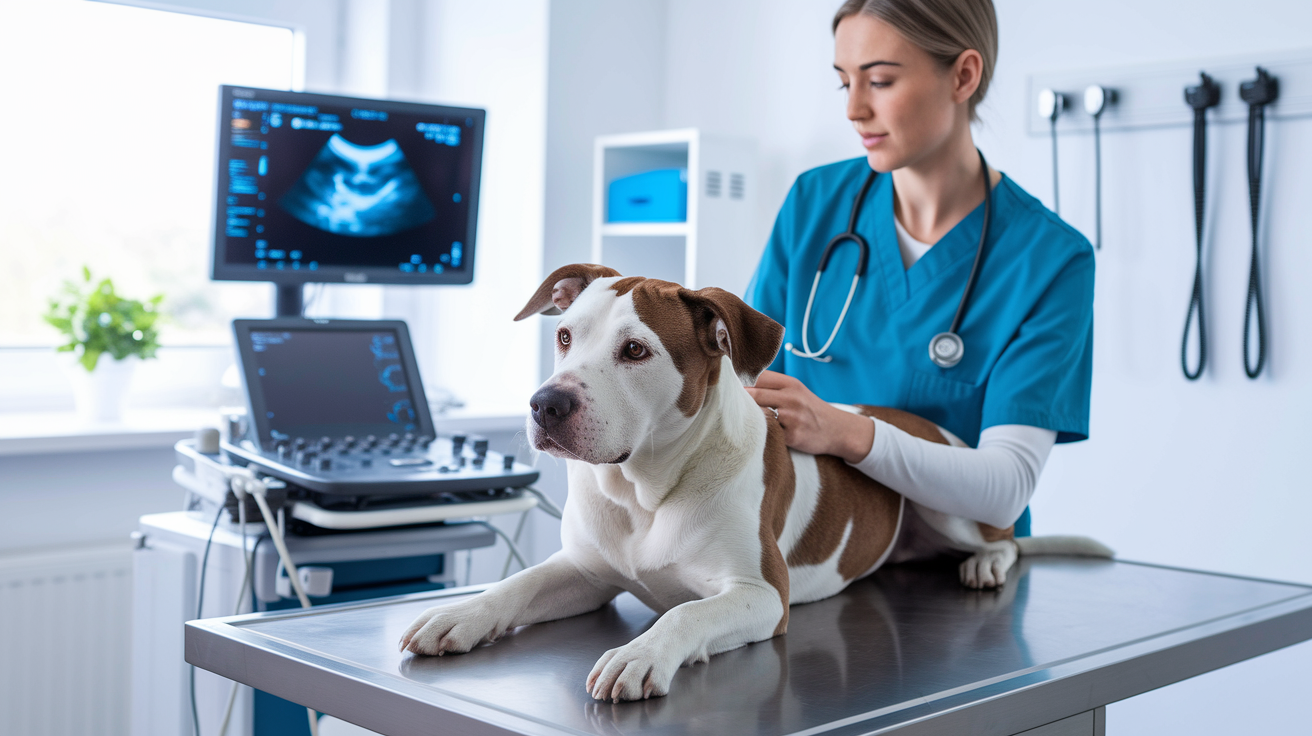
When you bring your senior dog to the vet for a sleep pattern concern, the veterinarian will start by taking a detailed history. Expect questions about when the change started, whether it was sudden or gradual, what your dog’s typical day looks like now, how she acts when awake, and whether you’ve noticed any other symptoms such as changes in appetite, thirst, bathroom habits, mobility, or behavior. Bring notes if you’ve been tracking sleep hours, and mention any new medications, diet changes, household stressors, or recent injuries. If you’ve recorded video of unusual nighttime behavior or daytime lethargy, share it. Videos are often more informative than descriptions.
The physical exam and diagnostic testing help identify the cause. Common tests include complete bloodwork to screen for diabetes, Cushing’s disease, hypothyroidism, kidney disease, liver disease, and anemia, plus urinalysis to check kidney function and detect urinary tract infections or diabetes. X-rays or abdominal ultrasound may be recommended to evaluate heart size and function, look for masses such as splenic tumors, and assess organ health. An orthopedic exam checks for joint pain, arthritis, hip dysplasia, or spinal problems. If cognitive dysfunction is suspected, your vet may use a behavioral checklist to assess memory, orientation, and anxiety symptoms.
Results guide the treatment plan and long term management. If arthritis is found, your vet may prescribe a nonsteroidal anti-inflammatory drug such as Metacam, gabapentin for nerve pain, or a combination therapy. If bloodwork reveals hypothyroidism, thyroid supplementation can restore energy and normalize sleep. Heart disease may require medications to improve cardiac function and reduce fluid buildup. Cognitive dysfunction might be managed with environmental modifications, prescription medications like trazodone for nighttime anxiety, supplements such as medium chain triglyceride oil, and behavior strategies. Identifying the root cause allows targeted intervention rather than guessing at home remedies.
Key questions to prepare for the vet:
- What diagnostic tests do you recommend, and what will each one tell us?
- What signs would mean this is getting worse or becoming an emergency?
- What treatment options are safest for my dog’s age and other health conditions?
- How should we monitor progress at home, and when should we follow up?
Supporting Healthy Sleep for Older Dogs at Home
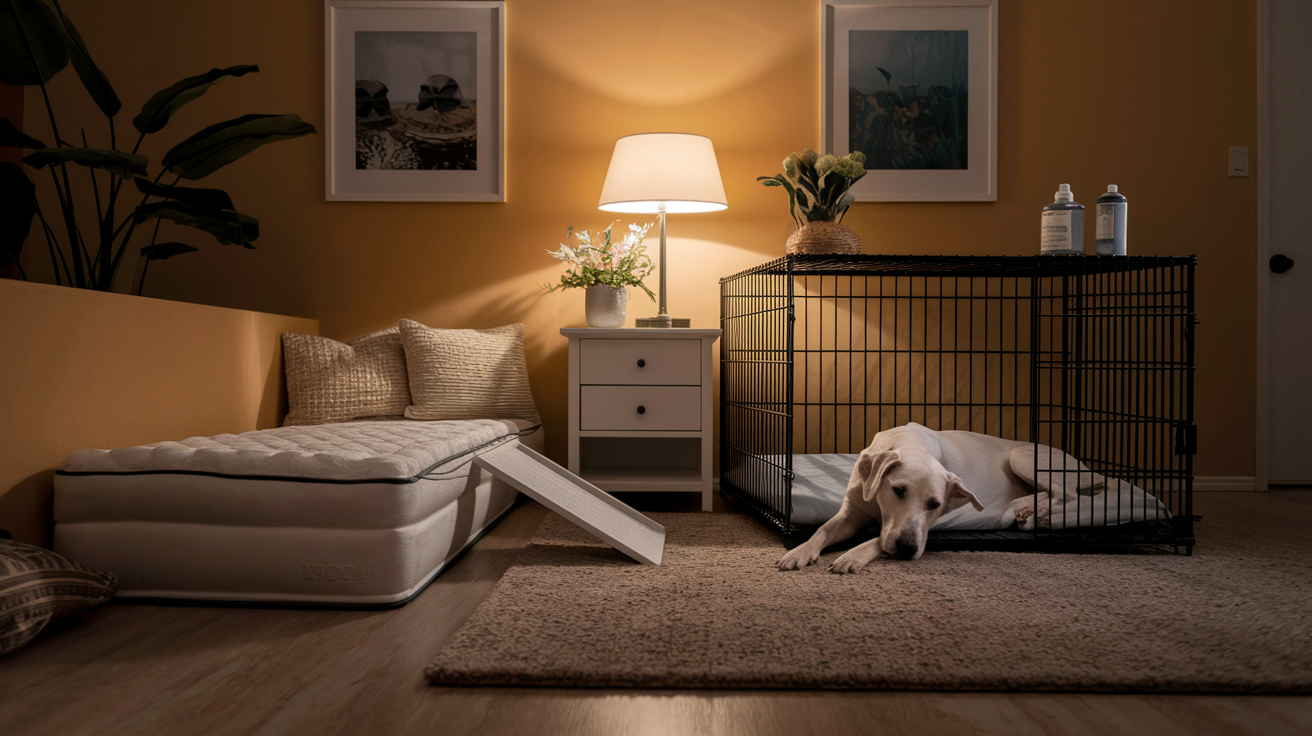
Start with the sleeping environment. Provide an orthopedic bed with memory foam or egg crate support that stays firm enough to cushion joints without letting your dog sink too deeply. Place the bed in a quiet, low traffic area away from loud appliances, front doors, or active play zones. If your dog has always slept on your bed or a couch, add ramps or low stairs so she can get up and down safely without jumping. Some seniors feel safer in a crate converted into a cozy cave. Cover it with a blanket to block light and sound, line it with soft bedding and a piece of your clothing, and leave the door open so your dog can come and go freely.
Pain control and mobility support are essential for quality sleep. If your vet has prescribed anti-inflammatory medication, give it consistently at the recommended times and doses. Combining an NSAID with gabapentin or tramadol may offer better pain relief than a single drug alone. Always follow your vet’s guidance on safe combinations. Gentle daily activity, even a slow five minute walk or a ride in a stroller or wagon, keeps joints mobile and prevents stiffness from worsening. Mental stimulation through puzzle feeders, sniff games, or short training sessions tires the brain and helps consolidate sleep at night rather than scattering it across the day.
Supplements and medications can address sleep wake disruptions. Melatonin is sometimes used to support circadian rhythms in dogs with nighttime restlessness. Verify that the product contains no xylitol, which is toxic to dogs. Trazodone is a vet prescribed medication often used for nighttime anxiety and to promote calmer, longer sleep. Medium chain triglyceride oil is being studied for cognitive support and may help some dogs with dementia like sleep problems. Always check with your vet before starting any supplement or medication to avoid interactions with existing drugs and ensure safe dosing for your dog’s size and health status.
Routine and Daily Structure
Establish consistent feeding times, ideally morning and early evening, so your dog’s digestive rhythm supports predictable sleep windows. Schedule gentle exercise or outdoor time earlier in the day rather than right before bed. A late afternoon walk or play session can tire your dog enough to sleep soundly through the evening. Create a bedtime routine. Dim the lights, turn off the television, give a small bedtime snack or a bathroom trip, and settle your dog in her sleep area at the same time each night. Predictable cues help older dogs anticipate rest and reduce nighttime anxiety.
Environmental Adjustments
Keep the sleeping area at a comfortable temperature. Older dogs often prefer slightly warmer spaces because they have less body fat and slower circulation. Use a nightlight if your dog has vision trouble or seems disoriented in the dark. Soft background noise, like a fan or quiet music, can mask sudden household sounds that might startle a senior awake. Make sure water is within easy reach so your dog doesn’t have to navigate stairs or long hallways for a drink. If your dog has mobility challenges, consider baby gates to block off stairs or unsafe areas at night, preventing falls and reducing anxiety.
Breed, Size, and Lifestyle Differences in Senior Dog Sleep Needs
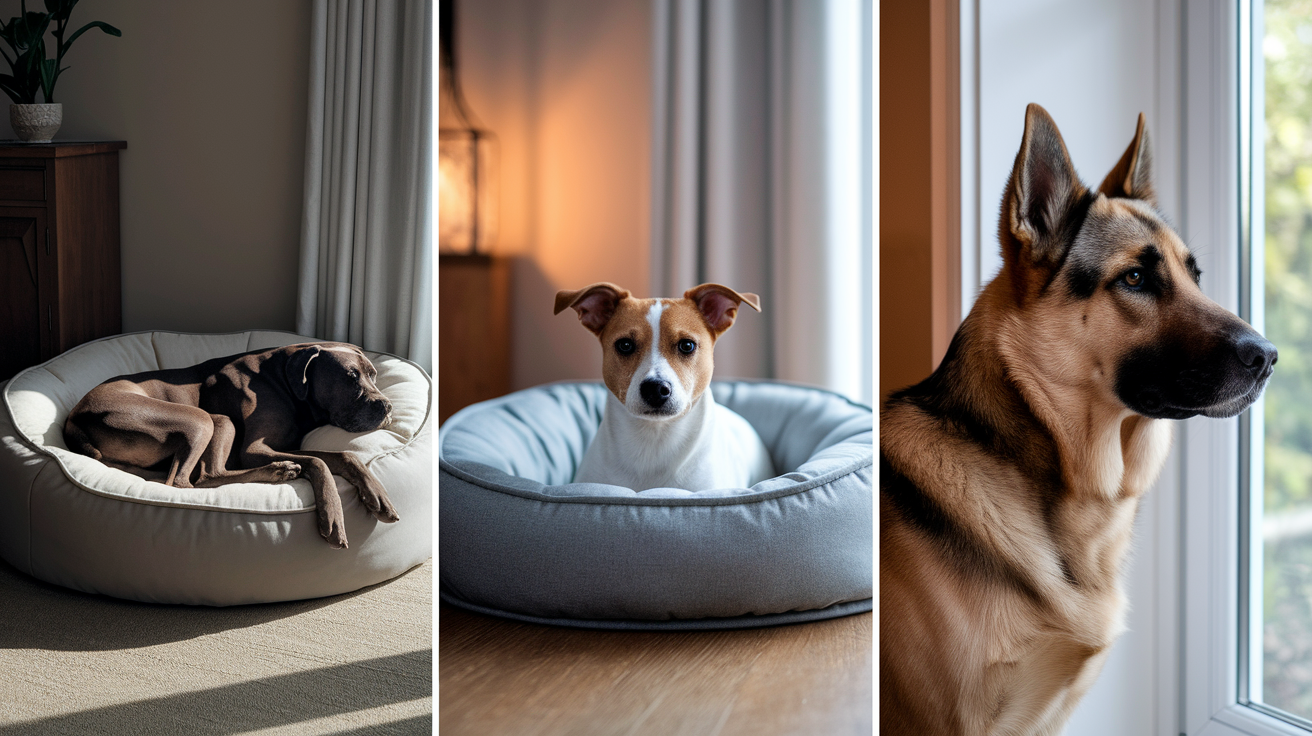
Large and giant breeds typically sleep more hours per day than small breeds, both as adults and as seniors. A senior Great Dane or Newfoundland may comfortably sleep 16 to 18 hours, while a senior Chihuahua or Jack Russell Terrier may be content with 12 to 14 hours. Working, herding, and guarding breeds such as German Shepherds, Border Collies, and Rottweilers were bred to stay alert and respond quickly to stimuli. Even as seniors, these dogs often have lighter, more easily disrupted sleep. They may wake at the smallest sound and take longer to settle back down.
Lifestyle and daily routine also shape sleep needs. A dog left home alone all day with minimal stimulation will likely nap heavily out of boredom and lack of options. A dog with separation anxiety may pace, vocalize, or remain restless, resulting in less total sleep and poorer sleep quality. Seniors living in active multi pet or multi child households may nap less during the day because of constant activity but sleep more deeply at night when the house quiets down. Understanding your dog’s breed tendencies and daily life helps you set realistic expectations and spot true abnormalities.
Common lifestyle and breed factors that influence senior sleep:
- Large breeds and low energy breeds naturally sleep more hours per day
- Small, alert breeds and working breeds tend to nap less and wake more easily
- Dogs with high daytime mental and physical stimulation consolidate sleep better at night
- Dogs with separation anxiety or those left alone for long periods may show irregular, poor quality sleep
Tracking and Monitoring Sleep in Older Dogs
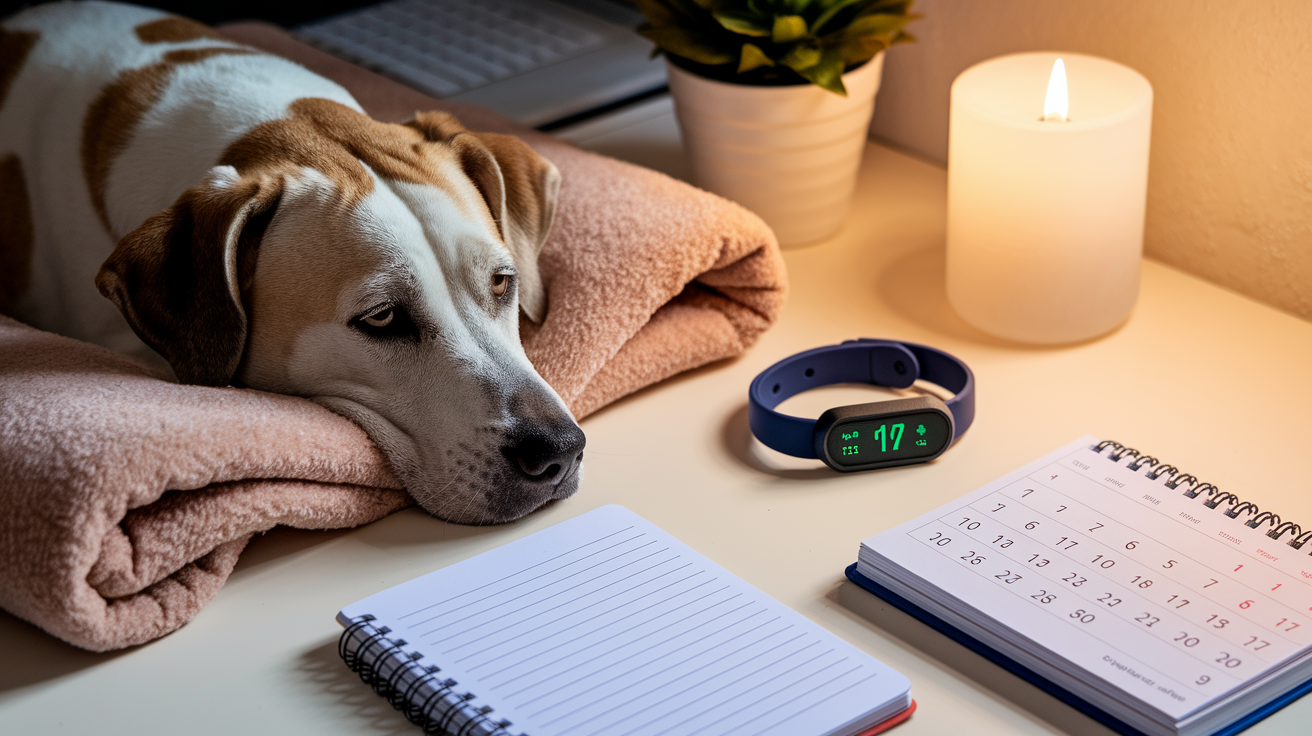
Keeping a simple log helps you spot trends that might otherwise go unnoticed. Use a calendar or notebook to jot down approximate sleep hours each day. Note when your dog naps, how long nighttime sleep lasts, and whether she wakes frequently. Record other details like appetite, bathroom habits, activity level, and mood. Over a few weeks, patterns emerge. You might see that sleep increased gradually after a medication change, or that your dog sleeps poorly on days when household visitors create stress.
Quality of life scales provide another useful tracking tool. Mark each day as green (good day, normal behavior, comfortable, responsive), yellow (some struggle, mild discomfort, small changes), or red (significant distress, pain, confusion, or inability to do normal activities). When you accumulate more yellow or red days than green ones, it’s time to consult your vet. Some owners use wearable activity monitors designed for dogs, which track sleep duration, restlessness, and activity levels. These devices aren’t necessary for most dogs, but they can provide objective data that supports clinical decision making, especially if your vet is trying to fine tune pain management or adjust medications for cognitive dysfunction.
Three practical ways to track sleep at home:
- Daily sleep journal recording nap times, total hours, and nighttime wake events
- Green, yellow, red quality of life calendar to detect trends in comfort and behavior
- Photos or short videos of unusual sleep positions, restlessness, or signs of pain to share with your vet
Final Words
Keep watching sleep and naps closely. Most older dogs rest about 12 to 18 hours a day, with more daytime napping and shorter nighttime stretches as they age.
Track changes, note appetite, accidents, or mobility issues, and try simple at-home steps: comfy bedding, consistent routine, gentle exercise, and pain control guided by your vet.
If you’re asking what is normal sleeping pattern for older dogs, keep a brief sleep log for a week and bring it to your vet if sleep jumps suddenly. Small changes often help your senior sleep better.
FAQ
Q: How much should a 14-year-old dog sleep?
A: A 14-year-old dog should typically sleep 12–18 hours a day, sometimes up to 20. More than ~20 hours, new accidents, poor appetite, or mobility loss warrants a vet check.
Q: What is the 7 7 7 rule for dogs?
A: The 7 7 7 rule for dogs isn’t a single veterinary standard; trainers and sources use it differently. Ask exactly what each “7” means before following it and check with your vet for health-related advice.
Q: What are end of life symptoms in elderly dogs?
A: End of life symptoms in elderly dogs include severe appetite loss, persistent weakness, trouble breathing, frequent accidents, unrelieved pain, and marked withdrawal. Call your vet to discuss comfort care and next steps.
Q: Is it normal for senior dogs to sleep deeper than usual?
A: It is normal for senior dogs to have deeper naps, but aging often causes lighter, fragmented night sleep. If your dog is unusually hard to wake, very drowsy, or off food, contact your vet.
