
Grain-free dog food is often sold like a magic fix, but it’s not automatically healthier for your pet.
It simply means the recipe skips cereal grains like wheat, corn, and rice.
Manufacturers replace those carbs with potatoes, peas, or other ingredients and often add more animal protein.
Many owners pick grain-free hoping it’s closer to a wild diet, and that’s partly why it grew so fast.
This post explains what the label actually tells you, what replaces grains, and how to decide if grain-free makes sense for your dog.
Understanding the Meaning of Grain‑Free Dog Food
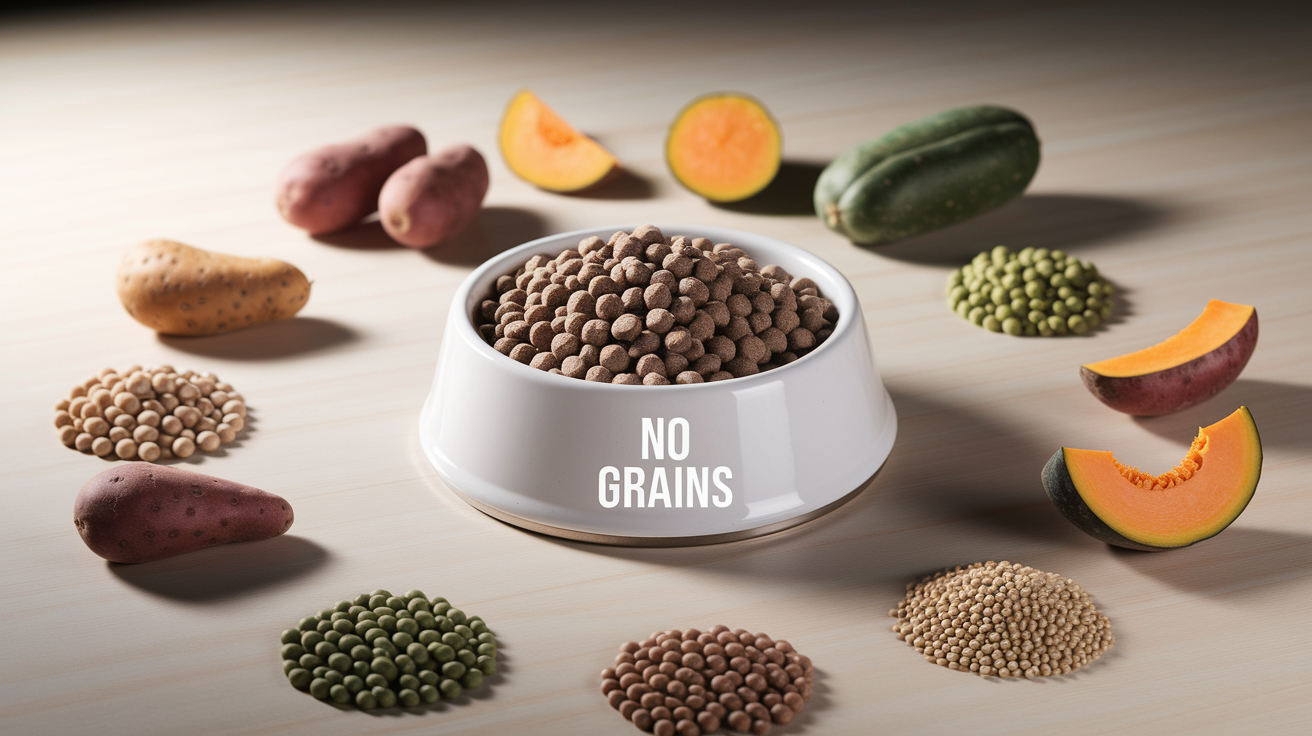
Grain free dog food is pretty straightforward. It’s a formula without cereal grains. The food skips traditional grains that most conventional dog foods use for carbs. Instead of wheat, corn, or rice, you’ll find alternative ingredients doing the heavy lifting for energy and texture. The label tells you about the formula itself, not whether it’s better or worse for your dog.
What gets left out? Usually these:
Wheat
Corn
Rice
Barley
Oats
Rye
Grain free diets started catching on in the early 2000s. A lot of owners wanted something closer to what wild ancestors might’ve eaten. Mars Petcare data shows this pushed “more natural” dog food products up by 67%. Many grain free formulas pack in more animal protein since pulling grains out makes room for extra meat. But here’s the thing. Grain free doesn’t automatically mean healthier or right for every dog.
When you remove grains, something else has to fill that gap. Manufacturers swap in other carb sources to handle the energy, binding, and structure grains normally provide. What they choose varies a lot between brands.
Key Ingredients in Grain‑Free Dog Food and What Replaces Grains
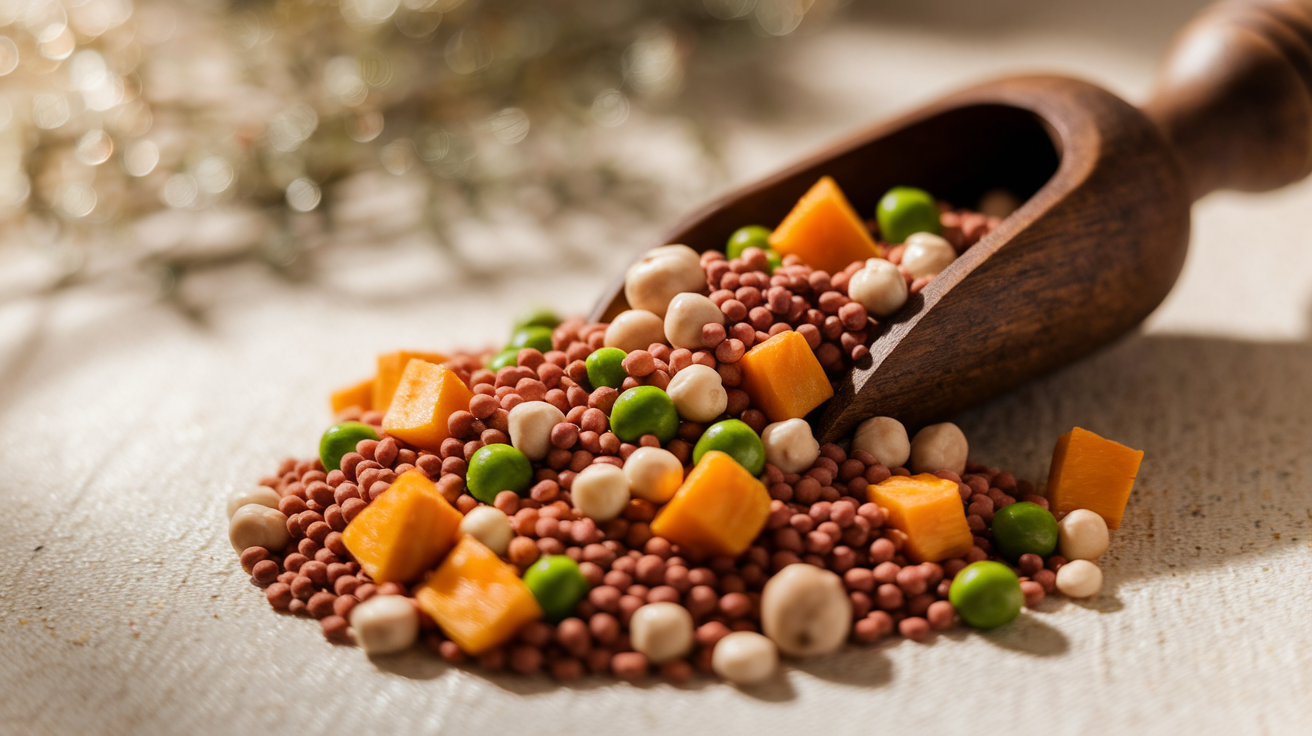
Grain free dog food leans on alternative carbs to do what wheat, corn, and rice used to do. Starchy vegetables and legumes show up most often. Potatoes and sweet potatoes are go to choices because they offer digestible carbs and help hold kibble together during production. Legumes like lentils, peas, and chickpeas work similarly, plus they add plant based protein. You’ll also see tapioca (from cassava root) and quinoa, which is technically a seed but acts like a grain.
These replacements become the main carb foundation. Each one brings something a little different to the table. Sweet potatoes give you fiber and beta carotene. Peas contribute protein alongside their carbs. The specific mix affects not just nutrition but also how well your dog’s body processes the food.
Common swap ins include:
Starchy tubers (potato, sweet potato)
Legumes (lentils, peas, chickpeas)
Tapioca and cassava
Pseudo cereals (quinoa)
Other vegetables (pumpkin, butternut squash)
| Traditional Grain Source | Common Grain‑Free Alternative |
|---|---|
| Corn | Potatoes |
| Wheat | Sweet potatoes |
| Rice | Lentils |
| Barley | Peas |
| Oats | Chickpeas or tapioca |
Differences Between Grain‑Free and Grain‑Inclusive Dog Food Formulas
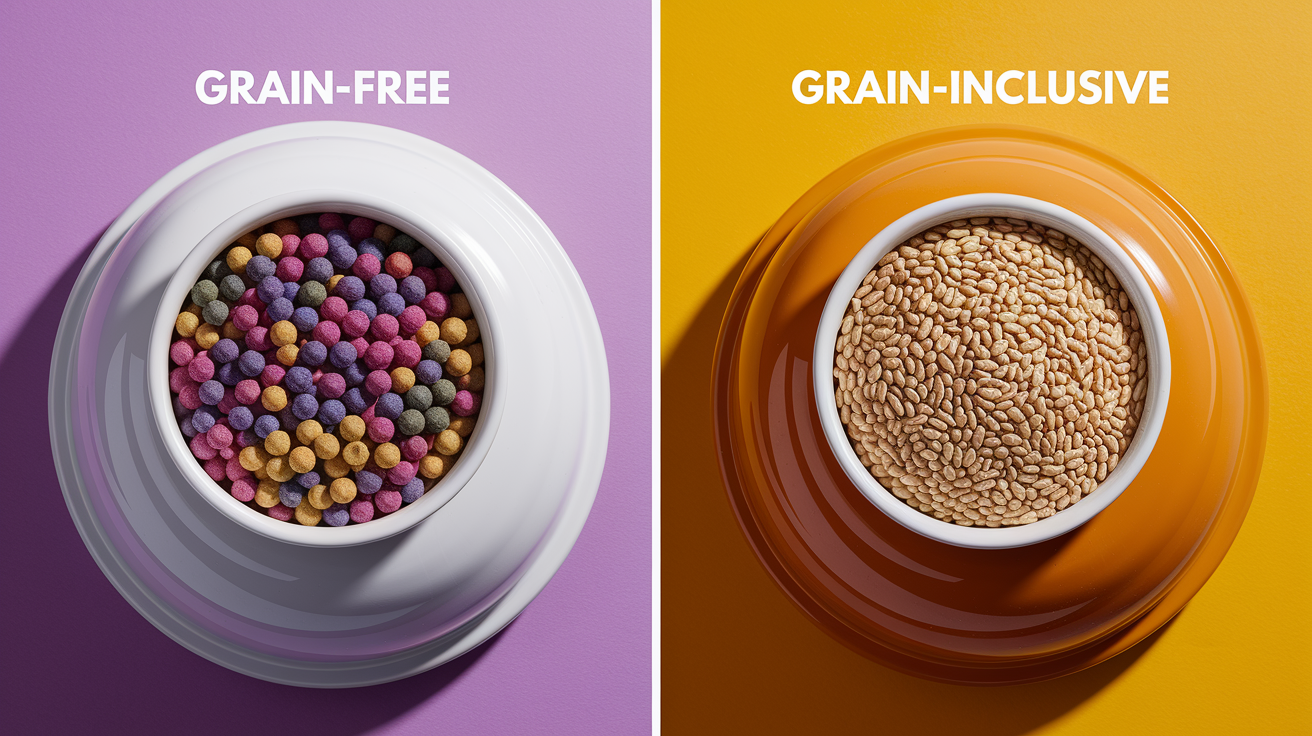
The biggest difference between grain free and grain inclusive formulas comes down to where the carbs come from and how that shifts the protein makeup. Grain inclusive diets typically use brown rice, oats, or barley for carbs, fiber, and some B vitamins. Those grains add plant based protein too, though most quality foods still get the bulk of their protein from animal sources like chicken, beef, or fish. Grain free formulas? They often feature more named animal proteins (chicken, turkey, fish, beef) because pulling grains out creates space for additional meat.
Digestibility isn’t about grain versus no grain. It’s about ingredient quality. Some dogs handle rice or oatmeal just fine. Others do better with potato or sweet potato as their carb source. But many grain free diets load up on legumes like peas and lentils, which can shift amino acid profiles and might be tougher for certain dogs to digest. How ingredients are processed and combined matters way more than whether the bag says grain free.
Nutrient balance is another thing to watch. Whole grains naturally deliver fiber, selenium, magnesium, and other stuff that supports digestion and overall health. Pull grains out and the formula needs to replace those nutrients through other ingredients or supplements. Good grain free foods account for this. Poorly made ones might leave gaps. Quality and formulation expertise beat the grain free label every time.
What sets them apart:
Protein focus: Grain free recipes usually pack more animal protein.
Digestibility: Depends on your individual dog and ingredient quality, not whether grains are in or out.
Nutrient balance: Grain inclusive diets bring certain vitamins and minerals naturally. Grain free formulas have to intentionally fill those spots.
Formulation approach: Grain free uses legumes or tubers for carbs. Grain inclusive sticks with cereal grains.
Final Words
You now have a clear, practical definition: grain-free dog food leaves out cereal grains such as wheat, corn, rice, oats, barley, rye, and soy.
We also covered common replacements, why some recipes list more named animal proteins, and how digestibility and nutrient balance can differ.
If you’re wondering what does grain free dog food mean for your dog, remember it’s an ingredient label, not a health promise. Talk with your vet and watch appetite, stool, and energy—and you’ll find the best fit.
FAQ
Q: Is grain-free dog food better for your dog?
A: Grain-free dog food is not automatically better for your dog; it may help dogs with diagnosed grain allergies, but most dogs gain no proven benefit. Talk with your vet before switching.
Q: Why do vets say no grain-free dog food?
A: Vets say no to grain-free dog food because studies link some grain-free diets to heart issues in a small number of dogs, and most dogs tolerate grains well; vets assess each pet’s needs first.
Q: What grains should dogs avoid?
A: Dogs don’t need to avoid particular grains unless a vet diagnoses a sensitivity; common grains excluded from “grain-free” foods include wheat, corn, rice, barley, oats, rye, and soy. Check with your vet if you suspect an allergy.
