
Some popular home remedies can actually make a dog’s itching worse — so what can you give your dog for itchy skin that’s truly safe?
If your dog is scratching right now, this guide shows safe, fast things you can try tonight and what needs a vet.
You’ll get easy options like oatmeal baths, soothing sprays, and flea treatments, plus diet tips that help over weeks.
I’ll also point out clear red flags so you know when to call your vet.
Fast Relief Options You Can Safely Give Your Dog for Itchy Skin

When your dog’s scratching right now, grab a colloidal oatmeal shampoo or a soothing spray like Vetericyn Plus. An oatmeal bath only takes 10 to 15 minutes. Wet your dog, lather gently, let it sit for five minutes, then rinse with cool water. The oatmeal calms irritation on contact. For hot spots or small patches, apply a dog-safe spray directly to clean, dry skin.
If fleas are behind the scratching, fast-acting products like Advantix II, Seresto collars, or Bravecto chews can bring noticeable relief within 24 to 48 hours. Fleas can trigger severe allergic reactions after just one bite, so quick flea control often stops itching faster than any topical treatment. Make sure all pets in your home are current on preventatives so you don’t get reinfested.
Never use human hydrocortisone creams, antihistamines, or essential oils unless your vet gives you specific approval. Even common over-the-counter products can irritate your dog’s skin or cause toxicity if licked off. Stick to formulas labeled for dogs.
Quick safe-relief options:
- Colloidal oatmeal bath (10 to 15 minutes)
- Soothing hotspot spray (Vetericyn Plus or similar)
- Fast-acting flea relief (Advantix II, Seresto, Bravecto)
- Cool water rinse to wash away pollen or irritants
- Vet-approved antihistamine guidance (ask your vet for dose and frequency)
Understanding the Main Causes Behind Dog Itchy Skin
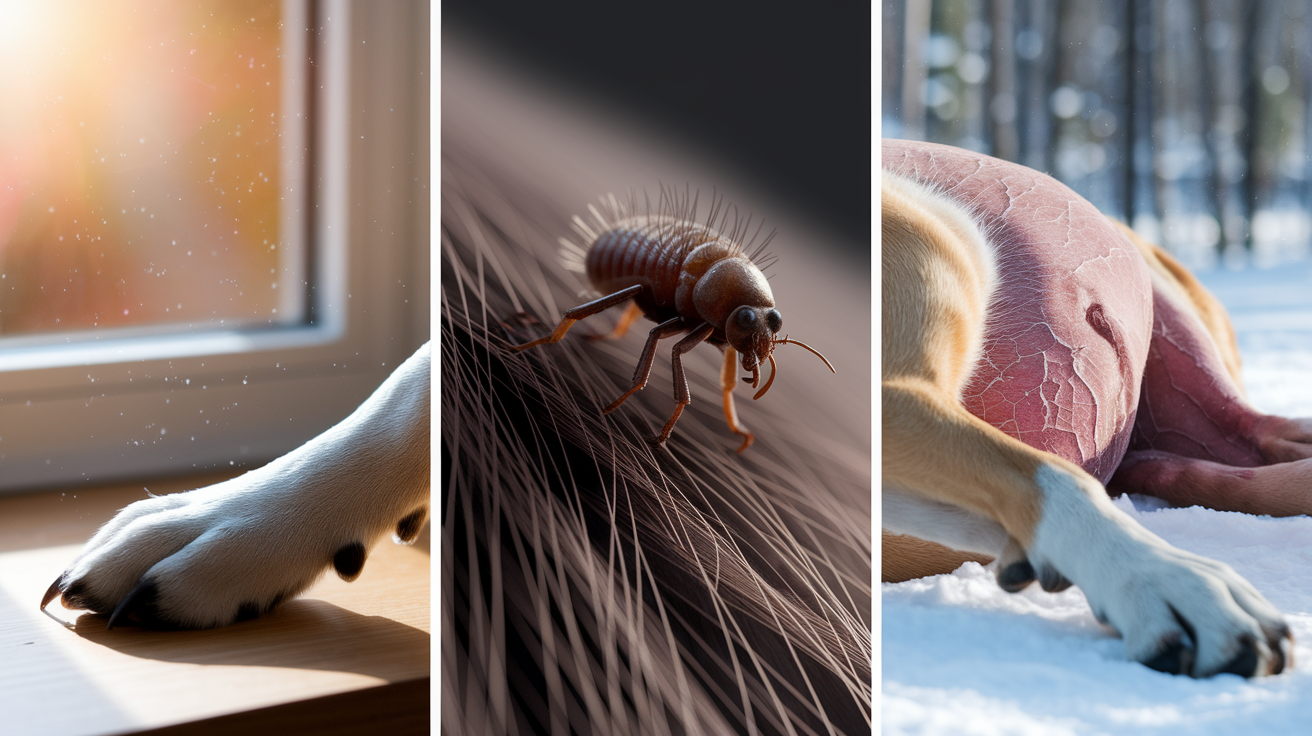
Allergies sit at the top. Environmental triggers like pollen, dust mites, certain grasses drive seasonal itching, usually focused on the paws, ears, belly, and face. Food allergies, typically reactions to proteins like chicken, beef, or pork, cause year-round itching without a seasonal pattern. If your dog licks his paws constantly or rubs his face on the carpet, suspect allergies.
Parasites come next. Fleas, ticks, and mites all inject saliva or burrow into skin, creating intense irritation. A single flea bite can set off a severe allergic reaction in sensitive dogs. You might only see one or two fleas but the scratching spreads everywhere. Mites that cause sarcoptic or demodectic mange tunnel under the skin or live in hair follicles, triggering relentless itching and hair loss.
Infections and dryness round out the common causes. Yeast and bacteria thrive in warm, moist spots like ears, paws, skin folds. They produce a sweet or musty odor along with redness and constant licking. Dry skin shows up as flakiness and irritation, especially in winter or after too many baths. Low humidity, cold weather, and lack of omega-3 fatty acids in the diet all contribute.
Vet-Recommended Treatments to Give Dogs for Persistent Itchy Skin
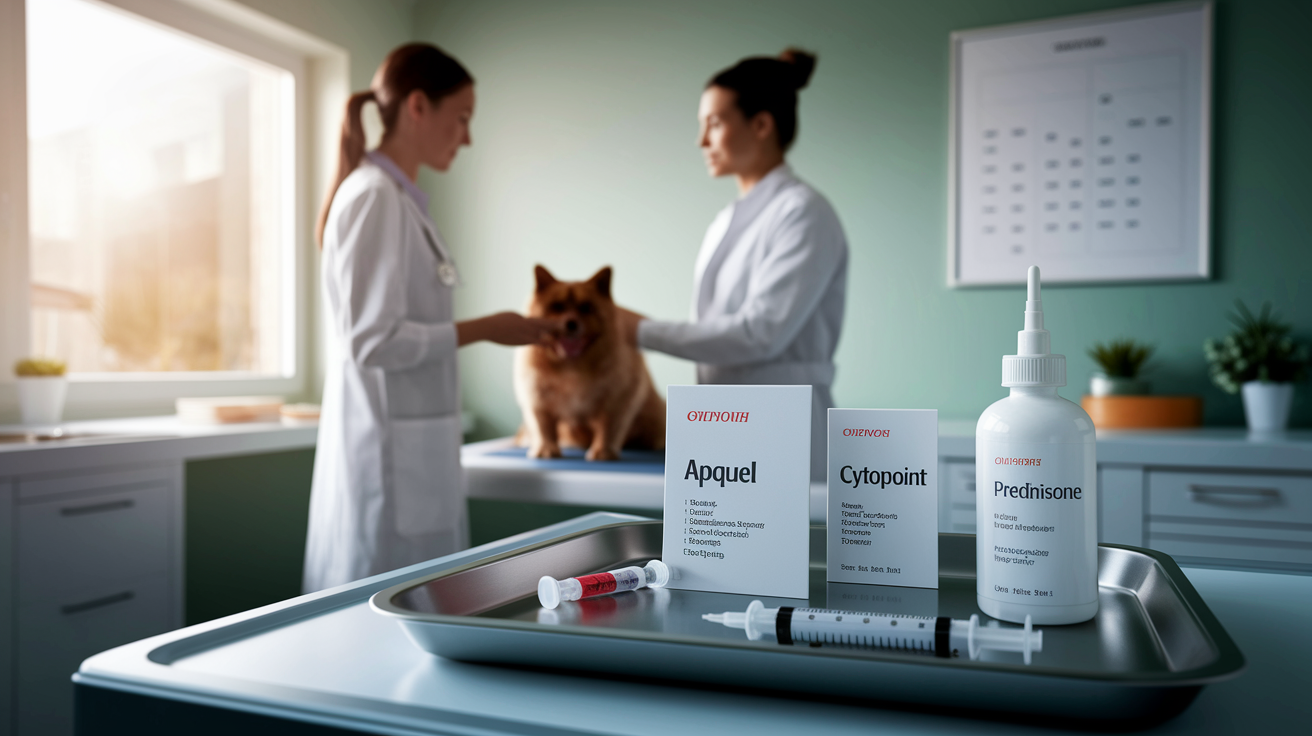
When home remedies and over-the-counter shampoos don’t bring relief within a few days, your vet may prescribe systemic medications that block the itch signal at its source. These treatments work faster and more completely than topical products alone, giving your dog’s skin time to heal while inflammation drops.
Steroids like prednisone deliver rapid, powerful relief but require careful monitoring. Long-term steroid use can cause increased thirst, hunger, weight gain, and suppressed immune function. Your vet will aim for the lowest effective dose and taper it as soon as possible.
Prescription Medication Options
Apoquel targets specific itch pathways in the immune system, often calming scratching within four to 24 hours. It works well for environmental allergies and doesn’t carry the same risks as long-term steroids. Cytopoint is an injectable biologic that neutralizes a key itch protein. One injection lasts four to eight weeks and suits dogs that resist daily pills. Both options require veterinary diagnosis and ongoing monitoring.
| Medication | Primary Use | Notes |
|---|---|---|
| Apoquel | Environmental allergy itch | Fast-acting tablet; daily dosing; vet monitoring required |
| Cytopoint | Targeted allergy relief | Injection every 4–8 weeks; minimal side effects |
| Prednisone | Severe inflammation | Rapid relief; short-term use preferred; watch for increased thirst and appetite |
What Topical and Bathing Products Help a Dog With Itchy Skin
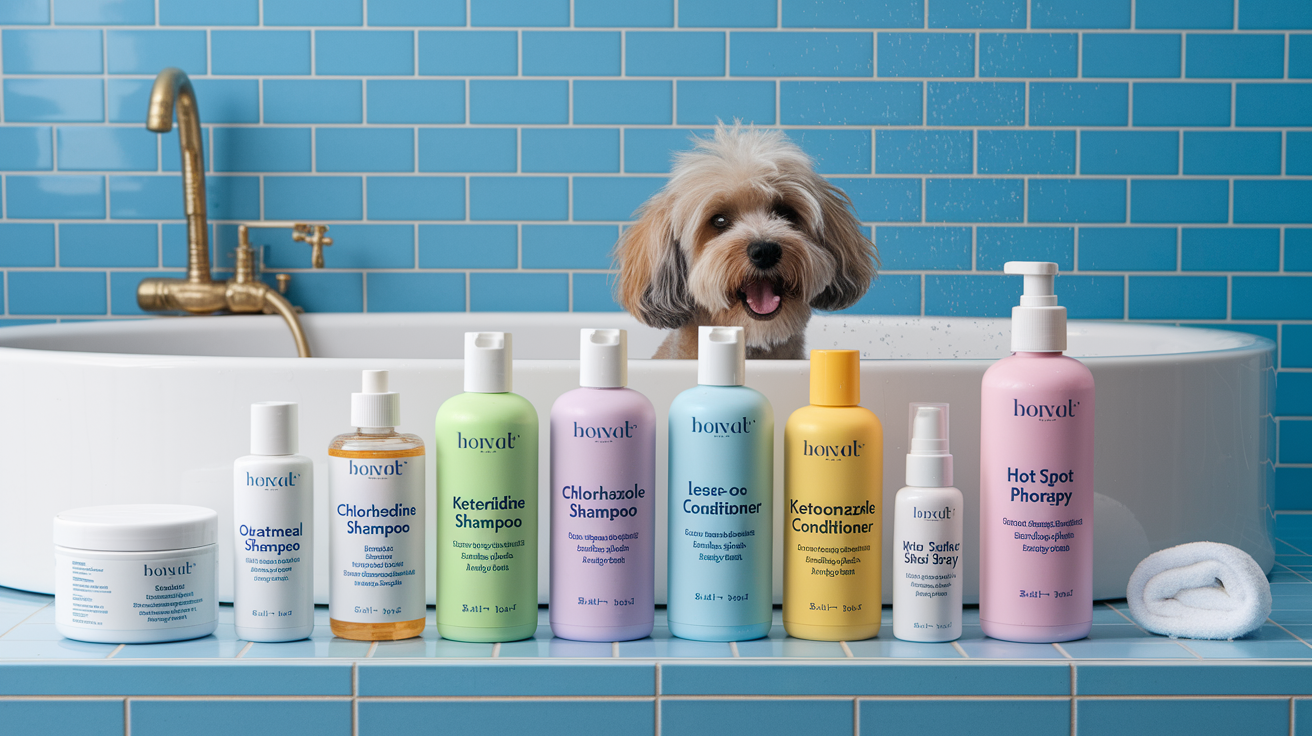
Oatmeal and moisturizing shampoos form the foundation of at-home bathing care. Colloidal oatmeal (finely ground oats boiled to extract soothing compounds) improves the skin barrier, reduces inflammation, and holds moisture against irritated skin. These shampoos work best when you lather, wait five minutes, then rinse thoroughly. Use them once or twice a week during flare-ups to keep skin calm without over-drying.
Medicated shampoos step in when infection complicates itching. Chlorhexidine shampoos kill bacteria and help prevent secondary skin infections that develop from constant scratching. Ketoconazole shampoos target yeast overgrowth, especially in dogs with warm, moist skin folds or floppy ears. Your vet will recommend bathing frequency, often two to three times per week for two weeks, then tapering as symptoms improve.
Non-shampoo topicals suit dogs that dislike frequent baths or have localized problem areas. Mousse formulations spread easily over the whole body or concentrate on armpits and bellies where irritation runs high. Spot-on therapies like Dermoscent moisturize skin and create a barrier against bacteria. Hot spot sprays deliver fast relief to red, weepy lesions without needing a full bath.
Topical and bathing product options:
- Oatmeal shampoo (colloidal formula for barrier support)
- Chlorhexidine shampoo (antibacterial; two to three times weekly)
- Ketoconazole shampoo (antifungal; vet-recommended schedule)
- Leave-on conditioners (moisturize between baths)
- Mousse therapies (quick application to problem zones)
- Hot spot sprays (Vetericyn Plus or similar; direct relief)
Dietary Additions You Can Give Dogs for Itchy Skin Support

Omega-3 fatty acids (EPA and DHA) reduce inflammation throughout the body and strengthen the skin’s natural barrier. Fish oils from anchovies or sardines deliver higher concentrations of these omega-3s than plant sources and absorb well in dogs. Many commercial dog foods lack adequate omega-3 levels, so supplementation often improves coat quality and calms mild itching within four to six weeks.
Food allergies demand a different approach. Proteins like chicken, beef, and pork trigger most canine food allergies, so switching to a novel protein your dog’s never eaten (duck, venison, kangaroo) can reveal whether diet drives the itch. AAFCO-compliant sensitive-skin diets often combine limited ingredients with higher omega-3 levels and antioxidants, supporting both allergy management and overall skin health.
Running a Proper Elimination Diet
Choose a single novel protein and carbohydrate source your dog hasn’t had before. Examples include salmon and sweet potato, or duck and peas. Feed that diet exclusively for eight to 12 weeks with no treats, table scraps, or flavored medications. Track scratching, licking, and skin appearance weekly. After the trial period, reintroduce one old ingredient at a time, waiting two weeks between additions to identify which food triggers the reaction. Your vet may recommend a prescription hydrolyzed-protein diet if over-the-counter options don’t succeed.
Dietary support options:
- Omega-3 (EPA/DHA) supplements (fish oil from anchovies or sardines)
- Hypoallergenic diets (AAFCO-compliant sensitive-skin formulas)
- Novel-protein trials (duck, venison, kangaroo)
- Probiotics (support gut and skin health; vet guidance recommended)
Parasite Control Products to Give Your Dog for Itch Prevention
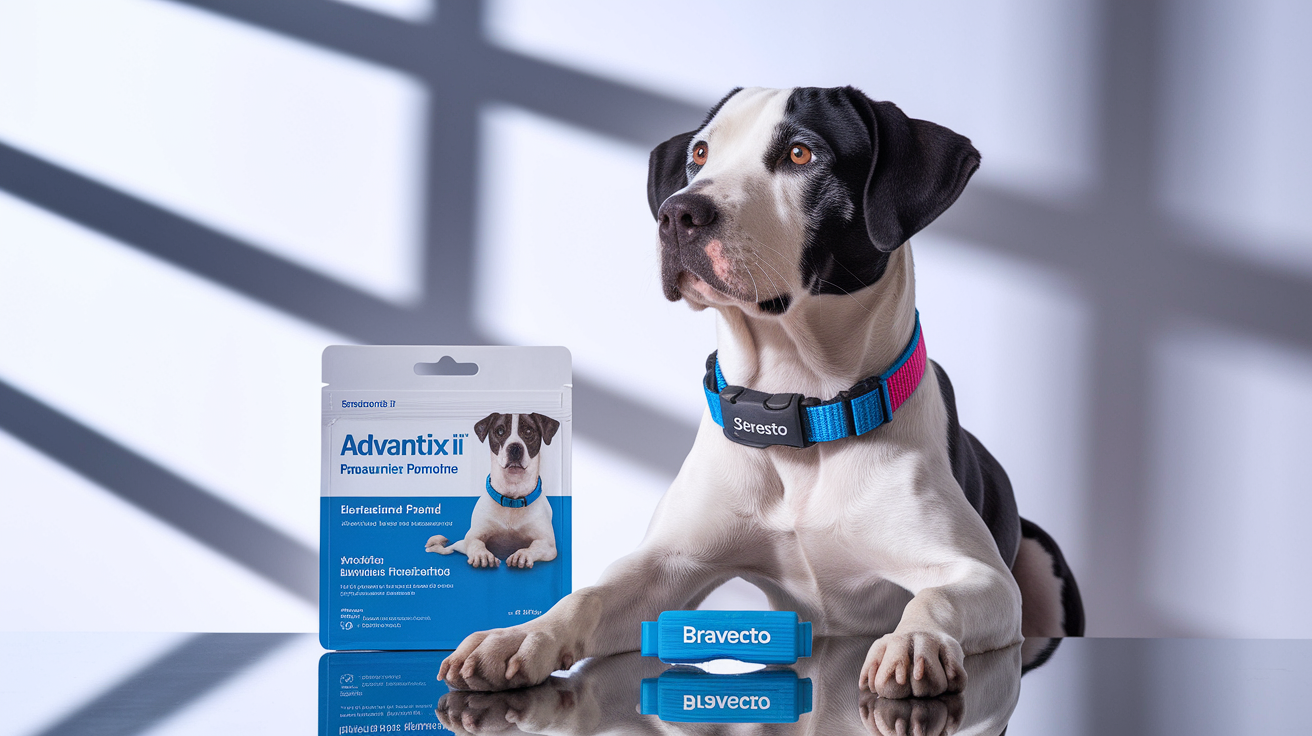
Effective flea and tick control forms the backbone of long-term itch prevention. Grooming and bathing alone can’t eliminate fleas. A single flea lays dozens of eggs daily, and those eggs drop into carpets, bedding, and furniture. Monthly preventatives like Advantix II kill fleas and ticks on contact and repel new arrivals. Seresto collars release active ingredients continuously for up to eight months, offering extended protection without monthly dosing.
Longer-acting chews like Bravecto belong to the isoxazoline class and kill fleas and ticks for up to 12 weeks with one dose. These products also treat sarcoptic mange (scabies) and demodectic mange (Demodex mites), making them a strong choice when mites contribute to itching. Always consult your vet to select the safest, most effective product for your dog’s age, weight, and health status.
Parasite-control essentials:
- Monthly flea/tick preventatives (Advantix II or similar; year-round use)
- Long-acting chews (Bravecto; kills fleas, ticks, and mites for 12 weeks)
- Mange-targeting medications (isoxazoline class; vet-prescribed)
- Environmental cleaning steps (wash bedding weekly; vacuum carpets and furniture to remove flea eggs and larvae)
When You Should See a Vet for a Dog’s Itchy Skin

Call your vet promptly if your dog’s skin turns red, develops scabs, smells bad, or feels painful to the touch. These signs point to bacterial or yeast infection, which require antibiotics or antifungal medications to clear. Infections won’t resolve with shampoos or diet changes alone. Delaying treatment allows the infection to spread and worsen.
Persistent scratching that doesn’t improve within three to five days of at-home care also warrants a vet visit. Your vet may perform skin cytology (pressing clear tape against the skin to capture yeast or bacteria for microscopic examination) or a skin scraping to check for mites. Allergy testing, either blood panels or intradermal skin tests, can identify specific environmental triggers and guide long-term management.
Severely itchy dogs often need systemic prescription medications like Apoquel, Cytopoint, or short courses of steroids to break the itch-scratch cycle and allow healing. For dogs with confirmed environmental allergies, immunotherapy (allergy shots) can desensitize the immune system over six to 12 months, reducing or eliminating the need for daily medication. Early vet intervention prevents complications, speeds relief, and gives you a clear diagnosis instead of guessing at causes.
Final Words
Start with fast, safe steps you can do tonight, like a quick colloidal oatmeal bath, a cool rinse, or a soothing hotspot spray, and check for fleas.
Then work through the likely causes — allergies, parasites, infections — and the longer-term options covered here: medicated shampoos, omega-3s and diet trials, parasite control, and vet-prescribed meds when needed.
If you’re asking what can i give my dog for itchy skin, use those safe home options while you plan a vet visit. You’ve got a clear path forward.
FAQ
Q: What is the best home remedy for dog itchy skin?
A: The best home remedy for dog itchy skin is a colloidal oatmeal bath. It soothes inflammation and itching quickly; follow with a cool rinse, a vet‑approved soothing spray, and flea checks.
Q: What human medicine can I give my dog for itching? Will Benadryl help my itchy dog?
A: Some vet‑approved antihistamines can help itching; Benadryl (diphenhydramine) may reduce symptoms, but always confirm the correct dose and safety with your vet before giving it.
