
Think that extra trips to the water bowl are just “getting older”?
They can be one of the first signs of kidney trouble in dogs.
Kidney problems often start with small changes, more drinking and peeing, eating less, slow weight loss, bad breath, pale gums, or a wobbly walk.
This short guide points out the common early and advanced signs you can spot at home, what to note, and when to call your vet.
Catching it sooner usually keeps your dog more comfortable and gives more treatment options.
Key Early and Advanced Signs Dog Owners Can Spot at Home

Spotting kidney failure early can extend your dog’s quality of life and give your vet more treatment options. Many signs start small and build over time, so knowing what to watch for at home matters.
Your dog empties the water bowl more often than usual. That’s increased thirst, and it’s one of the first things you’ll notice. More frequent potty breaks or larger puddles follow because the kidneys can’t concentrate urine anymore. Weight loss creeps in gradually, and you might see muscle wasting along the spine and hips. Lethargy shows up as reduced interest in walks, play, or even greeting you at the door.
Appetite changes are subtle at first. Your dog picks at food instead of finishing meals. Vomiting or nausea might happen in the morning or after eating. Bad breath develops, a chemical or ammonia smell that’s hard to miss once it’s there. Gums look pale, whitish or very light pink instead of that healthy salmon color. Blood in the urine shows as pink, red, or rust colored spots. Stumbling, uncoordinated movement, or a “drunken” gait can appear as toxins build.
Early stage kidney disease often begins with increased thirst and urination. Your dog’s kidneys lose the ability to concentrate urine, so more water passes through and the body signals thirst to stay hydrated. Appetite may drop slightly as toxins start to build in the bloodstream, and you might notice your dog seems quieter or tires faster on routine walks.
As disease advances, toxin buildup becomes severe. Vomiting happens because waste products irritate the stomach lining. Breath smells like chemicals when urea accumulates. Mouth ulcers form, making eating painful. Pale gums indicate anemia. The kidneys normally trigger red blood cell production, and damaged kidneys fail at that job. Blood in urine, extreme weakness, seizures, or collapse mean the kidneys are critically compromised and emergency care is needed.
Why Early Kidney Disease Signs Are Often Missed in Dogs

Kidney decline happens gradually, especially in older dogs, and early changes can look like normal aging. A dog who drinks a bit more water or seems less energetic might simply appear to be slowing down with age. Many owners don’t notice subtle shifts until symptoms become more obvious.
Small appetite changes are easy to dismiss. Your dog may leave a few kibbles in the bowl, eat slower, or seem less excited at mealtime. Weight loss creeps in over weeks, hidden under a thick coat or blamed on reduced activity. Water intake can increase just slightly at first, an extra trip to the bowl or a deeper drink after a walk, so it blends into daily routines without raising concern.
Behavioral clues are equally subtle. A dog who grooms less, takes longer naps, or withdraws from family interaction might seem tired or moody rather than ill. Mild lethargy feels normal for a senior pet, and quiet behavior can be mistaken for contentment. By the time vomiting, bad breath, or visible weight loss appear, kidney function may already be significantly reduced. Regular wellness exams with bloodwork twice yearly help catch these quiet early changes before symptoms become severe.
Advanced and Late Stage Kidney Failure Warning Signs in Dogs

When kidneys lose most of their filtering capacity, toxins flood the bloodstream and affect multiple body systems. Vomiting becomes persistent because urea and other waste products irritate the stomach lining and trigger nausea. Breath takes on a sharp chemical or ammonia smell, often compared to cleaning products or urine, because the body tries to eliminate toxins through the lungs. Mouth ulcers develop on the gums, tongue, and inner cheeks. Eating and drinking become extremely painful.
Anemia worsens as damaged kidneys stop producing erythropoietin, the hormone that signals bone marrow to make red blood cells. Pale gums, extreme fatigue, and weakness follow. Some dogs stumble or walk unsteadily. Severe cases can trigger tremors, disorientation, or seizures when toxin levels spike. Acute kidney injury accelerates this progression, and symptoms can appear suddenly over hours or days rather than weeks.
Persistent vomiting or inability to keep water down signals trouble. Open sores or white patches inside the mouth mean oral ulcers have formed. Gums that look very pale, whitish, or bluish instead of pink indicate severe anemia. Extreme lethargy where your dog won’t stand, lift their head, or respond normally is serious. Seizures, repeated tremors, or sudden collapse require immediate emergency care. Complete refusal to eat or drink for more than 24 hours can’t wait.
Differentiating Acute vs. Chronic Kidney Failure Signs in Dogs

Acute kidney injury strikes fast. Toxin ingestion can do it. Antifreeze (ethylene glycol), grapes, raisins, certain medications like ibuprofen damage kidney cells within hours. Infections such as leptospirosis, contracted from contaminated water or soil, inflame the kidneys and shut down filtration rapidly. Symptoms escalate quickly: sudden vomiting, refusal to eat, weakness, decreased or absent urination, and sometimes seizures or collapse. Early aggressive treatment may reverse acute damage if the underlying cause is caught in time.
Chronic kidney disease develops slowly, usually over months to years. It’s more common in senior dogs and results from gradual loss of kidney cells due to aging, long term high blood pressure, or underlying conditions like diabetes. Symptoms appear in stages. Mild increased thirst first, then appetite loss, then weight decline, and finally severe signs like vomiting and bad breath as function drops below critical levels. Chronic kidney failure can’t be cured, but supportive care slows progression and maintains comfort.
| Feature | Acute Kidney Injury | Chronic Kidney Disease |
|---|---|---|
| Onset | Hours to days | Weeks, months, or years |
| Common Causes | Toxins (antifreeze, grapes, NSAIDs), infections (leptospirosis), severe dehydration | Age related degeneration, chronic high blood pressure, diabetes, congenital defects |
| Typical Symptoms | Sudden vomiting, collapse, anuria (no urine), rapid weakness, seizures | Gradual increased thirst/urination, slow appetite decline, weight loss, lethargy, eventual vomiting and bad breath |
Diagnostic Testing That Confirms Kidney Failure Signs in Dogs

Your veterinarian uses blood tests to measure waste products that healthy kidneys eliminate. BUN (blood urea nitrogen) and creatinine are the standard markers. Elevated levels confirm kidneys aren’t filtering properly. SDMA (symmetric dimethylarginine) is a newer test that detects kidney damage earlier than creatinine alone, sometimes catching disease before visible symptoms appear. Blood work also checks electrolyte balance, phosphorus levels, and red blood cell counts to assess secondary effects.
Urinalysis examines how well kidneys concentrate urine. Low urine specific gravity means kidneys have lost the ability to hold water back, a hallmark of kidney disease. The test also detects protein leaking into urine (proteinuria), a sign of damaged kidney filters, and checks for bacteria that might indicate infection. Your vet may recommend a urine sample collected first thing in the morning for the most accurate concentration reading.
Imaging gives a structural view. Ultrasound shows kidney size, shape, and internal detail. Shrunken kidneys suggest chronic disease, while swollen kidneys may point to acute injury, infection, or blockage. X-rays can reveal kidney stones, tumors, or abnormal positioning. Blood pressure measurement is essential because high blood pressure both damages kidneys and results from kidney disease, creating a harmful cycle that must be managed with medication.
Causes and Risk Factors Behind Kidney Disease Signs in Dogs

Toxins are a leading cause of acute kidney injury. Antifreeze containing ethylene glycol tastes sweet and even a small lick can be fatal. It crystallizes inside kidney tubules and destroys filtering cells. Grapes and raisins trigger sudden kidney failure in some dogs for reasons still not fully understood. Human medications like ibuprofen, naproxen, and certain antibiotics damage kidneys when dogs ingest them accidentally. Keeping these substances secured and out of reach prevents many emergency cases.
Infections can spark kidney damage. Leptospirosis, a bacterial disease spread through water contaminated by wildlife urine, causes severe kidney inflammation and cell death. Pyelonephritis (kidney infection) develops when bladder infections travel upstream into the kidneys. Puppies may be born with congenital defects, missing one kidney (agenesis), cysts, or malformed structures that reduce kidney capacity from birth and lead to early disease.
Age related decline is the most common cause of chronic kidney failure. Senior dogs naturally lose kidney cells over time, and once about 75% of function is gone, symptoms appear. Chronic conditions accelerate the process: untreated high blood pressure damages delicate kidney blood vessels, and diabetes increases the kidneys’ workload. Breeds such as Golden Retrievers, Cocker Spaniels, and Bull Terriers have higher genetic risk. Advanced dental disease also contributes. Bacteria from infected gums enter the bloodstream and can seed the kidneys, liver, and heart valves over years.
When Kidney Failure Signs Require Emergency Veterinary Care

True emergencies involve rapid symptom onset or signs that your dog’s body is shutting down. Acute kidney injury progresses in hours, not days, and every minute of delay reduces the chance of recovery. If your dog suddenly refuses all food and water, vomits repeatedly, collapses, or shows severe weakness, especially after possible toxin exposure, go to an emergency vet immediately.
Any suspicion of toxin ingestion is urgent. If you saw your dog lick antifreeze, eat grapes, or chew open a medication bottle, call your vet or an animal poison control hotline right away, even if symptoms haven’t started. Early decontamination (inducing vomiting, administering activated charcoal, starting IV fluids) can save kidney function. Acute cases often require hospital admission for intensive fluid therapy, monitoring, and medications to support kidney cell survival.
Repeated vomiting or inability to keep water down for more than a few hours needs attention. Blood in the urine, especially if accompanied by straining or crying during urination, is serious. Sudden collapse, extreme lethargy, or inability to stand can’t wait. Seizures, tremors, disorientation, or sudden behavior changes mean something’s very wrong. Complete absence of urine production (anuria) or severe decrease in urination requires immediate care.
Supportive Treatments Used When Dogs Show Signs of Kidney Failure
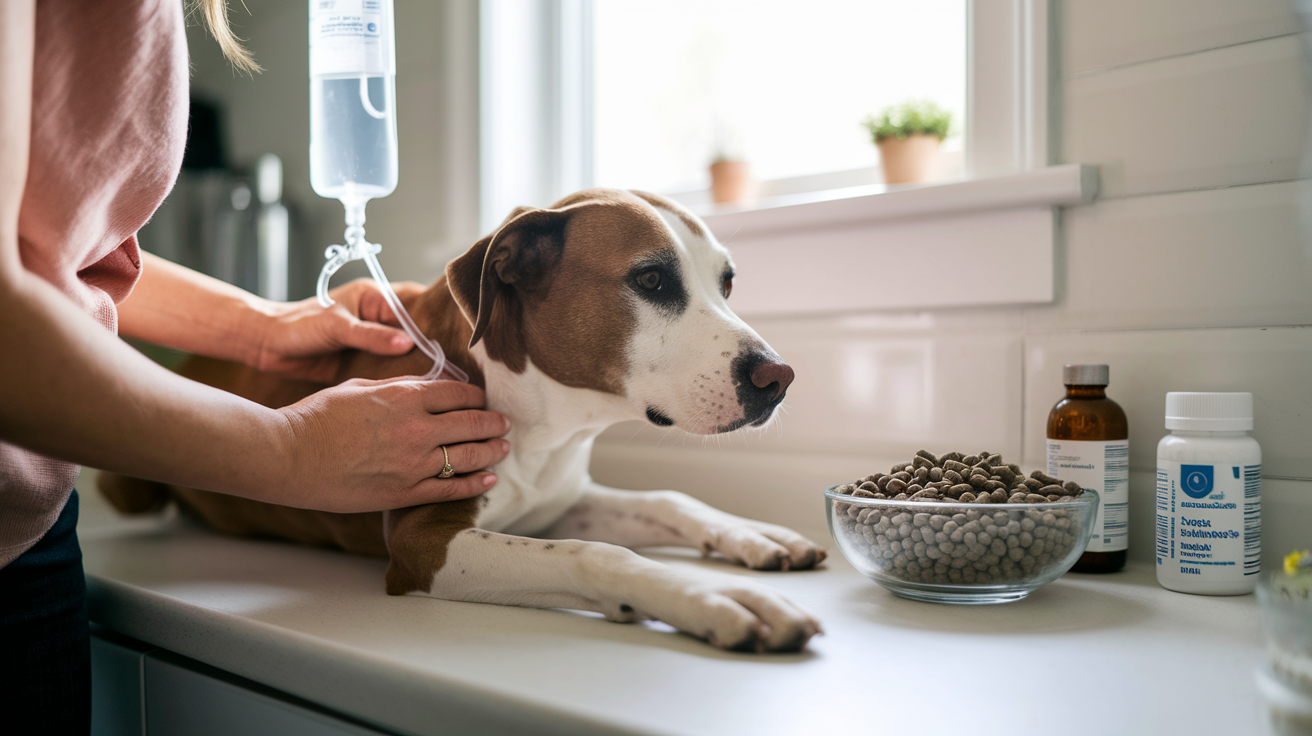
Hydration is the cornerstone of kidney support. IV fluids are used in hospitals to flush toxins, restore electrolyte balance, and support kidney cell recovery in acute cases. At home, many dogs with chronic disease receive subcutaneous fluids. Your vet teaches you to inject fluid under the skin, usually a few times per week. This helps kidneys stay hydrated enough to filter waste and prevents dehydration from worsening symptoms. Always keep fresh water available and refill bowls multiple times daily.
Prescription renal diets reduce the kidneys’ workload. These foods are lower in protein, phosphorus, and sodium than regular dog food, which decreases waste buildup and slows disease progression. Phosphate binders, given with meals, prevent excess phosphorus absorption. High phosphorus accelerates kidney damage and contributes to nausea. Some dogs resist the taste of renal diets at first. Warming food slightly or mixing in a small amount of low sodium broth can help.
Medications target specific symptoms and complications. Anti nausea drugs like maropitant help dogs feel comfortable enough to eat. Blood pressure medications (ACE inhibitors, amlodipine) protect remaining kidney cells from hypertension damage. Erythropoietin injections or oral supplements treat anemia by stimulating red blood cell production. In advanced cases, dialysis can filter blood externally, though it’s expensive and available only at specialty centers. Most dogs are managed with a combination of fluids, diet, and medications, adjusted over time as needs change.
Fluid therapy gets used in hospitals (IV) and at home (subcutaneous). Prescription renal diet is low protein, low phosphorus. Medications for nausea, blood pressure, and anemia help manage symptoms. Phosphate binders and kidney support supplements reduce workload. Advanced options like dialysis exist for critical cases.
Monitoring Kidney Disease Signs at Home for Ongoing Care

Consistent daily tracking helps you catch small changes before they become crises. Keep a simple log. Paper or phone notes work fine. Record key observations once or twice a day. Patterns matter more than single events, so look for trends over days or weeks rather than reacting to every small shift.
Early deviations signal worsening kidney function and give your vet time to adjust treatment before your dog feels significantly worse. A gradual increase in water intake or a drop in appetite over three to five days is worth a phone call. Sudden changes like vomiting, refusal to eat, visible weakness need same day attention. Tracking also helps at vet visits. Concrete details like “drinks about four bowls a day now, up from two last month” give your vet better data than “drinks a lot.”
Count how many times you refill the water bowl each day. Note frequency of potty breaks and size of puddles or wet spots in the yard. Track whether meals are finished, partially eaten, or ignored. Weigh your dog weekly on the same scale at the same time of day. Check for chemical or ammonia smell during face to face time. Note date, time, and whether vomiting contained food or just liquid.
Final Words
In the action, this post walked through easy-to-spot and advanced clues, why early signs are often missed, how acute and chronic cases differ, what tests vets use, common causes, emergency red flags, treatments, and home monitoring tips.
Watch your dog’s water intake, peeing, appetite, weight, breath, and energy. Take notes or photos and track changes over days.
If you see repeated vomiting, collapse, seizures, or other severe changes that are signs of kidney failure in dogs, call your vet or an emergency clinic right away. With prompt care and steady monitoring, many pets feel better and stay comfortable.
FAQ
Q: What are the symptoms of end stage kidney failure in dogs?
A: The symptoms of end stage kidney failure in dogs are severe vomiting, inability to keep down water, very little or no urination, blood in urine, extreme lethargy or collapse, ammonia breath, mouth ulcers, pale gums, and seizures, and seek emergency veterinary care.
Q: What is the life expectancy of a dog with kidney disease?
A: The life expectancy of a dog with kidney disease depends on cause and stage. With early chronic disease and treatment many dogs live months to years, while end-stage or untreated acute failure often means days to weeks.
Q: Will my dog be in pain with kidney failure?
A: Dogs with kidney failure may be uncomfortable from nausea, stomach pain, mouth ulcers, and weakness. Some show little obvious pain. Your vet can prescribe anti-nausea and pain-relief options.
Q: Can a dog’s kidneys repair themselves?
A: A dog’s kidneys can sometimes recover after acute injury if treated quickly, but chronic kidney damage is usually permanent. Management then focuses on slowing progression and providing supportive care.
