
What if your senior dog’s slowing down is more than just getting old?
Many owners shrug at fewer walks or extra naps, but sudden confusion, house accidents, or new irritability often mean pain, illness, or cognitive decline.
This post shows the behavior changes to watch, what they might mean, and what to do tonight and when to call your vet.
You’ll learn clear red flags, simple home checks, and the questions to bring to your appointment so you can catch problems early and keep your dog comfortable.
Top Behavioral Changes in Senior Dogs (and Which Ones Signal a Problem)
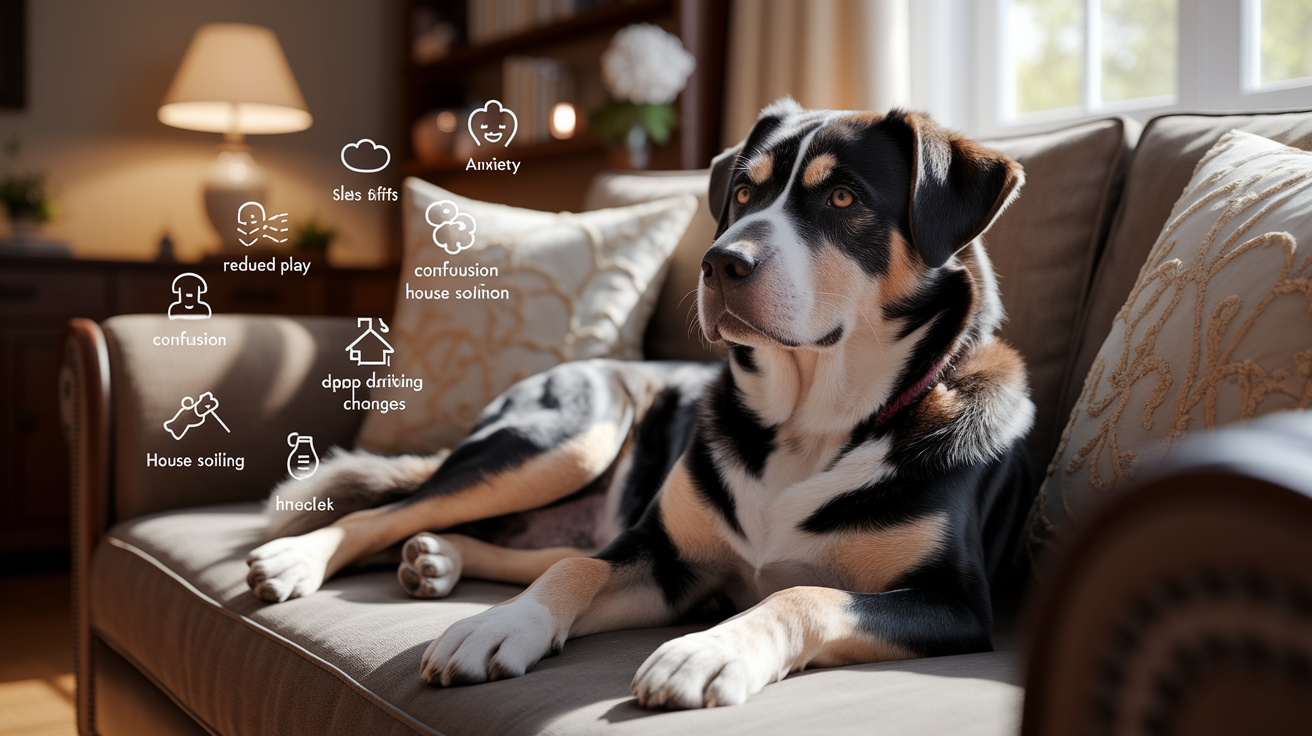
Senior dogs don’t move through the day the same way they used to. You’ll see some slowing down, longer naps, maybe a few gray hairs popping up around the muzzle. That’s normal. What’s not normal? A sudden personality flip, confusion in a room they’ve known for years, or accidents from a dog who hasn’t had one since puppyhood.
Most behavior changes fall into a few categories: sleep shifts, anxiety or crankiness, less interest in play, confusion, house soiling, and changes in how much they eat or drink. Some of these happen gradually and just reflect aging. A little less energy on walks, choosing the couch over fetch. That’s fine. But others show up fast or get worse by the week, pointing to pain, illness, or cognitive problems that need a vet’s attention.
The difference comes down to speed and how bad it gets. A dog who becomes less playful over six months is getting older. A dog who suddenly stops meeting you at the door, wanders aimlessly at 2 a.m., or snaps without warning? That’s a red flag. These behaviors should get you on the phone with your vet:
Disorientation in familiar spaces. Getting stuck behind furniture, forgetting where the door is, or not recognizing family members.
House soiling after years of solid training. Accidents happening more than once a week, especially overnight.
Sudden aggression or irritability. Growling, snapping, or biting when nothing obvious provoked it.
Severe or fast appetite loss. Refusing food for more than two days or dropping noticeable weight in weeks.
Big increase in water intake and peeing. Drinking constantly, asking out over and over, or giant puddles indoors.
Extreme lethargy or withdrawal. Sleeping most of the day, ignoring favorite activities, not wanting to move.
Cognitive Decline and Canine Cognitive Dysfunction (CCD)
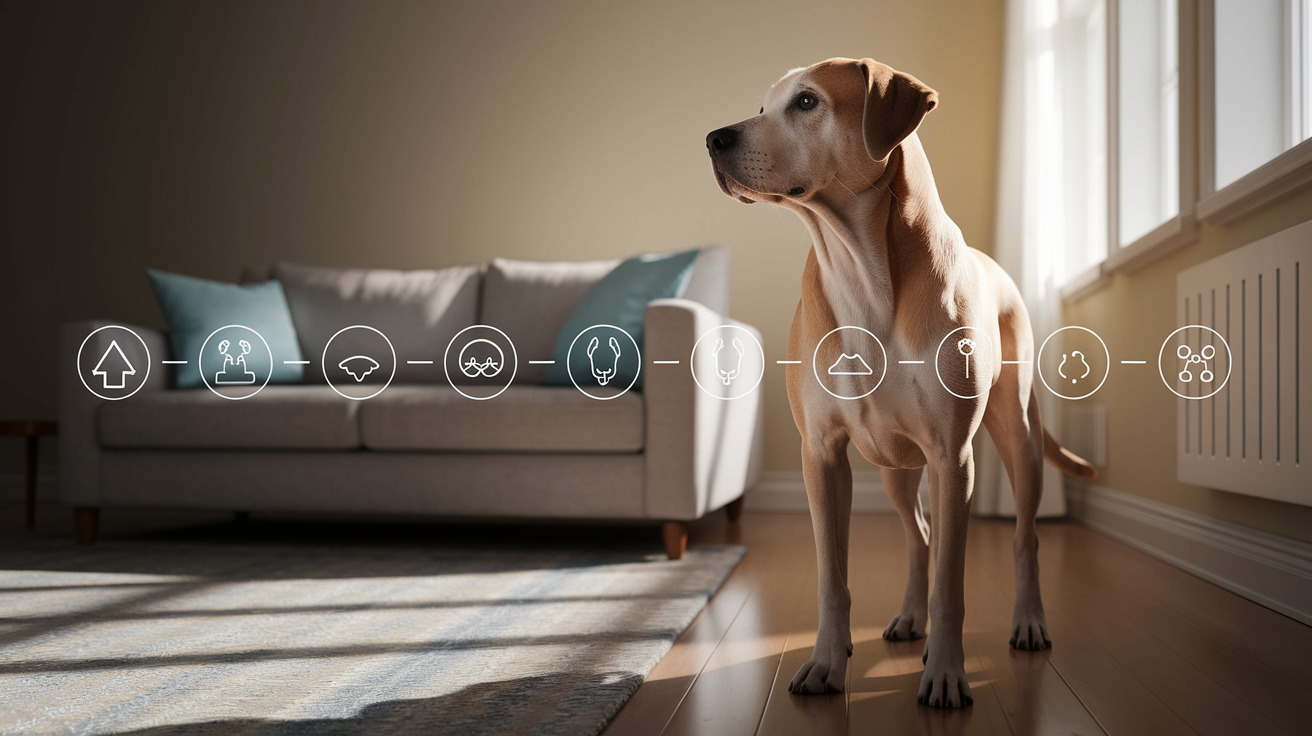
Canine cognitive dysfunction is the vet term for dementia-like changes in older dogs. It’s not rare. Studies put it at 14 to 35 percent of dogs over 8 showing at least some signs, jumping to 50 or 60 percent in dogs 15 and older. It develops slowly, usually over months to a few years. Not overnight.
Dogs with CCD often follow a pattern vets call DISHAA: Disorientation, Interaction changes, Sleep-wake cycle problems, House soiling, Activity shifts, and Anxiety with memory and learning issues. You might catch your dog staring blankly at a wall, wandering without purpose, or standing at the wrong spot waiting for a door that’s ten feet away. They may forget commands they’ve known forever, fail to recognize you for a second, or get stuck in a corner and seem lost about how to back out. Sleep gets flipped. They sleep hard during the day and pace, whine, or bark all night.
CCD is a medical diagnosis. It’s not “just getting old.” Physical changes happen in the brain, like protein buildup and neuron loss. Many dogs do better with a mix of medication (selegiline is common), diet tweaks, environmental changes, and mental enrichment. Catching it early and getting your vet involved improves outcomes and slows things down.
Sleep Pattern Shifts in Aging Dogs
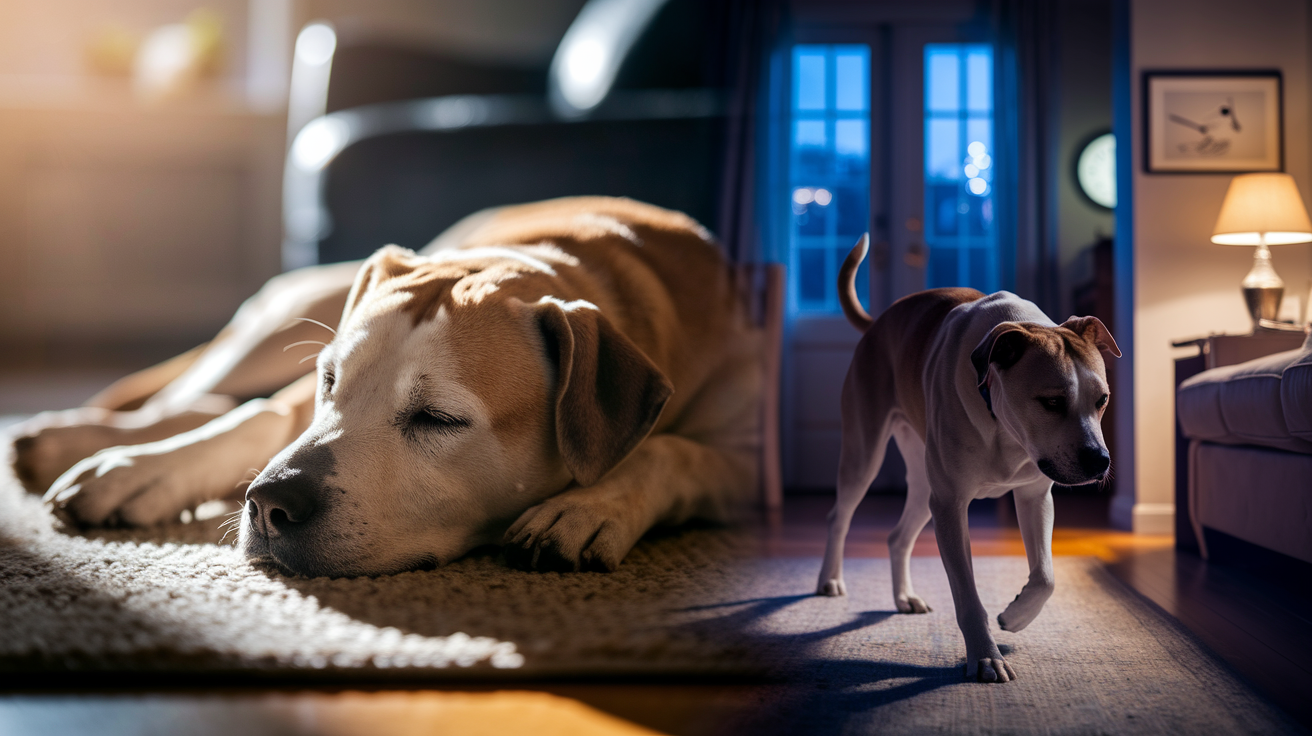
Senior dogs usually sleep 16 to 20 hours a day, more than when they were younger. That’s expected. What’s not? A sudden flip where they sleep all day and then pace, whine, or bark from midnight till dawn. That shift often points to cognitive dysfunction, pain that gets worse at night, or anxiety.
You might also see restless sleep. Waking up a lot, trouble settling, circling before lying down over and over, or getting up and down all night. Dogs with arthritis can struggle to find a comfy position. Dogs losing vision or hearing might startle awake more or feel disoriented in the dark.
Look for these warning signs around sleep:
Nighttime pacing or vocalizing (whining, barking) that’s new or happening more often.
Can’t settle for more than an hour or two at a time.
Sleeping all day but wide awake and anxious after dark.
Waking up startled or confused, like they don’t know where they are.
Increased Anxiety and New Nervous Behaviors
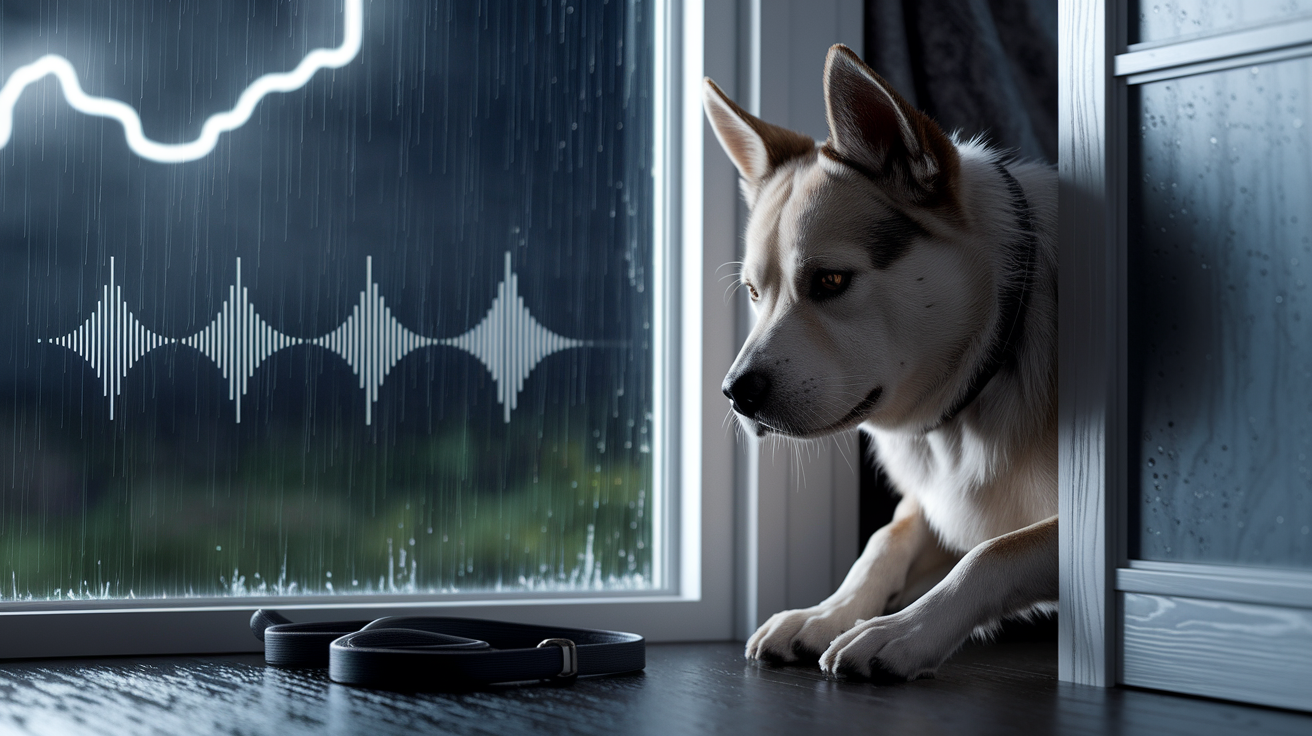
Older dogs often get more anxious. They might follow you room to room, whine when you leave, startle at sounds they used to ignore, or shake during thunderstorms when they never did before. Pain, fading vision and hearing, and cognitive changes all play a role. A dog who can’t see well feels exposed. A dog in constant pain gets jumpy or irritable.
Anxiety also shows up as repetitive stuff. Pacing the same path, licking one spot on a paw till it’s raw, or staring at nothing for long stretches. Some dogs get clingy and freak out when you step away, even for a minute. Others pull back, hiding in closets or under beds. Both extremes are worth checking out.
Common anxiety patterns in aging dogs:
Noise sensitivity and startle responses. Reacting hard to doorbells, thunder, fireworks, or household sounds that didn’t bother them before.
Separation distress. Whining, destructive behavior, or house soiling when left alone, especially if it’s new.
Restlessness and pacing. Moving nonstop without settling, often along the same route or in circles.
House Soiling and Changes in Bathroom Habits
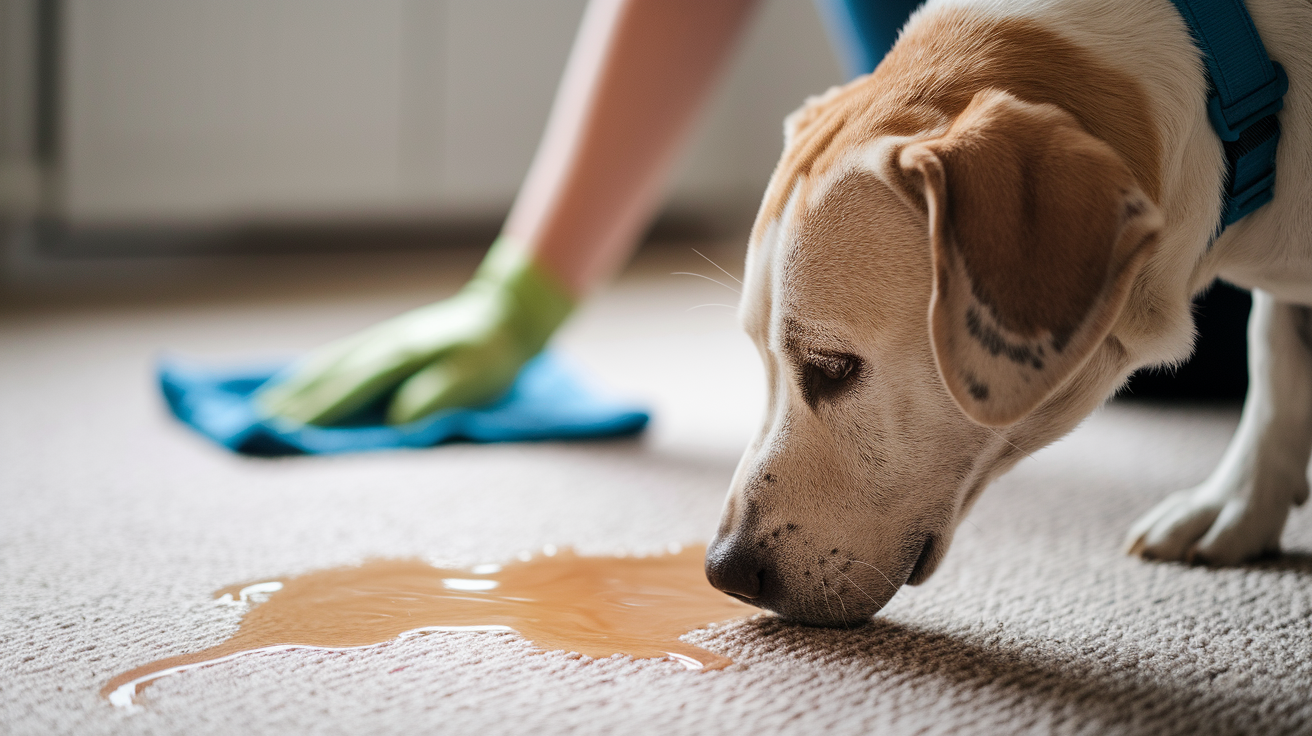
A dog who was housetrained for years and starts having accidents indoors is telling you something’s wrong. House soiling in senior dogs has a bunch of possible causes. Cognitive dysfunction (forgetting training or losing awareness of the need to go), arthritis or mobility issues that make it hard or painful to get to the door or handle stairs, weakened bladder or bowel control (especially common in older female dogs), urinary tract infections, kidney disease, diabetes, or other metabolic problems.
Cognitive decline often shows up as nighttime accidents. The dog forgets where the door is, loses the routine of asking out, or just doesn’t wake up in time. Incontinence (leaking urine while asleep) points to a physical problem with the bladder sphincter or hormone shifts. If your dog is straining, going frequently in tiny amounts, or showing blood in the urine, a UTI or bladder stones are likely.
Track the pattern. Write down when accidents happen (middle of the night, right after you leave), how much (big puddle vs. small dribble), and other symptoms like increased thirst, trouble posing to pee, or signs of pain. More than one accident a week in a previously trained dog means a vet visit. Sudden, severe, or worsening incontinence needs fast attention to rule out infection or something more serious.
Appetite, Eating Behavior, and Drinking Changes

Appetite shifts are common in senior dogs, and which way it goes matters. Some dogs eat less as they age. Slower metabolism, less activity, dental pain, nausea from meds or illness, or just less interest in food because of cognitive decline. Other dogs suddenly become ravenous, which can point to metabolic diseases like diabetes, Cushing’s disease, or hyperthyroidism (less common in dogs than cats, but it happens). Weight loss without a drop in appetite is a red flag for things like cancer, kidney disease, or malabsorption.
Increased water intake and peeing often happen together and point to kidney disease, diabetes, liver disease, or Cushing’s. If your dog is drinking way more (emptying the bowl several times a day or constantly seeking water) and peeing more often or in bigger volumes, call your vet. These changes usually show up over days to weeks, not months.
Dental disease is another common reason eating behavior changes. Dogs with painful teeth or gums may drop food, chew on one side, avoid hard kibble, or stop eating entirely. Bad breath usually goes with dental problems but can also mean kidney disease.
Watch for these red flags around appetite:
Appetite loss for more than two days, especially with weight loss or lethargy.
Sudden appetite spike with weight loss or no weight gain.
Big increase in water drinking, especially if your dog is asking out more or having accidents.
Trouble chewing, dropping food, or avoiding hard kibble, maybe with drooling or pawing at the mouth.
Activity Level Changes and Mobility Related Behavior
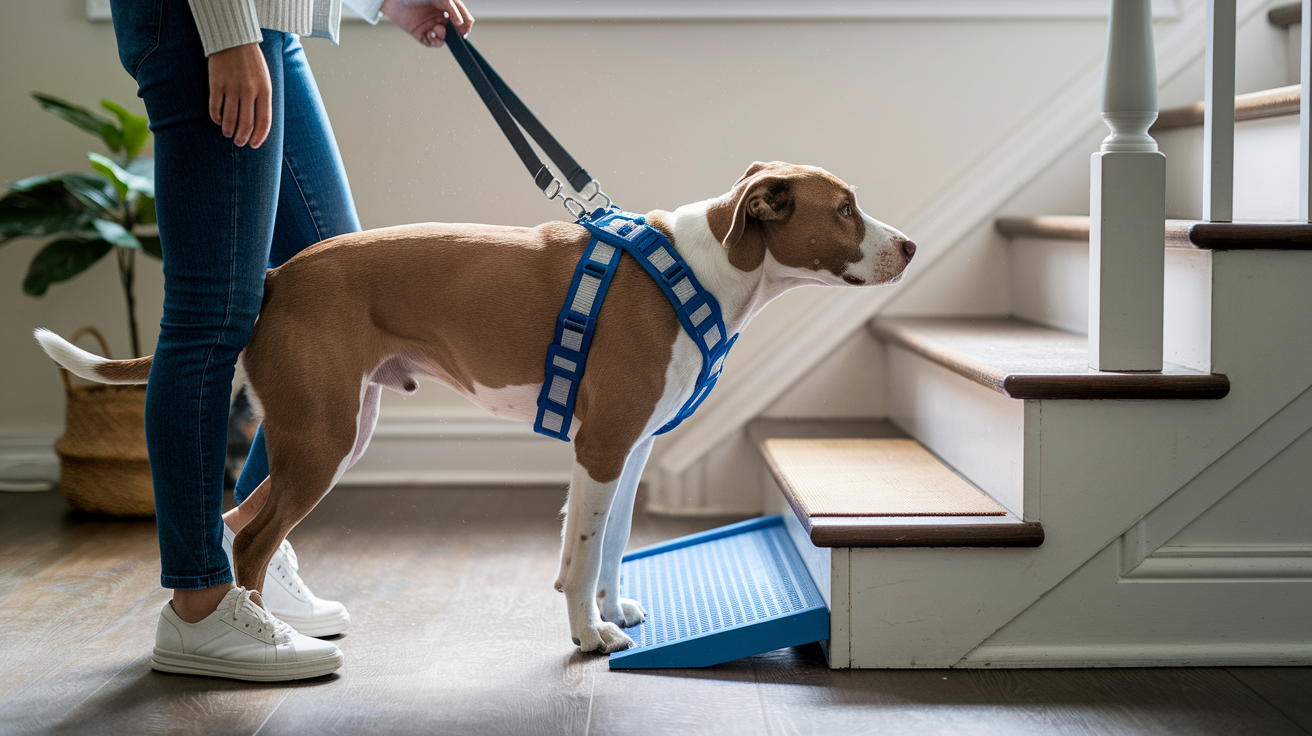
Slowing down is part of aging, but severe or sudden drops in activity usually mean pain, not age. Dogs with arthritis may stop jumping on furniture, hesitate at stairs, take longer to get up from a nap, or limp after resting. They might avoid play, resist walks, or show stiffness that gets better after moving around a bit. Pain also changes behavior in quieter ways. Dogs can become less social, more irritable, or touchy about being handled in certain spots.
Heart disease, hormonal imbalances like hypothyroidism, and anemia can all tank stamina and enthusiasm. A dog who used to sprint to the door at the sound of a leash but now barely lifts their head may not be “just tired.” Fast or worsening mobility loss (trouble standing, dragging a limb, sudden collapse) needs emergency vet care.
Mobility changes often show up as shifts in routine and preferences. Look for these behavioral clues:
Not wanting to climb stairs or jump in the car, especially if your dog used to do it without thinking.
Trouble getting up after lying down, taking several tries or looking stiff and slow to stand.
Shorter walks or stopping a lot, losing interest in routes they used to love.
When Behavioral Changes Mean It’s Time to See a Veterinarian
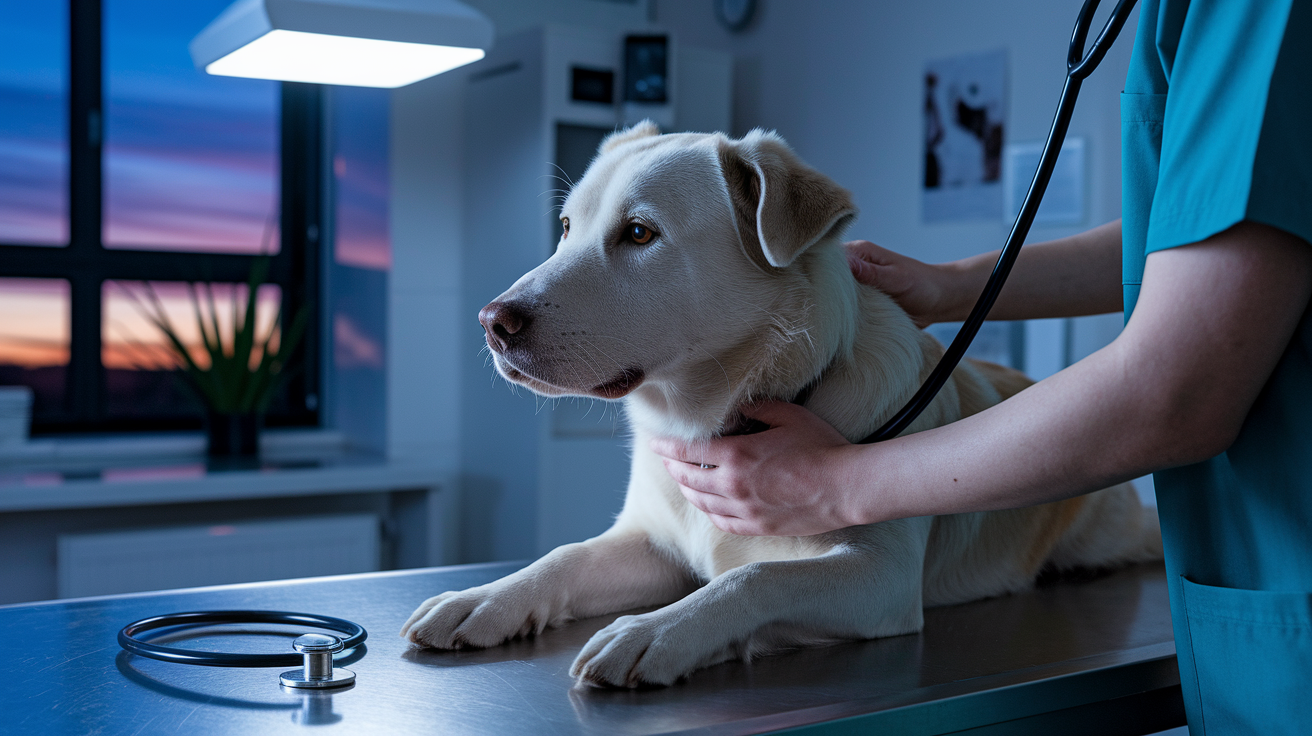
Not every shift needs an emergency trip, but a lot of behavioral changes in senior dogs point to illness that’s easier to handle when you catch it early. Sudden changes (new confusion, abrupt personality shifts, fast weight loss, severe lethargy) need a vet evaluation soon. Gradual changes that get worse over weeks, like increasing anxiety or house soiling, also need a visit. Waiting to see if things get better on their own usually means you miss the window when treatment works best.
Your vet will start with a physical exam, check mobility and pain, and run basic tests. Bloodwork (complete blood count and chemistry panel), thyroid testing, and urinalysis. More tests might follow depending on symptoms: blood pressure, imaging (X-rays, ultrasound, or advanced stuff), or vision and hearing checks. A lot of behavior changes have medical causes you can treat. Arthritis, infections, hormone imbalances, organ disease, dental pain.
Senior dogs should see a vet at least every six months for wellness checks, even without new symptoms. For dogs with known conditions or new behavioral changes, more frequent visits help track what’s happening and adjust treatment.
Call your vet or get immediate care if your dog shows any of this:
- Sudden disorientation or severe confusion. Can’t recognize you or familiar surroundings, getting stuck over and over, or seeming “lost” in the house.
- Sudden collapse, seizures, or can’t stand. These are emergencies.
- Appetite loss for more than 48 hours, especially with vomiting, diarrhea, or dehydration signs (dry, tacky gums, skin that doesn’t bounce back when you lift it).
- Severe, unexplained aggression or sudden personality change. Unprovoked biting, growling at family, or extreme fear without an obvious reason.
- Fast weight loss (more than 10 percent of body weight in a few weeks), big increase in thirst and peeing, or trouble breathing.
Tracking, Managing, and Supporting Behavioral Changes at Home

Keeping a baseline behavior log helps you spot patterns and gives your vet solid info to work with. Track for two to four weeks. Write down dates, times, and how often disorientation episodes, house soiling, nighttime pacing, appetite changes, and mobility troubles happen. Video recordings of specific behaviors (limping, confusion, repetitive pacing) are really useful at vet visits.
Environmental tweaks and daily routines make a real difference in quality of life. Consistency helps dogs with cognitive decline. Feed at the same times, walk the same routes, keep furniture where it’s always been. Set up ramps or pet stairs to cut down on jumping. Use non-slip rugs or yoga mats on tile and hardwood so they don’t slip. Add night lights in hallways and near doors to help disoriented dogs get around after dark. Raise food and water bowls if neck or joint pain makes bending down uncomfortable.
Mental activity and physical exercise tailored to your dog’s abilities slow cognitive decline and ease anxiety. Shoot for 10 to 30 minutes a day of puzzle feeders, scent games, or gentle training sessions with treats and praise. Structured walks (20 to 30 minutes once or twice daily, adjusted to your dog’s stamina) give physical exercise and sensory variety. For dogs with hearing or vision loss, add hand signals or gentle touch cues to replace verbal commands.
Practical strategies you can use at home:
Stick to a predictable daily schedule for meals, walks, and bedtime to cut down on confusion and anxiety.
Set up a quiet, comfy resting area with an orthopedic bed, away from household traffic and noise.
Use baby gates or closed doors to block off stairs or areas where your dog might get disoriented or hurt.
Offer safe indoor potty options (pee pads, artificial grass patches) if your dog struggles to make it to the yard in time, especially at night.
Work with your vet on pain management. Meds like NSAIDs, gabapentin, or joint supplements can dramatically improve mobility and mood.
Final Words
Watch closely: changes in sleep, appetite, activity, anxiety, house-soiling, and confusion tell you which shifts are normal and which need a checkup. Note sharp declines or sudden personality shifts.
Keep a simple log with dates, what changed, and photos or short videos. Try small fixes like a steady routine, comfy bedding, and gentle walks. If you’re worried, call your vet today.
Use this list of senior dog behavior changes to watch for and take one small step now. Your care truly helps.
FAQ
Q: What causes sudden behavior changes in old dogs?
A: Sudden behavior changes in old dogs are often caused by pain, illness, medication side effects, or cognitive decline. Sensory loss or new stressors can also trigger quick shifts in behavior.
Q: What are signs a dog’s quality of life is declining?
A: Signs a dog’s quality of life is declining include persistent pain, loss of appetite, difficulty moving, repeated accidents, social withdrawal, trouble breathing, or loss of interest in favorite activities.
Q: What is sundowning in senior dogs?
A: Sundowning in senior dogs is increased confusion, pacing, agitation, or restlessness that shows up in late afternoon or evening, often connected to cognitive decline or worsened vision and hearing.
Q: How to tell if your senior dog has dementia?
A: You can tell if your senior dog has dementia by steady disorientation, getting lost in familiar places, sleep-wake reversal, house-soiling, reduced social interaction, new anxiety, or long staring episodes.
