
What if you could ease your pet’s panic in minutes without a prescription?
When your dog is pacing, panting, or your cat is hiding, quick natural options can calm them now and help longer term.
This post shows fast, practical remedies, environment tricks, pheromones, L-theanine, chamomile, CBD, and anxiety wraps that often work within minutes to hours.
You’ll get safe, step-by-step tips for using each one tonight, what to watch for, and when to call your veterinarian.
No fluff, just the remedies that actually help so you and your pet can breathe easier.
Fast, Natural Ways to Calm Your Anxious Pet
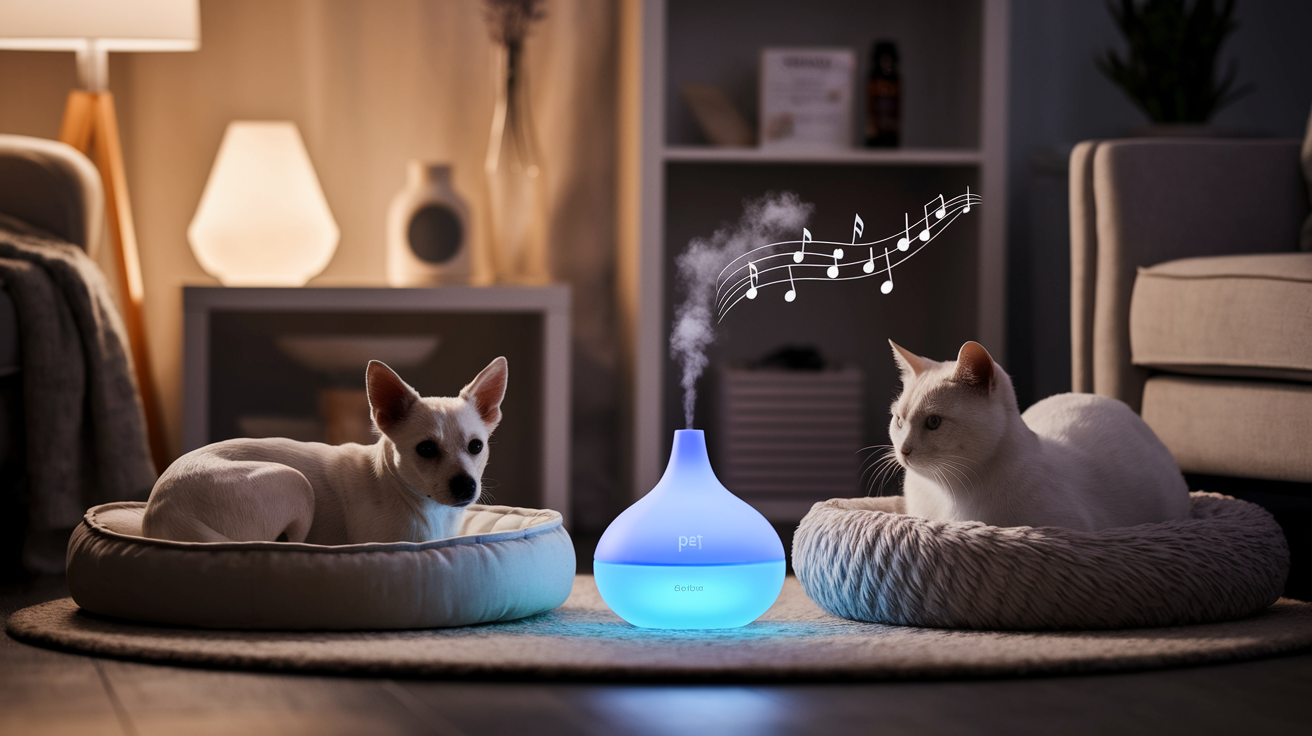
When your dog or cat is pacing, panting, or hiding, you need options that work quickly and don’t require a prescription. Natural calming remedies can reduce anxiety within minutes to hours, giving your pet relief while you work on longer term solutions. Many of these methods are safe to use right away at home, especially when anxiety flares during storms, fireworks, or sudden routine changes.
The most effective fast acting remedies combine environmental adjustments with gentle, plant based or behavior focused interventions. Dimming the lights, turning on soft music, and creating a quiet retreat space can make an immediate difference. Pairing those changes with targeted natural products helps your pet settle faster and feel safer.
Here are six natural remedies that can calm your anxious pet quickly:
CBD oil formulated for pets gives you a 30 to 60 minute window before a known trigger like a car ride or thunderstorm. It interacts with your pet’s endocannabinoid system to increase calming signals.
Pheromone diffusers or sprays work differently for each species. Adaptil for dogs and Feliway for cats release calming scents that mimic natural comfort signals. Plug in a diffuser or spray bedding before stressful events.
L-theanine supplements promote relaxation without sedation. Look for chewable soft chews designed for pets and give according to package weight guidelines.
Chamomile or valerian tea can be brewed mild, cooled, and poured in a small amount over food or into water. Chamomile soothes the stomach and nerves. Valerian works as a gentle sedative.
Weighted wraps or anxiety vests like Thundershirt apply gentle, constant pressure that feels like a reassuring hug. Put it on before the trigger starts for best results.
White noise or calming music apps mask unpredictable sounds with steady background noise or species specific calming playlists available on streaming services.
Always start with the lowest effective dose and watch your pet’s response. If you’re combining multiple remedies, introduce one at a time so you can identify what works. Avoid giving human medications or undiluted essential oils, which can be toxic. When in doubt, snap a quick video of your pet’s symptoms and check with your vet before trying a new product, especially if your pet is on other medications or has health conditions.
Behavioral Techniques to Reduce Pet Anxiety
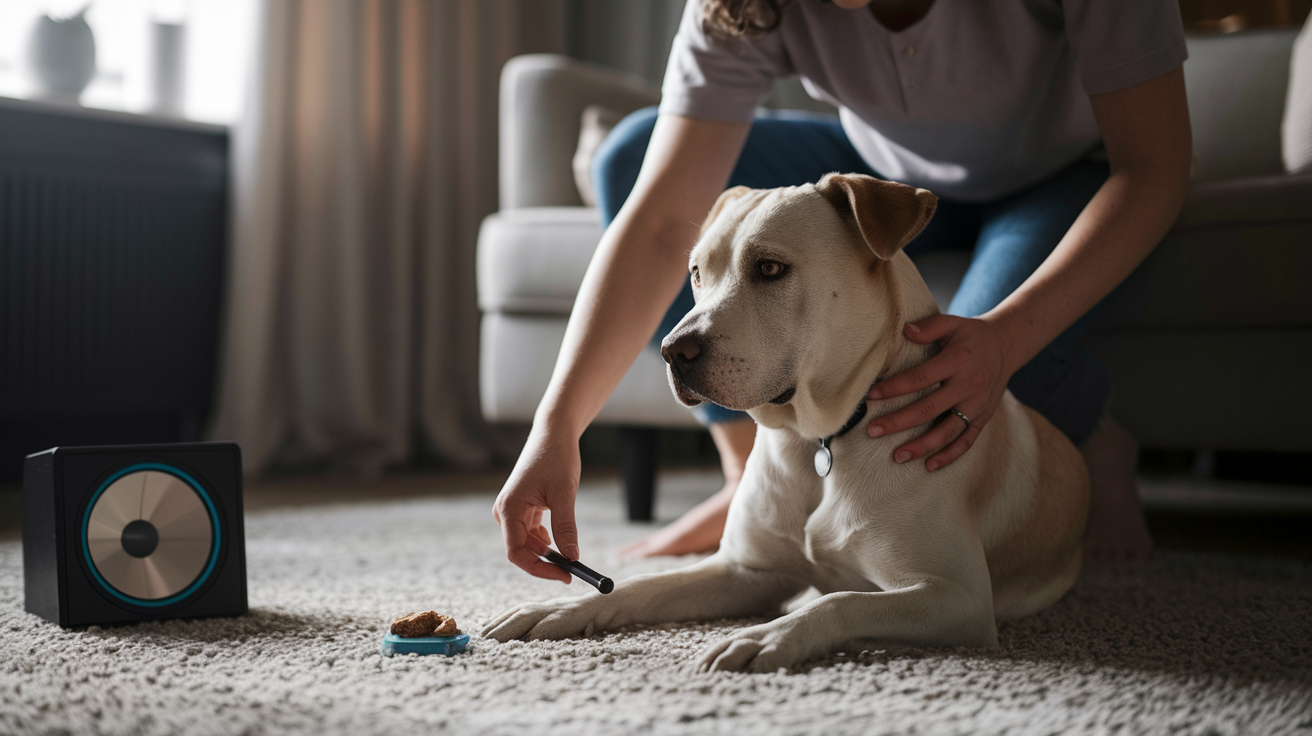
Building a predictable daily routine is one of the most powerful behavioral tools you have. Feed your pet at the same times each day, keep walks or play sessions on a consistent schedule, and establish a regular bedtime. Predictability reduces stress because your dog or cat knows what to expect next. Even small changes create comforting patterns. Always filling the water bowl before breakfast or putting treats in the same spot helps anxious pets feel more secure.
When your pet encounters a trigger, your response shapes their emotional reaction over time. Stay calm and neutral. If your dog barks at the doorbell, don’t rush over with high energy reassurance or scolding. Instead, calmly redirect them to a simple task like sitting or going to their bed, then reward the calm behavior with a treat or quiet praise. Over many repetitions, your pet learns that the trigger predicts something positive and manageable, not danger.
Desensitization and counterconditioning take weeks but produce lasting change. Start by exposing your pet to a very low level of the trigger. For noise anxiety, play a recording of thunder or fireworks at barely audible volume while your pet eats a favorite treat or plays with a high value toy. Gradually increase the volume over days and weeks, always pairing the sound with something your pet loves. If your pet shows fear at any step, dial back the intensity and progress more slowly. This method rewires the emotional response from fear to calm or even positive anticipation.
Natural Remedies for Specific Anxiety Triggers

Different anxiety triggers respond best to tailored natural strategies. Matching the remedy to the cause helps you act quickly and give your pet the right kind of support.
Noise Related Anxiety
Loud, sudden sounds like thunder, fireworks, or construction trigger panic in many pets. White noise machines or calming music can mask unpredictable noises and create a steady auditory backdrop. Turn them on before the storm starts if possible, or keep them running during known trigger seasons like summer fireworks. Weighted wraps like Thundershirt apply gentle pressure that mimics a reassuring hug and can reduce trembling and pacing within 15 to 30 minutes. Put the wrap on snugly but not tight, and let your pet move freely. Pair the wrap with a quiet, dim retreat space stocked with familiar bedding and a few favorite toys so your pet has a safe zone to ride out the noise.
Separation Anxiety
Separation anxiety shows up as destructive behavior, excessive barking, or house soiling when you leave. Scent based comfort tools can help. Leave an unwashed T-shirt or pillowcase that smells like you in your pet’s bed or crate. The familiar scent provides reassurance when you’re gone. Calming pheromone diffusers (Adaptil for dogs, Feliway for cats) release scent signals that promote a sense of safety and can be plugged in near your pet’s main resting area. Adjust your departure routine to reduce drama. Practice picking up your keys or putting on your coat without actually leaving, so those cues lose their power to trigger panic. Start with very short absences, even just stepping outside for 30 seconds, then return calmly and reward quiet behavior.
Travel anxiety, whether in the car or a carrier, benefits from motion calming herbs and secure, comfortable transport setups. Chamomile tea poured over food 30 minutes before a trip can soothe an upset stomach and mild nerves. A well ventilated carrier lined with a soft blanket that smells like home reduces stress for cats. For dogs, secure them with a crash tested harness or travel crate, crack a window for fresh air, and play soft music to create a calmer environment. Practice short, positive car trips to fun destinations like a park so your pet doesn’t associate the car only with vet visits.
Safety, Dosage, and Proper Use of Natural Calming Products

Dosage for natural calming products depends on your pet’s species, weight, and individual tolerance. A 10 pound cat needs far less chamomile tea or L-theanine than a 70 pound dog, and even within the same weight range, some pets respond to lower doses while others need the higher end of the range. Always start at the minimum recommended dose listed on the product label, wait 24 to 48 hours to observe effects, and increase slowly if needed. For herbal teas, a general guideline is one quarter cup per feeding for small dogs (under 20 pounds), up to one full cup for large dogs (50 to 100 pounds). Tinctures are more concentrated. Use drops, not teaspoons, and follow the product’s weight based chart carefully.
Some herbs and supplements can interact with medications your pet is already taking. St. John’s Wort, for example, can interfere with certain prescription drugs, including some anti anxiety medications and antibiotics. Valerian may increase sedation if your pet is on other calming prescriptions. Before adding any herbal remedy or supplement, tell your veterinarian everything your pet currently takes, including flea prevention, pain relievers, and any over the counter products. If your pet has liver or kidney disease, dosing may need adjustment because these organs process and clear supplements from the body.
CBD products must be pet formulated, not human products. Pet CBD is dosed by weight and should contain no THC, which is toxic to dogs and cats. Follow the bottle’s dosing instructions and give CBD oil 30 to 60 minutes before an anticipated stressor for best results. Never use undiluted essential oils on or near your pet. They can cause skin irritation, respiratory distress, or poisoning if licked. Hydrosols (gentler water based plant extracts) are safer, but always provide an escape route so your pet can leave the room if they dislike the scent.
Comparing Natural Calming Approaches
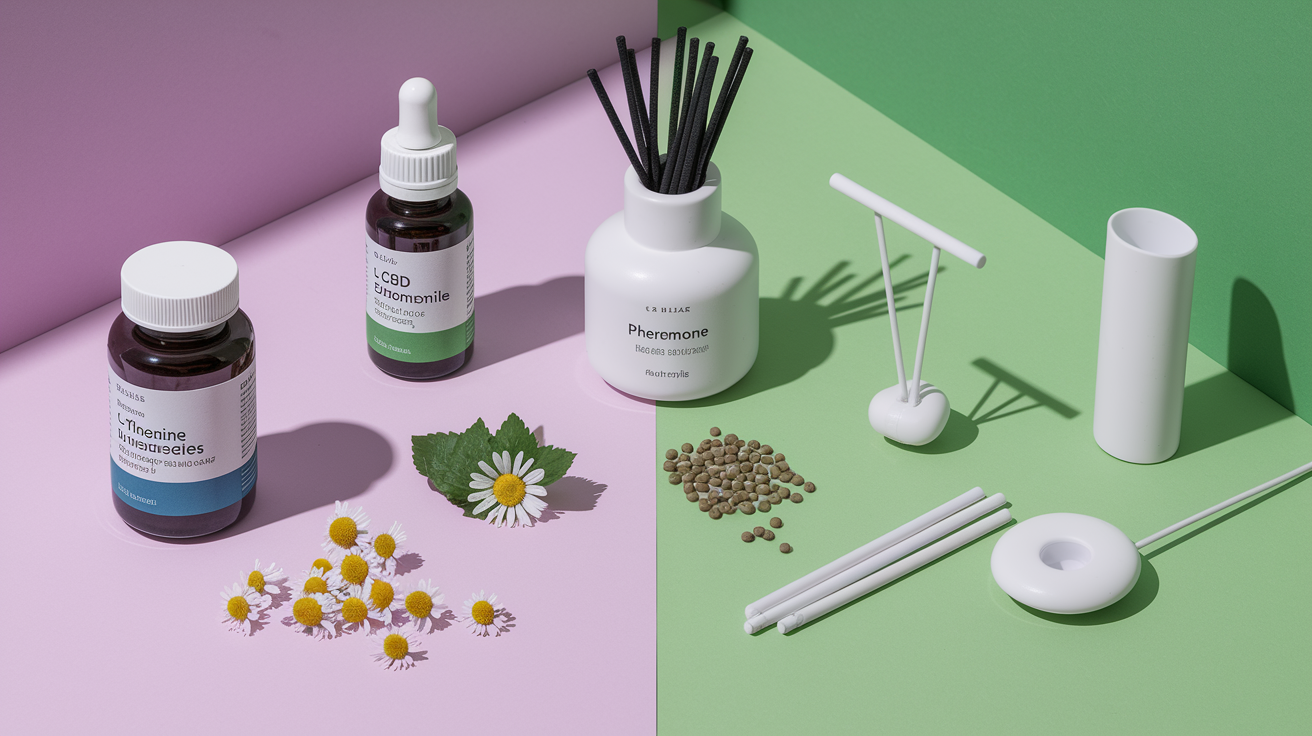
Choosing the right natural remedy depends on how fast you need results, how long you want the calming effect to last, and what kind of anxiety you’re addressing. Supplements, herbs, pheromones, and environmental changes each work differently and fit different situations.
Here’s a quick comparison to help you decide:
| Remedy Type | Onset Time | Best For | Notes |
|---|---|---|---|
| Supplements (L-theanine, CBD) | 30–60 minutes | Situational anxiety (storms, travel, vet visits) | Fast acting; follow dosing by weight; safe for short term or event based use |
| Herbal remedies (chamomile, valerian) | 1–2 hours | Mild, ongoing anxiety or gentle long term support | Slower onset; gentle effect; good for daily routines; may interact with medications |
| Pheromone diffusers/sprays | Continuous (hours to days) | General environmental stress, multi pet homes, separation anxiety | Non sedating; works by scent; plug in diffuser 24–48 hours before stressor for best effect |
| Environmental changes (music, dim lights, safe space) | Immediate | All types of anxiety; combines well with other methods | Free or low cost; no side effects; foundational calming strategy |
Supplements like L-theanine and CBD tend to act fastest, making them ideal when you know a stressor is coming. Say, fireworks on a holiday or a scheduled grooming appointment. Herbal teas and tinctures work more gently and build calm over hours or days, so they’re better suited to daily routines or long term anxiety management. Pheromone products don’t sedate your pet. Instead, they influence behavior by mimicking natural calming scent signals, which makes them especially useful in multi pet households or for pets who need constant environmental reassurance. Environmental adjustments (soft music, a cozy retreat corner, predictable routines) cost little to nothing and support every other remedy you try, so start there and layer in targeted products as needed.
When to Seek Veterinary Help for Pet Anxiety
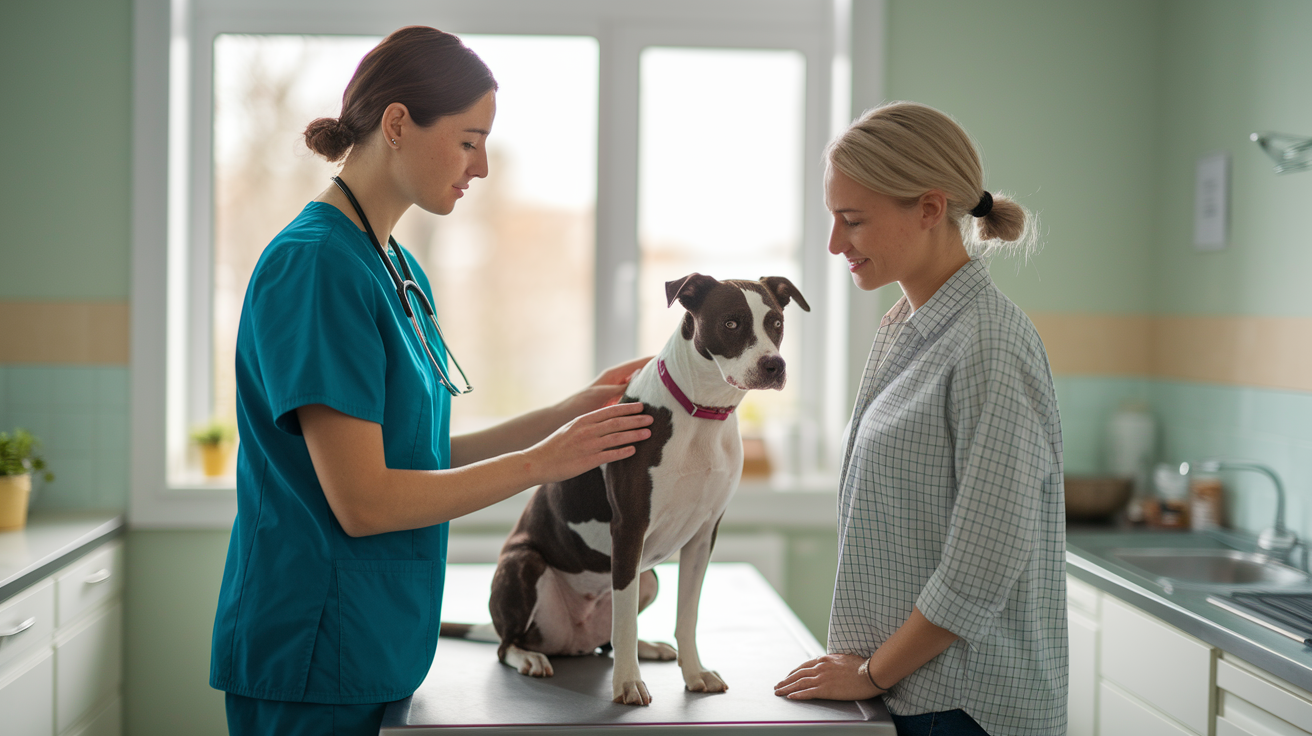
Natural remedies work well for many anxious pets, but some situations require professional veterinary evaluation and possibly prescription medication or referral to a veterinary behaviorist. If your pet’s anxiety is escalating despite your best efforts at home, it’s time to call your vet.
Watch for sudden changes in behavior, especially if they appear alongside physical symptoms like vomiting, diarrhea, or changes in urination. Anxiety can sometimes mask or accompany medical problems like pain, thyroid imbalance, or neurological issues that need diagnosis and treatment. If your pet’s fear seems out of proportion to the trigger or comes on suddenly without an obvious cause, a medical workup can rule out underlying health conditions.
Here are five signs that veterinary evaluation is necessary:
Self harm or destructive panic. Chewing paws until they bleed, breaking teeth on crate bars, or injuring themselves trying to escape.
Refusal to eat or drink for more than 24 hours. Anxiety driven appetite loss that persists can lead to dangerous dehydration or metabolic problems, especially in cats.
Aggression toward people or other pets. Fear based biting, growling, or attacks that put household members at risk.
Severe, uncontrollable trembling or collapse. Physical signs that go beyond normal stress responses and suggest a panic disorder or medical emergency.
No improvement after two to four weeks of consistent natural remedies and behavior modification. If multiple strategies have failed to reduce anxiety, your pet may need prescription medication, a structured behavior modification plan from a certified trainer, or referral to a veterinary behaviorist for advanced assessment.
Your vet can help you design a holistic anxiety plan that combines safe natural products, environmental changes, behavior training, and, if needed, short term or long term medication to give your pet relief and a better quality of life.
Final Words
You’ve got fast, natural fixes (supplements, diffusers, herbs, environment), behavior steps (routines, counterconditioning), trigger-specific tips (noise wraps, scent comforts, travel care), safety and dosing basics, and clear red flags for the vet.
Try one small change tonight, like dimming lights during storms, offering a pheromone plug-in, or practicing a short calming cue. Track what you try and how long it helps.
Using natural calming remedies for anxious pets can bring steady, real improvements. Stay patient and celebrate small wins.
FAQ
Q: What helps calm anxiety in dogs naturally?
A: Natural ways to calm anxiety in dogs include creating a quiet safe spot with dim lights, using pheromone diffusers or a pressure wrap, masking noise with soft music, keeping a calm routine, and trying vet-approved supplements.
Q: What is the 3-3-3 rule for anxiety?
A: The 3-3-3 rule for anxiety is a simple grounding trick: name three things you see, three sounds you hear, then take three slow deep breaths to steady yourself so you can better comfort your pet.
Q: How to calm an anxious pet and what can I give my pet for anxiety?
A: To calm an anxious pet, use a safe den, gentle touch, diversion play, pheromones, pressure wraps, and vet-approved supplements. For treatment, consider L-theanine, pet-formulated CBD, pheromones, or herbal aids—check dosage and safety with your vet.
