
Did you know most pet poisonings happen at home and are preventable?
A chew, a lick, or a dropped pill can turn into an emergency fast.
This post walks you through the hazards hiding in plain sight, including cleaners, medicines, garden chemicals, foods, and plants, and gives simple, doable steps to keep your dog or cat safe tonight and every day.
You’ll learn what to lock up, what to toss, what to watch for, and exactly when to call your vet.
Common Household Pet Toxins and How to Prevent Exposure
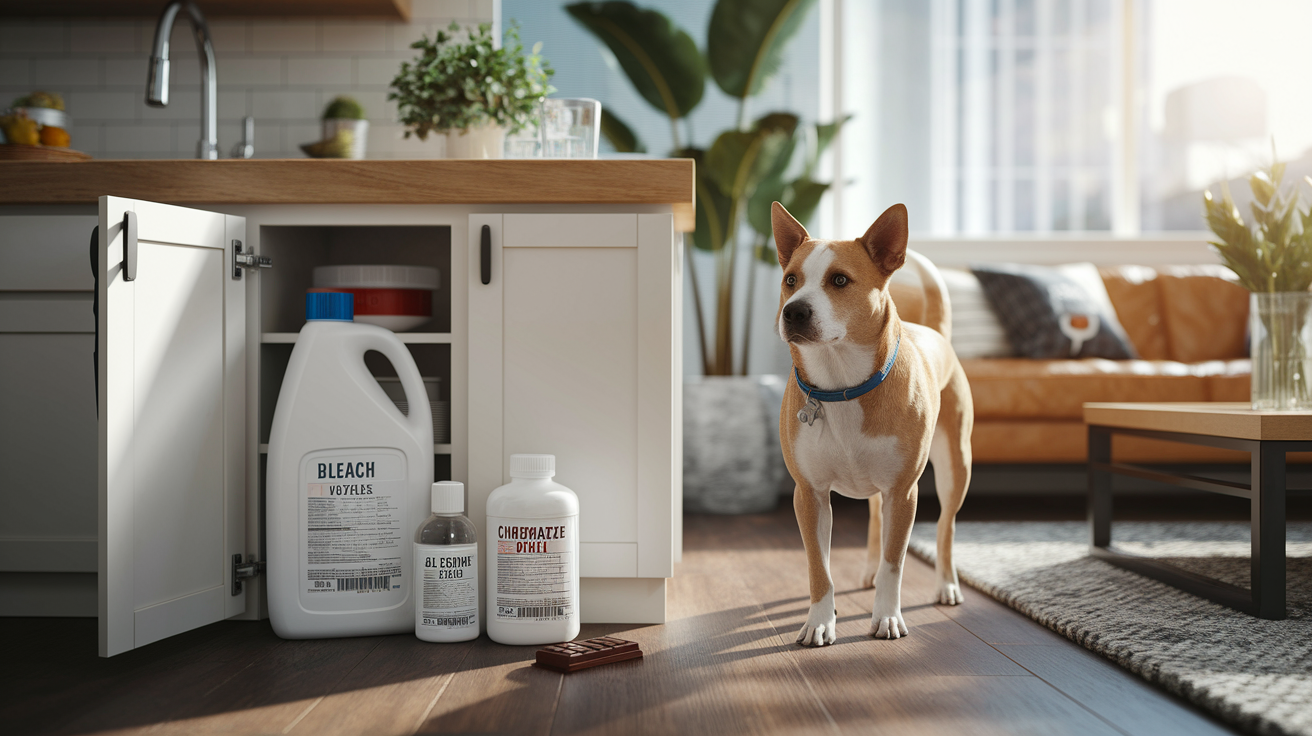
Poisoning sends thousands of pets to emergency clinics every year. The scary part? Most of these emergencies involve everyday items you’d find in any home. That bottle of cleaner under the sink, the antifreeze in your garage, the rat poison tucked behind the washing machine, or the chocolate bar left on the coffee table.
Pets don’t read warning labels. They investigate with their mouths, and they can’t tell safe from dangerous. A puddle of spilled antifreeze looks interesting. A dropped pill on the bathroom floor might seem like a snack. These small exposures can turn into life-threatening emergencies in hours.
The numbers are grim. A dog can ingest just a teaspoon of ethylene glycol antifreeze and develop fatal kidney failure if treatment doesn’t start within a few hours. A cat that licks a bit of essential oil off its fur can experience tremors and liver damage. Child-proof caps? Dogs chew through them. Bottles on high shelves? Cats knock them off and they shatter.
Here’s what causes most problems and how to prevent them:
Cleaning agents like bleach, disinfectants, and drain cleaners need to go in locked cabinets or on shelves at least five feet up. Don’t leave buckets or spray bottles sitting out, even for a minute.
Automotive fluids should stay in sealed containers inside a locked garage. Clean spills the second they happen, and take used fluids to hazardous waste facilities instead of pouring them down drains or leaving them in open pans.
Rodenticides and insecticides are tempting to pets. If you use them, get tamper-resistant bait stations and place them where paws can’t reach. Better yet, consider traps or professional pest services.
Human medications need a locked box or medicine cabinet. Never leave pill bottles on your nightstand or bathroom counter, even if you’re coming right back.
Fertilizers and herbicides require careful timing. Follow the package instructions for when it’s safe to let pets back on treated grass, and keep them off lawns until products are completely dry or absorbed.
Paints, solvents, and adhesives belong in a separate locked area. Ventilate rooms where you’ve used them and keep pets out for at least 24 hours.
Batteries and small electronics like remotes, hearing aids, and key fobs should stay out of reach. Dispose of used batteries in sealed containers your pet can’t access.
Essential oils and air fresheners can be toxic if misused. Dilute products, keep rooms ventilated, and never apply oils directly to pet fur or let pets lick diffuser residue.
Toxic Foods That Endanger Pets
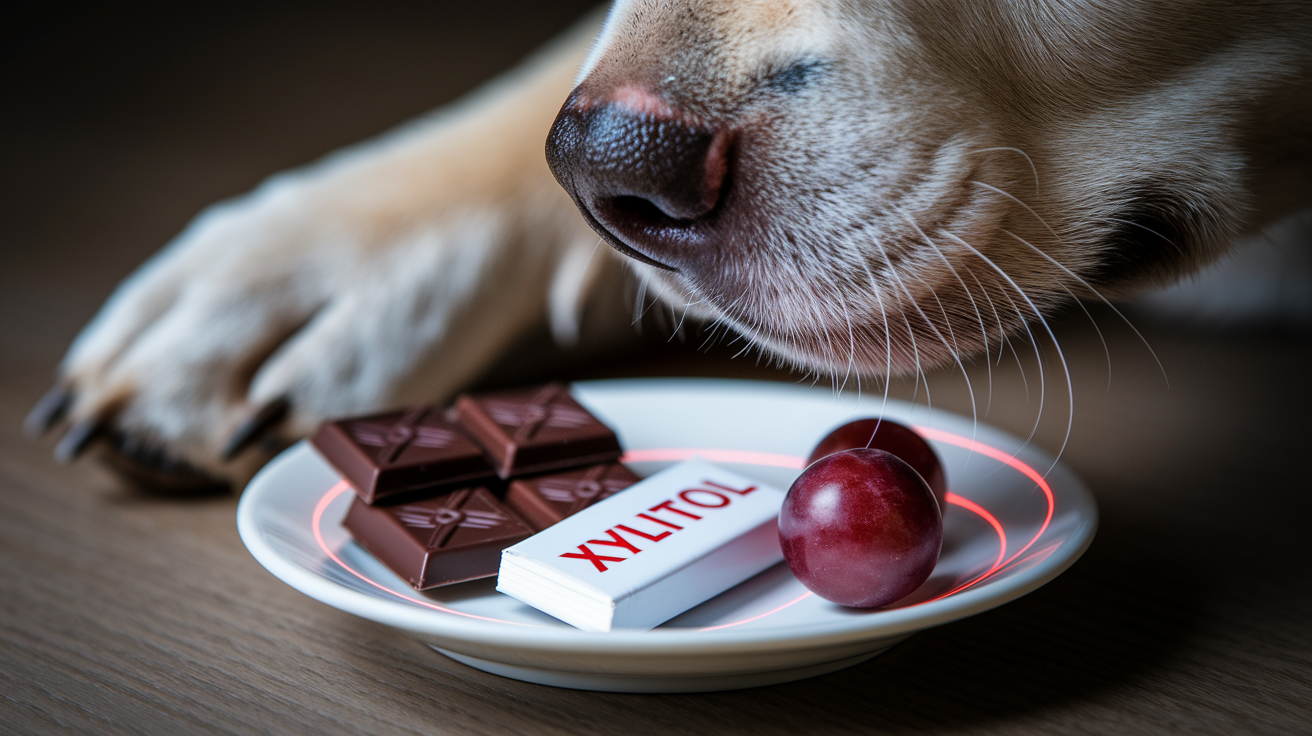
Some human foods contain compounds pets can’t process safely. Eating them can lead to organ failure, severe neurological problems, or death.
Chocolate’s the classic example. It contains theobromine and caffeine, which dogs metabolize really slowly. Dark chocolate and baking chocolate are far more concentrated than milk chocolate. Toxicity starts at around 20 milligrams of theobromine per kilogram of body weight, and small dogs can hit that threshold with just a few bites.
Xylitol is worse. This artificial sweetener shows up in sugar-free gum, candy, and some peanut butters. It can cause a dog’s blood sugar to crash and trigger liver failure at doses as low as 0.05 grams per kilogram. Read labels carefully.
Grapes and raisins are unpredictable. They cause acute kidney injury in dogs, and there’s no known safe amount. Even a single grape has caused severe illness in small dogs. We don’t know why some dogs react badly and others don’t, so the safest approach is zero tolerance.
Onions and garlic damage red blood cells in both dogs and cats, whether they’re raw, cooked, or powdered. Anemia develops over several days, so you might not connect the symptoms to something your pet ate earlier in the week.
Alcohol and yeast dough cause vomiting, disorientation, respiratory depression, and central nervous system shutdown. Macadamia nuts produce weakness and tremors in dogs. Avocado contains persin, which is dangerous for birds and can cause heart and respiratory issues.
Cats are obligate carnivores. They lack certain liver enzymes, which makes them more vulnerable to high-fat foods and some spices.
Store all human food in sealed containers inside cabinets or the fridge. Don’t leave plates or cups unattended on counters or tables. Use trash cans with locking lids. Tell guests and family members not to share food with your pets, no matter how much begging happens. Train a solid “leave it” command through short daily practice.
When you’re cooking or baking, clean up spills right away and put food waste in outdoor bins pets can’t get into.
| Food | Primary Risk | Species Affected |
|---|---|---|
| Chocolate (dark, baking) | Theobromine toxicity; vomiting, seizures, rapid heart rate | Dogs primarily; cats less commonly |
| Xylitol | Hypoglycemia, liver failure | Dogs |
| Grapes and raisins | Acute kidney failure | Dogs |
| Onions and garlic | Hemolytic anemia (red blood cell damage) | Dogs and cats |
| Alcohol and yeast dough | CNS depression, respiratory distress | All species |
Toxic Household Plants

Lots of popular houseplants and garden varieties contain compounds that irritate mucous membranes, damage organs, or mess with heart rhythms when chewed or swallowed.
True lilies are extremely dangerous to cats. Easter lilies, tiger lilies, daylilies. If your cat ingests even a tiny amount of leaf, petal, pollen, or vase water, it can cause acute kidney failure within 24 to 72 hours. This isn’t a “watch and see” situation.
Sago palms are toxic to dogs and cats. The seeds have the highest concentration of cycasin. A single seed can produce vomiting, liver failure, seizures, and death.
Oleander contains cardiac glycosides that affect heart function. Azaleas and rhododendrons carry grayanotoxins that cause vomiting, drooling, weakness, and potentially fatal heart arrhythmias.
Preventing plant poisoning means removing high-risk plants from your home and yard, or putting them somewhere pets absolutely can’t reach. Research any plant before you bring it indoors. Assume your pets will chew or knock over pots.
For outdoor spaces, fence off garden beds that contain toxic ornamentals. Supervise pets during walks or playtime. If your pet chews a plant, collect a sample or take a photo so your vet can identify the species and figure out what treatment’s needed.
Lilies (Lilium and Hemerocallis species) are extreme danger for cats. Any exposure is an emergency.
Sago palm has toxic parts throughout, but seeds are the most dangerous. Can be fatal to dogs and cats.
Oleander is a cardiac toxin. Eating leaves or flowers can cause life-threatening heart problems.
Azaleas and rhododendrons contain grayanotoxins. Vomiting and heart issues are common.
Pothos and philodendron cause oral irritation, drooling, and difficulty swallowing in all species.
Medications and Chemicals Harmful to Pets

Human medications are the top cause of pet poisoning calls to poison control hotlines.
Over-the-counter pain relievers like ibuprofen and naproxen can cause gastrointestinal ulcers and kidney injury in dogs and cats, even at doses people commonly take. Acetaminophen is especially toxic to cats. A single regular-strength tablet can produce severe methemoglobinemia, which damages red blood cells and stops oxygen transport, along with liver failure.
Prescription medications including antidepressants, ADHD stimulants, and blood pressure drugs can cause tremors, seizures, or cardiac arrest in pets that swallow even one or two pills.
Veterinary medications pose risks too when pets get unsupervised access to flavored chewable tablets. Dogs may eat an entire month’s supply of heartworm preventive or flea-and-tick medication, leading to overdose. Always store veterinary prescriptions in locked containers and follow dosing instructions exactly. Never give your pet any medication, prescription or over-the-counter, without explicit direction from a vet.
Home chemicals create separate hazards. Ethylene glycol, the active ingredient in many antifreeze formulations, has a sweet taste that attracts pets. Ingestion of just a few teaspoons can cause fatal kidney failure if treatment doesn’t start within hours.
Rodenticides vary by active ingredient. Anticoagulant baits interfere with blood clotting and can cause internal bleeding days after ingestion. Neurotoxic baits produce tremors and seizures within hours.
Household cleaners, especially concentrated bleach, ammonia, and drain openers, can burn mucous membranes and cause respiratory distress.
Safe storage means locked cabinets or high shelves for all medications and supplements. Install child-proof latches on lower cabinets that contain cleaning supplies. Keep automotive fluids in sealed containers within a locked garage. Clean up spills immediately. Dispose of unused medications through pharmacy take-back programs. Never leave open containers unattended, even for a minute.
Preventive Practices to Reduce Poisoning Risks
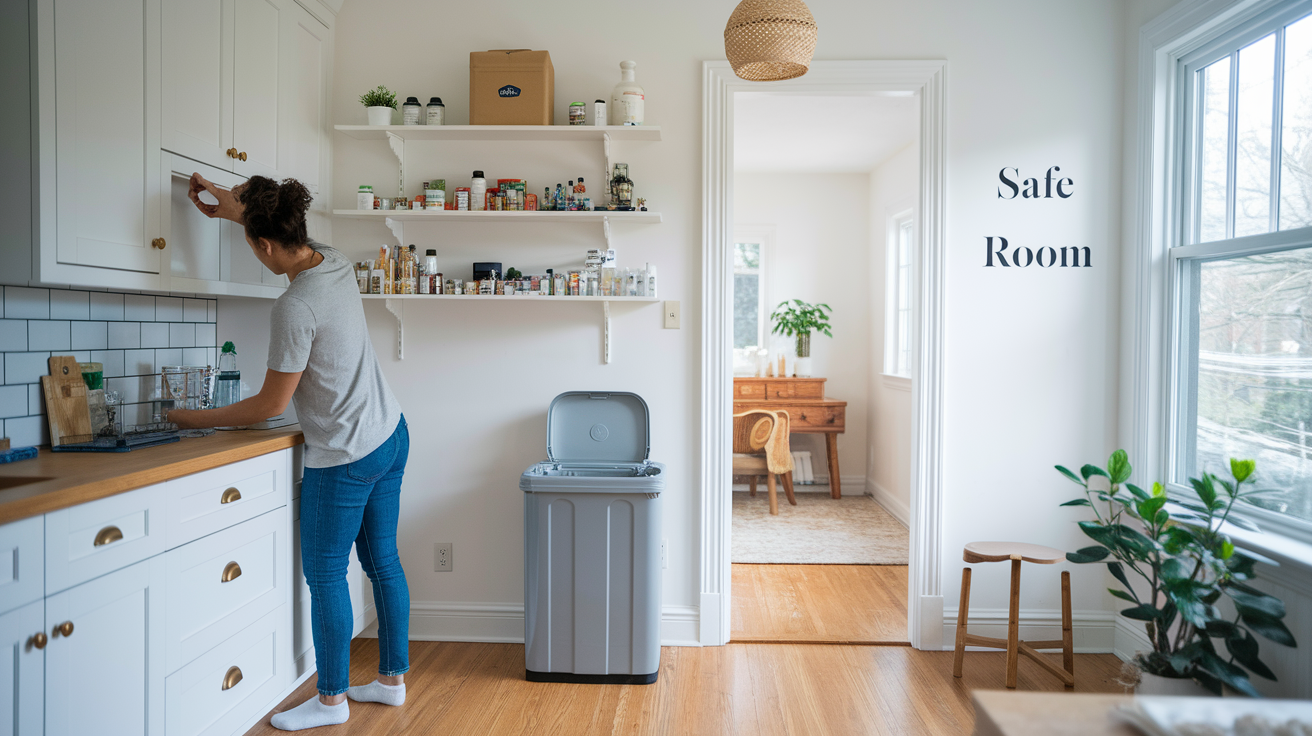
Prevention starts with walking through every room in your home and identifying items that could be toxic. Then ask yourself honestly whether your pets can reach them.
Cats jump to countertops and high shelves. Dogs chew through packaging and knock over containers. Small pets like rabbits and ferrets explore baseboards and corners where spills or dropped items accumulate.
Seasons bring new risks. Spring gardening introduces fertilizers and mulches. Autumn leaf piles may hide toxic mushrooms. Winter holiday decorations can include toxic plants like poinsettias or amaryllis.
Training matters as much as storage. A reliable “leave it” command lets you interrupt your pet before it picks up a dropped pill or chews a plant. Practice this command daily in short five-minute sessions. Reward your pet immediately when it turns away from an item on cue.
Supervise pets closely when guests visit, during parties, and any time food or drinks are accessible. Many poisonings happen when a pet seizes an opportunity during a distraction or when normal routines change.
Environmental control reduces exposure year-round. Use pet-safe pest control methods like traps instead of bait stations. Choose non-toxic lawn care products. Restrict access to garages, laundry rooms, and storage areas where chemicals are kept. Use baby gates or closed doors to create pet-free zones.
Check your yard regularly for toxic plants, fallen fruit, or mushrooms, and remove them right away.
Here’s what to do:
-
Install locks and latches. Add child-proof latches to at least three to five lower cabinets where medications, cleaners, or toxic foods are stored.
-
Elevate storage. Place all medications, supplements, and small batteries on shelves at least five feet above the floor or inside locked boxes.
-
Use secured trash containers. Get trash cans with locking lids for indoor use and empty outdoor bins daily to prevent scavenging.
-
Research before purchasing. Check every houseplant, garden plant, and cut flower for toxicity before bringing it into your home or yard.
-
Create a safe room. Designate one room free of hazards where pets can stay during cleaning, painting, or when guests bring unknown items.
-
Keep emergency contacts accessible. Post poison control hotlines (ASPCA Animal Poison Control 888-426-4435, Pet Poison Helpline 855-764-7661) and your vet’s number on the refrigerator and save them in your phone.
Signs and Symptoms of Pet Poisoning
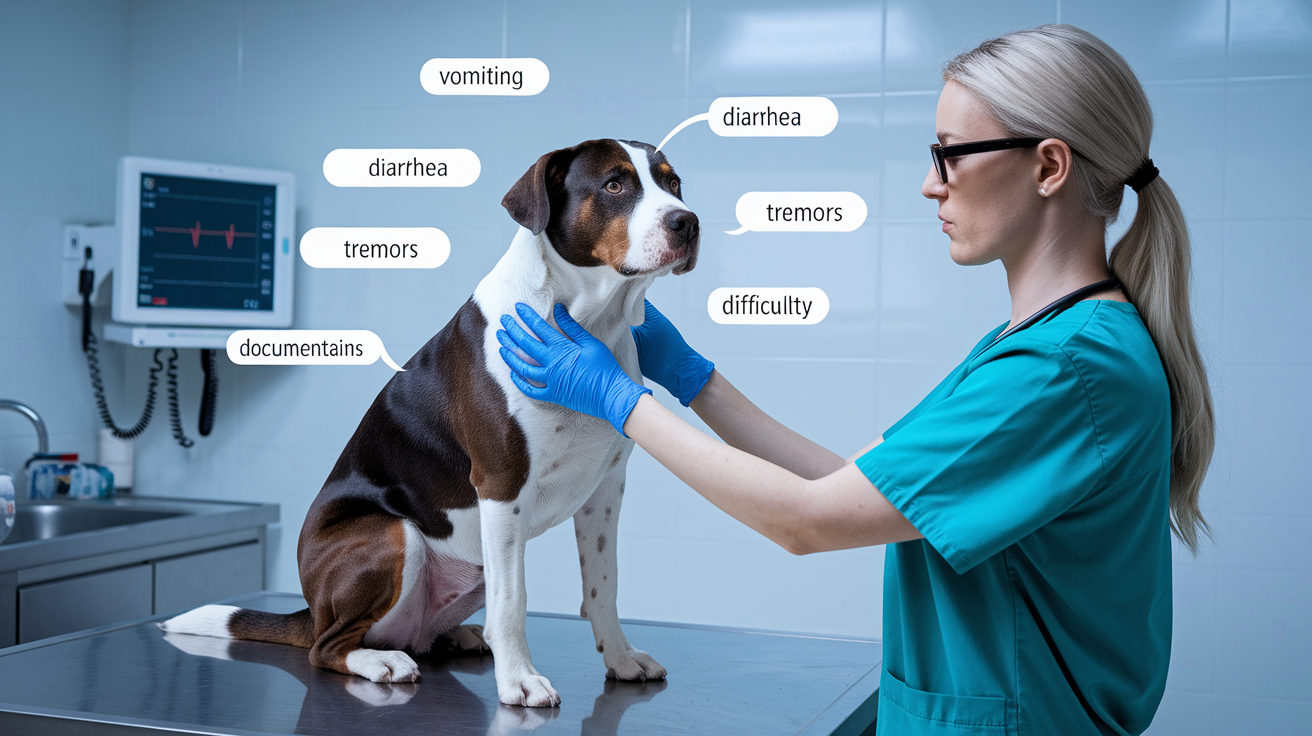
Recognizing poisoning symptoms early improves the chances of successful treatment. Many toxins cause progressively worse damage over time.
Gastrointestinal signs like vomiting, diarrhea, excessive drooling, and loss of appetite are often the first indicators. They may appear within minutes to a few hours of ingestion.
Neurological symptoms suggest a toxin is affecting the brain or nervous system. Watch for tremors, seizures, disorientation, weakness, or loss of coordination.
Respiratory and cardiac symptoms are medical emergencies requiring immediate vet care. Rapid or labored breathing, pale or blue gums, irregular heartbeat, or collapse all fall into this category.
Some toxins produce delayed symptoms. Onion or garlic ingestion may not cause visible signs of anemia for 24 to 72 hours. Anticoagulant rodenticides interfere with clotting factors over several days, so bleeding may not become apparent until three to five days after exposure. Acetaminophen poisoning in cats can initially appear mild, with lethargy and decreased appetite, before progressing to severe respiratory distress and liver failure.
Always report known or suspected exposures to a vet even if your pet appears normal. Monitor closely for at least 48 hours.
Watch for:
Vomiting. Repeated vomiting or vomit containing unusual material like plant matter, pills, or blood.
Diarrhea. Loose stools, sometimes with blood or a tarry appearance indicating gastrointestinal bleeding.
Excessive drooling or foaming at the mouth. Often seen with oral irritants or nausea.
Tremors or seizures. Uncontrolled shaking, muscle twitching, or full-body convulsions.
Difficulty breathing. Rapid, shallow breaths, open-mouth breathing in cats, or labored chest movement.
Lethargy or weakness. Reluctance to move, inability to stand, or collapse.
Pale, blue, or bright red gums. Abnormal gum color indicates poor oxygen delivery or toxin effects on blood.
Increased thirst or urination. Can signal kidney damage or metabolic disturbances.
Emergency Steps to Take If Poisoning Occurs
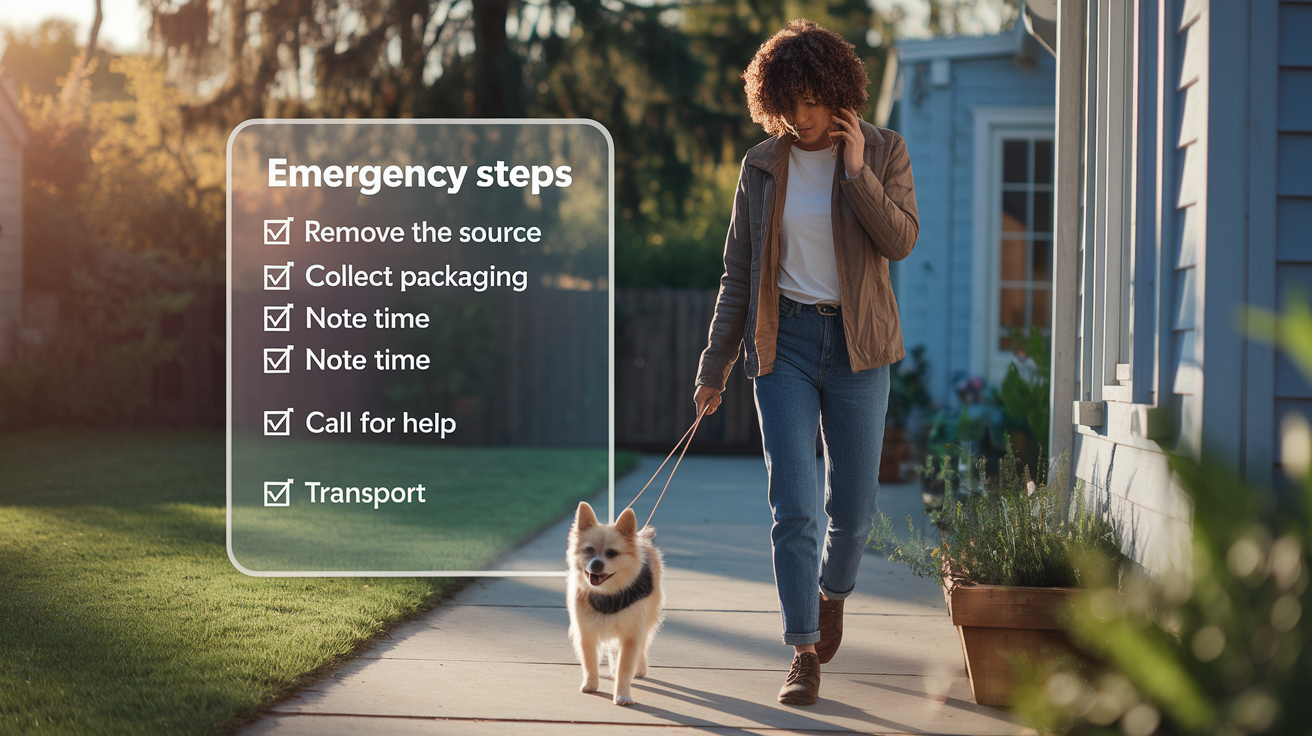
Time matters when poisoning happens. Many toxins cause irreversible damage within the first few hours.
Your immediate priority is removing your pet from the source of the toxin and preventing further exposure. If your pet’s near a chemical spill, move it to fresh air. If it’s been chewing a plant, remove any remaining plant material from its mouth using a damp cloth, but don’t risk being bitten.
Stay as calm as you can. Your pet will sense your anxiety, and a calm response helps you think clearly and act efficiently.
Don’t try home remedies or attempt to induce vomiting unless explicitly instructed by a vet or poison control specialist. Inducing vomiting can worsen harm when the toxin is caustic, like bleach or drain cleaner, or when your pet is already showing neurological signs like seizures or disorientation. Activated charcoal, salt water, or hydrogen peroxide given incorrectly can cause additional injury.
Your role is to gather information, contact professionals immediately, and transport your pet safely if directed.
Collecting details about the exposure improves your vet’s ability to provide targeted treatment. Note the time of ingestion, estimate the amount consumed, and identify the product by its full name and active ingredients if possible. Take photos of packaging, plant samples, or vomit. Measure your pet’s weight in kilograms if you know it, or be ready to provide weight in pounds so the vet can calculate dosing for treatments or antidotes.
Follow these steps in order:
-
Remove the source and move your pet. Get your pet away from the toxin and into a safe, well-ventilated area. If the toxin contacted skin or fur, rinse with lukewarm water for at least 15 minutes.
-
Collect packaging and samples. Gather the product container, pill bottle, plant clippings, or any vomit or stool. Place samples in sealed plastic bags.
-
Note the time and amount. Write down when the exposure occurred and your best estimate of how much your pet ingested.
-
Call for professional guidance immediately. Contact your vet, an emergency veterinary clinic, or a 24-hour poison control hotline (ASPCA Animal Poison Control 888-426-4435, Pet Poison Helpline 855-764-7661). Consultation fees are typically $59 to $65 and provide expert triage.
-
Follow instructions and transport if directed. If advised to bring your pet in, travel safely with your pet secured in a carrier or crate. Bring all packaging, samples, and notes with you.
When to Seek Veterinary Care and What to Expect

Any suspected or confirmed exposure to a known toxin warrants a call to your vet or a poison control hotline, even if your pet appears normal. Some toxins cause delayed symptoms, and early intervention like inducing vomiting or giving activated charcoal works best within the first one to two hours.
If your pet is showing severe symptoms like seizures, collapse, difficulty breathing, or uncontrolled vomiting, seek emergency vet care immediately without waiting for a phone consultation.
When you arrive at the clinic, the vet team will perform a physical exam, assess vital signs, and may run blood tests to evaluate organ function, electrolyte levels, and clotting ability. Imaging like X-rays or ultrasound can help locate foreign material or assess organ damage.
Treatment gets tailored to the specific toxin. It may include decontamination procedures, supportive care, and administration of antidotes when available.
Decontamination often involves induced vomiting if the ingestion was recent and the toxin isn’t caustic, followed by activated charcoal to bind remaining toxin in the gastrointestinal tract.
Supportive care includes intravenous fluids to maintain hydration and support kidney function, anti-nausea medications, and seizure control if needed.
Certain toxins have specific antidotes. Ethylene glycol poisoning gets treated with fomepizole or ethanol to prevent the formation of toxic metabolites, but these treatments must start within hours to work. Acetaminophen toxicity in cats is managed with N-acetylcysteine, which helps protect the liver and red blood cells. Anticoagulant rodenticide poisoning requires vitamin K therapy for several weeks to restore normal clotting.
Your vet will explain the treatment plan, expected timeline, and any monitoring required after discharge.
| Treatment Type | Typical Use |
|---|---|
| Induced emesis (vomiting) | Used within 1–2 hours of non-caustic toxin ingestion; not safe for seizures, breathing difficulty, or caustic substances |
| Activated charcoal | Binds toxins in the stomach and intestines; may be repeated every 4–6 hours for some toxins |
| Intravenous fluids | Supports kidney function, maintains hydration, and helps eliminate toxins; often continued for 24–72 hours |
| Antidotes (e.g., fomepizole, N-acetylcysteine, vitamin K) | Administered for specific toxins when available; timing is critical for effectiveness |
Final Words
Start by securing cleaners, meds, and snacks now so your pet can’t reach them. Small spills, open cabinets, and unattended food are how many poisonings begin.
This post walked through common household toxins, toxic foods, dangerous plants, medications and chemicals, practical prevention steps, warning signs, emergency actions, and what to expect at the vet.
Use these tips to make a simple plan for how to prevent poisoning in pets. With a few changes around the house, you’ll cut risk and sleep easier.
FAQ
Q: How can you prevent poison in pets? What are three ways to prevent poisoning? What’s the best way to prevent toxicosis in animals?
A: Preventing poison in pets means removing access, securing hazardous items, and supervising them. Store meds, cleaners, and foods up high or locked, use pet-proof lids, supervise outdoor time, and train “leave it.”
Q: What is the most toxic household item to dogs?
A: The most toxic household item to dogs is antifreeze (ethylene glycol), which causes rapid kidney failure from small amounts; contain and clean spills, store it locked, and seek vet care immediately if exposed.
