
Shocking but true: most cats don’t show kidney disease signs until 70 to 75 percent of kidney function is gone.
By then you may only notice extra thirst, weight loss, or a change in litter-box habits.
That narrow window is exactly why prevention matters.
This post lays out five essential care steps: hydration, diet and weight management, toxin avoidance, litter box setup, and routine vet monitoring to lower risk and catch early changes.
Start with small, daily habits tonight and you’ll give your cat the best chance to age with stronger kidneys.
Core Prevention Strategies for Protecting Feline Kidneys
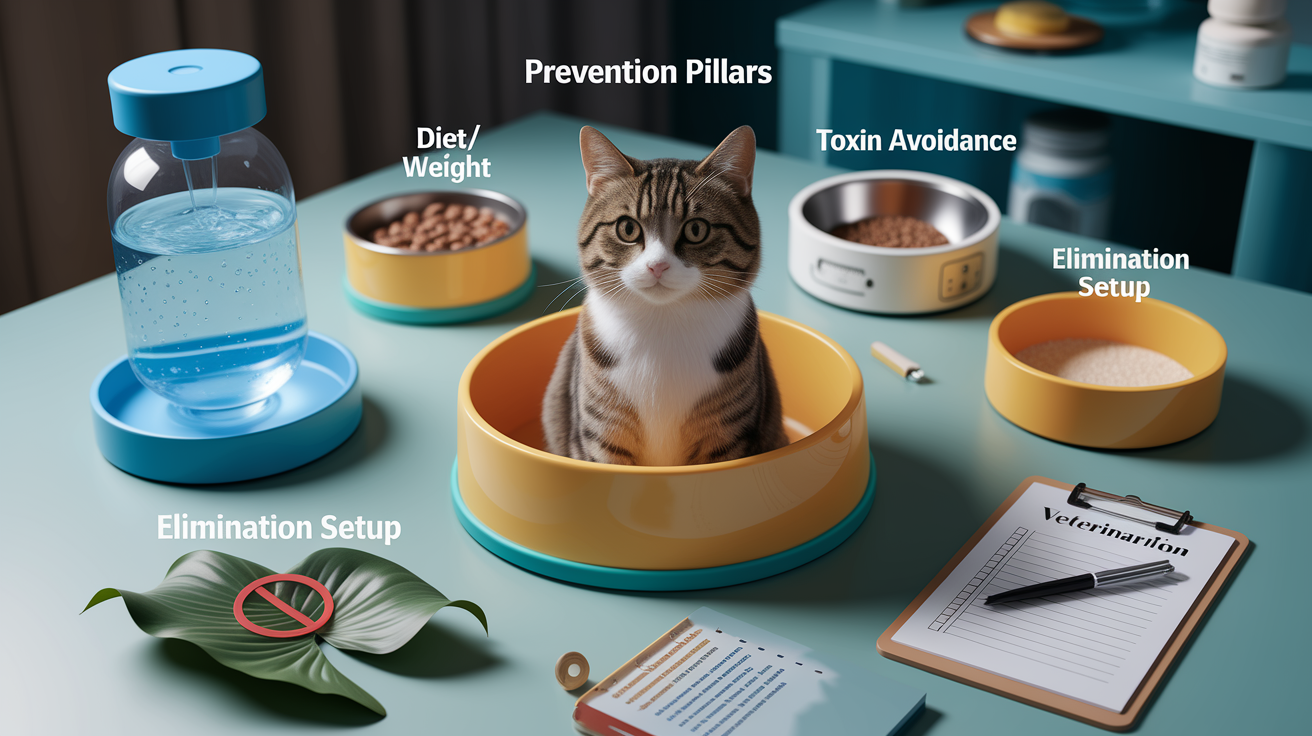
Kidney disease ranks among the biggest health threats for aging cats. Here’s the tough part: symptoms stay hidden until about 70 to 75 percent of kidney function is already gone. By the time you see increased thirst, weight loss, or other visible changes, your cat’s kidneys have been struggling for months or longer. That narrow window is exactly why prevention matters so much.
Kidney health prevention breaks down into five main areas: hydration support, diet and weight management, toxin avoidance, litter box setup, and routine vet monitoring. Each one tackles a different risk layer, from lightening the daily load on your cat’s kidneys to catching small lab shifts before they become permanent damage. None of these steps guarantee your cat won’t develop chronic kidney disease (CKD), but together they lower risk and give you time to act.
Small, consistent habits beat occasional big moves. Refilling the water bowl each morning, measuring food, keeping the litter box clean, scheduling annual bloodwork. These actions fit into daily or weekly routines. Over time, they reduce kidney strain and help your vet spot early changes in markers like creatinine or SDMA.
The core prevention areas include:
- Hydration support: fresh water access, wet food, flavor encouragement
- Healthy diet and weight: portion control, balanced nutrition, avoiding obesity-linked diabetes
- Toxin avoidance: keeping lilies, antifreeze, and harmful household chemicals away
- Supportive elimination setup: accessible litter boxes, low stress, consistent monitoring of urination habits
- Routine vet monitoring: annual or biannual exams with kidney-focused blood and urine tests
Understanding Feline Kidney Function and Disease Progression

Your cat’s kidneys handle three major jobs every day: filtering waste products like urea and creatinine from the blood, regulating water and electrolytes to keep the body balanced, and producing hormones that help control blood pressure and red blood cell production. Each kidney contains thousands of tiny filtering units called nephrons. Once a nephron stops working, it can’t regenerate or repair itself. Chronic kidney disease is the slow, progressive loss of these nephrons over time.
Cats are incredibly efficient at compensating for kidney damage. That’s the problem. Clinical signs like increased thirst, frequent urination, and weight loss typically don’t appear until about two-thirds to three-quarters of the nephrons have stopped functioning. Before that threshold, your cat may look and act completely normal at home while the kidneys are quietly losing ground. This hidden progression is why routine lab tests matter, even when your cat seems perfectly healthy.
When CKD advances, the kidneys can’t clear waste effectively. The buildup of toxins in the blood causes a cascade of problems: nausea, vomiting, dehydration, high blood pressure, anemia, and a general sense of feeling unwell. Owners sometimes describe a faint ammonia or uremic odor around the cat’s mouth. Because the damage is progressive and irreversible, the goal of prevention is to slow or delay that nephron loss and catch any decline as early as possible so treatment can start before your cat feels sick.
Hydration Habits That Support Healthy Kidneys in Cats
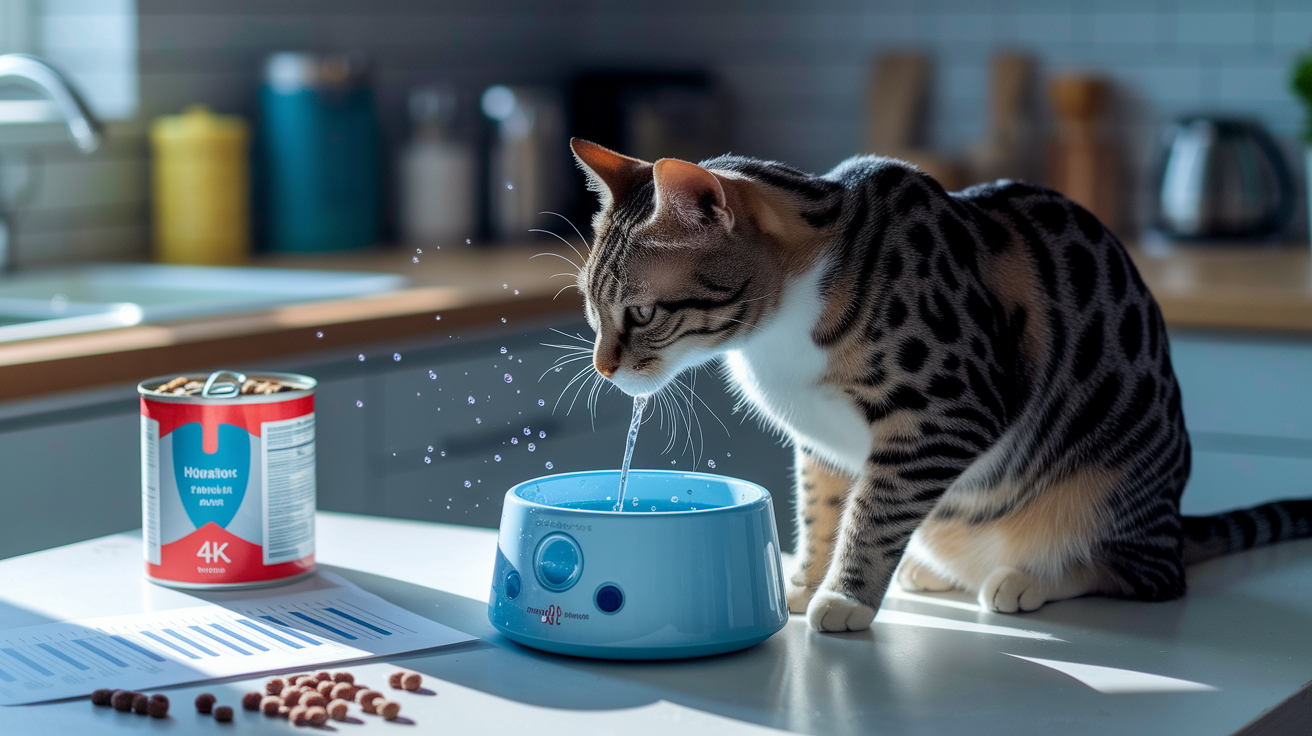
Hydration is one of the most important daily habits for kidney health because it helps the kidneys flush waste products efficiently and keeps urine dilute. Cats have a naturally low thirst drive compared to dogs, a trait inherited from their desert-dwelling ancestors. Many cats don’t drink enough water on their own. Making water easy, appealing, and abundant throughout your home encourages them to drink more often and reduces the concentration of waste in the kidneys.
Proven methods to increase water intake:
- Pet water fountains: flowing water often attracts cats more than still bowls
- Running faucet or drip: some cats prefer drinking from a slow-dripping tap
- Multiple water bowls: place bowls on each level of your home, especially helpful for senior cats with arthritis who may not climb stairs to drink
- Canned or wet food: dramatically increases daily moisture intake compared to dry kibble alone
- Flavored water: add a small splash of low-sodium chicken broth or tuna juice to make water more interesting
- Ice cubes: a few cubes in the bowl can spark curiosity and encourage lapping
Switching even part of your cat’s diet from dry kibble to canned food is one of the simplest and most effective hydration strategies. Wet food is roughly 70 to 80 percent water, while dry food is only about 10 percent. A cat eating canned food receives a significant portion of daily hydration directly from meals. This approach is especially helpful for picky drinkers or cats who ignore their water bowl for long stretches of the day.
Diet and Weight Management for Long-Term Kidney Health

A balanced diet and healthy body weight reduce the workload on your cat’s kidneys and lower the risk of conditions like diabetes that can accelerate kidney damage. Most adult cats need about half a cup of food per day or less, depending on their size, age, and activity level. It’s easy to overfeed when you free-feed dry kibble or estimate portion sizes by eye. Work with your vet to calculate your cat’s daily calorie requirement and use an accurate measuring cup to portion each meal.
Cats are natural grazers and may eat up to 20 small meals throughout the day and night. Dividing the daily portion into multiple small servings fits their instinct and helps prevent obesity. Reserve about 10 percent of total daily calories for treats and choose low-calorie options when possible. Obesity increases the risk of diabetes, and diabetic cats are at much higher risk of developing kidney disease. Maintaining a lean body condition is a form of kidney protection.
When it comes to kidney-friendly nutrition, the type of food and its nutrient profile matter as much as the amount. Early-stage kidney support focuses on manageable protein levels, reduced phosphorus, and adequate moisture, all of which ease the filtering burden on nephrons.
| Food Type | Kidney-Support Benefit |
|---|---|
| Wet or canned food | High moisture content reduces urine concentration and supports hydration |
| Controlled-phosphorus diets | Lower phosphorus reduces strain on damaged nephrons and slows CKD progression |
| High-quality, moderate protein | Adequate protein without excess waste byproducts that kidneys must filter |
If your cat is overweight, ask your vet to determine an ideal target weight and design a gradual weight-loss plan. Rapid weight loss in cats can trigger serious liver problems. Slow, steady reduction paired with portion control and regular weigh-ins is the safest approach.
Environmental and Toxin Avoidance Measures for Kidney Protection
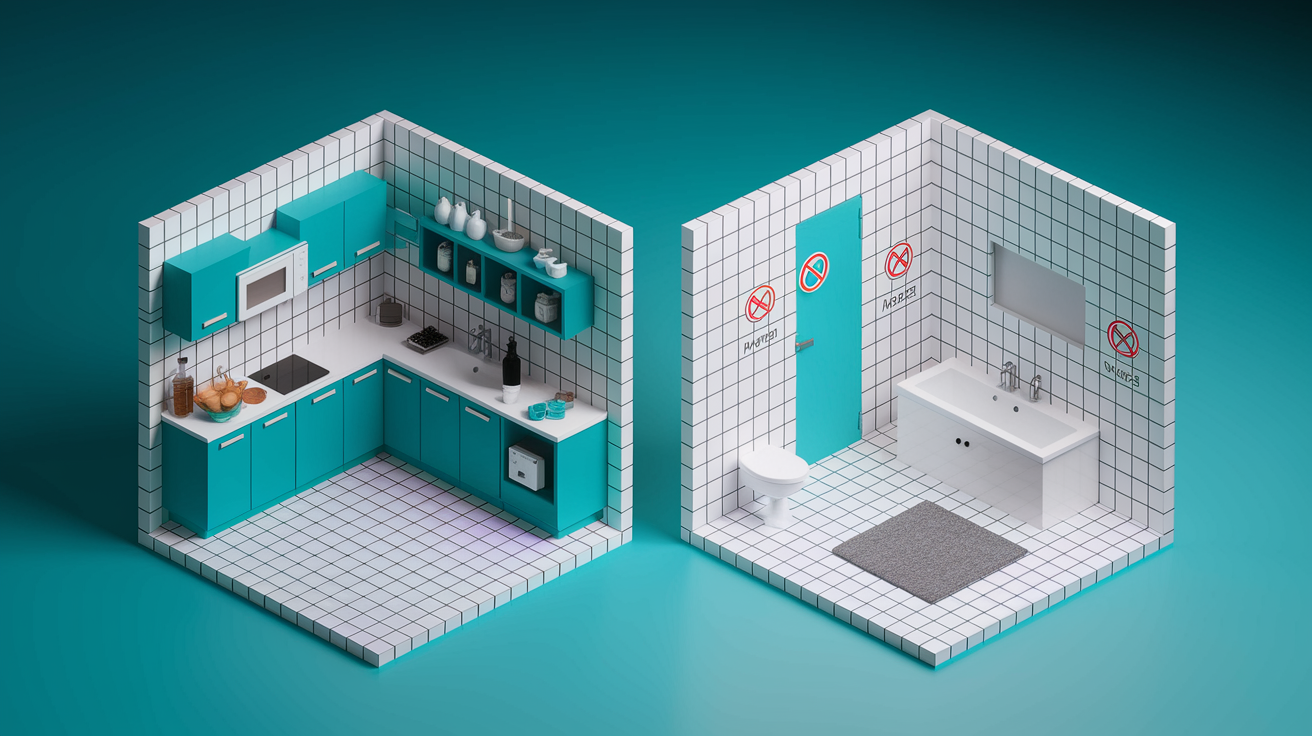
Many common household items are toxic to cat kidneys and can cause sudden, severe damage that may not be reversible. Preventing exposure is straightforward once you know what to watch for. It’s one of the most effective ways to protect kidney function throughout your cat’s life. Even a small amount of certain substances can trigger acute kidney injury that may progress to chronic disease over time.
Antifreeze (ethylene glycol) is one of the most dangerous kidney toxins for cats. It has a sweet taste that attracts animals, and even a few licks from a garage floor puddle or a leaking car radiator can be fatal. Store antifreeze in sealed containers out of reach, clean up spills immediately, and consider switching to propylene glycol-based antifreeze, which is less toxic. Lilies are another severe threat: every part of the lily plant, including pollen and water from the vase, can cause rapid kidney failure in cats. If you have lilies in your home or garden, remove them entirely or keep cats away from those areas.
High-risk toxins that damage cat kidneys:
- Antifreeze (ethylene glycol): extremely toxic, even in tiny amounts
- Lilies (all species): pollen, petals, leaves, and vase water all cause kidney failure
- NSAIDs and human pain medications: ibuprofen, naproxen, and acetaminophen are dangerous to cats
- Household cleaners and chemicals: bleach, certain detergents, and pesticides can harm kidneys if ingested or absorbed
Read labels on cleaning products, store medications in closed cabinets, and double-check any plants before bringing them indoors. If your cat shows sudden lethargy, vomiting, or loss of appetite after potential toxin exposure, contact your vet or an emergency clinic right away. Time matters when it comes to toxin-related kidney injury. Early treatment can sometimes prevent permanent damage.
Litter-Box Management and Stress Reduction to Encourage Healthy Elimination
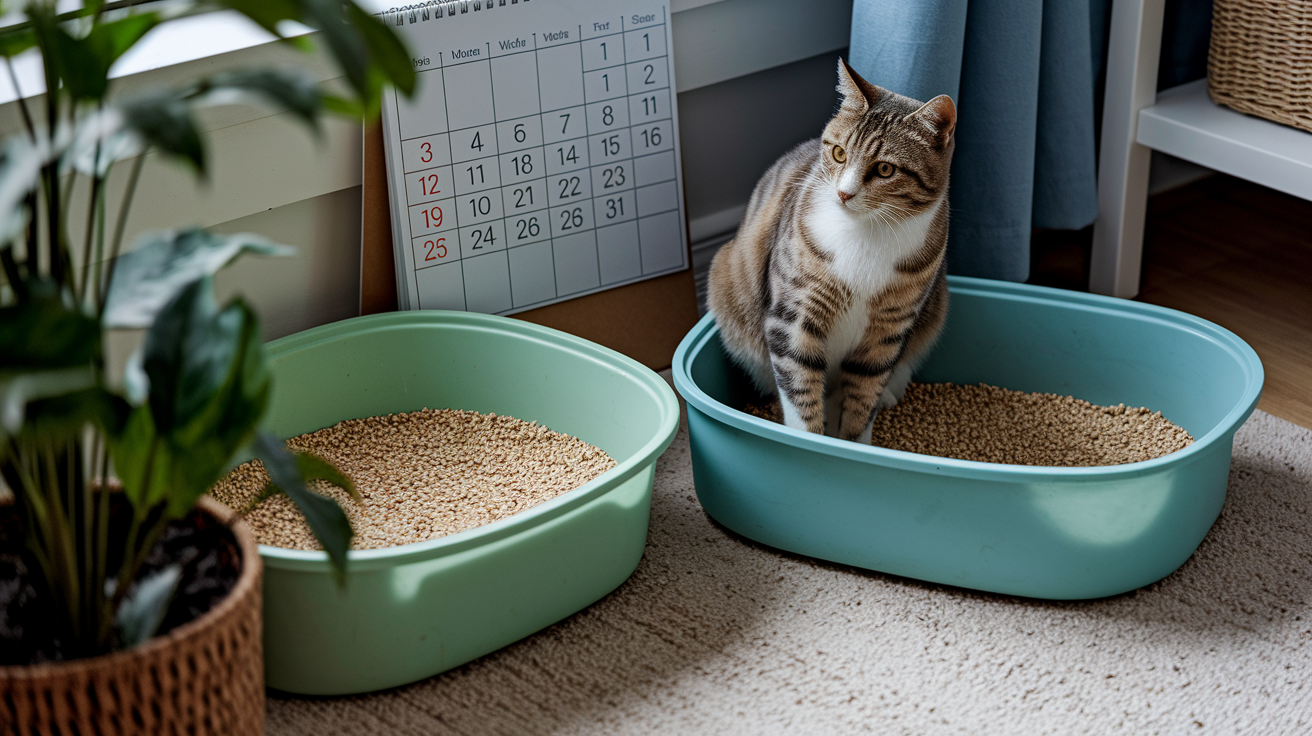
Litter-box habits directly affect kidney health because they influence how often your cat urinates and whether they hold urine longer than they should. When a cat avoids the litter box due to stress, discomfort, or an unpleasant setup, they may reduce their urination frequency. This concentrates waste in the kidneys and bladder. Providing a comfortable, low-stress elimination environment encourages regular urination and helps you spot changes in frequency, volume, or behavior that may signal early kidney trouble.
The general guideline is to provide one litter box per cat in your home, plus one extra. Place boxes on every level of the house so your cat never has to climb stairs or travel far when they need to go. This is especially important for senior cats or those with arthritis. Choose quiet, private locations away from loud appliances like washing machines or furnaces, and avoid high-traffic areas where the cat may feel exposed or interrupted.
Daily scooping and a full litter change roughly once a week keep the box appealing and reduce the chance your cat will avoid it. Cats are fastidious. A dirty box is one of the most common reasons they eliminate elsewhere or hold urine too long. Avoid making sudden changes to litter type or brand, as some cats are particular about texture and scent. If you do need to switch, mix the new litter gradually with the old over several days. Watch for any shifts in urination habits, such as smaller clumps, more frequent trips, straining, or vocalizing in the box. All of these can be early clues to kidney or urinary issues that deserve a prompt vet visit.
Veterinary Screening and Monitoring for Early Kidney Disease Detection

Regular vet checkups and kidney-focused lab tests are the backbone of prevention because they can detect small changes in kidney function long before symptoms appear at home. Annual wellness exams are recommended for adult cats. The frequency should increase to every six months once your cat reaches about seven years of age. Senior and geriatric cats benefit from even more frequent monitoring, especially if they have risk factors like high blood pressure, diabetes, or a history of urinary issues.
Blood and urine tests allow your vet to track kidney markers over time and establish a baseline while your cat is young and healthy. That baseline makes it easier to spot subtle shifts years later, even if those shifts still fall within the “normal” reference range. Modern laboratory tests are sensitive enough to detect minute elevations in waste products. Early detection gives you the best chance to slow disease progression through diet, medications, and supportive care before irreversible damage accumulates.
Key diagnostic tests to request during routine kidney screening:
- Blood urea nitrogen (BUN): measures waste product filtered by kidneys, rises when kidney function declines
- Creatinine: another waste marker, elevation signals reduced filtration capacity
- Symmetric dimethylarginine (SDMA): detects kidney disease earlier than traditional creatinine, less affected by muscle mass
- Urine protein-to-creatinine ratio: identifies protein loss in urine, a sign of kidney damage
- Urinalysis and urine specific gravity: evaluates concentration ability and checks for infection or crystals
- Blood pressure measurement: high blood pressure can damage kidneys and is common in cats with CKD
Ask your vet to use recognized staging and management guidelines, such as those from the International Renal Interest Society (IRIS), to assess your cat’s kidney health and recommend a monitoring schedule tailored to their age and test results. If any values start to trend upward or if your cat develops new symptoms between scheduled visits, don’t wait for the next routine appointment. Contact your vet right away so intervention can begin as early as possible.
Recognizing Early Warning Signs of Kidney Trouble
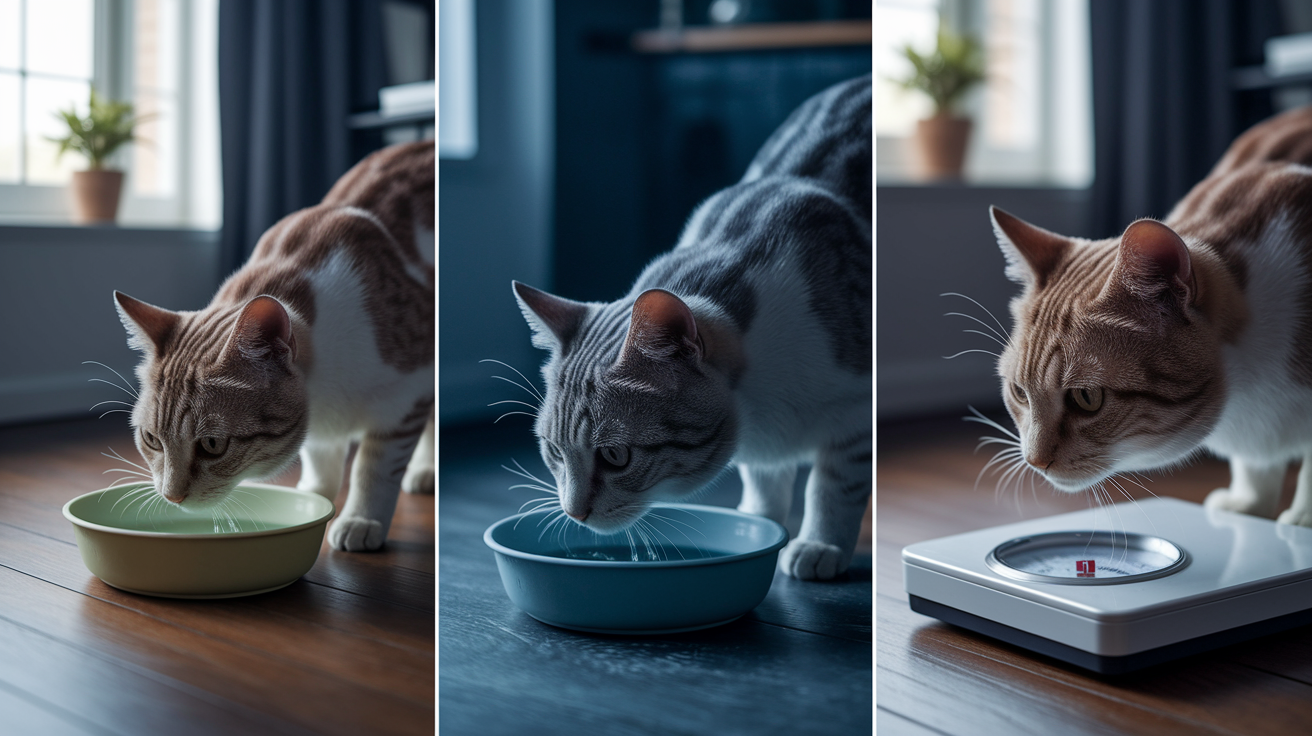
Even with the best prevention habits and regular screening, some cats will develop kidney disease. The earlier you notice changes at home, the sooner your vet can step in with treatment that slows progression and maintains quality of life. Many of the first signs are subtle and easy to miss if you’re not watching closely, especially because cats are skilled at hiding discomfort. Tracking daily routines like water intake, litter-box trips, appetite, and energy level helps you spot deviations before they become serious.
The most common early indicators include increased thirst and urination, which happen because damaged kidneys lose the ability to concentrate urine and conserve water. You may notice your cat drinking more often, emptying the water bowl faster, or producing larger or more frequent urine clumps in the litter box. Weight loss can occur gradually as appetite decreases or calories are lost through increased urination. Picky eating, occasional vomiting, and a general sense of lethargy or weakness are also red flags, along with physical changes like a dull coat, mouth ulcers, or a faint ammonia-like odor on the breath.
Early warning signs to watch for and report to your vet:
- Excessive drinking (polydipsia): refilling the water bowl more often or catching your cat at the bowl throughout the day
- Excessive urination (polyuria): larger or more frequent urine clumps, trips to the box increase
- Weight loss: gradual decline over weeks or months, even if appetite seems normal at first
- Decreased appetite or picky eating: turning away from favorite foods or eating smaller portions
- Vomiting: occasional or frequent, especially if paired with other signs
- Lethargy or weakness: less interest in play, longer naps, reluctance to jump or climb
- Mouth ulcers or bad breath: sores on the gums or tongue, uremic (ammonia-like) odor
If you notice any combination of these signs, contact your vet promptly. Don’t wait to see if symptoms resolve on their own. Kidney disease is progressive and early medical intervention, including prescription diets, medications to manage blood pressure or nausea, and supportive therapies like subcutaneous fluids, can extend your cat’s quality of life and slow the decline in kidney function. Catching changes early gives you and your vet the widest range of treatment options and the best chance to keep your cat feeling well for as long as possible.
Final Words
You’ve seen the key steps: hydration, diet and weight control, toxin avoidance, supportive litter-box setup, and regular vet screening. We also covered why kidney disease often shows up late and what to watch for.
Start tonight: add wet food or another water bowl, secure harmful chemicals, and schedule routine blood and urine checks. Call your vet now if your cat drinks more, loses weight, vomits, or seems very tired.
Small, steady habits are the best way to lower risk. These steps show how to prevent kidney disease in cats and keep your pet comfortable.
FAQ
Q: What causes kidney disease in cats?
A: Kidney disease in cats is most often caused by age-related nephron loss (chronic kidney disease), plus infections, toxins (antifreeze, lilies, some pain meds), dental disease, high blood pressure, and long-term dehydration.
Q: How to improve kidney function in cats?
A: Improving kidney function in cats involves boosting hydration, switching to wet or prescription renal diets, controlling blood pressure, treating infections, and following vet-prescribed medications and supplements while monitoring labs and weight.
Q: Can a cat with kidney disease live long?
A: A cat with kidney disease can live months to years depending on disease stage, early detection, treatment, diet, hydration, and regular vet care—many cats enjoy good quality of life with proper management.
Q: Is tuna juice good for cats with kidney disease?
A: Tuna juice can help cats drink more, but it’s high in sodium and can encourage picky eating; use it sparingly, prefer low-sodium broth or wet food, and ask your vet first.
