
Could a single playdate give your dog kennel cough for weeks?
Kennel cough spreads fast. A cough, a shared bowl, or a sniff can pass viruses and bacteria.
That long contagious window makes prevention worth the effort.
In this post you’ll get simple, vet-friendly steps you can use today: smart vaccine timing, cleaning and ventilation tips, boarding and social routines, and exactly what symptoms mean you should keep your dog home or call the vet.
Follow these steps to protect your dog and other dogs around them.
Core Strategies to Prevent Kennel Cough in Everyday Situations
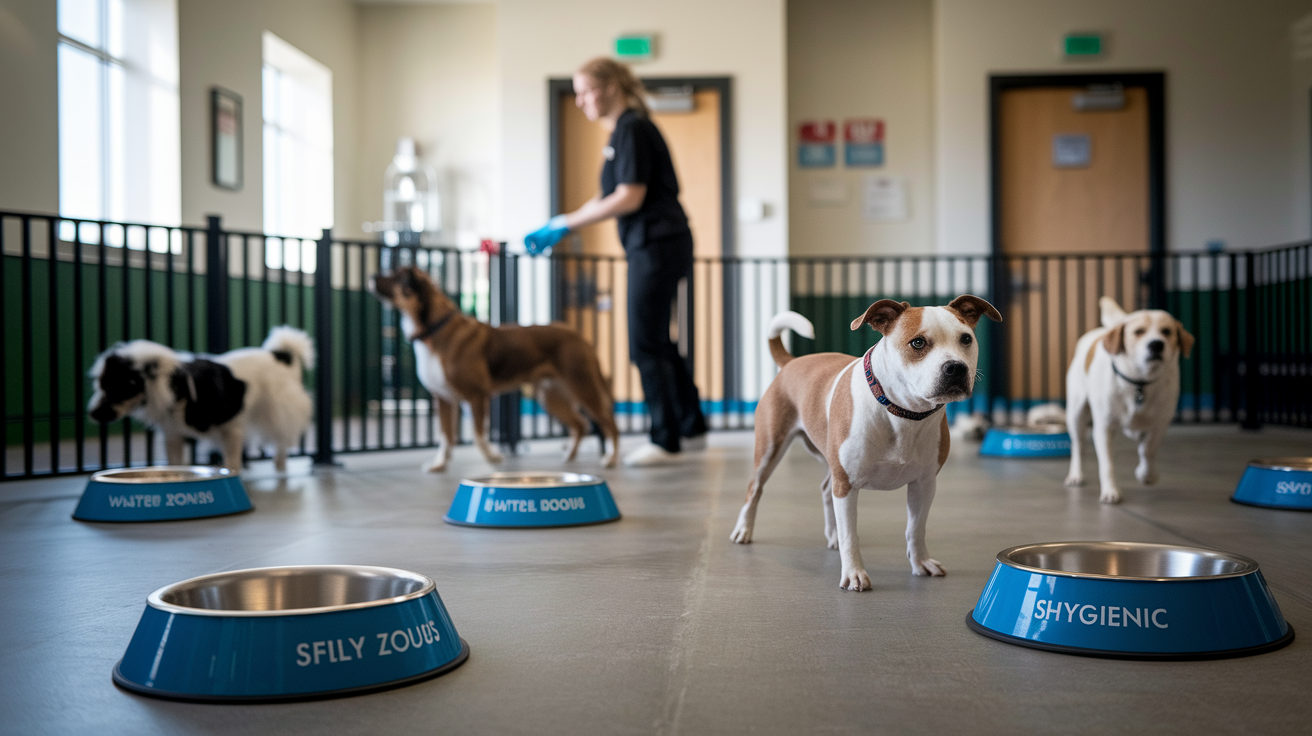
Kennel cough spreads faster than you’d think. One bark can send thousands of droplets into the air. Shared water bowls, a quick nose touch, even a toy left on the ground can pass along the bacteria and viruses behind it. Direct contact matters, but so does airborne transmission and contaminated surfaces. The incubation window runs anywhere from 2 to 14 days, and your dog stays contagious for 2 to 3 weeks, even when the cough starts to fade.
Social settings are where things get risky. Dog parks, boarding kennels, grooming appointments, training classes, shelters. A short visit during busy hours can expose your dog to multiple pathogens at once. More dogs in one space means a better chance that someone’s shedding something.
Catching early symptoms helps you keep your dog away from others before exposure happens. Look for shifts in cough pattern, energy, or appetite, and keep them home at the first sign something’s off.
What you can do right now:
Skip crowded dog parks during peak times or when you hear about local respiratory outbreaks. Keep your dog at least six feet away from any dog coughing, gagging, or showing nasal discharge. Disinfect food and water bowls every day, especially after trips or time in shared spaces. Hold off on playdates, group walks, and daycare if kennel cough cases pop up nearby. Cut back on high-risk activities during late fall and winter when respiratory infections circulate more.
Kennel Cough Vaccine Options and Protection Timelines
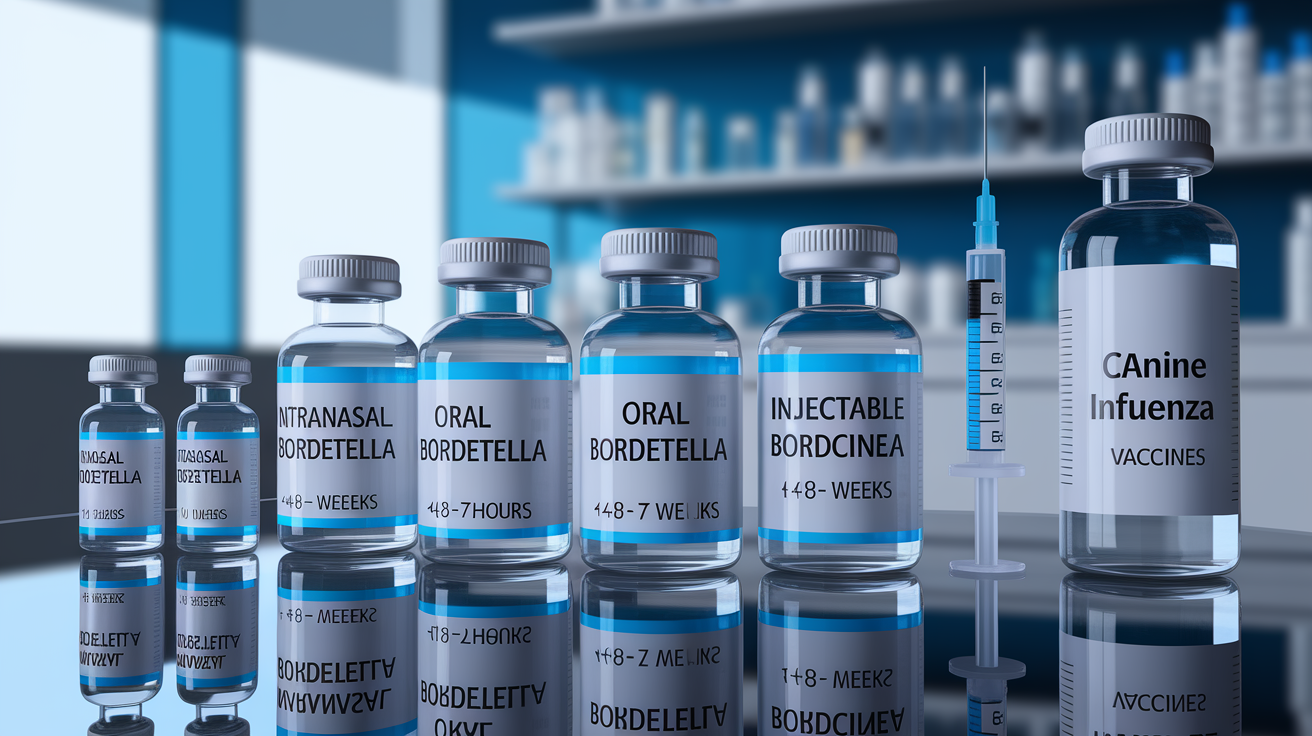
Not all kennel cough vaccines work the same way. Intranasal and oral Bordetella vaccines use live, weakened bacteria and usually start protecting your dog within 48 to 72 hours. Injectable vaccines contain killed or subunit components, take longer to build immunity (often 1 to 2 weeks), and sometimes require two doses spaced 2 to 4 weeks apart if it’s your dog’s first time.
Immunity varies depending on vaccine type and whether your dog’s been exposed before. Intranasal and oral forms stimulate local immunity right in the respiratory tract, which can block infection where it starts. Injectable vaccines produce systemic immunity but don’t always stop colonization in the nose and throat as well. Both cut down severity and duration even when breakthrough infections happen.
Timing before boarding matters. Most facilities ask for proof of Bordetella vaccination within the past 6 to 12 months, and some want it done at least 72 hours before arrival. If your dog’s never had a Bordetella vaccine, plan for at least 1 to 2 weeks before boarding if you’re using the injectable form. For best protection, vaccinate 1 to 2 weeks ahead no matter which type you choose.
Respiratory vaccines work better as a team. Bordetella targets the most common bacterial cause. Parainfluenza and adenovirus-2 vaccines (often bundled in the DAPP or DHPP combo) cover viral components. Canine influenza vaccines address H3N8 and H3N2 strains and need two initial doses 2 to 4 weeks apart, then annual boosters. Keep core puppy vaccines on schedule at 6 to 8, 10 to 12, and 14 to 16 weeks, with a booster at one year and every 1 to 3 years after that.
| Vaccine Type | Onset of Protection | Booster Frequency |
|---|---|---|
| Intranasal Bordetella | 48–72 hours | Every 6–12 months |
| Oral Bordetella | 48–72 hours | Every 6–12 months |
| Injectable Bordetella | 1–2 weeks (two-dose series may be required initially) | Every 6–12 months |
| Canine Influenza (H3N8/H3N2) | 2–4 weeks after second dose | Annually |
Pre-Boarding and Socialization Routines That Prevent Kennel Cough
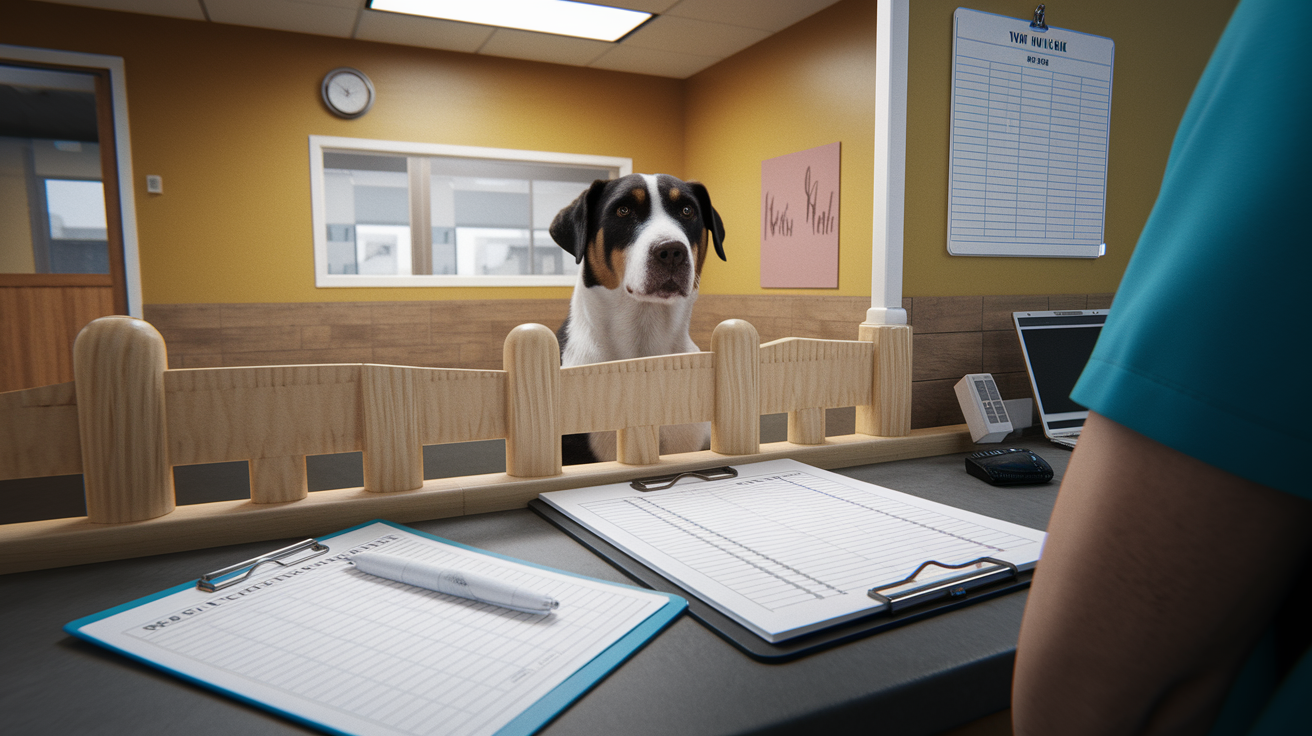
Facilities set vaccination deadlines to protect every dog they’re watching. Most require Bordetella within the last 6 to 12 months, and some want proof it was given at least 72 hours before check-in. If your dog’s booster is overdue or you’re trying a new place, confirm what they need at least two weeks out.
An intake quarantine or observation window of 48 to 72 hours helps catch early symptoms before group mixing starts. Not every facility offers this, but it cuts down the chance an incubating dog will expose everyone else.
Six steps before boarding or socializing your dog:
Verify that Bordetella, rabies, and core DAPP/DHPP vaccines are current and documented. Schedule any overdue boosters at least 72 hours before arrival, or 1 to 2 weeks if it’s your dog’s first injectable Bordetella. Do a quick health check at home, watching for cough, nasal discharge, sneezing, or reduced appetite in the 48 hours before drop-off. Bring printed or digital vaccine records and any required health certificates to check-in. Ask the facility about their intake quarantine policy and whether dogs are observed before joining group play. Delay boarding if local kennel cough outbreaks are reported or if your dog shows any respiratory symptoms.
Environmental and Hygiene Controls That Reduce Kennel Cough Spread

Ventilation directly affects how long infectious droplets stick around in the air. Facilities that rely on recirculated or stagnant indoor air let pathogens build up. Continuous fresh-air exchange through open windows, fans, or HVAC systems dilutes airborne particles and lowers infection risk. Look for kennels with visible airflow, outdoor access, or mechanical ventilation rated for animal housing.
Disinfectants need to target both bacteria and viruses. Household bleach diluted 1:32 (about 1/2 cup or 120 mL per gallon of water) works for daily cleaning of floors, runs, and bowls. For heavy contamination after a confirmed case, use a 1:10 bleach solution. Accelerated hydrogen peroxide and veterinary-grade quaternary ammonium disinfectants work too and irritate airways less. Always follow the product’s contact time, usually 5 to 10 minutes, before rinsing.
Laundry temperatures matter. Wash all bedding, blankets, and soft toys in hot water at 60°C (140°F) or higher, then dry on the hottest setting your dryer allows. High heat kills pathogens that survive detergent alone. If your machine doesn’t show temperature, choose the “hot” or “sanitize” cycle.
Crowd management and cleaning frequency go hand in hand. Limit the number of dogs per run or play group to reduce close contact and stress. Clean kennels, runs, and communal spaces daily, and deep-clean at least once per week. Keep a staff-to-dog ratio of 1:10 or better so supervision, hygiene, and health monitoring stay consistent. Isolate any dog that develops respiratory symptoms immediately and disinfect all surfaces that dog contacted.
Immune System Support to Help Prevent Kennel Cough
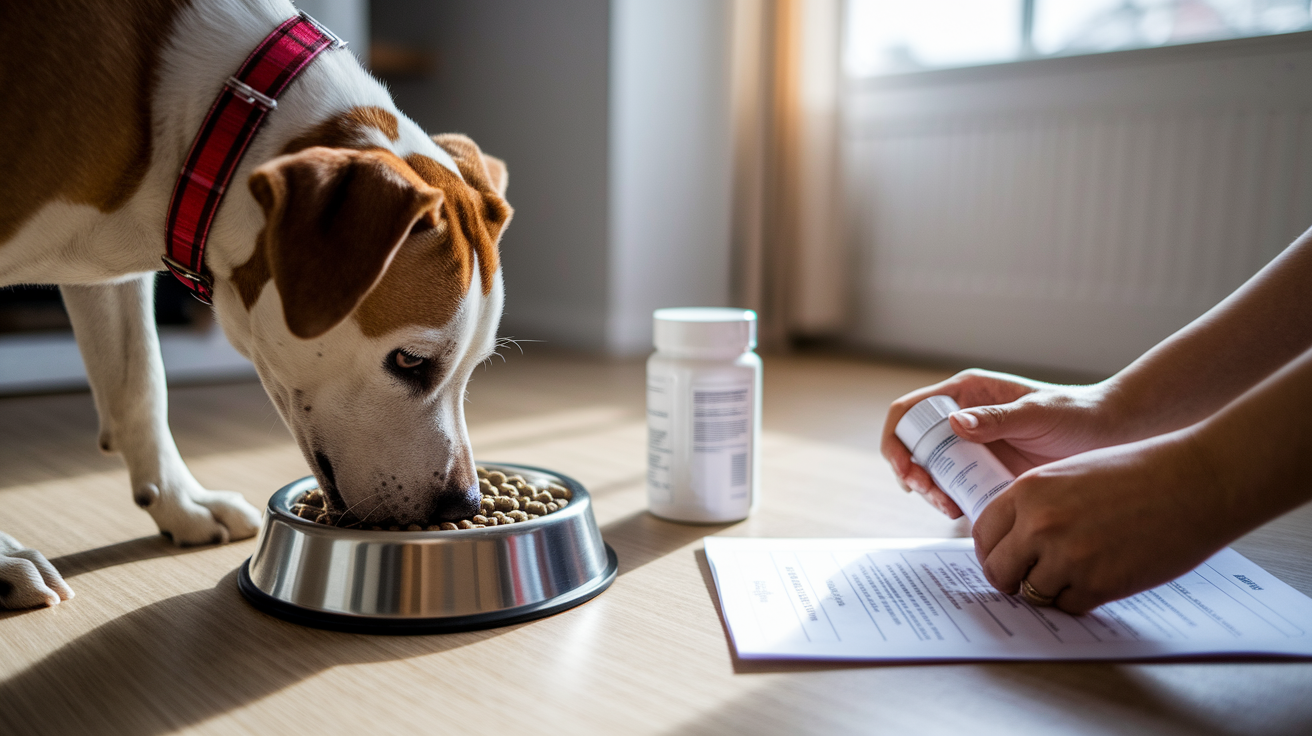
A strong immune system helps your dog fight off pathogens even after exposure. Stress weakens immunity, so avoid sudden changes in routine, long separations, or chaotic environments in the days before boarding or group activities. Shorter trial visits to a new facility can help your dog adjust without overwhelming their system.
Balanced nutrition and healthy weight keep immune cells working properly. Don’t switch foods suddenly right before travel or boarding, and make sure your dog’s food meets AAFCO standards for their life stage. Overweight and underweight dogs both face higher infection risk.
Three groups need extra protection. Puppies under 16 weeks with incomplete vaccine series and developing immune systems. Senior dogs whose immune response slows with age. Brachycephalic breeds like Pugs, Bulldogs, and Shih Tzus, whose airway anatomy makes respiratory infections more severe, plus any dog with known immune compromise or chronic illness.
Recognizing Early Kennel Cough Symptoms Before Exposure to Other Dogs
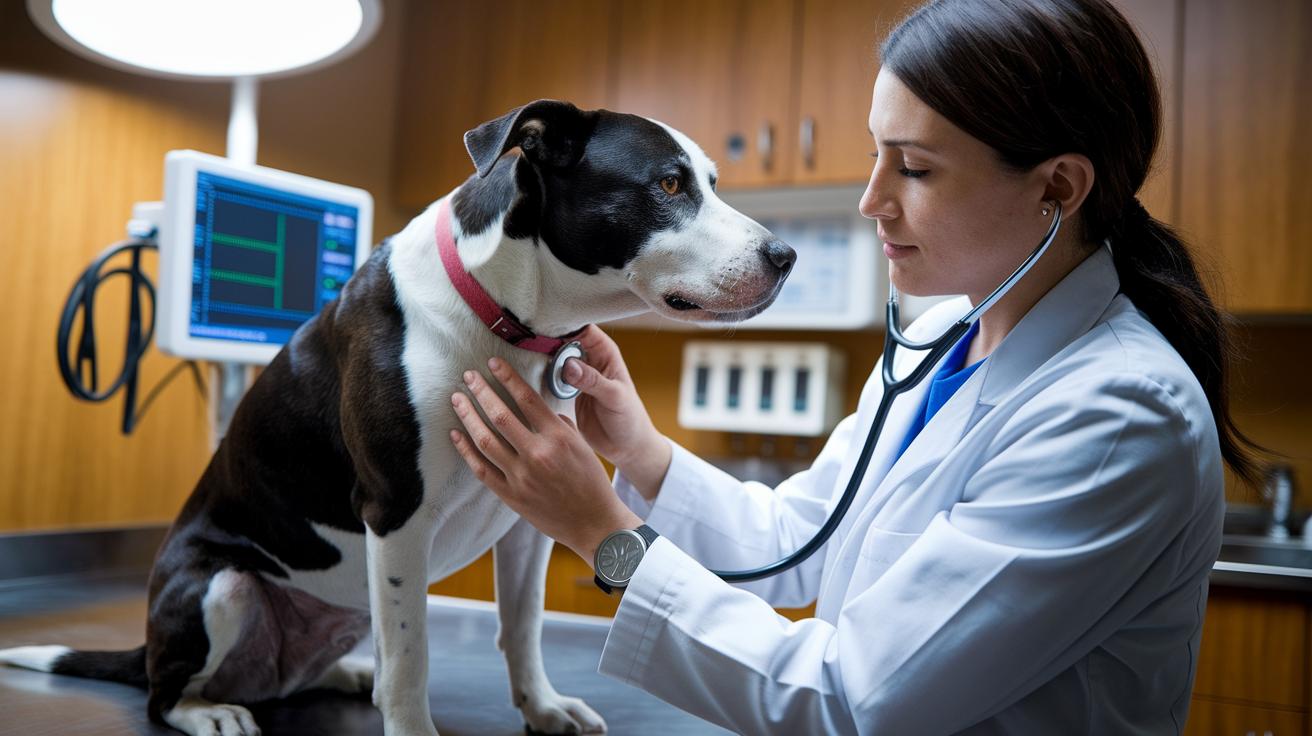
The giveaway is a persistent, dry, harsh cough that sounds like a honk or goose call. Your dog may gag or retch after coughing, sometimes bringing up clear or frothy phlegm. Other early signs include sneezing, watery nasal discharge, mild eye discharge, and a low-grade fever. Most dogs stay active and eat normally in the first few days.
The incubation period runs 2 to 14 days, so symptoms can show up as late as two weeks after exposure. Once symptoms start, your dog stays contagious for about 2 to 3 weeks, even as the cough improves. That long contagious window makes early recognition critical to stopping spread.
Before playdates, daycare, or boarding, watch your dog for 48 hours. Listen for any new cough, check for nasal discharge, and note changes in energy or appetite. If you hear even a single honking cough or see clear nasal drainage, keep your dog home and call your vet. Canceling one visit protects dozens of other dogs.
What to Do When Kennel Cough Prevention Fails
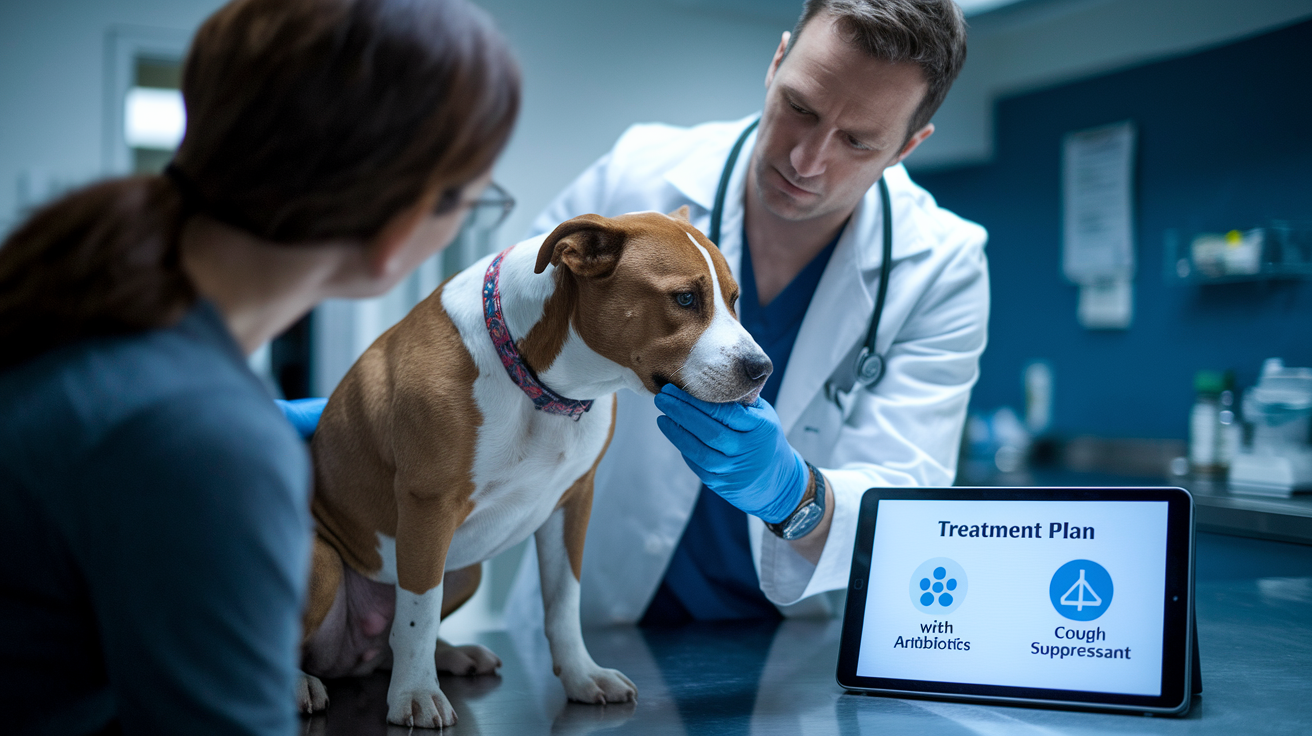
Most mild cases clear up in 7 to 14 days with rest, hydration, and a calm environment. Keep your dog away from other dogs for at least 10 to 14 days or until your vet confirms the contagious period has ended. Offer fresh water frequently to thin mucus, and use a humidifier or run a hot shower to ease airway irritation. Skip strenuous exercise and excitement that trigger coughing fits.
Veterinary care becomes necessary when symptoms cross specific thresholds or drag on beyond expected timelines. Your vet may prescribe antibiotics like doxycycline or azithromycin if Bordetella bronchiseptica or secondary bacterial infection is confirmed. Cough suppressants help some dogs rest, though they’re not right for every case. Nebulization and anti-inflammatory medications may be needed if pneumonia develops.
| Warning Sign | Required Action |
|---|---|
| Body temperature above 103°F | Call your veterinarian the same day for an appointment |
| Rapid breathing, labored breathing, or open-mouth breathing at rest | Seek emergency veterinary care immediately |
| Loss of appetite lasting more than 1 day or marked lethargy | Schedule a veterinary exam within 24 hours |
| Symptoms persisting beyond 7–10 days or worsening after initial improvement | Return to your veterinarian for re-evaluation and possible diagnostics |
Final Words
We jumped straight into practical steps: everyday prevention, vaccine timing, pre‑boarding routines, cleaning and ventilation, immune support, symptom spotting, and what to do if prevention fails.
Pick two daily actions from the list to start tonight and note dates, exposures, or any early signs you see.
Talk with your vet about timing before boarding. These simple moves help you learn how to prevent kennel cough and keep your dog safer during walks and playdates.
FAQ
Q: How do I keep my dog from getting kennel cough?
A: Keeping your dog from getting kennel cough means vaccinate with Bordetella on schedule, avoid crowded parks and coughing dogs, disinfect bowls/toys, delay playdates during outbreaks, and manage stress before boarding.
Q: Do I need to disinfect my house if my dog has kennel cough?
A: You should disinfect areas your dog touched if your dog has kennel cough: wash bedding and toys hot, clean bowls with vet‑safe disinfectant, limit contact with other pets for 2–3 weeks, and call your vet for fever or breathing trouble.
Q: Do all dogs get kennel cough if exposed?
A: Not all dogs get kennel cough if exposed; susceptibility depends on vaccination, immune status, age, stress and exposure level—puppies, seniors, and stressed dogs are likelier, so watch for symptoms for 2–14 days.
Q: What triggers kennel cough?
A: Kennel cough is triggered by respiratory germs like Bordetella, parainfluenza or canine influenza spread through close contact, airborne droplets or contaminated surfaces, especially in crowded, stressful settings like kennels or dog parks.
