
Did you know even indoor cats can get heartworms, and about one in four diagnosed cats had no outdoor exposure?
Prevention is the only real defense.
There’s no safe, approved way to kill adult heartworms in cats, so monthly protection matters more than treatment.
This post shows the essential protection methods, including which monthly preventives work, how to dose them correctly, testing rules, and simple at-home checks to catch trouble early.
Follow these steps and you give your cat the best chance to avoid breathing problems, sudden collapse, and risky, costly treatments.
Core Preventive Steps to Protect Cats From Heartworm Infection

Prevention is the only real defense against feline heartworm disease. There’s no approved drug that can safely kill adult worms in cats. Even a tiny infection (just one to three worms) can trigger serious lung inflammation, breathing trouble, and sudden death. Treatment options are risky and mostly supportive, which is why stopping infection before it starts matters so much.
Year-round monthly preventive is the single most important thing you can do. These medications stop mosquito-transmitted larvae from turning into adult worms inside your cat’s body. You can’t skip doses. Heartworm larvae take about six months to mature, so missing even one dose during that window leaves your cat exposed. Indoor cats aren’t safe either. Mosquitoes get inside through open doors, torn screens, windows that don’t seal properly.
Stay on schedule and watch for any changes in breathing or energy. If you see coughing, fast breathing, wheezing, or your cat seems unusually tired, contact your vet right away. Early detection plus consistent monthly prevention gives your cat the best shot at staying healthy.
Prevention actions every cat owner needs to follow:
- Give monthly heartworm preventive every 30 days without skipping.
- Schedule annual vet testing to confirm your cat’s still infection-free.
- Set a calendar reminder or phone alert so you dose on the same day each month.
- Watch for breathing issues like coughing, rapid breathing, or wheezing between vet visits.
- Pick the right weight-based tube or dose for your cat’s current weight.
- Keep extra preventive on hand so you don’t run out.
Understanding Heartworm Transmission and Lifecycle in Cats

Heartworm starts when an infected mosquito bites your cat and drops microscopic larvae (called L3) under the skin. Those larvae mature inside the mosquito for 10 to 14 days after it feeds on an infected dog or another host carrying microfilariae. Once the mosquito passes L3 larvae to your cat, the parasites move through tissue and take roughly six months to develop into adults in the pulmonary arteries and heart.
Cats aren’t natural hosts for heartworms. They usually develop only a handful of adult worms compared to the hundreds that can live in dogs. But even with low worm numbers, immature larvae and dying adults trigger severe lung inflammation called heartworm-associated respiratory disease (HARD). This inflammation can cause chronic coughing, hard breathing, vomiting, and sudden collapse even when just one or two worms are present.
Heartworm lifecycle in cats has four main stages:
- Mosquito bite deposits L3 larvae under the skin.
- Larvae move through tissue and molt over several months.
- Immature worms reach the pulmonary arteries and heart, often dying before they fully mature.
- Any surviving adults may live two to three years, constantly damaging lung tissue and blood vessels.
Monthly Heartworm Medications for Cats and How They Work
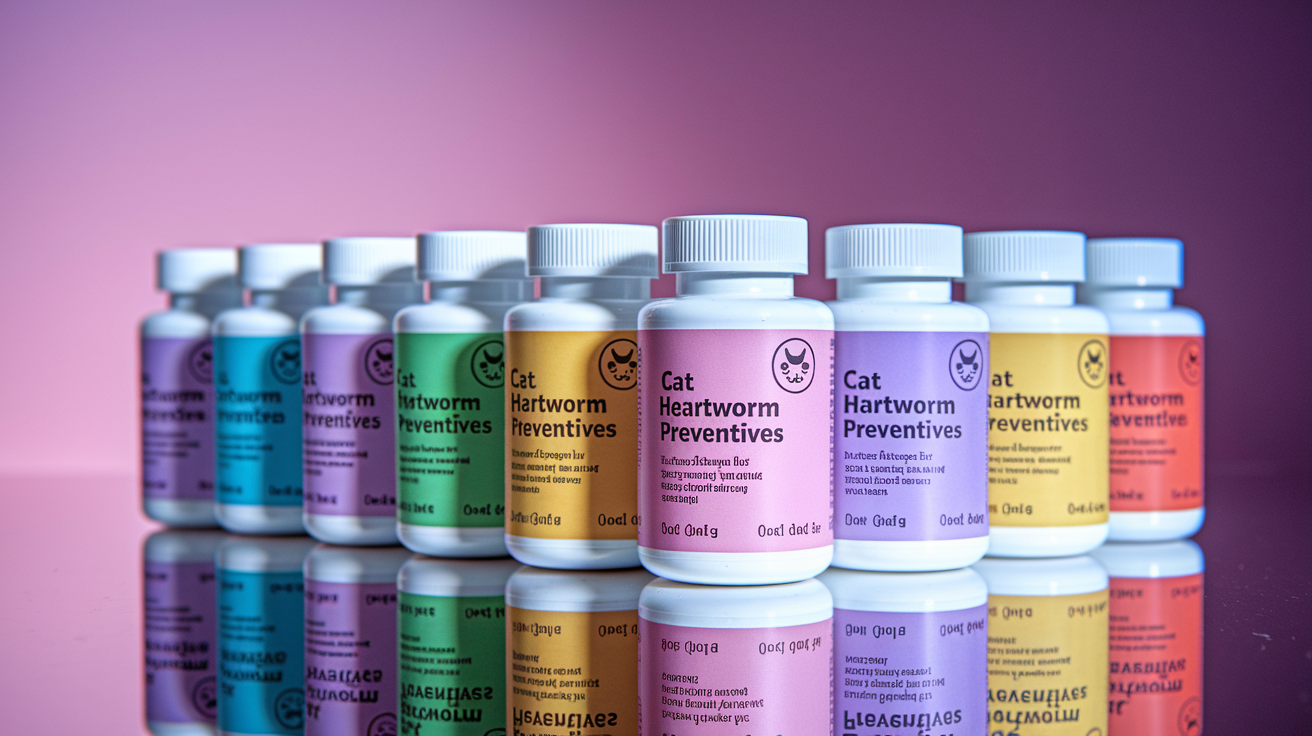
Monthly heartworm preventives kill larvae shortly after they enter your cat, stopping development before parasites turn into adults and cause disease. You apply these medications topically or give them orally once every 30 days. Most products also protect against fleas, ear mites, and intestinal parasites in one dose. Because cats are harder to diagnose and there’s no approved cure, consistent monthly prevention is the veterinary standard.
Two common topical preventives are selamectin (Revolution or Revolution Plus) and imidacloprid plus moxidectin (Advantage Multi or Advocate). Selamectin can start as early as six weeks of age. The imidacloprid-moxidectin combo typically begins at eight weeks. Both come in weight-based tubes, so you have to pick the tube that matches your cat’s current weight for correct dosing. No long-acting injectable is approved for cats, which makes monthly topical or oral products your only labeled choices.
Following the product label and your vet’s instructions matters. Each tube is made for a specific weight range. Using the wrong size can lead to underdosing (leaving your cat unprotected) or overdosing (raising the risk of side effects). Monthly dosing has to happen every 30 days without delay because even small gaps let larvae mature past the stage where the medication can kill them.
| Product Name | Active Ingredient | Start Age | Route | Coverage |
|---|---|---|---|---|
| Revolution / Revolution Plus | Selamectin | 6 weeks | Topical (monthly) | Heartworm, fleas, ear mites, roundworms, hookworms; Plus adds ticks |
| Advantage Multi / Advocate | Imidacloprid + moxidectin | ~8 weeks | Topical (monthly) | Heartworm, fleas, ear mites, roundworms, hookworms |
| Heartgard for Cats | Ivermectin | 6 weeks | Oral (monthly) | Heartworm, hookworms, roundworms |
Safe Dosing, Age Guidelines, and Preventive Start Times for Kittens
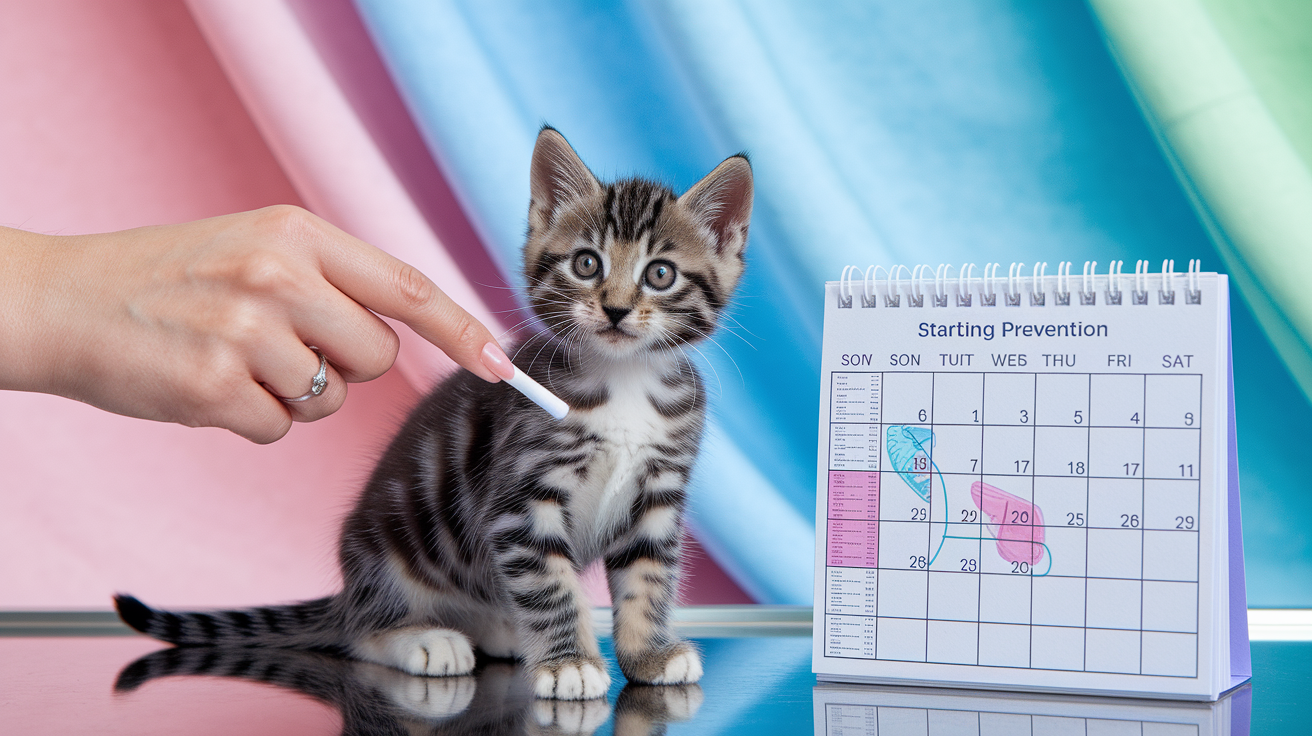
Most labeled heartworm preventives for cats let you start between six and eight weeks of age, depending on the product. Starting early protects kittens during their growth period when they might run into mosquitoes indoors or during quick trips outside. Weight-based tubes are chosen by the kitten’s current weight, and as your kitten grows, you’ll move up to the next tube size to keep dosing correct.
Give the preventive every 30 days on the same calendar date each month to keep protection consistent. Missing even a single dose creates a gap that lets larvae survive and keep developing toward adulthood. Larvae take about six months to mature into adult worms, so any lapse in monthly dosing during that time raises infection risk.
Dosing rules to keep your kitten or cat protected:
- Start prevention at the age listed on your product label, usually six to eight weeks.
- Weigh your cat before each purchase and pick the tube or dose that fits the current weight range.
- Apply or give the preventive on the same day each month without stretching the interval past 30 days.
- Never use a dog-labeled heartworm product on a cat, even if the weight looks similar, because formulations and safety profiles are completely different.
Veterinary Testing for Cats on Heartworm Prevention

Baseline heartworm testing is recommended before starting any preventive or when switching products, then annual retesting to confirm your cat stays infection-free. Cats need both antigen and antibody blood tests because they typically have very few adult worms, making antigen tests alone less sensitive. The antigen test finds proteins from adult female heartworms. The antibody test picks up immune response to larval exposure. Using both increases diagnostic accuracy.
If clinical signs like coughing, rapid breathing, or vomiting show up, your vet may suggest chest X-rays or echocardiography to see lung changes and check for worms in the heart or pulmonary arteries. Chest X-rays can show lung patterns linked to heartworm-associated respiratory disease. Ultrasound may directly image adult worms. These imaging studies add diagnostic certainty but aren’t routine for cats without symptoms who are on prevention.
Testing and exam costs vary by region and clinic. Antigen or antibody blood tests usually run 25 to 85 dollars each, and using both may bring the combined cost to 50 to 150 dollars. Chest X-rays generally cost 100 to 300 dollars. Echocardiography runs 300 to 600 dollars. A standard vet wellness exam often costs 40 to 150 dollars, and most vets bundle baseline or annual heartworm testing into the yearly visit.
Recommended testing steps for cats on heartworm prevention:
- Get baseline antigen and antibody testing before starting or switching preventive products.
- Retest annually at your cat’s routine wellness exam to confirm continued negative status.
- Add imaging (X-ray or ultrasound) if breathing signs or unexplained illness develop, even when prevention has been consistent.
Indoor vs Outdoor Heartworm Risk in Cats

Indoor-only cats face real heartworm risk because infected mosquitoes get into homes through doors, windows, and damaged screens. Studies show roughly 25 percent of cats diagnosed with heartworm had no reported outdoor exposure. Keeping your cat inside doesn’t eliminate the need for monthly prevention. A single mosquito bite indoors is enough to transmit infective larvae and start infection.
Outdoor cats get significantly higher exposure because they have frequent and long contact with mosquitoes during warm weather and peak activity hours at dawn and dusk. Cats with any outdoor access (supervised porch time, screened patios, brief escapes) meet more mosquitoes and should be considered high-risk for heartworm transmission.
Key differences in indoor vs. outdoor heartworm risk:
- Indoor cats stay at risk because mosquitoes enter homes. Prevention is still essential.
- Outdoor cats face higher cumulative exposure from frequent mosquito contact in yards, gardens, and natural areas.
- Both indoor and outdoor cats need year-round monthly preventive without exception.
Comparing Heartworm Prevention Methods and Safety Considerations

Topical monthly heartworm preventives are the veterinary standard for cats because they’re labeled, proven effective, and safe when used per product instructions. Flea-only spot-ons, tick collars, and over-the-counter flea products don’t contain heartworm preventive ingredients and won’t protect your cat from infection. Combination products that include heartworm prevention along with flea, tick, and intestinal parasite coverage offer broader protection in a single monthly application.
Dog-labeled heartworm products (including oral chews and long-acting injectables) aren’t safe or appropriate for cats. Formulations approved for dogs often have different active ingredients or concentrations that can be toxic to cats. Injectable products like ProHeart (approved for dogs) have no feline version. Always use a product specifically labeled for cats and follow your vet’s guidance on safe administration.
| Preventive Type | Protects Against Heartworm? | Suitability for Cats | Notes |
|---|---|---|---|
| Topical monthly (cat-labeled) | Yes | Safe and labeled | Standard of care; many also cover fleas, mites, worms |
| Oral monthly (cat-labeled) | Yes | Safe and labeled | Limited availability in some regions; follow label dosing |
| Flea/tick collars or spot-ons | No | Not protective | Don’t prevent heartworm; use separate heartworm product |
| Dog-labeled products or injectables | Varies | Unsafe for cats | Never use dog products on cats; toxicity risk is high |
Regional and Seasonal Heartworm Risk Variation

Heartworm disease is most common in the southeastern United States, Gulf Coast states, and the Mississippi River Valley, where warm, humid climates support year-round mosquito activity and high infection rates in dogs and cats. Climate change and warming winter temperatures have pushed the geographic range of heartworm northward. Cases are now reported in all 50 states, including regions that historically had minimal risk.
Seasonal mosquito populations peak in spring and summer across most of the country, but milder winters and longer warm seasons have stretched transmission periods. Natural disasters like hurricanes also contribute to heartworm spread by displacing infected animals and bringing heartworm-positive pets into previously low-risk areas. Because transmission can happen whenever mosquitoes are active, and because seasonal patterns are getting less predictable, vets recommend year-round prevention for all cats regardless of region.
Cost of Monthly Heartworm Prevention and Budgeting Tips

Monthly heartworm preventives for cats usually cost between 8 and 25 dollars per dose, depending on the product, your cat’s weight, and whether you buy through a vet clinic or an online retailer. Annual prevention costs range from roughly 96 to 300 dollars per cat when doses are given every month without interruption. Initial baseline testing and a vet exam commonly add 75 to 250 dollars to first-year expense. Annual retesting costs 25 to 150 dollars depending on which tests your vet orders.
Budgeting for heartworm prevention is simple when you treat it as a fixed monthly expense, like pet food or litter. Many vet clinics and online pharmacies offer multi-month packages or automatic shipment programs that cut per-dose costs and make sure you never run out. Investing in prevention is far less expensive than managing heartworm disease complications, which can need repeated vet visits, imaging, supportive medications, and hospitalization.
Four budgeting tips for affordable heartworm prevention:
- Buy six or twelve-month supplies when discounts or rebates are available from manufacturers or retailers.
- Enroll in automatic shipment programs that deliver preventives on schedule and often include small price cuts.
- Compare vet clinic pricing with licensed online pharmacies, but make sure any online source requires a valid prescription and is verified.
- Bundle annual testing and preventive refills into your cat’s yearly wellness exam to consolidate costs and avoid separate appointment fees.
What to Do if You Miss a Heartworm Preventive Dose

Missing a dose of heartworm preventive creates a window where larvae can mature past the stage the medication is designed to kill. Because heartworm larvae take about six months to develop into adult worms, even a short lapse in monthly dosing raises the risk that an infection will progress. If you realize you’ve missed a dose, give the preventive as soon as you remember, then resume the regular monthly schedule from that new date.
Contact your vet for guidance if more than a few days have passed since the missed dose or if you’re unsure when the last dose was given. Your vet may recommend retesting your cat for heartworm infection before restarting prevention, especially if the gap was several weeks or longer. Never give a double dose or give doses closer than 30 days apart without explicit vet instruction, because doing so can raise the risk of side effects without improving protection.
Steps to take after a missed heartworm preventive dose:
- Give the missed dose as soon as you discover the lapse, then continue monthly dosing from that date.
- Set up a calendar reminder, phone alert, or automatic shipment program to prevent future missed doses.
- Talk to your vet if the gap was longer than a week or if you’re uncertain about the timeline, and follow their testing or monitoring recommendations.
Mosquito Reduction Around the Home to Support Heartworm Prevention
Cutting mosquito populations around your home adds an extra layer of protection but doesn’t replace the need for monthly heartworm medication. Getting rid of standing water is the most effective environmental step because mosquitoes lay eggs in stagnant water found in flower pots, bird baths, clogged gutters, and pet water bowls left outdoors. Emptying and refreshing these water sources every few days breaks the mosquito breeding cycle.
Installing or repairing window and door screens stops mosquitoes from entering your home and biting indoor cats. Check screens regularly for tears or gaps and replace damaged sections promptly. Limiting your cat’s outdoor exposure during peak mosquito activity hours (typically dawn and dusk) further cuts bite risk. Mosquito traps and pet-safe outdoor repellents can also help lower mosquito numbers in yards and patios, but these steps work best when combined with consistent monthly preventive medication.
Five mosquito-reduction actions to support heartworm prevention:
- Remove or empty all sources of standing water around your home, including plant saucers, buckets, and outdoor pet bowls.
- Check and repair window and door screens to keep mosquitoes out of living spaces where your cat spends time.
- Clean gutters and fix leaks that create pools of stagnant water where mosquitoes breed.
- Use mosquito traps or pet-safe outdoor repellents in yards and patios to reduce local mosquito populations.
- Keep cats indoors during dawn and dusk when mosquito activity peaks.
Myths and Misunderstandings About Preventing Heartworms in Cats
One common myth is that indoor cats don’t need heartworm prevention because they never go outside. Indoor-only cats stay at significant risk because mosquitoes get into homes through open doors, windows, and damaged screens. Up to one-quarter of cats diagnosed with heartworm had no history of outdoor access, which shows indoor living doesn’t eliminate exposure.
Another misunderstanding is that flea and tick preventives alone will protect cats from heartworm. Most flea-only spot-ons and tick collars don’t contain ingredients that kill heartworm larvae, so cats using these products stay unprotected unless a separate heartworm preventive is also given. Combination products that include heartworm protection along with flea and tick coverage do exist, but you have to check the label to confirm heartworm prevention is included.
Some cat owners believe seasonal dosing is enough in regions with cold winters. While mosquito activity drops in winter, unpredictable warm spells and indoor mosquitoes can still transmit infection year-round. Vets recommend continuous monthly prevention because stopping and restarting creates gaps that let larvae mature, and because year-round dosing is simpler and more reliable than trying to time seasonal risk.
FAQ: Preventing Heartworms in Cats
1. What are the early signs of heartworm infection in cats?
Early signs often include coughing, wheezing, rapid or labored breathing, and occasional vomiting. Some cats show tiredness, less appetite, or weight loss. Because these symptoms look like feline asthma and other breathing conditions, heartworm infection is frequently misdiagnosed without specific testing.
2. How is heartworm diagnosed in cats?
Diagnosis needs a combination of blood tests and imaging. Vets use both antigen tests (which find adult female worms) and antibody tests (which find immune response to larvae) because cats typically have very few adult worms. Chest X-rays and echocardiography help identify lung inflammation and see worms in the heart or pulmonary arteries.
3. Can indoor cats really get heartworms?
Yes. Indoor cats are at real risk because infected mosquitoes enter homes through doors, windows, and torn screens. Studies show roughly 25 percent of cats diagnosed with heartworm had no outdoor exposure, which confirms indoor living doesn’t prevent infection.
4. Is heartworm prevention necessary year-round?
Yes. Year-round monthly prevention is recommended in all regions because mosquito activity can happen during warm winter spells, and because stopping and restarting prevention creates gaps that let larvae mature. Consistent monthly dosing is simpler and more reliable than seasonal schedules.
5. What happens if I miss a dose of my cat’s heartworm preventive?
Give the missed dose as soon as you remember, then resume monthly dosing from that new date. If the gap was longer than a week, contact your vet for guidance. Your vet may recommend retesting before restarting prevention, especially if several weeks have passed.
6. Are there any side effects from heartworm preventives in cats?
Most cats handle labeled heartworm preventives very well. Rare side effects can include temporary digestive upset, tiredness, or skin irritation at the application site for topical products. Allergic reactions are uncommon but need immediate vet attention. Always follow label instructions and report any unusual symptoms to your vet.
Final Words
Start now: give a vet-approved monthly preventive, dose by current weight, and get baseline and yearly tests. There’s no reliable adult treatment for cats, and even a few worms can cause serious lung disease.
Begin kittens at the recommended age, treat indoor cats too, and keep medications on schedule. Watch for coughing, wheeze, vomiting, or sudden breathing changes and call your vet if you see them.
These steps are the core of how to prevent heartworms in cats—steady medication, regular testing, and working with your vet keep your cat safer and more comfortable.
FAQ
Q: What can I give my cat to prevent heartworms?
A: The best way to prevent heartworms in cats is monthly, vet‑approved topical preventives (like selamectin or imidacloprid+moxidectin), started at the recommended age and given every 30 days without misses.
Q: What are the odds of a cat getting a heartworm?
A: The odds of a cat getting heartworm are lower than in dogs but vary by region; risk exists nationwide, higher in the Southeast and Gulf Coast, and depends on local mosquito exposure and season.
Q: Do cats really need heartworm prevention?
A: Cats really need heartworm prevention because even a few worms can cause severe lung disease and there’s no approved safe adult-killing treatment; prevention is the safer choice.
Q: How do indoor cats get heartworms?
A: Indoor cats get heartworms when infected mosquitoes enter homes and bite them; studies show a notable share of infected cats were indoor‑only, so staying indoors doesn’t eliminate risk.
