
What if arthritis in dogs isn’t just an inevitable part of aging but something you can mostly prevent?
About one in four dogs over one already has joint disease, and the numbers climb with age, injury, or extra weight.
That’s why keeping weight down, choosing low-impact exercise, and protecting joints early matter so much.
In this post you’ll get simple, daily habits and vet-backed tips that buy years of comfort and mobility for your dog.
Start now. Small changes today make a big difference later.
Key Prevention Strategies to Support Long-Term Dog Joint Health

About 25 percent of dogs older than one year already have arthritis. Roughly half of all dogs between five and ten years old live with degenerative joint disease. Those numbers jump even higher in breeds prone to hip or elbow dysplasia, dogs who’ve had joint injuries, and dogs carrying extra weight. Arthritis develops quietly over years, wearing down cartilage and triggering low-grade inflammation long before you’ll see a limp.
You can’t reverse arthritis once cartilage damage starts, but early action slows progression, reduces inflammation, and protects joint surfaces before symptoms show up. Prevention works by reducing the forces and inflammatory triggers that speed up cartilage breakdown. Even dogs at genetic risk benefit when you take steps early. You’re often buying years before pain and mobility loss set in.
Six daily joint protection habits that reduce lifetime arthritis severity:
- Keep your dog lean using portion controlled feeding and monthly weigh-ins
- Stick to low-impact movement like walking and swimming instead of repetitive jumping or hard surface fetch
- Use non-slip surfaces indoors so your dog doesn’t strain joints by slipping
- Control jumping on and off furniture, vehicles, and stairs using ramps or help
- Start fish oil around age one and a joint supplement by age two under veterinary guidance
- Schedule routine vet exams and baseline joint imaging around age two for at-risk breeds
Building these habits into daily routines reduces cumulative stress on hips, elbows, knees, and spine. A routine based approach gives your dog the best shot at a longer, more mobile life.
Understanding Arthritis Development and Risk Factors in Dogs
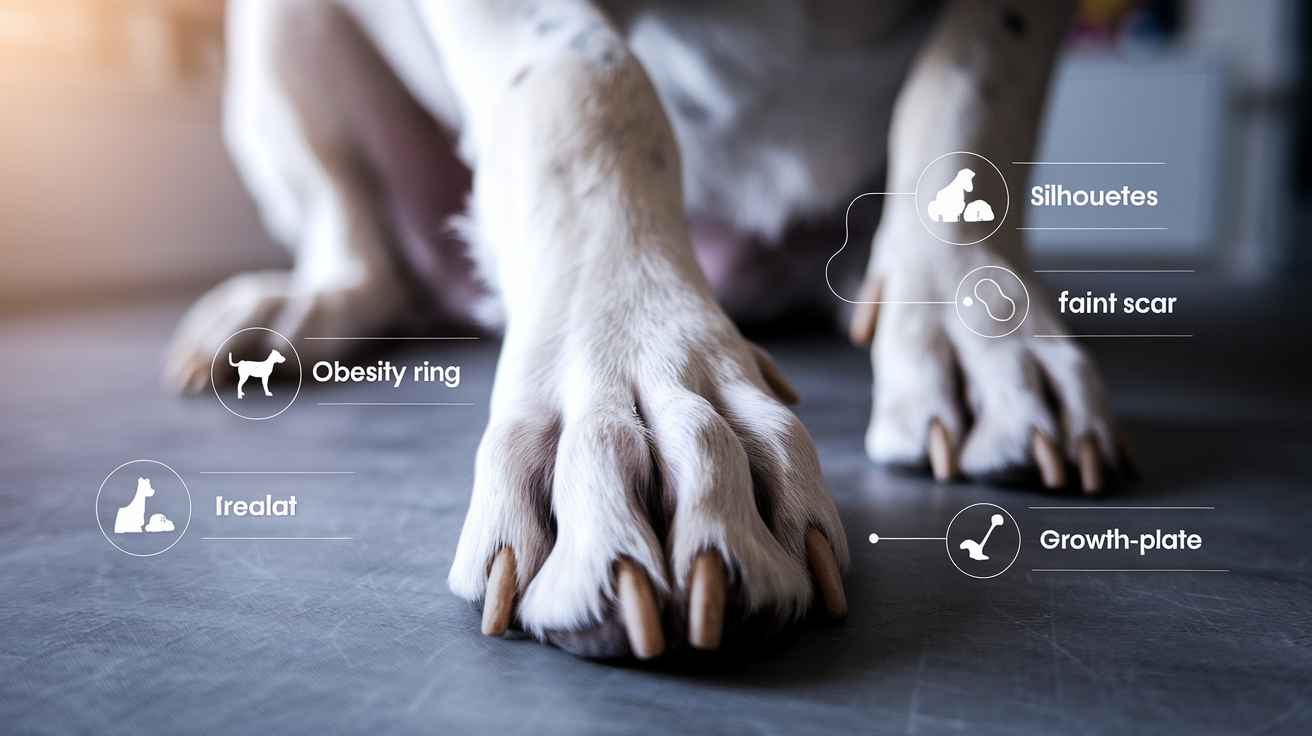
Arthritis, also called degenerative joint disease or osteoarthritis, develops when the smooth cartilage cushioning a joint wears away. As cartilage thins, bone starts rubbing on bone. That triggers inflammation, pain, and more breakdown. This cycle progresses slowly over months or years, often starting in middle age but sometimes showing up earlier in dogs with genetic vulnerabilities or past injuries.
Five major risk factors that increase a dog’s arthritis likelihood:
- Breed predisposition, especially German Shepherds, Labrador Retrievers, Golden Retrievers, bulldogs, and small breeds with luxating patellas or conformational issues
- Obesity or excess weight, which increases joint load and produces pro-inflammatory chemicals from fat cells
- Prior joint injuries, including torn cruciate ligaments, fractures, or dislocations that alter joint mechanics
- Rapid growth in large breed puppies fed diets too rich in calories or calcium, accelerating skeletal development beyond what joints can safely support
- High-impact or repetitive activities like frequent jumping, hard surface running, or intense fetch during the critical growth window between 12 and 24 months
Early arthritis signs are subtle. Watch for a dog who moves more slowly in the morning, hesitates at the bottom of stairs, no longer jumps onto the couch, or rises stiffly after naps. You might notice reduced interest in play, a slight limp after exercise, or irritability when touched near a hip or shoulder. Catching these changes early and consulting your vet opens the door to interventions that meaningfully slow disease progression.
Weight Management Strategies to Reduce Arthritis Risk in Dogs

Excess body fat does more than add load to joints. Fat tissue produces inflammatory molecules called adipokines, creating constant low-grade inflammation throughout the body. In joints, this inflammation accelerates cartilage breakdown and increases risk for conditions like intervertebral disc disease in the spine. Keeping your dog lean is one of the single most powerful tools you have for arthritis prevention.
Feed a balanced, high-quality diet appropriate for your dog’s age, breed, and activity level. Measure every meal with a measuring cup rather than free-feeding or eyeballing portions. Treats should make up no more than 10 percent of daily calories. Consider swapping high-calorie treats for pieces of kibble, low-sodium green beans, or non-food rewards like praise, toys, or a few minutes of play. Even small treat portions add up fast. One extra pound on a Chihuahua is roughly equivalent to a human gaining 33 pounds. A five pound overweight beagle is like a human carrying an extra 20 pounds.
For puppies, especially large breeds, controlled growth matters. Feed a commercially produced large breed puppy formula for the first year, then transition to a large breed adult food. Rapid growth overloads developing joints. Weigh puppies at least once a month after their vaccine series and record the numbers. Aim for a visible waistline when you look down from above and ribs you can feel easily under a thin layer of fat without pressing hard. That hourglass body condition score protects joints throughout your dog’s life.
| Body Condition Indicator | Description |
|---|---|
| Waistline (viewed from above) | Clear inward curve behind the ribs; hourglass shape visible when standing |
| Rib-feel test | Ribs easily felt under a thin layer of fat without pressing; not visibly protruding |
| Mobility and energy correlation | Lean dogs move freely, play longer, and show less reluctance to run or jump |
Joint-Protective Exercise for Lifelong Dog Mobility
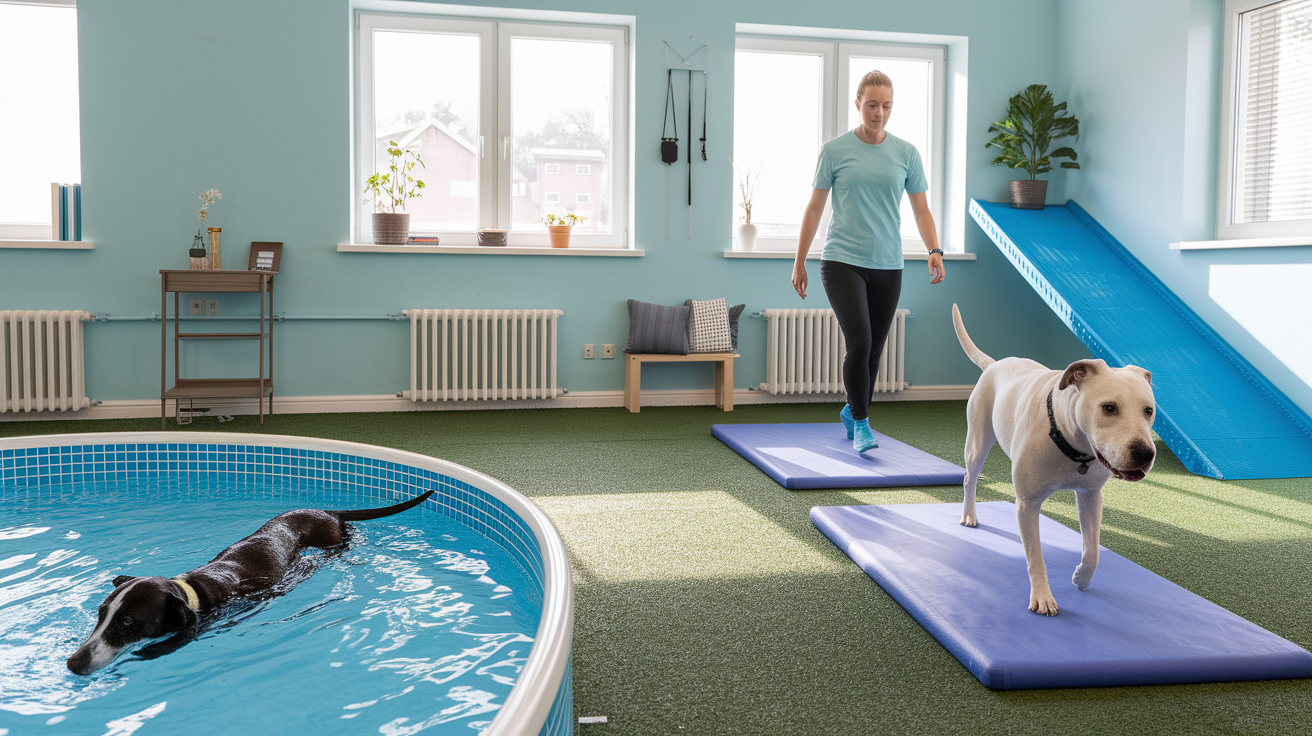
Low-impact exercise builds the muscle strength that stabilizes joints without the repetitive pounding that damages cartilage. Swimming and controlled leash walks are ideal because they keep dogs active while minimizing joint load. For dogs showing early arthritis signs, split one long walk into two or three shorter sessions throughout the day to reduce cumulative joint strain and allow recovery time between outings.
Seven recommended exercises and movement rules to protect joints:
- Swimming or hydrotherapy sessions in a pool or controlled water environment
- Controlled leash walks on soft surfaces like grass, dirt trails, or sand
- Short activity sessions that end before your dog shows fatigue or limping
- Safe terrain choices that avoid steep hills, rocky paths, or hard pavement during hot weather
- No hard surface fetch or repetitive ball chasing games that involve sudden stops and sharp turns
- Gradual conditioning when increasing exercise intensity or duration, building slowly over weeks
- Balance and strength basics like walking over low obstacles, gentle incline work, or standing exercises that engage core muscles
Puppies younger than three months should avoid stairs and slippery floors. Don’t let them jump on or off beds, couches, or vehicles. Use ramps or pick them up until around three months of age when growth plates begin to strengthen. Adolescent dogs between 12 and 24 months face higher hip dysplasia risk if they engage in frequent high-leap activities like chasing a tennis ball for long sessions. Avoid structured running or high-impact exercise until 18 to 24 months, allowing bones and joints to mature before adding intense conditioning work.
Nutrition and Supplements That Support Healthy Dog Joints

Diets rich in omega-3 fatty acids provide natural anti-inflammatory support that benefits joints, skin, and overall immune health. Many prescription joint support diets are formulated with higher omega-3 levels and controlled calorie density to help dogs maintain a lean weight. Work with your vet to choose an age appropriate formula and establish correct portion sizes based on your dog’s activity level and body condition.
Start fish oil supplementation around one year of age. Choose a veterinary formulated product to avoid toxic additives. Don’t give fish oil containing added Vitamin D, which can cause toxicity in dogs, or xylitol, a sweetener that’s highly toxic even in small amounts. Around age two, begin a vet recommended joint supplement even if your dog shows no signs of stiffness or pain. Early supplementation supports cartilage health before visible damage occurs.
Eight supplement ingredients and their role in joint health:
- Glucosamine: supports cartilage repair and slows breakdown
- Chondroitin sulfate: helps cartilage retain water and resist compression
- Methylsulfonylmethane (MSM): reduces inflammation and supports connective tissue
- Boswellia serrata: natural anti-inflammatory that reduces joint swelling
- Undenatured type II collagen (UC-II): reduces inflammation and lameness; effective even in small doses
- Omega-3 fatty acids: lower systemic inflammation and support joint lubrication
- Curcumin: antioxidant and anti-inflammatory compound derived from turmeric
- Superoxide dismutase: enzyme that reduces oxidative stress in joint tissues
Never give your dog human joint supplements. Formulations designed for people often contain dosages, fillers, or additives unsafe for dogs. Read labels carefully and discuss any new supplement with your vet before starting. Proper dosing matters. Too little provides no benefit, and some ingredients can cause digestive upset or interact with medications if given incorrectly.
Veterinary Screening and Early Diagnostic Tools for Arthritis Prevention
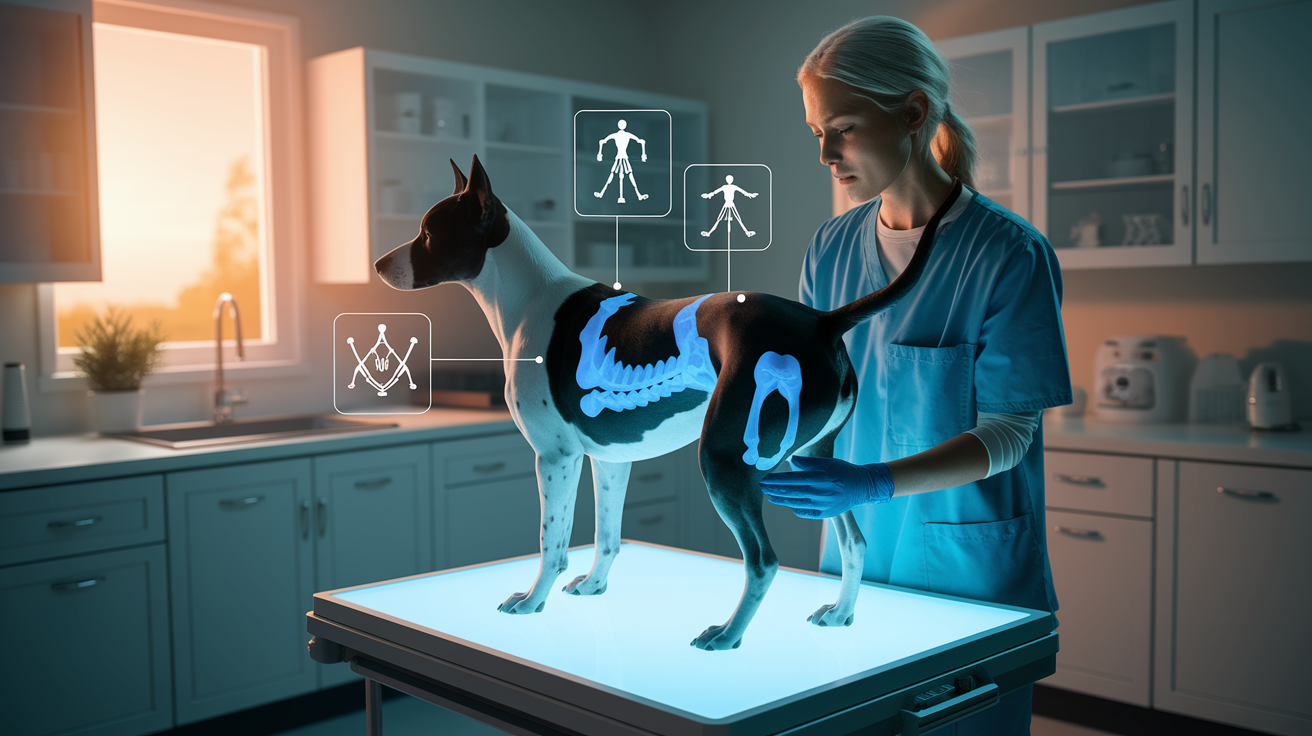
Hip and stifle (knee) X-rays around age two can detect early hip dysplasia, subtle joint changes, or conformational issues before symptoms appear. Establishing a baseline helps your vet track progression over time and adjust prevention strategies as your dog ages. If your dog undergoes sedation for another procedure, such as a dental cleaning, ask whether spine, hip, or stifle radiographs can be added to monitor joint health without requiring a separate anesthetic event.
Five screening tools vets use to assess joint health:
- X-rays (radiographs) to visualize joint structure, alignment, cartilage space, and early bone changes
- Orthopedic physical examination including joint palpation, range-of-motion testing, and assessment of pain response or crepitus (grinding sensation)
- Gait analysis to identify subtle lameness, weight-shifting, or altered stride length
- Inflammation blood markers or synovial fluid analysis in cases where infection or immune-mediated joint disease is suspected
- Joint range-of-motion testing to measure flexibility and detect stiffness before visible limping begins
Plan routine wellness exams at least once a year for adult dogs. Senior dogs benefit from checkups every six months to catch mobility decline early. If your dog belongs to a high-risk breed, has a history of joint injury, or shows any behavioral changes like reluctance to play or stiffness after rest, schedule an evaluation promptly. Early veterinary action improves the chances for positive outcomes. Your vet may refer you to a canine rehabilitation specialist or orthopedic surgeon for advanced imaging or a customized joint protection plan.
Creating a Joint-Friendly Home Environment for Dogs

Your home environment directly affects how much stress your dog’s joints experience every day. Hard, slippery floors force dogs to tense muscles and adjust their gait to avoid falls, increasing strain on hips, knees, and shoulders. Furniture and vehicles that require jumping place repetitive load on joints, especially during landings. Small changes reduce cumulative trauma and make daily movement safer and more comfortable.
Six home adaptations to reduce joint stress:
- Ramps or pet stairs at furniture edges, vehicle doors, and anywhere your dog currently jumps to reach a higher surface
- Non-slip rugs or yoga mats in high-traffic areas, especially on tile, hardwood, or laminate flooring
- Orthopedic bed with memory foam or supportive fill, placed in an easily accessible location without stairs or obstacles
- Elevated food and water bowls to reduce neck and shoulder strain during meals, particularly helpful for large breeds
- Blocked stair access or baby gates if your dog shows early arthritis signs and you want to limit stair use temporarily
- Traction nail grips or paw wax to improve grip on smooth floors if your dog’s nails are trimmed short and provide limited traction
These modifications matter most for senior dogs and breeds at high risk for hip dysplasia or elbow arthritis. Even young, healthy dogs benefit from ramps and non-slip surfaces because preventing injury now protects joints decades later. Train your dog to use ramps early so the behavior becomes routine before mobility challenges make training harder.
Age-Specific Joint Care Plans from Puppyhood Through Senior Years
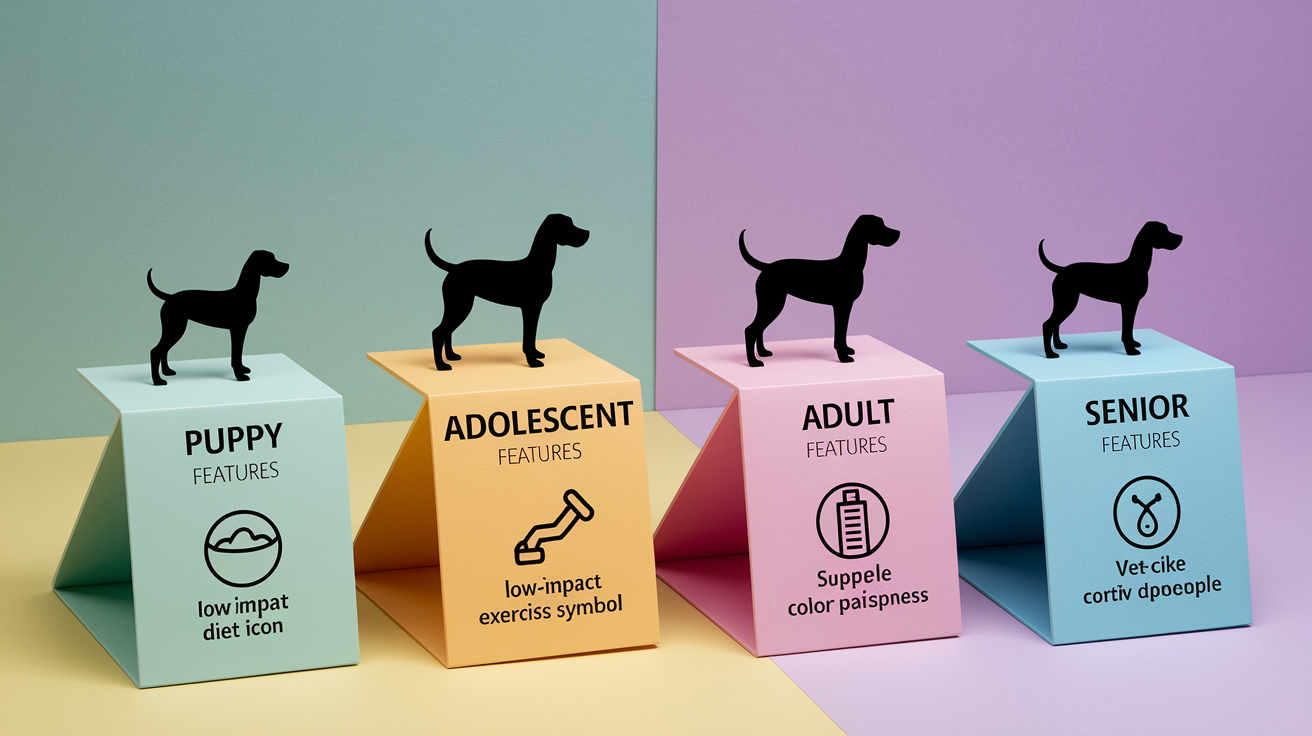
Puppies younger than three months have open growth plates and soft cartilage that can’t handle repetitive impact or excessive load. Avoid letting puppies navigate stairs independently, jump from furniture or vehicles, or play on slippery surfaces. Feed a high-quality puppy formula appropriate for breed size. Large breed puppies need controlled growth to avoid skeletal issues, so choose a large breed puppy food and avoid overfeeding or adding calcium supplements unless directed by your vet.
Adult dogs benefit from consistent, moderate exercise that builds and maintains muscle without overstressing joints. Establish a routine that includes daily walks, occasional swimming, and age appropriate play. Begin fish oil around age one and a joint supplement by age two. Schedule annual wellness exams and baseline joint imaging around age two for at-risk breeds. Monitor body weight monthly and adjust portions as needed to maintain a lean body condition score.
Four stage joint care plan by life stage:
- Puppy (birth to 12 months): controlled growth with appropriate diet, no stairs or jumping, safe surfaces only, socialization and gentle play, no strenuous exercise
- Adolescent (12 to 24 months): avoid high-leap fetch and repetitive jumping, begin gradual conditioning, start fish oil, monitor growth rate and body condition closely
- Adult (2 to 7 years): consistent low-impact exercise, start joint supplements, annual vet exams, maintain lean weight, baseline joint imaging for high-risk breeds
- Senior (7+ years): twice-yearly vet exams, continue supplements, shorter walk sessions, softer bedding, home modifications (ramps, non-slip mats), monitor for early arthritis signs
Senior dogs need lower-impact enrichment and more frequent rest breaks. Shorten walk durations but increase frequency to keep muscles engaged without overloading joints. Provide extra padding in sleeping areas and consider heated orthopedic beds during colder months to ease morning stiffness. Watch for subtle behavior changes like hesitating before standing, moving more slowly, or withdrawing from family interaction. Early detection allows you to adjust care before pain becomes severe.
Therapeutic and Natural Support Options for Long-Term Joint Maintenance

Therapeutic modalities reduce inflammation, improve circulation, and build the muscle strength that stabilizes joints and reduces abnormal wear. Hydrotherapy uses water resistance and buoyancy to allow dogs to exercise with minimal joint load, making it ideal for dogs recovering from injury or managing early arthritis. Massage therapy keeps muscles limber and reduces compensatory tension that develops when a dog shifts weight away from a painful joint.
Five therapies that complement arthritis prevention:
- Hydrotherapy or underwater treadmill sessions to build strength and cardiovascular fitness without joint impact
- Canine massage to release muscle tension, improve circulation, and support relaxation
- Therapeutic laser treatment to reduce inflammation, stimulate tissue repair, and ease pain
- Acupuncture for pain relief, inflammation control, and improved mobility, often used alongside other treatments
- Guided rehabilitation exercises designed by a certified canine rehabilitation therapist to target specific muscle groups and improve balance
Seek professional canine rehabilitation guidance if your dog has a history of joint injury, belongs to a high-risk breed, or begins showing early signs of stiffness or reluctance to move. Rehabilitation specialists create customized plans that address your dog’s specific needs, activity level, and risk factors. Many programs combine strengthening exercises, manual therapies, and modalities like laser or hydrotherapy into a comprehensive joint protection strategy. Regular sessions, even for dogs without symptoms, can delay arthritis onset and maintain mobility well into the senior years.
Final Words
Start with daily habits that protect joints: keep your dog lean, choose low-impact exercise like swimming and short walks, use ramps and non-slip surfaces, and consider early supplements with your vet.
Follow age-specific routines: limit jumping for puppies, build strength in adults, and shorten walks for seniors. Schedule regular vet exams and baseline X-rays as your vet recommends.
Putting these small steps together shows how to prevent arthritis in dogs by lowering inflammation, slowing cartilage wear, and cutting injury risk, and it’ll give your dog a better chance at long-term comfort and play.
FAQ
Q: What can you give your dog for arthritis?
A: For your dog’s arthritis, give veterinary-prescribed pain control plus joint support: veterinary-formulated glucosamine, chondroitin, omega-3 (EPA/DHA), and MSM; combine with weight control, low-impact exercise, and vet dosing guidance.
Q: What dog food is good for arthritis?
A: A dog food good for arthritis is a veterinary-formulated, weight-control diet with high-quality protein and added omega-3s (EPA/DHA), controlled calories, and low processed fillers; ask your vet for a brand and calorie goal.
Q: Will a warm bath help my dog’s arthritis?
A: A warm bath can help your dog’s arthritis by loosening stiff muscles and easing pain short-term; use comfortably warm water, keep sessions brief, dry thoroughly, and call your vet if pain or limping continues.
