
Thinking coconut oil will cure your dog’s itchy skin?
It can help, but only for mild dryness and surface irritation.
Coconut oil has lauric acid, a natural compound that fights surface bacteria and soothes dry patches, and it also locks in moisture.
Used correctly, it can bring quick relief.
Used wrong, it can trap dirt, add extra calories, or hide an infection.
This post walks you through safe topical use, sensible oral dosing, what to watch for, and clear red flags that need a vet.
How Coconut Oil Helps Soothe a Dog’s Itchy Skin
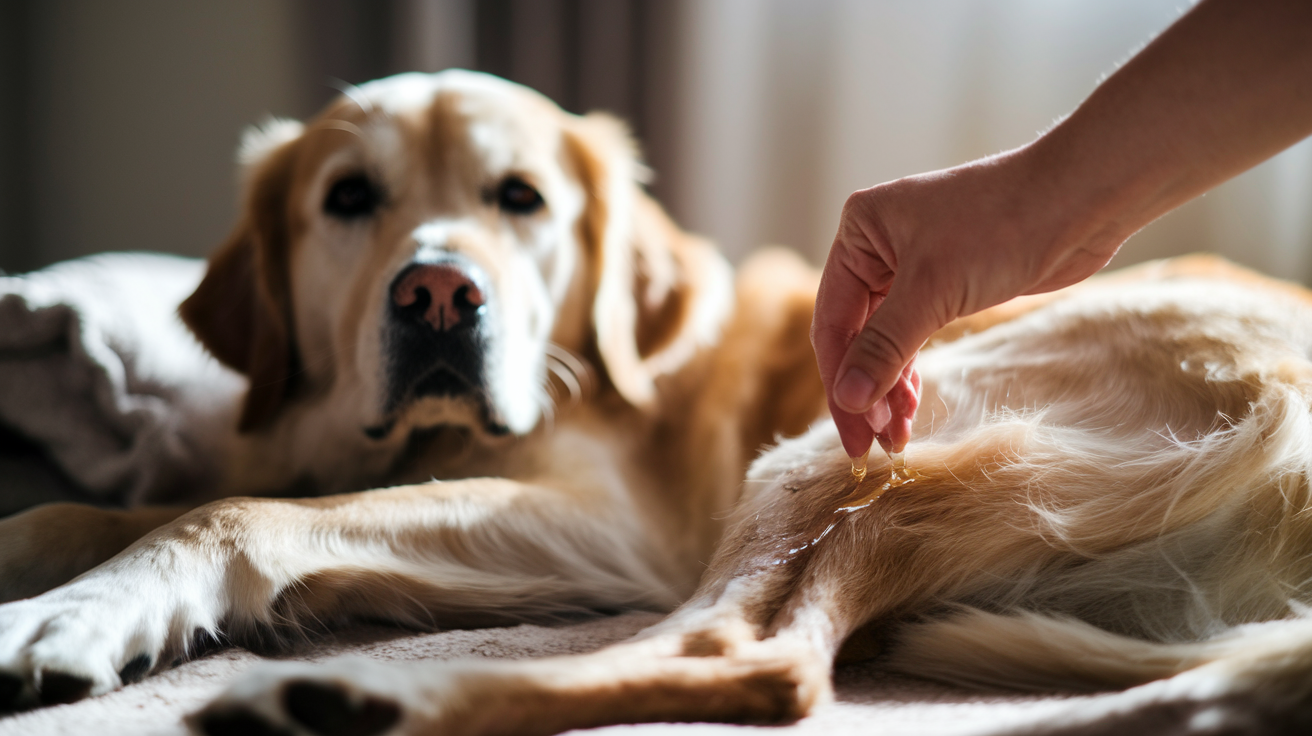
Coconut oil has lauric acid, a medium-chain fatty acid with antimicrobial and anti-inflammatory properties. When you rub it into your dog’s skin, that lauric acid can cut down on the bacteria and yeast that often cause itching and irritation. It’s also a natural moisturizer. Creates a barrier that locks in moisture and softens dry, flaky patches. If your dog’s dealing with mild itching from dry skin or seasonal allergies, coconut oil can bring noticeable relief within a few days to two weeks if you use it consistently.
But here’s the thing. How well it works depends entirely on what’s causing the itch. Coconut oil handles surface-level dryness really well. Minor environmental irritation, small hot spots that aren’t infected. If the itching comes from a bacterial infection, fungal overgrowth, or severe allergies, coconut oil won’t fix it. Might even trap moisture or debris that makes things worse. Start with a small test area and see how your dog’s skin responds over the first few days.
One thing people forget: coconut oil is nearly 100% fat. When dogs lick treated areas or eat it straight, they’re taking in serious calories. Too much leads to greasy fur, clogged pores, upset stomach, even weight gain. A little goes a long way. Apply thin layers and keep an eye on your dog’s coat, stool, and appetite during that first week.
Here’s how coconut oil can help with itching:
- Moisturizes dry, flaky skin by forming a protective layer that stops water loss
- Reduces surface bacteria and yeast because of lauric acid’s antimicrobial action
- Calms mild inflammation and redness when you massage it gently into irritated patches
- Adds shine and softness to the coat while temporarily soothing minor irritation
How to Apply Coconut Oil to Your Dog’s Skin
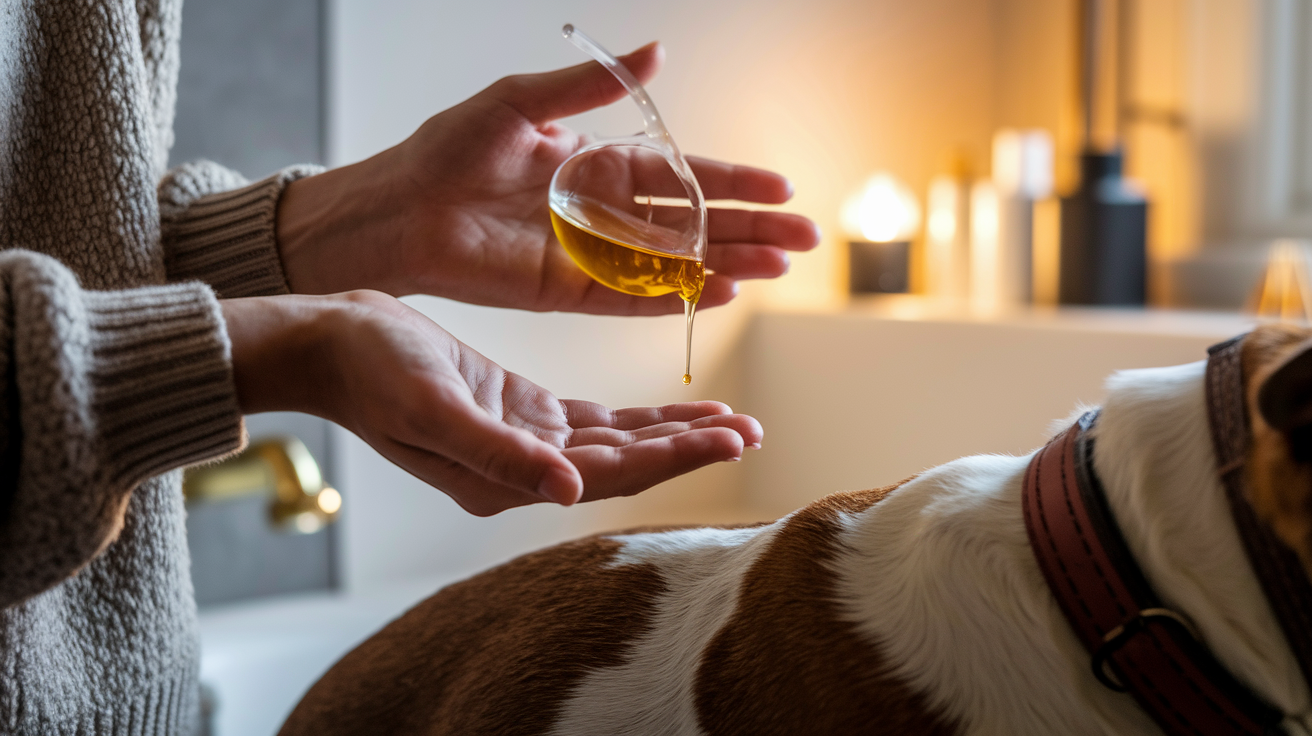
Applying coconut oil topically is simple. But technique matters. You want to deliver moisture and relief without creating a greasy mess or encouraging your dog to lick it off before it has a chance to work. Start by choosing organic, virgin coconut oil and warm a small amount between your hands until it melts into a clear liquid. Coconut oil is solid at room temperature, so this step makes it easier to spread and gets you even coverage.
Before you treat large areas, do a small patch test. Apply a pea-sized amount to a one-inch section of skin on your dog’s belly or inner thigh and wait 24 hours. Watch for redness, increased scratching, or hives. If your dog shows no reaction, you can move forward with broader application. If irritation appears, stop right away and call your vet.
Follow these steps for safe and effective topical use:
- Warm about half a teaspoon of coconut oil between your palms until it liquefies.
- Part your dog’s fur to expose the itchy or dry skin underneath.
- Gently massage the oil into the affected area using small circular motions for 30 to 60 seconds.
- Prevent licking for at least 10 to 15 minutes by distracting your dog with a toy, treat puzzle, or short walk.
- Wipe away any excess oil with a clean towel if the coat feels too greasy or if your dog starts licking right away.
Most dogs do well with topical coconut oil applied once daily for mild dryness or twice daily for more persistent flaky patches. Use it for three to seven days and reassess. If symptoms improve, you can cut back to every other day or a few times per week. Don’t apply coconut oil to open wounds, raw hot spots, or areas with visible pus or crusting. Those need veterinary care and medicated treatment.
Safe Dosage Guidelines for Oral Use

Some pet owners add coconut oil to their dog’s food to support skin health from the inside. The general guideline is to start with about 1/4 teaspoon per 10 pounds of body weight once daily. For a 30-pound dog, that’s roughly 3/4 teaspoon mixed into a meal. Introduce this amount slowly over three to five days and watch for loose stool, decreased appetite, or signs of stomach discomfort. If your dog tolerates it well, you can gradually increase to a maintenance dose of up to 1 teaspoon per 10 pounds daily. Though many dogs do fine with half that amount.
Coconut oil is calorie-dense. One tablespoon has about 120 calories, which is significant for small and medium dogs. If you’re adding it to your dog’s diet, reduce meal portions slightly or increase activity to prevent weight gain. Dogs with a history of pancreatitis, high blood lipid levels, or chronic digestive issues should avoid oral coconut oil unless your vet specifically approves it. The high fat content can trigger flare-ups in predisposed animals.
Keep these oral dosage precautions in mind:
- Always start with the lowest dose and increase slowly over several days
- Monitor stool consistency daily during the first week of use
- Talk to your vet before long-term use or if your dog is overweight, senior, or on a strict prescription diet
Safety Concerns and When Not to Use Coconut Oil

Coconut oil is generally safe in small amounts. But it’s not right for every dog or every type of itch. Some dogs develop greasy buildup that clogs pores and traps dirt, leading to secondary skin infections or worsening irritation. Others get loose stool or diarrhea when coconut oil is introduced too quickly or given in excessive amounts. If your dog’s itching is caused by a bacterial or fungal infection, mange, or severe allergies, coconut oil won’t address the root problem. Might even delay necessary medical treatment.
Dogs with a history of pancreatitis face serious risk when consuming high-fat foods. Even small amounts of coconut oil can trigger painful inflammation of the pancreas. That leads to vomiting, abdominal pain, loss of appetite, and in severe cases, collapse or shock. Breeds predisposed to pancreatitis, like Miniature Schnauzers, Yorkshire Terriers, and Cocker Spaniels, should avoid oral coconut oil entirely or use it only under close veterinary supervision. Overweight dogs and those with elevated cholesterol or triglyceride levels also need extra caution.
Topical use carries fewer risks but isn’t completely without concern. Applying too much coconut oil can leave your dog’s coat oily and attract dust, pollen, and other allergens that worsen itching. Some dogs are allergic or sensitive to coconut oil itself. They may develop hives, red bumps, or increased scratching after application. If you notice any of these symptoms, stop using it immediately.
Watch for these red-flag signs that coconut oil is causing problems:
- Increased scratching, redness, or new bumps within 24 hours of application
- Loose stool, vomiting, or refusal to eat after oral doses
- Greasy, matted coat that doesn’t improve with gentle wiping
- Signs of abdominal pain like hunching, whining, or reluctance to move
When to See a Veterinarian

Coconut oil is helpful for mild, temporary itching. But it’s not a substitute for veterinary diagnosis and treatment. If your dog’s itching continues for more than one week despite consistent home care, schedule an exam. Chronic scratching often signals underlying allergies, hormonal imbalances, or infections that need prescription medications, diagnostic tests, or dietary changes. Delaying professional care can allow secondary infections to develop and make the original problem harder to treat.
Pay close attention to changes in your dog’s skin and behavior. Open sores, bleeding, significant hair loss, or a foul odor are all signs of infection or advanced dermatitis that coconut oil can’t resolve. If your dog becomes lethargic, loses appetite, or shows signs of pain, something more serious may be happening. These symptoms need same-day veterinary evaluation.
Seek veterinary care immediately if you notice:
- No improvement or worsening itch after one week of home treatment
- Open wounds, crusting, oozing, or a strong unpleasant smell from the skin
- Behavioral changes including lethargy, hiding, aggression, or loss of appetite
Recommended Coconut Oil Types for Dogs
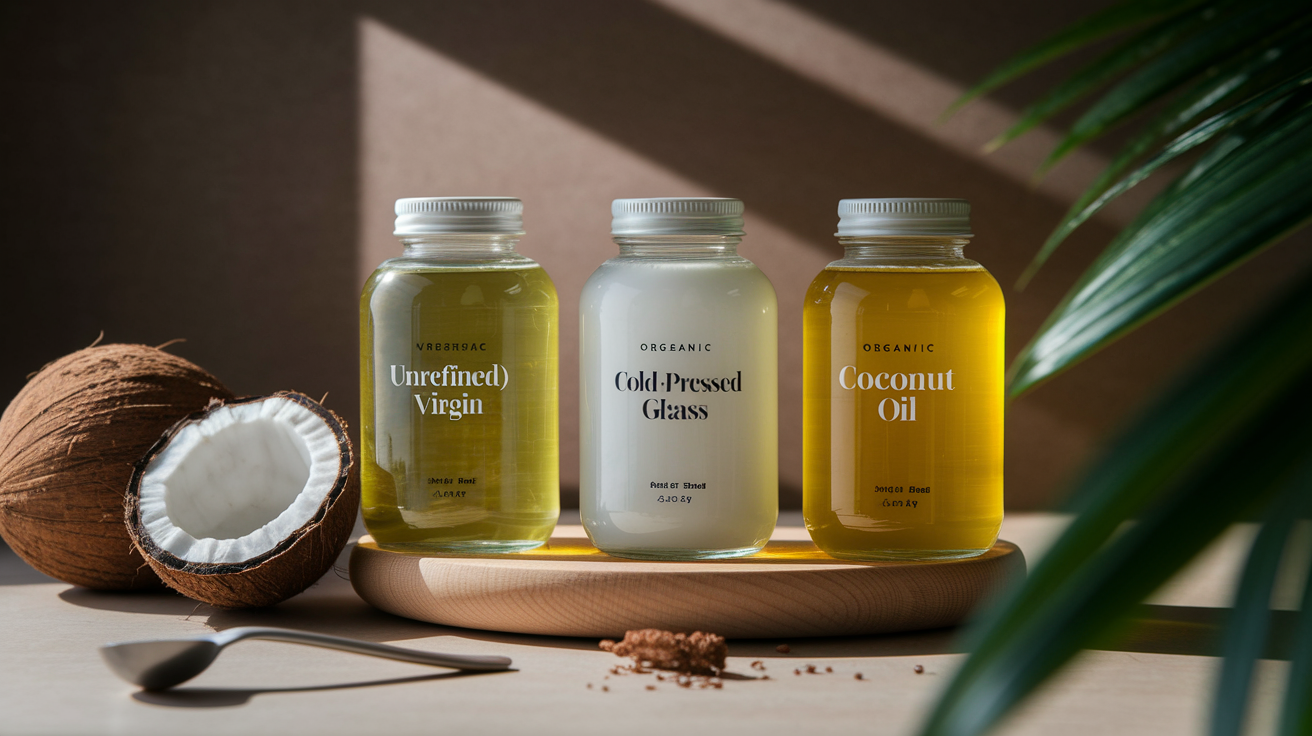
Not all coconut oils are created equal. Virgin or unrefined coconut oil is the best choice for dogs because it retains higher levels of lauric acid and other beneficial compounds. These oils are minimally processed, which means they keep more of the natural antimicrobial and moisturizing properties that help soothe itchy skin. Look for labels that say “cold-pressed” or “expeller-pressed.” These extraction methods preserve quality without using heat or chemical solvents.
Refined coconut oil has a milder scent and lighter texture, but the refining process strips away some of the active ingredients. It’s still safe for dogs and can work for topical use. Just less potent. Organic coconut oil is ideal because it’s free from pesticides and additives that could irritate sensitive skin. Always choose food-grade coconut oil with no added fragrances, flavorings, or preservatives. If the label lists anything other than 100% coconut oil, skip it.
| Type of Coconut Oil | Key Benefit |
|---|---|
| Virgin (Unrefined) | Highest lauric acid content; best for skin relief |
| Cold-Pressed | Retains beneficial compounds without heat damage |
| Organic | Free from pesticides and chemical additives |
Final Words
You can use coconut oil to soothe itchy skin, and this post laid out how it works, when it helps, and what improvement to expect in days to a couple of weeks.
We covered simple application steps and safe oral dosing, plus a quick test patch and cleanup routine to keep fur from getting greasy. We also flagged when to stop and call the vet for worsening itch, open sores, or diarrhea.
If you try it carefully and watch for trouble, coconut oil for dog itchy skin can be a gentle, helpful tool in your care kit.
FAQ
Q: How do I use coconut oil for my dog’s itchy skin?
A: Using coconut oil for your dog’s itchy skin means applying a small amount to clean, dry areas after a patch test, gently massaging once daily to problem spots, avoiding open wounds, and watching for improvement over days.
Q: What oil is best for dogs’ itchy skin?
A: The best oil for dogs’ itchy skin is virgin, unrefined coconut oil (cold-pressed) because lauric acid soothes and fights microbes. For internal support, fish oil supplements may help, so ask your vet first.
Q: What happens if I don’t rinse coconut oil off my dog?
A: If you don’t rinse coconut oil off your dog, it can leave greasy fur, attract dirt, clog pores, or lead your dog to lick and eat extra oil, possibly causing mild diarrhea. Wipe excess or give a short bath.
