
Think blood in your dog’s stool always means an emergency?
Not always.
If your dog is eating, drinking, and playing like usual, a small streak of bright red blood can come from minor irritation, a parasite, or a one-time trash snack.
Still, blood is never completely normal and dogs are good at hiding trouble.
This post explains common causes, what the color and amount can tell you, safe steps to try at home, and the clear signs that mean you should call or visit your vet right away.
Is Blood in My Dog’s Stool an Emergency?

Seeing blood in your dog’s stool is scary. But it doesn’t always mean you need to race to the emergency clinic. If your dog’s still eating, drinking, playing, and acting like their usual self, the blood might just be from mild irritation in the lower intestine or rectum. Small streaks of bright red blood in an otherwise healthy dog often clear up on their own or with simple care and a vet check within a day or two.
That said, blood in stool is never totally normal. Even when your dog looks fine, internal inflammation, parasites, or early disease can be developing without obvious pain or behavior changes. Dogs are really good at hiding discomfort. It’s a trait they inherited from wild ancestors who couldn’t afford to show weakness. A single episode might be manageable, but repeated blood, large amounts, or dark tarry stools need faster attention.
Some situations shift from “monitor at home” to “call the vet immediately” depending on a few key red flags. If your dog shows any of the following, treat it as urgent:
- Frequent or large volumes of blood in multiple bowel movements
- Vomiting, especially if blood or bile is present
- Extreme lethargy, weakness, or collapse
- Pale gums, rapid breathing, or signs of shock
Common Causes of Blood in a Dog’s Stool
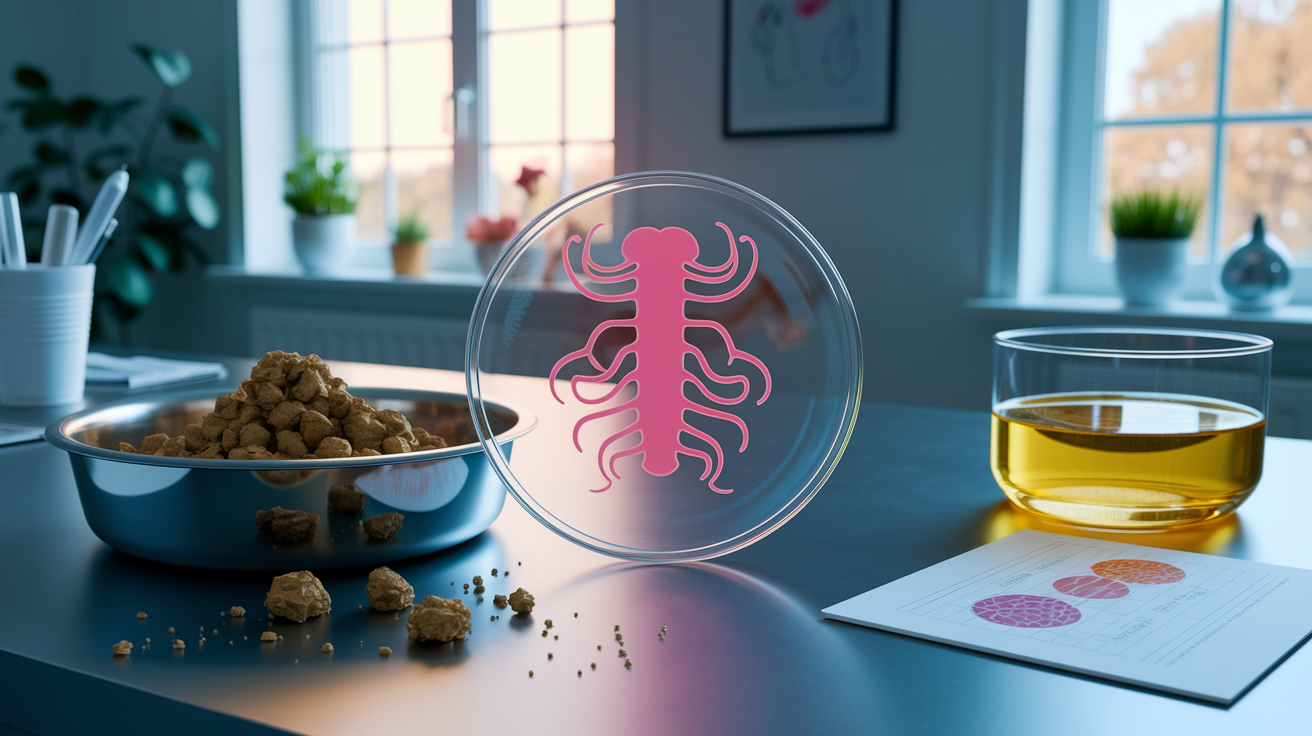
Mild, everyday causes are behind most cases of blood in stool, especially in dogs who otherwise feel fine. Dietary indiscretion is one of the most common culprits. Your dog may have eaten something that irritated the intestinal lining, like spoiled food, bones, or trash. Sudden diet changes, food allergies, or rich treats can also inflame the colon and cause small amounts of bright red blood. Stress related colitis is another frequent trigger, appearing after boarding, travel, a new pet in the home, or any major routine change.
Parasites are another everyday cause that many owners don’t think about right away. Hookworms, whipworms, roundworms, and protozoa like Giardia can damage the intestinal wall and produce visible blood in stool. These infections are common in puppies, dogs who visit parks or daycare, and pets with inconsistent deworming routines. A simple fecal test at the vet can identify most parasites quickly.
Infections can also lead to bloody diarrhea. Parvovirus is a serious viral infection that causes severe, often bloody diarrhea in unvaccinated or incompletely vaccinated dogs. Bacterial overgrowth or pathogens like Salmonella and Campylobacter may produce similar symptoms. Dogs with parvo typically show other signs like vomiting, fever, and rapid decline, but early cases can start with blood in the stool before the dog looks truly sick.
More serious conditions include hemorrhagic gastroenteritis (HGE), gastrointestinal ulcers, tumors, blood clotting disorders, and inflammatory bowel disease. HGE causes sudden, severe bloody diarrhea, often described as raspberry jam consistency, and can lead to shock if untreated. GI ulcers, sometimes triggered by pain medications like NSAIDs, cause dark tarry stools and can be life threatening. Tumors and bleeding disorders are less common but need urgent diagnostics.
What the Color and Appearance of the Blood Can Tell You
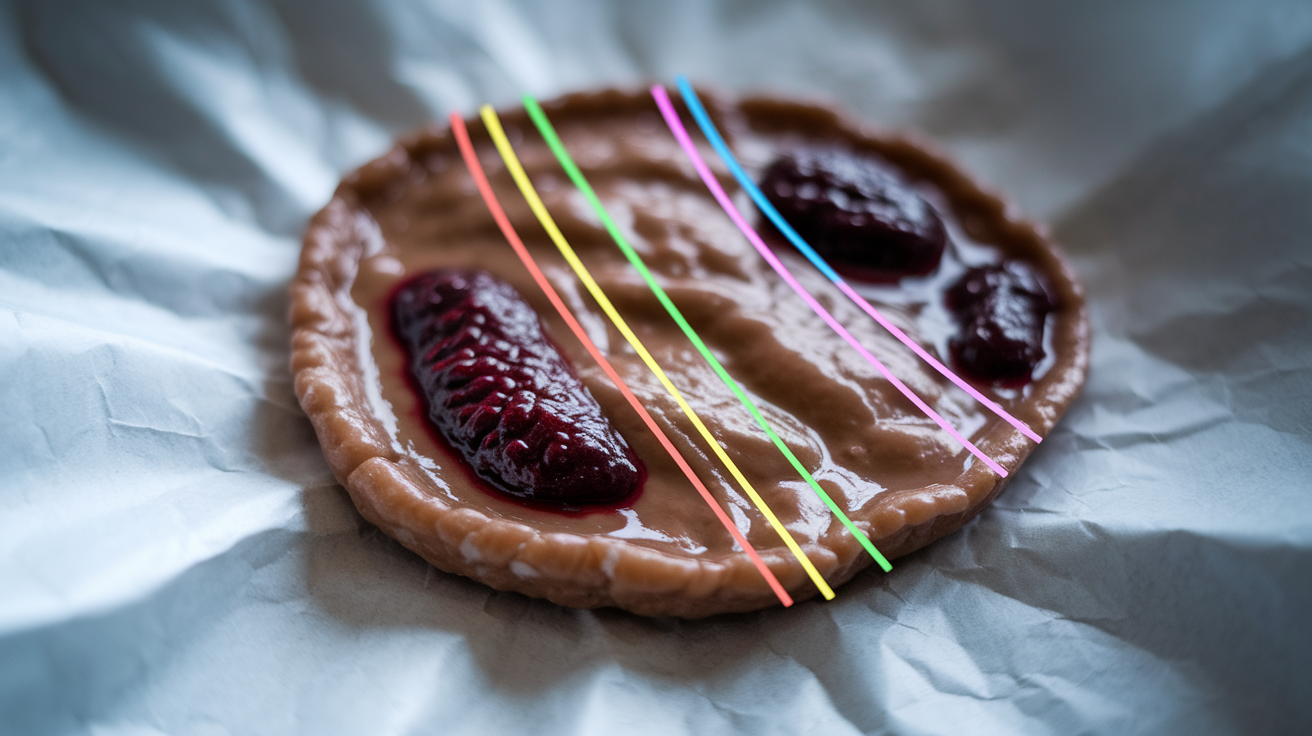
The color and texture of blood in your dog’s stool give clues about where the bleeding is happening and how serious it may be. Bright red blood usually comes from the lower digestive tract, like the colon, rectum, or anus. This type of bleeding is often caused by minor inflammation, straining, anal gland irritation, or colitis. Dark, black, tarry stool called melena signals bleeding higher up in the digestive system, such as the stomach or small intestine, where the blood has been partially digested.
Mucus mixed with blood often points to colitis or inflammation in the colon. If you see slimy, jelly like material along with streaks of red blood, your dog’s colon is likely irritated. Loose, watery diarrhea with blood suggests more widespread intestinal upset. Formed stool with a small amount of blood on the surface may indicate a one time strain or minor tear near the anus.
| Appearance | Possible Cause | Urgency Level |
|---|---|---|
| Bright red streaks or spots | Lower GI irritation, colitis, anal gland issue | Monitor at home; call vet if repeated |
| Dark, black, tarry stool (melena) | Upper GI bleeding, ulcer, internal bleeding | Urgent—contact vet same day |
| Blood with mucus or jelly-like coating | Colitis, inflammation, parasite | Vet visit within 24–48 hours |
| Watery diarrhea with large amounts of blood | Severe infection, HGE, parvo | Emergency—go to vet or ER now |
| Small spot of blood on surface of firm stool | Straining, minor anal tear, dietary irritation | Watch closely; call vet if continues |
Red Flag Symptoms to Watch For

Certain symptoms turn a “wait and see” situation into a same day or emergency vet visit. If any of these signs appear alongside blood in the stool, your dog needs professional care right away:
- Vomiting, especially multiple episodes or vomit containing blood or bile
- Extreme lethargy, difficulty standing, or collapse
- Pale or white gums, which can signal blood loss or shock
- Refusal to eat or drink for more than 12 hours
- Rapid increase in diarrhea frequency or very large volumes of blood
- Abdominal pain, bloating, or obvious discomfort when you touch the belly
These symptoms suggest the problem has moved beyond simple irritation and could involve infection, internal bleeding, dehydration, or life threatening disease.
When to Call the Vet (Even if Your Dog Seems Fine)

Even when your dog is playing, eating, and acting completely normal, blood in the stool is still worth a call to your veterinarian. Dogs are experts at masking pain and discomfort. Early stage GI disease, parasites, or low grade inflammation can be present without outward signs. A vet can help you decide whether the situation is safe to monitor at home or needs immediate attention based on your dog’s history, the frequency of blood, and other subtle details you might not notice.
If blood appears more than once, even in small amounts, schedule a vet visit and bring a fresh stool sample. Repeated bleeding suggests an ongoing issue rather than a one time irritation. Your vet will likely run a fecal test to check for parasites, bacteria, and other pathogens, and may recommend bloodwork or imaging if the pattern is concerning.
Volume and pattern matter as much as behavior. A single small streak on firm stool in an otherwise healthy dog can often be watched for 24 hours, but large amounts of blood, dark or tarry stools, or blood mixed with diarrhea should prompt a same day call. Trust your instinct. If something feels off, even if your dog looks fine, it’s always safer to ask a professional.
Safe At Home Steps While Monitoring Your Dog
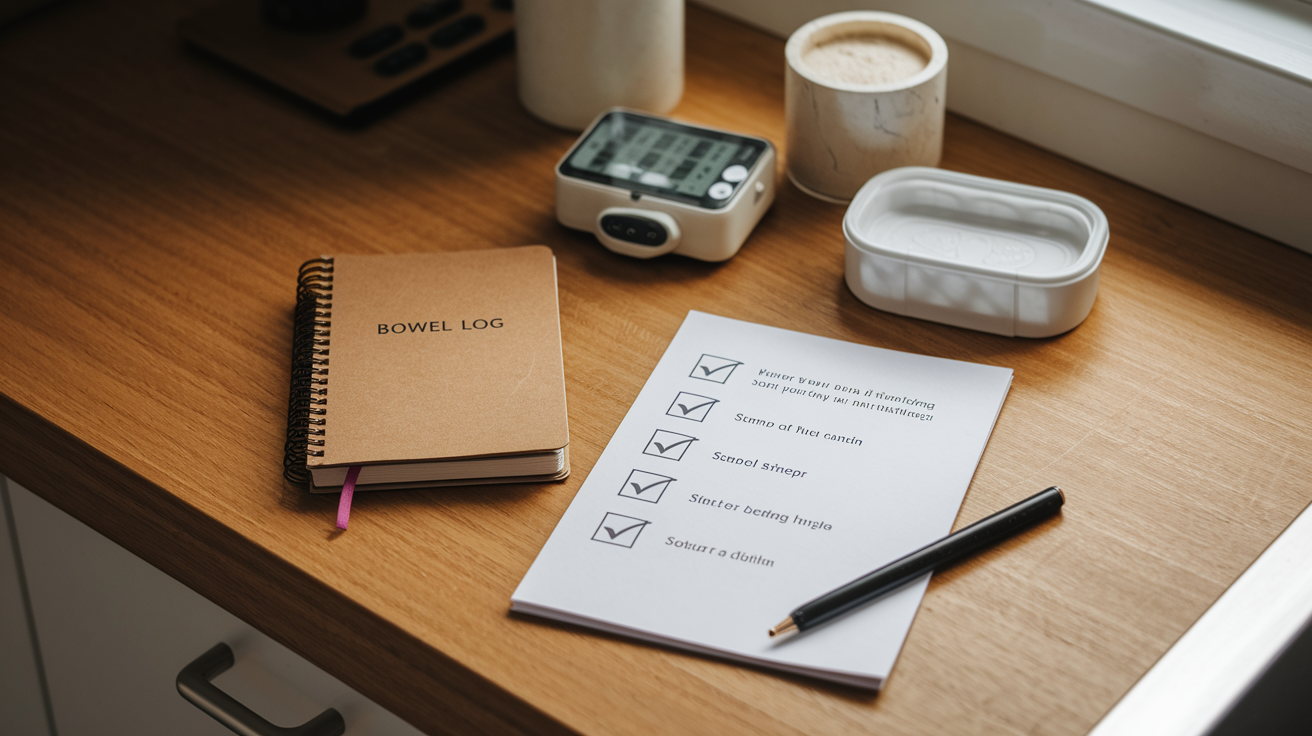
If your vet advises you to monitor at home for a short period, there are a few safe, simple steps you can take to support your dog’s digestive system and watch for changes. Start by withholding food for 12 to 24 hours to give the gut a chance to rest and settle. Always provide fresh water, and watch closely to make sure your dog is drinking. Dehydration can develop quickly with diarrhea, so check for dry gums, sunken eyes, or skin that doesn’t snap back when gently pinched.
After the fasting period, offer a bland diet for a few days. Boiled chicken or lean ground beef mixed with plain white rice is easy to digest and gentle on the intestines. Feed small, frequent meals rather than large portions. Four to six small servings a day work better than two big meals. Gradually reintroduce your dog’s regular food over three to five days by mixing increasing amounts with the bland diet.
Here are four practical steps to follow while you monitor:
- Keep a log of every bowel movement, noting the time, appearance, and whether blood is present.
- Take photos or collect a fresh stool sample in a clean container and refrigerate it in case your vet needs it.
- Avoid giving over the counter medications, including Pepto Bismol, Imodium, or pain relievers, unless your vet specifically instructs you to. Some can be dangerous or mask serious symptoms.
- Watch for changes in appetite, energy, drinking habits, vomiting, or any new symptoms, and contact your vet immediately if anything worsens.
How to Prevent Future Episodes

Preventing blood in your dog’s stool starts with a stable, high quality diet and slow transitions whenever you change food. Sudden diet switches, rich treats, table scraps, or access to garbage are common triggers for GI upset and colitis. Stick to one consistent food. If you need to switch brands or protein sources, do it gradually over seven to ten days by mixing increasing amounts of the new food with the old.
Regular parasite prevention is another cornerstone of GI health. Use veterinarian recommended monthly preventatives that cover intestinal worms, and bring fresh stool samples to your annual or biannual vet visits for fecal testing. Puppies, dogs in daycare, and those who visit dog parks or shared outdoor spaces are at higher risk and may need more frequent deworming or testing.
Environmental management helps reduce exposure to potential irritants and hazards. Keep trash cans secure, pick up bones and foreign objects from the yard, and supervise your dog closely during walks to prevent scavenging. Reduce stress where possible. Maintain consistent routines, provide quiet spaces during household changes, and consider calming aids or gradual desensitization if your dog is prone to stress related colitis during boarding or travel.
Final Words
You found blood in your dog’s stool but they’re acting normal. Start by checking the color, note how often it happens, and watch for red flags like vomiting, pale gums, or weakness. A single small streak can be mild, but repeat bleeding or other signs need quick care.
If you see blood in dog stool but acting normal, contact your vet for advice, share photos, and follow simple home steps (hydration, bland food). Stay calm. Many causes are fixable with timely attention.
FAQ
Q: Why did my dog just poop blood but act normal?
A: A dog that pooped blood but acts normal may have lower GI irritation, a small tear, or parasites; normal behavior can hide internal issues—call your vet today if bleeding repeats, vomits, or gums look pale.
Q: What to feed a dog with bloody stool?
A: To feed a dog with bloody stool, fast briefly (up to 12 hours), then offer boiled, skinless chicken and plain white rice or canned pumpkin; keep water available and call your vet if bleeding continues.
