
What if a cheap kitchen scale could catch kidney disease years earlier than blood tests?
Senior cats can lose tiny amounts of weight for months before a vet test shows a problem.
That slow slide is easy to miss unless you measure and record carefully.
This guide shows the best ways to track senior cat weight loss at home, including weekly weighing routines, simple body and muscle checks, photo timelines, and quick notes your vet can use.
Do these steps and you’ll spot worrying trends sooner and get your cat the help they need.
Practical Home Methods for Tracking Senior Cat Weight Changes
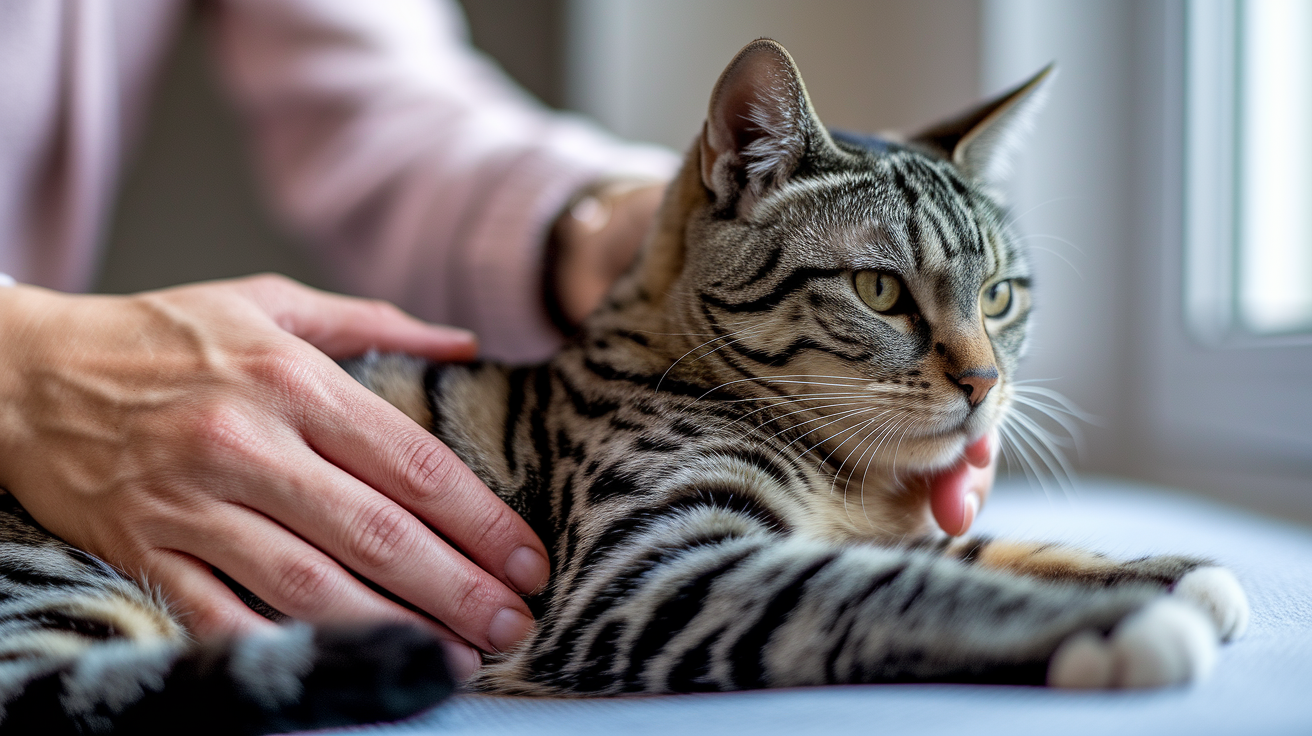
Senior cats start losing weight years before disease shows up. Chronic kidney disease can chip away at your cat’s weight for up to three years before blood tests confirm anything’s wrong. Hyperthyroidism and diabetes do the same thing, silently pulling pounds off while you think everything’s fine. Your hands catch this before any test can, and a cheap kitchen scale gives your vet the numbers they need to move fast.
Weigh your senior cat once a week, same day, same time. Morning before breakfast works best. Any digital scale showing ounces or tenths of a pound will do. If your cat won’t sit still, step on holding your cat, then step on alone and subtract. Write it down every time. Today’s number might look normal, but without last month’s number you’ll miss the pattern.
A log turns guessing into proof. Losing 0.5 to 1 percent per week is a red flag. For a 12 pound cat, that’s only 2 ounces in seven days. You’ll miss it without a record. And when you pair weight drops with appetite shifts or litter box changes, your vet gets the full story instead of scattered pieces.
Quick start steps for weighing today:
Pick the same day and time every week, like Sunday morning before food. Use any digital scale that reads ounces or tenths. Weigh weekly and write it in a notebook or phone. Add one sentence about eating, like “finished everything” or “left half the bowl.” Keep at least four to eight weeks so you can see trends, not daily noise.
Understanding Senior Cat Weight Trends and What Changes Mean

Small shifts don’t mean much day to day. Water, a recent meal, bathroom timing can move the number a few ounces either way. What counts is the pattern across weeks. If your cat drops the same small amount every week for two or three weeks straight, that steady slide points to something real. A 10 pound cat losing 4 ounces over two weeks has lost 2.5 percent, which crosses the line into clinical concern.
The “1 percent rule” tells you when to call. Losing 0.5 to 1 percent of body weight per week for two weeks means it’s time. For a 12 pound cat, 1 percent is about 2 ounces. For 9 pounds, it’s 1.4 ounces. Those numbers sound tiny. But they signal the body’s burning reserves faster than food replaces them. Kidney disease, hyperthyroidism, diabetes cause this slow drain, and catching it early improves outcomes and cuts costs.
Watch for muscle loss even when the scale stays flat. Some seniors lose muscle while body fat sticks around. That’s sarcopenia. Your cat weighs the same as last year but feels bonier along the spine, hips, shoulders. That shift is just as serious as a scale drop. Muscle wasting links to disease progression and higher mortality. If your hands feel bones you didn’t feel six months ago, call your vet even if the weight looks fine.
Accurate Weighing Tools and Techniques for Senior Cat Weight Tracking
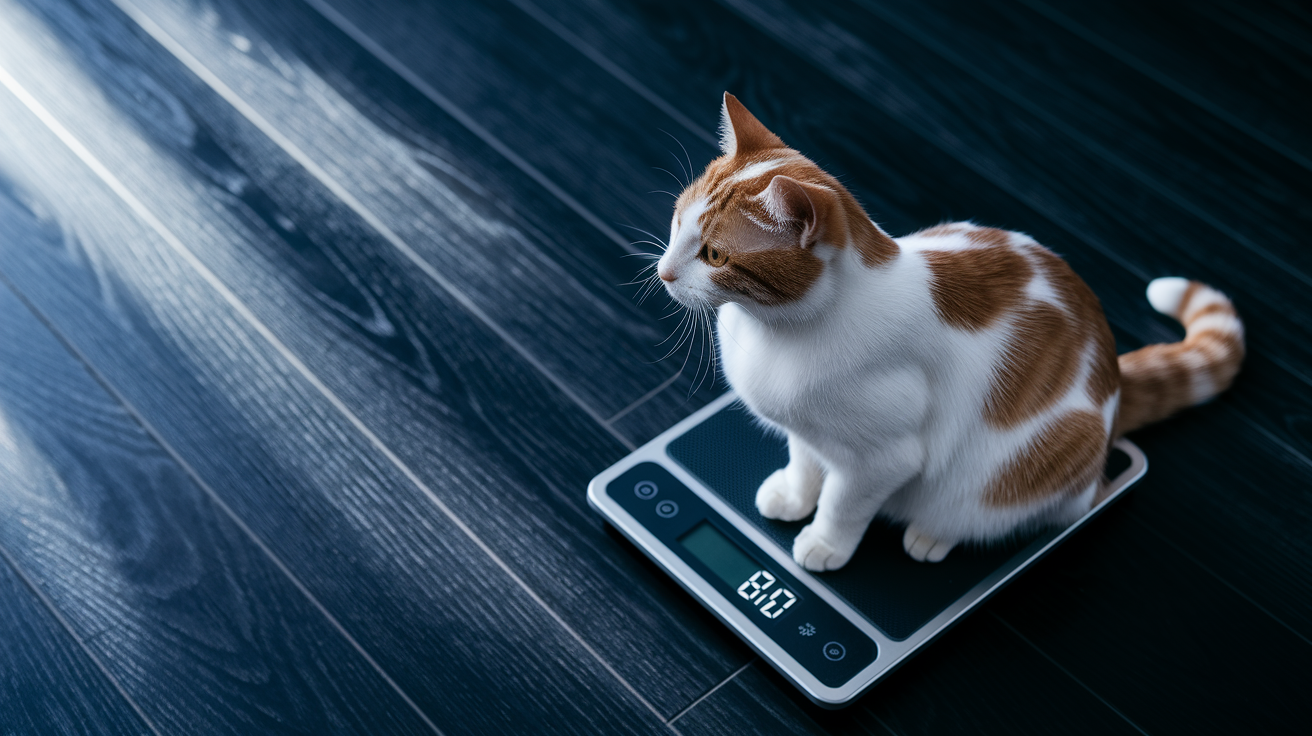
You need precision down to 0.02 pounds, about 10 grams or a third of an ounce. Most bathroom scales round to the nearest half pound, and that’s too coarse. A pet scale or kitchen scale reading grams or ounces catches the small changes that matter. If your bathroom scale shows tenths (like 10.4 lb or 10.6 lb), that works. Test it by weighing the same object three times. If all three match, you can trust it.
Put your scale on hard, level floor. Tile or hardwood. Carpet and rugs compress and add random error reaching 3 to 5 percent. Hard surface keeps noise under 1 percent so you see real trends. If your cat won’t sit calmly, use a lightweight carrier or small cardboard box. Set the empty carrier on the scale, press tare or zero, then put your cat inside and close the door. The scale shows only your cat’s weight.
Weigh at the same time every day or week. Morning before the first meal works best because food, water, litter box use all add weight during the day. A cat weighed Monday at 7 a.m. and Wednesday at 8 p.m. can show a false 4 ounce difference from a full stomach and bladder, not actual body change. Consistency in timing cuts variability and makes your log accurate enough for clinical use.
Standardized weighing protocol (five steps):
Place your scale on hard, level floor. No rugs or mats underneath. If your cat won’t sit still, set a lightweight empty carrier on the scale and press Tare or Zero. Gently place your cat on the scale or inside the tared carrier and wait for the reading to settle, usually 3 to 5 seconds. Record the weight right away with date and time. Repeat at the same time each week. Pick a day and stick to it so meal timing and hydration stay constant.
Using Body Condition and Muscle Condition Scoring to Track Loss Beyond the Scale
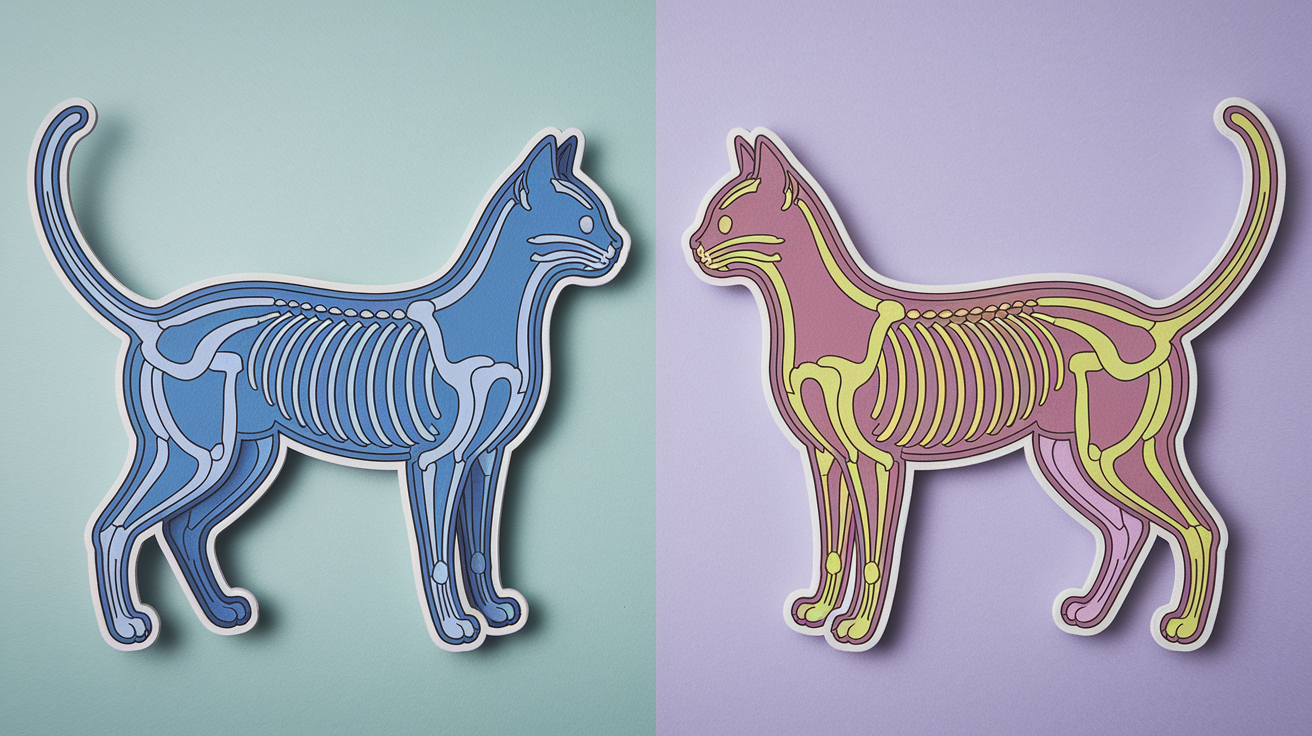
Body Condition Scoring uses a 9 point scale. Five out of 9 is ideal. At a score of 5, you feel ribs with light pressure, see a visible waist from above, notice a gentle tuck looking from the side. A score of 4 means ribs are easy to feel and the waist is obvious. Your cat’s starting to look thin. A score of 3 or lower means prominent bones and severe muscle loss. Do a full hands on check once a month, even if scale weight looks stable. Some seniors stay at the same number while muscle melts and fat replaces it.
Run your hands along ribs, spine, hips once a month. Compare what you feel this month to last month. Muscle loss shows up as sharper bone edges, flatter sides, a more triangular shape looking down from above. If changes feel sudden or you’re not sure, take a photo from the side and directly above. Compare this month’s shot to one from three months back. You see your cat every day, so gradual wasting goes unnoticed until a photo makes it obvious.
Rib and Waistline Assessment
Place both hands gently on your cat’s rib cage just behind the front legs and apply light pressure like you’re petting. At ideal condition, you should feel each rib under a thin layer of fat and muscle. If ribs feel sharp or you can see the outline of each rib, your cat’s lost too much padding. Now look from the side while your cat’s standing. A healthy senior has a slight upward slope from chest to hips, called an abdominal tuck. If the belly hangs low or the line from chest to hips is straight or sagging, your cat may be overweight or losing core muscle tone.
Look at your cat from directly above while standing. You should see a gentle inward curve at the waist just behind the ribs. That curve should be noticeable but not extreme. If the sides are straight or bulging outward, body condition’s too high. If the waist curve is very deep and hips stick out like corners, your cat’s underweight or losing muscle. Photograph this overhead view once a month under the same light. Line up photos side by side every few months to catch changes your eyes miss day to day.
Detecting Early Muscle Loss
Run one hand slowly down your cat’s spine from shoulders to hips. The spine should feel smooth and padded. If each vertebra feels like a bead on a string or the spine ridge feels sharp, muscle has wasted along the back. Next, cup your hands over the hips. Hip bones should be easy to locate but not poking up. When hip bones become prominent points you can see from across the room, serious muscle loss has happened.
Check the side profile again. A senior cat with good muscle has rounded shoulders and hips, and the back line has a gentle S curve. Muscle wasting flattens that curve. The back may look straight, hips angular, legs thinner near the top. Even if your cat’s weight hasn’t dropped on the scale, these shape changes mean it’s time to call your vet. Weight alone doesn’t tell you whether your cat’s losing fat, muscle, or both.
Documentation Tools for Tracking Senior Cat Weight Loss Over Time

A written log turns scattered weighing into a timeline your vet can interpret. Bring at least four to eight weeks of weight data to every senior checkup. Your vet looks for rate of change, not just the current number. A spreadsheet or simple notebook page works equally well. What matters is recording date, weight, percentage change from last time, and any notes about appetite, water, litter box, or behavior.
Photo comparison timelines help you see what daily familiarity hides. Take one side view and one overhead shot of your cat standing on the same surface in the same light once a month. Store them in a dedicated folder on your phone or computer, labeled by date. When you line up three or four months side by side, muscle loss, waist narrowing, or rib prominence becomes obvious. Bring these photos to vet appointments alongside your weight log. They provide context the scale can’t.
| Date | Weight | Percent Change | Notes on Appetite/Behavior |
|---|---|---|---|
| Jan 7 | 11.2 lb | — | Ate full breakfast, normal energy |
| Jan 14 | 11.0 lb | −1.8% | Left a few bites, slept more than usual |
| Jan 21 | 10.9 lb | −0.9% | Ate normally, drinking more water |
| Jan 28 | 10.7 lb | −1.8% | Refused dry food, ate only wet, litter box clumps smaller |
| Feb 4 | 10.6 lb | −0.9% | Begging for food constantly but still losing weight |
| Feb 11 | 10.4 lb | −1.9% | Ribs easier to feel, vet appointment scheduled |
Tracking Food Intake and Feeding Patterns to Support Weight Monitoring

Measuring daily food intake helps you separate appetite loss from true weight loss. Use a kitchen scale or measuring cup to portion every meal. Write down exactly how much you offered and how much your cat ate. After a few weeks, you’ll know whether your cat’s eating 80 calories a day or 180, and whether that number’s dropping. Senior cats may eat less because dental disease makes chewing painful, kidney disease causes nausea, or reduced sense of smell makes food less appealing. Catching a 20 percent drop in intake early gives your vet a head start on diagnosis.
Five ways to track food intake for better weight monitoring:
Measure every meal with a digital kitchen scale (in grams) or standard measuring cup and record the amount. At the next meal, measure leftovers and subtract to find exactly how much your cat ate. Write down type and brand so your vet can calculate calories and protein. Note any treats, table scraps, or food stolen from other pets. Those calories count. Log feeding times so you can spot patterns like “always refuses breakfast” or “eats well at night but not during day.”
High quality, digestible protein supports muscle preservation in seniors. If your cat’s eating the same amount as last year but still losing weight, the problem may be absorption, not appetite. Many chronic diseases reduce the gut’s ability to break down and use protein. Your vet may recommend switching to more calorie dense food or one with easier to digest protein sources. Tracking intake lets you measure whether a diet change actually increases calories going in, or whether your cat simply eats less of the new food and ends up with the same or lower total.
Health Conditions That Cause Weight Loss in Senior Cats and Why Tracking Matters
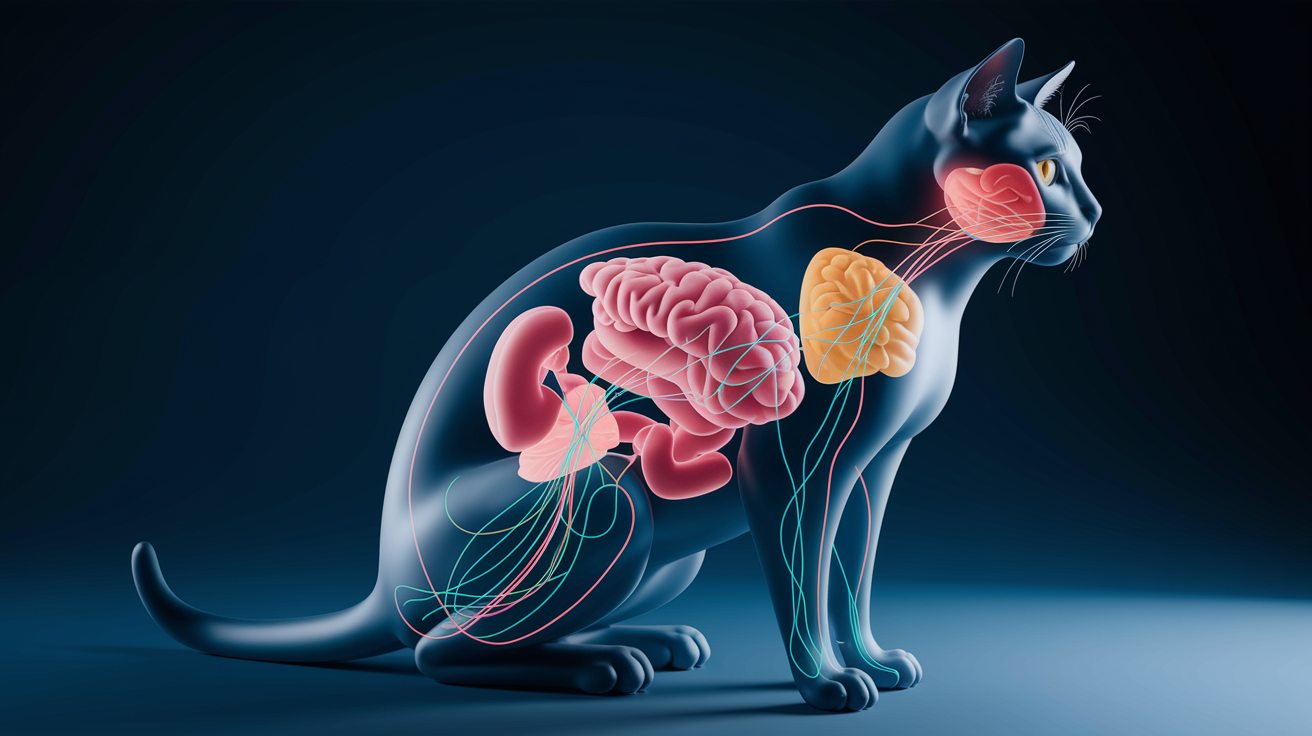
Chronic kidney disease is one of the most common causes of senior cat weight loss, and it starts silently. Cats with CKD may begin losing weight up to three years before blood tests confirm the diagnosis. The kidneys lose ability to concentrate urine, leading to increased thirst and urination. Appetite drops because waste products build up in blood and cause nausea. Weight loss is gradual. Because it happens slowly, many owners don’t notice until the cat’s lost 15 or 20 percent. Early detection through regular weighing and bloodwork gives your vet time to slow progression with diet changes, hydration support, medications.
Hyperthyroidism speeds up your cat’s entire metabolism. It’s caused by a benign tumor on the thyroid gland pumping out too much thyroid hormone. Affected cats often eat more than ever but still lose weight because their body burns calories faster than food replaces them. You may also notice increased thirst, hyperactivity, poor coat, and sometimes vomiting or diarrhea. Diagnosis requires a simple blood test measuring thyroid hormone levels. Treatment options include daily medication, radioactive iodine therapy, or prescription diet. Untreated hyperthyroidism can cause high blood pressure, heart disease, sudden blindness. But many complications can reverse or stabilize if you catch it early and start treatment promptly.
Diabetes mellitus is more common in overweight cats and those fed free choice dry food diets high in carbs. The body becomes resistant to insulin, and blood sugar stays high while muscles starve for energy. Early signs include increased thirst, increased urination, weight loss despite strong appetite. Dental disease causes pain, drooling, bad breath, trouble chewing, leading to reduced food intake. Tooth resorption is especially painful and common in seniors. Arthritis reduces mobility, making it harder to reach food bowls or jump to feeding platforms, and chronic pain lowers appetite. Gastrointestinal diseases like inflammatory bowel disease or intestinal lymphoma reduce nutrient absorption even when the cat eats normally. All these conditions share one feature. They cause slow, steady weight loss you can catch early if you weigh weekly and track the trend.
Identifying When Senior Cat Weight Loss Requires a Veterinarian
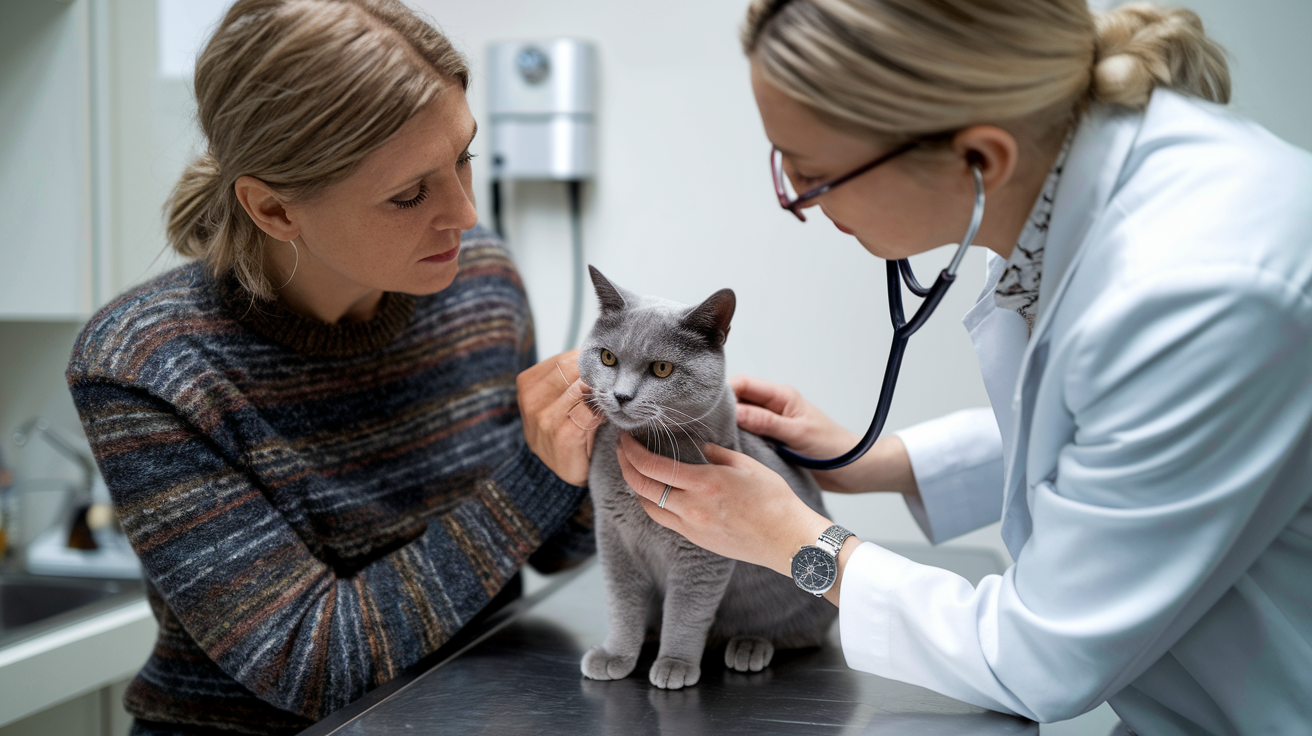
Call your vet if your cat loses 0.5 to 1 percent of body weight per week for two consecutive weeks. For a 10 pound cat, that’s 0.8 to 1.6 ounces per week. For 12 pounds, about 1 to 2 ounces. These numbers sound small. But sustained weekly loss at that rate signals the body’s in negative energy balance, burning through muscle and fat reserves. Don’t wait for loss to become visually obvious. By the time you see ribs and hip bones from across the room, your cat may have lost 15 or 20 percent, and treatment becomes harder and more expensive.
Watch for changes happening alongside weight loss. Increased thirst or visibly larger clumps in the litter box can indicate kidney disease or diabetes. Decreased thirst or smaller, harder stools may point to dehydration or constipation. Any appetite change, eating much more, eating much less, suddenly refusing a food your cat loved for years, deserves attention. Rapid muscle loss, trouble jumping, limping, poor grooming, dull coat are red flags even if scale weight hasn’t dropped yet.
Four red flags requiring immediate veterinary evaluation:
Weight loss of 1 percent or more per week for two weeks in a row. Sudden appetite swings, eating ravenously but still losing weight, or refusing food entirely. Litter box changes, bigger or more frequent clumps, straining, blood, very small dry stools. Visible muscle wasting or prominent bones over spine, ribs, hips even if scale weight is stable.
Senior cats should see a vet every six months, not once a year. At each visit, ask for body condition scoring, bloodwork including thyroid panel, and urinalysis. These tests catch kidney disease, hyperthyroidism, diabetes before weight loss becomes severe. Bring your weight log and any photos or notes about appetite and litter box habits. Your documentation gives your vet the data needed to make faster, more accurate decisions.
Creating a Long Term Senior Cat Weight Monitoring Plan
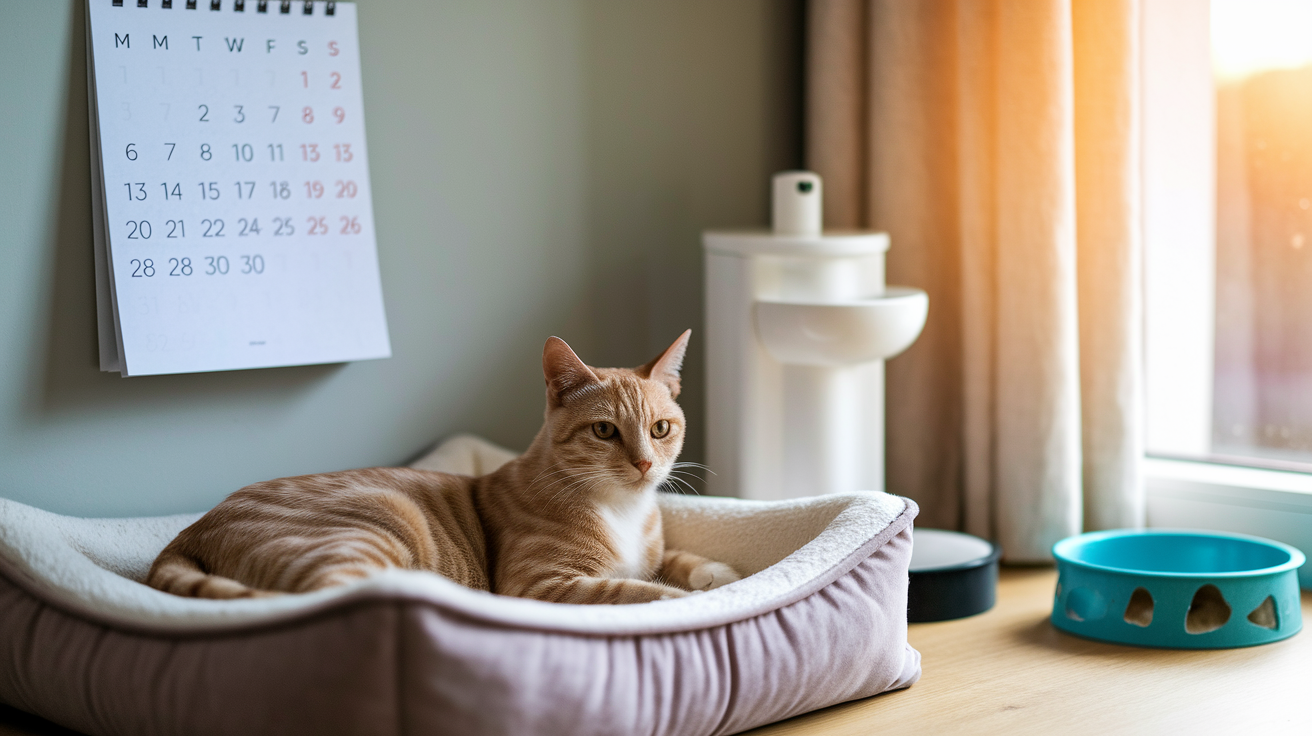
A sustainable monitoring plan combines weekly weighing, monthly body condition checks, daily appetite observation, routine veterinary care. Consistency reduces measurement error to less than 1 percent, making your data reliable enough for clinical decisions. Your goal isn’t perfection. It’s building a habit that lasts for years and catches problems while they’re still small and treatable. Write your weighing day on the calendar, set a phone reminder, or pair it with another weekly task like laundry or grocery shopping so you don’t forget.
Owner checklist for long term senior cat weight monitoring:
Weigh your cat every week on the same day, same time, using the same scale on a hard floor. Do a full hands on body condition check once a month on ribs, spine, hips, waistline. Measure and record daily food intake at least once a week to confirm your cat’s eating consistent amounts. Take side view and overhead photos once a month in the same location and lighting. Keep a simple log with date, weight, percentage change, one sentence notes on appetite or behavior. Schedule vet checkups every six months and bring your weight log, photos, any questions about changes you’ve noticed.
Stable routines help anxious or stressed seniors maintain appetite and body condition. Avoid frequent changes in food brand, feeding location, household schedule. If you must introduce a new pet or move furniture, monitor weight and appetite closely for the following month. Stress can suppress appetite in cats. Seniors are especially vulnerable. Gentle daily play preserves muscle mass and keeps joints mobile, but respect your cat’s limits. Short, low energy sessions are better than nothing. Soft bedding in warm, quiet areas encourages rest and reduces the physical cost of staying comfortable. A long term plan isn’t about adding more work to your day. It’s about noticing small changes early, when a simple diet tweak or medication adjustment can keep your senior cat healthy for years to come.
Final Words
You learned rapid, practical steps: weigh your senior cat today, pick a consistent time and simple scale method, and note appetite and behavior. We also covered reading trends like the 1%‑per‑week red flag, body and muscle checks, and how to log results for clearer vet conversations.
Start a simple routine now, with weekly weigh-ins, a short weight log, and photos when you can. These are the best ways to track senior cat weight loss, helping you spot issues early and keep your cat comfortable and cared for.
FAQ
Q: Can a senior cat lose weight and still be healthy?
A: A senior cat can lose weight and still be healthy, but gradual loss over 0.5–1% per week is a red flag, so weigh weekly, log results, watch appetite, and contact your vet if loss reaches that level.
Q: How to help a senior cat put on weight?
A: To help a senior cat put on weight, offer palatable high-protein wet food in small frequent meals, warm food to boost smell, manage dental pain, track intake, and see your vet for a tailored feeding plan.
Q: What is the silent killer of cats?
A: The silent killer of cats is chronic kidney disease (CKD), a slow illness that causes subtle weight loss, drinking and appetite changes; regular senior bloodwork, urinalysis, and weight tracking help catch it early.
Q: How much should a 12 year old cat weigh?
A: A 12-year-old cat should weigh an amount appropriate for its frame; many adult domestic cats range 8–12 lb, but use body condition scoring and your vet’s advice to set an ideal target.
