
Could a few simple changes to your dog’s food and daily routine save them from a painful, costly emergency?
Pancreatitis happens when the pancreas turns on itself, and it can be sudden and very painful.
The good news is most cases are preventable by the choices you make at mealtime, during walks, and when you pick treats or supplements.
This post shows low-fat feeding, measured meals, safe treats, weight control, and med checks so you can cut risk and spot problems early.
Core Prevention Strategies for Reducing Pancreatitis Risk in Dogs

Your dog’s pancreas makes enzymes that break down food. When it gets inflamed, those enzymes turn on too early and start digesting the pancreas itself. It’s painful. It’s dangerous. And you can prevent it by controlling what your dog eats and when.
Low-fat feeding does more to prevent pancreatitis than anything else. Most vets want you around 10 to 15 percent crude fat on a dry-matter basis, especially if your dog’s had pancreatitis before or sits in a high-risk category. Therapeutic diets hit that number reliably. If you’re doing homemade or raw, you’ll need your vet to help you nail down portions and fat targets so you don’t overshoot.
Smaller, more frequent meals keep the pancreas from getting slammed. Instead of one or two big bowls, split your dog’s daily food into three or four measured servings. Steady workload means less enzyme surge. Pair that schedule with these basics:
- Cut out table scraps completely. No turkey skin, gravy, bacon, sausage, or buttery leftovers.
- Transition to new food slowly over 7 to 10 days, adding 10 to 25 percent more each day so the pancreas can adjust.
- Measure portions with a scale or measuring cup. Don’t guess and don’t free-feed.
- Pick treats under 10 percent fat and cap all treats at 10 percent of daily calories.
- Lock up trash cans and keep counters clear so your dog can’t scavenge.
Identifying and Managing Key Risk Factors

Obesity is one of the biggest preventable risks. Extra fat raises inflammation across the body and pushes blood triglycerides up, both of which stress the pancreas. Even moderate weight gain increases risk. Obese dogs can be many times more likely to develop pancreatitis than lean dogs of the same breed and age.
Endocrine disorders like diabetes and hypothyroidism also raise risk. Diabetes changes how the body processes fat and sugar. Hypothyroidism slows metabolism, which usually means weight gain and higher cholesterol. If your dog’s been diagnosed with either, your vet will likely want regular bloodwork to track triglycerides and pancreatic enzymes, plus tight dietary control.
Dietary indiscretions can trigger sudden pancreatitis. Raiding the trash, eating dropped food on a walk, sneaking into the pantry. A single meal of spoiled, rich, or unfamiliar food can inflame the pancreas. Watch out during holidays, parties, and camping trips when food gets easier to reach and supervision slips.
Weight Management and Healthy Body Condition

Keeping your dog lean is one of the most direct ways to cut pancreatitis risk. Vets use a Body Condition Score scale from 1 to 9. You want 4 to 5. At that score, you can feel your dog’s ribs without pressing hard, see a waist from above, and notice a tucked abdomen from the side.
If your dog scores above 5, work with your vet to create a safe weight-loss plan. Fast weight loss can backfire, especially in small or metabolically fragile dogs. Aim for about 1 to 2 percent of body weight per week. Your vet will calculate daily calories using resting energy requirement and adjust portions as weight comes off.
Here’s how to manage weight without guessing:
- Weigh your dog monthly on the same scale and track it.
- Use a kitchen scale to measure food in grams, not volume scoops.
- Cut treats first. Swap biscuits for baby carrots, green beans, or small apple pieces.
- Increase activity slowly, adding 5 to 10 minutes of walking per day each week until you hit a routine that fits your dog’s age and fitness.
Safe Exercise Habits That Support Pancreatic Health

Regular, moderate exercise keeps weight healthy and supports digestion and metabolism. Daily walks, gentle play, and low-impact activities like swimming work well for most dogs. Aim for 20 to 60 minutes total per day, split into two or three sessions if your dog gets tired easily or is older.
Don’t push intense activity right after meals. Running, jumping, or hard ball-chasing immediately after eating can upset digestion, contribute to bloat, and stress the pancreas. Wait at least 30 to 60 minutes after a meal before exercising. Mix up activities. Long walks, short play breaks, and occasional rest days prevent overuse injuries and give the body time to recover.
Choosing Treats and Chews That Don’t Trigger Pancreatitis

Treats are where fat sneaks in. Many popular snacks like bacon strips, cheese cubes, pig ears, some rawhide alternatives, and fatty jerky contain 20 to 40 percent fat or more. Even a small handful can be dangerous for a pancreatitis-prone dog.
Check the guaranteed analysis on packaging and pick products under 8 to 10 percent crude fat. If the label doesn’t list fat content, skip it. When you’re not sure, use whole foods you can control. Safe, low-fat options:
- Plain, unsalted rice cakes broken into small pieces.
- Fresh or frozen carrot sticks, cucumber slices, or green beans with no butter or seasoning.
- Small cubes of plain, cooked chicken breast or lean turkey breast with all skin and fat trimmed.
- Air-popped popcorn with no butter, salt, or oil.
- Commercial low-fat training treats made for sensitive stomachs or weight management.
Medication and Supplement Cautions

Some medications have been linked to pancreatitis in dogs, though it’s relatively rare. Drugs like potassium bromide (used for seizure control), some corticosteroids, azathioprine, L-asparaginase, and a few chemotherapy agents may increase risk. If your dog takes any prescription long-term, ask your vet whether the drug has any connection to pancreatic inflammation and whether monitoring or alternatives make sense.
Supplements and over-the-counter products deserve caution too. Fish oils, coconut oil, and fat-soluble vitamins can add hidden fat to your dog’s diet. Sudden changes in supplementation may disrupt digestion. Never start, stop, or change the dose of any supplement without talking to your vet first. If your dog has a history of pancreatitis or elevated triglycerides, your vet may suggest specific low-fat formulations or alternative therapies that don’t increase pancreatic workload.
Breed Predispositions and Genetic Considerations

Some breeds carry a genetic tendency toward pancreatitis and high blood lipids. Miniature Schnauzers are the most strongly linked, with many lines showing inherited hyperlipidemia (abnormally high triglycerides and cholesterol). Yorkshire Terriers, Cocker Spaniels, Dachshunds, Miniature Poodles, and Shetland Sheepdogs also show up more frequently in pancreatitis case reports than other breeds.
If you own one of these breeds, preventive screening matters. Ask your vet to run fasting triglyceride and cholesterol levels as part of annual or biannual wellness bloodwork. Fasting triglycerides above 200 mg/dL are elevated. Levels above 500 mg/dL are severe and need immediate dietary intervention and possibly medication. Breeds at higher risk:
- Miniature Schnauzers (strong genetic link to lipid metabolism disorders)
- Yorkshire Terriers
- Cocker Spaniels
Early Warning Signs to Watch For
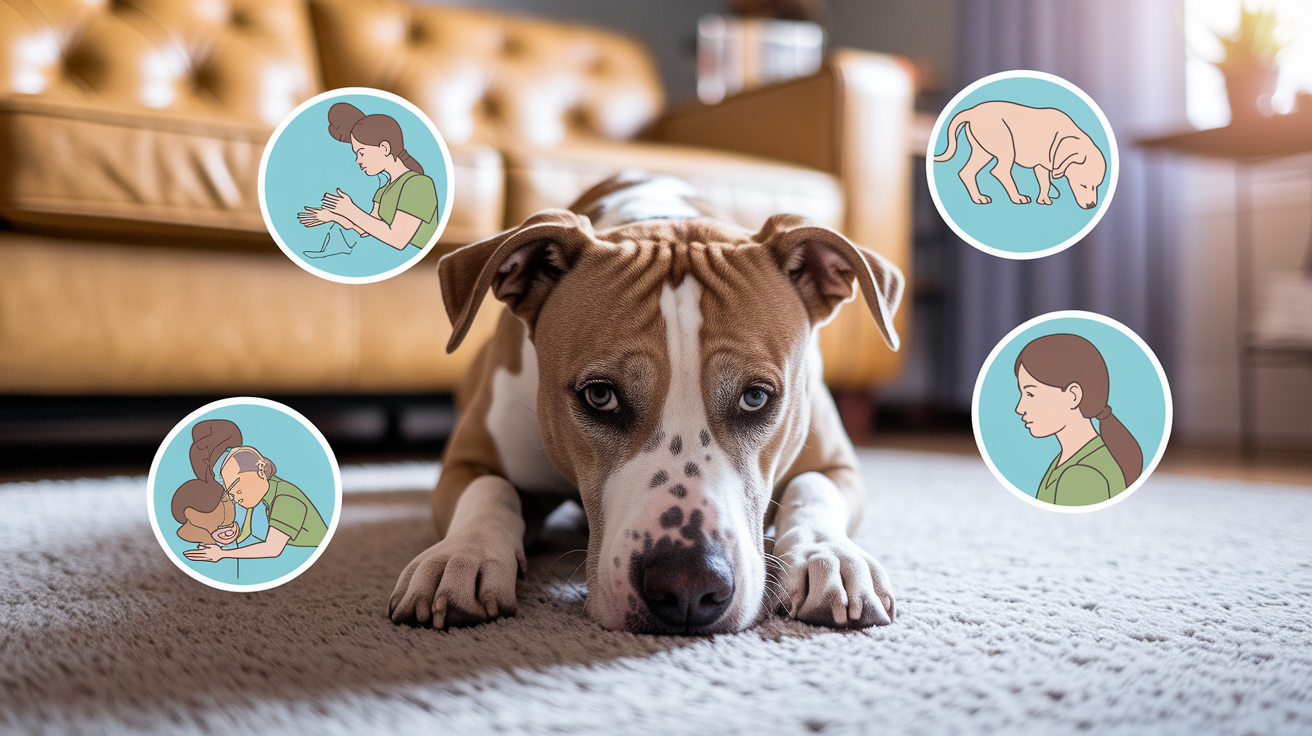
Pancreatitis often starts with subtle symptoms that owners mistake for a mild stomach bug or stress. The earlier you catch changes, the sooner you can get veterinary care and stop the disease from progressing to a severe, life-threatening stage.
Watch for vomiting that happens more than once or twice within 12 hours, especially if your dog also refuses food or water. Abdominal pain is common but not always obvious. Some dogs stand in a “praying” position with front legs stretched forward and rear end raised, trying to relieve discomfort. Others hunch their back, tremble, pant at rest, or become unusually quiet and withdrawn.
Loss of appetite lasting more than 24 hours, diarrhea (especially if it contains mucus or blood), and noticeable lethargy are all red flags. Dehydration can develop fast if your dog vomits repeatedly or stops drinking. Check the gums. They should be moist and pink. Dry, tacky gums and skin that doesn’t snap back quickly when gently lifted are signs of dehydration and need immediate veterinary attention.
When to Seek Veterinary Care
Contact your vet the same day if your dog vomits more than twice in 24 hours, refuses all food and water for more than 24 hours, or shows persistent abdominal pain like hunching, whining when touched, or refusing to lie down comfortably. These symptoms can escalate quickly. Early intervention improves outcomes and cuts the risk of complications like organ failure or chronic pancreatitis.
Seek emergency care right away if your dog collapses, has blood in vomit or stool, shows signs of severe dehydration (sunken eyes, very dry gums, extreme lethargy), runs a high fever, or becomes unresponsive. Pancreatitis can go from mild nausea to systemic shock within hours in severe cases. When you call or visit, bring a list of everything your dog ate in the past 48 hours, any medications or supplements, recent weight history, and notes on when symptoms started and how they’ve changed.
Final Words
Keep meals low-fat, consistent, and portion-controlled to lower strain on the pancreas. Feed smaller, frequent portions and skip table scraps.
Manage weight, choose low-fat treats, keep exercise steady, and check meds with your vet. Learn early signs like vomiting or belly pain so you can act quickly.
If you want a simple checklist for how to prevent pancreatitis in dogs, start with diet changes and talk to your vet, and remember small steady steps make a big difference.
FAQ
Q: What can I give my dog to prevent pancreatitis?
A: To prevent pancreatitis, give your dog a vet-approved low-fat diet, measured smaller meals, no table scraps, and low-fat treats. Ask your vet before changing food or if your dog has medical issues.
Q: What foods trigger pancreatitis in dogs?
A: Foods that trigger pancreatitis are high-fat items like bacon, fatty meats, fried foods, cheese, butter, oily table scraps, and garbage. Sudden rich meals or large fatty snacks commonly cause flare-ups.
Q: How likely is a dog to survive pancreatitis?
A: A dog’s chance of survival from pancreatitis depends on severity; many mild cases recover with fluids, pain control, and rest, while severe or delayed-treatment cases can be life-threatening. Early vet care improves outcomes.
Q: Why does a dog keep getting pancreatitis?
A: Dogs keep getting pancreatitis because of repeated fat exposure, obesity, certain breeds, endocrine diseases, some medications, or ongoing access to rich foods; work with your vet to find triggers and a safe long-term plan.
