
Most hot spots aren’t sudden disasters.
They’re preventable if you catch small habits early.
With smart care you can stop the itch-scratch cycle before raw, painful skin appears.
This post shows simple, practical steps you can do at home, including grooming and drying tips, year-round flea prevention, allergy management, and small behavior changes that cut down licking.
Follow these steps and your dog stays more comfortable, avoids infection, and you’ll likely spend less time and worry at the vet.
Here’s what to try tonight and when to call your vet.
Key Strategies to Prevent Hot Spots in Dogs

Regular grooming pulls out dirt, loose fur, and moisture before they settle against the skin and start feeding bacteria. Brushing also gets air moving across the coat, which keeps things drier and less irritated. Fleas are one of the biggest hot spot culprits because even one or two bites can set off a scratching frenzy, especially if your dog’s allergic to flea saliva.
Moisture stuck under fur after a bath or swim? That’s where bacteria love to set up shop. Allergies drive a lot of scratching too, so catching and managing allergens early can stop the whole itch-scratch spiral before it gets out of control.
The habits you stick with are what actually make a difference. Here’s what you can do today:
- Brush your dog a few times a week to clear out debris and stop mats before they form.
- Dry your dog completely after baths or swims. Get into the ears, belly, and any skin folds.
- Use monthly flea and tick prevention all year. Don’t skip winter.
- Watch for allergy signs like paw licking, face rubbing, or belly scratching. If you see patterns, talk to your vet.
- Trim or brush out matted fur right away so moisture and bacteria can’t hide underneath.
- Keep bedding clean and dry so your dog isn’t lying in irritants or bacteria.
Common Triggers That Lead to Hot Spots
Hot spots usually start with licking, chewing, or scratching that seems minor at first. A bug bite, a piece of pollen stuck in the coat, a tiny scratch from a thorn. Once your dog starts working at one spot, it gets moist and inflamed, which makes it itch more. That feedback loop can turn a small irritation into a raw, weeping sore in just a few hours.
Moisture from swimming or bathing gets trapped under thick coats, especially in long-haired or double-coated breeds. Water sits against the skin, creating a warm, damp space where bacteria thrive. Flea saliva allergy is one of the biggest hot spot drivers because even a single bite can make a dog scratch hard for days. Environmental and food allergies also irritate the skin enough to trigger repeated scratching, rubbing, or licking.
Sometimes it’s behavioral. Boredom, stress, or anxiety can lead to obsessive licking even when there’s nothing physically wrong. Underlying issues like ear infections, skin infections, or joint pain can also make a dog lick or chew at one area over and over.
Grooming and Coat Maintenance for Hot Spot Prevention
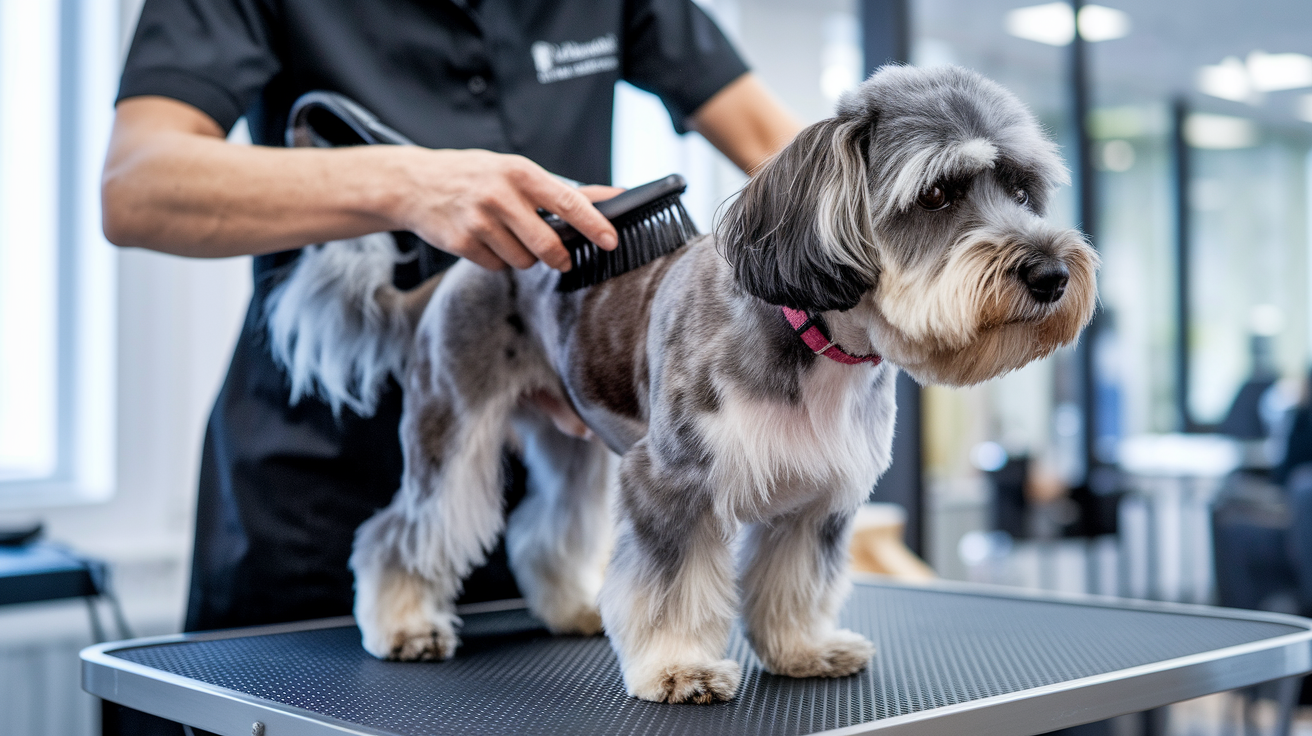
Matted fur traps moisture and bacteria right against the skin. Brushing improves airflow and removes loose hair and debris before they turn into problems.
Here’s what works:
- Brush your dog at least three times a week. Daily during shedding season or if your dog has a thick coat.
- Trim fur around spots that mat easily: base of the tail, ears, armpits, groin.
- Dry your dog completely after baths or swims. Use a towel or low-heat dryer, and check skin folds and ears for trapped water.
- Run your hands over your dog’s coat regularly to feel for mats, tangles, or sticky spots.
- Adjust grooming frequency when it’s hot and humid. Moisture and allergens are higher then.
Long-haired breeds and dogs with thick double coats are higher risk if you’re not grooming consistently. A professional grooming session every 6 to 8 weeks helps keep problem areas trimmed and the coat manageable, especially if your dog’s coat is tough to handle at home. Short-haired breeds still need regular brushing to clear dirt and allergens off the skin.
Managing Allergies to Reduce Skin Irritation
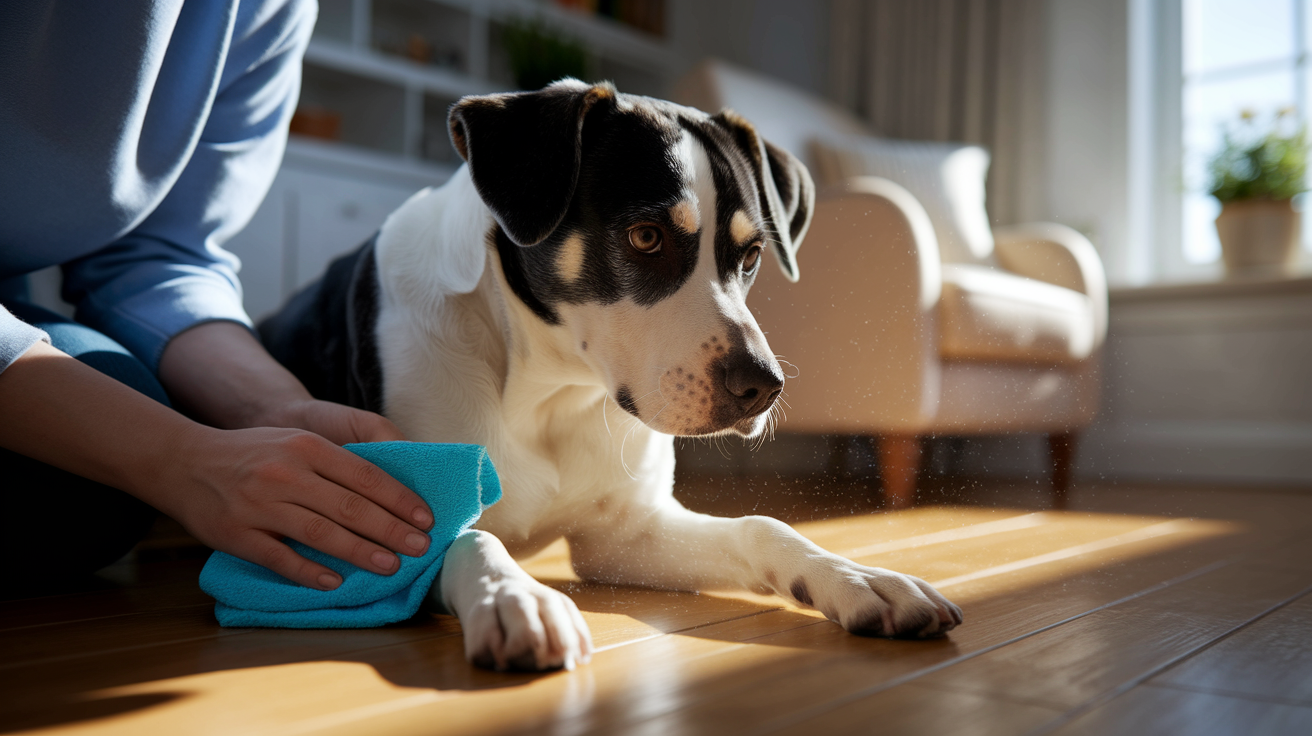
Allergies are a common reason dogs itch enough to create hot spots. Pollen, mites, certain foods, contact irritants like lawn chemicals or cleaning products. Dogs with allergies often scratch their ears, rub their faces, lick their paws, or chew at their belly and hips. If your dog itches in the same spots repeatedly, or if the itching spikes during certain seasons, allergies are probably involved.
You can reduce flare-ups with a few adjustments. Wipe your dog’s paws and belly with a damp cloth after walks to get rid of pollen and other allergens before they work into the coat. Wash bedding weekly in hot water. Vacuum floors regularly to cut down on dust mites and dander. Switch to fragrance-free, pet-safe cleaning products if you think contact irritation might be part of it.
When itching sticks around or messes with your dog’s comfort, see your vet. Antihistamines or prescribed treatments can calm flare-ups and break the itch-scratch cycle before it turns into a hot spot.
Parasite Prevention and Its Role in Avoiding Hot Spots
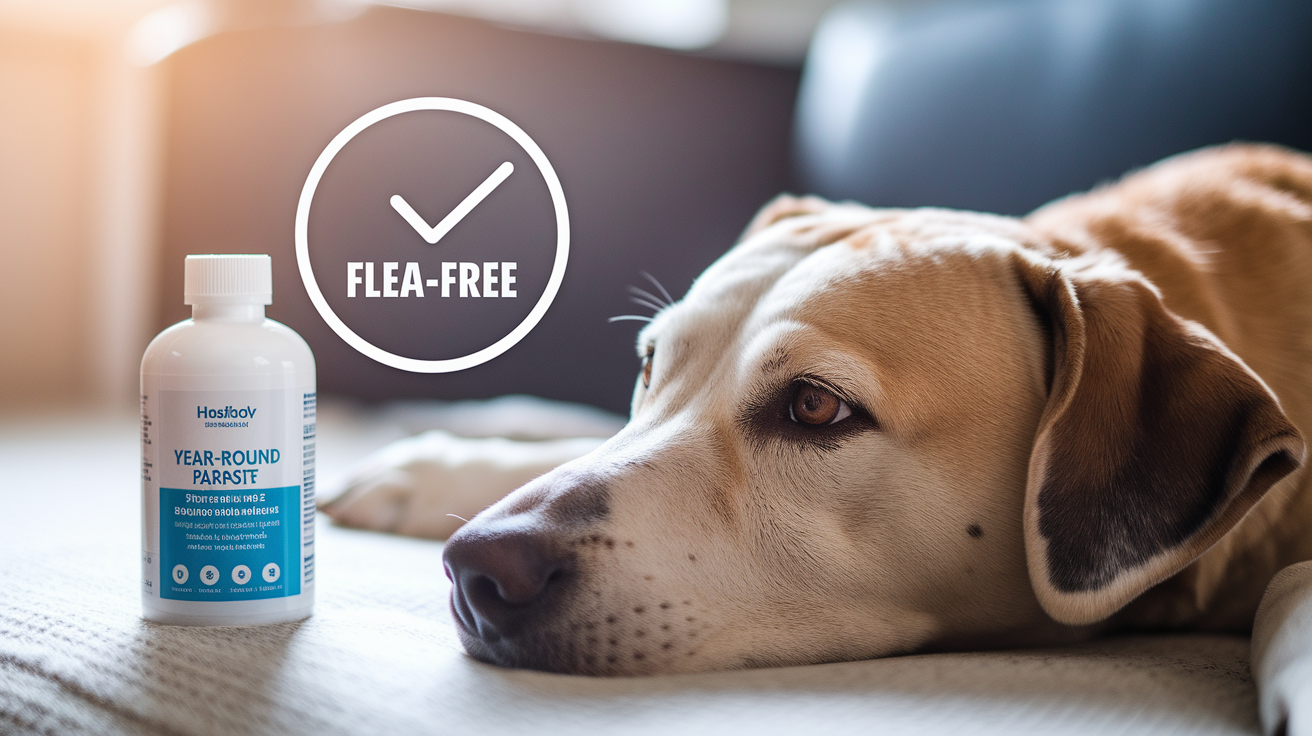
Flea bites cause serious itching in many dogs. Flea allergy dermatitis is one of the top hot spot causes. Year-round parasite prevention cuts risk significantly because it stops fleas and ticks before they bite and kick off intense scratching.
Even one flea can make a dog with flea allergy dermatitis scratch raw spots on the tail base, hips, and belly. Consistent monthly preventive medication keeps flea populations under control and protects against ticks and some mites too.
| Parasite | How It Leads to Hot Spots |
|---|---|
| Fleas | Flea saliva causes allergic reactions and intense itching, especially on the tail base, hips, and belly |
| Ticks | Tick bites irritate the skin and can cause localized scratching and secondary infection |
| Mites (mange, cheyletiella) | Mites burrow into or crawl on the skin, causing severe itching and irritation that leads to scratching and licking |
Behavioral and Environmental Adjustments to Minimize Scratching and Licking

Stress drives obsessive licking. Boredom increases paw and body chewing. Heat and humidity make skin more prone to irritation. Adjusting your dog’s environment and routine can reduce the licking and scratching that turn into hot spots.
Dogs who spend long hours alone or don’t get enough mental and physical activity often lick themselves out of boredom or anxiety. Daily walks, play sessions, and puzzle toys give your dog something to do besides chewing at their paws or tail. Cooling the home during hot months helps too because overheating increases panting, restlessness, and skin sensitivity.
Here’s what you can adjust:
- Keep your home cool and ventilated during summer. Provide shaded outdoor areas or cooling mats for your dog to rest on.
- Add mental enrichment like puzzle feeders, snuffle mats, or frozen treat toys to cut down on boredom-driven licking.
- Wash bedding and blankets weekly in hot water to remove bacteria, allergens, and irritants that trigger scratching.
- Use a lightweight dog shirt or protective vest on hikes or in areas with thick brush to reduce contact with plant irritants and prevent scratching from bug bites.
Final Words
You’ve got clear, practical steps to stop hot spots: regular grooming, drying after baths or swims, steady flea and tick control, allergy management, and small environment changes.
Keep checking the coat and skin daily. Watch for damp patches, heavy licking, or new scrapes and act fast. Clip mats, dry wet fur, and call your vet if it looks infected.
Use these tips on how to prevent hot spots on dogs and turn them into simple daily habits. Small changes make a big difference, and your dog will be more comfortable.
FAQ
Q: How do I prevent my dog from getting hot spots?
A: Preventing hot spots means regular grooming to remove mats and moisture, drying after baths or swims, year‑round flea control, managing allergies, checking skin weekly, and seeing your vet for persistent itching.
Q: What’s the best home remedy for hotspots on dogs?
A: The best home remedy for hotspots is to clip hair around the area, gently clean with saline or a vet‑recommended cleaner, keep it dry, and prevent licking with a collar—call your vet if it looks infected.
Q: Will hotspots on dogs go away?
A: Hotspots can go away with prompt care, but many need veterinary treatment for infection or pain; get vet help if the lesion grows, is painful, or your dog seems feverish, lethargic, or unwell.
