
Think ticks are just a backyard nuisance? Lyme disease can quietly make dogs sick, but most cases are preventable.
Monthly tick preventatives, quick after-walk checks, smart yard work, and the Lyme vaccine when needed are the four tools that cut risk most.
Ticks usually need roughly 48 hours attached before they can pass the Lyme bacterium, so finding them fast matters.
This post gives simple steps you can start tonight, what to track, and clear signs that mean you should call your vet.
Core Prevention Methods Every Dog Owner Should Use to Reduce Lyme Disease Risk
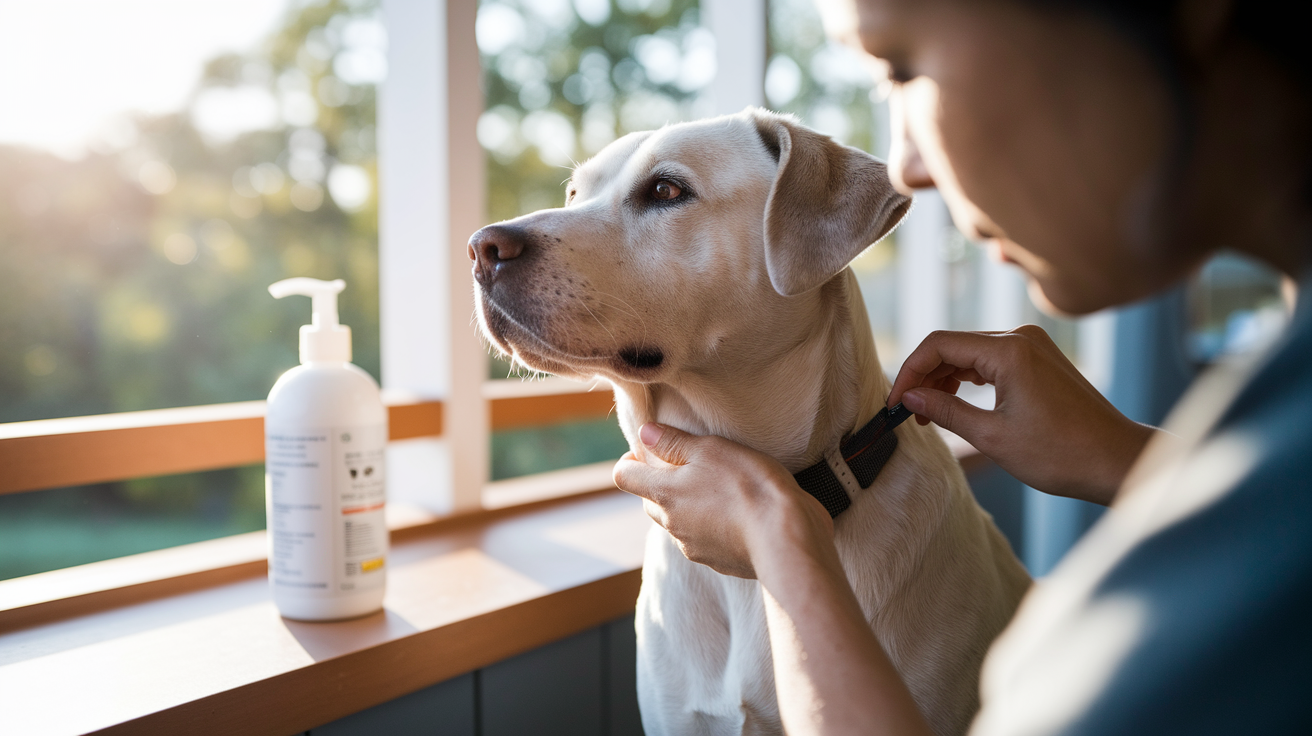
The best way to prevent Lyme? Monthly tick preventatives, quick tick checks after walks, and knowing how transmission actually works. Ticks need to stay attached for roughly 48 hours before they can pass along the Lyme bacterium. That window matters. Find and remove the tick before it hits that mark, and your dog’s infection risk drops fast. Monthly preventatives kill ticks before they reach the danger zone, and daily checks catch anything that slipped through.
Tick checks are your backup plan. Most infected dogs don’t show symptoms. When they do, it can take months after the bite for anything to surface. Checking your dog after outdoor time gives you a chance to pull ticks before they transmit disease, even when your dog looks and acts completely normal. Zero in on the spots where ticks love to hide, make it quick, and you’ll stop thinking about it halfway through.
The Lyme vaccine gives you another layer of defense if your dog lives in or visits high-risk areas. Your vet can help you figure out if it’s worth it based on where you live, how much time your dog spends outside, and local tick populations. It’s not a replacement for preventatives or tick checks. But it can lower infection odds and reduce how sick your dog gets if a tick does manage to bite.
Six things you can do right now:
- Stick to your monthly tick preventative schedule.
- Run your hands over your dog’s body after every walk. Pay extra attention to ears, neck, and belly.
- Keep your yard’s grass short. Ticks don’t hang out in well-kept lawns.
- Skip tall brush, leaf piles, and dense woods during peak tick season.
- Keep tweezers or a tick tool by the door and in your dog’s travel bag.
- Ask your vet about yearly Lyme screening, even if your dog seems fine.
Understanding Tick Prevention Products for Dogs
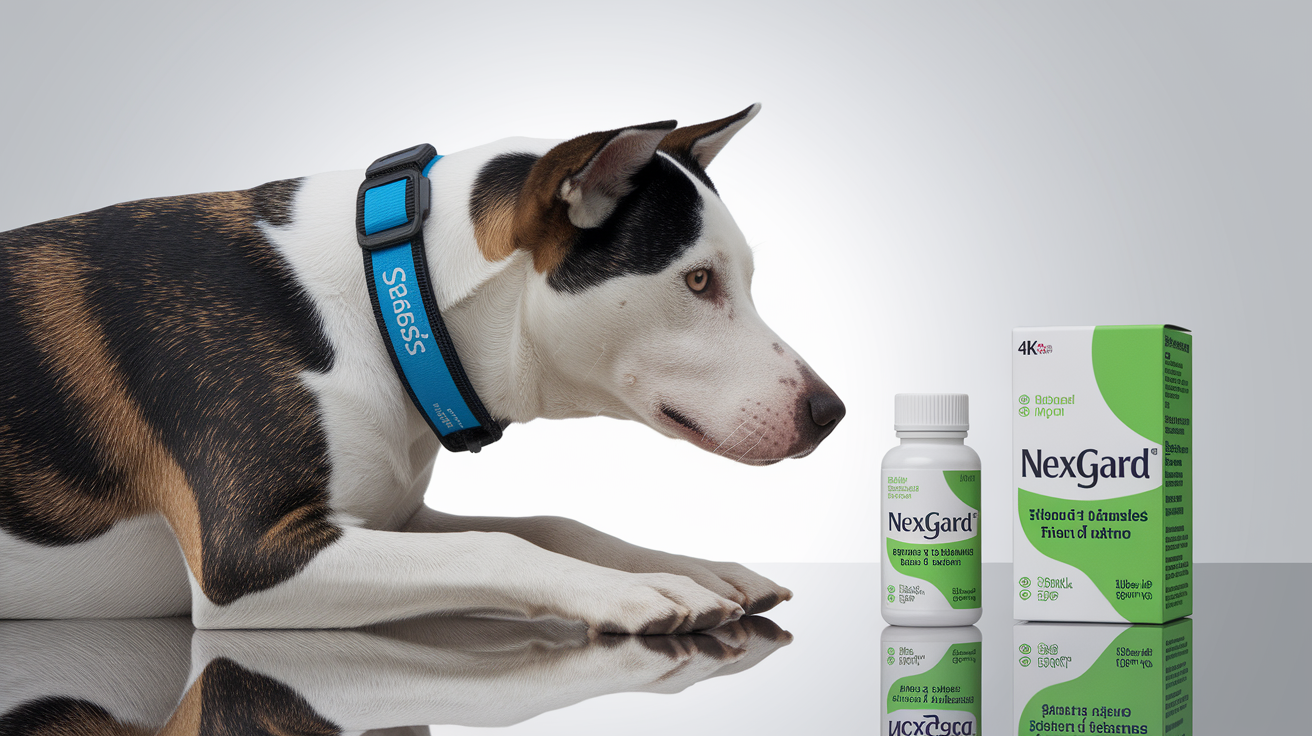
Tick prevention comes in collars, topicals, and oral meds. Each type works differently and lasts for different amounts of time, so what’s best depends on your dog’s coat, how they spend their time, and what works for your household. Some products tackle multiple parasites at once (think heartworms, fleas, intestinal worms). Others zero in on ticks and fleas. One thing that’s not negotiable: always use dog-specific products. Some formulas safe for dogs can be deadly to cats.
Tick Collars for Dogs
Tick collars release ingredients slowly over months, giving you long-term protection without monthly reapplication. Seresto collars protect for up to eight months and work well for dogs that swim a lot or fight you on topicals. The collar needs to fit snug enough to touch your dog’s skin but loose enough that you can slide two fingers underneath. Replace it on time even if it looks brand new. The active ingredients wear out whether the collar looks worn or not.
Topical Tick Treatments
Topicals go directly on your dog’s skin, usually between the shoulder blades or down the back, and spread through the oil layer to cover the whole body. Products like Vectra 3D need monthly application and start working within hours. They’re solid for dogs that won’t wear collars or refuse pills, but you’ll have to skip baths for at least 48 hours so the product can soak in.
Oral Tick Medications
Oral meds like NexGard are chewable tablets you give monthly. They work systemically, which means ticks have to bite your dog to get exposed to the ingredient. Then they die quickly, before they can spread disease. These work great for dogs that swim often or share a home with cats, since there’s no topical residue to worry about. Most oral options also knock out fleas, and some include heartworm coverage in one monthly dose.
| Product Type | Duration | Key Benefit |
|---|---|---|
| Collar | Up to 8 months | Long-lasting, no monthly applications |
| Topical | 30 days | Fast-acting, no pill required |
| Oral | 30 days | Systemic protection, safe for multi-pet homes |
Using the Lyme Vaccine as Part of a Preventive Plan
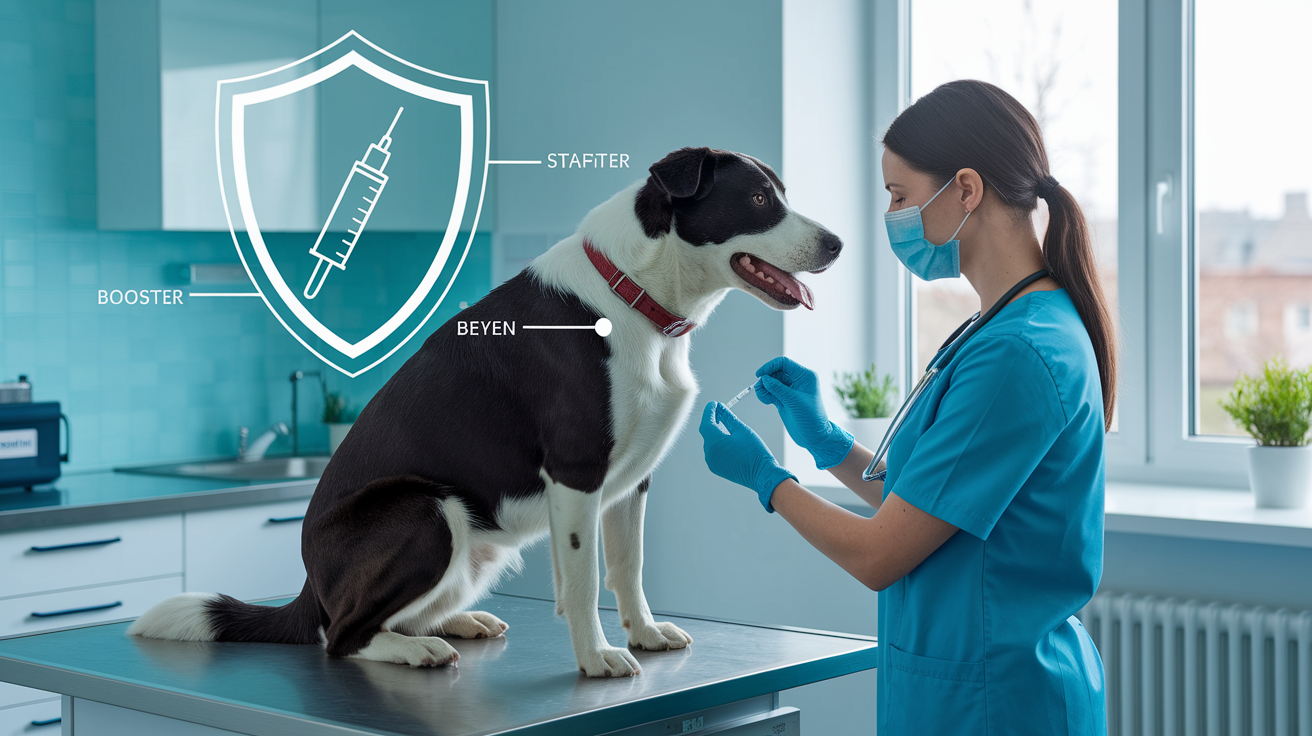
The Lyme vaccine gives high-risk dogs an extra immune boost, especially if they live on the East Coast or in other places where Lyme is common. It doesn’t replace tick preventatives or daily checks. But when you stack it with those methods, you can basically wipe out infection risk. It also makes the illness less severe if your dog does get infected despite being vaccinated. Your vet will look at how much time your dog spends outside, how bad ticks are locally, and your dog’s overall health before deciding if the vaccine makes sense.
You’ll need an initial series and then yearly boosters to keep protection active. Dogs that spend serious time in wooded spots, tall grass, or other tick-heavy areas benefit the most. Indoor dogs with minimal outdoor exposure probably don’t need it at all. The vaccine is usually safe, though some dogs get mild soreness at the injection spot or act a little tired afterward.
Lyme vaccine timeline:
- First dose at the vet’s office.
- Booster 3 to 4 weeks after the first shot.
- Annual booster every year your dog stays at risk.
- Get the first vaccine in early spring before tick season kicks in.
Checking Your Dog for Ticks and Safe Tick Removal Techniques
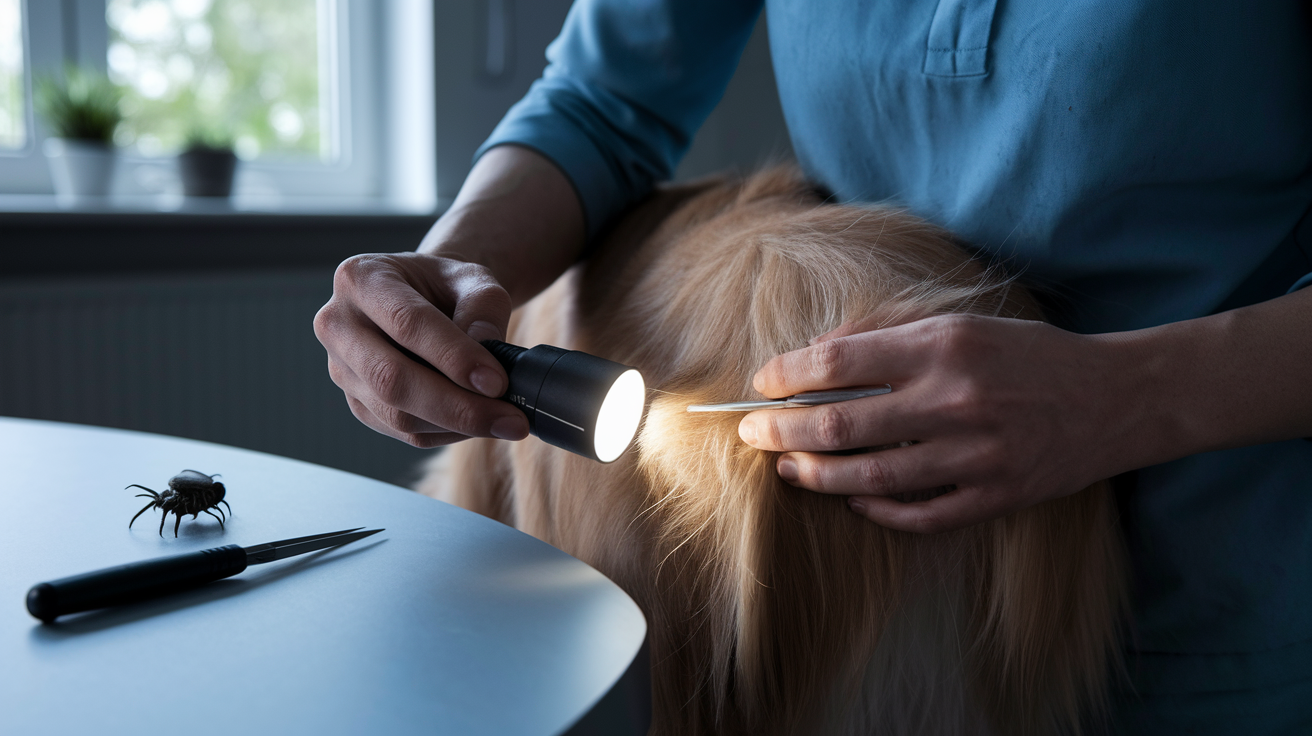
Check your dog after every walk, hike, or outdoor session, especially in warmer months when ticks are out in force. Run your hands slowly over their whole body and feel for small bumps that weren’t there before. Ticks feel like tiny, firm beads stuck to the skin. They’re easiest to spot before they swell up with blood. Use good light and part the fur in sections. Don’t just skim the surface. Check all the way down to the skin where ticks latch on and feed.
Catching them early matters because ticks need around 48 hours attached to pass along the Lyme bacterium. Find and yank a tick within the first day, and transmission risk tanks. Make your checks fast and methodical so you can hit every high-risk spot without turning it into a battle.
Body areas to inspect every time:
- In and around both ears, including the inner flap.
- Around the eyelids and face, especially near the muzzle.
- Under the collar and all around the neck.
- Under the front legs in the armpit area.
- Between the back legs in the groin.
- Between each toe and around the paw pads.
- Around the base of the tail and underneath it.
- Along the belly and chest where fur is thinner.
Step-by-Step Tick Removal Guide
Find a tick? Yank it right away using fine-tipped tweezers or a tick removal tool. Your goal is to pull the whole thing out, including the head, without crushing the body or making the tick vomit bacteria into your dog’s bloodstream. Good technique cuts infection risk and keeps the tick’s mouth parts from snapping off under the skin.
Three steps for safe removal:
- Grab the tick’s head as close to your dog’s skin as you can get. Don’t squeeze the swollen body.
- Pull straight back with steady, even pressure. Don’t twist, jerk, or pinch the body.
- Clean the bite spot with rubbing alcohol or soap and water. Wash your hands well and get rid of the tick by flushing it or sealing it in a container with alcohol.
Managing Your Yard and Outdoor Spaces to Limit Tick Exposure

Your yard can either pull ticks in or push them away, depending on how you take care of it. Ticks love tall grass, leaf piles, thick brush, and shady spots where it stays humid and small animals build nests. You won’t find many ticks in short, well-kept grass or open, sunny areas. Basic yard work cuts down the tick population around your house and lowers your dog’s exposure every time they go outside.
Rodents and other small critters bring ticks into neighborhoods, so keeping wildlife from nesting near your home breaks the tick life cycle. Ticks climb onto hosts from low plants, so trimming ground cover and getting rid of debris piles wipes out their favorite ambush points. Even small stuff like weekly mowing and clearing leaves makes a real dent in tick numbers.
Five yard changes that shrink tick habitat:
- Mow often and keep grass under three inches.
- Trim shrubs and bushes so sunlight and air can reach ground level.
- Rake up and toss leaf litter, especially along fence lines and under trees.
- Move brush piles and wood piles away from play areas and the edge of your house.
- Dump standing water from buckets, flower pots, and clogged gutters to drop humidity.
| Action | Reason |
|---|---|
| Mow lawn weekly | Ticks avoid short, dry grass and open sun |
| Remove leaf litter and debris | Eliminates moist hiding spots ticks prefer |
| Repair holes under sheds and garages | Blocks rodents that carry ticks onto your property |
| Secure trash in bins with lids | Reduces wildlife visits and tick transport |
Recognizing Early and Advanced Symptoms of Lyme Disease in Dogs

Only about 5 to 10 percent of infected dogs ever show symptoms, which is why yearly screening matters even when your dog looks totally healthy. When symptoms do pop up, they often appear months after the tick bite. Sometimes two to five months later, sometimes even longer. This delay means you probably won’t connect the symptoms to a tick your dog picked up last spring or summer.
The most common early sign is shifting-leg lameness. Your dog limps on one leg for a few days, gets better, then starts limping on a different leg. You might also see swollen lymph nodes under the jaw or behind the knees, swollen and painful joints, or a sudden drop in appetite. In rare but serious cases, Lyme hits the kidneys and causes vomiting, diarrhea, excessive thirst, and peeing more than usual. Kidney involvement is an emergency. Call your vet right away.
Six symptoms to look for:
- Shifting lameness that moves from one leg to another over days or weeks.
- Swollen, warm, or painful joints, especially knees or wrists.
- Swollen lymph nodes that feel like firm lumps under the skin.
- Lethargy and not wanting to move or play.
- Loss of appetite or less interest in food.
- Excessive thirst, frequent urination, vomiting, or diarrhea (kidney disease warning signs).
Seasonal and Geographic Risk Factors for Lyme Disease Exposure
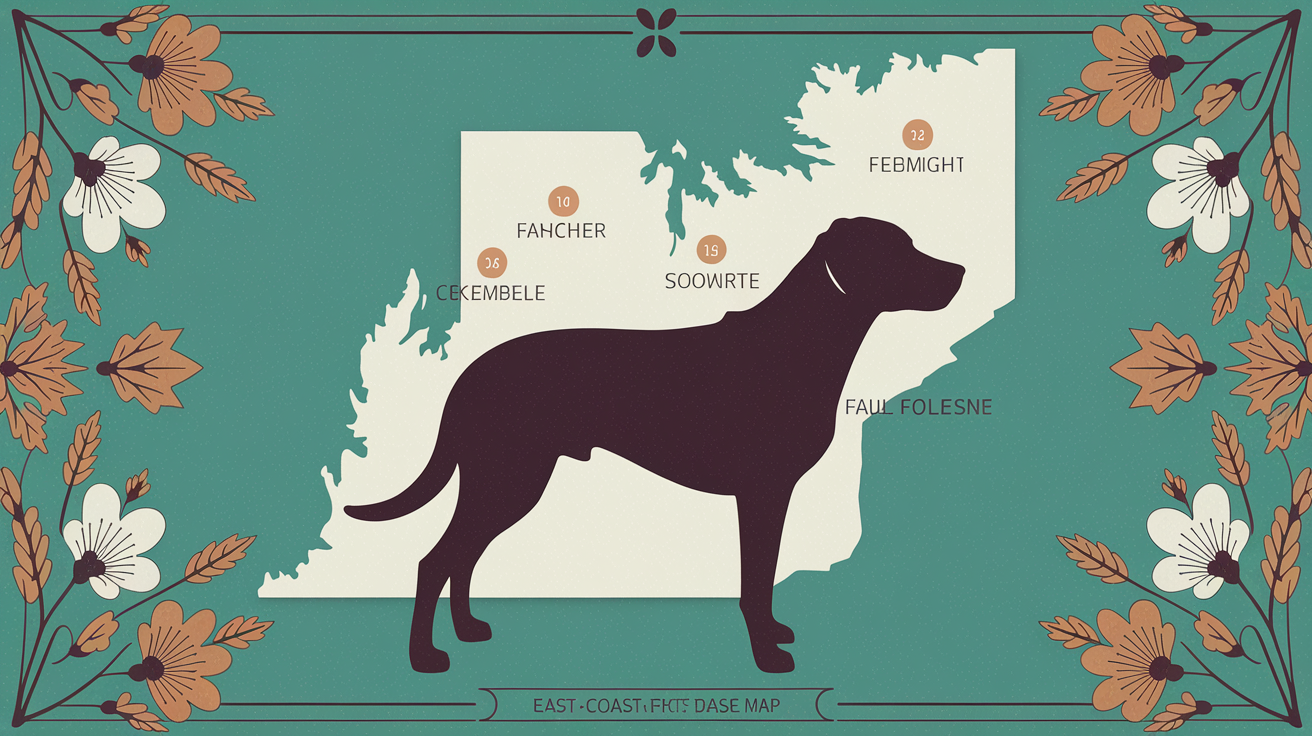
Tick activity spikes in spring and fall. April is often the best month to start or restart prevention. Ticks wake up when temps rise above freezing, and in many places they stick around from early spring through late fall. Some areas deal with ticks year-round if winters stay mild, so your prevention schedule should match your local climate and tick patterns, not just a calendar date.
The East Coast has always been a Lyme hotspot, but tick populations are creeping west and north as climate shifts. Wooded areas, tall grass, and shady trails near water give ticks perfect habitat no matter where you live. Even suburban neighborhoods with overgrown yards or nearby nature spots can have plenty of ticks. Don’t assume your dog is safe just because you’re not in the woods.
Four high-risk spots for tick exposure:
- Wooded trails and forest edges where leaves pile up.
- Tall grass and unmowed fields, especially near streams or ponds.
- Shady areas under thick tree cover where humidity stays high.
- Parks and nature areas with heavy brush and lots of wildlife.
What to Do Immediately After Finding a Tick on Your Dog
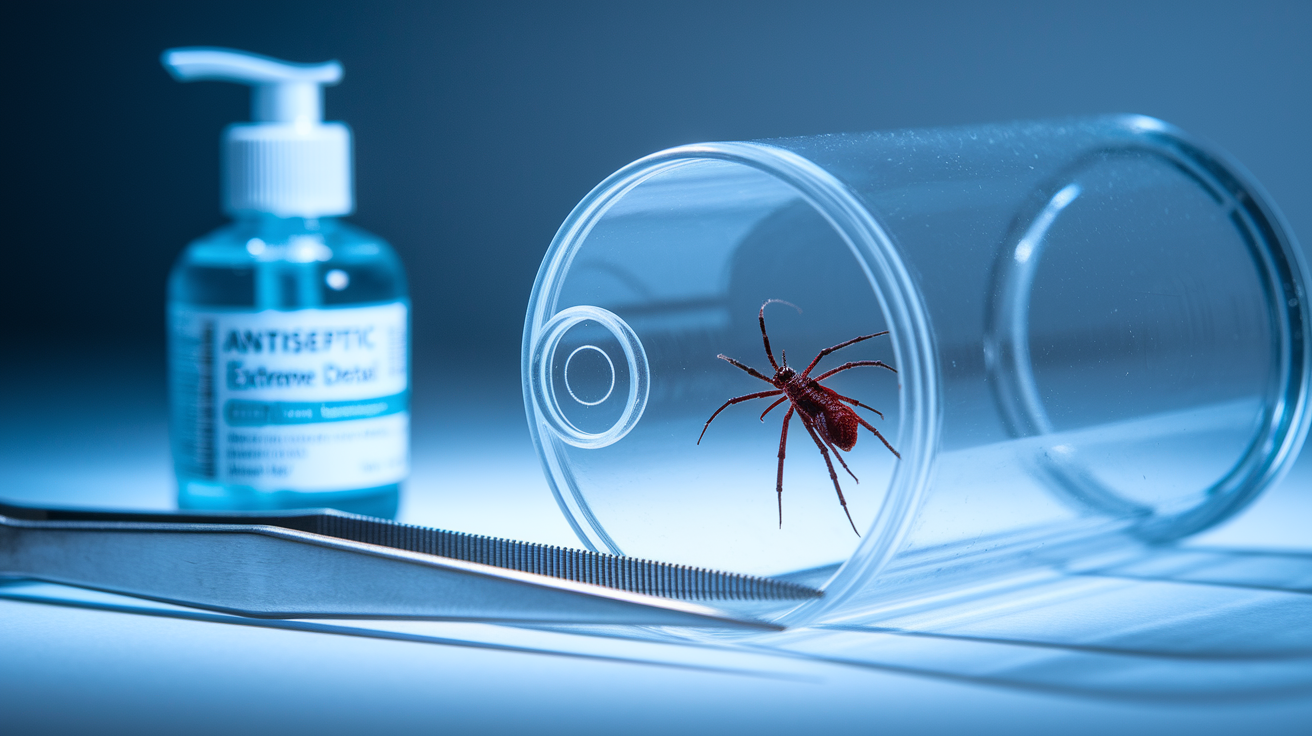
Yank the tick as soon as you spot it, even if you’re not sure how long it’s been there. The 48-hour window means speed counts. Every hour you wait bumps up infection chances. Use fine-tipped tweezers to grab the tick’s head close to the skin, pull straight back without twisting, and don’t crush the body. Clean the bite with rubbing alcohol or soap and water, then wash your hands well.
Stick the tick in a sealed container or plastic bag with a little rubbing alcohol in case your vet wants to ID the species or send it for testing. Write down the date and where on your dog’s body you found it. This info helps your vet figure out infection risk and whether testing or treatment is needed. Watch the bite spot for redness, swelling, or irritation over the next few days, and keep an eye on your dog for any changes in energy, appetite, or how they move.
Five things to do after tick removal:
- Clean the bite right away with rubbing alcohol or antiseptic.
- Save the tick in a sealed container with alcohol and label it with the date and body location.
- Watch the bite for infection signs like redness, swelling, or oozing.
- Check your dog for lameness, lethargy, swollen joints, or appetite loss over the next few weeks.
- Call your vet if you see any symptoms or if your dog is in a high-risk area and you’re not sure if testing is needed.
Daily and Weekly Tick-Prevention Routine for Dog Owners
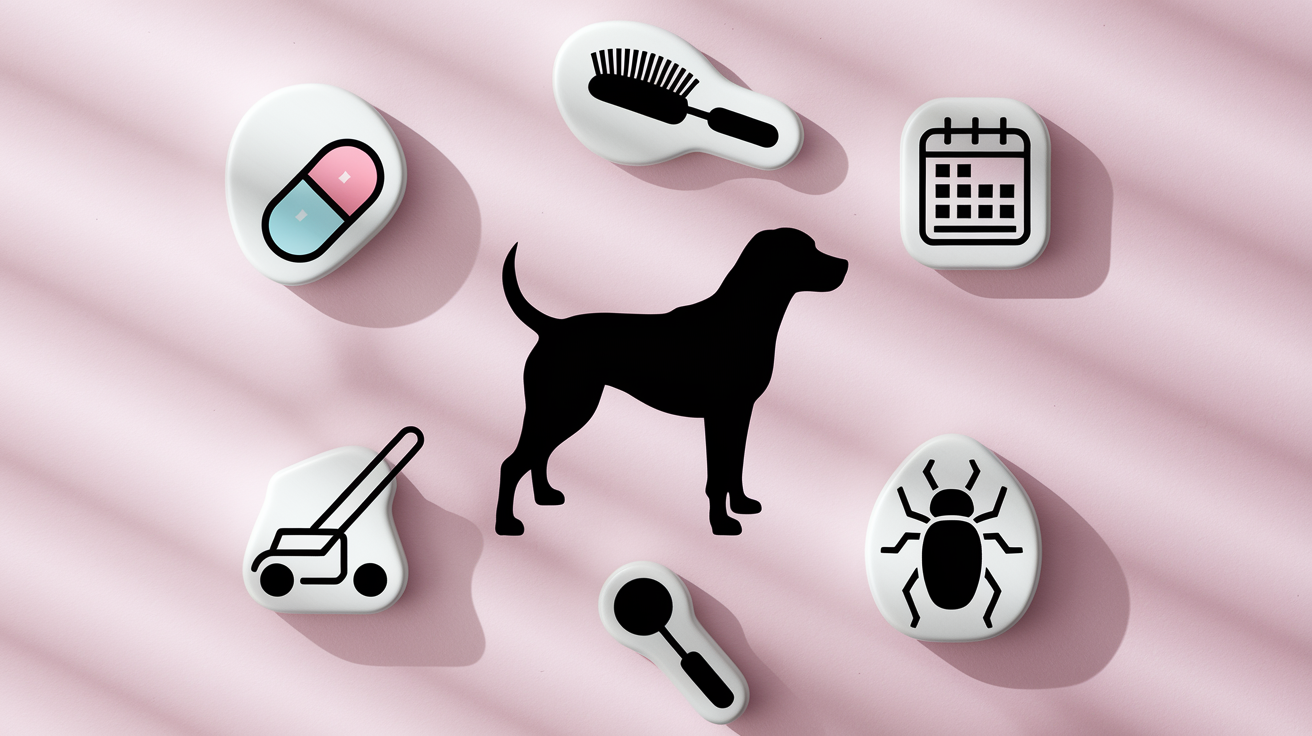
Building a solid tick-prevention routine gets rid of the guesswork and drops your dog’s risk with barely any daily effort. Monthly preventatives are the base, but daily tick checks and regular grooming catch anything that sneaks past. Keep it simple and quick so it becomes automatic, like feeding or walking.
Six routine steps to protect your dog daily and weekly:
- Give monthly tick preventative on the same date each month. Set a phone reminder so you don’t skip a dose.
- Run your hands over your dog after every walk. Focus on ears, neck, belly, and between toes.
- Brush your dog’s coat two to three times a week to catch ticks early and pull out loose fur where they can hide.
- Mow your yard weekly during tick season and cut back overgrown plants along walkways.
- Keep tick removal tools in your car, by the door, and in your dog’s travel kit so you’re ready anytime.
- Schedule a yearly Lyme screening with your vet, even if your dog has no symptoms.
Final Words
Start tonight: put your dog on a monthly tick preventative, do a quick tick check after walks, and keep the yard mowed. Ticks usually need about 48 hours attached to transmit Lyme.
Talk with your vet about collars, topicals, or oral options and whether the Lyme vaccine makes sense where you live. Note and track any limping, fever, vomiting, or big changes in thirst.
Call your vet right away for shifting-leg lameness, persistent vomiting, or sudden heavy drinking. These steps make clear how to prevent lyme disease in dogs and keep outdoor time safer.
FAQ
Q: What can I give my dog to prevent Lyme disease, and do dogs really need the Lyme vaccine?
A: To prevent Lyme disease you can use monthly tick preventatives (topical, oral, or long‑lasting collars) and consider the Lyme vaccine in high‑risk areas; talk with your vet about the best plan.
Q: What are the chances of a dog getting Lyme disease from a tick?
A: The chance a tick transmits Lyme to a dog is relatively low; only about 5–10% of infected dogs show illness, and ticks usually need roughly 48 hours attached to pass infection.
Q: What is the rule of 7 for Lyme disease?
A: The “rule of 7” for Lyme disease is a loose guideline about timing and risk, stressing that transmission risk increases after about 48 hours of tick attachment rather than a strict seven‑day cutoff.
