
Feeding your cat tuna every day sounds harmless, but it’s more risky than it looks.
Plain canned tuna lacks essential nutrients cats need and it can lead to mercury buildup that harms nerves and the heart.
That means a daily tuna habit can cause serious deficiencies and nerve problems like tremors or wobbliness, even if your cat seems fine now.
Only complete cat foods formulated to AAFCO standards are safe for daily tuna; the rest should be an occasional treat.
Daily Tuna Safety Overview for Cats: The Definitive Answer

Plain human canned tuna shouldn’t be fed to cats every day. Unlike complete commercial cat food, human tuna lacks the balanced nutrition cats require and can lead to serious deficiencies over time. Your cat might love the taste and beg for more, but daily feeding of ordinary grocery store tuna creates nutritional gaps that affect vital organs, bones, and body systems. Cats are obligate carnivores, sure, but that doesn’t mean muscle meat alone is sufficient. They need more than a dozen specific nutrients found in whole prey, including organs, bone, and tissue. Plain tuna delivers protein and fat but misses essential vitamins, minerals, and amino acids like taurine, vitamin E, thiamine, and calcium. Without these, cats develop deficiencies that can be hard to reverse.
Mercury accumulation is another serious concern. Larger, long lived tuna species like albacore and bluefin build up mercury over decades of feeding, and that mercury transfers to your cat. Because cats are small, even moderate amounts of mercury can cause toxicity over months or years. Early signs include loss of coordination, difficulty walking, and tremors, but these symptoms can be mistaken for other conditions, delaying diagnosis. Canned light tuna averages around 0.12 parts per million of mercury, while albacore tuna averages about 0.32 ppm, nearly three times higher. Chronic exposure at those levels poses real risk when tuna becomes a daily staple.
The only time daily tuna is considered safe is when it’s not human grade grocery tuna but instead a complete, AAFCO formulated cat food made with specific low mercury species such as Auxis thazard. These formulations are wild caught in cleaner waters, rigorously tested throughout canning, and supplemented with all essential nutrients cats need. A few ounces of plain canned tuna contain nearly 100 calories, which is more than one third of the daily calorie needs for many adult cats. Feeding that amount daily without the necessary vitamins, minerals, and amino acids creates imbalance quickly, making grocery store tuna unsuitable as anything more than an occasional small treat.
Nutritional Concerns When Feeding Tuna to Cats Frequently

Cats evolved to eat whole prey, which delivers about 80 percent water content along with muscle, organs, bone, skin, and connective tissue. Each part contributes nutrients that muscle meat alone can’t provide. Human canned tuna is essentially cooked muscle with minimal organ content, no bone, and no natural moisture balance. It’s high in protein but doesn’t supply the full spectrum of vitamins, minerals, fatty acids, and amino acids that feline physiology demands. Commercial cat foods are formulated to meet these needs, balancing protein sources with added taurine, vitamins A and D, B complex vitamins, calcium, phosphorus, and essential fatty acids. Feeding plain tuna daily bypasses that careful balance and leaves gaps that affect growth, organ function, immune health, and neurological stability.
Cats can’t self regulate their nutrient intake the way some omnivores can. If a diet is missing thiamine, for example, your cat can’t “choose” to eat more of another food to compensate. They simply become deficient. Over time, missing nutrients lead to visible symptoms, from poor coat quality and lethargy to severe neurological signs and organ damage. Vitamins like B1, B2, B3, and B6 are water soluble and must be replenished constantly because they’re lost in urine. Fat soluble vitamins A and D are stored in the body, but without proper intake, stores deplete. Tuna doesn’t naturally contain these in the amounts or ratios cats need.
Key nutrients that are missing, low, or inconsistent in plain human tuna include:
Taurine. Essential amino acid for heart and eye health, often added to cat food but not present in adequate amounts in plain cooked tuna.
Vitamin E. Antioxidant that protects against fat oxidation. Tuna’s high unsaturated fat content increases the need, but plain tuna isn’t supplemented.
Thiamine (Vitamin B1). Required for carbohydrate metabolism and nerve function. Raw fish contains thiaminase, an enzyme that destroys thiamine, and cooked tuna may still be low.
Calcium and phosphorus balance. Crucial for bone health. Plain tuna muscle is low in calcium and high in phosphorus, creating imbalance.
Vitamins A and D. Fat soluble vitamins essential for vision, immune function, and calcium regulation. Absent or minimal in plain tuna muscle.
Mercury and Contaminant Risks from Regular Tuna Consumption
Mercury is a heavy metal that accumulates in fish tissue over time, especially in larger species that live longer and feed higher on the food chain. Albacore tuna, also called white tuna, and bluefin tuna are both large, long lived species that can accumulate mercury at levels averaging 0.32 parts per million or higher. Smaller, younger species like skipjack or tongol tuna, sold as “light” tuna, tend to average around 0.12 ppm. While these numbers may seem small, cats weigh far less than humans, so their body weight exposure is much higher when tuna is fed daily. A few ounces of albacore tuna several times a week can push a cat’s mercury intake into a range that causes chronic toxicity over months or years. Symptoms develop slowly, and because mercury poisoning is uncommon in cats, veterinarians may not immediately suspect it.
Neurological signs of mercury toxicity include loss of coordination, difficulty walking, tremors, and balance problems. These symptoms overlap significantly with thiamine deficiency, which also causes ataxia and neurological decline. That overlap can make diagnosis tricky, especially if you don’t mention your cat’s tuna heavy diet during the vet visit. Mercury binds to proteins in the nervous system and can cause irreversible damage if exposure continues. Cats eating tuna as a primary diet may also show weight loss, appetite changes, and lethargy as toxicity progresses. Because the effects are cumulative, even moderate daily portions add up over time.
Beyond mercury, fish based diets introduce other contaminants like polychlorinated biphenyls (PCBs) and polybrominated diphenyl ethers (PBDEs). Researchers have found higher levels of these chemicals in cats diagnosed with hyperthyroidism, suggesting a possible link between fish heavy diets and thyroid disease. PCBs and PBDEs are industrial pollutants that persist in marine environments and accumulate in fish tissue. While the exact causal relationship is still being studied, the correlation is strong enough to raise concern for cats eating fish daily. Choosing tuna from cleaner waters and species with shorter life spans reduces some of this risk, but it doesn’t eliminate it entirely when fish is the sole or dominant protein source.
Portion Size and Safe Feeding Frequency for Tuna Treats
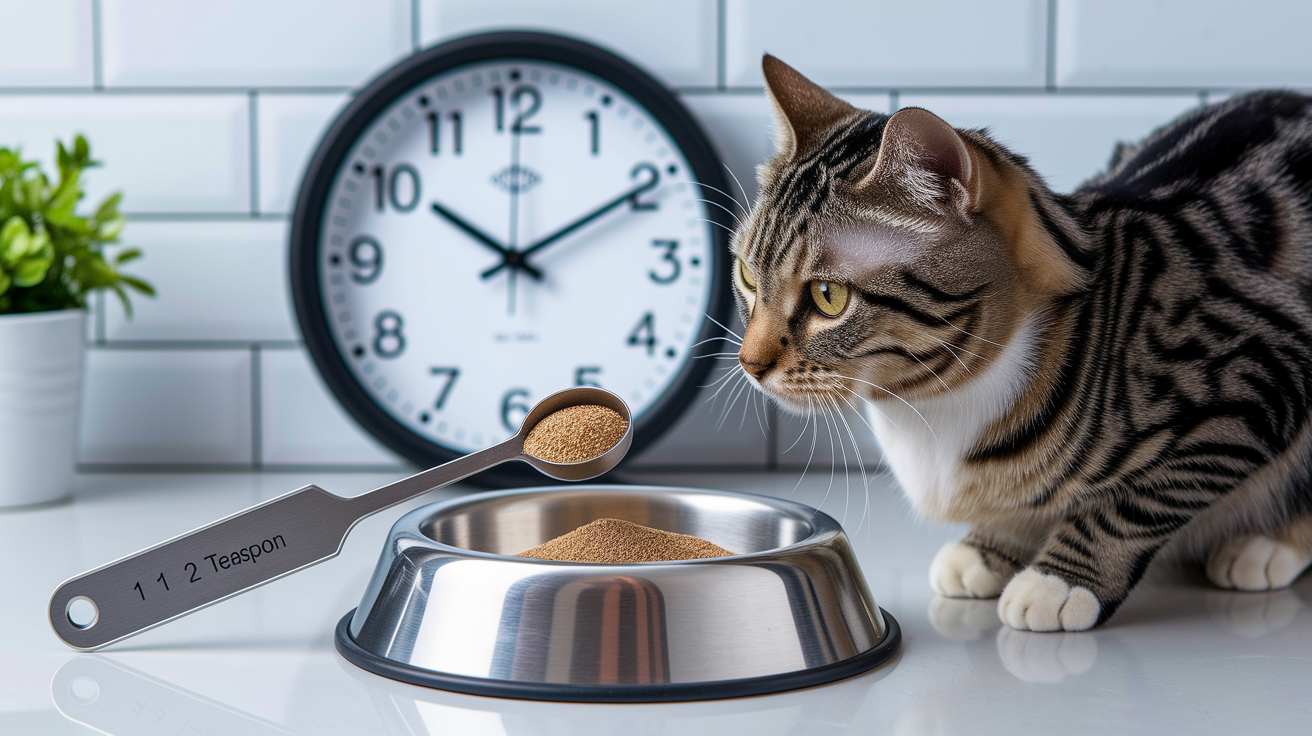
Tuna should be treated as an occasional flavor boost, not a meal replacement. A typical safe serving size for a treat is about one to two teaspoons (roughly five to ten grams) for a small or average adult cat. Even that small amount adds calories quickly. A few ounces of canned tuna in water contains nearly 100 kilocalories, which is more than one third of the daily caloric needs for many cats. If tuna replaces part of a balanced meal, your cat misses out on the vitamins, minerals, and amino acids that meal would have provided. Over time, that trade off creates deficiencies, even if your cat appears satisfied and healthy in the short term.
Veterinary nutritionists recommend that treats make up no more than 10 percent of a cat’s total daily calories. For a cat eating around 250 to 300 kilocalories per day, that means treats should stay under 25 to 30 kilocalories total. One to two teaspoons of drained tuna fits within that limit, but anything more begins to crowd out the nutrition from complete cat food. Feeding tuna more than once or twice a week increases the risk of imbalance and mercury accumulation, especially if the tuna is albacore or another high mercury variety.
| Cat Weight | Max Weekly Tuna Amount | Notes | Calorie Considerations |
|---|---|---|---|
| 6–8 lbs | 1–2 teaspoons, 1–2 times/week | Use as flavor topper, not meal | ~10–20 kcal per serving |
| 9–11 lbs | 2 teaspoons to 1 tablespoon, 1–2 times/week | Drain and rinse to reduce sodium | ~15–25 kcal per serving |
| 12–15 lbs | Up to 1 ounce, 1–2 times/week | Monitor for GI upset or behavior changes | ~30 kcal per serving |
| Kittens, seniors, or cats with health conditions | Avoid or consult vet first | Higher risk from sodium, mercury, nutrient gaps | N/A |
Comparing Tuna Types: Water, Oil, Raw, Cooked, and Species Differences
Tuna packed in oil adds extra fat and calories without providing the vitamin E needed to balance that fat load. Cats fed tuna in oil regularly are at higher risk for steatitis, also called yellow fat disease, which occurs when excess unsaturated fat oxidizes in the body and causes painful inflammation of fat tissue. Oil packed tuna also tends to be richer and more likely to cause digestive upset. Tuna packed in water is a better choice because it’s lower in calories and easier on the digestive system, but it still carries the same mercury and nutrient gap concerns as tuna in oil. Many canned tuna products also contain significant sodium, several hundred milligrams per three ounce serving, which can be harmful to cats with kidney disease, heart disease, or high blood pressure. Low sodium options are preferable, and rinsing the tuna under water before serving removes some of the added salt.
Raw tuna poses an additional risk because it contains thiaminase, an enzyme that destroys thiamine (vitamin B1). Thiamine deficiency develops over weeks of feeding raw fish and causes symptoms like loss of appetite, vomiting, weight loss, and severe neurological signs including seizures. Cooking tuna deactivates thiaminase, making cooked tuna safer than raw, but cooked tuna still lacks the full nutrient profile cats need. Raw fish also carries a higher risk of parasites and bacterial contamination, which can cause gastrointestinal illness. Freezing raw fish for several days can reduce parasite risk, but it doesn’t address the thiaminase or nutritional concerns.
Species differences matter. Albacore or “white” tuna is larger, older, and higher in mercury. Light tuna, often made from skipjack or tongol, is smaller, younger, and lower in mercury. Labels that say “chunk light” typically indicate skipjack, while “solid white” or “albacore” signal higher mercury fish. Choosing light tuna over albacore reduces mercury exposure, but it doesn’t make daily feeding safe because the nutritional gaps remain. Tuna formulated specifically for cats is made with smaller species, tested for contaminants, and supplemented with the vitamins and minerals cats require, making it a safer everyday option than human grade canned tuna.
Key label terms you should understand when selecting tuna:
Light vs. white/albacore. Light tuna is lower in mercury and safer for occasional treats.
Water packed vs. oil packed. Water packed is lower in fat and calories. Avoid oil packed for regular use.
Low sodium or no salt added. Reduces risk for cats with kidney or heart concerns.
Chunk, flaked, or solid. Texture terms that don’t affect mercury or nutrition. Choose based on preference and ease of draining.
When Cats Should Avoid Tuna Entirely or Eat It Only Rarely

Certain cats are at higher risk from tuna and should either avoid it entirely or eat it only very rarely under veterinary guidance. Kittens are growing rapidly and need precise nutrient ratios to support bone development, brain function, and organ growth. Feeding tuna to kittens, even occasionally, can disrupt that balance and cause deficiencies that affect long term health. Pregnant and nursing cats have similarly high nutrient demands, and an unbalanced diet can harm both the mother and her kittens. Senior cats often have reduced kidney or liver function, making them more vulnerable to the sodium, mercury, and protein load in tuna. Cats with diagnosed kidney disease, heart disease, or hyperthyroidism shouldn’t receive tuna unless their veterinarian specifically approves it, because the sodium, contaminants, and nutrient imbalance can worsen these conditions.
Cats that become dependent on tuna may refuse to eat balanced cat food, creating a dangerous cycle of malnutrition. Tuna is highly palatable, and some cats will hold out for it, refusing other foods even when hungry. This behavior, sometimes called “tuna junkie” syndrome, makes it nearly impossible to provide complete nutrition and often requires a slow, patient transition back to balanced diets. You shouldn’t use tuna as the primary tool to coax a picky eater, because it reinforces the preference and makes the problem harder to solve.
Populations that should avoid tuna or eat it only with veterinary approval:
Kittens under one year of age. Pregnant or nursing cats. Senior cats with reduced organ function. Cats with kidney disease, heart disease, or high blood pressure. Cats with hyperthyroidism or thyroid disease risk factors. Picky eaters or cats refusing balanced diets.
Recognizing Problem Signs After a Cat Eats Tuna

Neurological symptoms are among the most serious warning signs and can indicate either mercury toxicity or thiamine deficiency. Loss of coordination, difficulty walking, tremors, and balance problems should prompt an immediate veterinary visit. These symptoms mean the nervous system is being affected, and delays in treatment can lead to permanent damage. Mercury toxicity develops slowly over months of regular tuna feeding, while thiamine deficiency can appear after a few weeks of feeding raw or high thiaminase fish. Because the symptoms overlap, your vet will need a detailed diet history to determine the cause and begin appropriate treatment.
Gastrointestinal signs like vomiting, diarrhea, or loss of appetite can indicate food intolerance, contamination, or the early stages of a nutrient deficiency. Some cats develop sensitivity to fish proteins and may show allergic type reactions including itching, skin inflammation, or ear infections. Steatitis, or yellow fat disease, causes painful lumps under the skin, lethargy, and reluctance to be touched. It develops when a diet high in unsaturated fat (like tuna) lacks enough vitamin E to prevent fat oxidation. Cats with steatitis often show fever and depression alongside the lumps, and the condition requires veterinary treatment with anti inflammatory medication and dietary correction.
Watch for these symptoms after feeding tuna:
Loss of coordination, unsteady gait, or difficulty walking. Tremors, muscle twitching, or seizures. Vomiting, diarrhea, or loss of appetite lasting more than 24 hours. Painful lumps or swelling under the skin, especially along the belly or back. Lethargy, hiding, or behavioral changes. Itching, skin redness, or persistent ear infections.
Healthy Alternatives and Protein Rotation Options Beyond Tuna
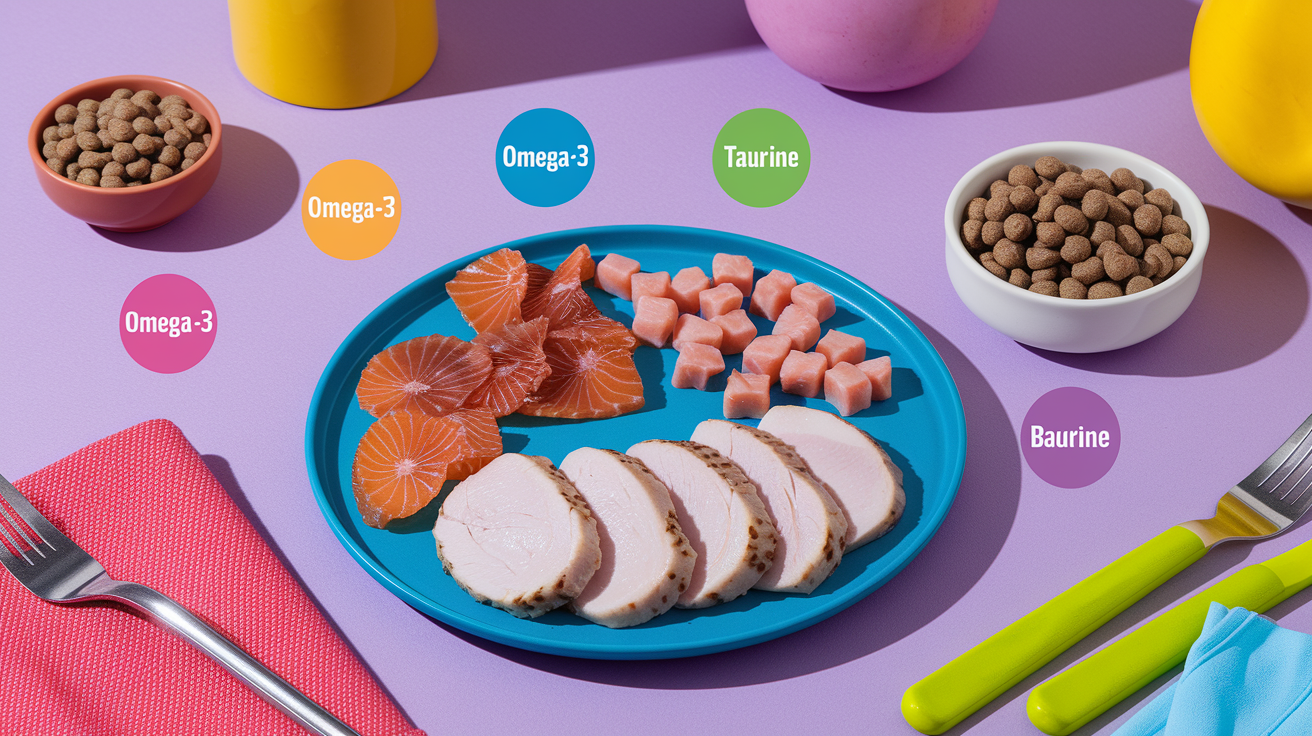
Cooked plain chicken or turkey breast, without seasoning or skin, is one of the safest and most digestible protein options for cats. Small portions of cooked poultry can be mixed into regular cat food or offered as a low calorie treat. Poultry is lower in mercury and contaminants than fish and provides high quality protein without the nutritional imbalances that come with tuna. Freeze dried or air dried chicken and turkey treats are also convenient and shelf stable, making them easy to use for training or portion control.
Small oily fish like sardines or anchovies, packed in water with no added salt, offer omega 3 fatty acids and are lower on the food chain, which means they accumulate less mercury. A single small sardine or a teaspoon of mashed sardine once a week can provide flavor variety without the risks of larger tuna species. Cooked white fish such as cod or haddock is another option, though it should be plain, boneless, and offered only occasionally. Salmon should be used sparingly because it’s higher in fat and can contribute to the same vitamin E depletion issues as tuna if fed too often.
Commercial wet cat foods that include fish flavors are formulated to be complete and balanced, meaning they provide all the nutrients a cat needs without the risks of plain human fish. These foods often use smaller fish species, add taurine and vitamins, and control for contaminants during production. They’re a safer way to give your cat the fish taste they crave while ensuring nutritional completeness.
Recommended alternatives to plain tuna:
Cooked plain chicken or turkey breast, no seasoning. Freeze dried chicken or turkey treats formulated for cats. Small sardines or anchovies in water, low sodium, once weekly. Complete commercial wet foods with fish flavor, meeting AAFCO standards.
How to Use Tuna Safely: Mixing, Enhancing Diets, and Transition Plans
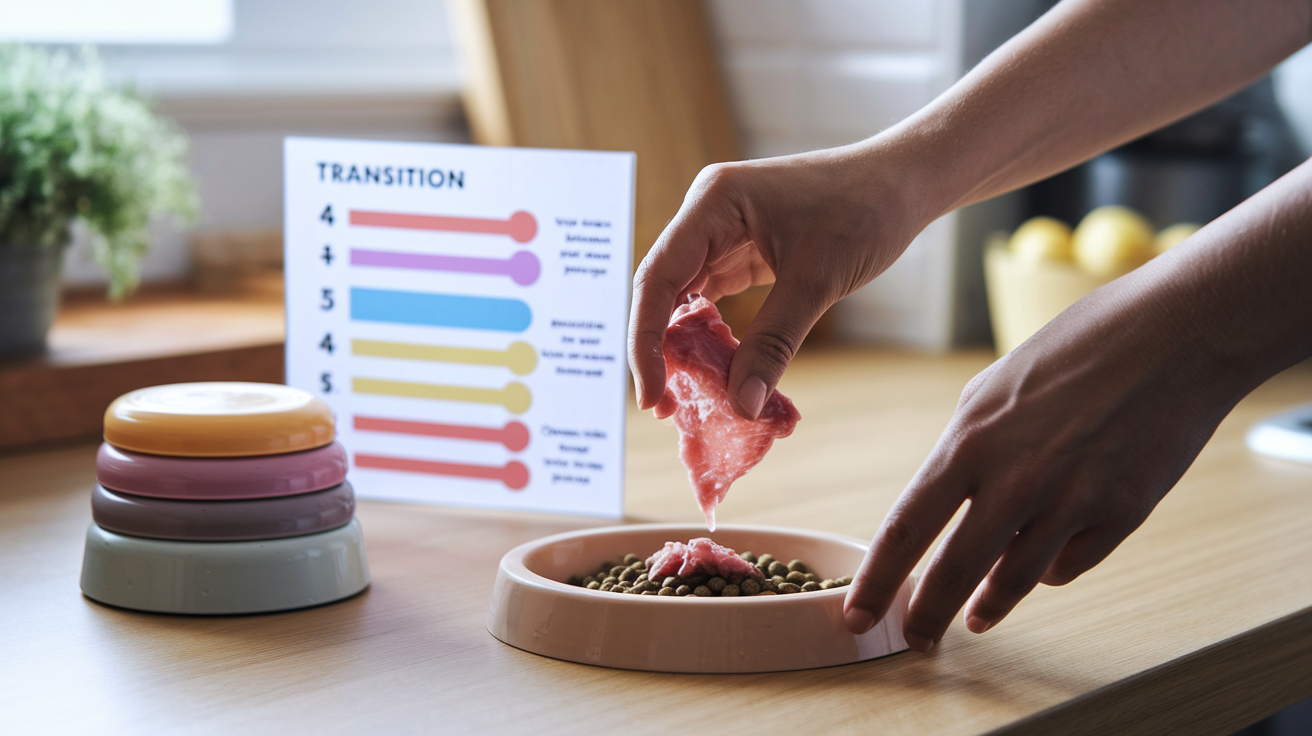
Rinsing canned tuna under running water for 30 seconds removes a significant portion of the added sodium, making it safer for occasional use. After rinsing, drain the tuna thoroughly and offer only a small amount mixed into your cat’s regular complete food. This approach allows your cat to enjoy the flavor without replacing the balanced nutrition in their main meal. Mixing one teaspoon of rinsed tuna into a serving of wet food can entice a reluctant eater during illness or stress, but it shouldn’t become a daily habit.
Tuna water, the liquid left in the can, is sometimes used as a food topper to increase moisture intake, especially for cats that don’t drink enough water. While tuna water can make dry food more appealing and add hydration, it still contains sodium and trace amounts of mercury. Using it more than once or twice a week isn’t recommended, and it should never replace plain water in your cat’s bowl. For cats that need extra hydration, low sodium chicken broth (with no onion or garlic) or plain water mixed into wet food is a safer long term solution.
If your cat has been eating tuna daily and needs to transition to a balanced diet, the change should be gradual to avoid refusal and hunger strikes. Start by mixing a small amount of complete wet food into the tuna, gradually increasing the ratio of cat food to tuna over two to three weeks. Some cats may resist at first, but patience and consistency usually succeed. Offering the new food at the same time each day, in a quiet location, and warming it slightly to release aroma can help. If your cat refuses to eat for more than 24 hours, consult your veterinarian, because prolonged fasting can cause liver problems in cats.
Final Words
You learned that plain canned tuna isn’t a balanced daily food. It can lack key nutrients, add extra calories, and bring mercury risk over time.
There are safer options like tiny treat portions, rinsing, cooked low mercury fish and AAFCO complete tuna formulas made for cats. Kittens, seniors and sick cats need extra caution.
If you’re asking can cats eat tuna every day, the answer is no for human tuna, only specially formulated, tested cat products could be exceptions. Talk with your vet and enjoy safe variety in your cat’s meals.
FAQ
Q: How often can a cat eat tuna and can too much tuna be bad for a cat?
A: A cat can eat tuna only occasionally; plain canned tuna daily is not recommended because it lacks key nutrients, can cause vitamin B1 shortage, and risks mercury buildup. Keep treats to about 5–10 g, no more than 1–2 times weekly.
