
Annual checkups aren’t enough for many senior pets.
Seeing the vet twice a year helps catch small problems before they become big ones, keeps treatments working, and protects your pet’s comfort.
This post shows how often different seniors should see the vet, which pets need more frequent visits, and the warning signs that mean you should call today.
Bottom line: most healthy seniors need checkups every six months.
Pets with chronic disease or new medications usually need closer monitoring.
Determining the Right Vet Visit Frequency for Senior Pets

Healthy senior pets should visit the vet every six months. This twice yearly schedule lets your vet catch subtle age related shifts before they turn into bigger problems. Those semi annual visits give your vet a baseline to compare against, helping track trends in weight, organ function, dental health, and how well your pet moves over time.
Pets with existing health conditions need more frequent care. Seniors dealing with chronic diseases like kidney disease, arthritis, or diabetes typically need checkups every three to four months. This schedule allows your vet to adjust medications, repeat bloodwork, and see how well treatment’s actually working. When a pet starts a new medication (especially insulin, heart medications, or pain relievers), your vet might schedule rechecks every two to four weeks until the dosage stabilizes and side effects get ruled out.
Why the jump from annual to semi annual visits? Aging happens faster in pets than in people. A single year in a senior dog or cat’s life can represent several human years of physiological change. Organs that worked perfectly at the last annual exam can start declining within months. Semi annual wellness exams improve early detection of conditions like kidney disease, diabetes, periodontal disease, cognitive decline, and cancer. Catching these conditions early expands treatment options, reduces long term costs, and improves quality of life. Research shows that pets with regular veterinary visits were 30% less likely to develop chronic disease compared to those seen only once a year or less.
Your senior pet’s visit schedule depends on several factors:
Baseline health status. Healthy seniors with normal bloodwork and no chronic conditions can stay on the standard six month schedule.
Existing chronic conditions. Pets managing kidney disease, diabetes, heart disease, or arthritis need three to four month checkups to track disease progression and medication response.
New or adjusted medications. Pets starting new drugs or changing doses may require two to four week rechecks until stable.
Sudden changes in behavior, appetite, or mobility. Any noticeable decline warrants an immediate visit, not waiting for the next scheduled appointment.
High risk breeds or sizes. Large and giant breed dogs, brachycephalic breeds, and cats with breed specific risks may need more frequent monitoring as recommended by your vet.
Age Brackets That Influence Senior Pet Vet Visit Schedules

The age at which your pet becomes a “senior” depends on species, breed, and size. Cats generally reach senior status between seven and ten years old. Dogs vary more widely. Small breed dogs like Chihuahuas or Pomeranians may not be considered senior until ten to twelve years, while giant breeds like Great Danes or Mastiffs enter their senior years as early as six to seven years old. Medium sized dogs typically fall somewhere in the middle, around eight to twelve years.
These age brackets matter because they influence disease risk, the pace of organ decline, and how often your vet needs to monitor your pet. Larger dogs age faster at a cellular level and face higher risks of joint disease, heart problems, and cancer at younger chronological ages. Smaller dogs and cats often enjoy longer lifespans but still require the same vigilant monitoring once they reach their senior threshold. Indoor cats may have different risk profiles than outdoor cats. Indoor seniors are more prone to obesity and dental disease, while outdoor seniors face higher injury and infection risks that also require close veterinary attention.
| Pet Category | Senior Age Range | Common Health Risks |
|---|---|---|
| Cats | 7–10 years | Kidney disease, hyperthyroidism, dental disease |
| Small-breed dogs | 10–12 years | Dental disease, heart disease, obesity |
| Large and giant-breed dogs | 6–8 years | Arthritis, cancer, heart disease |
What Happens During a Senior Pet Wellness Exam

A senior wellness exam is more comprehensive than the routine checkup your pet received as a younger adult. Your veterinarian will perform a thorough physical exam, checking heart and lung sounds, feeling the abdomen for masses or organ enlargement, examining joints for pain or swelling, scoring dental health, and assessing body condition and weight. The vet will also measure blood pressure, since high blood pressure is common in older pets and can damage kidneys, eyes, and the heart.
Your vet will ask detailed questions about changes you’ve noticed at home. Appetite, water intake, urination and bowel habits, activity level, sleep patterns, mobility, behavior, and any new lumps or bumps. Bring notes, photos, or short videos if your pet’s been limping, coughing, or acting disoriented. These observations help your vet piece together subtle patterns that might not show up during a single exam.
Senior exams almost always include diagnostic testing. Baseline bloodwork and urinalysis are recommended every six months for healthy seniors. If your pet’s managing a chronic condition or starting new medications, testing frequency increases to every one to four months. Your vet may also recommend additional screening tests based on breed, history, or exam findings. Thyroid panels for older cats, cardiac screening for breeds prone to heart disease, or imaging to investigate abnormal findings.
Core Diagnostics in Senior Wellness Exams
A complete blood count (CBC) checks red and white blood cells and platelets, revealing anemia, infection, inflammation, or clotting problems. A blood chemistry panel evaluates kidney function, liver enzymes, blood sugar, electrolytes, and proteins. Elevated kidney values or glucose can signal diabetes or early kidney disease. Urinalysis detects protein, blood, glucose, bacteria, and dilution problems that point to kidney disease, bladder infections, or diabetes. Thyroid testing is especially important for older cats, who commonly develop hyperthyroidism, and for certain dog breeds prone to hypothyroidism.
Blood pressure measurement identifies high blood pressure, which can worsen kidney disease and cause sudden blindness. Eye pressure tests screen for glaucoma, a painful condition more common in seniors. A Schirmer tear test checks for dry eye (keratoconjunctivitis sicca), which can develop as pets age. Dental scoring documents the severity of tartar buildup, gum inflammation, and tooth damage. When exam findings or test results raise concerns, your vet may recommend chest X-rays to evaluate the heart and lungs, abdominal imaging to check organ size and look for masses, or joint radiographs to assess arthritis severity.
Common Age-Related Conditions That Influence Vet Visit Frequency
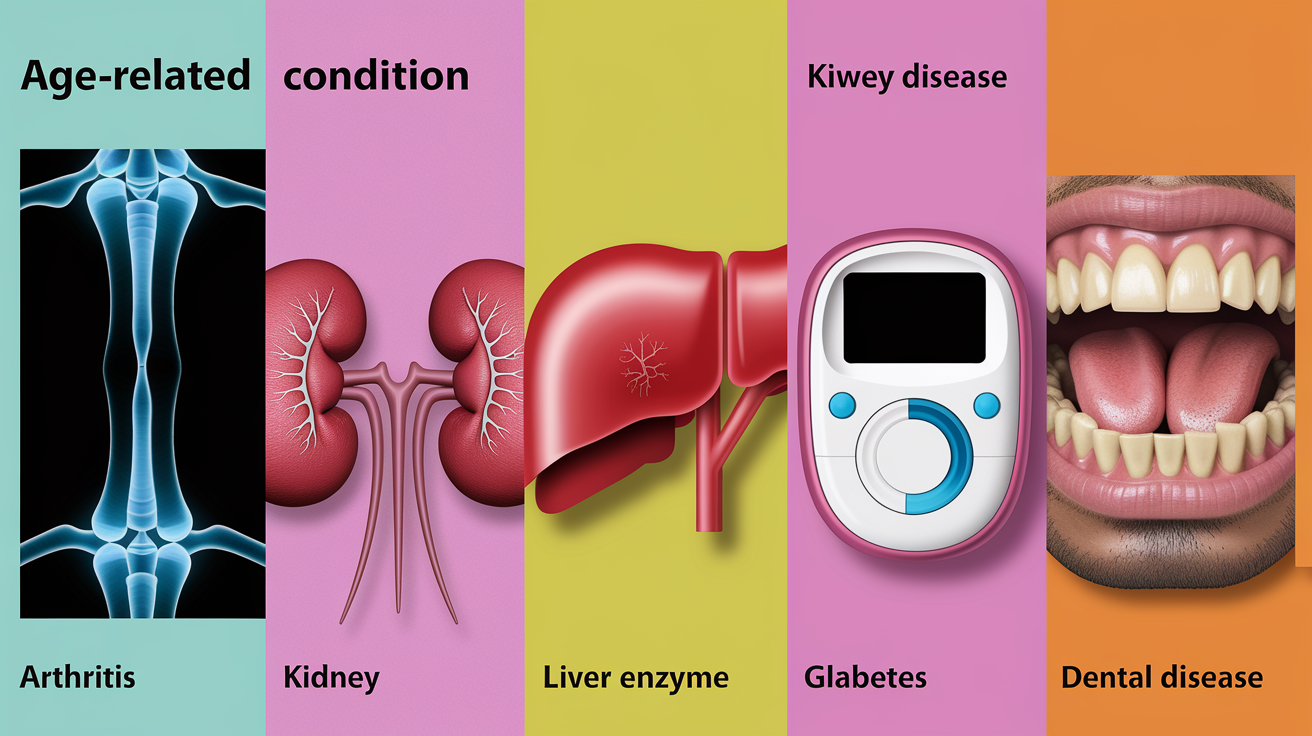
Senior pets commonly develop conditions that require ongoing monitoring and adjustments to their care plan. Arthritis and joint pain affect many older dogs and cats, reducing mobility and quality of life. Kidney disease is one of the leading causes of illness in senior cats and also affects older dogs. Liver enzyme elevations may signal liver disease, cancer, or side effects from medications. Diabetes requires careful blood sugar monitoring and insulin adjustments. Periodontal disease causes pain, tooth loss, and infections that can damage the heart, liver, and kidneys.
Heart disease, including heart murmurs and valve degeneration, becomes more common with age. In a study of 100 older dogs, 22 had detectable heart murmurs. The same study found that 21 dogs had severe dental calculus, 56 had one or more masses, 32 had abnormal blood chemistry results, and 32% showed protein in their urine (a marker of kidney stress or disease). Cognitive decline, similar to dementia in people, can cause disorientation, altered sleep wake cycles, housetraining accidents, and anxiety. Obesity strains joints, worsens arthritis, and increases the risk of diabetes and heart disease.
Conditions that most often require more frequent vet visits include:
Chronic kidney disease. Regular bloodwork and urinalysis every one to four months to monitor kidney function, adjust diet, and manage blood pressure and hydration.
Diabetes mellitus. Frequent glucose checks, insulin dose adjustments, and monitoring for complications like cataracts or urinary tract infections.
Arthritis and joint pain. Periodic pain assessments, weight checks, and medication or supplement adjustments to keep pets comfortable and mobile.
Heart disease. Blood pressure monitoring, heart medication management, and chest X-rays or echocardiograms to track disease progression.
Hyperthyroidism (cats). Thyroid level testing every three to six months if on medication, plus monitoring for side effects and organ changes.
Cancer or masses. Rechecks every four to eight weeks during treatment, then every three to six months for monitoring and early detection of recurrence.
Emergency Signs That Require Immediate Veterinary Care in Senior Pets

Not every health change in a senior pet can wait for the next scheduled checkup. Certain signs indicate a serious or rapidly worsening problem that requires same day or emergency veterinary attention. Knowing these red flags helps you act quickly and can prevent life threatening complications.
Senior pets are more vulnerable to sudden declines because their organ reserves are lower and they often have underlying conditions that can destabilize quickly. A symptom that might resolve on its own in a younger pet can signal organ failure, internal bleeding, or severe infection in a senior. When in doubt, call your vet right away and describe what you’re seeing. Many clinics can guide you over the phone about whether to come in immediately or monitor at home for a few hours.
Watch for these emergency signs that should never wait:
Severe vomiting or diarrhea. Especially if it contains blood, happens repeatedly within a few hours, or comes with weakness or collapse.
Sudden weight loss or complete loss of appetite. A senior pet that stops eating for more than 24 hours or loses noticeable weight in a week needs urgent evaluation.
Marked lethargy or inability to stand. If your pet is unusually weak, wobbly, unresponsive, or collapses, go to the vet immediately.
Obvious pain or new lameness. Whining, panting at rest, reluctance to move, guarding a body part, or sudden limping that doesn’t improve within a few hours.
Difficulty breathing or labored breathing. Open mouth breathing in cats, rapid or shallow breathing, blue tinged gums, or gasping.
Seizures, tremors, or loss of consciousness. Any seizure in a senior pet warrants immediate care, even if it stops quickly.
Blood in urine, stool, or vomit. Visible blood or black, tarry stools can indicate internal bleeding or severe gastrointestinal problems.
How Veterinary Testing Schedules Change for Senior Pets

As pets age, the frequency and scope of diagnostic testing increase. Baseline bloodwork every six months is the standard recommendation for healthy senior pets. This schedule establishes normal ranges for your individual pet and makes it easier to spot early trends (like a gradual rise in kidney values or a slow drop in red blood cell count) before clinical signs appear.
When a senior pet is diagnosed with a chronic condition or starts a new medication, testing intervals shorten. Pets with active kidney disease, liver problems, diabetes, or hyperthyroidism often need bloodwork and urinalysis every one to four months. Pets on medications that can affect organ function (such as nonsteroidal anti-inflammatory drugs for arthritis or chemotherapy for cancer) require regular monitoring to catch side effects early. Insulin dependent diabetic pets may need blood glucose curves or fructosamine tests every few weeks during dose adjustments, then every three to four months once stable.
Fecal testing remains important but is typically performed annually unless gastrointestinal signs appear. Senior pets can still pick up intestinal parasites, and some parasites are transmissible to people. Kidney monitoring in senior cats and dogs often includes the SDMA test, a sensitive marker of kidney function that can detect disease earlier than traditional creatinine measurements. If SDMA is elevated, your vet may recommend urinalysis and SDMA rechecks every two to three months to track progression and guide treatment adjustments.
| Test | Recommended Frequency | Notes |
|---|---|---|
| CBC and chemistry panel | Every 6 months (healthy seniors); every 1–4 months (chronic disease or new meds) | Screens for anemia, infection, organ function, and electrolyte balance |
| Urinalysis | Every 6 months (healthy seniors); every 1–3 months (kidney disease or diabetes) | Detects kidney problems, bladder infections, diabetes, and protein loss |
| Thyroid testing | Annually or as indicated by symptoms; every 3–6 months if on thyroid medication | Especially important for senior cats; some dog breeds also at risk |
| Blood pressure | Every 6 months; more often if high blood pressure is diagnosed | High blood pressure can damage kidneys, eyes, and heart |
| Fecal exam | Annually; more often if diarrhea or weight loss occurs | Screens for parasites and gastrointestinal infections |
Monitoring Chronic Conditions and Adjusting Vet Visit Frequency

When a senior pet is diagnosed with a chronic condition, the standard six month wellness schedule shifts to a more individualized plan. Pets with stable chronic conditions (such as well controlled arthritis, early stage kidney disease with normal appetite and energy, or managed diabetes with consistent glucose readings) typically need checkups every three to four months. This interval allows your vet to track disease progression, adjust medications, and catch complications before they become emergencies.
Pets on newly prescribed medications require closer monitoring. Insulin dose adjustments for diabetic pets often involve rechecks every two to four weeks until blood sugar levels stabilize. Cardiac medications, thyroid drugs, and pain relievers can take weeks to reach steady levels in the bloodstream, and your vet needs to confirm the dose is effective and not causing side effects. During this adjustment period, your vet may ask you to monitor specific signs at home (such as appetite, water intake, energy level, or breathing rate) and report back between visits.
Behavior and appetite logs are valuable tools for tracking trends between checkups. Note daily food intake, treats given, water bowl refills, litter box or outdoor bathroom habits, activity level, sleep quality, and any unusual behaviors like pacing, hiding, or vocalizing. These records help your vet understand whether a medication is working, whether a condition is worsening, or whether new symptoms are emerging. Bringing a written log or photos of your tracking sheet to each appointment gives your vet concrete data to guide treatment decisions and helps you feel more confident that you’re doing everything you can at home.
Understanding Dental Care and Its Impact on Senior Vet Visit Frequency
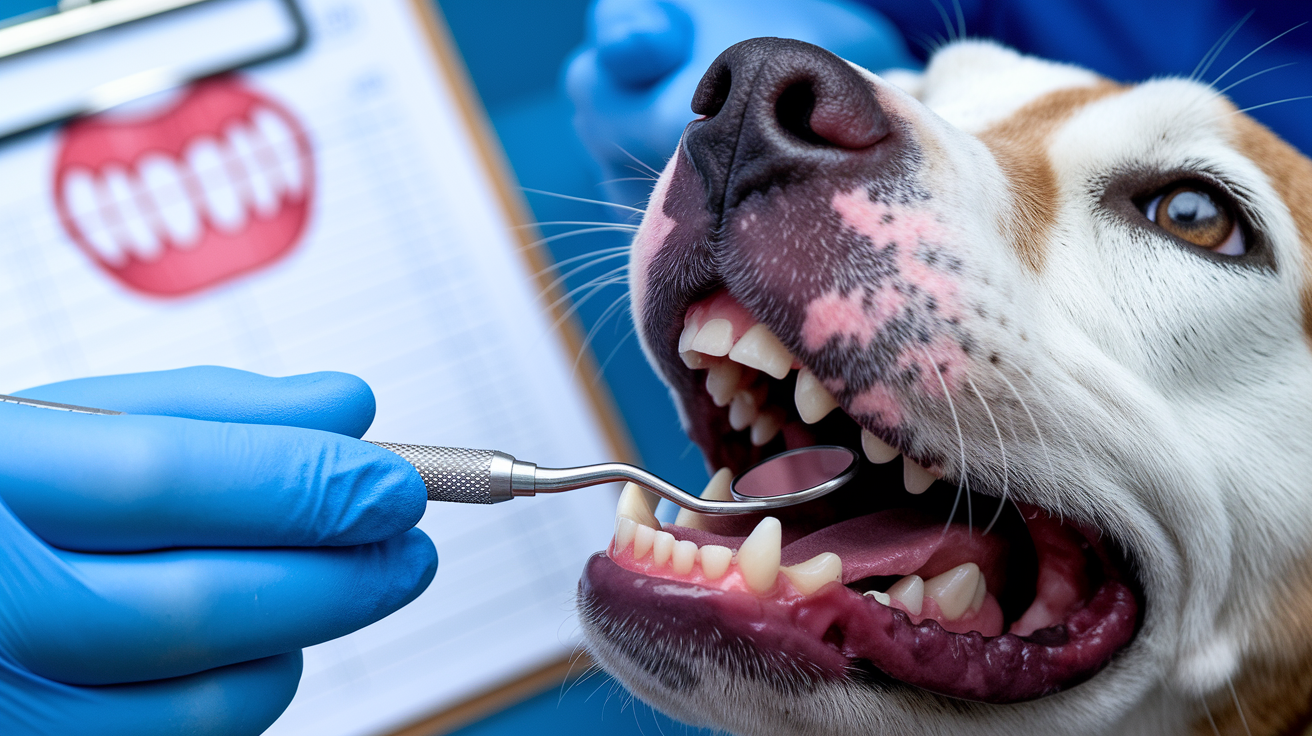
Dental disease is one of the most common health problems in senior pets, and it directly affects how often your pet needs veterinary care. Periodontal disease develops when plaque and tartar build up on teeth, leading to gum inflammation, infection, tooth root abscesses, and eventual tooth loss. Left untreated, bacteria from the mouth enter the bloodstream and can damage the heart, liver, and kidneys. In a study of 100 older dogs, 21 had severe dental calculus (a visible sign of advanced dental disease).
Every senior wellness exam includes a dental evaluation. Your vet will check for tartar buildup, gum redness and swelling, loose or broken teeth, and oral masses. If your pet already has dental disease, your vet may recommend a professional dental cleaning under anesthesia. Routine cleanings typically cost between $300 and $700, depending on the severity of disease and whether extractions are needed. Delaying treatment often leads to more extensive and expensive procedures. Advanced dental disease can cost several thousand dollars to treat, especially when infections or organ damage have developed.
Senior pets with moderate to severe dental disease may need more frequent cleanings (every six to twelve months instead of every few years). Between cleanings, your vet will continue to monitor dental health at every checkup and may adjust the cleaning schedule based on how quickly tartar reaccumulates. Some pets benefit from at home dental care like tooth brushing, dental chews, or water additives, but these are supplements to professional care, not replacements.
Warning signs of dental disease that warrant a vet visit include:
Bad breath. A strong, foul odor from the mouth, sometimes described as fishy or rotten.
Red, swollen, or bleeding gums. Healthy gums are pale pink; dark red or purple gums signal inflammation or infection.
Difficulty eating or dropping food. Chewing on one side, reluctance to eat hard kibble, or food falling out of the mouth.
Drooling or pawing at the mouth. Often indicates pain or discomfort from a tooth root abscess or oral mass.
Visible tartar buildup. Yellow, brown, or gray crust on the teeth, especially near the gum line.
Loose or missing teeth. Teeth that wiggle or have fallen out, or gaps where teeth used to be.
Preparing for a Senior Pet’s Vet Appointment
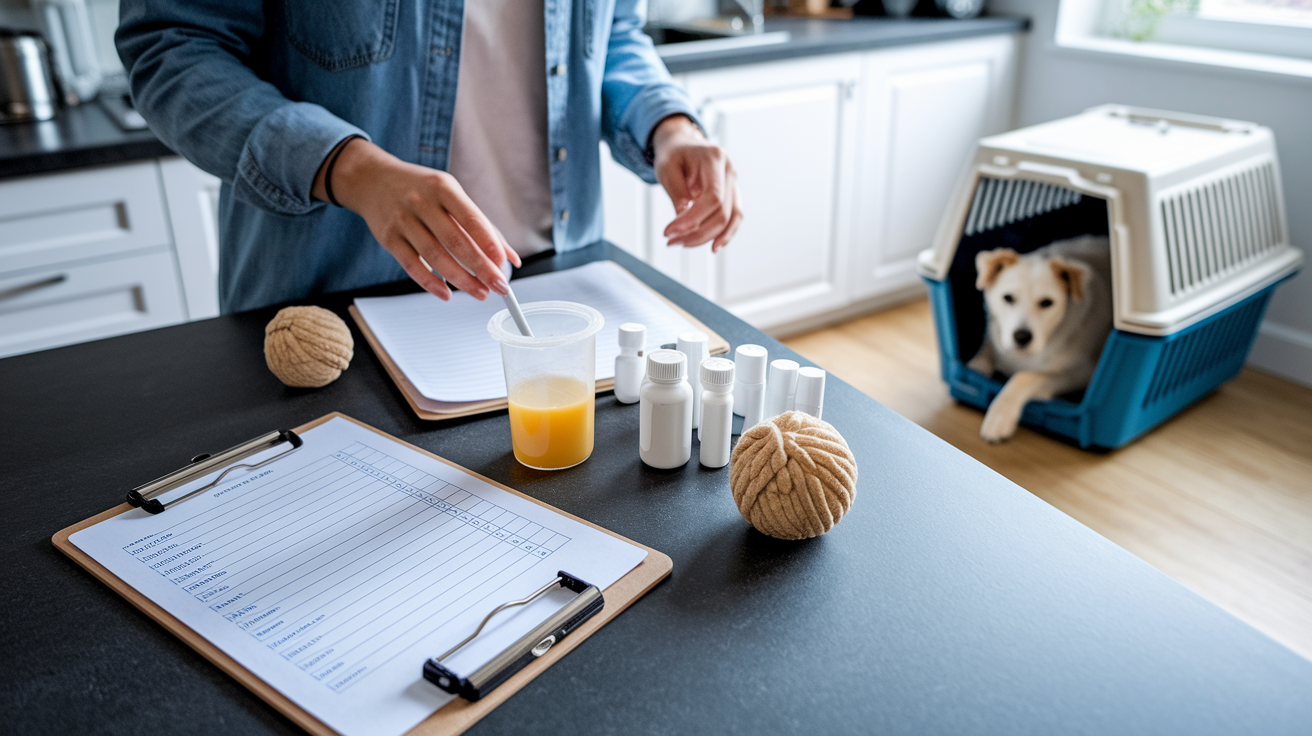
Preparation makes senior wellness visits more productive and less stressful for both you and your pet. Start observing your pet closely about one month before the scheduled visit. Track daily routines, note any changes in appetite, water intake, bathroom habits, energy level, sleep patterns, or behavior, and take photos or short videos of anything unusual (limping, coughing, head shaking, scooting, or confusion). These observations give your vet valuable context and help identify subtle trends that might not be obvious during a brief exam.
Ask your vet’s office ahead of time whether you need to bring a urine or stool sample, or whether your pet should fast before bloodwork. Some tests require fasting, while others do not. If your pet is anxious or reactive in the clinic, consider scheduling the first appointment of the day when the waiting room is quieter. Bring a familiar blanket or favorite toy to help your pet feel more secure. If your pet is especially stressed by car rides or vet visits, ask your vet about calming treats, pheromone sprays, or pre visit anxiety medication.
What to bring to the appointment:
Written list of current medications and supplements. Include names, doses, and frequency; bring the bottles if you’re unsure.
Recent photos or videos of symptoms. Limping, coughing, vomiting, or behavior changes are easier to assess when the vet can see them.
Behavior and symptom log. Notes on appetite, water intake, bathroom habits, energy, and any unusual behaviors over the past few weeks.
Questions you want to ask. Write them down so you don’t forget during the appointment.
Stool or urine sample if requested. Fresh samples collected the morning of the visit are best.
Questions to Ask During the Senior Exam
Asking the right questions helps you understand your pet’s health status and create a clear care plan. These questions also help you know what to watch for at home and when to call the vet between visits.
How often should my senior pet be evaluated given their current health status and any existing conditions?
What is the best diet and ideal weight for my pet at this stage of life, and are any supplements or joint support products recommended?
Does my pet have arthritis or early signs of cognitive decline, and what can be done to manage these conditions and keep them comfortable?
What lifestyle or environmental changes would improve my pet’s quality of life based on what you found during today’s exam?
What specific signs or changes at home would mean I should call you before the next scheduled checkup?
Sample Vet Visit Timeline for Senior Pets

A typical year for a healthy senior pet includes two wellness visits spaced roughly six months apart, along with at home monitoring and preventive care between appointments. This schedule allows your vet to track trends over time, catch early disease, and adjust care as your pet’s needs change. Pets with chronic conditions will have additional checkups and testing intervals woven into this timeline.
At each semi annual visit, your vet will perform a physical exam, update vaccinations as needed, review diet and weight, assess mobility and pain, check dental health, and recommend diagnostic testing. Bloodwork and urinalysis are typically performed at both visits to establish trends and detect changes in organ function, blood sugar, or hydration. If your pet is healthy and stable, these two visits may be the only veterinary care needed during the year. If any concerns arise (new symptoms, abnormal test results, or changes in behavior), your vet will add follow up visits and adjust the timeline accordingly.
Benchmarks for healthy aging include stable body weight, normal appetite and water intake, good energy and mobility for the pet’s age, manageable or absent pain, normal lab values or stable trends if managing a chronic condition, and a calm, engaged demeanor without signs of cognitive decline. Meeting these benchmarks means the current schedule and care plan are working well.
| Month | Wellness Task | Notes |
|---|---|---|
| January | First semi-annual wellness exam, full bloodwork and urinalysis, dental check, weight and body condition assessment | Baseline exam for the year; adjust medications or diet as needed |
| March–June | Home monitoring: track appetite, water intake, bathroom habits, mobility, behavior; continue medications and preventive care | Call vet if any red-flag symptoms appear; schedule additional visits if managing chronic disease |
| July | Second semi-annual wellness exam, repeat bloodwork and urinalysis, dental and mobility reassessment | Compare results to January baseline; adjust care plan based on any changes |
| August–December | Continue home monitoring and preventive care; schedule any recommended follow-ups or specialist referrals | Plan ahead for the next January appointment; track any new symptoms or changes closely |
When to Consider Specialists or Additional Therapies for Senior Pets
Some senior health problems require expertise beyond general practice. If your pet has advanced heart disease, complex endocrine disorders, neurologic symptoms like seizures or sudden paralysis, cancer requiring chemotherapy or radiation, or severe orthopedic issues, your vet may recommend referral to a specialist. Veterinary specialists have advanced training and equipment that allow for more precise diagnosis and treatment options that may not be available at a general practice clinic.
Mobility and pain management sometimes benefit from additional therapies. Physical rehabilitation, similar to physical therapy in people, can help senior pets with arthritis, post surgical recovery, or neurologic weakness regain strength and range of motion. Sessions are typically scheduled once or twice a week initially, then tapered to weekly or monthly maintenance visits as the pet improves. Acupuncture, laser therapy, and hydrotherapy are other supportive options that some pets respond to well. These therapies are usually offered on a biweekly or monthly schedule and work best when combined with conventional veterinary care, pain medication, weight management, and home modifications like ramps or orthopedic bedding.
Adapting Home Care Based on Senior Vet Recommendations
Vet visits provide the roadmap, but the real work happens at home every day. After each senior wellness exam, your vet may recommend changes to diet, exercise, environment, or daily routines. Following through on these recommendations improves your pet’s quality of life and can slow the progression of age related conditions.
Diet adjustments are common for senior pets. Your vet may suggest a prescription diet for kidney support, weight loss, joint health, or digestive sensitivity. Portion control becomes more important as metabolism slows and activity decreases. Some seniors benefit from elevated food and water bowls to reduce strain on the neck and shoulders. Mobility aids like ramps, stairs, non slip mats, and orthopedic beds help pets with arthritis navigate the home more comfortably. Joint supplements such as glucosamine and omega 3 fatty acids may be recommended to support cartilage health and reduce inflammation. Cognitive support products, including diets with antioxidants and medium chain triglycerides, can help slow mental decline in aging pets.
Actionable at home adjustments based on vet recommendations include:
Switch to a senior specific or prescription diet. Transition gradually over seven to ten days to avoid digestive upset.
Add joint supplements or omega 3 fatty acids. Follow your vet’s dosing guidelines and track any improvements in mobility or stiffness.
Install ramps or pet stairs. Help your pet access furniture, beds, or vehicles without jumping and stressing joints.
Use non slip mats or rugs on hard floors. Reduce the risk of slipping and falling, especially for pets with arthritis or weakness.
Track daily routines and symptoms in a notebook or app. Record food intake, water consumption, bathroom habits, activity level, and any unusual behaviors to share at the next vet visit.
Final Words
In practice, most senior pets do best with a veterinary check every six months, and more often if they have chronic disease or are starting new medications.
This post walked through how age and breed change schedules, what to expect at a geriatric exam, common conditions that require closer monitoring, emergency signs, testing plans, and how to prep for visits.
Bring notes, videos, and questions to each appointment and follow your vet’s testing and home-care suggestions.
If you’re wondering how often should senior pets see the vet, start with twice-yearly visits and adjust as needed — you’ll help them stay comfortable and thriving.
FAQ
Q: How often should senior pets be seen by a vet?
A: Senior pets should be seen by a vet about every six months; pets with chronic conditions may need visits every 3–4 months, and those starting new medications often need rechecks every 2–4 weeks for safe monitoring.
Q: What is the most common cause of death in senior dogs?
A: The most common cause of death in senior dogs is cancer, though heart disease and organ failure are also frequent; regular exams, bloodwork, and imaging help catch problems earlier and guide treatment.
Q: What are signs a dog’s quality of life is declining?
A: Signs a dog’s quality of life is declining include loss of appetite or weight, reduced interest in walks or play, persistent pain or limping, trouble rising, incontinence, breathing changes, or major behavior shifts—call your vet if several appear.
Q: What is sundowning in dogs?
A: Sundowning in dogs is increased confusion, restlessness, pacing, and sleep-wake disruption that shows up in late afternoon or evening, often tied to cognitive decline; vets can suggest routine, lighting changes, and sometimes medications.
