
Think your dog munching grass is a natural home remedy for an upset tummy?
Not exactly. While many dogs nibble grass, research shows it rarely cures nausea and often reflects hunger, boredom, or a search for fiber.
This post explains when grazing is harmless, when it could be risky (treated lawns, parasites, or frequent vomiting), and simple steps you can try at home plus clear signs to call your vet.
Read on so you know what to watch for and what to do next.
Understanding Why Dogs Eat Grass When Their Stomach Is Upset

Most dogs eat grass at some point. Surveys show anywhere from 20% to 80% of dogs munch on grass occasionally, depending on who you ask and how you measure it. A lot of people assume dogs eat grass to settle an upset stomach, but the research doesn’t really back that up.
Here’s the thing. Grass eating isn’t a proven fix for nausea. Studies show only a small number of dogs actually vomit after eating grass, and most grass eating happens when dogs seem totally fine. One study found dogs ate more grass when they were hungry or right before meals, which suggests the behavior’s often about appetite, not sickness. There’s even a documented case of an 11 year old Miniature Poodle who ate grass and plants for 7 years straight. That stopped after switching to a high fiber commercial diet, pointing to fiber seeking as a possible reason.
Grass mostly just passes through undigested because dogs can’t break down cellulose, the main structural part of grass. So while the behavior’s common and usually harmless, it’s not consistently helpful. If your dog eats grass now and then and shows no other issues, it’s typically not a problem. But if it becomes frequent, compulsive, or comes with vomiting, lethargy, or other signs, you need a vet evaluation.
Common reasons dogs eat grass:
- Instinct and ancestral behavior. Wild canids have 2% to 10% plant material in their stomach contents, suggesting an evolutionary piece.
- Dietary fiber deficiency. Some dogs seek grass to make up for missing fiber in their diet.
- Boredom or curiosity. Puppies and under stimulated dogs may graze for fun or exploration.
- Hunger or meal timing. Research shows grass eating goes up when dogs are hungry and drops after eating and later in the day.
How Grass Affects Digestion and Why It Sometimes Causes Vomiting in Dogs
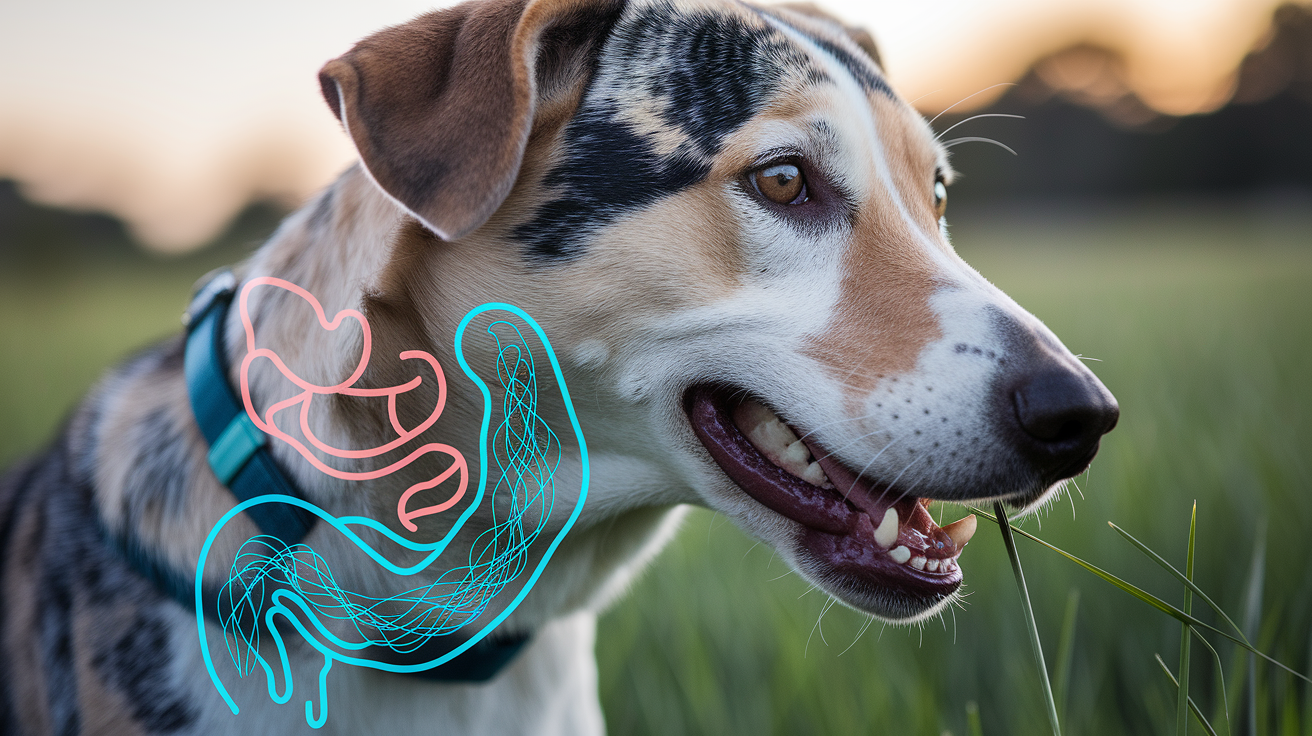
Grass supplies insoluble fiber, which adds bulk to stool and can help with constipation or firming loose stools. It also contains chlorophyll and tiny amounts of vitamins and minerals, though dogs can’t digest enough of it to gain real nutrition. The fibrous texture can mechanically stimulate the intestines and help move things along, but it can also irritate the stomach lining, especially when eaten in large amounts or on an empty stomach.
When grass hits the stomach, the sharp blades and undigestible cellulose can trigger mild irritation. In some dogs, this leads to vomiting as the stomach tries to expel the foreign material. But most dogs don’t vomit after eating grass. Survey data from pet owners and vet students showed almost none of the dogs regularly vomited after grazing, which really undermines the idea that dogs deliberately eat grass to make themselves throw up. One study using fructooligosaccharide (FOS) from sugar beets, which ferments in the large intestine and can cause loose stool, found that dogs on a standard diet ate grass more often than dogs experiencing diarrhea from FOS. Since that diarrhea started in the large intestine, the study doesn’t clarify whether dogs eat grass in response to stomach or small intestine upset.
| Grass Component | Effect on Digestion | Outcome for Dog |
|---|---|---|
| Insoluble fiber (cellulose) | Adds bulk to stool; passes mostly undigested | May firm stools or aid constipation; minimal nutrient absorption |
| Chlorophyll and trace nutrients | Minor nutrient presence; cannot be fully digested | Limited health impact; not a significant dietary source |
| Sharp texture and mechanical irritation | Irritates stomach lining; can trigger vomiting reflex | Some dogs vomit after eating grass; most do not |
Safety Considerations: When Eating Grass Is Risky for Dogs

While occasional grass eating is usually harmless, certain environmental factors and health conditions make it dangerous. The biggest risk? Chemical exposure. Many lawns are treated with pesticides, herbicides, and fertilizers that can poison dogs. Signs of pesticide ingestion include excessive drooling, decreased appetite, vomiting, diarrhea, tremors, and seizures. Always keep your dog off treated lawns for at least 24 to 48 hours after application, and read product labels for exact re-entry times. If you suspect your dog ate grass treated with chemicals, contact your vet immediately and bring the product label to the clinic.
Fecal contamination is another serious problem. Grass contaminated with feces can transmit bacteria, viruses like parvovirus (which can be fatal in unvaccinated puppies), and eggs or larvae of intestinal parasites. Parasites such as roundworms, hookworms, and whipworms can cause weight loss, diarrhea, and malnutrition. Regular fecal testing every 6 to 12 months and monthly preventive deworming (often included in heartworm medications) are recommended to reduce this risk.
Mechanical injuries, though rare, can happen when dogs eat sharp grass awns or consume large amounts of grass mixed with other foreign objects. Grass awns can get lodged in the mouth, throat, or intestines, causing pain, infection, or obstruction. Eating a ton of grass can also contribute to intestinal blockage, especially if combined with other non-food items.
High risk scenarios where grass eating is unsafe:
- Lawns recently treated with pesticides, herbicides, or fertilizers (wait at least 24 to 48 hours before access).
- Areas contaminated with dog or wildlife feces (risk of parvovirus, bacteria, and parasites).
- Fields with sharp grass awns or seed heads that can injure the mouth or intestines.
- Dogs with a history of eating large amounts of grass or non-food items (increased risk of obstruction).
- Unvaccinated puppies or dogs with compromised immune systems (higher risk from infectious agents).
When Grass Eating Indicates a Medical Problem Requiring Veterinary Care

Most grass eating episodes are harmless, but certain patterns and symptoms signal underlying illness that needs professional evaluation. Pay close attention to the frequency and context of the behavior. If your dog eats grass daily, compulsively, or suddenly increases grass eating after years of rarely doing it, those changes warrant a vet visit.
The most important red flags involve vomiting, dehydration, and systemic signs of illness. Vomiting more than 2 to 3 times in 24 hours or persistent vomiting lasting more than 24 hours should prompt a same day call to your vet. Any vomiting accompanied by lethargy, bloody vomit or stools, abdominal pain, or repeated dry heaving (unproductive retching) requires immediate emergency care, as these can indicate serious conditions like bloat, gastric dilatation volvulus (GDV), pancreatitis, or gastrointestinal obstruction. Dehydration is another urgent concern. Check for poor skin elasticity by gently lifting the skin on your dog’s neck or back. If the skin takes more than 2 seconds to return to position (a “skin tent”), or if your dog’s gums are tacky, dry, or pale, get veterinary care right away.
Call your vet or go to the emergency clinic immediately if you observe:
- Vomiting more than 2 to 3 times in 24 hours or any vomiting that lasts beyond 24 hours.
- Repeated dry heaving or unproductive retching with a distended, hard abdomen (possible bloat or GDV).
- Bloody vomit (red or coffee ground appearance) or black, tarry stools indicating gastrointestinal bleeding.
- Fever above 103.0°F (39.4°C) or temperature outside the normal range of 101.0 to 102.5°F.
- Signs of dehydration such as skin tent lasting more than 2 seconds, tacky or dry gums, sunken eyes, or collapse.
- Known or suspected ingestion of grass treated with pesticides or fertilizers. Bring the product label to help assess toxicity risk.
At Home Care If Your Dog Eats Grass and Vomits

If your dog eats grass and vomits once or twice but otherwise seems normal, you can try simple at home care steps for adult dogs. Start by withholding food for 12 hours while making sure your dog has access to fresh water. This short fast gives the stomach time to settle. Don’t fast puppies, small dogs, or dogs with underlying health conditions like diabetes without contacting your vet first, as they’re more vulnerable to complications from fasting.
After the fasting period, start a bland diet. Use small, frequent portions of boiled, skinless chicken (or another lean protein like turkey) and plain white rice or boiled potato. Feed 3 to 4 small meals per day for 24 to 48 hours, starting with portions about 1/4 to 1/2 of your dog’s normal meal size. Gradually increase portion sizes as tolerated, then transition back to regular food over 2 to 3 days by mixing increasing amounts of regular food with the bland diet. If vomiting returns at any point during reintroduction, stop and call your vet.
Hydration is critical. Encourage your dog to take small, frequent sips of water. For mild dehydration, you can offer electrolyte solutions made specifically for pets (available at pet stores or your vet clinic). If your dog can’t keep water down, refuses to drink, or shows worsening signs of dehydration, seek veterinary care immediately.
Probiotic and pumpkin considerations:
- Canned pumpkin (plain, not pie filling) can help firm stools in cases of mild diarrhea. Common doses: small dogs 1 teaspoon to 1 tablespoon per meal, medium dogs 1 to 2 tablespoons, large dogs 2 to 4 tablespoons. Follow product directions and your vet’s advice.
- Probiotics designed for dogs can help restore gut flora after digestive upset. Use canine specific formulations and follow product specific dosing or veterinary recommendations.
- Avoid human medications including over the counter antacids, anti nausea drugs, or pain relievers unless explicitly prescribed by your vet.
- Monitor closely for worsening symptoms, and discontinue home care if vomiting, lethargy, or other red flags appear.
Preventing Problematic Grass Eating in Dogs
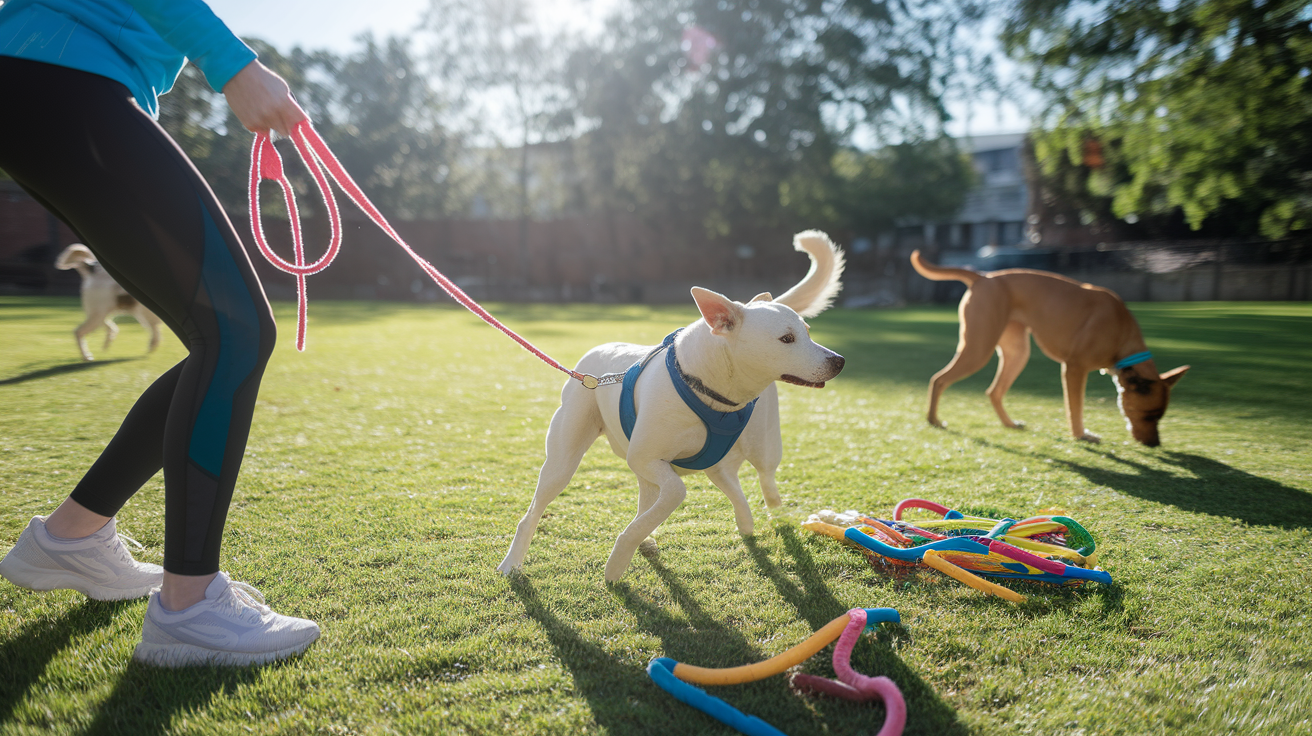
Prevention starts with supervision and environmental management. When walking your dog through grassy areas, use a leash and watch for grazing behavior. Time outdoor trips right after meals to reduce hunger driven grass eating, since research shows dogs eat more grass when they’re hungry. If your dog still goes for grass later in the day, allow access during those times when the behavior is less frequent.
Redirect your dog using positive reinforcement training. When you notice your dog heading toward grass to eat it, call them away and ask for a trained behavior like “sit” or “come.” Reward compliance with a small treat, toy, or verbal praise. Avoid scolding, which can increase stress and attention seeking behavior. Provide plenty of mental and physical enrichment through daily walks, puzzle toys, interactive play, and training sessions to reduce boredom and anxiety, both of which can drive grazing.
Specific prevention tips:
- Avoid lawns treated with pesticides, herbicides, or fertilizers for at least 24 to 48 hours after application, or longer if the product label recommends it.
- Keep your dog current on vaccinations (especially parvovirus) and monthly heartworm preventives that include intestinal parasite control.
- Do regular fecal testing every 6 to 12 months, or sooner if your dog shows signs of gastrointestinal illness, to detect and treat parasites early.
- Grow pesticide free oat grass, wheatgrass, or other safe grasses indoors and offer them as a controlled alternative to outdoor grazing.
- Consider increasing dietary fiber through vet recommended high fiber dog food or fiber supplements if your dog seeks grass frequently and other causes have been ruled out.
Understanding Grass Eating Behavior Across Life Stages

Puppies often eat grass out of curiosity and exploration as they learn about their environment. However, puppies are at higher risk from parasites, toxins, and infectious diseases like parvovirus, especially if they’re not fully vaccinated. Puppies also have smaller body reserves and can become dehydrated or hypoglycemic more quickly than adult dogs, so any vomiting or diarrhea associated with grass eating should be evaluated by a vet promptly.
Senior dogs may graze more frequently due to chronic gastrointestinal discomfort, age related dietary deficiencies, or underlying illnesses such as inflammatory bowel disease, pancreatitis, or kidney disease. Older dogs are also more prone to compulsive behaviors and may eat grass as a response to anxiety or cognitive decline. Behavioral drivers like boredom, stress, or attention seeking can occur at any age, but compulsive or excessive grass eating in any life stage should prompt a vet workup to rule out dietary deficiencies, gastrointestinal disease, or pica disorders.
Alternative Safe Options When Your Dog Seeks Grass

If your dog enjoys grazing, you can provide safe alternatives that reduce exposure to pesticides, parasites, and contaminated outdoor environments. Oat grass and wheatgrass are popular options that can be grown indoors in small trays or pots. These grasses are free from chemicals and fecal contamination, and many dogs enjoy nibbling on them. Pet stores and online retailers sell kits specifically designed for growing grass indoors for pets. You can also grow pesticide free grass in a controlled outdoor area or container if you have the space.
Increasing dietary fiber through high quality commercial dog food or vet approved fiber supplements can address fiber seeking behavior. Many dogs that graze frequently benefit from diets formulated for sensitive stomachs or gastrointestinal support. Limited amounts of plain canned pumpkin or cooked green beans can also add fiber, but always follow your vet’s portion recommendations to avoid digestive upset from overfeeding.
Safe alternatives to outdoor grass eating:
- Indoor oat grass or wheatgrass grown in trays or pots, free from pesticides and contaminants.
- Commercial high fiber dog food formulated to meet AAFCO standards for your dog’s life stage (examples include Hill’s Science Diet, Eukanuba, Purina Pro Plan).
- Vet approved fiber supplements such as psyllium husk or other formulations designed for canine use.
- Safe chew toys or dental chews to redirect grazing behavior and provide oral stimulation without ingestion risks.
Tracking Grass Eating and Digestive Symptoms for Your Veterinarian

When grass eating becomes frequent or comes with symptoms, keeping a simple log can help your vet diagnose the underlying cause. Track the frequency of grass eating episodes, the time of day they occur, and whether they happen before or after meals. Note any vomiting or diarrhea, including the number of episodes, appearance (color, consistency, presence of blood or undigested food), and timing. Record changes in appetite, water intake, energy level, and stool quality.
Photos or short videos can be really helpful, especially for behaviors like limping, coughing, or grass eating that may not occur during the vet visit. If your dog vomits or has abnormal stools, take a photo before cleaning it up. This visual information can help your vet assess the severity and nature of the problem. If you suspect pesticide exposure, bring the product label or take a photo of it to your appointment. Your vet will likely recommend routine fecal testing every 6 to 12 months or sooner if gastrointestinal signs are present, along with bloodwork or imaging if a systemic illness or obstruction is suspected.
Final Words
When your dog nibbles grass and seems queasy, remember grass eating is common but not a cure. Watch for chemicals, parasites, or repeated vomiting and note what you see.
At home, offer small sips of water, skip adult meals up to 12 hours, then try tiny bland portions.
Call your vet if vomiting more than 2–3 times in 24 hours or your dog is lethargic, dehydrated, or has bloody vomit. If you’re asking can dogs eat grass for upset stomach, these steps and a vet check usually mean a fast recovery.
FAQ
Q: Does grass help settle a dog’s stomach? / Is grass good for dogs when they’re sick?
A: Grass sometimes helps settle a dog’s stomach and can seem good when they’re sick, but studies are mixed; it often reflects hunger or fiber-seeking and isn’t a reliable treatment.
Q: What soothes a dog’s upset stomach?
A: Soothing a dog’s upset stomach usually means a short fast, then small bland meals like boiled chicken and rice, frequent sips of water, and vet-approved probiotics or canned pumpkin if needed.
Q: Should I let my dog keep eating grass and throwing up?
A: Letting your dog keep eating grass and throwing up is not advised if vomiting repeats, your dog is lethargic, or you suspect chemicals; stop access and call your vet if vomiting two to three times or more.
