
Vomiting after meals often looks scary, but most of the time it isn’t an emergency.
From fast gulping and hairballs to sudden diet changes and hidden medical issues, there are a few common reasons this happens.
This post breaks down what to watch for, simple fixes to try at home, and clear signs that mean you should call your vet.
Read on to learn how to tell the small, fixable cases from the ones that need immediate care.
Key Reasons Cats Vomit After Eating and What It Means
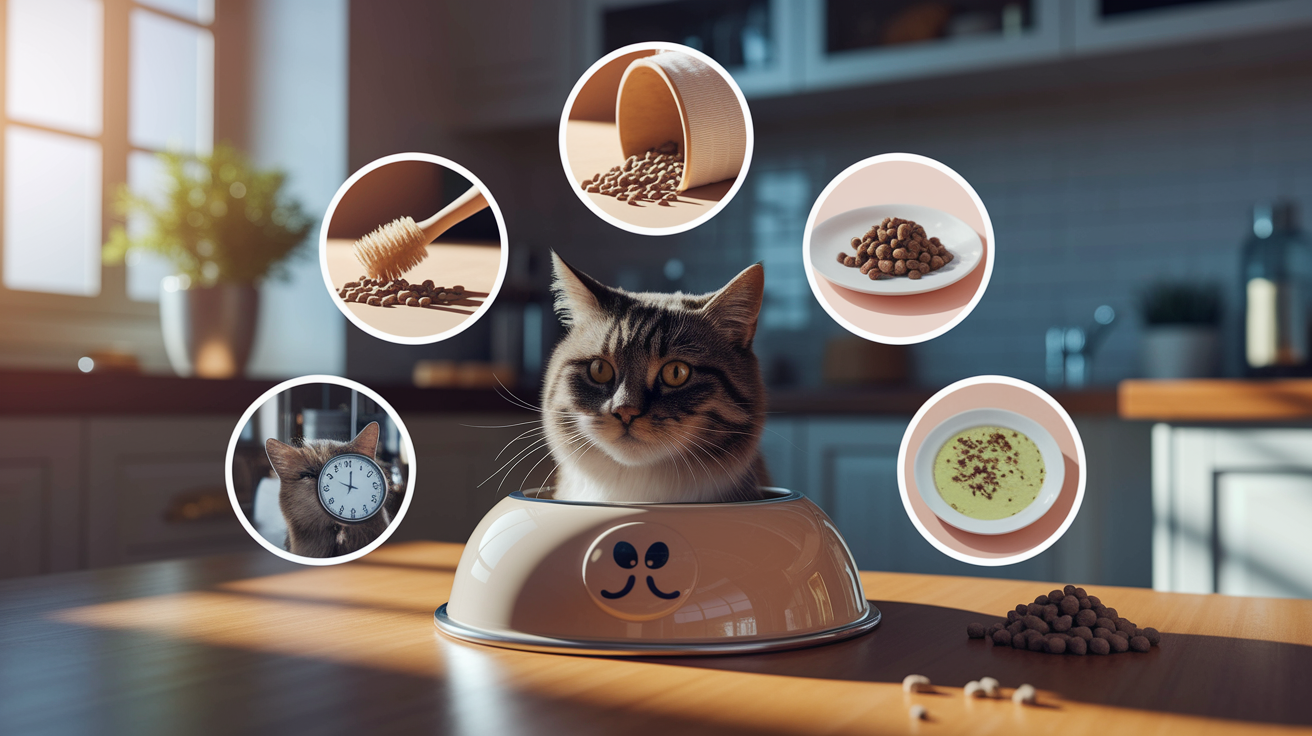
Vomiting right after eating is something most cat owners deal with at some point. The good news? A lot of the time, it’s not an emergency. Fast eating is the biggest culprit, especially if you’ve got more than one cat and they’re racing each other to the bowl. Sudden diet changes can mess with a cat’s stomach within hours, and hairballs from their usual grooming routine sometimes come up right after a meal. These are things you can usually fix at home without much hassle.
When your cat vomits after eating, you’ll see retching, their belly contracting, and food that looks pretty much like what just went in the bowl. That’s different from regurgitation, which happens without any effort and usually within minutes. Vomiting comes with nausea signals like pacing, drooling, swallowing over and over, and obvious stomach contractions before anything comes up. How it looks and when it happens tells you a lot about what’s going on.
Most cats vomit now and then without it being a big deal. What matters is how often. If your cat throws up once, then eats fine, keeps drinking, and acts normal, you can usually just keep an eye on things. If it’s happening more than once or twice a month, or if you’re seeing changes in their behavior, appetite, or energy, that’s when you need to dig deeper.
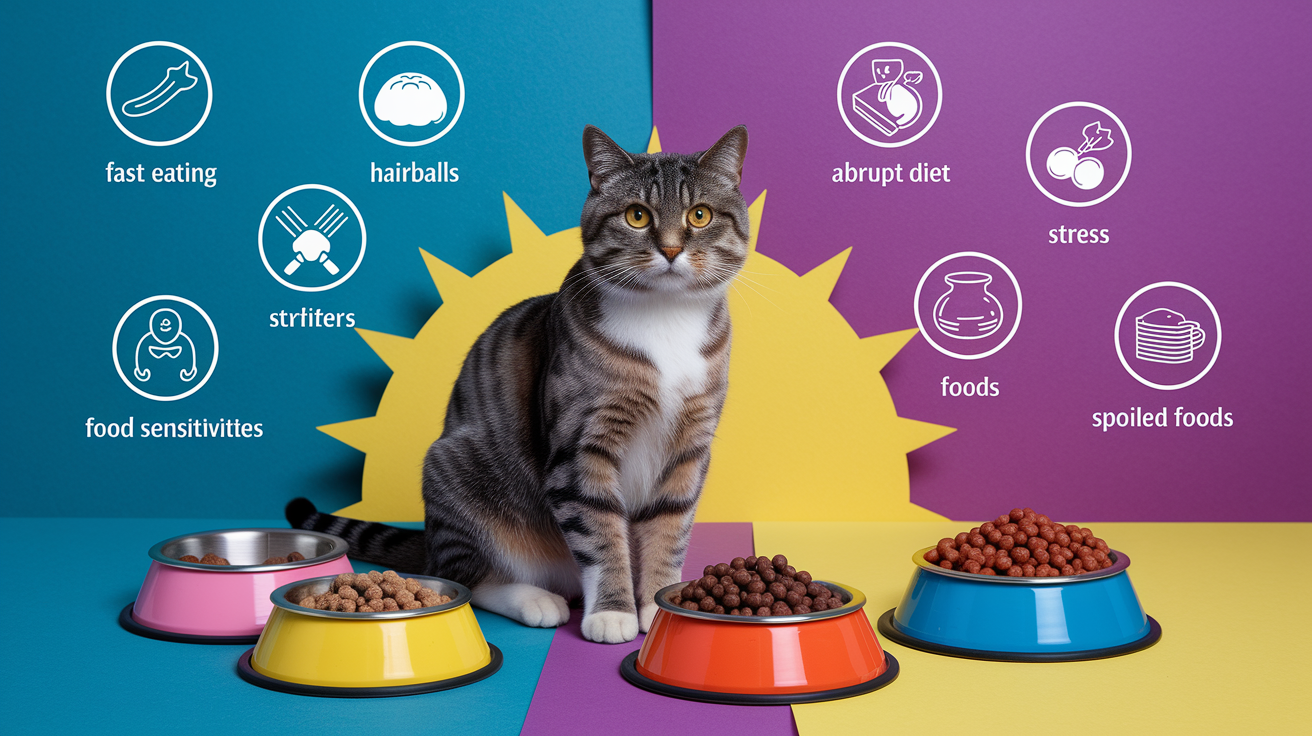
Six core causes of vomiting after eating:
- Eating too fast – Gulping food down means swallowing air and overloading the stomach fast, which leads to vomiting or regurgitation within minutes.
- Hairballs – Normal grooming means swallowed hair, and sometimes that causes vomiting. More common in long haired cats or during heavy shedding.
- Abrupt diet changes – Switching food brands or types without easing into it irritates the stomach and triggers vomiting.
- Food sensitivities or allergies – Some cats can’t handle certain proteins or ingredients, causing repeated vomiting, diarrhea, or both after meals.
- Stress or environmental changes – New home, new pets, changes in routine. Sensitive cats can get stress related nausea and vomit.
- Spoiled or inappropriate foods – Old food, table scraps, or treats that don’t sit right can cause immediate stomach upset and vomiting.
Understanding Cat Vomiting After Eating vs Regurgitation
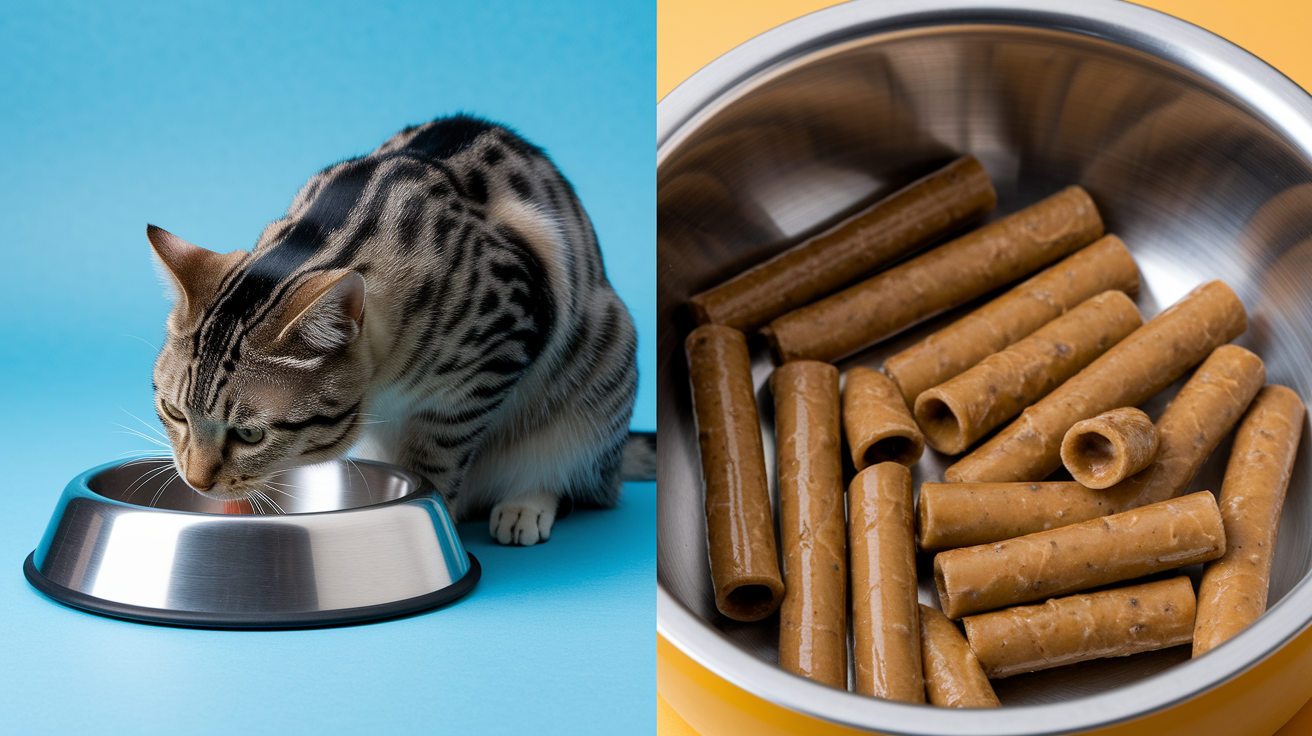
Knowing the difference between vomiting and regurgitation helps you describe what’s happening to your vet and speeds things up. Vomiting involves nausea and real stomach effort. You’ll see your cat pacing, drooling, licking their lips repeatedly, hunching before the food comes up. What comes out may be partially digested, mixed with fluid or bile. Regurgitation is effortless. Food comes back up soon after eating, often in a tube shape, and looks almost unchanged.
Regurgitation usually points to something going on in the esophagus, the tube connecting the mouth to the stomach. It can happen if a cat eats way too fast or has a structural issue blocking food from getting into the stomach smoothly. Vomiting points to stomach irritation, digestive upset, or something bigger in the body. Both can look similar if you’re not sure what to watch for, but the effort and timing are your clues.
Four traits that distinguish vomiting from regurgitation:
- Timing – Regurgitation happens within minutes of eating. Vomiting can happen minutes to hours later.
- Appearance – Regurgitated food looks undigested and tubular. Vomited food may be partially broken down or mixed with bile or mucus.
- Physical effort – Regurgitation is passive and effortless. Vomiting involves visible retching, belly heaving, and nausea signs.
- Common causes – Regurgitation often relates to fast eating or esophageal problems. Vomiting relates to stomach irritation, infection, disease, or toxins.
Behavioral and Dietary Causes of Cat Vomiting After Eating
Behavioral and dietary triggers are the most common reasons cats vomit after meals, and they’re also the easiest to fix. Fast eating, food competition, sudden diet switches, and food sensitivities can all cause repeated vomiting without any disease behind it. Understanding these causes helps you make small changes at home that can stop the problem quickly.
Spoiled food or bad treats are another common trigger. Cats have sensitive stomachs. Even a small amount of food that’s gone off, or human food that’s too rich or fatty, can cause immediate nausea and vomiting. Watch expiration dates, store food properly, and skip the table scraps. Food allergies or intolerances can develop even if your cat’s been eating the same thing for years. Common culprits include beef, dairy, and fish. Symptoms may be vomiting, diarrhea, itchy skin, or ear infections. A food trial with a hypoallergenic or limited ingredient diet, guided by your vet, can help identify what’s causing it.
Sudden diet changes are one of the most preventable causes of vomiting. Cats need time to adjust to new food. A proper transition should happen gradually over at least seven days. Start by mixing a small amount of the new food with the old, then slowly increase the new food each day. Skip this step and you’re almost guaranteed stomach upset, loose stools, or vomiting.
Eating Too Fast
Eating too fast is the number one behavioral cause of vomiting after meals. When a cat gulps food, they swallow a ton of air with it. The stomach expands quickly, triggering a reflex that brings the food back up, often within minutes. This is especially common in multi cat homes where one cat feels like they need to eat fast before another steals their food. The vomited material usually looks undigested and may have clear fluid or mucus around it.
Slow feeder bowls are one of the best tools to fix this. These bowls have ridges, mazes, or obstacles that force your cat to eat around them, slowing down each bite. Puzzle feeders work the same way and add mental stimulation. Feeding smaller portions more often throughout the day also helps by reducing how much food sits in the stomach at one time.
Five practical feeding fixes to reduce vomiting:
- Use a slow feeder bowl or puzzle feeder to slow down fast eaters and reduce gulping.
- Feed smaller meals more frequently throughout the day instead of one or two large meals.
- Separate cats during feeding time if competition or food stealing is making one cat eat too quickly.
- Transition to new foods gradually over seven or more days by mixing increasing amounts of new food with the old.
- Avoid feeding spoiled food, table scraps, or rich treats that can irritate your cat’s stomach.
Medical Conditions That Cause Vomiting After Eating in Cats

When vomiting after eating is frequent or comes with other symptoms, a medical condition is often the cause. Gastrointestinal diseases, organ problems, and metabolic disorders can all show up as post meal vomiting. These need veterinary diagnosis and treatment. They’re more common in older cats, though younger cats can have them too.
Gastritis, or inflammation of the stomach lining, causes nausea and vomiting after meals. It can be triggered by infection, toxins, or chronic irritation. Inflammatory bowel disease (IBD) is a chronic condition where the intestinal lining becomes inflamed, leading to vomiting, diarrhea, weight loss, and poor nutrient absorption. Pancreatitis, or inflammation of the pancreas, causes severe nausea, belly pain, lethargy, and vomiting. Cats with pancreatitis often stop eating entirely and need immediate vet care.
Chronic kidney disease is extremely common in older cats and is one of the top causes of vomiting. As kidney function declines, toxins build up in the bloodstream, causing nausea, loss of appetite, increased thirst, and frequent urination. Hyperthyroidism, another common condition in senior cats, causes an overactive metabolism. Affected cats often eat more but lose weight, act restless, and vomit frequently. A simple blood test can diagnose both.
Liver disease can also cause vomiting after eating. The liver filters toxins from the blood, and when it’s not working properly, those toxins accumulate and trigger nausea. Cats with liver disease may also show jaundice (yellowing of the gums or whites of the eyes), lethargy, and loss of appetite. Early detection through blood work and imaging improves treatment outcomes significantly.
Intestinal Parasites
Intestinal parasites, especially roundworms and hookworms, are a common cause of vomiting in kittens and young cats, though adult cats can get them too. Roundworms are long, spaghetti like worms that live in the intestines and feed on partially digested food. Heavy infestations can cause vomiting, diarrhea, a pot bellied appearance, and weight loss despite a normal or increased appetite. In bad cases, roundworms can be vomited up or seen in the stool.
Hookworms are smaller parasites that attach to the intestinal wall and feed on blood. They cause anemia, weight loss, diarrhea, and vomiting. Kittens are especially vulnerable and can get very sick quickly. Diagnosis is made through a fecal exam, where your vet looks for parasite eggs under a microscope. Treatment involves deworming medication, and in severe cases, supportive care like fluids and nutritional support may be needed.
Dangerous Causes: Obstructions, Toxic Foods, and Emergency Red Flags

Some causes of vomiting after eating are life threatening and need immediate veterinary attention. Intestinal obstructions from swallowed foreign objects are one of the most dangerous. Cats are curious and may swallow string, rubber bands, hair ties, small toys, or pieces of fabric. These can get lodged in the stomach or intestines, causing a partial or complete blockage. String is especially dangerous because it can bunch up and saw through the intestinal wall, causing severe damage or rupture.
Toxic foods and plants are another urgent concern. Chocolate, caffeine, garlic, onions, grapes, and raisins are all toxic to cats and can cause vomiting, lethargy, seizures, or organ failure. Lilies are extremely toxic to cats and even a small amount of pollen or leaf can cause acute kidney failure within hours. If you suspect your cat has eaten any toxic substance, contact your vet or a pet poison hotline immediately, even if vomiting hasn’t started yet.
| Emergency Sign | What It May Indicate |
|---|---|
| Projectile vomiting | Severe obstruction, neurological issue, or toxin ingestion requiring immediate evaluation |
| Blood in vomit (red or coffee ground appearance) | Bleeding in the stomach or upper GI tract from ulcers, toxins, or trauma |
| Visible abdominal swelling or pain when touched | Possible obstruction, internal bleeding, or organ rupture |
| Repeated dry heaving with nothing coming up | Complete obstruction or severe gastric distension |
| Severe lethargy, collapse, or difficulty breathing | Shock, organ failure, or severe poisoning requiring emergency care |
When to Take a Vomiting Cat to the Veterinarian

Knowing when to call your vet can be the difference between a quick fix and a serious health crisis. If your cat vomits once, then eats normally, drinks water, and acts like themselves, it’s usually safe to monitor at home for 24 hours. If vomiting happens again, or if your cat shows any other symptoms, it’s time to make an appointment.
Repeated vomiting, even without other symptoms, should always be evaluated. Vomiting more than two or three times in a day, or daily vomiting over several days, points to something that needs diagnosis. Weight loss, lethargy, loss of appetite, and behavior changes are red flags that suggest a medical condition rather than a simple dietary issue. Dehydration is a serious concern with repeated vomiting. Signs include dry or tacky gums, sunken eyes, and skin that doesn’t snap back quickly when gently lifted.
Six red flags that require veterinary care:
- Vomiting more than two or three times in a 24 hour period, or vomiting daily for more than two days.
- Inability to keep water down, leading to dehydration and weakness.
- Lethargy, hiding, or noticeable changes in behavior or activity level.
- Visible weight loss or loss of appetite lasting more than one day.
- Abdominal pain, swelling, or sensitivity when you touch your cat’s belly.
- Blood in vomit, diarrhea, or signs of a swallowed foreign object like visible string hanging from the mouth or anus.
How Vets Diagnose Vomiting After Eating in Cats
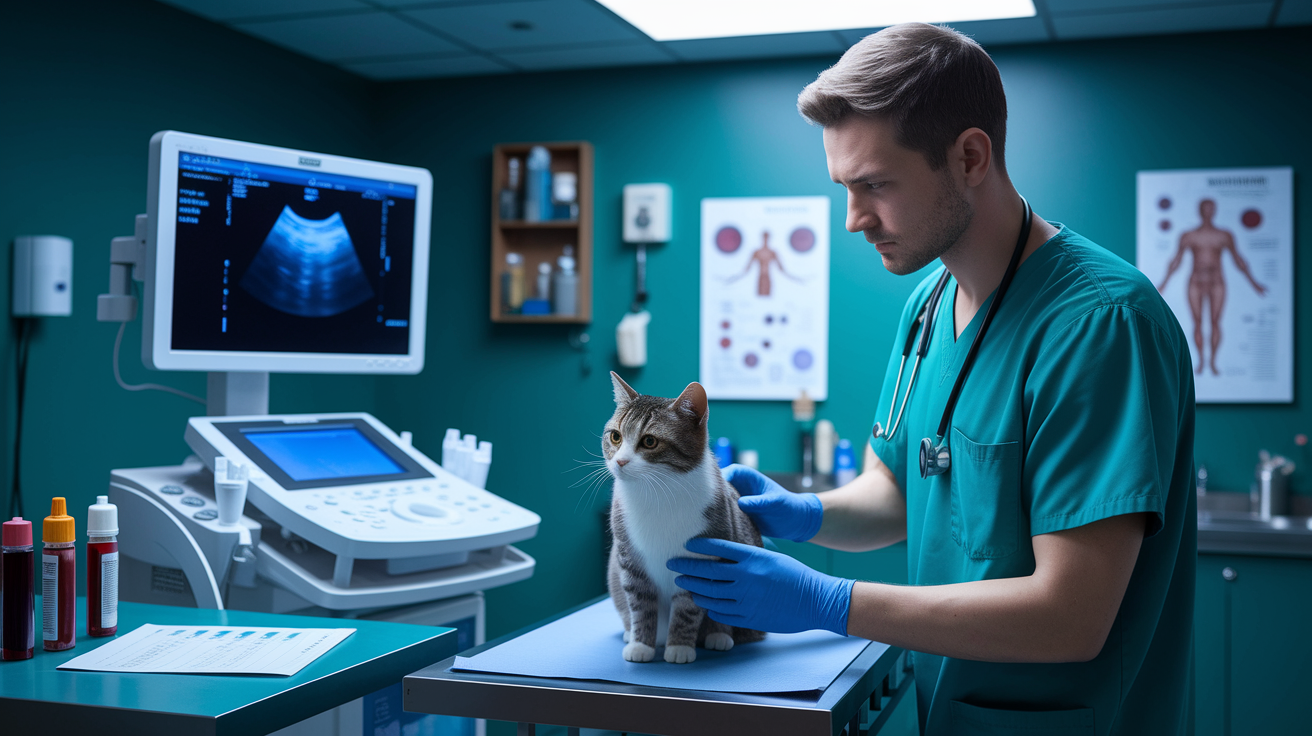
Your veterinarian will start with a detailed history and physical exam. Be ready to describe when the vomiting started, how often it’s happening, what the vomit looks like, and whether it happens right after eating or hours later. Bring a list of any diet changes, new treats, medications, or environmental changes. If possible, take a short video of a vomiting episode. Seeing the retching, posture, and effort helps your vet tell vomiting from regurgitation or coughing.
During the physical exam, your vet will check your cat’s hydration status, listen to the heart and lungs, feel the abdomen for pain or masses, and assess overall body condition. Blood work, including a complete blood count (CBC) and chemistry panel, evaluates organ function and checks for signs of infection, anemia, kidney disease, liver disease, or hyperthyroidism. Urinalysis helps assess kidney function and hydration. A fecal exam looks for parasites and their eggs under a microscope.
Imaging is often the next step. X-rays can reveal foreign objects, intestinal obstructions, organ enlargement, or masses. Ultrasound gives a more detailed view of soft tissues, including the stomach, intestines, liver, kidneys, and pancreas. It can detect thickened intestinal walls, fluid buildup, tumors, or structural abnormalities. In more complex cases, endoscopy lets the vet see inside the esophagus, stomach, and upper intestines with a camera and take biopsies for analysis.
| Diagnostic Tool | What It Detects |
|---|---|
| Physical exam and history | Dehydration, abdominal pain, body condition, and patterns in vomiting timing or appearance |
| Blood work (CBC and chemistry) | Kidney disease, liver disease, hyperthyroidism, anemia, infection, and electrolyte imbalances |
| Fecal exam | Intestinal parasites like roundworms, hookworms, or giardia |
| X-rays | Foreign objects, obstructions, organ size abnormalities, and some masses |
| Ultrasound or endoscopy | Detailed view of GI tract, organ structure, inflammation, tumors, and biopsies for IBD or cancer |
Treatments to Help Cats Who Vomit After Eating
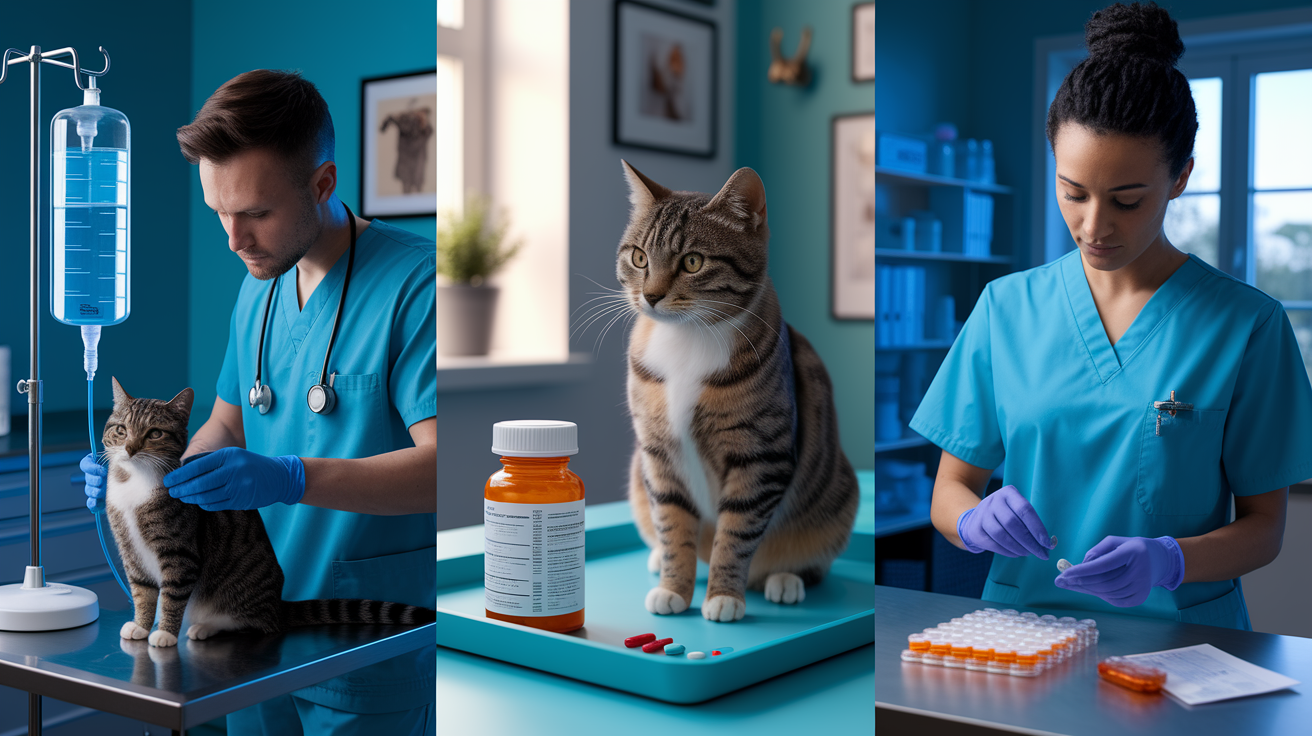
Treatment depends entirely on the cause, and your vet will tailor the plan to your cat’s specific diagnosis. Antiemetic medications help control nausea and vomiting while the real issue is addressed. Maropitant (Cerenia) is the most commonly prescribed antiemetic for cats and works by blocking the vomiting reflex in the brain. Ondansetron is another option, often used in hospital settings. Metoclopramide can help with nausea and also gets the stomach emptying, which is useful for cats with delayed gastric motility.
Hydration support is critical for vomiting cats. Dehydration happens fast, especially in kittens or cats with kidney disease. Your vet may give intravenous (IV) fluids in the clinic or teach you how to give subcutaneous fluids at home. Subcutaneous fluids are injected under the skin and absorbed over several hours. It’s a safe and effective way to keep cats hydrated who can’t keep water down or who have chronic conditions.
If parasites are found, deworming medications will be prescribed. Common dewormers include pyrantel pamoate for roundworms and hookworms, and fenbendazole or praziquantel for other parasites. Treatment is usually repeated after two to three weeks to catch any newly hatched larvae. For food sensitivities or IBD, your vet may recommend a prescription gastrointestinal diet. These diets use easily digestible ingredients and, in some cases, hydrolyzed proteins that are broken down into smaller pieces to reduce allergic reactions.
Medical conditions like hyperthyroidism, kidney disease, or pancreatitis need disease specific treatment. Hyperthyroidism is managed with medication, radioactive iodine therapy, or surgery. Chronic kidney disease is managed with prescription diets, medications to control blood pressure and nausea, and fluid therapy. Pancreatitis treatment includes pain control, anti nausea medication, nutritional support, and in severe cases, hospitalization for intensive care.
Six treatment categories your vet may use:
- Antiemetic medications like maropitant or ondansetron to stop nausea and vomiting.
- Fluid therapy, either IV or subcutaneous, to prevent or treat dehydration.
- Deworming medications to eliminate intestinal parasites.
- Prescription gastrointestinal or hypoallergenic diets for food sensitivities, IBD, or chronic vomiting.
- Disease specific medications or therapies for conditions like hyperthyroidism, kidney disease, or pancreatitis.
- Surgical or endoscopic removal of foreign objects if an obstruction is diagnosed.
How to Prevent Cat Vomiting After Eating at Home

Preventing vomiting after eating often comes down to simple changes in how, when, and what you feed your cat. Slow feeder bowls are one of the most effective tools for cats who eat too quickly. These bowls have built in obstacles that force your cat to eat around them, slowing down each bite and reducing the amount of air swallowed. Puzzle feeders serve the same purpose and add mental enrichment, which can reduce stress related eating behaviors.
Feeding smaller, more frequent meals helps prevent stomach overload. Instead of two large meals a day, try feeding three or four smaller portions. This keeps the stomach from getting too full at once and reduces the chance of vomiting. Wet food is often easier on sensitive stomachs than dry kibble because it’s more digestible and has higher moisture content. If your cat is prone to vomiting, consider switching to wet food or adding it to their diet alongside kibble.
Hairball prevention is especially important for long haired cats or heavy shedders. Regular grooming removes loose fur before it’s swallowed during grooming. Brush your cat daily during shedding season and at least two to three times a week year round. Hairball control diets and supplements (usually containing fiber or oils) can help move ingested hair through the digestive tract more smoothly. If your cat is producing hairballs more than once or twice a month, talk to your vet about additional options.
Six prevention strategies to reduce vomiting after meals:
- Use a slow feeder bowl or puzzle feeder to slow down fast eaters and reduce gulping.
- Feed smaller, more frequent meals throughout the day instead of one or two large portions.
- Brush your cat regularly to reduce hair ingestion, especially during shedding season.
- Use hairball control diets or supplements if your cat frequently vomits hairballs.
- Transition to new foods gradually over seven or more days to avoid stomach upset.
- Feed wet food or mix it with dry kibble for easier digestion and higher moisture content.
Home Care After a Vomiting Episode
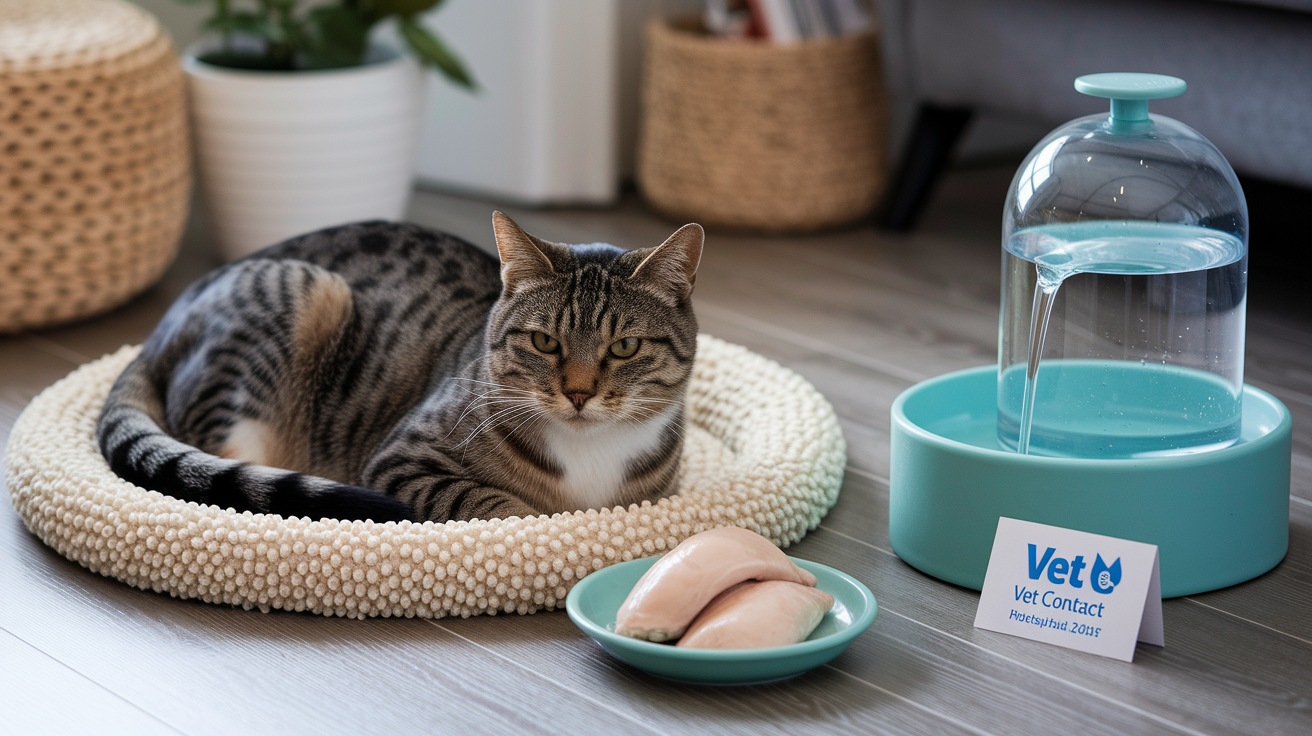
If your cat vomits once and otherwise seems normal, you can usually manage the situation at home with careful monitoring. The first step is to hold off on food for a few hours to let the stomach settle. Don’t hold off on water unless your cat is vomiting immediately after drinking. If your cat is keeping water down and acting normally after three to four hours, you can offer a small amount of food.
Reintroduce food slowly. Start with a teaspoon or tablespoon of their regular food or a bland option like plain boiled chicken or a prescription gastrointestinal diet. If they keep that down for an hour or two, offer another small portion. Gradually increase the amount over the next 12 to 24 hours until you’re back to normal meal sizes. If vomiting happens again during this process, stop feeding and contact your vet.
Hydration is the top priority after vomiting. Cats can become dehydrated quickly, especially if they vomit multiple times. Encourage water intake by offering fresh water, a cat water fountain, or even ice cubes to lick. If your cat refuses to drink or vomits water, contact your vet. They may recommend subcutaneous fluids or ask you to bring your cat in for evaluation. Monitor your cat’s weight and energy level over the next few days. Any continued lethargy, weight loss, or repeated vomiting needs veterinary care.
Four step home care plan after a vomiting episode:
- Hold off on food for three to four hours to let the stomach settle, but keep fresh water available.
- Offer a very small amount of food (a teaspoon to tablespoon) and wait one to two hours to see if it stays down.
- Gradually increase portion sizes over the next 12 to 24 hours if your cat tolerates food without vomiting again.
- Monitor hydration, energy level, litter box habits, and appetite closely over the next 48 hours and call your vet if symptoms return or worsen.
Final Words
If your cat vomits after eating, note when it happens, what the vomit looks like, and how often. Fast eating, hairballs, sudden food changes, and food sensitivities are common nonmedical causes, while regurgitation or repeated vomiting may need vet checks.
Try slow feeders, smaller meals, regular grooming, and a careful 7+ day diet switch. If you’re asking “why is my cat vomiting after eating,” bring your notes and a short video to the vet — most cats respond well once the cause is found.
FAQ
Q: Why is my cat puking up his food but acting normal?
A: If your cat is vomiting food but acting normal, it often means a mild issue like eating too fast, a hairball, or a recent diet change. Monitor frequency, try slow feeding, and call your vet if it repeats or worsens.
Q: What does it mean when a cat throws up undigested food?
A: When a cat throws up undigested food, it means the food was expelled soon after eating or the cat regurgitated. Common causes are fast eating, esophageal problems, or early obstruction—note timing and contact your vet if it repeats.
Q: When should I be concerned about my cat throwing up?
A: You should be concerned when your cat vomits repeatedly, is lethargic, loses weight, has bloody or black vomit, can’t keep water down, or shows dehydration; contact your vet today or seek emergency care for severe signs.
Q: What does an unhealthy cat throw up look like?
A: Unhealthy vomit looks like bright or dark blood, yellow bile, black or coffee-ground material, a very foul smell, or repeated projectile episodes—these signs suggest serious illness and need prompt veterinary attention.
