
Think a wagging tail means your dog is fine?
Not always.
Gums can show trouble long before other signs, and a quick home check takes less than a minute.
In this post you’ll learn exactly how to check your dog’s gums for early warning signs, what each color and texture usually means, and when to call your vet.
Keep it simple, calm, and safe, and you might spot a serious problem before it gets worse.
Step-by-Step Gum Check Technique for At‑Home Health Assessment
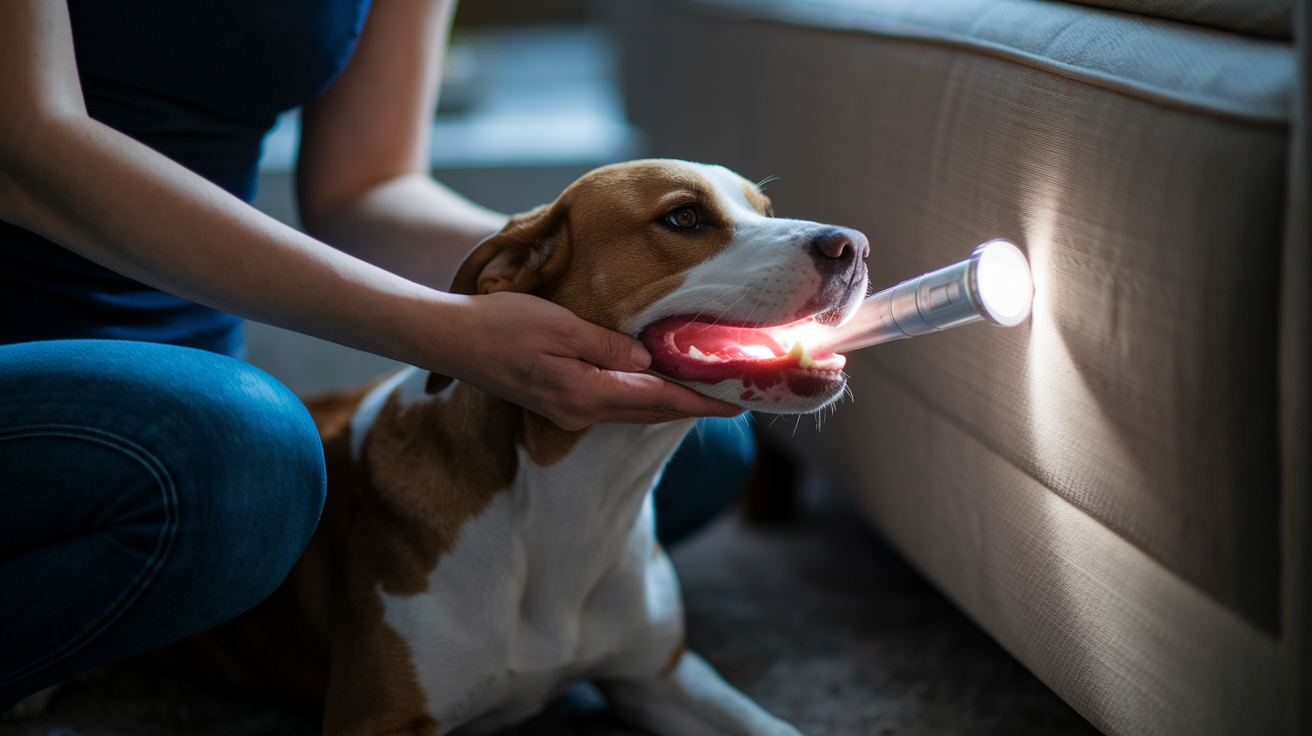
Here’s exactly how to check your dog’s gums right now. Position your dog somewhere calm and well lit where you can comfortably reach their mouth. If your dog’s anxious, try sitting on the floor together or offering gentle praise. You’ll need clean hands and, if possible, a flashlight or phone light to illuminate the mouth clearly.
Follow these steps:
- Wash your hands and grab your flashlight.
- Gently lift your dog’s upper lip on one side, exposing the gum tissue above the canine teeth.
- Look at the baseline color. Healthy gums should look powder pink or salmon pink, similar to the inside of a cooked shrimp.
- Lightly touch the gum surface with your index finger. It should feel moist and slippery, not dry or tacky.
- Press gently on the gum until the tissue blanches white, then release and note how quickly color returns. You’ll learn the exact timing benchmark in the Capillary Refill Time section below.
- Repeat on the lower gums by pulling down the lower lip, checking both color and moisture.
As part of this exam, you’ll also check capillary refill time later in this guide. Some breeds naturally have dark or spotted pigmentation across the gum line. If your dog has pigmented gums, look for any pink speckles or patches where you can still assess color change. Stop the exam if your dog pulls away, growls, or shows signs of pain. Discomfort during a routine check may itself indicate oral disease and warrants a veterinary visit.
Understanding Healthy Dog Gum Color and Texture
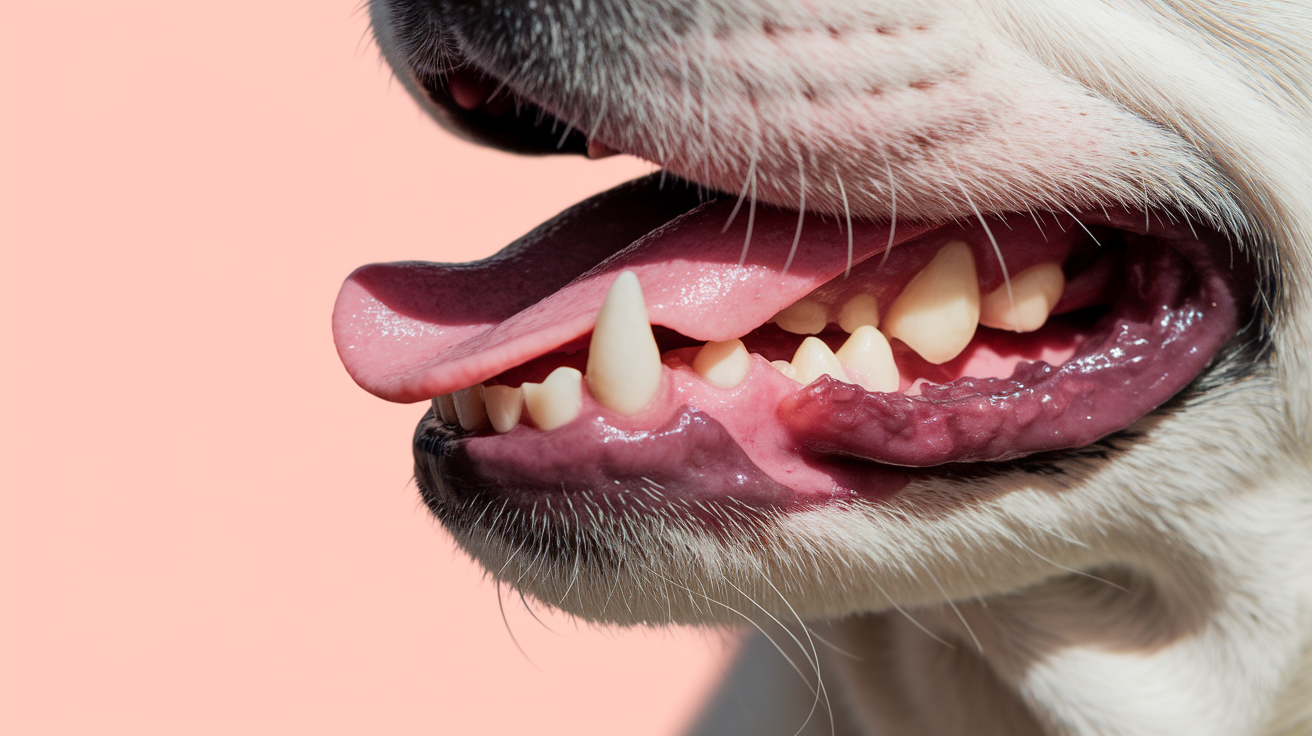
Healthy gums in dogs are typically bubble gum pink or salmon pink. Think the shade of uncooked salmon fillet or a pale pink eraser. They should feel wet and slippery when you touch them, never dry, sticky, or tacky. Capillary refill time (the speed at which color returns after you press the gum) should be under 2 seconds. These three benchmarks work together to reflect good hydration, normal blood flow, and adequate oxygen delivery.
Many breeds carry natural pigmentation that can make standard color checks tricky. Examples include:
• Chow Chows often have fully black or blue black gums and tongues
• Golden Retrievers and Labrador Retrievers may show scattered dark spots on otherwise pink gums
• German Shepherds and Australian Shepherds commonly display mottled or speckled pigmentation
• Doberman Pinschers and some terrier mixes can have patches of brown or black alongside pink tissue
If your dog’s gums are naturally dark, you can still evaluate health by finding any remaining pink patches and performing the capillary refill test there. Check moistness by feel, and compare today’s appearance to photos you take during wellness visits. Any new dark spots, changes in existing pigmentation, or shifts in the pink areas should be discussed with your vet.
Gum Color Changes and What Each Shade Usually Indicates
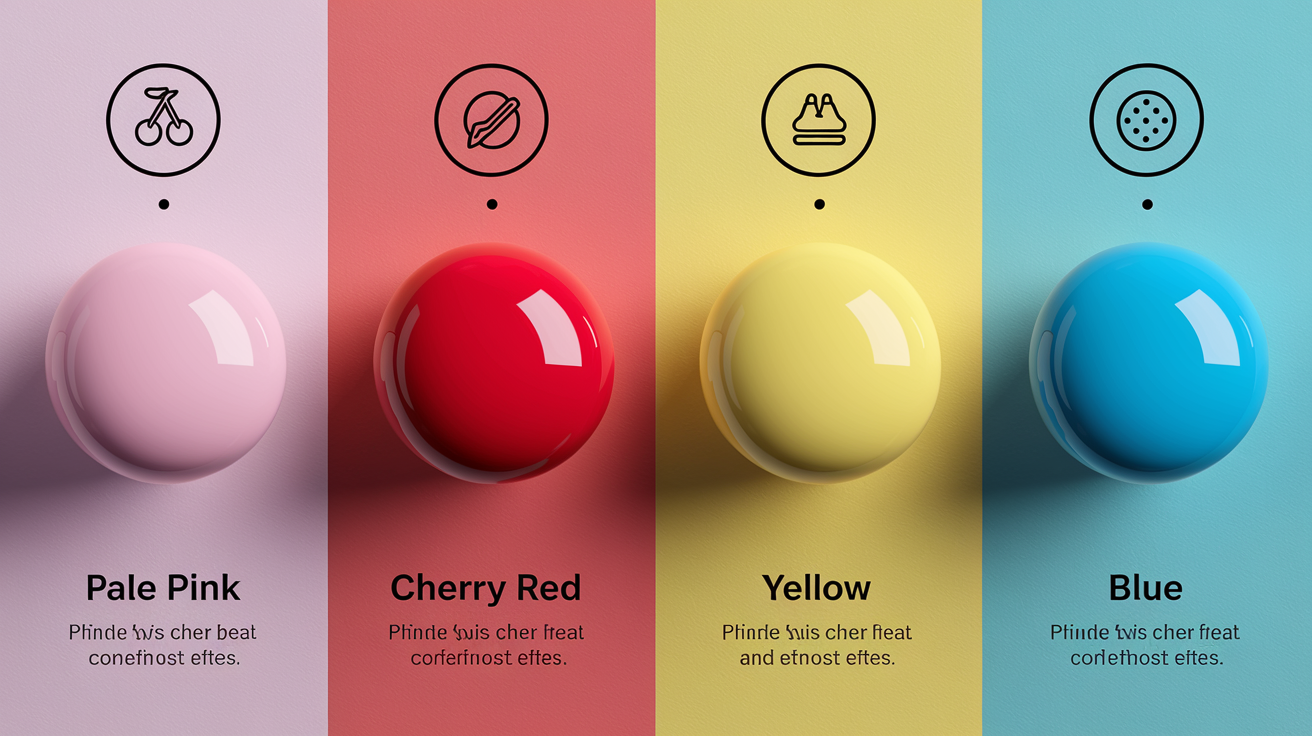
Gum color is a direct window into your dog’s circulatory and respiratory systems because the thin tissue is packed with tiny capillaries. When blood oxygen drops, blood volume falls, or toxins circulate, the gums change shade almost immediately. That makes them one of the fastest at home indicators you have for detecting serious illness.
Pale pink to white gums signal that not enough red blood cells are reaching the tissue. This can mean anemia (from internal bleeding, immune mediated destruction, or chronic kidney disease), acute blood loss (a ruptured spleen tumor or heavy trauma), shock, or severe dehydration. Pale gums may also appear after rat poison ingestion, which disrupts clotting, or during bloat, when the stomach twists and cuts off blood flow. If your dog’s gums are pale or white and they seem weak, lethargic, or have collapsed, treat it as an emergency.
Cherry red or bright red gums indicate either inflammation at the gum line (gingivitis) or a systemic problem. Deep, vivid red across the entire gum surface can appear during heatstroke, carbon monoxide poisoning, or severe high blood pressure. If the redness is localized along the base of the teeth and your dog has bad breath, you’re likely seeing dental disease. If the red is uniform, bright, and your dog is panting heavily or acting confused, seek emergency care.
Yellow or jaundiced gums suggest the liver is struggling to process bilirubin, a breakdown product of red blood cells. Causes include liver disease, bile duct obstruction, or immune mediated hemolytic anemia, where the body destroys its own red cells faster than the liver can clear the waste. You may also notice yellowing in the whites of the eyes. Blue, gray, or purple tinged gums (cyanosis) mean oxygen isn’t reaching the bloodstream properly. Common in pneumonia, heart failure, severe respiratory distress, or hypothermia. Bruising or red pinpoint spots on the gums can indicate clotting disorders or low platelet counts.
| Color | Possible Meaning | Urgency |
|---|---|---|
| Pale pink to white | Anemia, blood loss, shock, dehydration | Emergency, contact vet now |
| Cherry red (uniform) | Heatstroke, poisoning, severe hypertension | Emergency, contact vet now |
| Yellow (jaundiced) | Liver disease, immune mediated anemia | Urgent, call vet same day |
| Blue, gray, or purple | Poor oxygenation, heart/lung disease | Emergency, contact vet now |
| Red at tooth line only | Gingivitis, periodontal disease | Routine, schedule dental exam |
Checking Capillary Refill Time as a Circulation Indicator
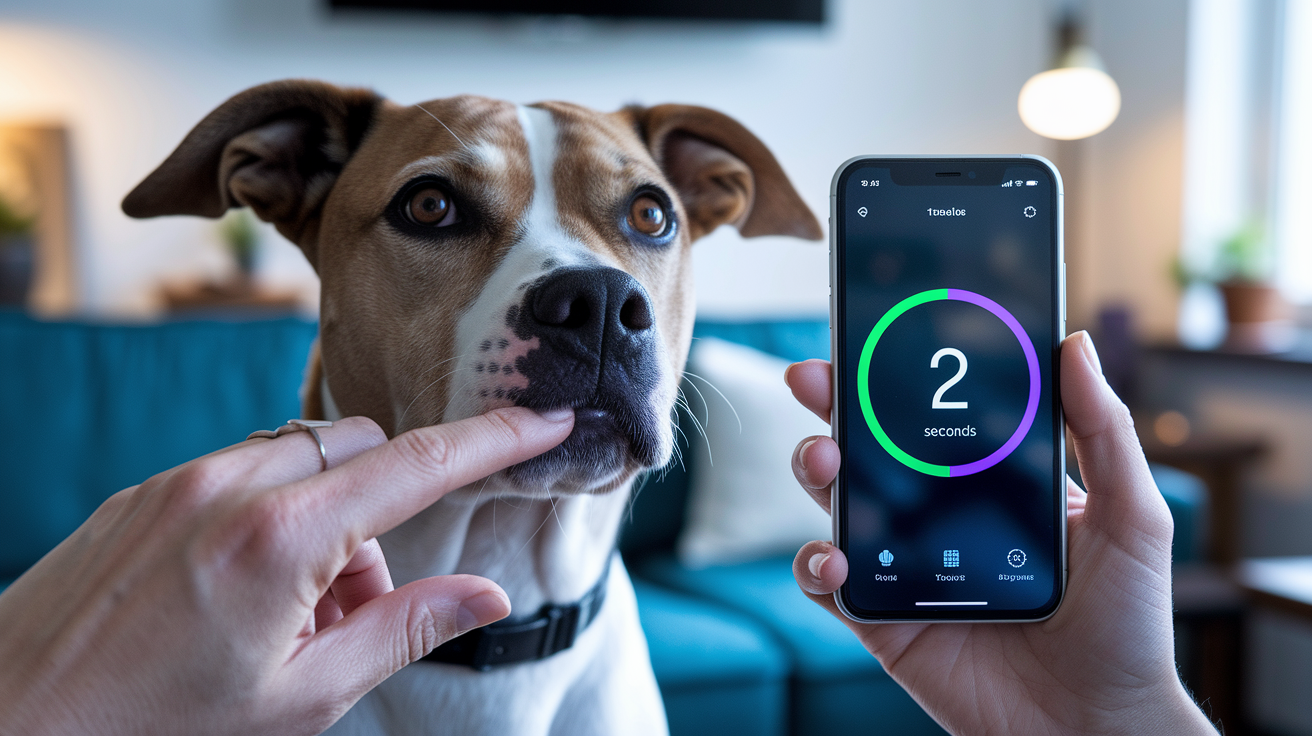
Capillary refill time (CRT) measures how quickly blood returns to the tiny vessels in your dog’s gums after you apply brief pressure. It’s one of the simplest ways to assess circulation, hydration, and overall cardiovascular function at home. A normal CRT is under 2 seconds. Longer refill times suggest the heart isn’t pumping effectively, blood volume is low, or blood vessels are constricted.
Here’s how to perform the test:
- Lift your dog’s upper lip to expose a section of pink gum above a canine or incisor tooth.
- Press your index finger firmly against the gum tissue for about 2 seconds until you see a white or pale blanched spot.
- Release your finger and immediately start counting: “one thousand one, one thousand two.”
- Watch the blanched spot. It should flood back to pink in less than 2 seconds.
- If color takes longer than 2 seconds to return, note the delay and prepare to contact your veterinarian.
A CRT longer than 2 seconds can indicate shock, severe dehydration, hypothermia, or heart disease. If your dog’s gums are also pale and the refill is sluggish, that combination is a red flag for internal bleeding or circulatory collapse. In contrast, an extremely fast “snap back” refill (under 1 second) combined with brick red gums may appear in sepsis or certain toxin exposures. When in doubt, call your vet and describe both the gum color and the refill time. They often triage cases using exactly these two data points.
Additional Gum and Mouth Changes That Suggest Health Problems
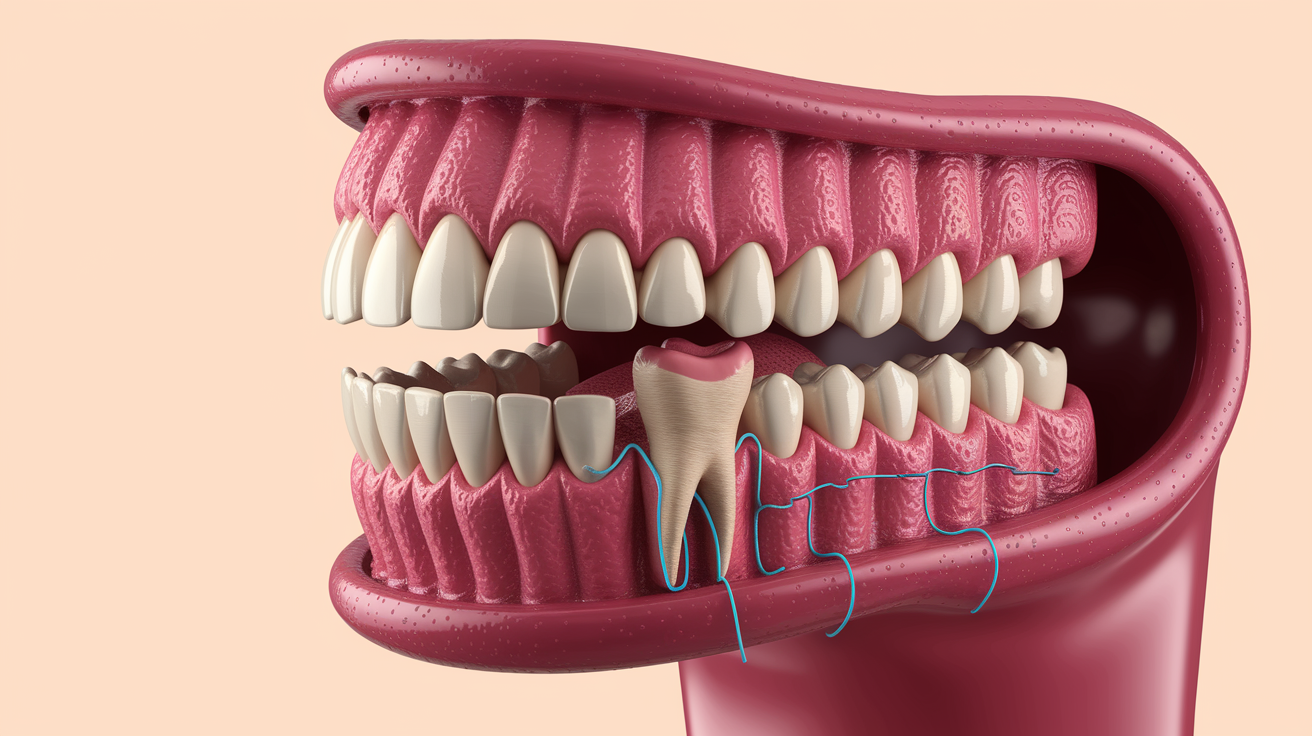
Beyond color and refill time, the texture and structure of your dog’s gums reveal a lot about oral and systemic health. Gingivitis, the mildest form of gum disease, shows up as a thin red line right where the gum meets the tooth. You might also notice slight swelling or bleeding when your dog chews a hard toy. Left untreated, gingivitis advances into periodontal disease, where gums recede, roots become exposed, and bacteria invade below the gum line.
Oral ulcers, broken teeth, and abscesses are additional warning signs. Ulcers appear as raw, sometimes bleeding sores on the gum surface or inner cheeks. They’re more common in older dogs and can signal kidney disease, autoimmune conditions, or infections. A tooth root abscess typically causes a firm, painful swelling near the tooth base. Your dog may paw at their face, drool, or refuse food. Gum recession exposes the tooth root and creates pockets where food and bacteria collect, accelerating bone loss and tooth mobility.
Pain cues are just as important as visible changes. If your dog pulls away sharply, yelps, or tries to bite when you touch a certain spot, stop the exam and make a veterinary appointment. Discomfort during a routine gum check often means inflammation, infection, or a cracked tooth that isn’t obvious to the naked eye. Persistent bad breath (not just “dog breath” but a foul, rotten odor), excessive drooling, or new reluctance to eat hard kibble all point to oral disease that needs professional cleaning and treatment.
When Gum Changes Mean You Should Contact a Veterinarian
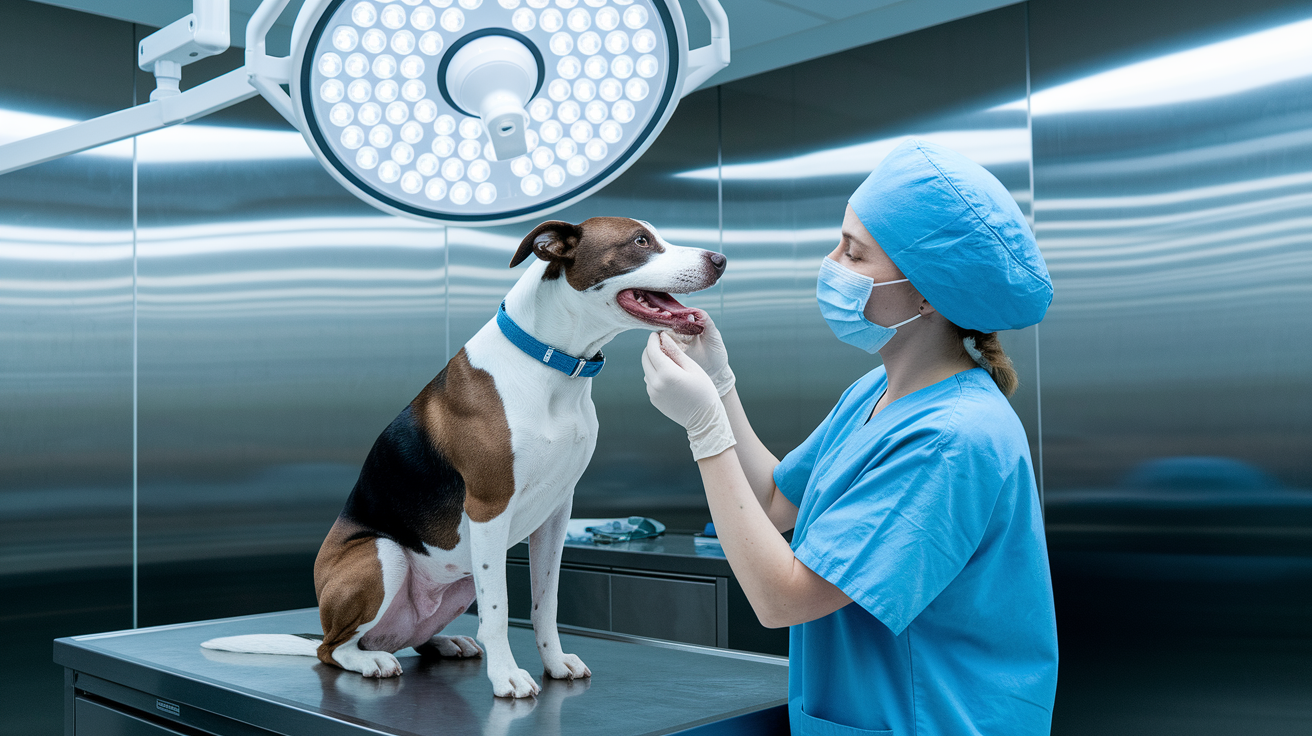
Certain gum findings demand immediate action because they reflect life threatening conditions that progress rapidly. If you observe any of the following, contact your veterinarian or an emergency clinic right away:
• Pale, white, or gray gums, especially if your dog is weak, lethargic, or has collapsed
• Blue or purple gums (cyanosis) with labored breathing or open mouth panting at rest
• Yellow (jaundiced) gums combined with vomiting, lethargy, or yellowing of the eyes
• Bright cherry red gums in a dog that is overheated, confused, or showing signs of poisoning
These color changes can indicate shock, internal bleeding, severe anemia, respiratory failure, liver disease, or toxin ingestion. Minutes matter. Don’t wait to see if it improves overnight.
Your veterinarian will perform a physical exam and likely order diagnostic tests to pinpoint the cause. Common first steps include a complete blood count (to check red and white cell levels and platelet counts), a chemistry panel (to evaluate liver and kidney function), blood pressure measurement, and urine tests. If trauma, bloat, or internal bleeding is suspected, abdominal x-rays or ultrasound may follow. These tests guide treatment, whether that means blood transfusions for anemia, oxygen therapy for respiratory distress, or surgery for a bleeding tumor.
Telemedicine or video vet consultations can help you decide whether to go to an emergency clinic immediately or wait for your regular vet in the morning, but they can’t replace hands on exams or diagnostics. If you’re unsure and it’s after hours, a quick video call can triage urgency. Just be ready to send clear, well lit photos or short videos of your dog’s gums and overall behavior.
Preventive Gum Care and Routine At‑Home Monitoring
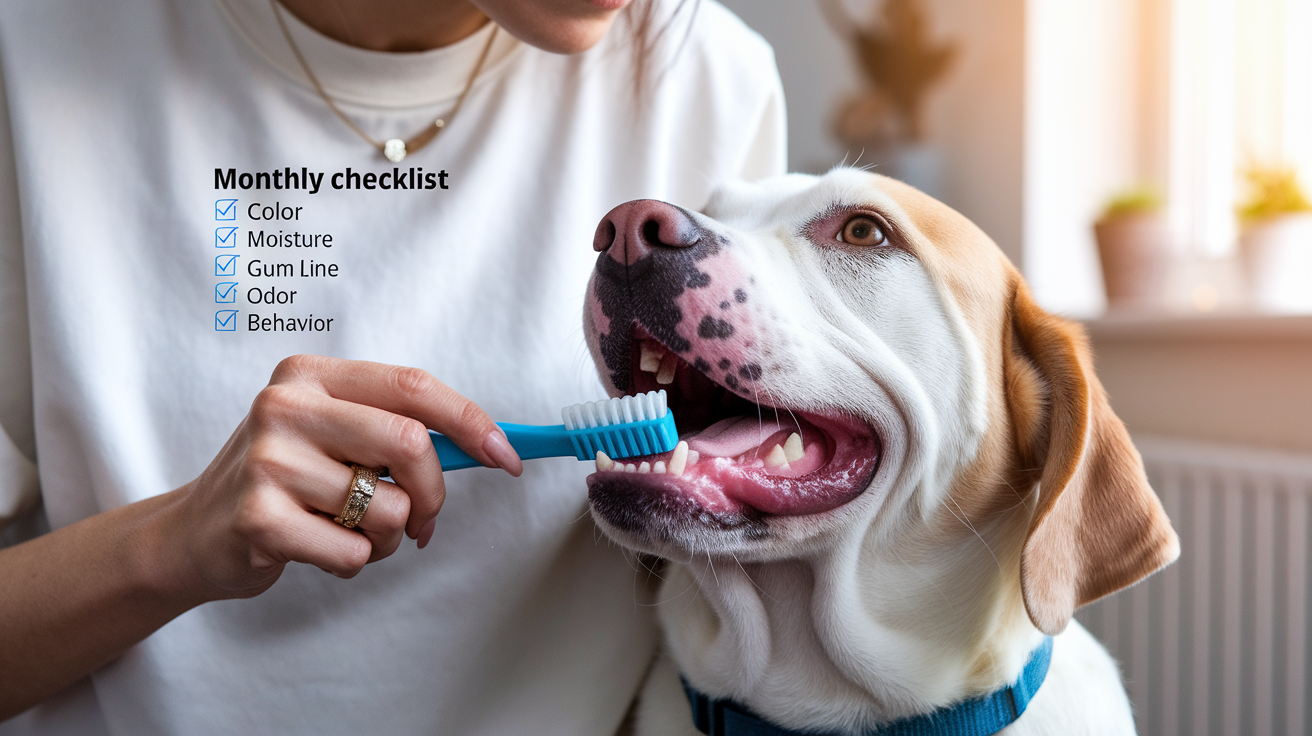
Regular at home gum checks catch problems early, often before your dog shows pain or refuses food. Many veterinarians recommend a quick visual exam weekly and a more detailed check (including capillary refill time and texture) monthly. Pair these checks with your dog’s routine grooming or nail trim sessions so they become a predictable, low stress habit.
Use this monthly checklist to track oral health:
• Color: Confirm gums are pink (or consistent with your dog’s normal pigmentation) with no new pale, red, yellow, or blue areas.
• Moisture: Gums should feel wet and slippery. Tacky or dry texture suggests dehydration.
• Capillary refill time: Under 2 seconds after you press and release.
• Gum line: No redness, swelling, or visible tartar buildup at the tooth base.
• Odor: Breath should smell like dog, not rotten or sulfur like.
• Behavior: No pawing at the face, drooling, or reluctance to chew.
Daily tooth brushing is the single most effective way to prevent gum disease. Use a soft bristled dog toothbrush and enzyme toothpaste formulated for pets. Human toothpaste contains xylitol, which is toxic to dogs. If your dog won’t tolerate brushing, try dental wipes, water additives, or long lasting dental chews that mechanically scrape plaque. Professional dental cleanings under anesthesia every 1 to 2 years remove tartar below the gum line and allow your vet to probe for pockets, loose teeth, or hidden abscesses that at home care can’t address. Combining professional cleanings with daily home care keeps gums healthy and can add years to your dog’s life by reducing the systemic inflammation linked to periodontal bacteria.
Final Words
in the action, you walked through a quick step-by-step gum check, what healthy color and texture look like, how to check capillary refill time, the meaning of different shades, other mouth signs to watch for, and when to contact your vet.
Use this guide on how to check a dog’s gums for health problems to do short checks during meals or walks, note color and moisture, and take photos of any change. If gums are pale, blue, yellow, very dry, or CRT is slow, call your vet. Small routine checks help catch issues early and keep your dog comfortable.
FAQ
Q: What do unhealthy dog gums look like and when should I worry about dog gums?
A: Unhealthy dog gums look pale, blue/purple, bright red, yellow, very dry, swollen, bleeding, or ulcerated. Worry and contact your vet if color changes, slow capillary refill, weakness, heavy bleeding, or breathing trouble occur.
Q: What is the #1 most diagnosed oral problem for dogs?
A: The #1 most diagnosed oral problem for dogs is periodontal disease — gum inflammation and infection from plaque and tartar, causing bad breath, redness, gum recession, and possible tooth loss; prevention needs brushing and cleanings.
Q: How do you know if your dog needs his glands squeezed?
A: You know your dog may need anal glands expressed if they scoot, drag their rear, lick or bite the area, give a strong fishy odor, strain when pooping, or show swelling—have a vet or groomer check.
