
Is your dog eating grass and then vomiting?
You’re not alone.
Most dogs nibble grass and many never get sick.
Surveys show about 68% of dogs graze and roughly 22% vomit afterward.
Often it’s instinct, a taste thing, mild stomach upset, or simple boredom.
This post will explain the common causes, what to watch for at home, and the quick steps you can try tonight.
It also tells when grass-eating is likely harmless and when you should call your vet.
Understanding Why Dogs Eat Grass and Vomit

If you’ve spotted your dog munching on grass and then throwing up, you’re definitely not alone. Surveys show that 68% of dogs eat grass daily or weekly, and most of them are perfectly healthy. This behavior puzzles a lot of owners, but it’s surprisingly common and usually harmless. Most dogs who nibble grass do so without any signs of illness beforehand. And many never vomit at all.
Dogs eat grass for a handful of typical reasons. Some graze out of instinct carried over from their wild ancestors, who consumed plant matter as part of their natural diet. Others simply enjoy the taste and texture of fresh grass blades. A few dogs eat grass when they feel mild nausea or an upset stomach, though research shows this accounts for only about 8% of cases. For some dogs, it’s purely behavioral. A way to pass the time when they’re bored or looking for something interesting to do outdoors.
Typical motivations behind grass eating include:
- Instinctual grazing behavior inherited from wild canids
- Taste or texture preference for grass blades
- Mild nausea or minor stomach discomfort
- Boredom, stress, or attention seeking
Here’s the key relationship to understand: grass doesn’t usually cause vomiting on purpose. When a dog does vomit after eating grass, it’s typically because the grass blades irritate the stomach lining or trigger the gag reflex. Studies indicate that only about 22% of dogs vomit after eating grass, and most show no signs of illness before they start grazing. Vomiting is generally a result of the grass itself, not the reason a dog ate it in the first place.
Common Causes Behind Grass Eating Behavior

Instinctual grazing runs deep in dogs. Wild canids like wolves and foxes occasionally consume plant matter alongside their prey, often ingesting the stomach contents of herbivores or nibbling grasses and berries. This inherited behavior may serve a purpose beyond nutrition. Some researchers believe it helps increase intestinal motility, potentially aiding in the expulsion of parasites or undigested material. Younger dogs are especially prone to this behavior, possibly because they face higher natural parasite risk and haven’t yet outgrown the instinct.
Nutritional influences also play a role, though they’re not as straightforward as some owners assume. Dogs on complete, balanced diets still eat grass. Research has found no strong link between diet type (commercial kibble, raw food, or table scraps) and grass eating frequency. That said, some dogs may seek out grass when their diet lacks sufficient fiber or bulk. If a dog’s gastrointestinal tract needs more roughage to move things along comfortably, grass can act as a natural supplement. Adding a tablespoon or two of plain canned pumpkin per 10 pounds of body weight to meals can sometimes reduce the urge to graze outdoors.
Behavioral factors round out the picture. Dogs eat grass when they’re bored, anxious, or simply exploring their environment. A dog left alone in the yard with little to do may graze out of curiosity or to self soothe. Some dogs learn that eating grass gets a reaction from their owners (whether it’s concern, redirection, or extra attention) and repeat the behavior for that social payoff. Increasing daily exercise, rotating toys, and providing puzzle feeders can redirect a dog’s focus and reduce grass consumption driven by restlessness or habit.
When Grass Eating Is Normal vs. When It Signals a Problem
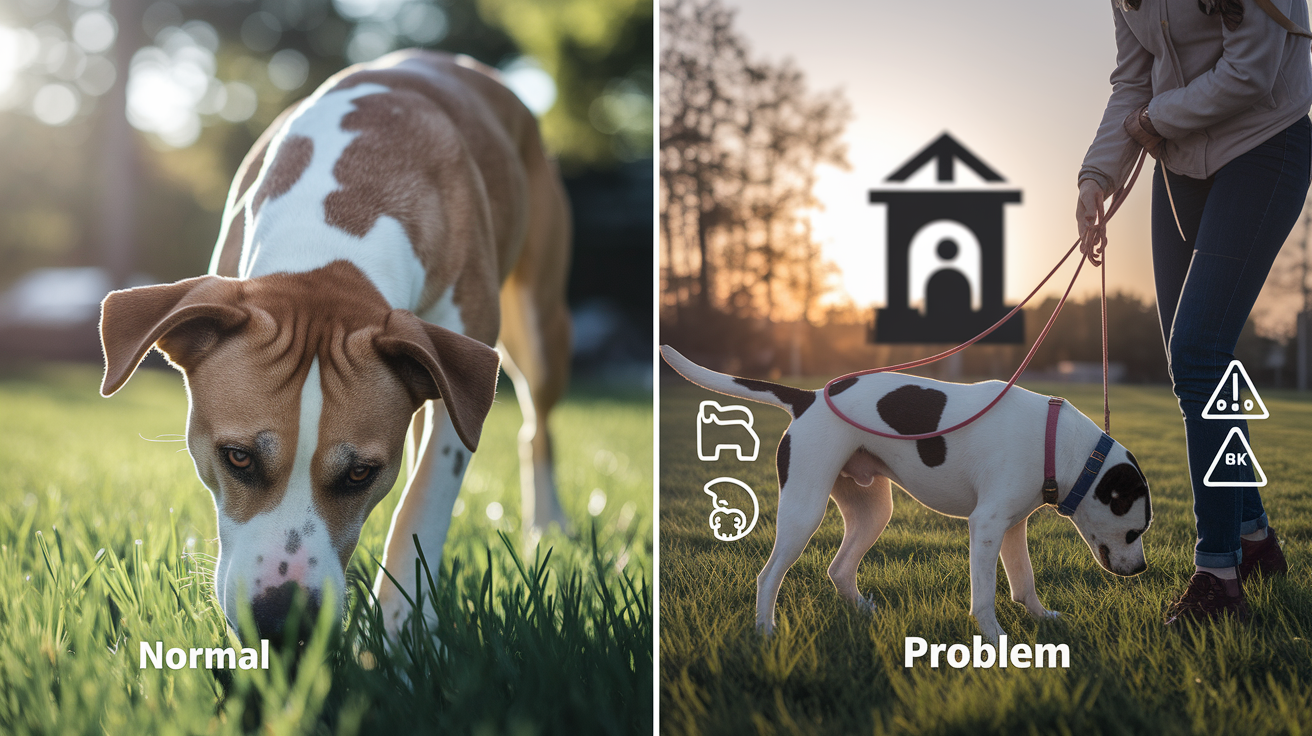
Grass eating is usually nothing to worry about if it happens occasionally and your dog seems otherwise healthy. A dog who grazes a few blades during a walk, acts normally afterward, and doesn’t vomit (or vomits just once and bounces back) is probably fine. Normal grass eating looks like brief, casual nibbling with no signs of distress before or after. Your dog’s energy stays steady, appetite remains strong, and bathroom habits look typical.
Watch for these warning signs that suggest a medical issue:
- Vomiting two or more times within 24 hours after eating grass
- Diarrhea that starts around the same time as the grass eating
- Lethargy, weakness, or reluctance to move or play
- Refusal to eat regular meals or drink water
- Abdominal pain, bloating, or a hunched posture
Pay closer attention when grass eating becomes frequent or obsessive. If your dog seeks out grass daily, eats large clumps at once, or shows any combination of the warning signs above, the behavior may point to an underlying stomach issue, parasite infection, or dietary imbalance. Dogs who eat grass because they feel genuinely unwell often display subtle changes. Less interest in treats, odd eating positions, or restless pacing before they head outside to graze.
Signs That Require a Veterinary Visit

Persistent vomiting after eating grass is the clearest signal that something needs professional evaluation. If your dog vomits repeatedly (especially if the vomit contains blood, looks like coffee grounds, or comes up with undigested grass and mucus), schedule a veterinary appointment promptly. Refusal to eat or drink, signs of dehydration like dry gums and sunken eyes, or visible abdominal pain such as whining when you touch the belly all warrant immediate attention. Dogs who eat grass and then can’t keep water down are at risk of dehydration, which can worsen quickly in puppies and small breeds.
Some situations call for urgent care, while others allow a bit of time. If your dog is bright, drinking normally, and had one isolated vomit after grazing, you can monitor at home for 24 to 48 hours. Watch for repeated episodes, changes in stool, or any decline in energy or appetite during that window. But if your dog has eaten grass from a lawn treated with pesticides or fertilizers, or if you see signs of poisoning (drooling, tremors, seizures, collapse), contact your veterinarian or an emergency clinic immediately. When in doubt, a quick call to your vet’s office can help you decide whether to come in now or keep watching at home.
How to Reduce or Prevent Grass Eating

Prevention strategies depend on why your dog is eating grass in the first place. If the behavior stems from boredom or habit, changes to routine and environment often help. If it’s driven by mild nausea or dietary gaps, small adjustments to meals and feeding schedules can make a difference.
Practical techniques to reduce grass eating:
- Add fiber rich foods like steamed green beans, carrots, or a spoonful of plain canned pumpkin to meals
- Increase daily exercise with longer walks, playtime, or agility games to burn mental and physical energy
- Provide enrichment through puzzle toys, snuffle mats, or frozen treat dispensing toys
- Teach a reliable “leave it” cue and redirect your dog away from grass during walks
- Offer safe chew alternatives like rubber toys or dental chews to satisfy the urge to nibble
- Supervise outdoor time and guide your dog toward play or training rather than grazing
Keep your expectations realistic. Some dogs continue to nibble grass occasionally even after you’ve addressed diet, boredom, and health concerns. If your dog grazes lightly now and then without any negative effects, it may simply be a harmless habit you can live with. Focus your energy on reducing frequent or compulsive grass eating and on watching for the warning signs that suggest a deeper issue. As long as your dog stays healthy, active, and free of repeated vomiting or digestive trouble, an occasional taste of grass is usually nothing to worry about.
Final Words
You now know that many dogs nibble grass from instinct, boredom, or mild tummy upset, and that vomiting usually follows because grass can irritate the stomach. Most of the time it’s not dangerous.
Try simple steps: add enrichment, check fiber in the diet, supervise outdoor time, and note when it happens.
If you’re still asking why does my dog eat grass then vomit, watch for red flags and call your vet if vomiting is frequent or your dog seems off. Small changes often help.
FAQ
Q: Does grass eating indicate a stomach problem in dogs or why is my dog gagging and frantically eating grass?
A: Grass eating or gagging can signal mild stomach upset, but it’s often harmless or behavioral; if gagging is repeated, there’s blood, lethargy, or loss of appetite, contact your vet promptly.
Q: How to settle a dog’s stomach after throwing up?
A: To settle your dog’s stomach after vomiting, hold food for 6 to 12 hours, offer small sips of water, then feed bland meals in tiny portions; contact your vet if vomiting returns.
Q: Is my dog missing nutrients if it eats grass?
A: Eating grass doesn’t usually mean your dog lacks nutrients; most graze from boredom, habit, or mild GI discomfort—review fiber and diet quality and ask your vet if it happens often.
