
Why is my cat scratching so much?
That question is common, and more important than you might think.
Normal grooming is quick. Frantic, repeated scratching, bald spots, scabs, or raw skin mean something’s wrong.
Most cases come from a few main causes: fleas and other parasites, food or environmental allergies, skin infections, or stress-related overgrooming.
This post shows how to spot each pattern at home, what to try safely tonight, and the clear signs that mean you should call your vet.
Key Reasons Behind Excessive Cat Scratching (Immediate Answers)
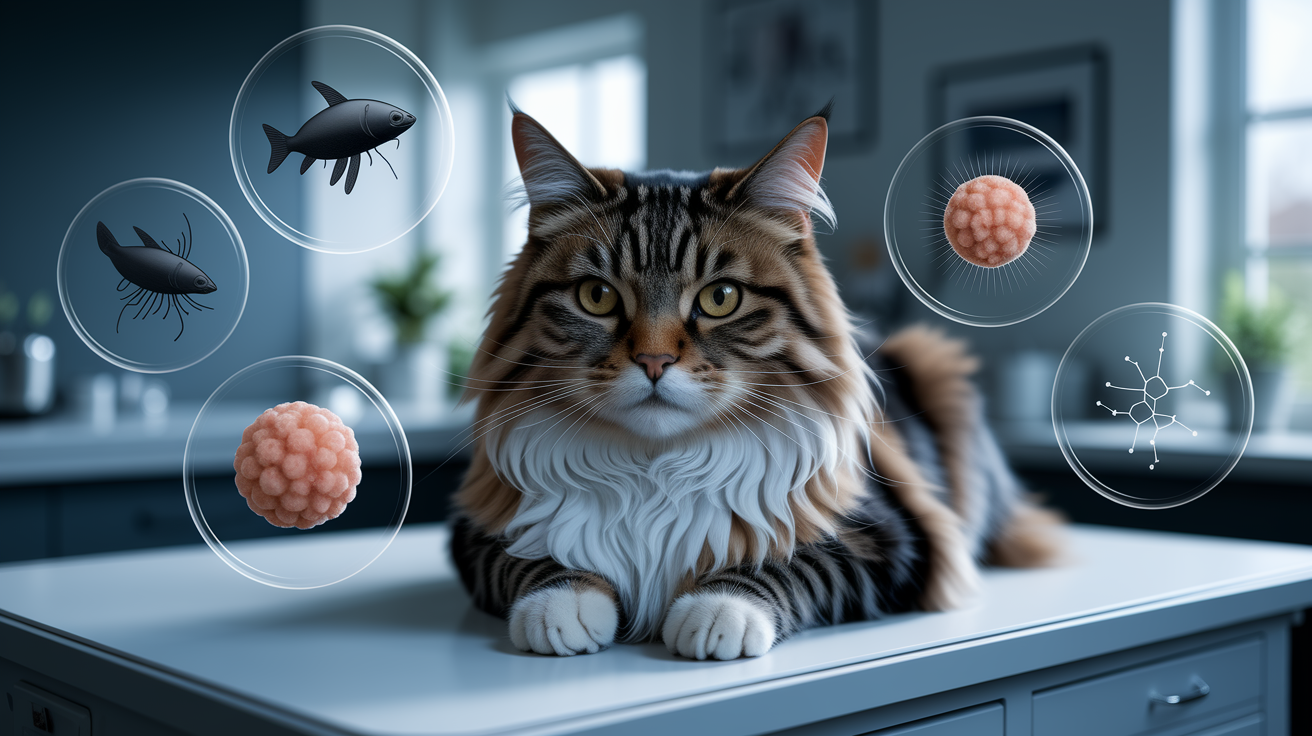
Normal grooming looks calm and brief. A few licks, a quick ear scratch, then back to napping. Problematic scratching is different. You’ll see repeated licking at the same spot, frantic scratching that leaves raw patches, hair loss with visible skin underneath, or scabs that bleed when touched. If your cat’s scratching enough to damage skin or pull out fur, something’s driving that behavior.
The most common causes cluster around a few main triggers. Fleas cause intense itching along the lower back, base of the tail, and neck. Even one or two bites can set off a massive reaction in sensitive cats. Food allergies tend to show up as itching around the head, neck, ears, and face, often with rashes or crusting. Environmental allergies (dust mites, pollen, mold) can cause widespread scratching that gets worse seasonally or stays year round. Skin infections from bacteria, yeast, or ringworm produce red, greasy, smelly patches or circular bald spots. Stress or boredom can lead to compulsive overgrooming, especially in indoor cats. Usually you won’t see obvious sores, just thinning fur from constant licking.
Get veterinary care if severe itching lasts longer than 48 to 72 hours, if you see open wounds or bleeding, if your cat stops eating or acts tired, or if you spot visible parasites like fleas or dark ear debris. Kittens, elderly cats, or households with multiple affected pets should be seen promptly.
What to check first at home:
- Run a flea comb through the fur over a white paper towel and look for black specks that turn reddish when wet (flea dirt).
- Part the fur along the lower back, neck, and tail base to inspect for bite marks, redness, or crusts.
- Check the ears with a flashlight for dark, coffee ground debris that signals ear mites.
- Note if scratching clusters around the head and face (food or medication reaction) or the rump and flanks (fleas).
- Watch for repetitive licking at one spot without obvious skin damage (possible stress or pain).
Spotting Fleas and Parasites Driving Cat Scratching
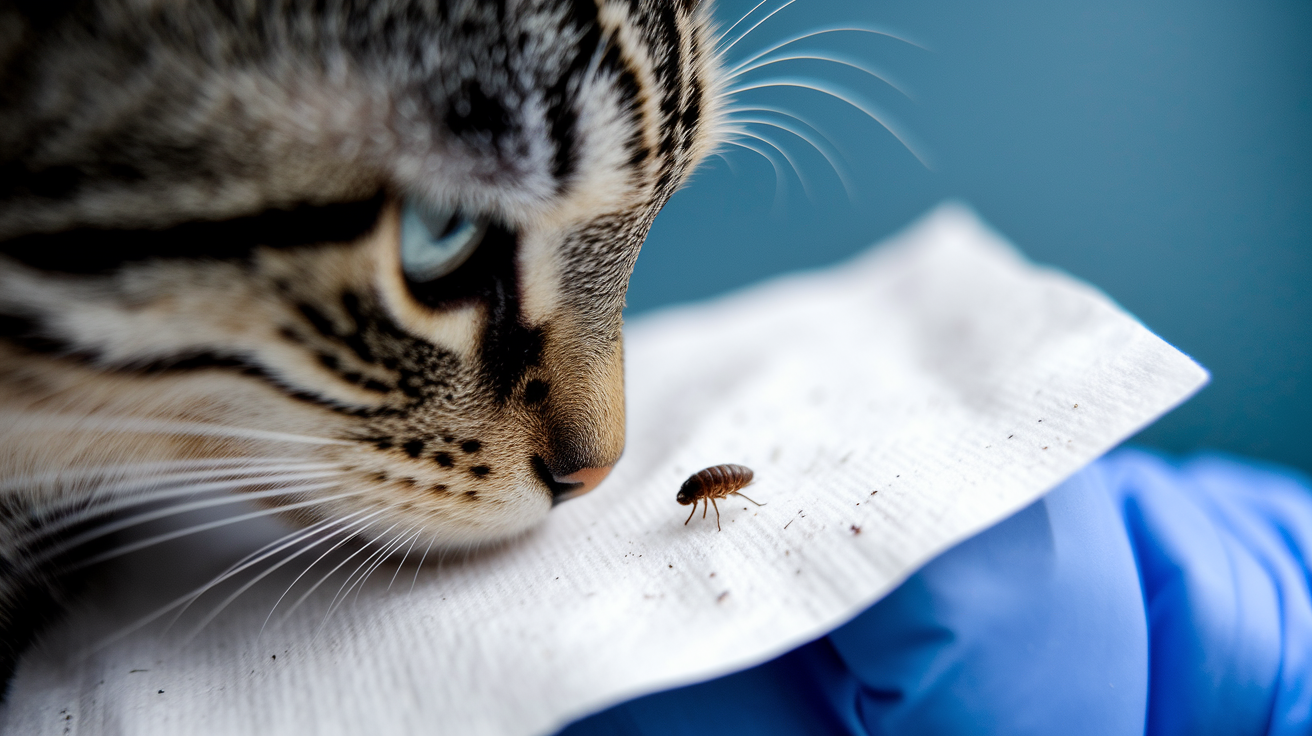
Fleas are the number one suspect when a cat suddenly starts scratching like crazy. A single female flea lays 20 to 50 eggs per day, so an infestation can explode fast. Cats with flea bite hypersensitivity develop intense itching from just one or two bites. The flea saliva triggers a reaction that can last for days. You’ll often see scratching concentrated along the lower back, base of the tail, neck, and behind the ears. Mites are less common but show up more often in outdoor cats. Scabies and notoedric mange cause severe itching and need a skin scraping to diagnose. Ear mites produce dark, crumbly debris that looks like wet coffee grounds inside the ear canal.
To check for fleas at home, use a fine tooth flea comb and work it slowly through your cat’s coat, especially over the rump and neck. Do this over a white paper towel or a damp white cloth. Look for tiny dark specks, flea dirt, which is digested blood. If you’re not sure what you’re seeing, put a few specks on a damp paper towel and crush them lightly. If they smear reddish brown, that’s flea dirt. You might not see live fleas because they jump off quickly after feeding, but the dirt they leave behind is a clear clue.
Mites don’t leave visible dirt like fleas do. Instead, you’ll notice intense scratching, hair loss, crusty patches, and sometimes a bad smell from secondary infection. Ear mites cause head shaking, ear scratching, and that dark waxy buildup. Your vet will need to do a skin scraping, gently scraping a bit of skin surface onto a slide, to spot mites under a microscope. If you find fleas on one pet, treat every pet in the household. Fleas don’t stay on just one animal. Never use dog flea products on cats. Cats are extremely sensitive to some dog medications, and using the wrong product can be dangerous.
| Parasite | Key Signs | Where to Check | Diagnostic Method |
|---|---|---|---|
| Fleas | Black “flea dirt,” intense scratching, scabs on lower back | Lower back, base of tail, neck, behind ears | Flea comb over white towel; moisture test for flea dirt |
| Ear mites | Dark coffee ground debris, head shaking, ear scratching | Inside ear canal | Vet ear swab and microscopy |
| Scabies/notoedric mange | Severe itch, crusting, hair loss, often face and ears | Face, ears, head, sometimes body | Skin scraping by vet |
| Lice | Rare; visible tiny white eggs on hair shafts, mild itch | Body, especially if matted fur | Visual inspection or comb |
Allergy-Related Cat Scratching: Food, Environmental, and Contact Triggers
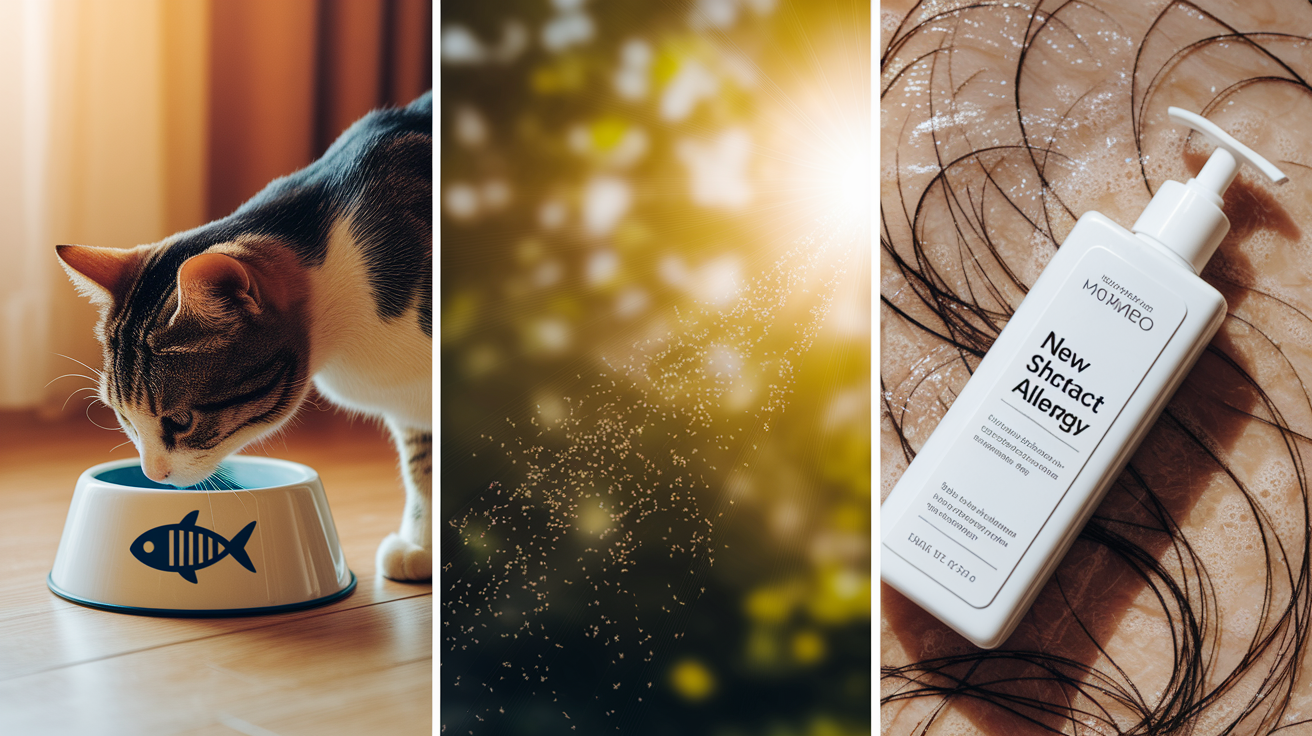
Scratching from allergies is common in cats, and it breaks down into three main types: food, environmental, and contact. Each has a different pattern. Recognizing which one fits your cat helps narrow down the cause. Allergic cats often develop secondary infections from all the scratching, so you might see red, greasy, or smelly skin on top of the itching. The key is to watch where the scratching happens and when it started.
Food Allergies
Food allergies usually show up as itching around the head, neck, ears, and face. You might also see rashes, sores, sneezing, wheezing, or discharge from the eyes or nose. Common allergens include fish, dairy, beef, and chicken. Even a few nibbles of a new treat can trigger a reaction in sensitive cats. The only reliable way to diagnose a food allergy is an elimination diet using a prescription hypoallergenic food with a novel protein (like duck or venison) or a hydrolyzed protein that the immune system doesn’t recognize. You’ll need to feed only that diet. No treats, no table scraps, no flavored medications, for 6 to 8 weeks. Some cats show improvement in 3 to 4 weeks, but you have to complete the full trial to be sure. If scratching stops, you can reintroduce the old food to confirm the allergy, then stick with the hypoallergenic option long term.
Environmental Allergies
Environmental allergies (atopic dermatitis) are triggered by airborne particles like pollen, dust mites, or mold. Symptoms can be seasonal, spring and fall pollen surges, or year round if indoor allergens like dust mites are the problem. Scratching tends to be more widespread than with food allergies: face, paws, belly, armpits, groin. Atopy often begins early in life and gets worse over time. Your vet might suggest a steroid trial to see if inflammation calms down. Oral medication given daily or an injection that lasts 6 to 8 weeks. Cyclosporine is another option for long term control. It has fewer side effects than steroids but costs more. Most cases need repeat treatment because environmental allergens are hard to avoid completely.
Contact Allergies
Contact allergies happen when your cat’s skin touches something irritating: a new shampoo, a flea collar, topical medication, or even certain types of bedding. The itching and redness stay localized to the area that made contact. If you recently started using a new grooming product or bought a new bed, and your cat suddenly starts scratching in one spot, contact allergy is a strong possibility. Stop using the product, wash any bedding or collars in hot water, and watch for improvement over the next few days. If the irritation doesn’t fade, your vet can help confirm the cause and recommend a gentler alternative.
Infections Behind Cat Scratching: Bacterial, Fungal, and Secondary Problems
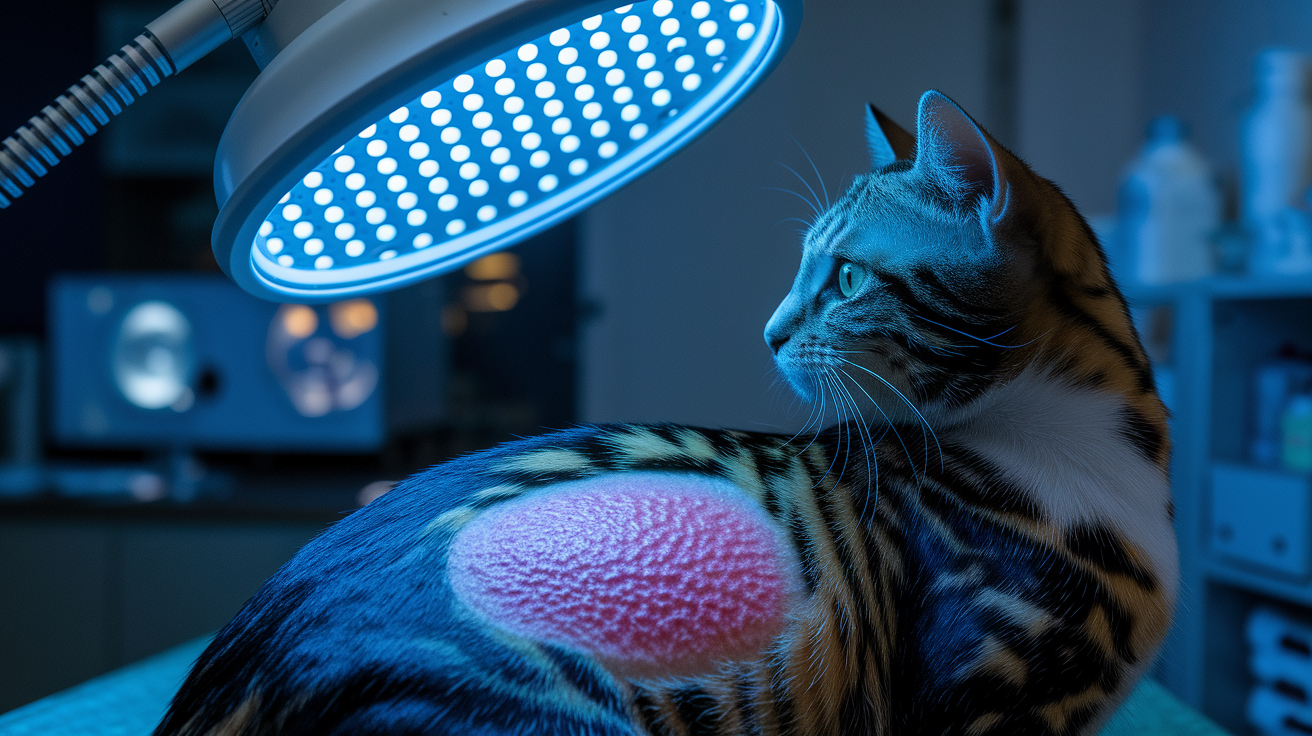
Infections often develop after a cat’s been scratching for a while. The constant trauma breaks the skin barrier, and bacteria or yeast move in. Ringworm is different. It’s a fungal infection that can appear on its own without a scratching history. Ringworm causes circular patches of hair loss, crusty or flaky skin, and sometimes a color change in the fur or skin. It’s more noticeable in long haired and senior cats. A Wood’s lamp (a special UV light) can detect about 50 percent of ringworm cases, but a negative result doesn’t rule it out. Your vet might need to do a fungal culture or PCR test to confirm.
Bacterial infections (pyoderma) and yeast infections make the skin red, greasy, and smelly. You’ll see pustules (tiny pus filled bumps), scabs, thickened skin, or raw spots that ooze. These infections are usually secondary. They show up because the cat’s been scratching due to fleas, allergies, or another trigger. Once the skin is damaged, bacteria like Staphylococcus or yeast like Malassezia take advantage. Your vet will do a skin cytology, pressing a slide against the skin or taking a tape impression, to look at cells and organisms under a microscope. Treatment usually involves antibiotics or antifungal medications, sometimes along with medicated shampoos.
Any raw, open wound from self trauma can become infected quickly. Hot spots, moist, inflamed patches that spread fast, are less common in cats than dogs, but they do happen. If you see pus, a foul smell, swelling, or your cat’s acting painful or tired, that’s a sign the infection’s getting serious and needs immediate veterinary attention.
Key infection warning signs to photograph for the vet:
- Circular bald patches with crusting or skin discoloration (ringworm).
- Red, greasy patches with a strong odor (bacterial or yeast).
- Pustules or scabs clustered in one area.
- Oozing or bleeding from a raw wound.
- Swollen skin or nearby lymph nodes.
Behavioral Reasons for Cat Scratching and Overgrooming

Not all scratching is physical. Stress, boredom, anxiety, and sudden changes in routine can trigger compulsive licking and scratching. This is called psychogenic alopecia or stress related overgrooming. Indoor cats are at higher risk because they have fewer outlets for natural behaviors like hunting, climbing, and exploring. You might see symmetrical hair loss, usually on the belly, inner thighs, or flanks, from repetitive licking, but the skin underneath often looks normal. There are no sores, scabs, or redness unless the behavior’s gone on so long that the skin gets irritated.
Behavioral overgrooming can start after a stressful event: moving to a new home, a new pet or person in the household, construction noise, or even a change in your work schedule. Sometimes it begins as a response to a real itch, like fleas or an allergy, but the grooming becomes a habit that continues even after the original problem is treated. If you notice your cat licking excessively when anxious or bored, or if the scratching happens in repetitive patterns without an obvious trigger, behavior’s likely playing a role.
Five enrichment ideas to reduce stress related scratching:
- Add vertical space with cat trees, shelves, or window perches so your cat can climb and survey the room.
- Provide daily interactive play with wand toys, lasers, or puzzle feeders to mimic hunting behavior.
- Rotate toys every few days to keep novelty high and boredom low.
- Set up a “catio” or safe outdoor enclosure if possible, or offer supervised time on a leash and harness.
- Consider a compatible second cat with a slow, proper introduction if loneliness seems to be a factor, but only if your current cat has a social temperament.
How to Examine Your Cat at Home for Scratching Causes
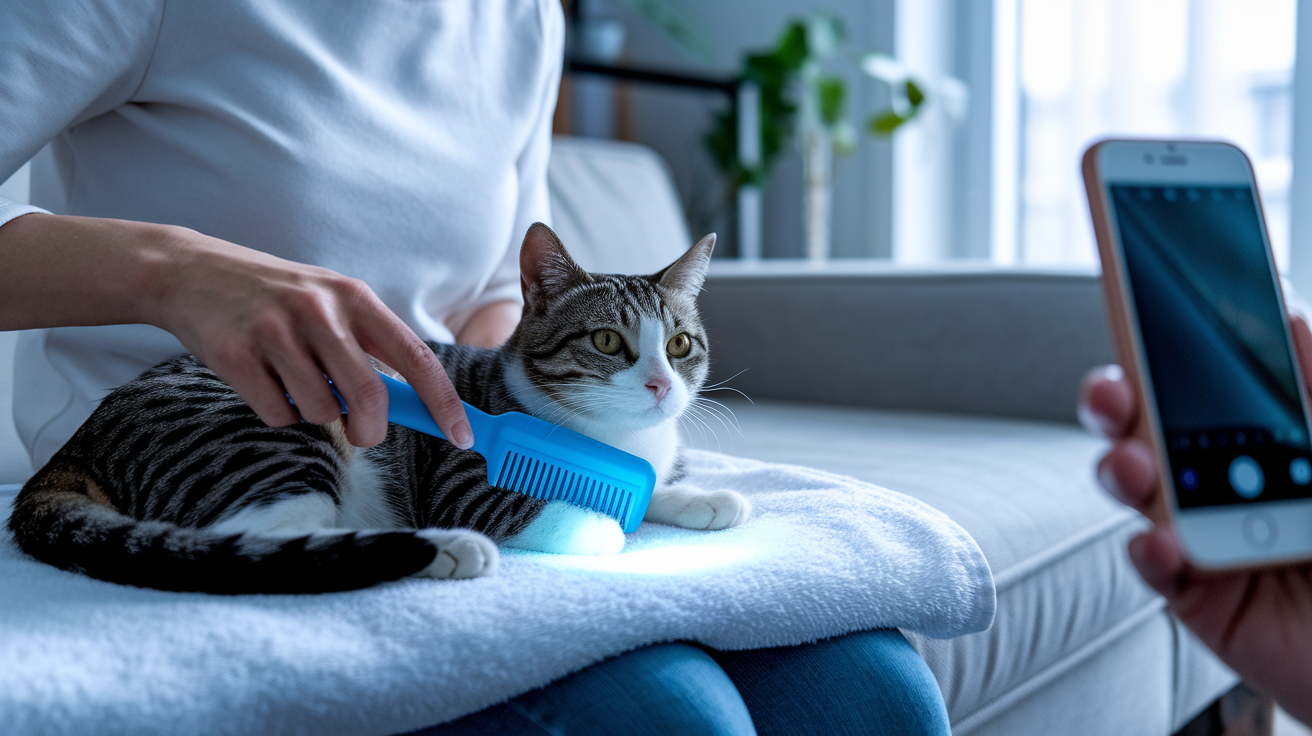
A calm, safe home exam can give you clues before you head to the vet. Work in a quiet room with good lighting, near a window during the day or under a bright lamp at night. Have treats ready to reward cooperation, and keep a soft towel nearby in case you need gentle restraint. If your cat gets stressed or aggressive, stop. Forcing an exam can make things worse and isn’t safe for either of you.
Start by petting your cat normally to relax them, then gently part the fur in sections to inspect the skin. Look for redness, scabs, crusts, bald patches, or anything that feels bumpy or smells off. Pay extra attention to the lower back, base of the tail, neck, behind the ears, belly, and paws. Those are the most common itch zones. Use a flea comb and work it slowly through the coat, especially over the rump. Do this over a white paper towel so you can see any flea dirt or live fleas that fall out. Check inside the ears with a flashlight for dark debris or redness.
If you find something, flea dirt, a bald spot, a crusty patch, take a photo with your phone. Good lighting and a close up shot help your vet see what you’re seeing. Note when the scratching started, which body parts are affected, and whether it’s worse at certain times of day or after specific activities (like eating or going outside). All of that context speeds up the diagnostic process.
Step by Step Home Check
- Gather supplies: flea comb, white paper towel, flashlight, treats, and your phone for photos.
- Choose a calm, well lit area and sit with your cat on your lap or a non slip surface.
- Pet and reassure your cat, offering a treat to start on a positive note.
- Part the fur in small sections along the back, neck, and base of the tail. Look for redness, scabs, or parasites.
- Run the flea comb through the coat over a white towel and check for black specks or live fleas.
- Moisten any black specks on the towel. If they smear reddish brown, that’s flea dirt.
- Use the flashlight to look inside both ears for dark, crumbly debris or redness.
- Photograph any lesions, bald spots, or unusual findings, and note the body location for your vet.
Veterinary Tests and Diagnosis for Persistent Scratching

When home checks don’t give you a clear answer, or when scratching persists despite your efforts, your vet will run diagnostic tests to pinpoint the cause. The most common test is a skin scraping: your vet gently scrapes the surface of the skin with a blade to collect cells and debris, then looks at it under a microscope to spot mites like scabies or Demodex. Skin cytology works the same way but focuses on bacteria and yeast. Your vet presses a slide or tape against the skin, stains it, and examines it for infection. Both tests are quick, minimally uncomfortable, and done right in the exam room.
If ringworm’s suspected, your vet might use a Wood’s lamp first, a UV light that makes some types of ringworm glow. Only about 50 percent of Microsporum canis (the most common ringworm in cats) will fluoresce, so a negative result doesn’t rule it out. A fungal culture or PCR test gives a definitive answer. For food allergies, there’s no blood test that works reliably in cats. The gold standard is an elimination diet trial lasting 6 to 8 weeks, sometimes longer. Environmental allergies can be tested with intradermal (skin) allergy testing or blood panels, but those are usually reserved for chronic cases where you’re planning long term immunotherapy.
A fecal exam checks for intestinal parasites. Some can cause generalized itching or skin problems. If your vet suspects an internal issue like hyperthyroidism or an immune disorder, bloodwork might be needed. For stubborn, unexplained cases, a skin biopsy, taking a small tissue sample under sedation, can reveal immune mediated diseases, unusual infections, or even cancer.
Common diagnostic outcomes and what they mean:
- Mites found on skin scrape: Start antiparasitic treatment (topical or oral).
- Bacteria or yeast on cytology: Antibiotics or antifungals, plus treatment for the underlying itch trigger.
- Positive fungal culture: Ringworm confirmed. Start antifungal medication and environmental decontamination.
- Negative tests but improvement on elimination diet: Food allergy likely. Continue hypoallergenic food and avoid known triggers.
Treatment Options to Stop Cat Scratching

Treatment depends on the diagnosis, but the goal’s always the same: stop the itch, heal the skin, and prevent it from coming back. For fleas and mites, your vet will prescribe a cat safe antiparasitic. Many topical products are applied once a month. Some fast acting oral medications start working within hours and kill adult fleas the same day. Treat every pet in your household at the same time, even if only one’s showing symptoms.
If a bacterial or yeast infection is present, your vet will prescribe antibiotics or antifungals. These usually run for 2 to 4 weeks, depending on severity. Medicated shampoos with antibacterial or antifungal ingredients can speed healing when used every few days during treatment. For intense itching, short term corticosteroids (oral or injectable) bring fast relief by reducing inflammation. Injections typically last 6 to 8 weeks. Long term steroid use has side effects, so for chronic allergies your vet might switch to cyclosporine (also called ciclosporin), which modulates the immune system with fewer risks. It takes a few weeks to start working and costs more, but it’s safer for ongoing management.
Omega 3 fatty acid supplements, especially those with EPA and DHA, support skin health and can reduce inflammation over time. Use veterinary formulated doses. Human fish oil capsules aren’t always safe or effective for cats. If ringworm’s diagnosed, your vet will prescribe oral antifungals (like itraconazole or terbinafine) and might recommend lime sulfur dips to reduce contamination. For behavioral overgrooming, anti anxiety medications or pheromone diffusers (like Feliway) can help alongside environmental enrichment.
Avoid using human over the counter products, essential oils, or medications not prescribed for cats. Cats metabolize drugs differently than dogs or people, and what’s safe for you can be toxic for them.
| Treatment Type | When Used | Typical Duration |
|---|---|---|
| Antiparasitics (topical or oral) | Fleas, mites, lice | Monthly application or single dose; repeat as directed |
| Antibiotics or antifungals | Bacterial or yeast infections, ringworm | 2–6 weeks depending on infection severity |
| Corticosteroids (oral or injection) | Severe itching, allergic inflammation | Short term (days to weeks) or injectable every 6–8 weeks |
| Cyclosporine (immunomodulator) | Chronic allergies, long term itch management | Daily, ongoing; takes 2–4 weeks to see effect |
Home Care, Soothing Methods, and Safe Remedies for Itchy Cats
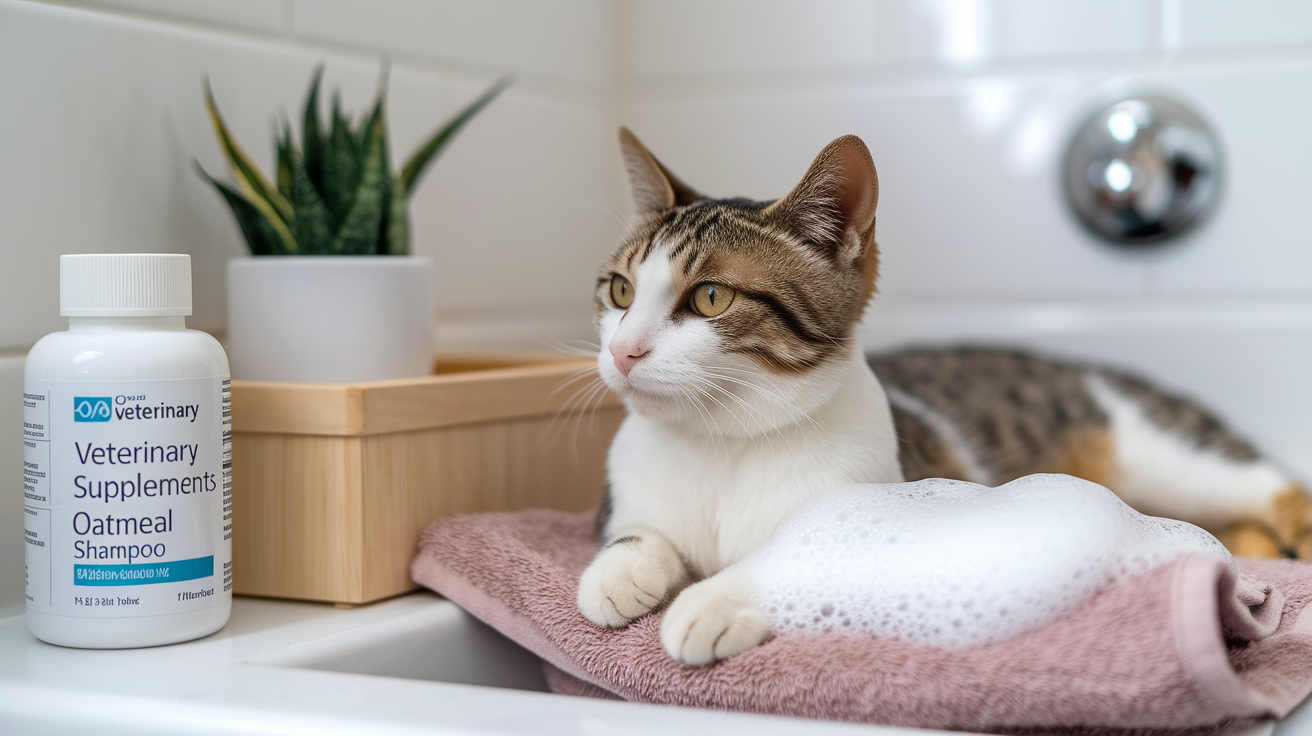
While you’re waiting for a vet appointment or alongside prescribed treatment, there are a few safe things you can do at home to soothe your cat’s skin. Gentle oatmeal based shampoos designed for cats can calm mild irritation. Bathing frequency depends on the product and your cat’s condition, typically every 2 to 6 weeks. Use lukewarm water, lather gently, rinse thoroughly, and towel dry in a warm room. Most cats tolerate short baths better than long ones, so work quickly and calmly.
Omega 3 supplements are safe and helpful for dry, flaky skin, but stick to veterinary approved doses. Human fish oil capsules might contain additives or doses that aren’t right for cats. If your vet’s prescribed antihistamines like cetirizine or diphenhydramine, follow the dosing instructions exactly. These medications can help some cats with mild allergies, but they’re not as effective in cats as they are in dogs, and the wrong dose can cause problems.
Don’t use apple cider vinegar, tea tree oil, or other essential oils on your cat’s skin. Cats lack the liver enzymes needed to metabolize many plant compounds, so substances that seem “natural” can be toxic. Never give your cat human pain relievers, steroid creams, or anti itch lotions without your vet’s approval. If you’re unsure whether something’s safe, ask your vet before you try it.
Safe vs unsafe home options:
- Safe: Vet approved oatmeal shampoos, omega 3 supplements at veterinary doses, plain water rinses, soft E collars to prevent self trauma.
- Unsafe: Apple cider vinegar, essential oils (tea tree, lavender, eucalyptus), human antihistamines without vet guidance, human topical creams, dog flea products.
Preventing Future Cat Scratching and Recurrence

Once you’ve treated the cause of scratching, prevention’s about breaking the itch cycle and controlling triggers. For flea infestations, environmental cleanup is just as important as treating your cat. Wash all bedding, blankets, and soft fabric items in hot water, at least 60°C (140°F), to kill eggs and larvae. Vacuum floors, furniture, and cat trees daily for 1 to 2 weeks, then keep up regular vacuuming after that. Dispose of the vacuum bag or empty the canister outside immediately so fleas don’t re infest your home.
If food allergies were diagnosed, stick to the hypoallergenic diet long term. Even a single treat with the allergen can restart the itch. For environmental allergies, reduce indoor dust and mold by using air purifiers, washing bedding weekly, and keeping humidity levels moderate. If pollen’s a trigger, wipe your cat’s paws and coat with a damp cloth after outdoor time during high pollen seasons.
Track your cat’s response to treatment. Some conditions improve in days (fleas, bacterial infections), while others take weeks to months (food trials, chronic allergies). Keep notes on scratch frequency, new lesions, and overall comfort. Take follow up photos every week or two so you can show your vet whether things are getting better, staying the same, or getting worse. Regular vet check ins help catch problems early and adjust treatment before a small issue becomes a big one.
Five steps for long term household prevention:
- Keep all pets on year round flea prevention, even indoor cats in low risk areas.
- Wash bedding weekly in hot water and vacuum high traffic areas at least twice a week.
- Provide consistent environmental enrichment, daily play, puzzle feeders, vertical space, to reduce stress.
- Monitor your cat’s diet closely. Avoid table scraps or treats with known allergens if food allergy was diagnosed.
- Schedule regular vet wellness visits to catch early skin changes before they turn into full blown itching episodes.
When to See a Veterinarian for a Scratching Cat
Get veterinary care if your cat’s itching lasts longer than 48 to 72 hours without improvement, or if it’s severe enough to cause open wounds, bleeding, or hair loss. Immediate attention’s needed if you see signs of infection (pus, foul odor, swollen or hot skin) or if your cat stops eating, becomes tired, or develops a fever. Kittens and elderly cats are more vulnerable to complications, so don’t wait as long with them.
Chronic itching that comes and goes over weeks or months usually points to allergies or an underlying immune issue. These cases need a thorough workup and long term management, but the prognosis is generally good once the cause is identified and treatment’s tailored. Most cats with allergies can live comfortably with the right combination of diet, medication, and environmental control. Regular follow ups help you stay ahead of flare ups and adjust treatment as needed.
Emergency indicators that mean go to the vet now:
- Open, bleeding wounds or large raw areas from self trauma.
- Signs of systemic infection: fever, tiredness, loss of appetite, rapid breathing.
- Visible parasites (fleas, lice, maggots) or severe matting with skin breakdown underneath.
- Sudden swelling of the face, lips, or throat (possible reaction).
- Persistent scratching in a kitten, senior cat, or any cat with other health problems. Don’t wait the full 48–72 hours.
Final Words
You now have quick ways to spot when grooming crosses the line into problem scratching—what fleas, allergies, infections, and stress usually look like and where to check first.
Do a calm home exam, use a flea comb, take a few photos, and track changes over 48–72 hours. Try safe soothing steps and avoid home treatments that can harm cats.
If you’re still asking why is my cat scratching so much, bring your notes and pictures to the vet. Most causes can be treated, and your cat can feel better soon.
FAQ
Q: Why does my indoor cat keep itching with no fleas?
A: Your indoor cat scratching with no fleas is usually from allergies (food or environmental), mites or ringworm, secondary skin infections, or stress-related overgrooming. Check head/ears and skin, and see a vet if it lasts over 48–72 hours.
Q: What to do if your cat keeps scratching?
A: If your cat keeps scratching, first check for fleas/flea dirt, inspect skin for sores, try a flea-comb test, remove collars, use a gentle cat shampoo if needed, and call your vet for severe signs or if it continues past 48–72 hours.
Q: How do cats say “I’m sorry”?
A: Cats don’t apologize like humans; cats show appeasement by slow-blinking, head-bunting or rubbing, gentle grooming, purring, and relaxed body language, which usually means they want calm and reconnection rather than a human-style apology.
