
Could your cat’s constant licking be more than a habit?
When grooming turns into bald patches, it’s a sign something’s wrong.
Around 80 percent of cat overgrooming and losing hair cases have a physical cause like fleas, skin infections, or pain.
The rest are often stressed or stuck in a compulsive loop.
In this post you’ll learn how to spot the patterns, simple checks you can do at home tonight, what to track, and clear signals that mean it’s time to see your vet.
Key Reasons a Cat May Overgroom and Lose Hair
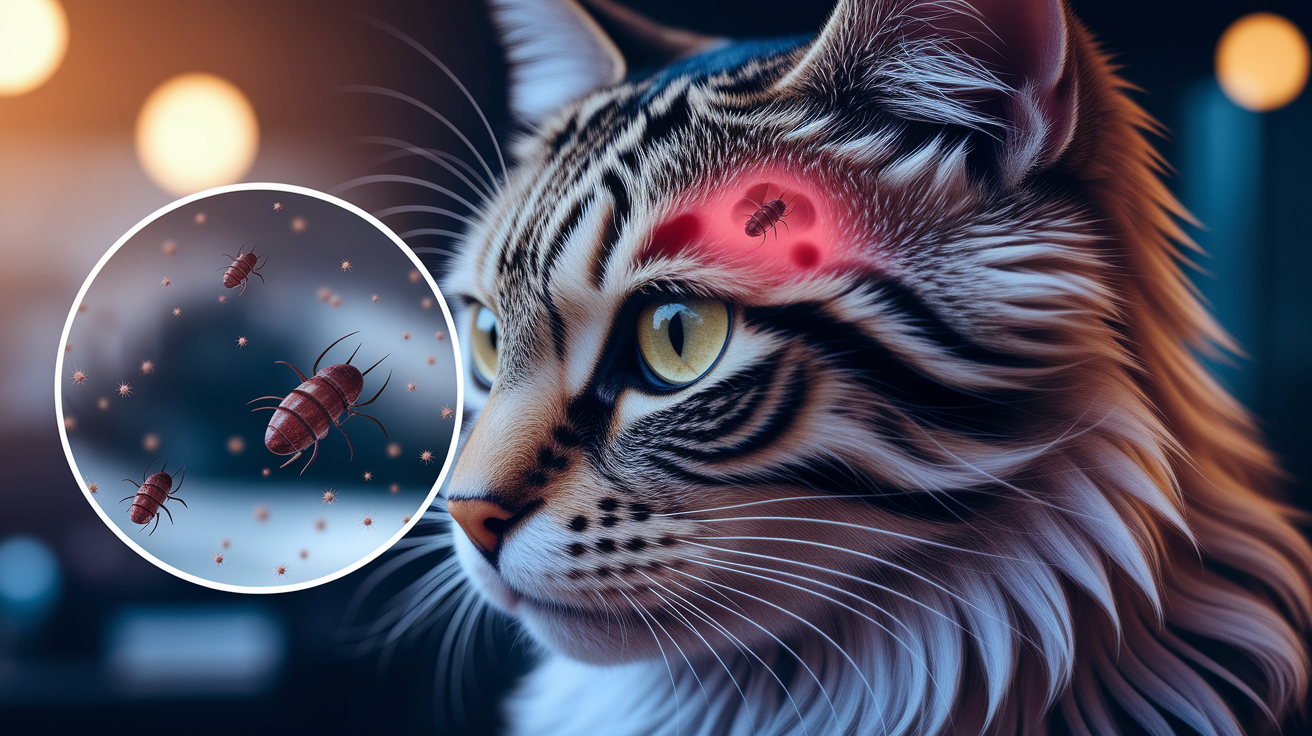
Most cats groom for about 2 to 5 hours daily. That’s just what they do. But when that time creeps up and you’re seeing bald patches or stubby, sparse fur, something’s shifted. Real overgrooming leaves hair tips that feel sharp or spiky instead of soft. Your cat’s biting or yanking the shafts, not shedding them.
Around 80 percent of cats who overgroom and lose hair are dealing with something physical. Skin irritation, parasites, pain. The other 20 percent? Anxiety or compulsive patterns. Where the hair’s disappearing often tells you where to start looking. Belly and inner thighs point one direction. Base of the tail suggests another. Lower belly and genital area can mean pain further down, like bladder discomfort.
Watch for broken or thinned hair, totally bald spots, sore or scabbed skin, and grooming that’s really hard to stop. Lots of cats show matching patterns on both sides. Some will chew or lick one spot until the skin opens up. When it gets repetitive and locked in, you’re probably looking at compulsive grooming.
Most likely culprits:
- Parasites like fleas, mites, or lice that set off intense itching and frantic grooming
- Allergies to food, pollen, dust, or other stuff in the environment that inflames skin
- Pain from urinary tract trouble, arthritis, or anal gland issues
- Stress from routine changes, new pets, household conflict, or plain boredom
- Infections including bacterial skin problems or fungal ringworm
- Environmental irritants like cigarette smoke, strong perfumes, or new cleaning sprays
Visible Signs of Cat Hair Loss From Overgrooming

Spotting the pattern helps you narrow things down. Look for sparse or broken hair instead of smooth baldness. Run your hand over it. If regrowth feels stubbly or prickly, your cat’s been trimming it. Matching patches on both sides of the body show up a lot. You might also see little scabs, red or irritated skin, or areas your cat keeps returning to even when you try to interrupt.
Some spots point to specific problems. A strip of lost hair down the back or belly is common across many causes. Thinning at the base of the tail screams flea allergy. Hair loss and scabbing around neck and ears? Think ear mites. Excessive paw pad chewing can signal seasonal or pollen allergies.
| Area Affected | Possible Cause |
|---|---|
| Belly and inner thighs | Fleas, food allergies, stress, or generalized skin sensitivity |
| Base of tail | Flea allergy dermatitis or irritation from flea saliva |
| Neck and ears | Ear mites or scratching from ear infection |
| Back and tail | Feline hyperaesthesia syndrome or focused pain |
Medical Causes of Hair Loss and Overgrooming in Cats
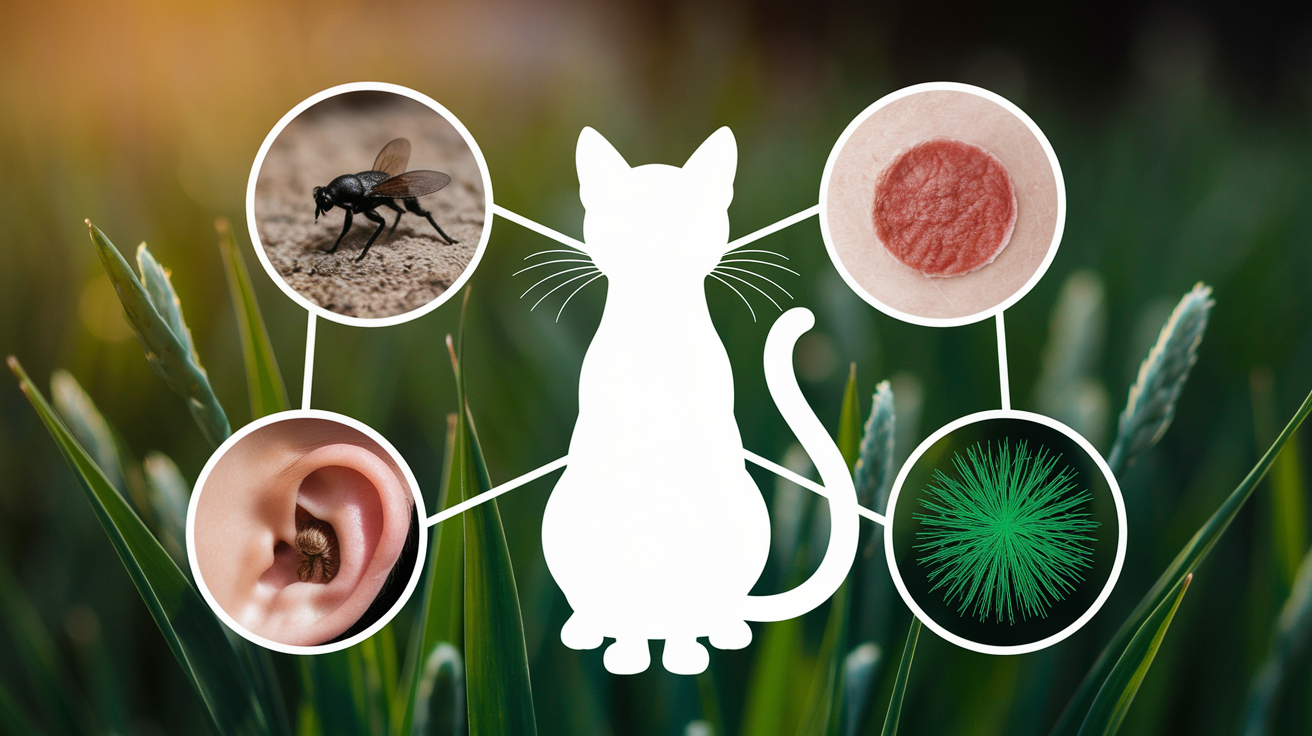
Fleas top the list for parasite trouble behind cat overgrooming. Even one flea can trigger an allergic reaction in a sensitive cat. You might not spot live fleas because cats groom themselves so well. Grab a flea comb and look for tiny black specks, flea dirt, which is just digested blood. When fleas are the problem, improvement after proper treatment of both cat and home usually comes fast.
Mites create serious itching even when they’re nearly invisible. Ear mites make cats scratch their necks and ears raw. Other types burrow into skin and cause localized hair loss and scabbing. Lice are rare but possible, especially in outdoor or shelter cats.
Ringworm isn’t a worm. It’s a fungal infection that spreads easily to people, dogs, and other cats. Persian cats and kittens in catteries get it more often. Ringworm causes round, scaly bald patches and needs at least six weeks of antifungal treatment. Cleaning your environment thoroughly matters or it’ll just come back.
Food and environmental allergies show up as itchy skin and hair loss. Cats with allergies often get secondary bacterial or yeast infections because constant scratching and licking damages the skin barrier. Treating the infection first helps your vet figure out what’s truly allergy driven underneath.
Medical symptoms to watch for:
- Visible fleas, flea dirt, or sudden scratching after being outside
- Scabbing, especially along the back or around the neck
- Red, inflamed, or wet patches of skin
- Strong smell from skin or ears
- Small bumps under the coat you can feel when petting
Pain Related Overgrooming and Targeted Hair Loss Patterns

When a cat’s hurting in one area, grooming that spot can turn obsessive. Cats with feline lower urinary tract disease often lick their lower belly, inside thighs, and around the genitals until hair’s gone. The behavior makes sense to them. They’re trying to soothe what hurts.
Arthritis in hips or back can trigger focused licking on the affected joint or along the spine. Anal gland problems lead to intense grooming and scooting near the base of the tail and around the anus. Feline hyperaesthesia syndrome causes waves of skin twitching and self directed aggression, often at the back and tail. Cats with hyperaesthesia might suddenly attack their own tail or groom violently along the spine.
Pain driven grooming usually starts asymmetrical, concentrated on the side or area that hurts. If your cat’s repeatedly licking one leg, one flank, or one specific back patch, pain should be high on your suspect list. A vet exam, maybe including palpation, X rays, or urine tests, will help pinpoint the source.
Stress and Behavioral Triggers Behind Cat Overgrooming

True psychogenic overgrooming is less common than medical causes, but stress almost always plays some role. Even when fleas or allergies start the cycle, anxiety can keep it going. Some cat breeds, including Siamese, Abyssinian, Burmese, and Himalayan, seem more prone to stress related barbering and compulsive grooming.
Cats are creatures of routine. Changes like a new baby, a move, a new pet, or even rearranged furniture can trigger anxiety. Multi cat households often hide tension. Two cats who sleep near each other may still compete silently for food, litter boxes, or favorite perches. Boredom and lack of mental stimulation push some indoor cats toward repetitive behaviors, including overgrooming.
Common stress triggers:
- Introduction of a new pet or family member
- Changes in daily routine or feeding schedule
- Conflict or competition with other household cats
- Lack of environmental enrichment or play
- Owner absence or separation anxiety
- Loud noises, construction, or household chaos
Warning Signs of Psychogenic Alopecia
Compulsive grooming often looks rhythmic and trance like. The cat can be tough to distract, returning immediately to the same spot. Hair loss is usually symmetrical and focused on areas the cat can easily reach, like belly, inner legs, and flanks. There are no scabs, redness, or signs of skin disease. The skin underneath looks normal. If medical causes have been ruled out and the pattern fits, a behavioral diagnosis becomes more likely.
When to See a Veterinarian for Cat Hair Loss and Overgrooming
Contact your vet as soon as you notice overgrooming, bald patches, or a sudden jump in grooming time. Early action stops complications like secondary infection, sunburn on bare skin, and intestinal blockage from swallowed hair. Most cases need a professional exam to nail down the root cause.
Some signs need faster attention. If your cat’s losing weight, showing widespread hair loss, or developing open sores, get a visit scheduled right away. Cats who seem lethargic, stop eating, or show other illness signs alongside grooming changes need same day attention.
Fast action signs:
- Open wounds, bleeding, or oozing skin
- Rapid progression of hair loss over days
- Refusal to eat or drink
- Visible weight loss or muscle wasting
- Signs of pain like crying, hiding, or aggression when touched
How Vets Diagnose Cat Overgrooming and Hair Loss
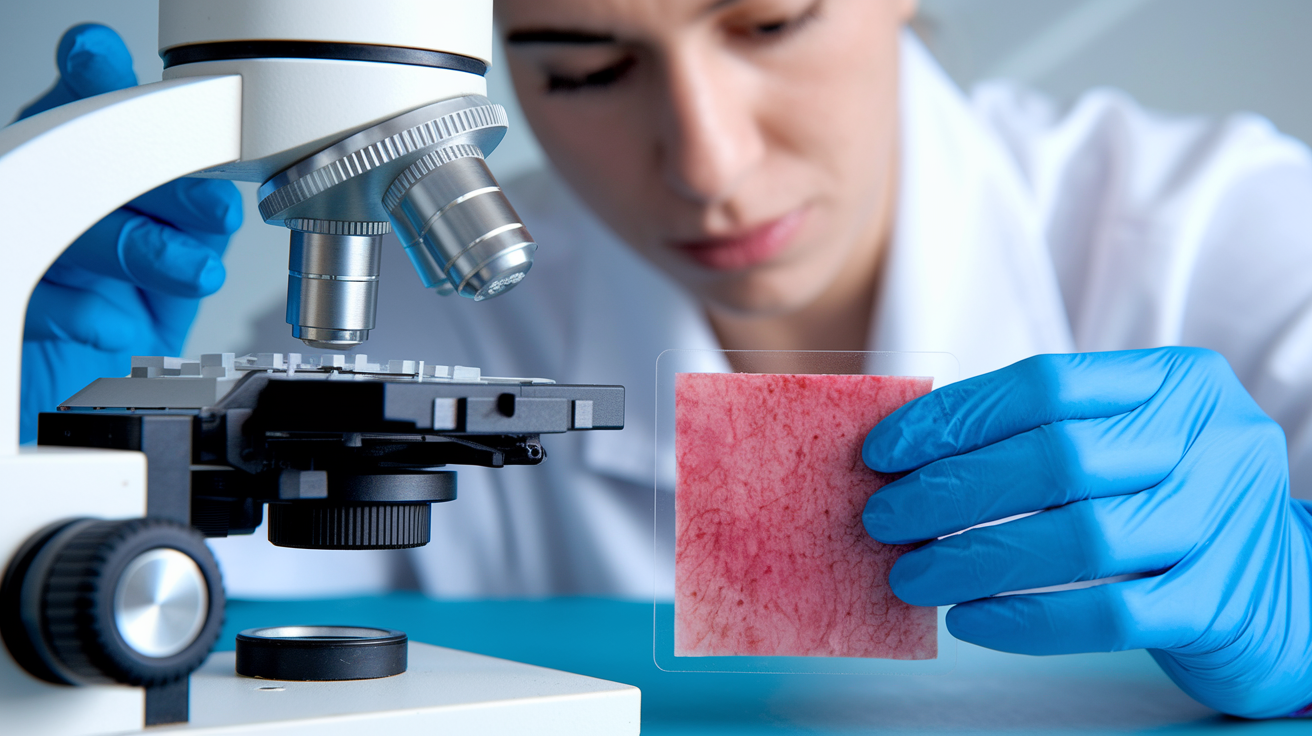
Your vet will start with a detailed history. Be ready to describe when grooming started, what areas are affected, any home changes, your cat’s diet, and whether you’ve seen fleas or other pests. A full physical exam follows, checking skin, coat, ears, teeth, and body condition.
Then comes targeted testing. Hair plucked from the edge of a bald patch can be examined under a microscope to check for broken tips, fungal spores, or parasites. Skin scrapings look for mites. A piece of clear tape pressed to the skin and then examined can reveal bacteria, yeast, or surface mites. Fungal cultures take one to three weeks but confirm ringworm.
If the skin looks inflamed or infected, your vet might treat the secondary problem first. Bacterial and yeast infections can mask the true cause. Once the skin calms, the underlying trigger often becomes clearer. Blood tests, urine tests, X rays, or abdominal ultrasound may be needed if pain or metabolic disease is suspected.
| Test | What It Identifies |
|---|---|
| Skin scraping | Mites, lice, and some fungal infections |
| Fungal culture | Ringworm and other dermatophytes |
| Cytology (tape or swab) | Bacterial or yeast infections on the skin surface |
| Allergy testing (blood or skin) | Environmental or food allergens driving itchiness |
| Imaging (X ray, ultrasound) | Joint pain, bladder stones, organ disease, or masses |
Medical Treatments for Cat Hair Loss and Excessive Grooming
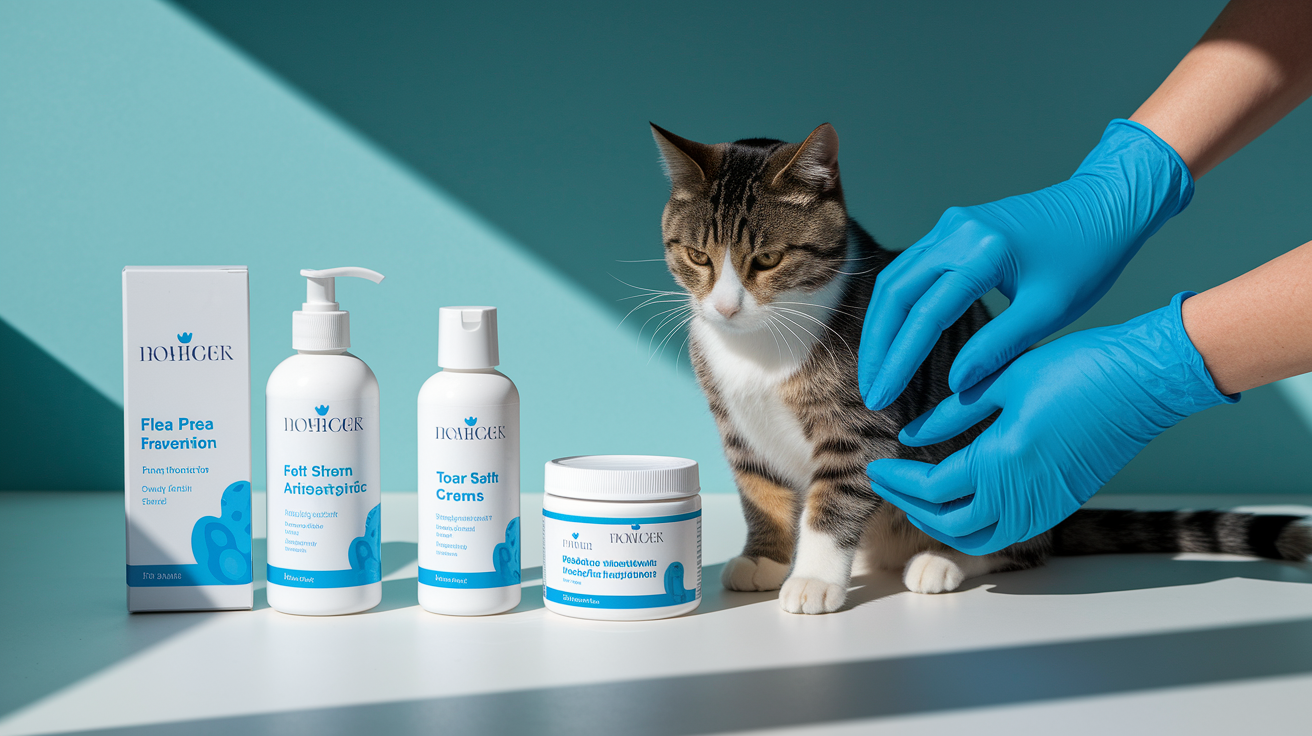
Treatment depends entirely on the diagnosis. Once your vet identifies the cause, the plan becomes specific. Following the right sequence helps avoid setbacks and speeds recovery.
For flea allergic cats, year round flea prevention isn’t optional. Products like Revolution or Revolution Plus treat fleas and many mites at once. Revolution Plus also covers ticks. Treat every pet in the home and vacuum frequently. Wash bedding in hot water weekly. Most flea triggered overgrooming improves within days once parasites are controlled.
Bacterial skin infections need antibiotics, often for two to four weeks. Yeast infections respond to antifungal medications or medicated shampoos. Ringworm requires systemic antifungals for a minimum of six weeks, plus environmental decontamination. Recheck fungal cultures confirm the infection’s truly gone. Stopping treatment early leads to relapse.
Treatment sequence:
- Treat for fleas empirically if there’s any chance fleas are involved, even without visible evidence.
- Treat secondary infections like bacteria or yeast to clear inflammation and allow accurate assessment.
- Manage inflammation and itch with antihistamines, steroids, or other anti itch medications as directed.
- Address underlying allergies through diet trials, environmental control, or allergy testing and immunotherapy.
- Consider further diagnostics like biopsy or referral to a veterinary dermatologist if the cause remains unclear.
Behavioral and Environmental Treatment for Cat Overgrooming
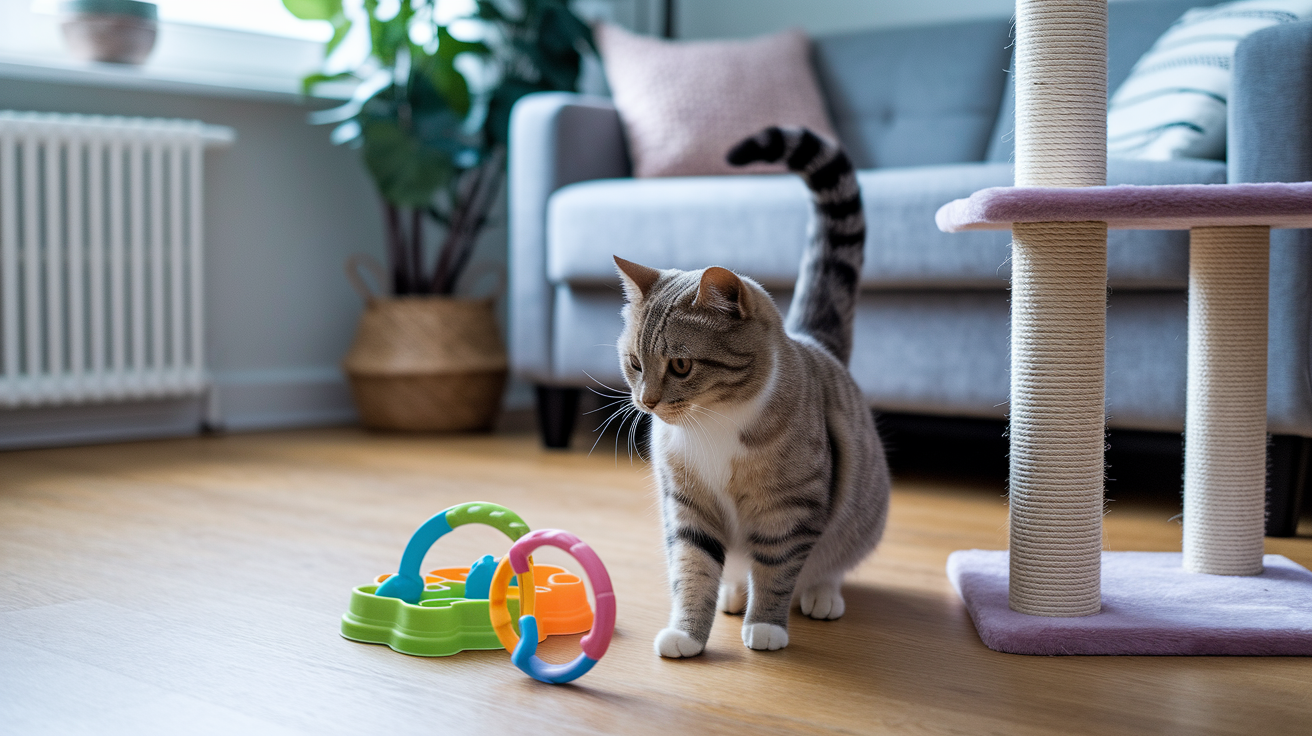
When stress or boredom contributes, adjusting your cat’s environment can make a real difference. Routine stability matters. Feed at the same times each day. Clean the litter box at least once daily. Avoid sudden changes in furniture layout or household schedule when possible.
Play isn’t optional for cats dealing with stress related grooming. Aim for two sessions of 10 to 15 minutes each day using wand toys, laser pointers, or small throwable toys. Rotate toys weekly to keep novelty high. Never punish grooming. It increases anxiety and worsens the cycle. Pheromone diffusers, like Feliway, release calming signals and help some cats feel safer. Supplements or anti anxiety medications may be needed under veterinary guidance for severe cases.
Enrichment ideas to reduce stress and overgrooming:
- Interactive toys like feather wands, motorized mice, or crinkle balls
- Scratching posts and pads in multiple locations and materials
- Vertical spaces like cat trees, wall shelves, or window perches
- Puzzle feeders to slow eating and mimic hunting behavior
- Consistent play schedule with at least two daily sessions
- Safe zones where your cat can retreat without interference from other pets or children
Safe Home Care and Prevention for Cats Losing Hair From Overgrooming
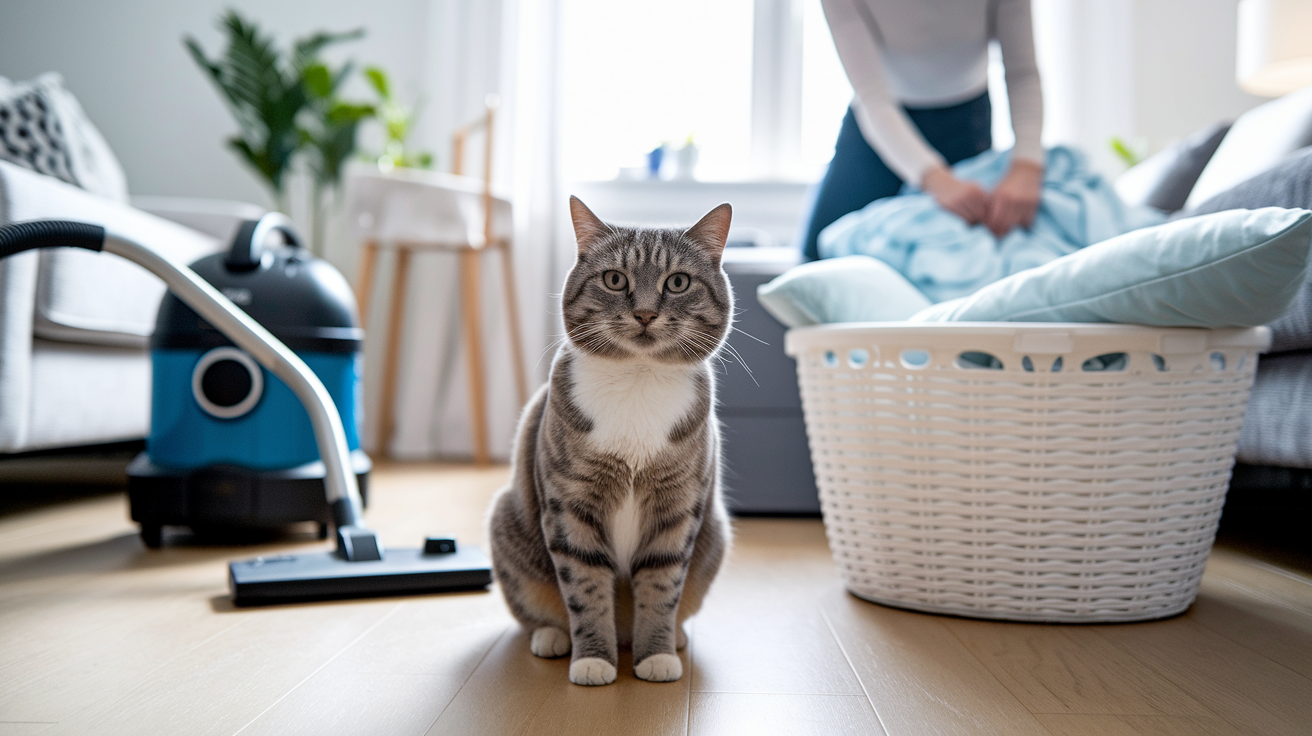
Prevention starts with identifying and removing stressors. Once medical causes are under control, focus on keeping your cat’s world predictable and enriched. Vacuum carpets, furniture, and cat resting areas at least twice a week to reduce allergens and flea eggs. Cover favorite chairs with washable sheets for easy cleaning.
Use unscented or hypoallergenic laundry detergent for bedding. Avoid overbathing. Cats rarely need baths, and frequent washing strips natural oils and can worsen skin sensitivity. Brush your cat gently a few times a week to distribute oils, remove loose hair, and reduce hairballs. Regular brushing also gives you a chance to check for new bald spots, scabs, or skin changes early.
| Home Care Step | How It Helps |
|---|---|
| Frequent vacuuming | Reduces flea eggs, allergens, and environmental irritants |
| Consistent feeding and litter routine | Lowers stress by creating predictability and security |
| Hypoallergenic or washable bedding | Minimizes exposure to dust, mold, and chemical residues |
| Regular brushing schedule | Distributes skin oils, reduces hairballs, allows early detection of new problems |
Expected Recovery Timeline for Cats With Overgrooming and Hair Loss
Behavioral improvement often begins within about a month after you address the root cause and start treatment. Hair regrowth takes longer. Expect several weeks to a few months before bald areas fill in completely. Ringworm cases need at least six weeks of antifungal treatment before recheck cultures show the infection’s gone.
Track progress with photos taken weekly in good light. Note the size and location of bald patches, the condition of the skin, and your cat’s grooming frequency. Keep a simple diary of grooming episodes, any new stressors, changes in diet, or medication side effects. This record helps you and your vet see patterns and adjust the plan.
Steps to monitor progress:
- Take weekly photos of affected areas in consistent lighting to document regrowth and skin healing.
- Keep a grooming diary noting time of day, duration, and triggers you observe before or during episodes.
- Track environmental changes like new visitors, loud noises, schedule shifts, or introduction of new products.
- Schedule follow up exams as recommended, typically every two to four weeks until hair regrowth is well established and grooming normalizes.
Final Words
Spotting sharp hair tips, scabs, or a patchy belly often points to common causes such as parasites, allergies, pain, fungal infection, or stress. Patterns really matter and can speed up answers.
Start small. Take photos, note where and when it started, try basic flea control, and keep bedding clean. Call your vet today if you see open sores, fast spreading hair loss, weight loss, or signs of pain.
With a clear plan and veterinary help, cat overgrooming and losing hair is manageable, and many cats improve well with the right care.
FAQ
Q: Why is my cat excessively grooming and losing hair?
A: Excessive grooming and hair loss in cats usually mean fleas, allergies, pain, fungal infection, or stress; start with a flea check, schedule a vet exam, treat infections or pain, and add enrichment at home.
Q: What are the first signs of feline leukemia in cats?
A: The first signs of feline leukemia in cats often include poor appetite, weight loss, fever, lethargy, swollen lymph nodes, and repeated infections; ask your vet for testing and isolation advice if suspected.
Q: Is there a 3-3-3 rule for cats?
A: The 3-3-3 rule for cats is an informal guide: 3 days to settle, 3 weeks to learn routines, and 3 months to feel fully comfortable—use it to pace introductions and watch for stress.
