
Is your dog constantly scratching their ears and shaking their head like something’s stuck?
It’s one of the most common things owners worry about.
Good news: many mild ear issues settle with safe, simple care at home.
This post walks you through quick relief you can do tonight.
Try gentle rinses, soothing oils, and plant-based rinses that calm itch.
You’ll also get clear red flags and questions to bring to your vet so you know when to stop home care and get help.
Immediate At-Home Relief Steps For a Dog Scratching Ears and Shaking Head
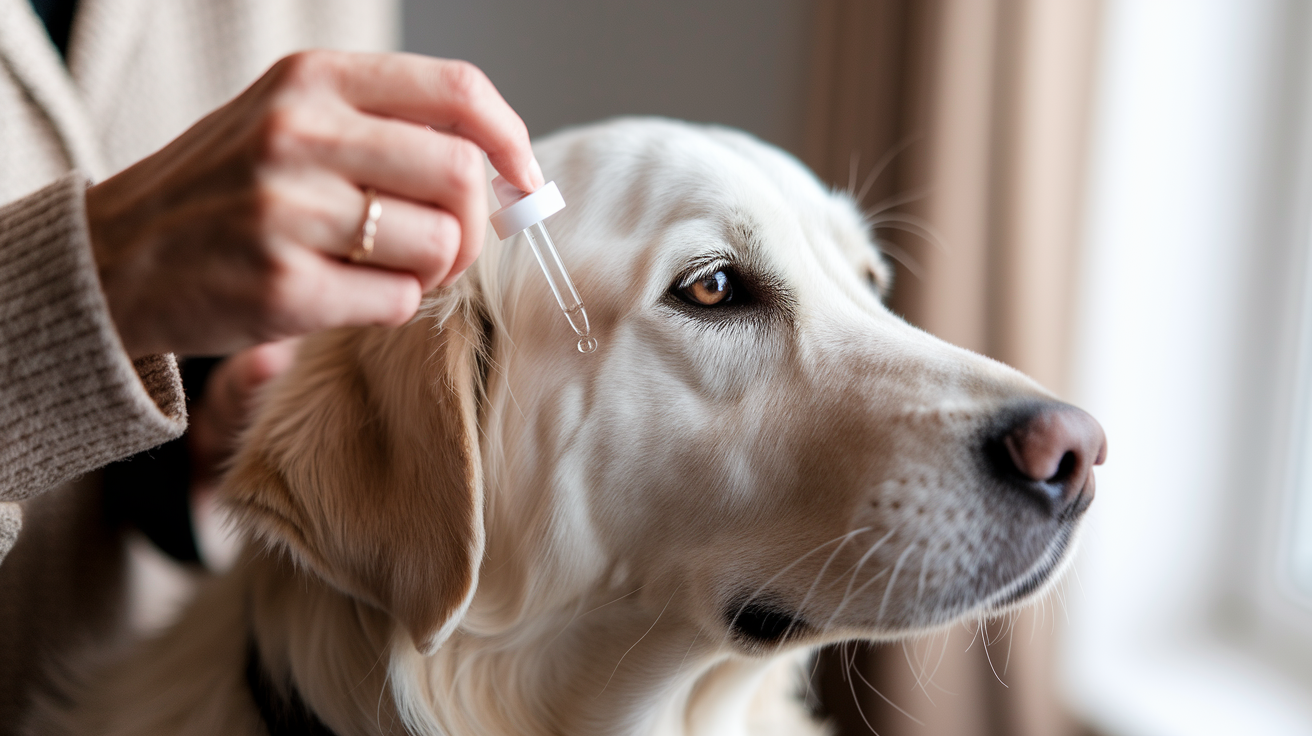
The second you spot your dog scratching hard or shaking their head, try a gentle saline flush. It removes loose debris and calms irritation fast. Mix 1/4 teaspoon plain salt in 1 cup warm water, pull it into a clean dropper or syringe (no needle), and let a small amount flow into the outer ear canal while you hold the ear flap up. Massage the base gently for a few seconds, then let your dog shake. This simple rinse often brings quick relief if it’s just mild dirt or wax buildup.
If you see redness or catch a yeasty smell, a diluted apple cider vinegar rinse can help. Mix equal parts water and apple cider vinegar (1:1), soak a cotton ball, and wipe the inside of the ear flap and the outer visible parts of the canal. Don’t pour undiluted vinegar into the ear. For dogs who’ll tolerate it, you can use a dropper to place a few drops of the 1:1 solution into the canal, then massage the base and wipe away what comes out. A warm compress against the outside of the ear also soothes pain. Soak a soft cloth in warm (not hot) water, wring it out, and hold it gently against the ear for a few minutes.
Coconut oil or lukewarm olive oil can coat and calm inflamed skin. Warm a small amount of coconut oil until it melts (test the temperature on your wrist first), then apply a few drops with a dropper or a clean fingertip to the visible parts of the ear. Massage the base to help it spread. Same method works with extra virgin olive oil warmed to body temperature. Both oils help soften wax and reduce itching, but stop right away if your dog yelps or pulls away.
Here are six steps for immediate at-home relief:
- Prepare a 1:1 mix of apple cider vinegar and warm water in a small bowl or cup.
- Soak a cotton ball or soft gauze pad in the mixture and wring out the excess.
- Gently wipe the inside of the ear flap and the outer canal opening (no deeper than your fingertip).
- If using drops, tilt the ear up, place a few drops into the canal, and massage the base for 10 to 15 seconds.
- Let your dog shake their head to expel loosened debris and excess liquid.
- Wipe away any discharge or moisture that comes out with a fresh cotton ball.
Don’t use cotton swabs, hydrogen peroxide, or rubbing alcohol inside the ear canal. Cotton swabs can push debris deeper or rupture the eardrum. Hydrogen peroxide and alcohol are too harsh and can burn already irritated tissue. If your dog’s scratching gets worse, you see blood, or the pain seems severe, stop home care and call your vet.
Common Causes Behind Dog Ear Scratching and Head Shaking
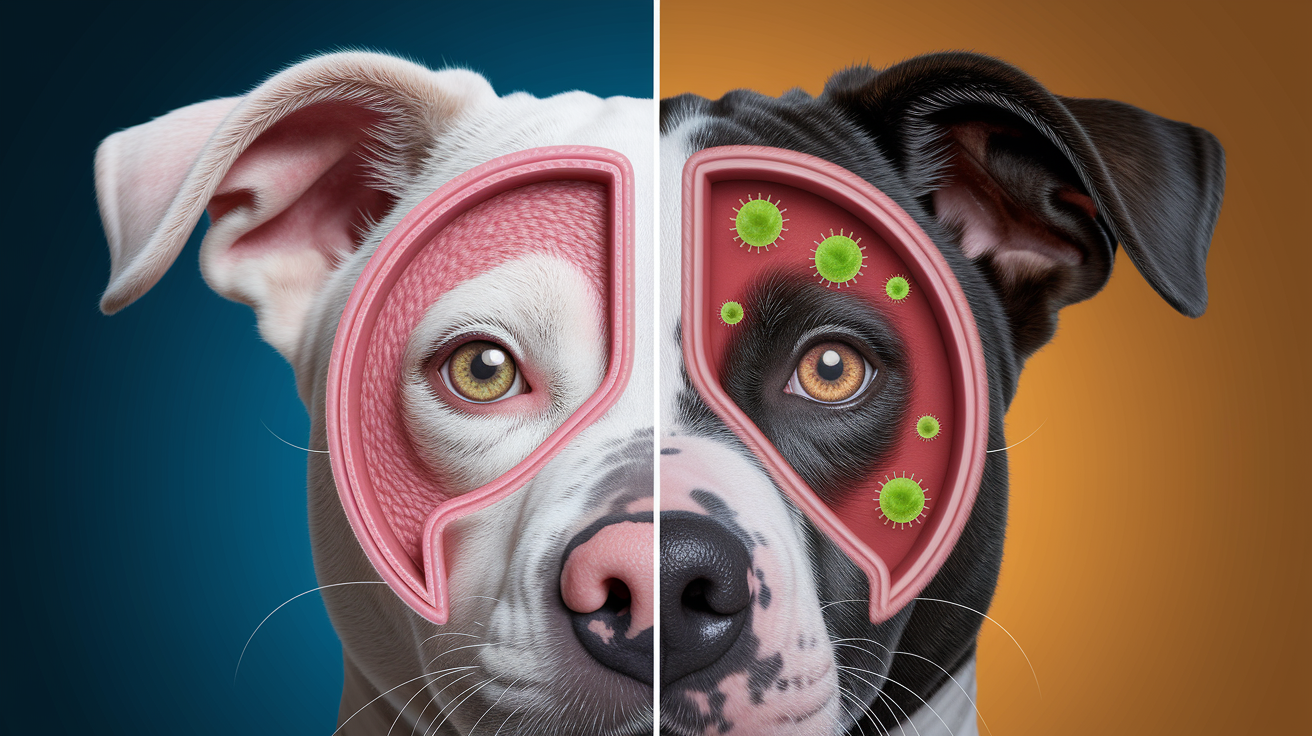
Yeast overgrowth is one of the most common reasons dogs scratch their ears. It usually produces a brown, waxy discharge and a distinct yeasty or musty smell. The skin inside the ear flap may look red or thickened, and the itch tends to be intense but not always painful. Yeast thrives in warm, moist environments, so dogs who swim often or have floppy ears are more prone to it.
Bacterial infections create a different picture. The discharge is often yellow, greenish, or even bloody, and it usually smells foul. Bacteria can invade after the skin’s already damaged by allergies, scratching, or moisture. Ear mites are another culprit, especially in puppies or dogs who’ve been around other animals. Mite infestations produce a dry, dark, crumbly debris that looks like coffee grounds, along with intense itching and head shaking. Mites are contagious and need veterinary treatment.
Foreign objects like grass seeds, foxtails, small bugs, or bits of plant material can lodge in the ear canal and trigger sudden, frantic scratching and shaking. Allergies to food or environmental triggers (pollen, dust, mold) can also cause chronic ear inflammation, redness, and itching without infection. Some dogs develop ear trouble every spring or after eating certain ingredients.
Here are four visual clues you can check at home:
- Brown, waxy buildup with a sweet or yeasty smell usually means yeast.
- Yellow or green discharge with a bad odor points to bacteria.
- Dry, dark, crumbly debris that looks like coffee grounds suggests ear mites.
- Clear or slightly pink fluid with sudden pain may indicate a foreign body or injury.
Safe Home Cleaning Techniques for Dogs With Itchy Ears
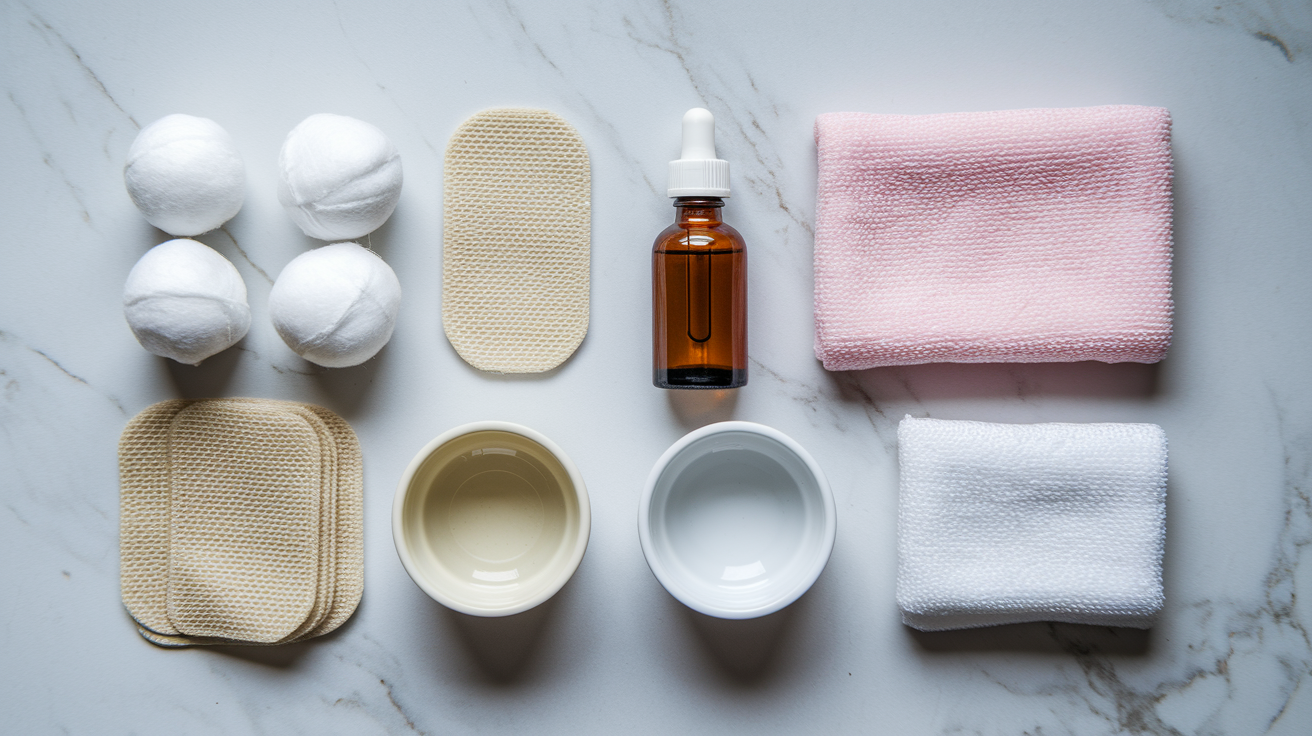
The right tools and technique make all the difference. Use soft cotton balls, gauze pads, or a clean soft cloth. Never insert anything smaller than your fingertip into the ear canal. The goal is to wipe away visible debris and excess moisture without pushing anything deeper or irritating the delicate skin inside. Hold the ear flap gently upward to open the canal a bit, then wipe in a downward or outward motion.
After you place any liquid into the ear (whether saline, a cleaning solution, or a remedy), massage the base of the ear where it meets the skull. You’ll feel a firm, rounded structure under the skin. Massage in small circles for 10 to 20 seconds. This helps the liquid move through the canal and loosen debris. Then step back and let your dog shake. The shaking motion is powerful and does most of the work of clearing out loose wax and dirt.
Follow these five steps for safe, effective cleaning:
- Gather your supplies: cotton balls or gauze, cleaning solution or saline, and a towel to catch splatter.
- Lift the ear flap gently and inspect the visible canal for redness, swelling, or debris.
- Apply a small amount of cleaning liquid to a cotton ball or directly into the ear if using a dropper.
- Massage the base of the ear for 10 to 20 seconds while the liquid’s inside.
- Release the ear, step back, and let your dog shake, then wipe away any discharge that comes out.
Identifying When Cleaning Is Making Things Worse
If your dog’s ear looks more swollen, redder, or starts to smell worse after cleaning, stop. Some dogs yelp or pull away during cleaning even when you’re being gentle. That pain response means the tissue’s inflamed or infected and needs veterinary care, not more wiping. A sudden increase in discharge, especially if it turns thick, yellow, or bloody, is another sign to pause home treatment. Over-cleaning can strip away the ear’s natural protective wax and disrupt the balance of healthy bacteria and yeast, which can actually invite infection rather than prevent it.
Natural Home Remedies for Dog Itchy Ears and Head Shaking

Beyond the basic rinses and oils covered earlier, several gentle plant-based remedies can soothe inflammation and support healing for mild external ear irritation. These options work best when the problem’s limited to the outer ear and you’ve ruled out foreign bodies, severe infection, or other complications. Always test a small amount first and watch for any allergic reaction.
Green Tea Rinse (8 oz water + 2 bags)
Green tea has natural anti-inflammatory and mild antimicrobial properties. Boil 8 ounces of water, remove it from heat, and add 2 green tea bags. Let them steep for a few minutes, then remove the bags and allow the tea to cool to lukewarm. You can apply the cooled tea with a dropper, a small syringe (no needle), or by soaking a cotton ball and squeezing it gently into the ear canal. Massage the base of the ear and let your dog shake. The tannins in green tea help reduce redness and calm itchy skin. Use this rinse once or twice a day for a few days and watch for improvement.
Calendula Tincture Solution (5–10 drops in 1 cup warm water)
Calendula is a flowering herb known for healing irritated tissue and reducing inflammation. Use an alcohol-free calendula tincture if possible, or dilute a standard tincture well to avoid stinging. Add 5 to 10 drops of calendula tincture to 1 cup of lukewarm filtered or distilled water. Stir gently, then apply the solution with a dropper or sponge it into the ear canal. Massage the base and allow your dog to shake out the excess. Calendula works well for red, inflamed ears that aren’t yet infected. It’s gentle enough for daily use during flare-ups.
Aloe Vera for Outer Ear Irritation
Pure aloe vera gel (100% aloe with no added fragrance, alcohol, or colorants) can be applied to the inside of the ear flap and the outer visible parts of the canal. Don’t squeeze it deep into the canal. Use a small amount on a cotton ball or your clean fingertip and gently coat the irritated areas. Aloe soothes burning, reduces redness, and helps damaged skin heal. It’s especially helpful for ears that have been scratched raw. Make sure your dog doesn’t lick large amounts of aloe, as ingestion can cause stomach upset.
Grapefruit Seed Extract (Topical or Internal Guidelines)
Grapefruit seed extract (GSE) has antimicrobial properties and can be used both topically and internally. For a topical ear rinse, mix 10 drops of GSE into 1/2 ounce of pure aloe vera juice. Apply a few drops into the ear canal with a dropper, massage the base, and wipe away the excess. For internal immune support, add 3 to 5 drops of GSE to your dog’s food once daily. GSE is potent, so never use it undiluted, and stop if you see any sign of irritation or sensitivity.
When Dog Ear Scratching and Head Shaking Requires a Vet
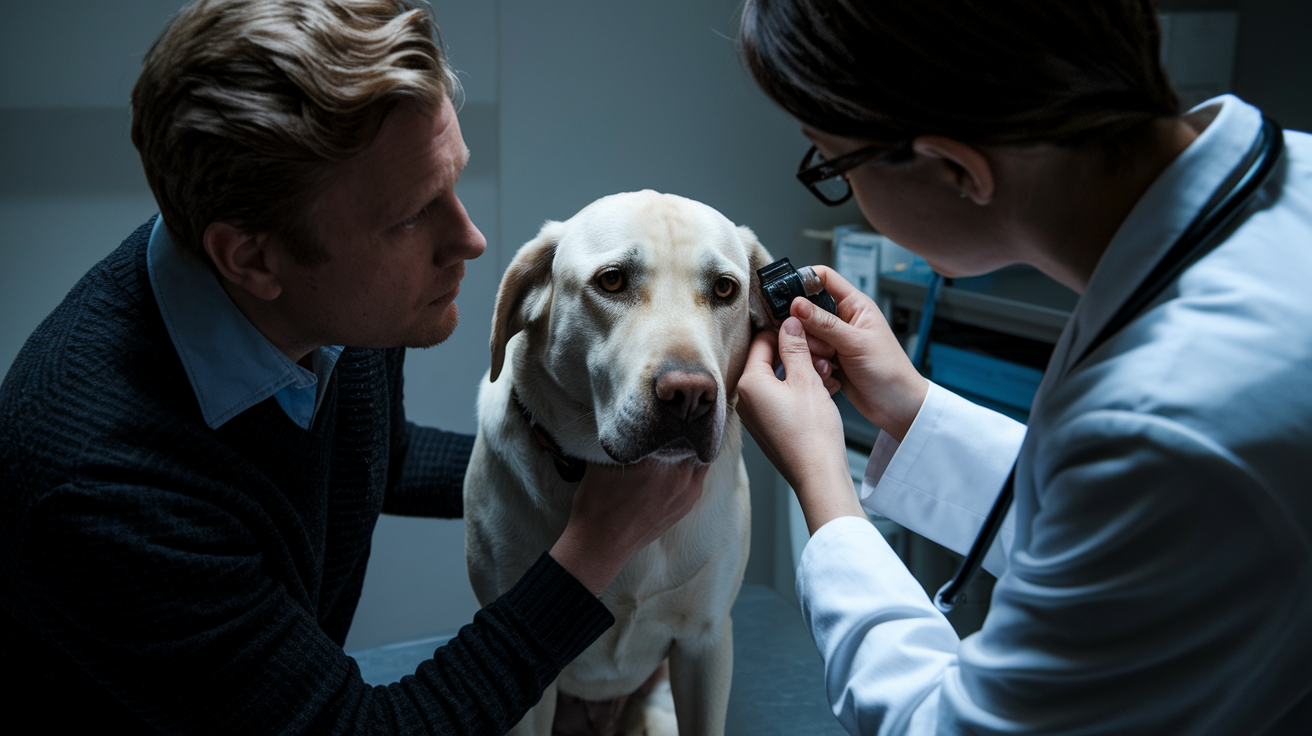
Some symptoms mean the infection or injury has spread beyond what home remedies can manage. If your dog develops a head tilt, loss of balance, or starts walking in circles, the problem may have reached the middle or inner ear. These structures control balance and hearing, and infections there can cause permanent damage if not treated quickly. Neurologic signs are urgent.
Severe pain is another red flag. If your dog cries out when you touch the ear, refuses to let you near their head, or can’t sleep because of discomfort, the inflammation’s too advanced for at-home care. Foul-smelling discharge that persists or worsens after a few days of cleaning suggests a bacterial infection that needs prescription antibiotics. Bleeding from the ear, visible cuts, or any foreign object you can see but can’t easily remove all require immediate veterinary attention.
An aural hematoma (a blood-filled swelling on the ear flap) can develop from violent head shaking. The ear flap will look puffy, hot, and tender. While some holistic vets offer less invasive treatments, many cases need drainage or surgery to prevent permanent deformity of the ear. Don’t wait to see if a hematoma resolves on its own.
Watch for these five neurological emergencies:
- Rapid, involuntary eye movements (nystagmus)
- Drooping eyelid, lip, or one side of the face
- Difficulty eating, drinking, or swallowing
- Severe loss of balance or falling to one side
- Sudden onset of deafness or unresponsiveness to sound
Preventing Recurring Ear Scratching and Shaking in Dogs

Routine ear checks are the simplest prevention tool. Lift the ear flap once a week and look for redness, odor, or buildup. Healthy ears have a light coating of pale wax and smell neutral or slightly waxy. Catching changes early means you can clean or treat before scratching starts. After every bath or swim, dry your dog’s ears thoroughly with a soft towel or cotton ball. Trapped moisture is one of the fastest ways to trigger yeast or bacterial overgrowth.
Avoid over-cleaning. Too much wiping or flushing can strip the ear’s natural defenses and irritate the skin. For most dogs, a quick wipe of the outer ear once a week is enough. Dogs with chronic ear problems may need more frequent attention, but follow your vet’s guidance on how often to clean and what products to use.
Diet can play a role in recurring ear trouble. High-carbohydrate kibbles and food sensitivities can feed yeast overgrowth or trigger allergic inflammation. If your dog’s ears flare up repeatedly, consider a trial of a simpler, lower-carb, or novel-protein diet. Some dogs improve dramatically when grains, chicken, or beef are removed. Probiotics and gut-support supplements may also help, since a strong immune system starts in the digestive tract.
Here are four breed-specific prevention tips:
- Poodles and Doodles: trim or pluck excess hair from the ear canal to improve air flow.
- Cocker Spaniels: clean ears weekly and keep ear flaps dry, as they produce more ear wax.
- Basset Hounds and Bloodhounds: lift and air out floppy ears daily to prevent moisture buildup.
- Shar-peis: monitor for early signs of inflammation, as narrow ear canals trap debris easily.
Ear Mites vs Ear Infections: Why Scratching and Shaking Look Similar
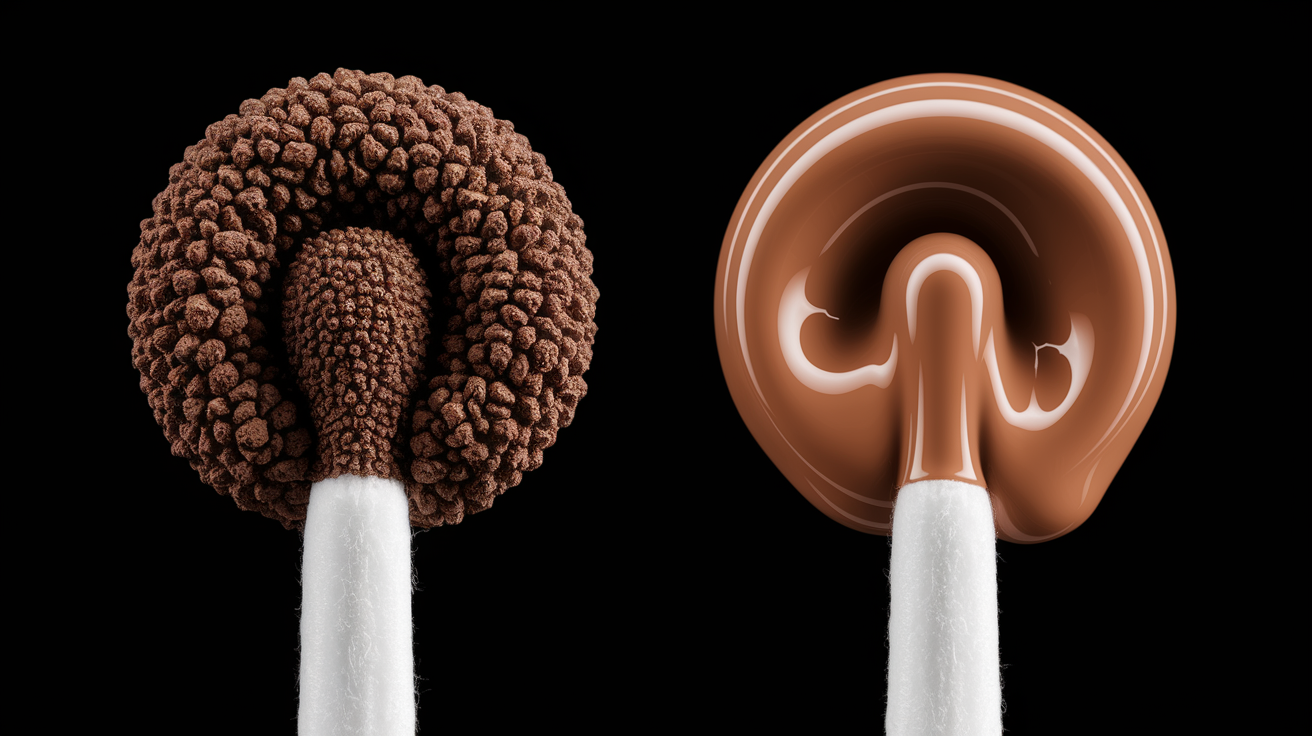
Both ear mites and infections cause intense itching, head shaking, and redness, but the underlying cause and the best treatment are different. Mites are tiny parasites that live in the ear canal and feed on skin oils and debris. They’re highly contagious and spread quickly between dogs and cats. Infections are caused by an overgrowth of bacteria or yeast that normally live on the skin in small numbers.
The type of discharge is the easiest way to tell them apart at home. Mites produce a dry, dark, crumbly material that looks like coffee grounds. It’s usually not very smelly. Yeast infections create a brown, waxy, sticky discharge with a sweet or musty odor. Bacterial infections produce yellow, green, or even bloody discharge with a foul, rotten smell. Allergies can cause redness and itching without much discharge at all.
| Cause | Common Discharge | Odor | Typical Itch Level |
|---|---|---|---|
| Ear Mites | Dry, dark, coffee-ground debris | Minimal or none | Very high |
| Yeast Infection | Brown, waxy, sticky | Sweet, musty, yeasty | High |
| Bacterial Infection | Yellow, green, or bloody | Foul, rotten | Moderate to high, often painful |
Monitoring Healing After Using Home Remedies

For mild external irritation, you should see improvement within two to three days of starting home treatment. The scratching should become less frequent, the redness should fade, and any discharge should decrease in amount and change to a lighter color. If the ear looks the same or worse after three days, the problem’s likely too deep or too severe for home care alone.
Track your dog’s symptoms daily so you can spot patterns or catch a turn for the worse. Note the color and amount of discharge each time you clean. Watch how often your dog shakes their head or scratches. Pay attention to appetite, energy, and behavior. A dog who stops eating, becomes lethargic, or starts acting anxious or aggressive may be in significant pain or developing a systemic infection.
Monitor these five symptoms to assess healing progress:
- Odor: should fade within a few days; worsening smell means infection’s advancing.
- Discharge color: should lighten from dark brown or yellow toward clear or pale tan.
- Swelling: should decrease; increasing puffiness is a red flag.
- Frequency of head shaking: should drop noticeably by day two or three.
- Appetite and behavior changes: loss of interest in food or play suggests the problem’s serious.
If symptoms return within a few weeks after they clear, your dog may have an underlying issue like allergies, a foreign body that wasn’t fully removed, or a deeper infection that needs prescription medication. Recurring ear trouble is common in certain breeds and dogs with compromised immune systems, and it often requires a partnership between home care and veterinary management.
Final Words
Start tonight: try a saline flush or a 1:1 apple-cider-vinegar rinse, a lukewarm dab of coconut or olive oil, and a warm compress. Gently massage the ear base and never use Q-tips.
Watch for odor, heavy discharge, swelling, worsening pain, or balance changes. Call your vet today if any of those appear; otherwise monitor for a few days and consider aloe, green tea, or calendula for mild irritation.
For a dog scratching ears and shaking head home remedy, use these safe steps and track changes closely. With quick care and a vet’s help when needed, most dogs improve fast.
FAQ
Q: How do you soothe a dog’s itchy ears and why won’t my dog stop itching his ear and shaking his head?
A: To soothe a dog’s itchy ears and reduce constant scratching and head shaking, check for redness, odor, or discharge, then try a saline rinse, warm compress, and a 1:1 apple-cider-vinegar wash on the outer ear.
Q: How to cure a dog ear infection without a vet?
A: Curing a dog ear infection without a vet is only for very mild cases; try a gentle saline flush, 1:1 ACV wash on the outer ear, warm compress, and massage. Stop and see your vet if discharge, odor, or pain persists.
Q: What kills yeast in dogs’ ears?
A: Yeast in dogs’ ears is killed by veterinary topical antifungals (miconazole or clotrimazole) and medicated ear drops; mild cases may respond to diluted 1:1 apple-cider-vinegar rinses, but see your vet for proper treatment.
