
Think apple cider vinegar is a miracle cure for your dog’s itchy skin?
It can help in many mild cases by restoring skin pH and cutting down yeast and bacteria on the surface, but only when diluted and used the right way.
I’ll show safe dilution ratios, simple spot tests, quick spray and paw-soak steps, plus red flags that need a vet.
Try one of these tonight, watch for improvement in 24 to 72 hours, and stop if your dog’s pain or skin looks worse.
How Apple Cider Vinegar Helps Soothe Dog Itchy Skin (Fast, Safe Relief Methods)

Apple cider vinegar restores your dog’s natural skin pH, which sits in a slightly acidic range. When irritation throws that balance off, bacteria like Staphylococcus aureus, E. coli, and yeast such as Candida albicans start multiplying. A diluted ACV spray nudges the surface back toward normal and can knock down those populations within a few hours to a couple of days.
The fastest relief comes from a simple 1:1 spray. Pour 4 fluid ounces of raw apple cider vinegar and 4 fluid ounces of water into an 8-ounce spray bottle, shake it up, and mist the itchy spots once or twice a day. Just keep it away from your dog’s eyes or any cuts. Most people see their dog scratching less and notice the funky smell fading within 24 to 72 hours, assuming the itch is mild and sitting on the surface.
Do a patch test first. Pick a 1 to 2 inch spot on the coat, apply a little diluted ACV, wait 24 hours, and watch for extra redness or scratching. If nothing happens, you’re good to go. Never spray ACV on open wounds, oozing sores, or raw skin. The acetic acid stings and won’t help anything heal faster.
ACV works best when your dog has:
- Light dandruff or flakes
- Yeast buildup on paws or belly folds
- Minor irritation left behind from bath soap
- Mild itching without visible infection
- That weird smell that shows up between baths
Underlying Causes of Dog Itching Before Using Apple Cider Vinegar
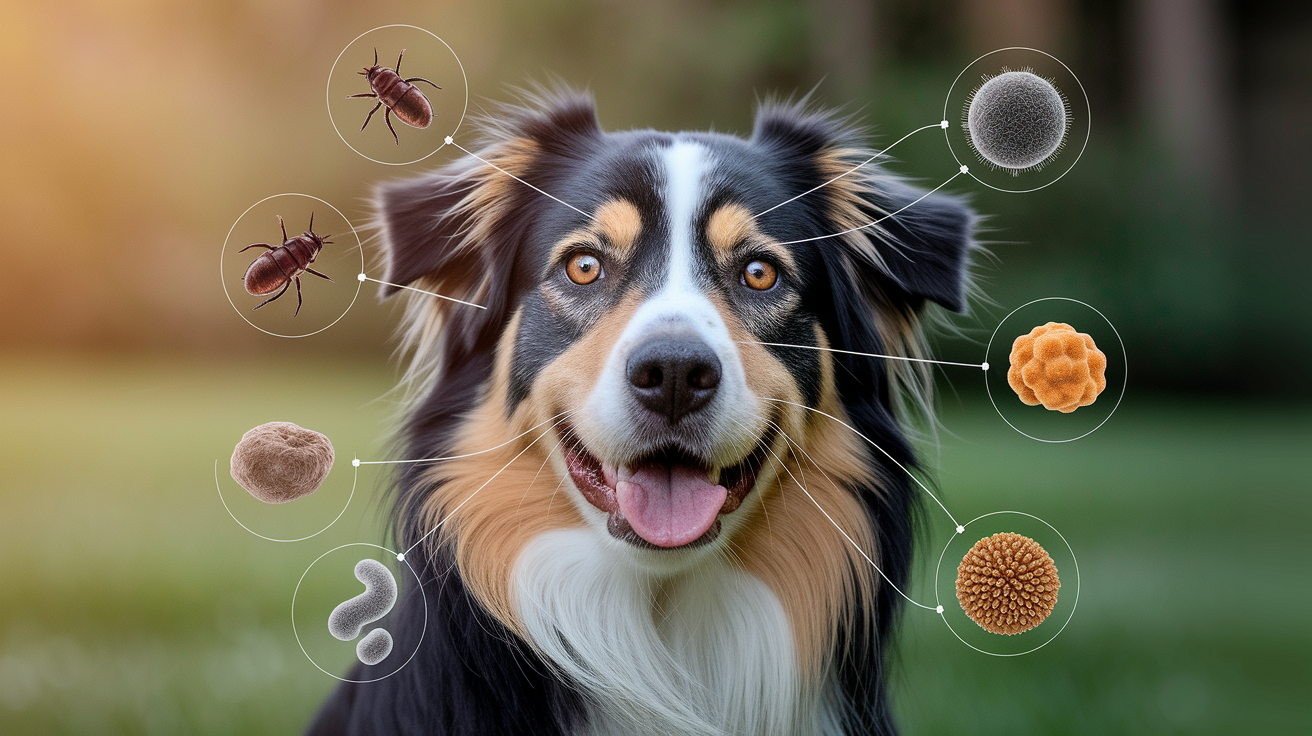
Dog itching comes from a lot of places, and ACV only touches surface problems. Fleas top the list, especially when it’s warm out. A single flea bite can send an allergic dog into a scratching fit. Environmental allergies to pollen, dust, or mold flare seasonally and cause chronic itching, while food allergies run year round and usually show up on paws, ears, and bellies.
Bacterial and yeast infections love moist skin folds, the spaces between toes, and ear canals. They make a greasy discharge and smell awful, and ACV won’t cure that on its own. Parasites like sarcoptic mange mites cause relentless scratching that needs prescription meds. Endocrine issues such as hypothyroidism or Cushing’s disease weaken the skin barrier and leave dogs open to secondary infections.
If your dog’s got pustules, yellow or green gunk, big bald patches, or smells rotten, ACV isn’t the answer. Those signs point to something deeper that needs a vet’s diagnosis and real medication.
Common itch triggers:
- Flea bites and flea allergy dermatitis
- Environmental allergens (atopy)
- Food sensitivities
- Bacterial or yeast infections
- Sarcoptic or demodectic mites
- Hormonal imbalances
Preparing and Diluting Apple Cider Vinegar for Dog Itchy Skin
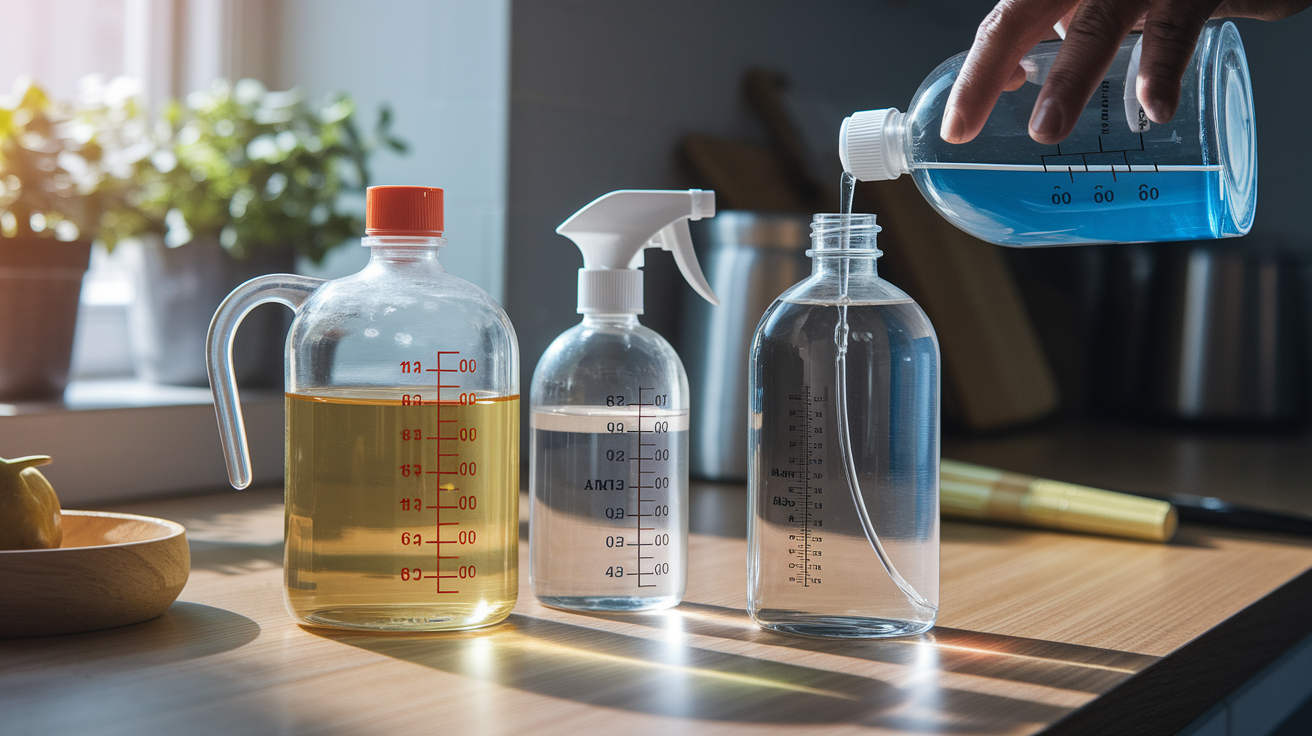
Always dilute apple cider vinegar. Straight ACV is way too acidic and can burn your dog’s skin or irritate their stomach if they lick it off. The standard mix is 1:1, equal parts vinegar and water. But if your dog has sensitive or thin skin, try a gentler 1:3 ratio. Measuring with kitchen tools you already have keeps things simple.
Grab clean containers. An 8 ounce spray bottle works for spot treatments. A gallon pitcher is better if you’re doing a full body rinse after a bath. Store leftover diluted solution in the fridge for up to two weeks, and let it warm to room temperature before the next use so you don’t shock your dog’s skin.
How to prep a spray bottle:
- Pour 4 fluid ounces of raw, unfiltered apple cider vinegar into an 8 ounce spray bottle.
- Add 4 fluid ounces of distilled or filtered water.
- Cap it and shake gently.
- Label the bottle with the date and ratio.
- Test a small patch before spraying bigger areas.
- Keep it in the fridge between uses and toss it after two weeks.
| Ratio | Use Case | Example Measurement |
|---|---|---|
| 1:1 | General itchy skin, mild yeast | 4 fl oz ACV + 4 fl oz water (8 oz bottle) |
| 1:3 | Sensitive or thin skin | 2 fl oz ACV + 6 fl oz water (8 oz bottle) |
| 1 cup per gallon | Full body rinse after bath | 1 cup ACV + 1 gallon water |
| 1–2 tbsp per cup | Spot rinse for small areas | 1 tbsp ACV + 8 fl oz water |
Safe Application Methods Using Apple Cider Vinegar on Itchy Skin
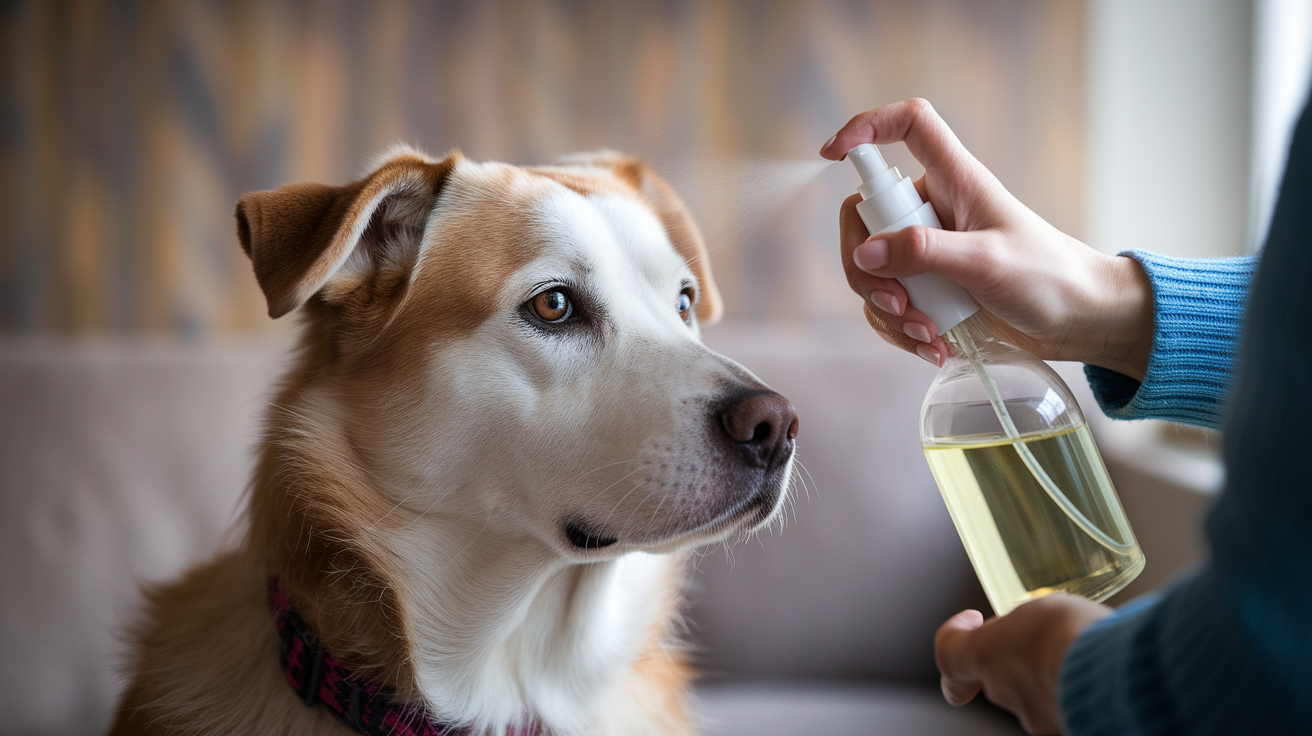
You can use topical ACV as a spray, a post bath rinse, a paw soak, or a gentle wipe for ears and skin folds. Each method fits different situations. Once or twice a day is usually enough. More than that risks drying out the skin.
Spray works well for scattered itchy patches on the back, sides, or belly. Hold the bottle six to eight inches from your dog’s coat, mist lightly, and let it air dry or pat with a towel. For paw soaks, pour a 1:1 or 1:3 mix into a shallow dish, guide each paw into the liquid for 30 seconds to a minute, then pat dry. This helps dogs who chew or lick their feet because of yeast.
Ear cleaning needs extra care. Soak a cotton ball or soft gauze pad in diluted ACV, squeeze out the extra liquid, and gently wipe the visible outer ear flap and the entrance to the ear canal. Never pour liquid into the ear canal. If your dog yelps or pulls away, stop. That means the ear’s already sore or infected and you need a vet.
Safe ways to use ACV:
- Spray diluted mix onto coat and let it air dry
- Pour a rinse over your dog after shampooing
- Soak individual paws in a shallow dish for one minute
- Wipe the outer ear with a soaked cotton ball (don’t insert into canal)
- Dampen a soft cloth and wipe skin folds on face or tail area
- Mix ACV rinse with cooled green tea for extra soothing
- Apply once or twice daily and pull back if skin gets dry
Step by Step Full Body ACV Rinse
After you bathe your dog with regular shampoo, mix 1 cup of apple cider vinegar into 1 gallon of warm water in a bucket or pitcher. Pour the diluted solution slowly over your dog’s back, shoulders, and hindquarters, massaging it gently into the coat so it reaches the skin. Let it sit for one to two minutes, then lightly rinse with plain water or just towel dry if your dog’s okay with that. This gets rid of any leftover soap, balances skin pH, and adds a little shine to the coat.
Apple Cider Vinegar Safety Precautions for Dog Skin
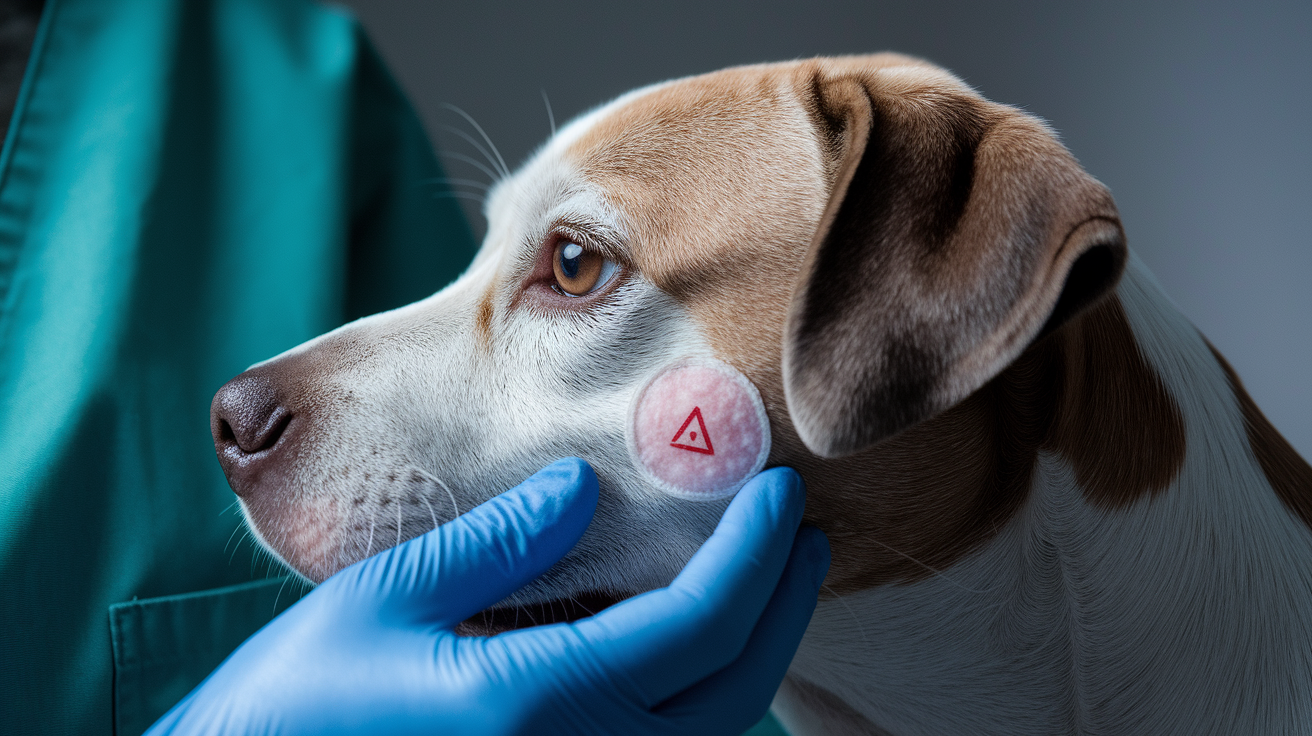
Apple cider vinegar stings when it hits broken skin. Don’t apply it to open wounds, hot spots with oozing sores, ulcers, or any area where the skin’s raw or cracked. The acetic acid will hurt and might slow healing. Keep the spray and rinse away from your dog’s eyes, nose, and mouth. If you accidentally get some in there, flush the area right away with plain water.
Overuse dries out skin and coat, which leads to flaking or more itchiness. If your dog’s scratching more after a few days of ACV, cut back to every other day or dilute it further. Puppies, pregnant or nursing dogs, and seniors with chronic health issues should only use topical ACV after a vet approves. Dogs with diabetes, kidney disease, or conditions affecting acid base balance can run into complications from even small amounts of ACV, whether you put it on the skin or they lick it off.
Stop using ACV right away if you see:
- More redness or swelling where you sprayed
- Intense scratching or biting at treated areas
- Vomiting or drooling after licking treated fur
- Skin that looks dry, tight, or flaky after use
- Any sign of pain when you touch the spot
- Discharge, crusting, or a nasty smell developing
Expected Results and Timeline When Using Apple Cider Vinegar
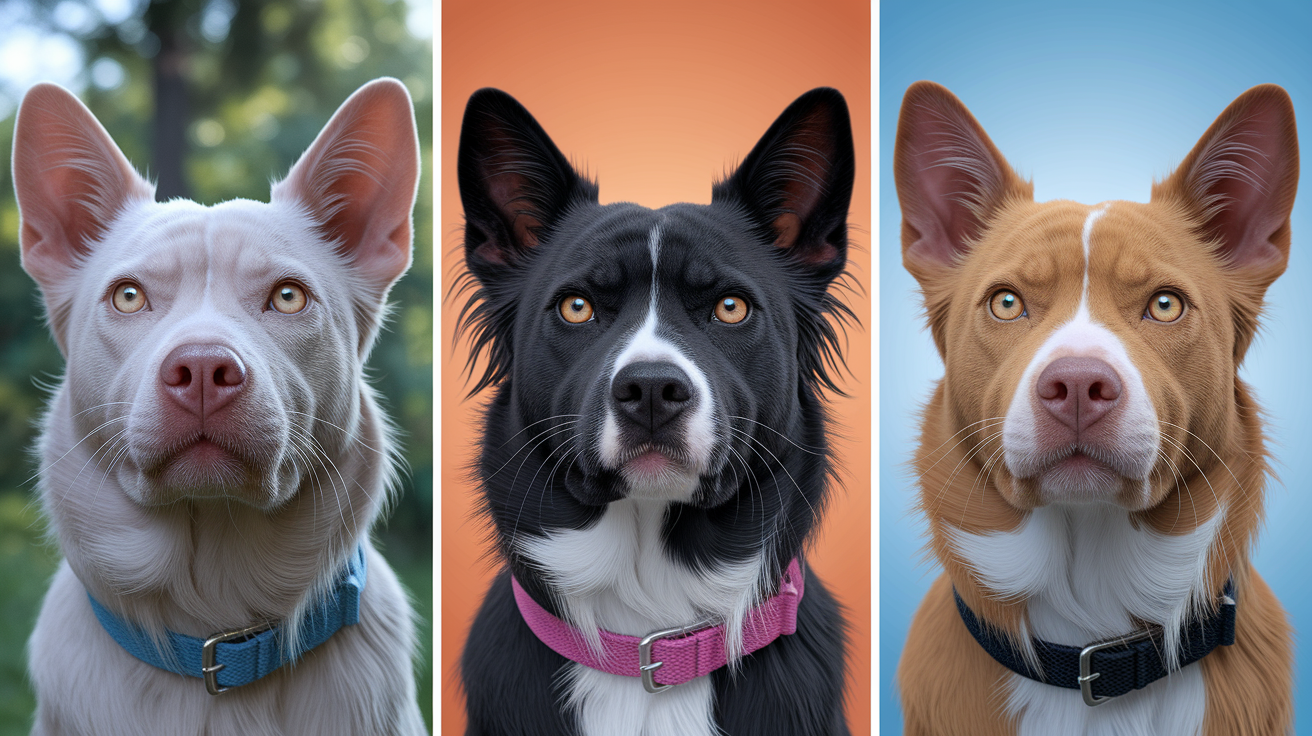
Most dogs with mild, surface level itching scratch less and smell better within 24 to 72 hours of the first spray. You might notice your dog stops targeting one specific spot or sleeps more comfortably. That quick relief tells you the irritation was probably something simple like leftover shampoo, minor yeast, or a small environmental allergen.
For mild dermatitis or seasonal flare ups, keep using the spray or rinse once or twice a day for one to two weeks. Things should get better gradually, with fewer itchy episodes and healthier looking skin. Chronic allergy cases or dogs with recurring infections often need four to eight weeks of combined care, including vet medications, diet changes, and regular ACV rinses as backup support.
Typical timelines:
- Surface relief (less odor, less urgent scratching): 24 to 72 hours.
- Noticeable improvement in mild irritation or dandruff: 1 to 2 weeks with daily use.
- Real progress in chronic allergy symptoms: 4 to 8 weeks, usually alongside other treatments.
- No improvement or things getting worse: stop ACV and call your vet within 72 hours.
Complementary Natural Remedies Used with Apple Cider Vinegar
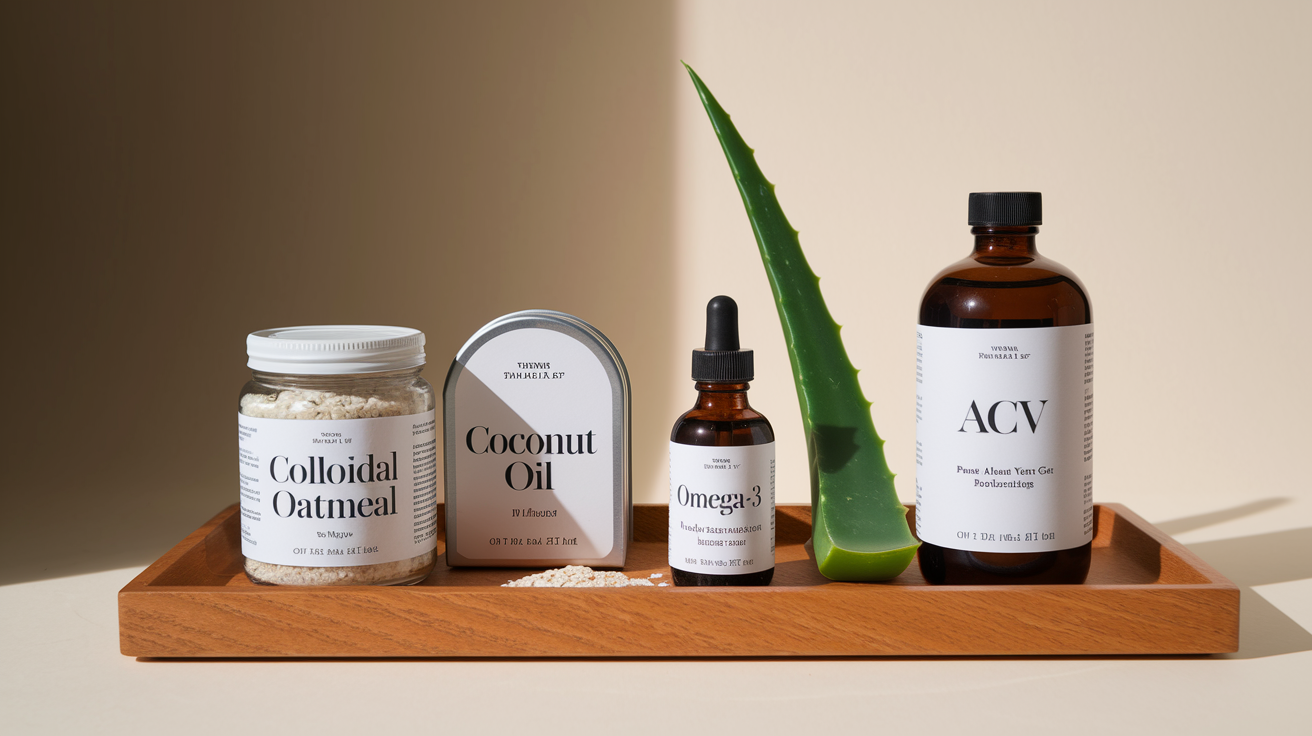
Colloidal oatmeal baths pair well with ACV rinses, especially when the skin’s inflamed or extra dry. Add 1 cup of finely ground colloidal oatmeal to a tub of warm water, let your dog soak for five to ten minutes, then rinse lightly and apply a diluted ACV spray once the coat’s towel dried. Repeat the oatmeal soak once or twice a week during flare ups.
Coconut oil gives a thin moisture barrier and has mild antimicrobial properties. After an ACV rinse and dry, rub a small amount (roughly one quarter to one teaspoon) onto localized dry patches. But don’t go heavy or your dog will just lick it all off. Omega 3 fatty acid supplements support skin health from the inside and usually need eight to twelve weeks of daily use before you see less itching and inflammation. Aloe vera gel (pure, no added alcohol or fragrance) can be mixed into an ACV rinse for extra soothing. Skip essential oils unless your vet gives you specific dosing and safety guidance.
Natural options that work with ACV:
- Colloidal oatmeal baths (1 cup per tub, 5 to 10 minutes, 1 to 2 times weekly)
- Thin layer of coconut oil on dry spots after ACV dries
- Daily omega 3 supplement (wait 8 to 12 weeks for visible results)
- Pure aloe vera gel mixed into rinse for inflamed skin
- Hypoallergenic diet trial (8 to 12 weeks to spot food triggers)
- Medicated shampoos with chlorhexidine or ketoconazole for yeast or bacteria (vet recommended)
When to See a Veterinarian Instead of Using Apple Cider Vinegar
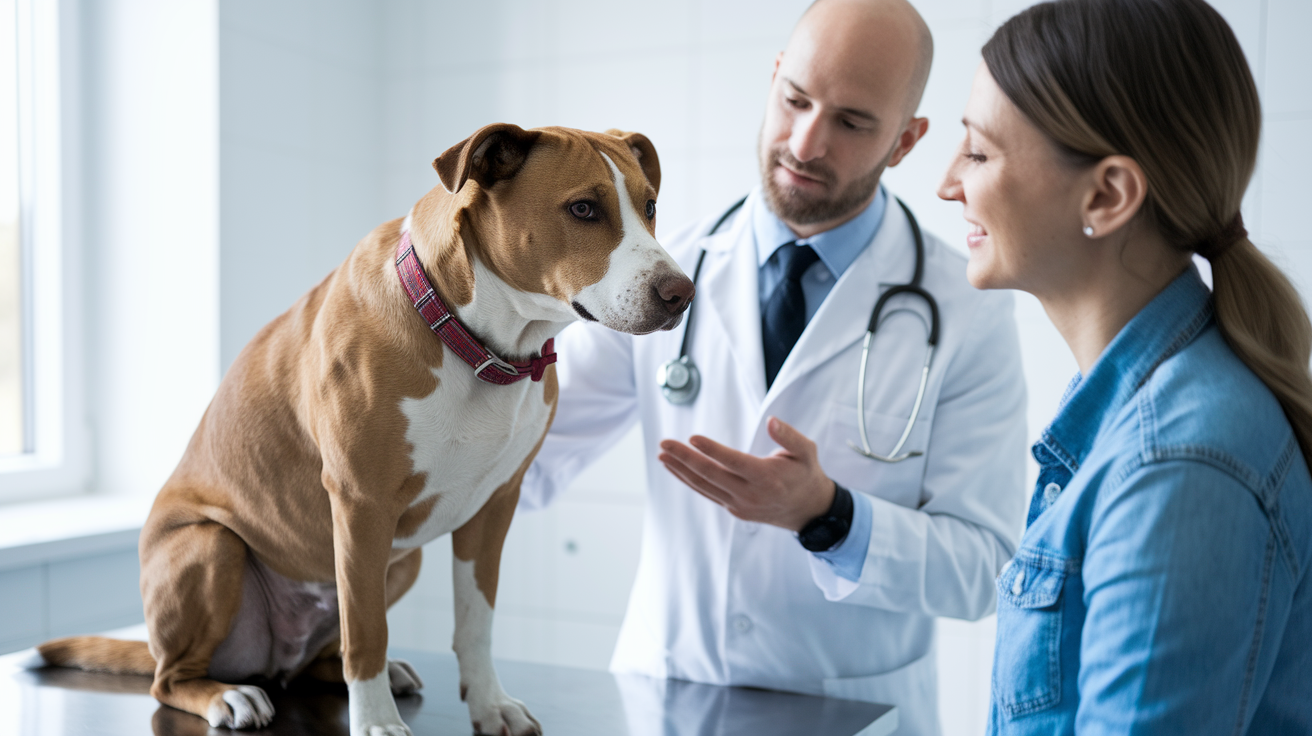
If your dog’s itching sticks around or gets worse after 72 hours of home care, book a vet exam. Persistent scratching usually means an infection, parasite infestation, or allergy that needs prescription medication or testing. Look for pustules, yellow or green discharge, crusting, or patches where the hair’s falling out in clumps. Those are signs the skin barrier’s compromised and at risk for deeper infection.
Systemic symptoms like lethargy, vomiting, diarrhea, or fever mean the problem goes beyond surface irritation and needs immediate professional attention. Ear infections, especially ones with dark, waxy discharge or a yeasty smell, should never be treated at home by pouring ACV into the canal. That can make inflammation worse and damage delicate structures inside the ear.
Red flags that need a vet:
- Severe redness, swelling, or oozing sores
- Hair loss in patches or thinning everywhere
- Foul smell that doesn’t improve with bathing
- Pustules, crusts, or any sign of pus
- Systemic illness (vomiting, lethargy, fever, loss of appetite)
Product Guidance: Choosing the Right Apple Cider Vinegar for Dog Itchy Skin

Pick raw, organic, unfiltered, and unpasteurized apple cider vinegar that contains the “mother,” a cloudy sediment of beneficial enzymes and trace probiotics you can see at the bottom of the bottle. Standard acidity sits around five percent, which is safe for diluted topical use. Shake the bottle gently before each use to spread the mother evenly.
Grocery store pricing usually runs five to twelve dollars for a 16 fluid ounce bottle, eight to fifteen dollars for 32 ounces, and fifteen to thirty dollars for a gallon. Pet specific ACV sprays, often pre diluted and sold in smaller bottles, cost eight to twenty dollars. They’re convenient but give you less control over concentration. Avoid anything with added sugar, artificial flavors, preservatives, or synthetic additives. Those can irritate skin or make your dog lick more.
What to look for on labels:
- “Raw” and “unfiltered” with visible cloudiness (the mother)
- “Unpasteurized” to keep natural enzymes
- Acidity listed near five percent
- Organic certification preferred (less pesticide residue)
- Glass bottle to avoid chemical leaching from plastic
Real Owner Experiences with Apple Cider Vinegar for Dog Itchy Skin

A lot of dog owners say they notice less scratching and better coat smell within one to three days when using a 1:1 ACV spray on mild irritation. One owner with five Pomeranians and a German Shepherd mentioned trying ACV after vet steroid shots gave only temporary relief for small scabs and itchy patches on legs and belly. Another commenter talked about planning to use the spray method for recurring seasonal flare ups that standard shampoos hadn’t touched.
Some people warn that ACV stings if you spray it on already broken or raw skin, which backs up the importance of doing a patch test and looking carefully before you spray. The general vibe in user comments leans optimistic but realistic. ACV’s seen as a helpful, low cost tool for surface problems, not a cure all for deep infections or bad allergies.
What owners commonly say:
- Quick surface relief (24 to 72 hours) for mild dandruff and yeast smell
- Stinging reported when spray hits scratches or sores
- Good results when combined with regular grooming and diet tweaks
- Less helpful on its own for flea infestations or chronic allergies needing medication
Final Words
Mix equal parts raw apple cider vinegar and water in a spray bottle, then test a small patch for 24 hours. Spray clean, dry areas once or twice daily for surface itching.
Expect relief within hours to 72 hours. Stop if it stings, becomes red, or you see open wounds. Call your vet now for pus, spreading hair loss, fever, or no improvement after 72 hours.
Used correctly, apple cider vinegar for dog itchy skin can be a fast, simple home step while you monitor and work with your vet.
FAQ
Q: Does apple cider vinegar stop itching on dogs?
A: Apple cider vinegar stops itching on dogs by restoring skin pH and offering mild antimicrobial action, often easing surface-level itch within hours to 72 hours. Avoid using it on open wounds.
Q: Can I mix Dawn dish soap and apple cider vinegar for my dog?
A: Mixing Dawn dish soap and apple cider vinegar for my dog is not recommended because Dawn is a strong degreaser that can dry or irritate skin. Use a pet-safe shampoo and check with your vet.
Q: How much apple cider vinegar should I give my dog per day?
A: How much apple cider vinegar you should give your dog per day depends on size and health. Do not give ACV orally without your vet’s approval since it can affect kidneys and blood sugar.
Q: What is a good home remedy for dogs itchy skin?
A: A good home remedy for dogs itchy skin is a 1:1 apple cider vinegar and water spray (patch-test 24 hours first). Add oatmeal baths, omega-3 supplements, and vet follow-up if itching continues.
