
What if your cat is quietly running low on water right now, and you wouldn’t notice until it becomes a serious health problem?
Chronic, low-level dehydration raises the risk of kidney disease, liver trouble, and diabetes, yet cats often hide it by acting normal.
Think of hydration like daily toothbrushing: small, simple habits that stop big problems before they start.
This post shows easy, everyday steps you can start tonight, with fresh bowls, multiple water stations, and more wet food, to keep your cat hydrated and healthier.
Essential Prevention Steps for Cat Hydration
A lot of cats are chronically dehydrated and you’d never know it. They don’t complain. They just quietly run low on water, which over time raises their risk for kidney disease, liver trouble, and diabetes. Proactive hydration isn’t about reacting to an emergency. It’s a daily habit built around a few simple tweaks that keep your cat’s water intake where it should be.
The baseline is pretty simple: about 4 ounces of water for every 5 pounds of lean body weight, every day. So a 10-pound cat needs roughly 8 ounces, or one cup, over 24 hours. That comes from drinking, wet food, or both.
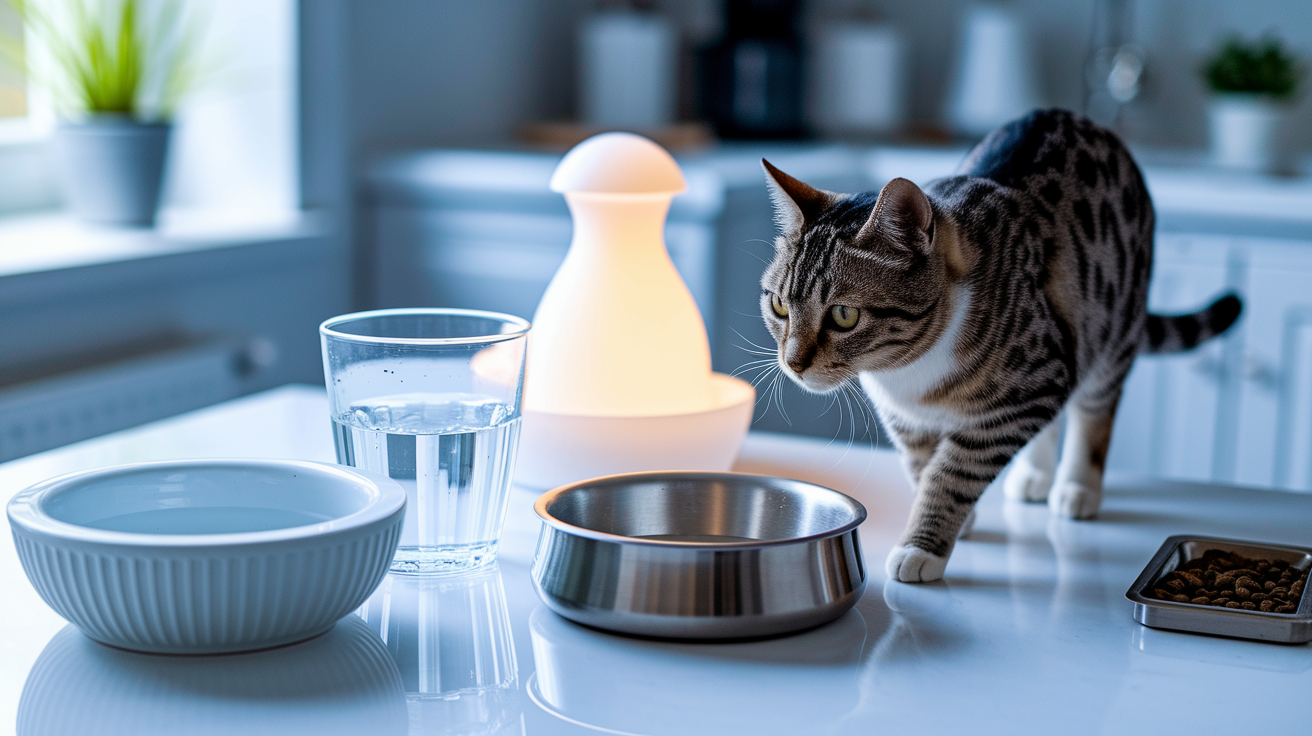
Building a prevention routine means making water easy to find and appealing to drink. Keep bowls clean and filled with fresh, cool water. Put multiple water stations around your home so your cat doesn’t have to hike across the house or compete with another pet. Wet food is one of the most effective hydration tools you’ve got. Canned and raw diets contain up to 80% water, so a single 3-ounce serving delivers more than 2 ounces of moisture without your cat needing to drink a thing.
The prevention methods that actually work revolve around availability, freshness, and moisture-rich meals. Offer cool, clean water in wide, shallow bowls. Ceramic, glass, or stainless steel work best. Refresh the water at least once a day and wash bowls with gentle soap to clear away biofilm and bacteria. Incorporate wet food, rehydrated freeze-dried meals, or thawed raw patties into your cat’s diet. Position water bowls away from litter boxes and food dishes. Consider a pet water fountain if your cat likes moving water. In multi-cat homes, provide one water station per cat, plus one extra, to prevent bullying or avoidance.
Daily prevention steps you can start right now:
- Fill and refresh water bowls every morning with cool, clean water.
- Wash all water bowls daily with gentle soap and rinse thoroughly.
- Place at least two water stations in different rooms.
- Add one or two wet-food meals per day, or mix wet food into kibble.
- Keep water bowls separate from food and litter areas.
- Monitor water levels throughout the day and top up as needed.
Understanding Cat Hydration Needs for Prevention

A healthy adult cat needs about 1 ounce of water per pound of body weight each day. That’s 8 to 10 ounces for a typical 10-pound cat, or roughly 1 to 1.25 cups of total liquid over 24 hours. The water your cat drinks from a bowl is only part of the equation. Moisture-rich food counts toward the daily total. Cats fed wet diets may drink less from bowls because their meals deliver 78% to 84% water content. A 3-ounce serving of canned food supplies around 2.4 ounces of water, covering nearly a third of a 10-pound cat’s daily requirement in a single meal.
Daily needs shift depending on temperature, activity, age, and health status. A young, active cat playing in warm weather will need more water than a calm senior napping in air conditioning. Cats recovering from vomiting or diarrhea lose fluid fast and need extra hydration to restore balance. Senior cats, especially those with kidney disease or diabetes, often need higher daily intake to support kidney function and compensate for increased urination. Always offer more water during hot months, after high-energy play, and when your cat is unwell.
Factors that increase daily water needs:
- Hot or dry weather, indoor heating, or outdoor heat exposure.
- High activity levels, extended play sessions, or hunting behavior.
- Pregnancy, nursing, or kitten growth phases.
- Chronic illness such as kidney disease, diabetes, or hyperthyroidism.
Recognizing Early Dehydration Signs in Cats
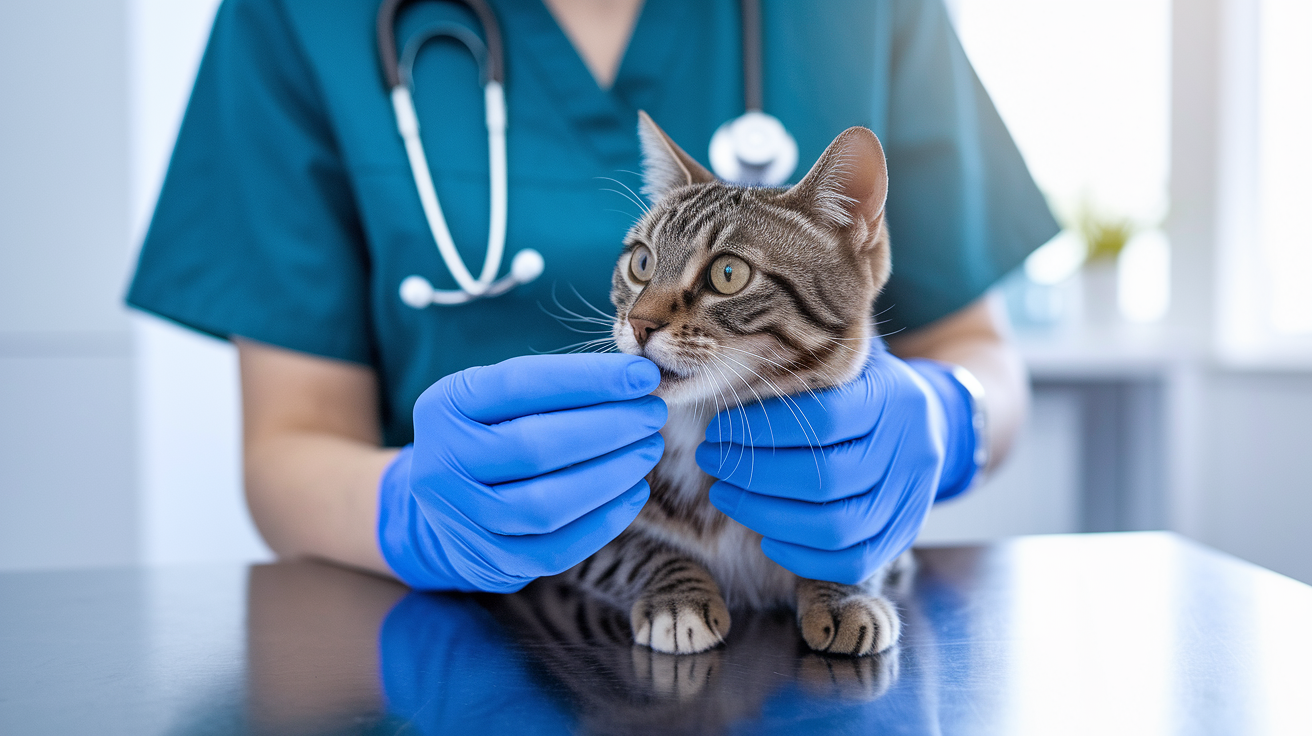
Early dehydration often shows up as subtle shifts in behavior and physical appearance before your cat seems truly sick. Watch for tacky or dry gums when you gently lift the lip. Healthy gums feel moist and slippery. Dehydrated gums feel sticky or dry. Sunken eyes are another clear sign. If the eyes look dull or sit deeper in the sockets than usual, your cat may not be getting enough water. Lethargy and a drop in appetite often appear together. A cat who usually greets you or begs for meals but now stays curled in one spot and ignores food is showing a warning sign.
The skin-tent test is a quick home check for hydration status. Gently pinch a small fold of skin on the back of your cat’s neck or between the shoulder blades, then release. In a well-hydrated cat, the skin snaps back into place immediately. If the skin stays tented or returns slowly, taking more than a second or two, your cat is likely dehydrated. This test works best in younger and middle-aged cats. Senior cats naturally lose some skin elasticity, so the test can be less reliable in older pets. Always combine the skin check with other signs.
Changes in the litter box offer early clues that your cat isn’t drinking enough. Smaller, darker urine clumps or fewer trips to the box over 24 hours suggest concentrated urine and reduced water intake. Increased thirst paired with frequent litter-box visits can signal kidney disease or diabetes rather than simple dehydration. Both conditions raise dehydration risk. Track how often your cat urinates and whether the volume seems normal. A sudden shift in either direction is worth noting.
Behavioral and litter-box clues to monitor daily:
- Reduced interest in food or treats, skipping meals.
- Spending more time lying down, avoiding play or interaction.
- Dry, tacky gums or a sticky mouth feel.
- Smaller or darker urine clumps in the litter box.
- Increased drinking followed by frequent urination, suggesting underlying disease.
Final Words
Start offering wet food and extra water stations now. Those are the most practical moves from this post. We also covered how to estimate water needs by weight and when daily needs rise.
You learned simple checks for early problems and easy routines to keep fluids steady.
If you want a one-line goal: follow the steps above on how to prevent dehydration in cats and check water intake daily. Your cat will be safer and more comfortable.
FAQ
Q: How do you rehydrate a cat?
A: Rehydrating a cat means offering fresh cool water, wet food, and vet fluids when needed; mild cases often respond to at-home fluids and wet food, but call your vet for vomiting, lethargy, or low urine.
Q: Is there a 3-3-3 rule for cats?
A: There’s no widely accepted 3-3-3 rule for cat hydration; follow weight-based guidelines (about 4 oz per 5 lb) and adjust for heat, age, activity, or illness, offering wet food and multiple water bowls.
Q: Can cats survive dehydration? Can cats come back from dehydration?
A: Cats can survive dehydration and often recover fully with prompt veterinary fluids and care; severe or prolonged dehydration may cause organ damage, so get urgent care if your cat is weak, not eating, or not urinating.
